
REVIEW · JAPANESE COOKING CLASSES
Sushi – Authentic Japanese Cooking Class – the best souvenir from Kyoto!
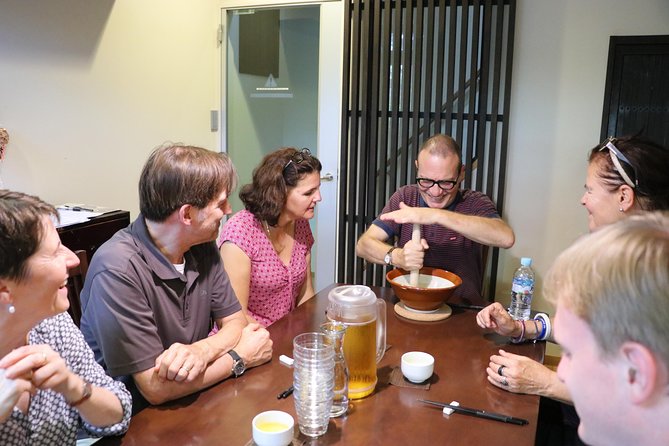
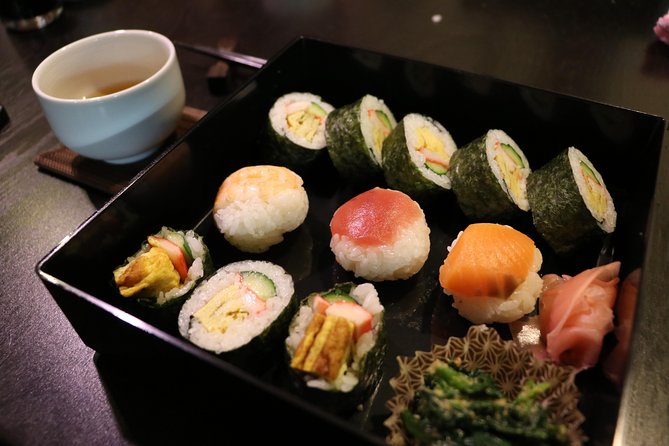
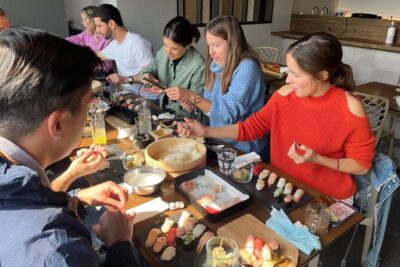
The best part of this Kyoto experience is that you do not simply eat sushi, you learn what makes it work. In Kaori’s home-style kitchen, you prepare sushi rice, several types of sushi, dashi soup, and pickled ginger while picking up the table manners and food customs that shape a Japanese meal.
I like the hands-on format, which gives you useful skills instead of a quick demonstration. I also like the relaxed setting, English instruction, recipes to take home, and cultural details such as umami, chopstick etiquette, and why sushi rice is fanned. The main consideration is the meeting point: Kyoto addresses can be tricky, so use the supplied map pin rather than relying only on a taxi driver or street address.
In This Review
- Key points to know before booking
- Why sushi class beats another restaurant meal
- Entering Roujiya for an 11:30 a.m. lesson
- The opening lesson: umami, dashi, and Japanese food culture
- Making sushi rice, soup, and pickled ginger
- Eating what you make, with tea and an aperitif
- The handout makes the class useful after Kyoto
- How much value do you get for $72.67?
- Who will enjoy this Kyoto cooking class?
- A few practical points that affect the experience
- Should you book the Roujiya sushi class?
- FAQ
- Where does the sushi class take place?
- What time does the class begin?
- How long does the activity last?
- What food will I prepare?
- Is the class taught in English?
- Is food included in the price?
- Are drinks included?
- Is hotel pickup included?
- Can I cancel for a full refund?
Key points to know before booking
- You make and eat several dishes: Sushi is the star, but the class also covers dashi soup, pickled ginger, and sushi rice.
- Kaori teaches in English: Her clear explanations cover both cooking steps and the cultural reasons behind them.
- The class lasts about two hours: It is long enough for real participation without taking up an entire day in Kyoto.
- You learn Japanese dining manners: The lesson includes practical etiquette, not just knife work and rolling.
- Recipes go home with you: The handout includes recipes and information about Japanese food and table customs.
- The location requires care: Meet at Roujiya, 22-58 Nishinokyō Ikenouchichō, Nakagyo Ward, Kyoto, at 11:30 a.m.
Why sushi class beats another restaurant meal
Kyoto gives you endless chances to eat sushi. That is part of the problem. After a few polished restaurant meals, it can be hard to remember which dish you had where. A cooking class gives you something more lasting: a better understanding of the food and the confidence to try it again at home.
This is not presented as a formal chef-training course. It is a friendly introduction to Japanese cooking in a clean kitchen setting. You work through the ingredients with guidance, then sit down to eat what you have made. That simple arc gives the class a clear purpose and keeps the experience connected to daily Japanese food culture.
I especially like that the lesson does not treat sushi as an isolated trick. You learn about umami, the savory taste associated with ingredients such as seaweed and bonito flakes. You also learn about dashi, a basic Japanese broth that appears in many dishes, including the soup prepared during the class.
That context matters. Once you understand how dashi creates depth, why sushi rice needs careful handling, and how pickled ginger fits into the meal, Japanese food becomes easier to appreciate at restaurants. You are not just copying a recipe. You are learning the logic behind the meal.
More Japanese Cooking Classes in Kyoto
- Ramen Cooking Class at Ramen Factory in Kyoto
★ 5.0 · 1,937 reviews - Sushi Making in Kyoto! Same-day bookings welcome!
★ 5.0 · 713 reviews - Kyoto: Ramen Cooking Class at a Ramen Factory with Souvenir
★ 4.9 · 532 reviews
Entering Roujiya for an 11:30 a.m. lesson
The class begins at 11:30 a.m. at Japanese Cooking Class Roujiya, in Kyoto’s Nakagyo Ward. It ends at the same location, with no hotel pickup or drop-off included. The venue is near public transportation, but you should still plan the final approach carefully.
Kyoto’s addressing system can confuse taxi and rideshare drivers. One participant had trouble finding the location and experienced a long delay in communication. The practical lesson is simple: open the Google Maps URL or location pin included in your reservation information before leaving, and allow extra time for the last few minutes.
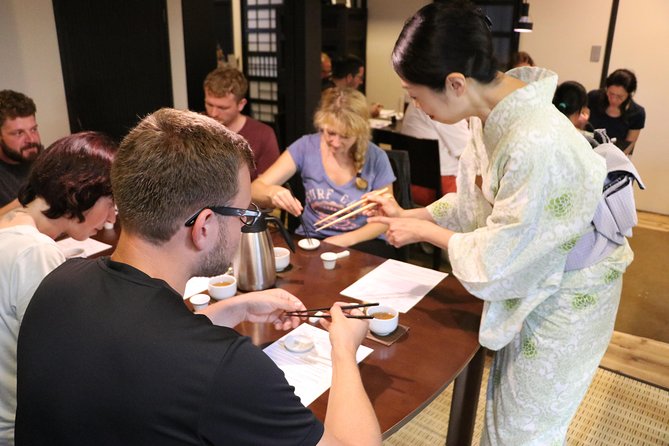
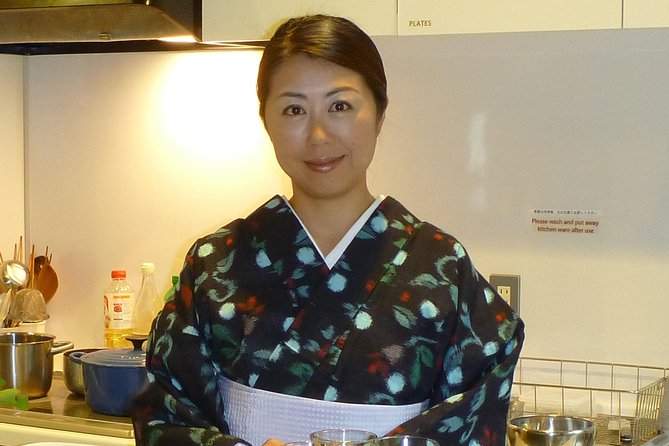
The setting is part of the appeal. Kaori welcomes you into a beautiful home-style kitchen rather than a large commercial studio. The class has been offered for many years, and the atmosphere is designed to feel like an invitation into her home.
The published information gives different group limits in different places. The experience is described as capped at eight people, while the booking details allow up to 13 people and list a maximum of 12 participants. If group size matters to you, confirm the expected number when booking. Even with a larger group, the format is built around direct participation rather than simply watching from the side.
The opening lesson: umami, dashi, and Japanese food culture
The class begins with more than a list of ingredients. Kaori introduces basic ideas in Japanese cooking, including the five tastes and the origin of umami. This is a useful start because it gives you a vocabulary for what you are about to cook and eat.
You learn how to make a simple dashi broth using seaweed and bonito flakes. Dashi can look modest in a recipe, but it supplies the savory base for many Japanese dishes. Learning it here gives you a technique you can repeat at home without needing a long ingredient list.
The cultural side is practical rather than ornamental. Kaori discusses Japanese food traditions, the role of table manners, and details such as why Japanese chopsticks are shorter than Chinese chopsticks. You also learn why sushi rice is fanned during preparation.
These small facts help the class feel connected to real Japanese dining. They also make the meal more memorable. A short explanation about chopsticks or rice preparation can stay with you long after the food itself is gone.
Making sushi rice, soup, and pickled ginger
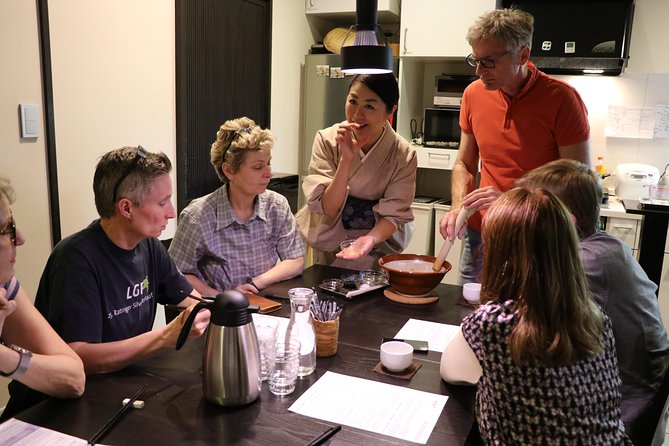
Sushi depends on rice more than most first-time cooks expect. The fish or other topping may get attention, but the rice controls the texture, balance, and overall success of the dish. Kaori walks you through the sushi rice preparation and explains the steps rather than asking you to follow blindly.
The class also includes soup and pickled ginger. The ginger is not just a colorful side item. It helps refresh your palate between bites, and making it yourself shows how a small accompaniment fits into the structure of a Japanese meal.
You prepare several types of sushi, with Kaori guiding you through each stage. The exact shapes and fillings can vary, so do not book this expecting a fixed professional menu or an advanced sushi-chef certification. The value is in learning the basic methods, handling the rice, assembling the pieces, and understanding how to repeat the process.
This is a good arrangement for beginners. You can arrive knowing little about sushi and still take part in every major step. At the same time, experienced home cooks may find useful details in the explanations of flavor, texture, and etiquette.
Same city, a completely different kind of day:
- PERFECT KYOTO 1-Day Bus Tour
★ 5.0 · 13,518 reviews - Kyoto: Fushimi Inari, Kinkakuji, Bamboo Grove 1 Day Bus Tour
★ 4.8 · 4,316 reviews - Kyoto: Tea Ceremony in a Traditional Tea House in Kiyomizu
★ 4.9 · 3,519 reviews - Kyoto Geisha Walking Tour: Gion District & Hidden Gems
★ 4.7 · 3,273 reviews
Eating what you make, with tea and an aperitif
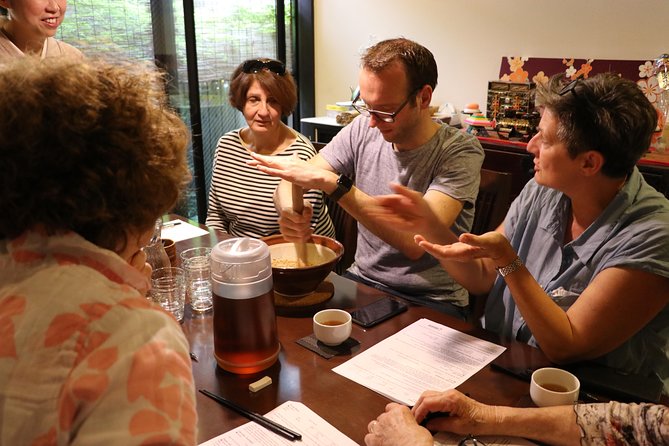
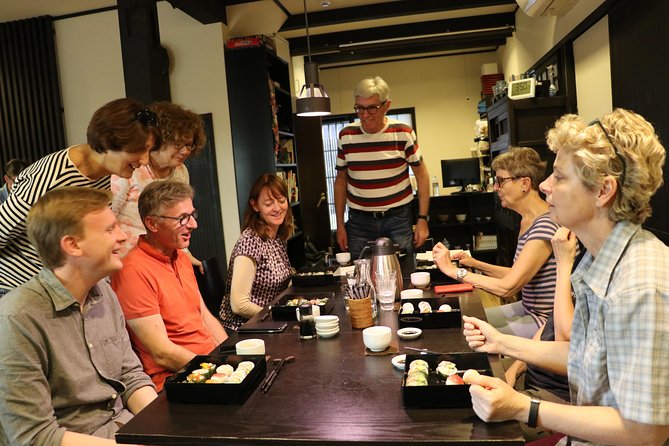
The class includes the meal, all cooking ingredients, an aperitif, and Japanese green tea. After the preparation, you eat your own sushi and soup, which gives the lesson a satisfying finish. You are not left with a few samples after spending two hours at the counter.
Several accounts describe the food as plentiful, so arrive ready to eat. The meal is part of the price, not an optional restaurant stop afterward. That makes the experience work well as a late-morning activity leading into lunch.
A small note about drinks is worth keeping in mind. The listed inclusions cover an aperitif and green tea. One class account also mentions sake and beer being available after the cooking for an extra charge, so ask Kaori about current drink options if that matters to you.
The best moment may be the first bite of sushi you assembled yourself. It will not turn you into a Tokyo sushi master in one morning, but it gives you a new appreciation for the care behind a dish that can look deceptively simple.
The handout makes the class useful after Kyoto
A cooking experience can be fun and still disappear from memory once you return home. Roujiya adds practical value with recipes and a four-page guide covering Japanese manners, food, sushi rice, soup, and pickled ginger.
That handout is one of the strongest reasons to choose this class over a purely entertaining food activity. You can use it to recreate the dishes later, and the instructions give you a reference when the details of the lesson start to fade.
The recipes also help you share the experience. You can prepare sushi for friends or family and explain what you learned about dashi, umami, and table etiquette. In that sense, the class becomes a souvenir you can use, not something that sits on a shelf.
You should still be realistic about what you take home. The lesson teaches several approachable dishes, but it does not promise professional fish-cutting skills or a full survey of Japanese cuisine. Its strength is a focused introduction to sushi and a few supporting elements of the meal.
How much value do you get for $72.67?
At $72.67 per person, this is more expensive than simply buying sushi for lunch. You are paying for instruction, ingredients, the meal, cultural background, tea, an aperitif, and the chance to work in a small kitchen setting.
I consider the price reasonable for someone who values participation. A restaurant meal may give you better access to specialist ingredients or more elaborate presentation, but it will not teach you how to prepare sushi rice or dashi. A large cooking school may offer a similar lesson, yet the home setting and small-group format can make it feel more personal.
The class is also efficient. At about two hours, it fits neatly into a Kyoto day. You can attend the 11:30 a.m. session, eat what you prepare, and continue sightseeing in the afternoon. That is useful when your schedule already includes temples, gardens, markets, and evening plans.
The value drops if you want a long, advanced culinary course. Two hours is enough for a focused introduction, not a detailed study of knife skills, fish selection, regional sushi styles, or professional kitchen work. Book it for the experience and the practical basics, not for a chef’s diploma.
The activity is commonly booked well ahead, with an average booking time of about 40 days. If your Kyoto dates are fixed, reserve early rather than leaving this for the last morning.
Who will enjoy this Kyoto cooking class?
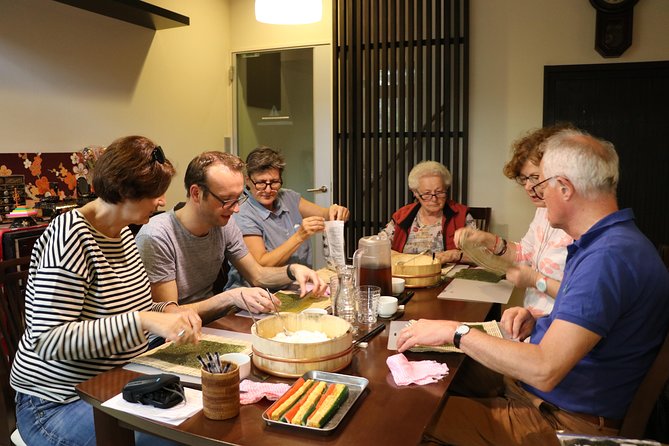
I would choose this class for couples, families, friends, and solo visitors who want a shared activity with a clear result. It also suits a honeymoon or special trip because you create lunch together and leave with recipes connected to the day.
Families are a good fit. The instruction is designed to be followed by adults and younger children, and the class has been described as family-friendly. Children who enjoy assembling food may get more from this than from a long restaurant meal, though you should provide any dietary information when booking.
Sushi lovers will enjoy the subject, but you do not need prior cooking experience. The teacher explains each stage and checks that you are putting it into practice. That makes the class approachable for beginners and still useful for anyone who has tried making sushi at home without much success.
It is also a good match for anyone curious about etiquette. You learn how to approach Japanese dining with more confidence, rather than worrying about every chopstick movement at your next meal.
You may want to skip it if you dislike group activities, do not want to eat the food you prepare, or prefer a quiet sightseeing morning. You should also mention dietary requirements at booking. The class can accommodate some needs, but the supplied information does not promise that every restriction can be handled.
A few practical points that affect the experience
Bring the reservation details on your phone, since the activity uses a mobile ticket. Check the meeting location before setting out, especially if you are using a taxi. The start time is 11:30 a.m., and the class returns to the same meeting point.
Confirmation is sent within 48 hours of booking, subject to availability. The cancellation rule is generous if your plans change: cancel at least 24 hours before the local start time for a full refund. Cancellations or changes inside that window are not refunded or accepted.
The experience is near public transportation, but no transfer service is included. Since Kyoto’s streets and addresses can be confusing, do not assume a driver will find the entrance from the street address alone. Use the map link supplied after booking.
The activity has a 4.9 rating from 93 published ratings and a 99 percent recommendation rate. One poor account focused on trouble reaching the location rather than the cooking itself. That does not erase the logistics concern, but it does point to the one issue you can largely avoid through careful navigation.
Should you book the Roujiya sushi class?
Book it if you want an active Kyoto experience, enjoy Japanese food, and like taking home a skill. Kaori’s clear English, patient teaching, cultural explanations, recipes, and home-style kitchen make this more useful than a short sushi demonstration.
I would be especially keen to book it for a family, a couple, or friends who want a light half-day activity. The class gives you food to eat, stories to remember, and recipes to try again after Japan.
I would hesitate only if you need a very small guaranteed group, have complex dietary restrictions, or want advanced sushi training. Confirm the participant count and food requirements first. For most people seeking an authentic, practical introduction to Japanese cooking, this is a fine Kyoto souvenir, and one you can actually use.
FAQ
Where does the sushi class take place?
The class takes place at Japanese Cooking Class Roujiya, located at 22-58 Nishinokyō Ikenouchichō, Nakagyo Ward, Kyoto, 604-8375, Japan.
What time does the class begin?
The class starts at 11:30 a.m.
How long does the activity last?
The cooking class lasts approximately two hours.
What food will I prepare?
You will prepare several types of sushi, sushi rice, Japanese soup made with dashi, and pickled ginger.
Is the class taught in English?
Yes. An English-speaking cooking instructor leads the class, and Kaori provides explanations in English.
Is food included in the price?
Yes. The meal and all ingredients needed for cooking are included.
Are drinks included?
A Japanese green tea and an aperitif are included. Sake and beer may be available for an additional charge, according to the supplied class information.
Is hotel pickup included?
No. Hotel pickup and drop-off are not included, and the activity ends at the starting location.
Can I cancel for a full refund?
Yes. You can receive a full refund if you cancel at least 24 hours before the experience start time. Changes or cancellations made less than 24 hours in advance are not accepted or refunded.
More Workshops in Kyoto
- Kyoto: 45-Minute Tea Ceremony Lesson Experience
★ 4.3 · 2,378 reviews - Kyoto : Chopsticks Making Workshop in Gion with Engraving Option
★ 5.0 · 958 reviews - Kyoto: Samurai Sword Class by Experts in Traditional Arts
★ 4.9 · 657 reviews - Ninja 1-hour Hands-on Lesson by Japanese master in Kyoto -Entry
★ 5.0 · 489 reviews
More Cooking Classes in Kyoto
- Kyoto: Ramen, Gyoza, and Onigiri Cooking Class
★ 5.0 · 445 reviews - Kyoto: Japanese Washoku Bento Small Group Cooking Class
★ 5.0 · 380 reviews - Kyoto Ramen and Gyoza Cooking Class with Professional Chefs
★ 5.0 · 282 reviews - Kyoto: Afternoon Japanese Izakaya Cooking Class
★ 4.9 · 241 reviews
Just added around Kyoto
- Private Guided Traditional Buddhist Cooking in Japan★ 5.0 · 16 reviews
- Kyoto: Gion Geisha District & Sake-in-Hand Walking Tour★ 5.0 · 37 reviews
- Your Private Vacation Photography Session In Kyoto★ 5.0 · 110 reviews
- Kyoto: Zen Meditation at a Private Temple with a Monk★ 5.0 · 25 reviews
- Private Pewter Sake Cup Experience with a Kyoto Artisan★ 5.0 · 31 reviews
- Traditional Japanese Washi Papermaking- Kyoto morning★ 5.0 · 77 reviews
- Kyoto Wagashi(Japanese sweets) Cooking Class near Fushimiinari★ 5.0 · 60 reviews
- Kyoto Private 6 hour Tour: English Speaking Driver Only, No Guide★ 5.0 · 88 reviews
Japanese Cooking Classes, compared.
Sushi Making Tokyo Roll and Authentic Japanese Sushi Class
Read our review →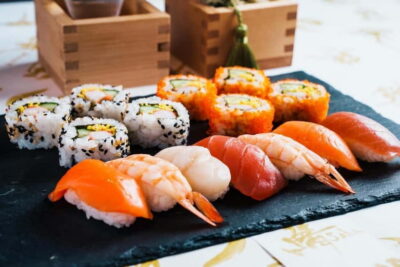
Roll and Authentic Sushi Making Class in Asakusa
Read our review →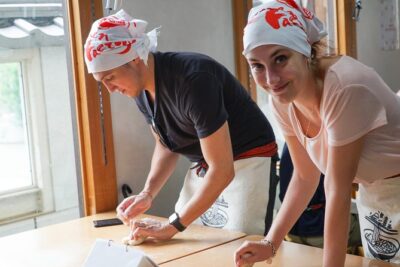
Ramen Cooking Class at Ramen Factory in Kyoto
Read our review →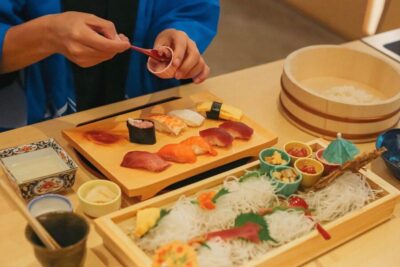
Sushi Making Class in a Happi Coat near a Famous Spot
Read our review →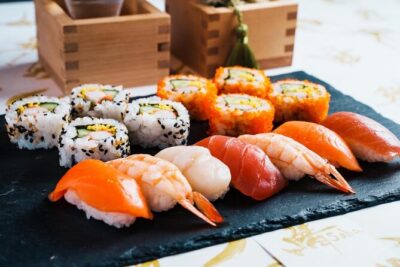
Sushi Making Osaka Roll and Authentic Japanese Sushi Class
Read our review →
Tokyo Sushi Making Class in Tsukiji with Professional Chef
Read our review →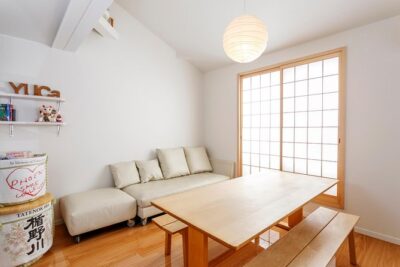
Ramen & Gyoza Cooking Class in Tokyo with Local Supermarket Visit
Read our review →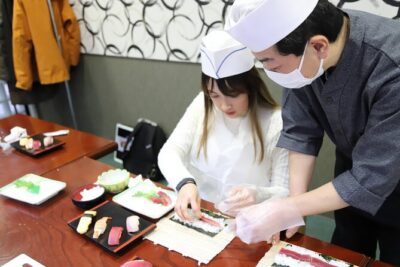
Tsukiji Fish Market Guided Tour and Sushi Making with Pro Chef
Read our review →Browse the lists this tour appears in