
REVIEW · ARASHIYAMA BAMBOO TOURS
Kyoto: Fushimi Inari, Kinkakuji, Bamboo Grove 1 Day Bus Tour
Kyoto’s greatest hits are spread across the city, but this full-day coach tour ties them together without making you solve the train-and-bus puzzle yourself. You’ll pass through Fushimi Inari’s red torii gates, see Kinkaku-ji’s gold facade, and walk the Sagano Bamboo Forest in one long, well-filled day.
I like the efficient route and the friendly, energetic guides, including Den, At-Chan, Sakura, Ciel, and Tommy, who have helped turn a busy schedule into an engaging lesson in Kyoto’s temples and customs. I also like that entrance tickets and coach transport are handled for you.
The trade-off is simple: this is a sightseeing sprint, not a slow temple day. You’ll walk hills and stairs, spend limited time at each stop, and the optional buffet may not suit serious dietary restrictions.
In This Review
- Key points at a glance
- Why this Kyoto day tour works
- Starting early at Kiyomizu-dera
- Sanjusangen-do and its thousand Kannon figures
- Arashiyama lunch beside Togetsukyo Bridge
- Walking the Sagano Bamboo Forest
- Tenryu-ji’s garden after the bamboo
- Kinkaku-ji, Kyoto’s Golden Pavilion
- Ending under Fushimi Inari’s red gates
- What the guides add to a busy schedule
- Is $122 good value?
- Who should book this tour?
- Should you book it?
- FAQ
- Where does the Kyoto bus tour start?
- Where does the tour finish?
- How long does the tour last?
- Which places are included?
- Are entrance tickets included?
- Is lunch included?
- Can the tour provide special dietary meals?
- What languages are available?
- Is the tour suitable for people with limited mobility?
Key points at a glance
- Seven Kyoto highlights in one day: Visit Kiyomizu-dera, Sanjusangen-do, Arashiyama, the Bamboo Forest, Tenryu-ji, Kinkaku-ji, and Fushimi Inari, with a pass by Nijo Castle.
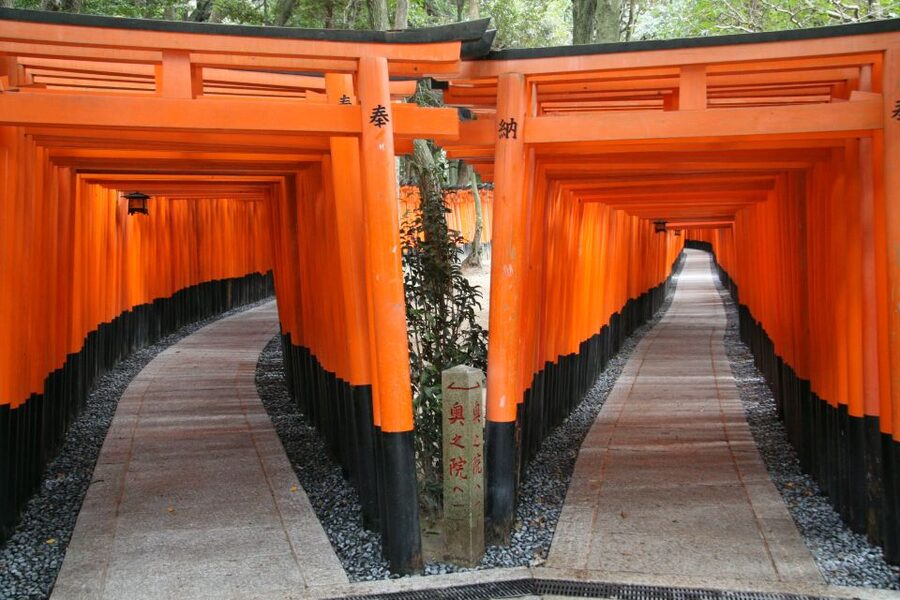
- The torii gates come late: Fushimi Inari is the final major stop, giving you a memorable finish beneath thousands of vermilion gates.
- Tickets are included: Entry to Kiyomizu-dera, Sanjusangen-do, Tenryu-ji, and Kinkaku-ji is covered.
- Lunch is optional: Choose the Japanese buffet or skip it if you need a special diet or prefer to eat independently in Arashiyama.
- Live and audio commentary: English guidance is provided, with audio available in Spanish, French, Italian, German, Portuguese, and Ukrainian.
- A demanding but practical day: The air-conditioned coach, Wi-Fi, and organized transfers save time, but comfortable shoes are essential.
Why this Kyoto day tour works
Kyoto is easy to admire and surprisingly awkward to cover. Kiyomizu-dera lies east of the city, Arashiyama is far to the west, Kinkaku-ji sits northwest, and Fushimi Inari is south of Kyoto Station. By public transport, this route can consume much of your day.
This tour handles the long transfers by air-conditioned coach. You leave Kyoto at 8:00 AM and return to the same general meeting area after about nine hours. I see the main value in the routing rather than luxury: you can spend your energy looking out the window and listening to the guide instead of changing trains.
The bus has free Wi-Fi, regular ventilation, and antibacterial coating. That will not make Kyoto’s popular sights quiet, but it does give you a dry, warm place to reset between walks. Several recent trips also praised the driver and the clean, comfortable bus.
The tour has earned a 4.8 rating from 4,316 reviews, with transport receiving especially strong marks. The recurring praise centers on the guides’ warmth, clear English, punctuality, and care with solo visitors and families. Guides vary by departure, so names such as Den, At-Chan, Sakura, Mai, Nagomi, Hiroko, Ciel, and Tommy are examples of recent guide assignments, not a promise of who you will meet.
More Temple & Shrine Tours in Kyoto
- Kyoto: Tea Ceremony in a Traditional Tea House in Kiyomizu
★ 4.9 · 3,519 reviews - Kyoto: Tea Ceremony Ju-An at Jotokuji Temple
★ 4.9 · 3,207 reviews - Fushimi Inari Hidden Hiking Tour (Private Option Available)
★ 5.0 · 1,750 reviews
Starting early at Kiyomizu-dera
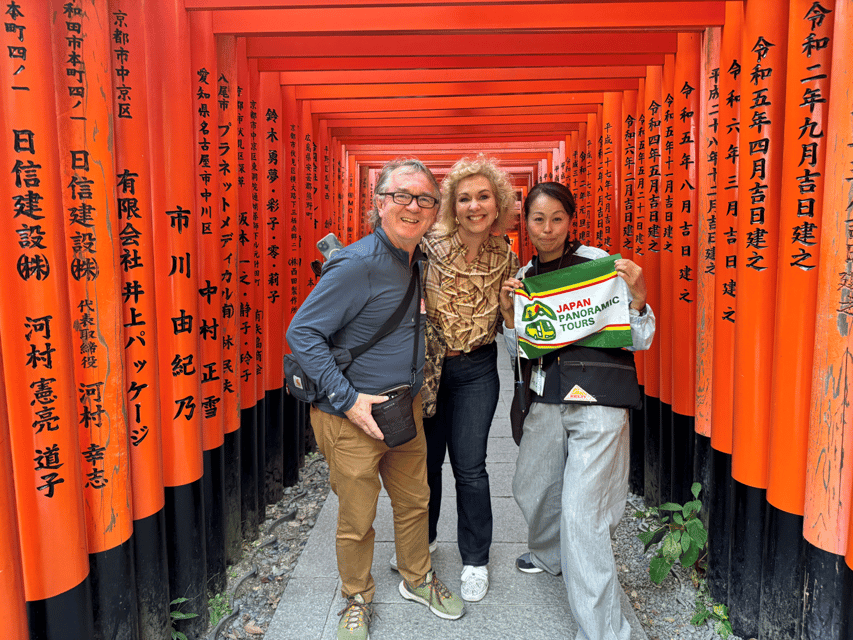
Meet in front of Tully’s Coffee at Kyoto Avanti, near Kyoto Station, by 7:50 AM. Look for the green and white Japan Panoramic Tours flag. The coach leaves at 8:00 AM sharp, and latecomers and no-shows do not receive a refund, so this is one morning when arriving early matters.
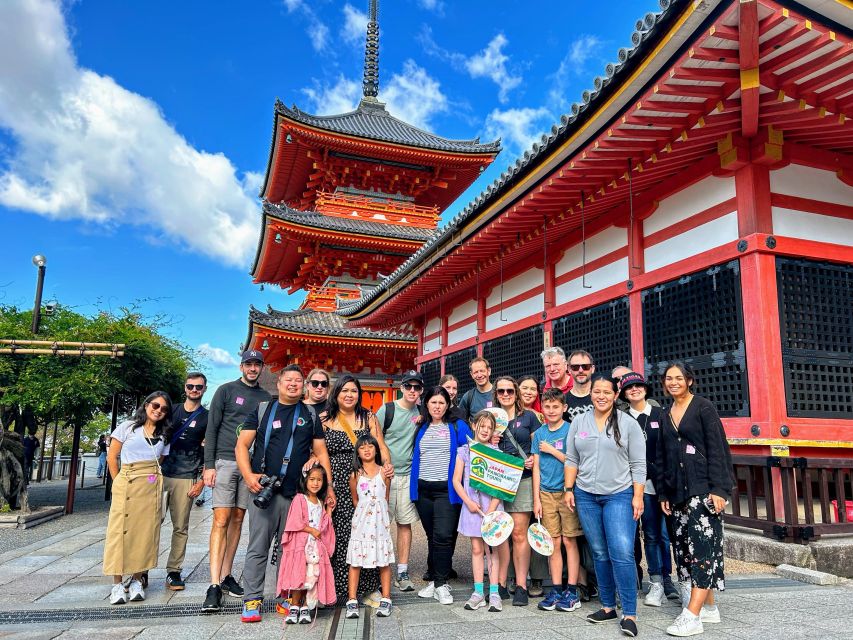
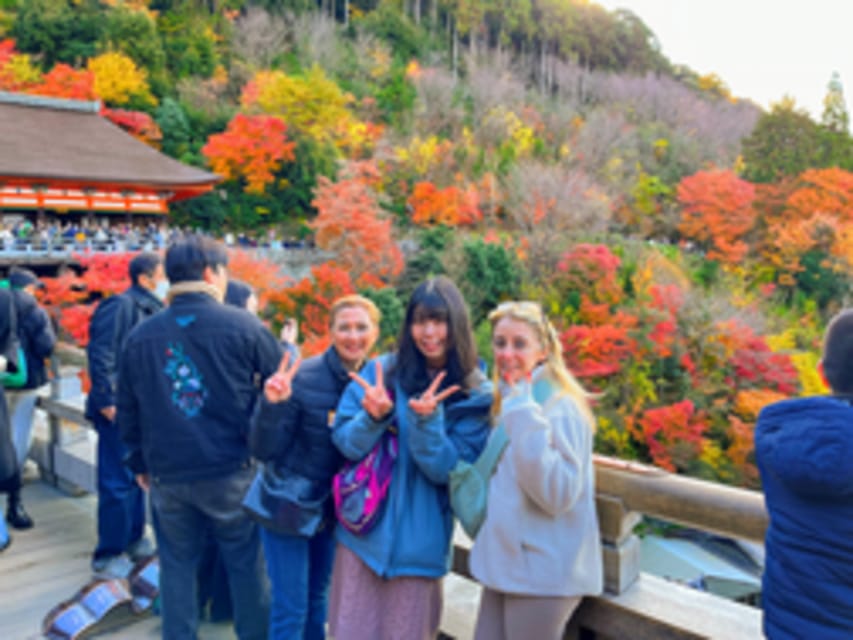
Kiyomizu-dera is the first major stop, with about an hour to explore. The temple reportedly opened in 778 and is now a World Heritage site. Its famous wooden terrace offers broad views over Kyoto, framed by wooded hills and traditional roofs.
This first stop gives you a strong sense of Kyoto’s scale and style. You’ll see a major working temple, hillside paths, and plenty of natural scenery rather than a single enclosed building. The terrace is the visual prize, but allow time for the approach, stairs, and temple grounds.
The hour is useful, though not generous. You can see the main areas and take photographs, but you will not have time to inspect every corner or linger over every religious detail. Wear shoes with a good grip, especially in wet weather.
Sanjusangen-do and its thousand Kannon figures
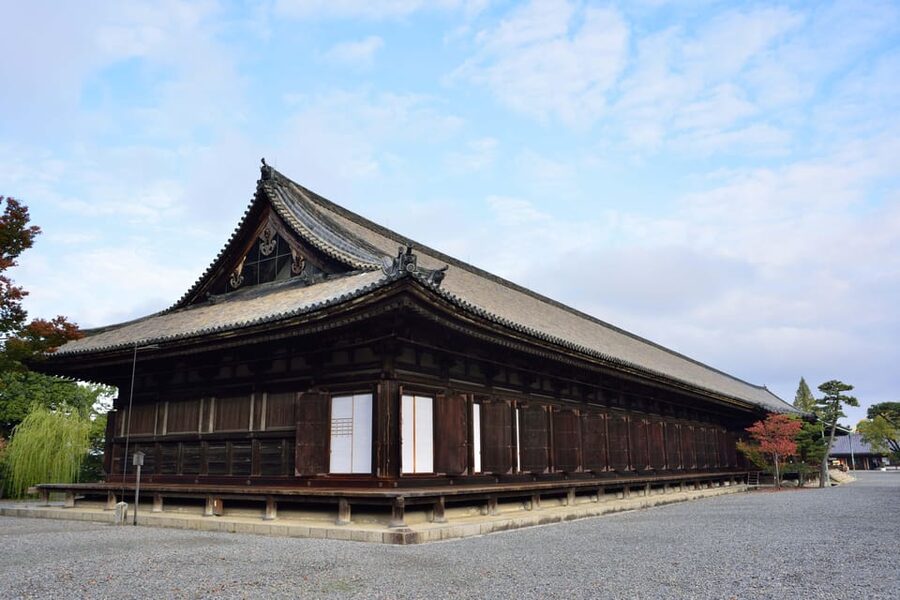
Next comes Sanjusangen-do, officially Rengeo-in, for about 40 minutes. Its name refers to the 33 bays formed by the hall’s columns. The building is Japan’s longest wooden structure, with 35 columns dividing it into 33 sections.
Inside, the scale changes from open views to a long, solemn hall filled with 1,001 Kannon statues. This is one of the day’s more atmospheric visits, and it gives you something different from Kyoto’s famous gardens and bright exteriors.
The guide’s explanation is valuable here because the building’s numbers and religious imagery can otherwise blur together. Recent guides have been praised for making temple customs, Japanese history, and even simple Japanese phrases easy to follow. Audio headsets help if you prefer to listen at your own pace or are standing farther from the guide.
Forty minutes is enough for the central experience. It is not enough for a slow architectural study, but that is the nature of this itinerary.
Arashiyama lunch beside Togetsukyo Bridge
The coach then crosses the city to Arashiyama, where lunch is scheduled for about 50 minutes. The meal is a Japanese buffet made with seasonal ingredients, served while you look toward Togetsukyo Bridge, the district’s best-known landmark.
A buffet makes sense for a group on a clock. You can choose quickly, try several dishes, and avoid waiting for individual orders. Vegetarian dishes are available, and some people have found the meal a welcome break before the afternoon walking.
Still, keep expectations practical. One recent assessment found some buffet items cold and less fresh than hoped, while another preferred to skip the meal and buy street food or eat independently in Arashiyama. The lunch option is not designed for every diet.
There are no Muslim-friendly, allergy-friendly, lactose-free, or gluten-free dishes. If you have a serious allergy, choose the tour without lunch. You can bring food or use free time in Arashiyama to buy your own meal, though 50 minutes passes quickly.
Same city, a completely different kind of day:
- PERFECT KYOTO 1-Day Bus Tour
★ 5.0 · 13,518 reviews - Kyoto Geisha Walking Tour: Gion District & Hidden Gems
★ 4.7 · 3,273 reviews - Kyoto: Gion Magical Night Walking Tour with Geisha Trivia
★ 4.9 · 2,393 reviews - Kyoto: 45-Minute Tea Ceremony Lesson Experience
★ 4.3 · 2,378 reviews
Walking the Sagano Bamboo Forest
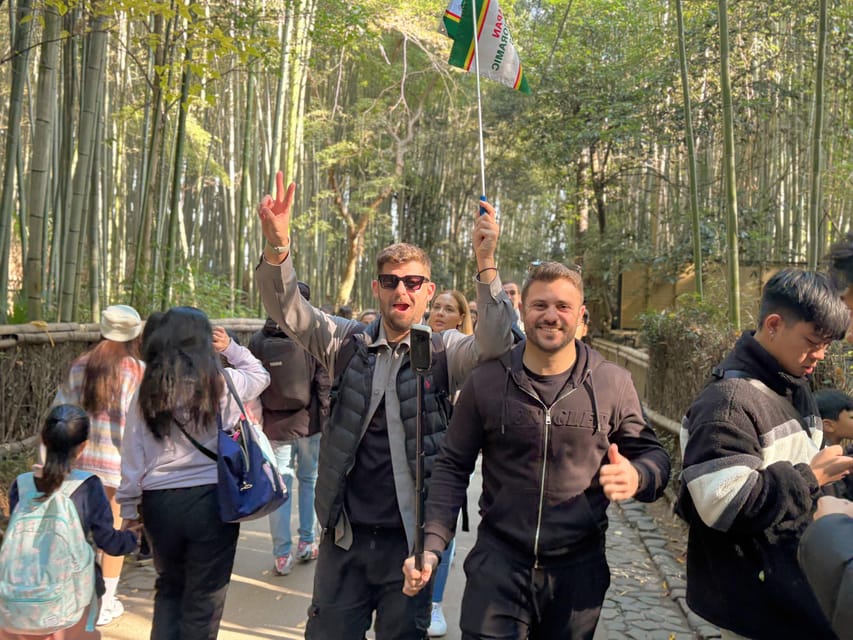
After lunch, you get about 20 minutes for the Sagano Bamboo Forest. The path runs through tall bamboo stalks that sway in a light breeze, creating one of Kyoto’s most recognizable scenes.
This is a photo stop more than a forest hike. You’ll walk a short section of the bamboo-lined route, take pictures, and keep moving. The grove can be crowded, and the schedule does not allow you to wander far from the meeting point.
That limited time is the biggest weakness of this portion. If the bamboo forest is your main reason for visiting Arashiyama, you will want a separate visit with more time. On this tour, it works as a concentrated glimpse within a much larger day.
Tenryu-ji’s garden after the bamboo
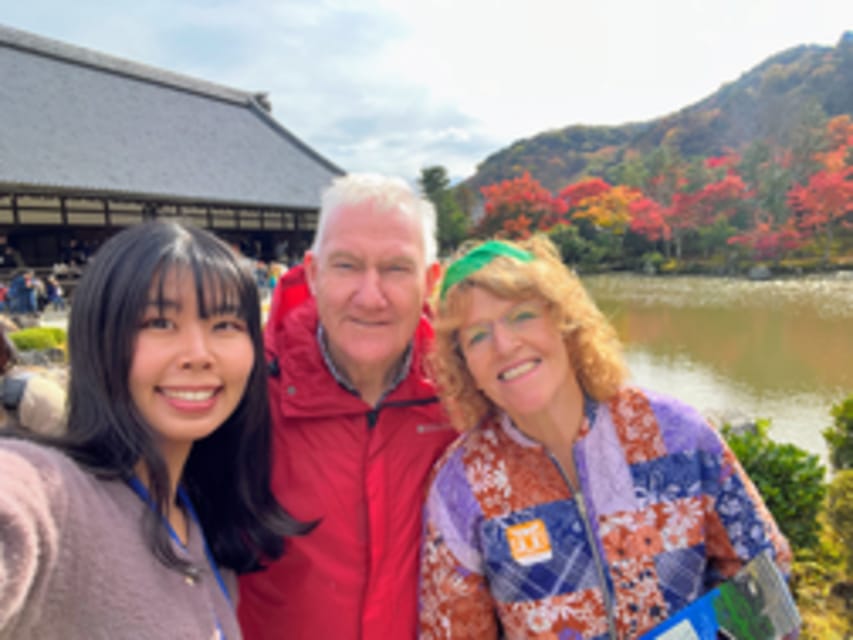
Tenryu-ji follows the bamboo grove, with about 30 minutes inside. This World Heritage temple is especially valued for its Japanese garden, which changes character with the seasons.
The sequence makes good sense. You see the bamboo path first, then enter a historic temple garden where the design feels more deliberate and open. Ponds, trees, stones, and borrowed views of the surrounding hills give you a calmer visual contrast to the crowded grove.
Thirty minutes lets you appreciate the garden’s main impression, but not every detail. If gardens are your priority, this stop may feel short. If you want a broad introduction to Kyoto in one day, it is a worthwhile inclusion.
Kinkaku-ji, Kyoto’s Golden Pavilion
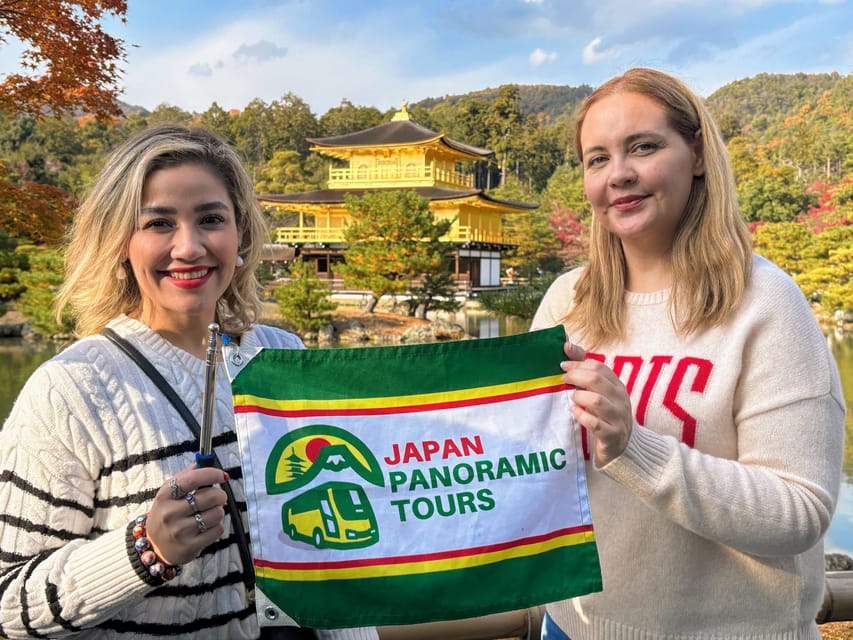
The coach continues to Kinkaku-ji, or Rokuon-ji, known around the world as the Golden Temple. You have about 40 minutes to enter the grounds, see the pavilion reflected in its pond, and follow the marked route through the garden.
The pavilion’s gold exterior is the instant attraction, but the setting matters just as much. The building is viewed from across the water, with carefully arranged trees and garden features around it. The effect is polished and theatrical, very different from the plain wooden hall at Sanjusangen-do.
Kinkaku-ji is one of the day’s three World Heritage highlights identified in the tour description. It is also a place where crowd control and fixed paths shape the visit. You will have time for the classic view and a walk through the grounds, but not a long, quiet pause beside the pond.
The route passes by Nijo Castle without a visit. That is useful to know before booking. You will see it from the coach, but it is not part of your walking stops.
Ending under Fushimi Inari’s red gates
Fushimi Inari Taisha is the final major stop, with about an hour to explore. This is the tour’s most distinctive walk: a path passing under rows of thousands of red-orange torii gates donated by businesses and individuals.
You do not need to climb the entire mountain to enjoy Fushimi Inari. The lower section gives you the famous tunnel effect, small shrines, fox imagery, and a strong sense of movement through the sacred site. An hour lets you walk beyond the first photo point, though the exact distance depends on your pace and the group’s meeting instructions.
Ending here is smart. The torii gates provide a memorable final scene after a day of temples and gardens. It also means you should save some walking energy. Fushimi Inari has stairs and slopes, and the tour has already included plenty of time on your feet.
The coach returns you to the Kyoto Station area, finishing near the original Tully’s Coffee meeting point. Traffic, weather, and site operations can change the order, so treat the schedule as a working plan rather than a guarantee.
What the guides add to a busy schedule
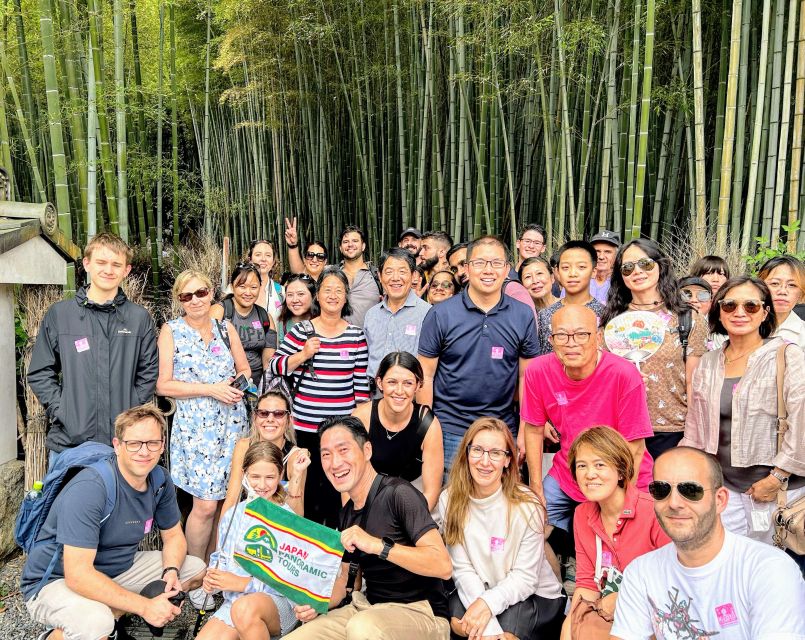
A tour covering this much ground can feel mechanical without a good guide. Here, the human element appears to be one of the strongest parts of the experience.
Den has been praised for clear historical explanations, a bright attitude, and helping the group stay on schedule. At-Chan has been singled out for warmth, humor, useful Japanese phrases, city recommendations, and taking photographs for solo visitors. Sakura has been described as punctual, lively, and attentive, while Tommy has used humor and bus activities to keep the longer rides pleasant.
Other guides named in recent bookings include Ciel, Mai, Nagomi, Hiroko, Nanari, Samurai, and Roko. Their styles differ, but the useful pattern is clear: expect live English commentary, practical help, and regular reminders about timing. Multilingual audio guidance is available in Spanish, French, Italian, German, Portuguese, and Ukrainian.
The guide cannot change the crowd levels or give you extra time. What a good guide can do is explain why a hall matters, point out what to notice, and keep a large group moving without confusion. That is especially useful at sites where a ticket, a meeting point, or a particular path is easy to miss.
Is $122 good value?
At $122 per person, this is not the cheapest way to visit Kyoto’s temples. You are paying for a full day of transport, four included temple admissions, an English-speaking guide, audio equipment, and the convenience of connecting distant districts in one route.
The value improves if you have only one or two days in Kyoto. Reaching seven major places independently would take planning, and traffic or a missed connection could cost you a key stop. Families may also appreciate having tickets and transport organized, and several recent bookings found the schedule manageable with children and preteens.
The value is weaker if you already know Kyoto well, dislike fixed schedules, or want long visits at fewer temples. Independent sightseeing gives you control over meal quality, crowd timing, and how long you spend in a garden or shrine.
Compare the price with your priorities. If your goal is maximum coverage in one day, $122 is reasonable. If your goal is quiet reflection, unhurried photography, or a serious look at temple architecture, spend the same money on fewer places and use public transport.
Who should book this tour?
I would choose this tour if you have limited time in Kyoto, are visiting for the first time, or want a clear introduction before exploring on your own. It is also a good fit for solo visitors who appreciate help with photographs and for families who prefer one coach rather than several crowded train rides.
You should be comfortable walking for most of the day. Hills, stairs, temple paths, and the Bamboo Forest are built into the schedule. The tour is not suitable for wheelchair users or people with mobility impairments.
Bring comfortable shoes, water, and any food you need if you skip the buffet. Pets are not allowed. You can cancel up to 24 hours before departure for a full refund, and reserve now while paying later, which helps if your Kyoto plans are still shifting.
Should you book it?
Book it if you want Kyoto’s major visual landmarks in one organized day and accept a brisk pace. The combination of Kiyomizu-dera’s terrace, Sanjusangen-do’s long hall, Arashiyama’s bamboo, Kinkaku-ji’s gold pavilion, and Fushimi Inari’s torii gates gives you a broad first look at the city.
Skip it if your ideal day includes lingering, quiet meals, or detailed exploration of one neighborhood. Also skip the included lunch if you have serious dietary needs or want better control over what you eat.
For a short Kyoto stay, I think the coach and guide make the $122 worthwhile. You will not see everything, but you will see the places most likely to define your first impression of Kyoto, with the hard transport work taken out of your hands.
FAQ
Where does the Kyoto bus tour start?
The meeting point is in front of Tully’s Coffee at Kyoto Avanti Store, 31 Higashikujo Nishisannocho, Minami Ward, Kyoto. Check-in is at 7:50 AM, and departure is at 8:00 AM.
Where does the tour finish?
The tour returns to the Tully’s Coffee Kyoto Avanti area near Kyoto Station after the final transfer.
How long does the tour last?
The scheduled duration is 510 minutes, or about nine hours.
Which places are included?
The tour visits Kiyomizu-dera, Sanjusangen-do, Arashiyama, the Sagano Bamboo Forest, Tenryu-ji, Kinkaku-ji, and Fushimi Inari Taisha. It passes by Nijo Castle without a scheduled visit.
Are entrance tickets included?
Yes. Tickets are included for Kiyomizu-dera, Tenryu-ji, Kinkaku-ji, and Sanjusangen-do.
Is lunch included?
A Japanese buffet lunch is included only if you select the lunch option. You can book without lunch, bring your own food, or buy lunch during free time in Arashiyama.
Can the tour provide special dietary meals?
Vegetarian dishes are available, but Muslim-friendly, allergy-friendly, lactose-free, and gluten-free dishes are not available. If you have a serious allergy, book the option without lunch.
What languages are available?
The live guide speaks English. Audio guidance is available in Spanish, French, Italian, German, Portuguese, and Ukrainian.
Is the tour suitable for people with limited mobility?
No. You will need to walk up stairs and hills, and the tour is not suitable for wheelchair users or people with mobility impairments.
More 1-Day Tours in Kyoto
- 10 Must-see Spots in Kyoto One Day Private Tour (up to 7 people)
★ 5.0 · 1,108 reviews - Kyoto 1 Day Tour from Kyoto
★ 4.0 · 582 reviews - Kyoto and Nara Day Trip from Kyoto
★ 4.5 · 445 reviews - Kyoto Customized Private Tour: See Top Attractions in 1 Day
★ 5.0 · 342 reviews
More Arashiyama Bamboo Tours in Kyoto
- Osaka/Kyoto:Kinkakuji,Arashiyama,FushimiInariShrine,NaraPark
★ 4.1 · 1,596 reviews - Kyoto/Osaka: Nara, Fushimi Inari Taisha, Arashiyama Bus Tour
★ 4.7 · 1,275 reviews - Kyoto Arashiyama Walking Tour: Bamboo, Monkeys, Gardens & Secrets
★ 5.0 · 1,216 reviews - Arashiyama Bamboo, Temple, Monkeys, or Secret Sake Brewery
★ 4.8 · 886 reviews
Just added around Kyoto
- Taste of Nishiki Market Walking Food Tour with Local guide★ 5.0 · 17 reviews
- Kyoto: Sushi Making Class with Sushi Chef★ 4.8 · 64 reviews
- Kyoto: City Secrets eBike Tour★ 4.9 · 196 reviews
- Sacred Pathways: Discover the Philosopher’s Path of Kyoto★ 4.9 · 20 reviews
- Private Tour to Monkey Park and Arashiyama Highlights★ 5.0 · 22 reviews
- Private Nara Tour from Osaka – Meet at Your Hotel★ 5.0 · 22 reviews
- Private Sake Tasting in Central Kyoto with Sake Sommelier★ 5.0 · 13 reviews
- Kyoto : Private Custom Walking Tour With A Local Guide★ 4.6 · 144 reviews
Arashiyama Bamboo Tours, compared.
Osaka/Kyoto:Kinkakuji,Arashiyama,FushimiInariShrine,NaraPark
Read our review →
Kyoto/Osaka: Nara, Fushimi Inari Taisha, Arashiyama Bus Tour
Read our review →
Kyoto Arashiyama Walking Tour: Bamboo, Monkeys, Gardens & Secrets
Read our review →
Arashiyama Bamboo, Temple, Monkeys, or Secret Sake Brewery
Read our review →
Arashiyama Bamboo Forest, Monkeys, Matcha & Temple Tour
Read our review →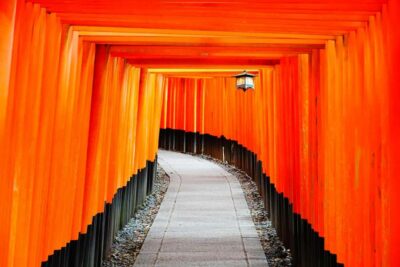
Osaka/Kyoto: Arashiyama, Nara & Fushimi Inari Shrine w/Lunch
Read our review →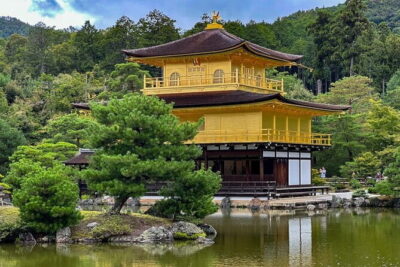
Nijo, Kinkaku-ji, Arashiyama, Kiyomizu & Fushimi Inari
Read our review →
Arashiyama Bamboo Forest & Hidden Gems Bike Tour (Early Bird)
Read our review →Browse the lists this tour appears in