
REVIEW · TEA CEREMONY EXPERIENCES
Kyoto: Tea Ceremony Ju-An at Jotokuji Temple
Kyoto’s Ju-An tea ceremony gives you more than a cup of matcha. You enter Jotokuji Temple through its main gate, take part in a purification ritual, and then watch each careful movement inside the Grand Tearoom. I like the calm temple setting and the fact that you get to prepare your own tea, not just sit and watch. I also like the small group size, capped at 10 people, which leaves room for questions.
The main consideration is comfort. The tearoom is reached by three steps and the traditional seating is on the floor, though stools and chairs can be provided. The 70-minute session is a polished introduction rather than a full, four-hour tea ceremony, so visitors seeking a long formal ritual should set their expectations accordingly.
In This Review
- Key points to know before booking
- Entering Jotokuji Temple in Kyoto
- A first lesson in Japanese ritual
- Removing your shoes and entering the Grand Tearoom
- Watching every measured movement
- Matcha, sweets, and the hands-on portion
- Why the temple setting changes the experience
- A small group with room for questions
- Is $29 a fair price?
- Who will get the most from this ceremony?
- Practical tips for a smoother visit
- Should you book Ju-An at Jotokuji Temple?
- FAQ
- How long does the Kyoto Ju-An tea ceremony last?
- How much does the tea ceremony cost?
- Where does the tea ceremony take place?
- How do I find the tearoom inside Jotokuji Temple?
- Is the activity conducted in English?
- How large is the group?
- Do I get to make my own matcha?
- Do I have to sit on the floor?
- Is the tearoom wheelchair accessible?
Key points to know before booking
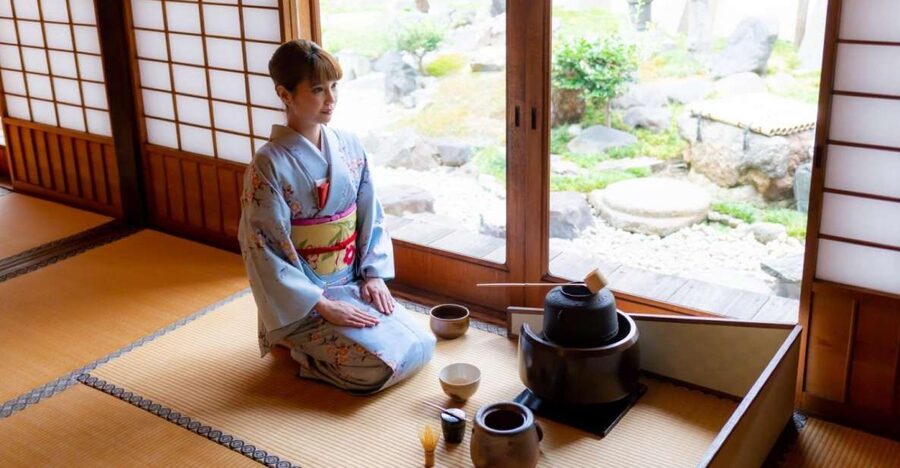
- You take part in the purification ritual: The experience begins with a traditional cleansing practice at Jotokuji Temple.
- You make your own matcha: The tea master demonstrates the process, then guides you as you prepare a cup yourself.
- The setting is a working temple: You enter through the main gates and spend time near the temple buildings, fountain, and Grand Tearoom.
- English help is provided: Your guide explains the ceremony and translates the tea master’s instructions.
- The group stays small: No more than 10 participants means better access to the hosts and more time for questions.
- Floor seating is not compulsory: Ask for a stool or chair if sitting in the traditional position is difficult.
Entering Jotokuji Temple in Kyoto
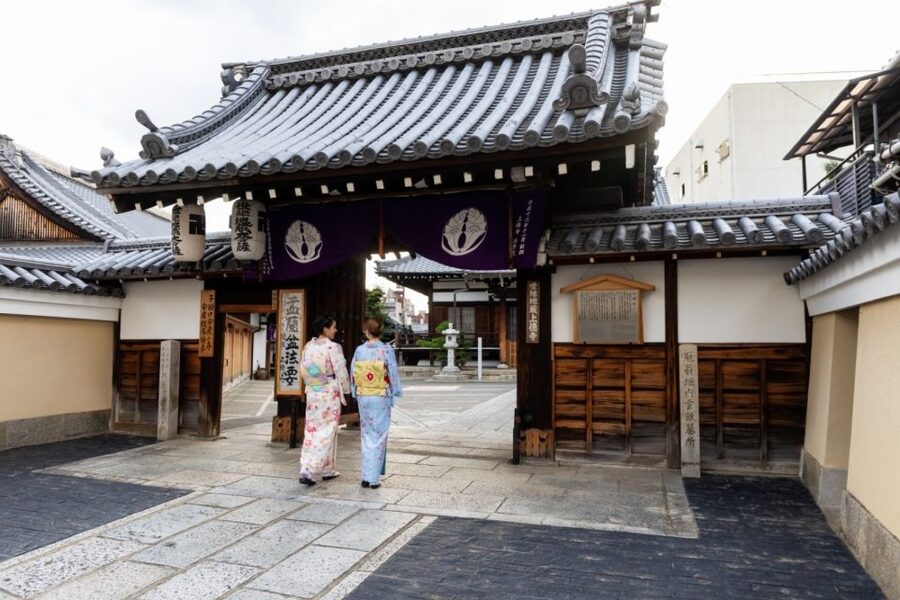
The experience begins at Tea Ceremony Ju-An, at Jotokuji Temple. Once you pass through the main gate, you face the Main Hall. Look to your left for the short steps leading toward the tea room. The Grand Tearoom entrance is also on your left, with a parish shop beside it.
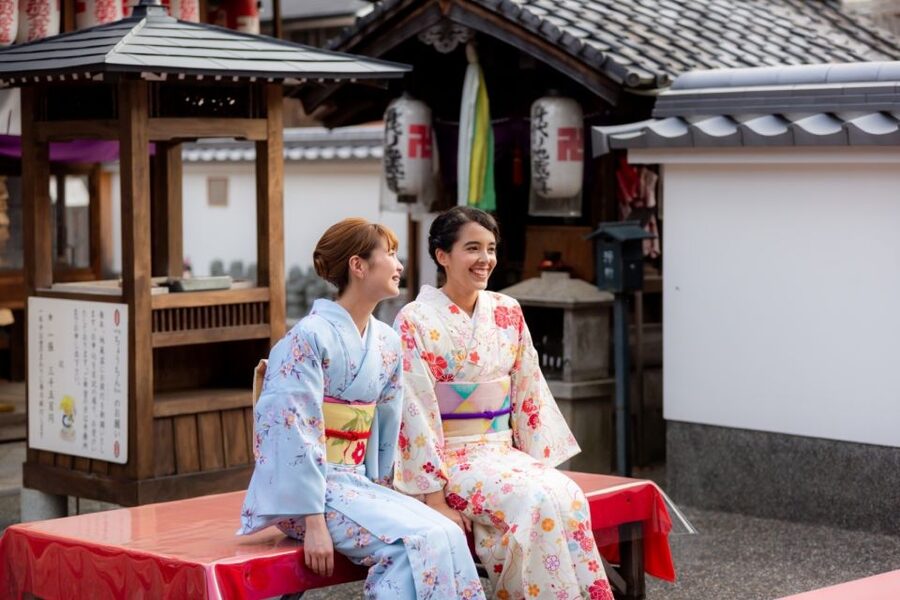
You meet your guide near the red benches. This small pause before the ceremony matters. Instead of rushing straight into a room, you get a moment to notice the temple surroundings and settle into a quieter rhythm. Your guide may explain the site before leading you farther inside.
The walk also gives you a little breathing room if you arrive early. You can look at the temple architecture and pause beside the purification fountain. In good weather, the red benches offer a pleasant place to wait or take a short break.
Rain changes the waiting arrangements, but not the basic plan. You can stand beneath the shop’s gable or wait inside the Grand Tearoom. I would arrive with enough time to find the entrance without hurrying, especially if this is your first visit to the temple.
More Tea Ceremony Experiences in Kyoto
- Kyoto: Tea Ceremony in a Traditional Tea House in Kiyomizu
★ 4.9 · 3,519 reviews - Kyoto: 45-Minute Tea Ceremony Lesson Experience
★ 4.3 · 2,378 reviews - Kyoto: Table-Style Tea Ceremony at a Kyo-Machiya
★ 4.9 · 1,211 reviews
A first lesson in Japanese ritual
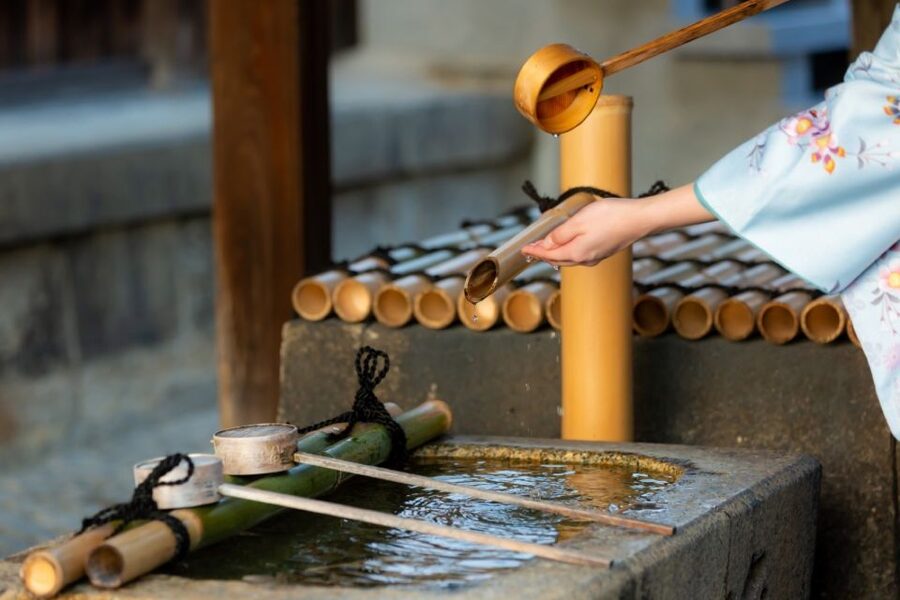
Before entering the tearoom, you take part in a traditional purification ritual. For many visitors from outside Japan, this is one of the most useful parts of the experience because it introduces the idea that the ceremony begins before the tea is prepared.
Purification is not treated as a quick photo stop. It helps you understand the care given to the space, the utensils, the host, and the people taking part. Your guide explains what to do, so you are not left guessing about each movement.
I like this opening because it gives the ceremony a clear sense of place. Matcha served in a modern café can be enjoyable, but it does not explain the customs around chanoyu. Here, the temple grounds and the ritual prepare you for the more formal setting inside.
This is also a good chance to ask questions. The English-speaking hosts are there to explain the purpose behind the actions, not simply tell you when to copy a gesture. Names associated with the sessions include Kate, Taka, and Yaki, although the exact host lineup may vary.
Removing your shoes and entering the Grand Tearoom
At the Grand Tearoom, you remove your shoes before going inside. This is a small practical detail, but it affects how you should dress. Wear clean socks and choose clothing that lets you sit comfortably for a period of time.
The tearoom itself is reached by three steps. The temple is wheelchair accessible, but the tearoom is not, so this activity is not suitable for wheelchair users according to the provided access information. If you have limited mobility but can manage the steps, contact the provider before booking to confirm the arrangement.
Traditional tea ceremony seating is on the floor. You do not need to force yourself into an uncomfortable position. Seats and stools can be provided for people who are not comfortable sitting in the usual way. Ask early, ideally when you arrive, so the hosts can prepare the space.
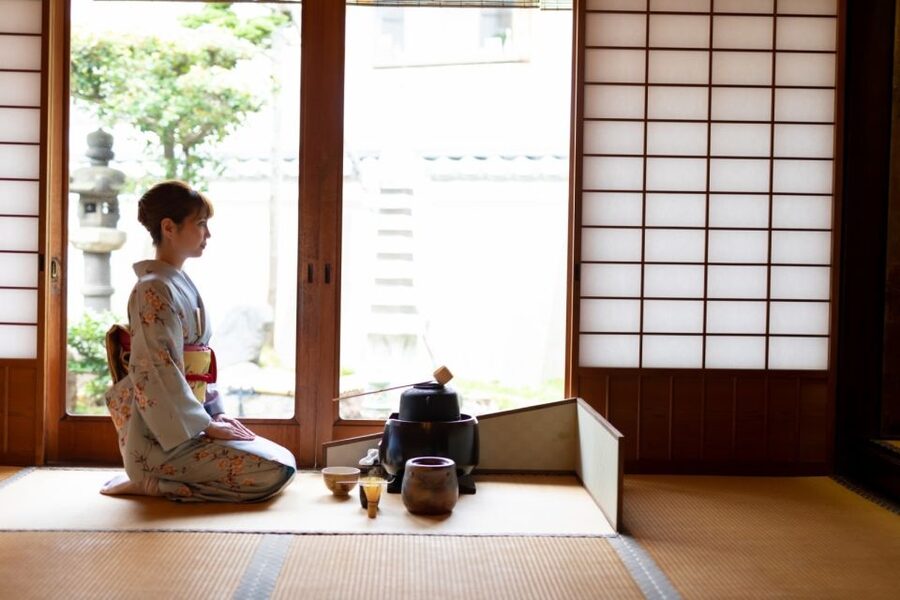
Once everyone is seated, the room becomes the focus. The decorations, utensils, and measured movements help create a formal atmosphere, but the teaching keeps it approachable. You are not expected to know Japanese etiquette in advance.
Watching every measured movement
The tea master demonstrates how matcha is prepared, explaining the role of each step as the ceremony proceeds. The movements are deliberate, and that pace is part of the lesson. You learn that the tea is not simply whisked and handed over. The preparation, presentation, and way of drinking all carry meaning.
Your English-speaking guide helps explain the tea master’s actions. This arrangement works well for visitors who want cultural context as well as instruction. You can pay attention to the physical details while still understanding why they matter.
The ceremony teaches the fine art of drinking matcha, including the respectful habits surrounding the bowl. The point is not to make you perform a perfect formal ceremony in 70 minutes. Instead, you get a clear introduction to the principles of chanoyu and a chance to take part without feeling intimidated.
I especially like the balance between watching and doing. The tea master first shows the process, then gives you the chance to prepare your own tea with guidance. That practical turn makes the lesson easier to remember. You may discover that whisking matcha well is less simple than it looks.
More Temple & Shrine Tours in Kyoto
- Kyoto: Fushimi Inari, Kinkakuji, Bamboo Grove 1 Day Bus Tour
★ 4.8 · 4,316 reviews - Fushimi Inari Hidden Hiking Tour (Private Option Available)
★ 5.0 · 1,750 reviews - Kyoto/Osaka: Nara, Fushimi Inari Taisha, Arashiyama Bus Tour
★ 4.7 · 1,275 reviews - Arashiyama Bamboo, Temple, Monkeys, or Secret Sake Brewery
★ 4.8 · 886 reviews
Matcha, sweets, and the hands-on portion
The central taste is freshly prepared matcha. It has a strong, grassy flavor that may be quite different from the sweetened green tea drinks sold elsewhere in Kyoto. The hosts explain how to drink it and help you understand its place in the ceremony.
Small traditional sweets accompany the tea. They provide a gentle contrast to matcha’s bitterness and make the tasting feel complete. This is not a meal, and food is not included as a separate meal service, so plan lunch or dinner elsewhere.
The hands-on portion is the reason I would choose this experience over a short demonstration. You are invited to use the ceremonial tools under instruction and make your own cup. That gives you a better feel for the concentration and coordination involved.
Do not worry about making a mistake. The hosts are described as patient, kind, and encouraging, and the format is designed for beginners. You can ask questions throughout, including questions about the utensils, the tea, the history of the custom, and the meaning of the gestures.
Why the temple setting changes the experience
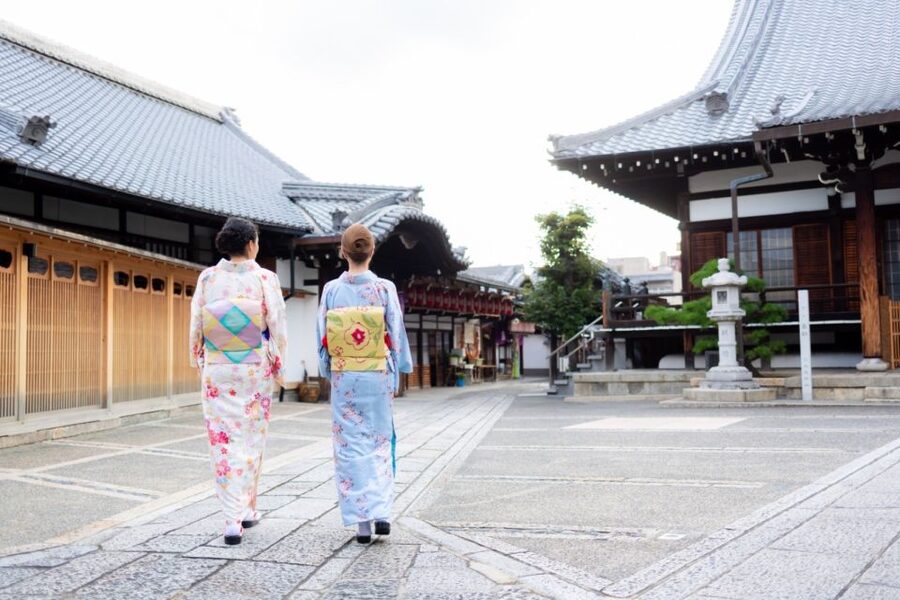
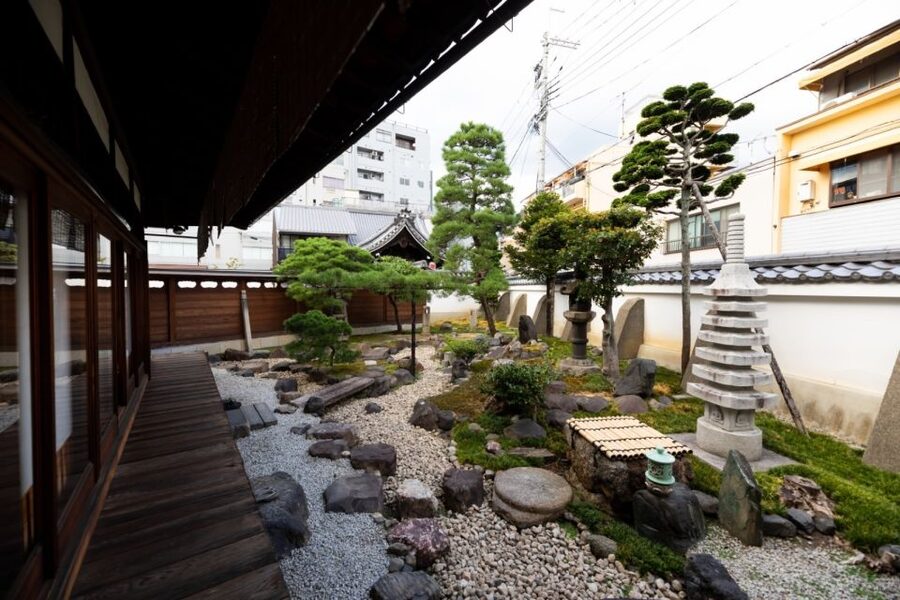
The venue does a lot of the work here. A temple is not just a decorative backdrop for the tea room. Passing through the gates, seeing the Main Hall, standing at the purification fountain, and removing your shoes all create a gradual change from ordinary sightseeing to a more focused activity.
Jotokuji Temple also keeps the experience connected to Kyoto rather than turning it into a generic cultural class. You are learning in a traditional setting, with the architecture and quiet surroundings close at hand.
The atmosphere is calm, but this is not a silent or overly strict event. The guide explains the customs in English, and the session allows questions. That makes it a good fit if you want something peaceful without being expected to understand every rule on your own.
The temple visit is brief, so you should not confuse this with a full architectural tour. You get enough time to notice the setting and hear some background, but the ceremony remains the main event.
A small group with room for questions
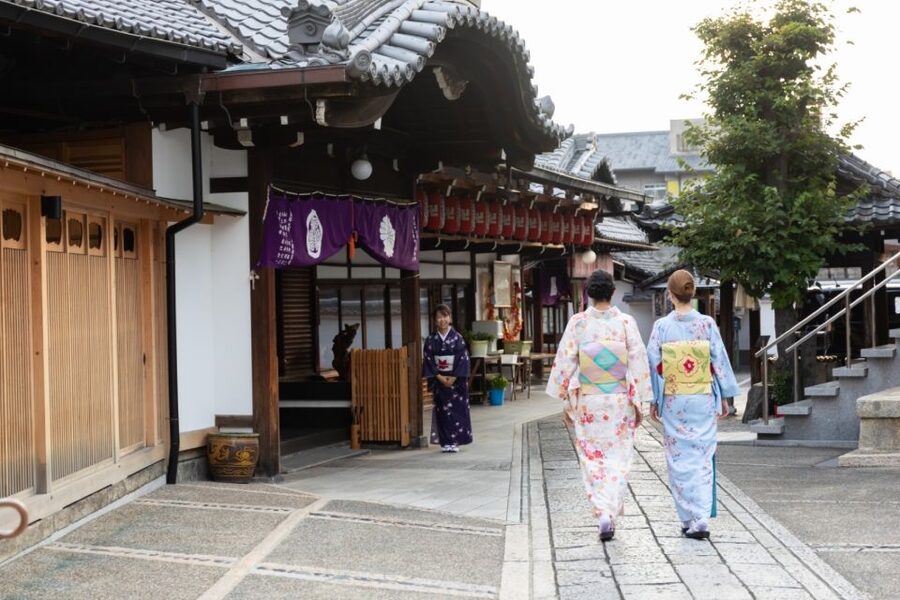
The group is limited to 10 participants. That is a useful size for a demonstration where everyone needs to see the tea master’s hands and later handle the utensils.
A smaller group also helps the hosts include people who have different levels of interest. You can simply watch, or you can ask more detailed questions and take part in making tea. The sessions are led in English, with a guide and tea master working together.
Several sessions have been praised for clear explanations, friendly instruction, and an engaging approach to Japanese culture. Kate is specifically singled out in the supplied comments for explaining the temple and ceremony well, while Taka is also named as a strong host. Names and staffing can change, so do not book solely on the promise of one particular person.
The group size will not suit someone seeking complete solitude. You will share the room with other participants, and the exact feel depends on the mix of people in your session. Still, 10 is small enough to avoid the impersonal quality of a large tour.
Is $29 a fair price?
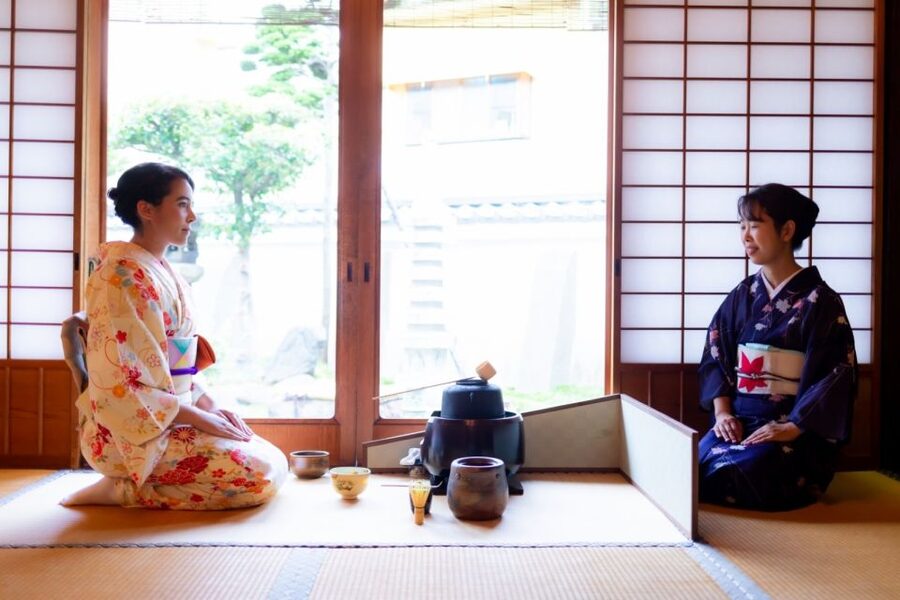
At $29 per person, this is reasonably priced for a 70-minute cultural activity in central Kyoto. You are paying for an English-speaking guide, the chanoyu workshop, the tea master’s demonstration, matcha tasting, sweets, and the chance to prepare tea yourself.
The strongest value comes from the setting and the participation. If you only want to taste matcha, a tea shop will cost less and take less time. If you want to understand the ritual and try the process under guidance, this offers more substance than a simple drink stop.
The price does not include a meal or kimono rental. A kimono can be rented separately, but it is not needed for the ceremony. I would treat traditional clothing as an optional extra, not part of the core value.
You also get a flexible booking policy. You can cancel up to 24 hours before the start for a full refund, and the reserve-now, pay-later option lets you hold a place without paying immediately. Check the available starting times before building this into a tight day of sightseeing.
Who will get the most from this ceremony?
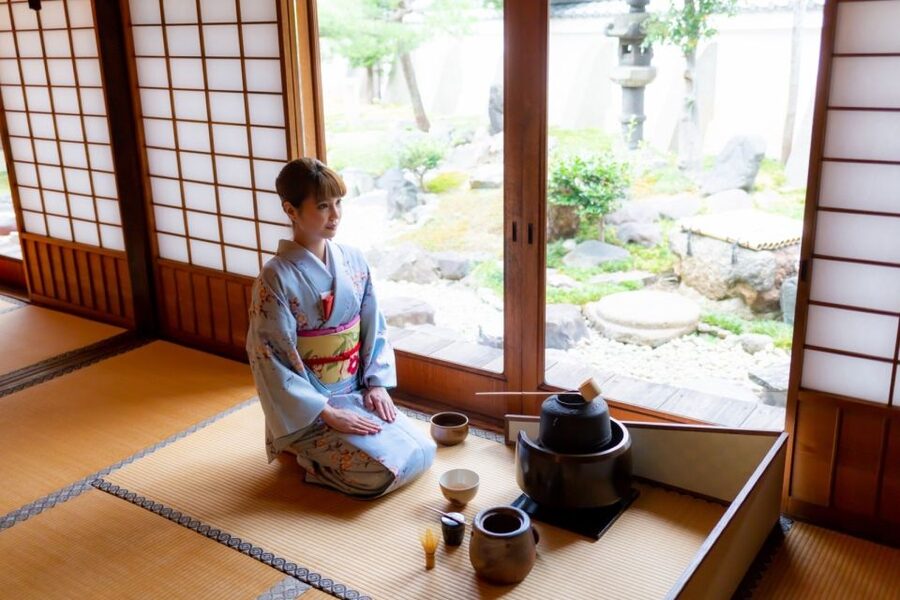
I would recommend Ju-An to first-time visitors who want a respectful and understandable introduction to Japanese tea culture. It works particularly well if you have seen matcha everywhere in Kyoto but want to learn why the traditional preparation matters.
It is also a good choice for couples, families with older children, and solo visitors who enjoy guided cultural activities. The group is small enough for a personal feel, and you can take part without prior knowledge.
You may want to skip it if you dislike floor-based settings, cannot manage three steps, or want a long formal ceremony with extended periods of quiet. The stools help with seating, but they do not change the access issue at the tearoom entrance.
This is not a class for becoming a tea master. It is a thoughtful introduction, with enough history and explanation to make the ritual meaningful and enough hands-on practice to keep it lively.
Practical tips for a smoother visit
Arrive knowing that the meeting point is inside the temple grounds, not simply somewhere on the surrounding street. After entering through the main gate, face the Main Hall and look left for the steps toward the tea room. The red benches near the entrance are the place to meet your guide.
Wear socks you do not mind showing and clothing that allows comfortable sitting. If you need a stool or chair, tell the host before the ceremony begins.
Leave space in your schedule before or after the activity. The session itself lasts 70 minutes, but arriving early gives you time to find the temple entrance and notice the grounds. It also prevents a rushed arrival from working against the quiet mood.
Bring questions. The best part of this experience is not only drinking matcha, but understanding the reasons behind the ritual. The hosts make time for explanations, and the small group format gives you a fair chance to speak.
If rain is forecast, know that you can wait under the shop’s gable or inside the Grand Tearoom. The outdoor temple walk may feel shorter in wet weather, but the central workshop continues indoors.
Should you book Ju-An at Jotokuji Temple?
I would book this if you want a short, well-organized introduction to Japanese tea ceremony with real participation. The combination of temple setting, purification ritual, English instruction, matcha, sweets, and hands-on preparation gives the $29 price solid value.
Book with realistic expectations. You will not experience every detail of a four-hour formal ceremony, and the tearoom is not wheelchair accessible. For most visitors who want to learn the basics, try the tea, and spend an hour in a calm Kyoto setting, Ju-An is a smart addition to your itinerary.
FAQ
How long does the Kyoto Ju-An tea ceremony last?
The experience lasts 70 minutes.
How much does the tea ceremony cost?
The listed price is $29 per person.
Where does the tea ceremony take place?
It takes place at Jotokuji Temple in Kyoto, at Tea Ceremony Ju-An, 556, Gojo-sagaru, Tominokoji Dori, Shimogyo-Ku.
How do I find the tearoom inside Jotokuji Temple?
Enter through the main gate and face the Main Hall. Look to the left for a few steps leading to the tea room. You first meet your guide near the red benches.
Is the activity conducted in English?
Yes. The instructor and guide provide English instruction.
How large is the group?
The group is limited to 10 participants.
Do I get to make my own matcha?
Yes. The tea master demonstrates the preparation, then guides you as you make your own tea using the ceremonial implements.
Do I have to sit on the floor?
Traditional seating is on the floor, but seats and stools can be provided for people who are not comfortable sitting in the traditional position.
Is the tearoom wheelchair accessible?
No. The temple is wheelchair accessible, but the tearoom has three steps and is not wheelchair accessible. The activity is listed as unsuitable for wheelchair users.
Just added around Kyoto
- Taste of Nishiki Market Walking Food Tour with Local guide★ 5.0 · 17 reviews
- Kyoto: Sushi Making Class with Sushi Chef★ 4.8 · 64 reviews
- Kyoto: City Secrets eBike Tour★ 4.9 · 196 reviews
- Sacred Pathways: Discover the Philosopher’s Path of Kyoto★ 4.9 · 20 reviews
- Private Tour to Monkey Park and Arashiyama Highlights★ 5.0 · 22 reviews
- Private Nara Tour from Osaka – Meet at Your Hotel★ 5.0 · 22 reviews
- Private Sake Tasting in Central Kyoto with Sake Sommelier★ 5.0 · 13 reviews
- Kyoto : Private Custom Walking Tour With A Local Guide★ 4.6 · 144 reviews
Tea Ceremony Experiences, compared.
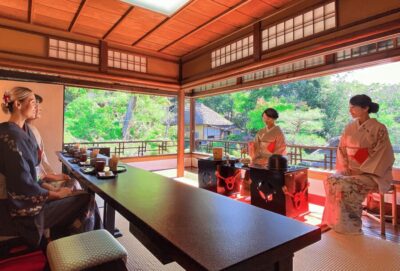
Tea Ceremony in a Traditional Tea House in Kiyomizu
Read our review →
World Heritage Kyoto & Nara Uji Authentic Matcha Experience
Read our review →
Arashiyama Bamboo Forest, Monkeys, Matcha & Temple Tour
Read our review →Browse the lists this tour appears in