REVIEW · TEA CEREMONY EXPERIENCES
Kimono Tea Ceremony at Kyoto Maikoya, NISHIKI
The most memorable part of this Kyoto experience comes before the tea is poured: you choose a kimono, get dressed with help, and sit down on tatami in traditional clothing. The ceremony then gives the costume real purpose, since you learn how Japanese tea is prepared and why each movement matters. I especially like the kimono selection and the chance to make your own matcha rather than simply watch a demonstration.
I also like the clear teaching style and the small cultural details, from simple hairstyling to wagashi sweets and a short meditation in some sessions. The main consideration is comfort: you sit Japanese-style on the floor, and the group may be larger than the maximum booking size shown on some reservation pages, with some sessions reaching about 10 to 12 people.
In This Review
- Key points to know before you book
- Choosing a Kimono in Central Kyoto
- Photos Before the Tea Begins
- Sitting on Tatami for the Tea Ceremony
- Making Matcha, Then Eating Wagashi
- Why the Nishiki Location Helps
- What the $65.66 Price Includes
- Who Will Enjoy This Most
- Timing, Weather, and Cancellation
- Is Maikoya Nishiki Worth Booking?
- FAQ
- Where does the Kimono Tea Ceremony take place?
- How long does the experience last?
- What is included in the price?
- Is transportation included?
- Can I choose a morning or afternoon session?
- Can children under seven participate?
- Where does the activity finish?
- What is the cancellation policy?
Key points to know before you book
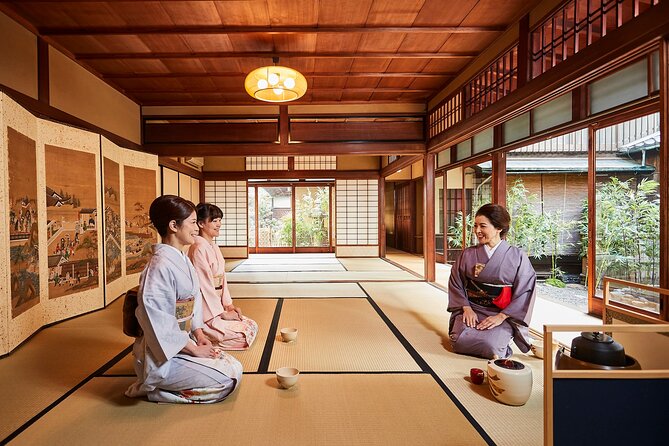
- Kimono and hairstyling come first: Staff help you dress properly, add accessories, and create a simple hairstyle for women.
- You prepare your own matcha: The host explains the utensils and guides you through whisking high-quality matcha powder.
- The ceremony takes place on tatami: Expect a traditional seated setting rather than chairs.
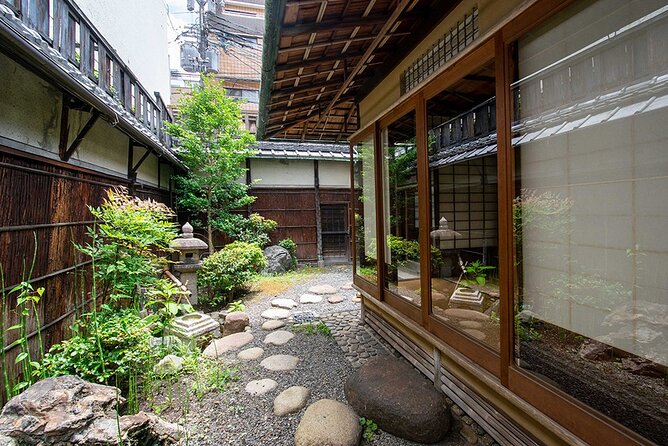
- Photography is part of the fun: There is time for pictures, including in the garden, and staff may help take them.
- The location is central: Maikoya Nishiki is near public transportation in Kyoto’s Nishiki area.
- Plan for 90 minutes: Morning and afternoon start times make it easy to fit into a day of sightseeing.
Choosing a Kimono in Central Kyoto
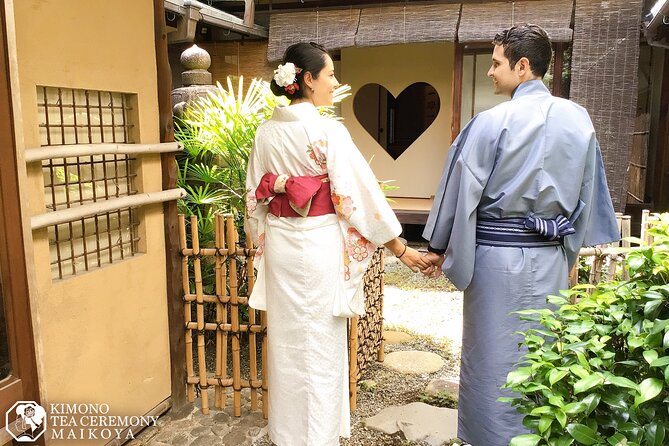
Maikoya Nishiki is at 329 Ebiyacho, on Gokomachi-dori, Sanjo sagaru, in central Kyoto. You make your own way there, so allow enough time to find the address and arrive ready for the scheduled start. The activity ends at the same place, which makes it easy to continue toward Nishiki Market, Gion, or another central Kyoto sight afterward.
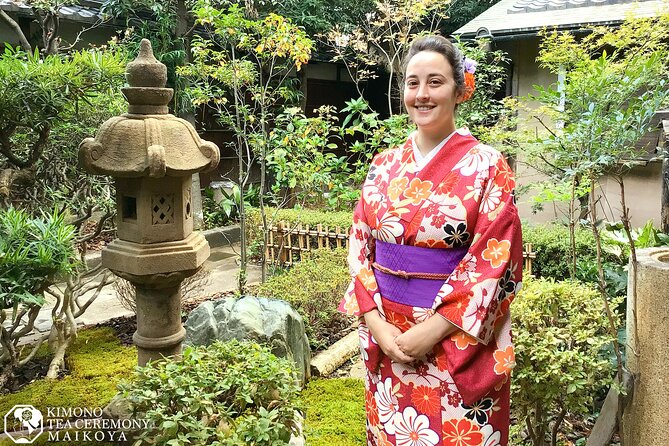
The first stage is choosing your kimono from the available selection. This is not simply a costume handed to you at random. You get to pick a color and pattern, then receive help with the layers, ties, and accessories. Staff also provide a small purse for valuables, a useful touch when your clothing has limited practical pockets.
For women, simple hairstyling is included. Hair accessories such as flowers add a polished finish, and this detail matters because the photographs are a large part of the experience. The staff help you put on the kimono properly rather than leaving you to manage a complicated outfit on your own.
I would allow a little patience during this stage. Kimono dressing is careful work, and the staff have a system to prepare everyone. That organization keeps the session moving, but it can feel less private if several people are being dressed at once. The clothing is intended for the ceremony and photographs, not for an independent afternoon of walking around Kyoto.
The reviews of the experience repeatedly praise the friendly staff who handle the dressing. That is important for first-time visitors. You do not need to know how a kimono is tied, how the sleeves should sit, or which accessories work together. You simply make your choices and follow the instructions.
More Food Market Tours in Kyoto
- Nishiki Market Brunch Walking Tour (7 Tastings + Brunch)
★ 5.0 · 1,355 reviews - Kyoto Nishiki Market Food and Culture Walking Tour
★ 5.0 · 412 reviews - Kyoto: Gion Food Tour 13 Dishes at 4 Eateries
★ 5.0 · 408 reviews
Photos Before the Tea Begins
Once dressed, you have time to take photographs. The traditional rooms and garden provide a stronger setting than a quick snapshot in a changing area, and staff may offer to take pictures for you. This makes the session particularly appealing if you want a shared family photograph or a visual record of your Kyoto visit.
Bring a phone with enough battery and decide in advance who will hold it. The included purse helps keep valuables together, but you will still want easy access to your camera. The photographs are not a separate paid add-on in the information provided, so you can enjoy this part without adding another activity to your schedule.
The photo time also helps you get comfortable in the kimono before sitting down. You can see how the sleeves move and adjust to the formal feel of the clothing. If you are visiting with children old enough to enter, this may be the most playful part of the experience.
Do not expect a full professional photo shoot. The main purpose is cultural instruction, and the available time must also cover dressing and the ceremony. Still, the combination of kimono, traditional room, garden, and hair accessories gives you plenty of material for personal photographs.
Sitting on Tatami for the Tea Ceremony
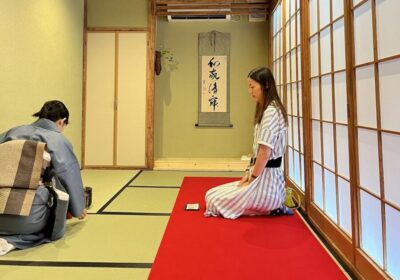
After dressing and photographs, you take a place on the tatami floor. The tea master introduces the customs, history, utensils, and meaning behind the ceremony, then demonstrates the process step by step. The tone is educational, but it is also participatory, so you are not just watching from the side.
A traditional tea ceremony is built around attention and restraint. The utensils, the handling of the bowl, the preparation of the powder, and the way tea is received all have a purpose. You may not leave knowing every formal rule, but you will understand far more than you would from drinking matcha at a café.
Some sessions include a brief meditation, adding a quiet pause before the tea preparation. The setting is especially effective here. Traditional decoration, tatami, and the measured pace help explain why the ceremony is treated as more than a method for making a drink.
The host’s teaching style is central to the experience. One participant specifically praised Sono for explaining the ceremony clearly and with humor. Other sessions are led by different hosts, so the exact personality will vary, but the format is designed to give you explanations rather than a silent demonstration.
The group size deserves a realistic note. The booking information states a maximum of two people for the activity, but it also says reservations can be made through other booking sites and that more participants may join the session. One detailed account describes about 10 to 12 people in a ceremony. That size can create a pleasant international setting, but it may reduce the feeling of a private ritual.
Making Matcha, Then Eating Wagashi
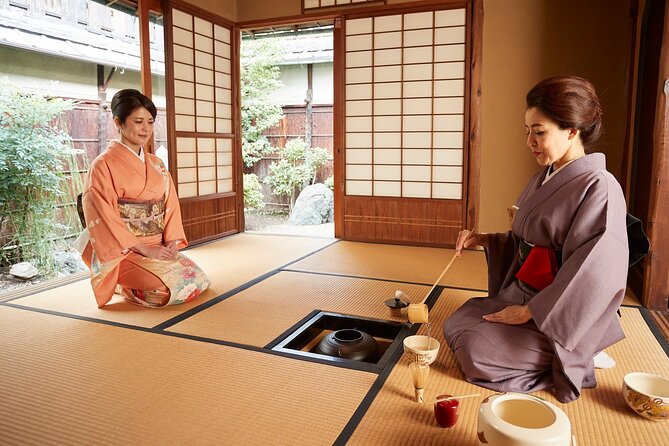
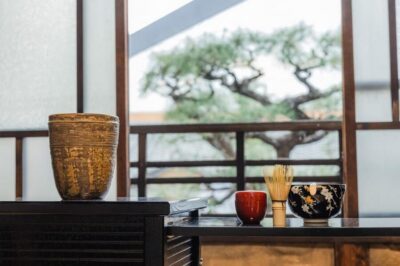
The most hands-on part arrives when you make your own matcha. The tea master introduces the utensils and shows you how to combine the matcha powder and hot water. You then follow the method yourself, with guidance available as you work.
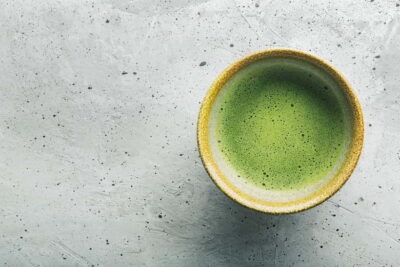
This is a simple activity, but it gives the ceremony a practical anchor. Instead of hearing about Japanese tea culture in the abstract, you feel the rhythm of measuring, whisking, and presenting the tea. The matcha is described as high quality, and the experience includes green tea and utensils.
Wagashi, traditional Japanese sweets, accompany the tea. These small treats balance the strong, grassy flavor of matcha and help you understand the usual pairing. The sweets are modest rather than a full snack or meal, so do not arrive expecting lunch.
I like this part because it leaves you with something you can repeat. You may not reproduce the full ceremony at home, but you will know the basic action used to prepare matcha and have a better sense of the care attached to the ritual.
The tea is not likely to suit everyone. Matcha has a distinct, slightly bitter flavor, and the sweets are small. If you already enjoy matcha, this will be a highlight. If you do not, the value comes more from the preparation and explanation than from the taste alone.
More Kimono & Culture Experiences in Kyoto
- Kyoto Geisha Walking Tour: Gion District & Hidden Gems
★ 4.7 · 3,273 reviews - Kyoto: Gion Magical Night Walking Tour with Geisha Trivia
★ 4.9 · 2,393 reviews - Kyoto: Gion Geisha District Walking Tour – Stories of Geisha
★ 4.7 · 2,187 reviews - Best of Kyoto: Gion, Geisha, Pagodas & Cobblestones
★ 4.9 · 2,058 reviews
Why the Nishiki Location Helps
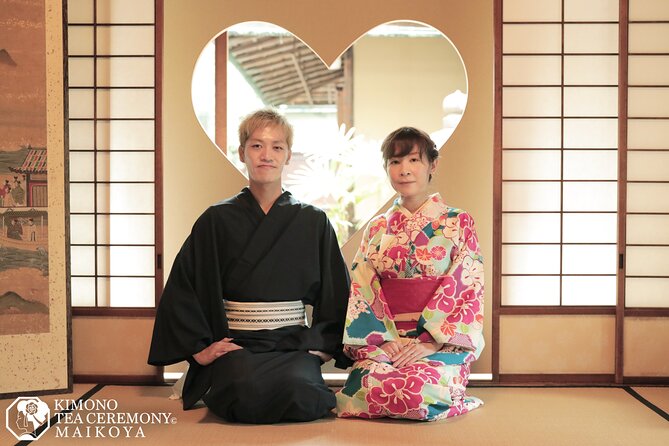
The Nishiki location works well for a short cultural activity because it is in central Kyoto and near public transportation. You do not spend half a day reaching a remote venue, and the experience fits naturally between other sights.
Because transportation and hotel pickup are not included, you need to arrange your own route. The activity begins and ends at the Maikoya Nishiki meeting point. Check the address carefully: 329 Ebiyacho, Gokomachi-dori Sanjo sagaru, Kyoto, postal code 604-8076.
The central setting also affects the mood. This is a prepared cultural venue rather than a secluded tea house far from the city. You receive a structured introduction to kimono and tea ceremony in a convenient location. That makes it a practical choice for a first visit, though someone seeking a highly private or formal tea-school setting may want a different type of experience.
Morning and afternoon times are available. I would choose the session that leaves breathing room on both sides. Dressing, photographs, and the ceremony take about an hour and a half, and rushing straight from a distant sightseeing stop could make the arrival stressful.
What the $65.66 Price Includes
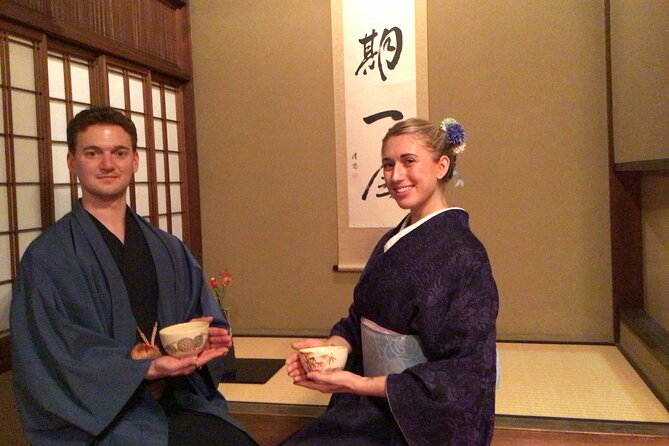
At $65.66 per person, the cost covers several separate elements: kimono costume, simple hairstyling for women, green tea, tea utensils, and snacks. You are paying for instruction and preparation as well as the drink itself.
That makes the price reasonable for someone who wants both a kimono experience and a tea ceremony. Booking these separately could require finding two venues, arranging travel between them, and working out whether the timing matches. Here, the dressing and ceremony are joined in one 90-minute appointment.
The value is strongest for first-time visitors who want a guided introduction. You receive help with the clothing, context for the ceremony, the chance to make matcha, and time for pictures. Families and couples may also find the combined format easier than piecing together individual cultural activities.
The value is less clear if you mainly want to rent a kimono for walking around Kyoto. This activity returns to the same venue and does not include transportation or an open-ended rental period. It is a ceremony experience with dressing included, not a full-day kimono rental.
The excellent overall rating of 4.8 from 911 reviews and a 96 percent recommendation rate suggest that the package delivers what it promises for most people. Still, I would judge it by your priorities. You pay for access, explanation, and participation, not a long formal ceremony or a meal.
Who Will Enjoy This Most
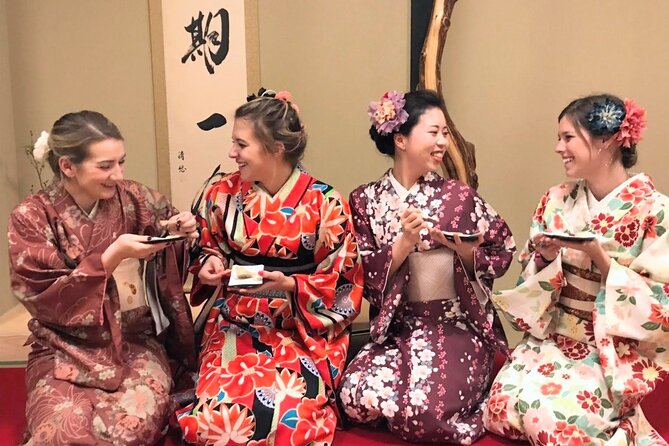
This experience suits you if you want a clear, friendly introduction to Japanese customs without committing to a full day of study. It works particularly well for first-time Kyoto visitors, couples, families with older children, and anyone who wants photographs in traditional clothing.
The activity can also appeal to people who have already attended a tea ceremony. One person returned for a second ceremony and still found new information in the host’s explanation. Your experience may change with the host and group, but the format leaves room to notice details you missed before.
Children under seven cannot enter the venue. If anyone in your party is younger than seven, the reservation cannot be made for the group. A 10-year-old has taken part successfully, so older children who can sit quietly and follow instructions may find the experience both educational and enjoyable.
You should also think about the floor seating. The ceremony is held Japanese-style on tatami, and the information does not promise chairs or special seating arrangements. If sitting on the floor is difficult for you, contact the operator before booking rather than assuming an adjustment will be available.
The experience is less suitable if you dislike scheduled group activities, dressing assistance, or posed photographs. It is also not the best fit if you want an advanced lesson in tea ceremony etiquette. The host explains the history and steps in an accessible way, aimed at people who want to understand and try the tradition.
Timing, Weather, and Cancellation
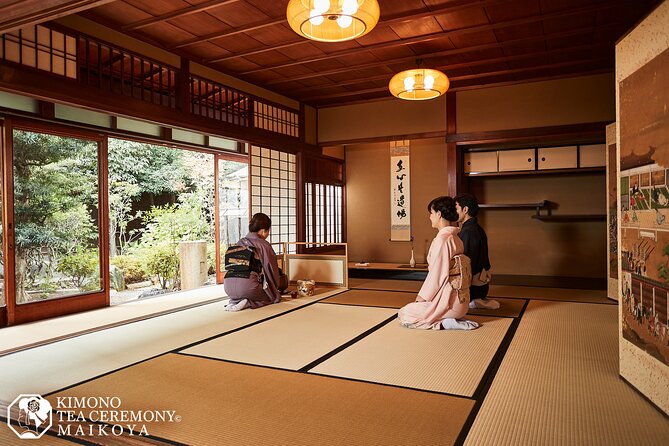
The advertised duration is about 1 hour and 30 minutes. That estimate includes the kimono preparation, hairstyling, photographs, tea instruction, matcha preparation, and sweets. Keep the rest of your day flexible enough that a small delay will not affect another reservation.
The activity requires good weather. If poor weather causes cancellation, you are offered another date or a full refund. For your own cancellation, you can receive a full refund if you cancel at least 24 hours before the start time. Cancellations or changes made less than 24 hours ahead are not refunded or accepted.
Confirmation is provided when you book, and the ticket is mobile, so you can keep the booking on your phone. Transportation is not included, and there is no hotel pickup or drop-off.
Is Maikoya Nishiki Worth Booking?
I would book this if you want two classic Kyoto experiences in one tidy appointment: wearing a kimono and learning to prepare matcha. The strongest parts are the helpful dressing staff, the chance to choose your clothing, the traditional tatami setting, and the hands-on tea preparation.
Go in with the right expectations. This is an accessible cultural introduction, not a private ceremony performed for one couple, and group size may reach around 10 to 12 people. You will sit on the floor, eat small sweets rather than a meal, and return to the meeting point when the 90 minutes are over.
For a first Kyoto visit, the combination is easy to fit into a central sightseeing day and offers more context than a costume rental alone. If those details match what you want, the $65.66 price is fair. If you need private instruction, a long kimono outing, or a formal tea-school ceremony, choose a more specialized experience.
FAQ
Where does the Kimono Tea Ceremony take place?
It takes place at Kimono Tea Ceremony MAIKOYA Nishiki, 329 Ebiyacho, Gokomachi-dori Sanjo sagaru, Nakagyo Ward, Kyoto, Japan, postal code 604-8076.
How long does the experience last?
The experience lasts approximately 1 hour and 30 minutes.
What is included in the price?
The price includes a kimono costume, green tea, tea utensils, simple hairstyling, and snacks.
Is transportation included?
No. You make your own way to the Nishiki meeting point, and hotel pickup and drop-off are not included.
Can I choose a morning or afternoon session?
Yes. Morning and afternoon start times are available.
Can children under seven participate?
No. Children under seven cannot enter the tea ceremony venue. If your party includes a child under seven, you cannot reserve this experience.
Where does the activity finish?
It finishes back at the same Maikoya Nishiki meeting point.
What is the cancellation policy?
You can cancel for a full refund up to 24 hours before the scheduled start time. Cancellations or changes made less than 24 hours before the start time are not accepted or refunded. If poor weather causes the activity to be canceled, you are offered another date or a full refund.
More Tea Ceremony Experiences in Kyoto
- Kyoto: Tea Ceremony in a Traditional Tea House in Kiyomizu
★ 4.9 · 3,519 reviews - Kyoto: Tea Ceremony Ju-An at Jotokuji Temple
★ 4.9 · 3,207 reviews - Kyoto: 45-Minute Tea Ceremony Lesson Experience
★ 4.3 · 2,378 reviews - Kyoto: Table-Style Tea Ceremony at a Kyo-Machiya
★ 4.9 · 1,211 reviews
Just added around Kyoto
- Taste of Nishiki Market Walking Food Tour with Local guide★ 5.0 · 17 reviews
- Kyoto: Sushi Making Class with Sushi Chef★ 4.8 · 64 reviews
- Kyoto: City Secrets eBike Tour★ 4.9 · 196 reviews
- Sacred Pathways: Discover the Philosopher’s Path of Kyoto★ 4.9 · 20 reviews
- Private Tour to Monkey Park and Arashiyama Highlights★ 5.0 · 22 reviews
- Private Nara Tour from Osaka – Meet at Your Hotel★ 5.0 · 22 reviews
- Private Sake Tasting in Central Kyoto with Sake Sommelier★ 5.0 · 13 reviews
- Kyoto : Private Custom Walking Tour With A Local Guide★ 4.6 · 144 reviews
Tea Ceremony Experiences, compared.
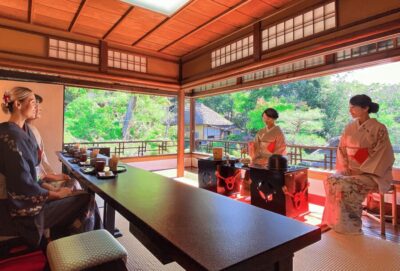
Tea Ceremony in a Traditional Tea House in Kiyomizu
Read our review →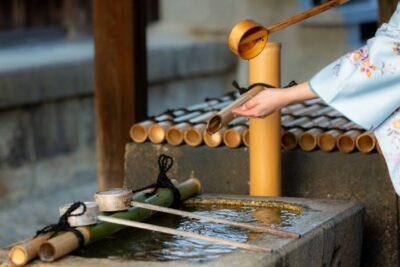
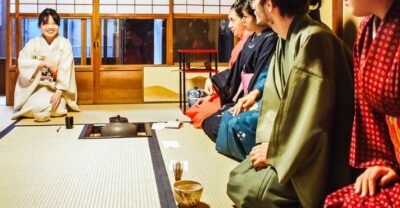
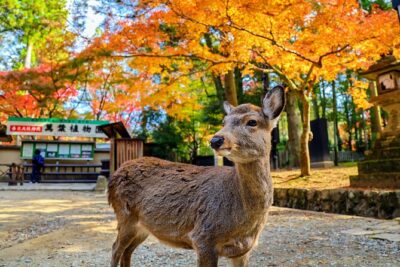
World Heritage Kyoto & Nara Uji Authentic Matcha Experience
Read our review →