
REVIEW · TEA CEREMONY EXPERIENCES
Osaka: Tea Ceremony Experience
The most appealing part of this Osaka tea ceremony is the chance to move from watching to doing. In about 45 minutes, a Japanese instructor in kimono explains the ritual, demonstrates each step, and puts a bamboo whisk in your hand so you can make your own matcha.
I like the clear English instruction and the calm tatami-room setting. I also like the price: at $25 per person, you get a cultural lesson, a formal demonstration, your own matcha-making attempt, and Japanese confections. The main drawback is practical: the meeting point can be hard to spot, and there is nowhere to sit if you arrive much too early.
In This Review
- Key points at a glance
- A quiet tea lesson beside Dotonbori
- What happens in the 45-minute ceremony
- The opening explanation: why every movement matters
- Watching the demonstration in a kimono-clad setting
- Making matcha with traditional tools
- Seasonal sweets make the matcha easier to appreciate
- Why the experience works well in an Osaka itinerary
- The sitting arrangement and age rules
- The teaching style and host experience
- Value at $25 per person
- Booking, cancellation, and arrival advice
- Who should book this tea ceremony?
- Should you book it?
- FAQ
- Where does the Osaka tea ceremony take place?
- How long does the tea ceremony last?
- How much does the activity cost?
- Is the experience conducted in English?
- Who leads the ceremony?
- Will I make matcha myself?
- Are sweets included?
- Can children participate?
- Are strollers allowed?
- Can I cancel my booking?
Key points at a glance
- Make your own matcha: Use traditional tea tools after watching the instructor prepare a bowl.
- Learn the meaning behind the ritual: The introduction covers the history, manners, gestures, and symbolism of tea service.
- Meet English-speaking hosts: Instructors including Yuki, Akiko, Kazu, Mayumi, and Kana have been praised for warm, patient explanations.
- Enjoy a quiet tatami setting: This is a peaceful pause from the busy streets around Dotonbori.
- Taste seasonal Japanese sweets: The small confections are served to balance the bitter matcha.
- Plan the arrival carefully: The venue is on the second floor at 1-5-26 Higashi-Dotonbori, Chuo Ward.
A quiet tea lesson beside Dotonbori
Osaka is famous for loud signs, packed food streets, and late-night energy. This tea ceremony gives you a short change of pace without asking you to leave the center of the action.
The venue is in the Dotonbori area, at 大阪市中央区道頓堀1丁目東5-26, on the second floor. That location makes the activity easy to pair with sightseeing, but it also creates the chief arrival problem. The address is not necessarily obvious from the street, so use Google Maps and search for tea ceremony osaka the osaka. The supplied coordinates are 34.6688508, 135.5063291.
Plan to arrive with time to spare, but do not arrive excessively early. One participant found the place difficult to locate and noted that there was no waiting area with seats. This is a small detail, but it matters if you are carrying shopping bags, traveling with older family members, or scheduling the ceremony tightly between other plans.
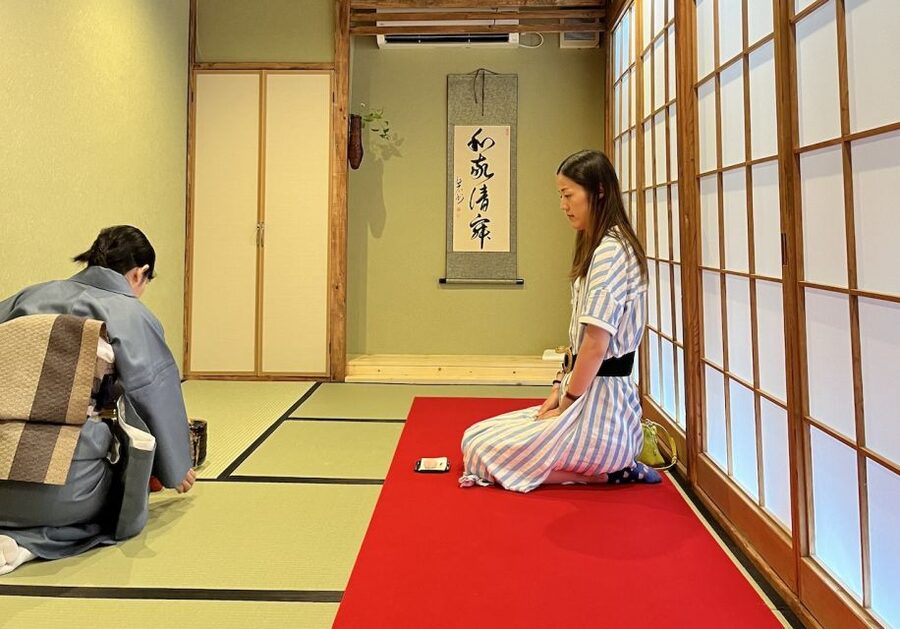
Once inside, the mood changes. You enter a traditional Japanese room with tatami flooring, where the ceremony takes place in a more restrained setting than the streets outside. You will sit on the floor, so anyone with knee, hip, or back concerns should think about that before booking.
More Tea Ceremony Experiences in Osaka
- Tea Ceremony Experience in Osaka Doutonbori
★ 5.0 · 754 reviews - Matcha Making Class in Osaka with Authentic Japanese Sweets Set
★ 5.0 · 509 reviews - Osaka: Matcha Making Experience with Japanese Sweets
★ 5.0 · 146 reviews
What happens in the 45-minute ceremony
The session follows a simple three-part structure. First comes a welcome and explanation, then a demonstration, followed by your own matcha preparation and tasting.
That order works well for first-time visitors. You are not expected to know the rules in advance, and the instructor shows you what to do before asking you to try it. The pace is short enough to fit into an Osaka sightseeing day, but long enough to provide more than a quick photo opportunity.
The activity is conducted in English. An English-speaking host or greeter is included, and an English audio guide is also listed. The main teaching comes directly from the instructor, with clear explanations of the tea ceremony’s purpose, basic manners, and the role of each tool.
The opening explanation: why every movement matters
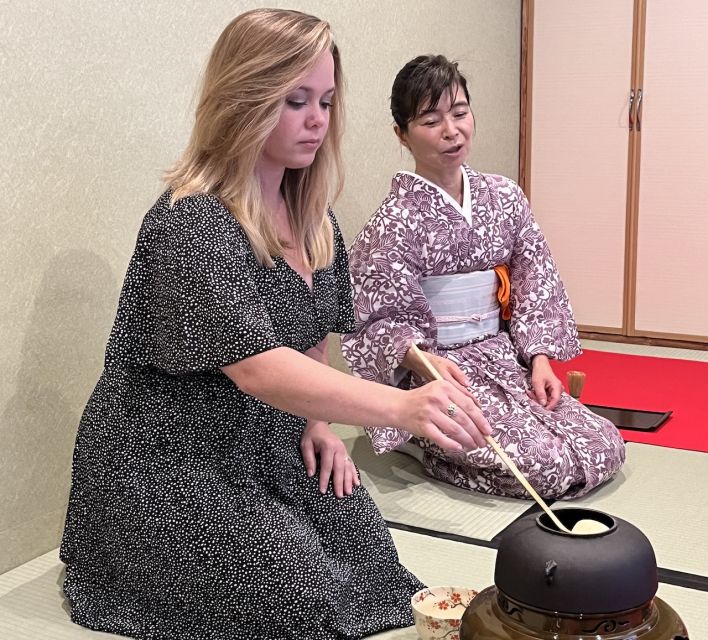
Your instructor begins by welcoming you and introducing the history and meaning of Japanese tea ceremony. This part gives the rest of the session some purpose. Without it, whisking green tea can feel like a simple cooking demonstration. With it, the movements become part of a formal way of serving and sharing tea.
The explanation covers the conduct of tea service and the basic manners expected from the person preparing and receiving the tea. You will learn why the ceremony is careful and measured, rather than hurried. Several instructors have been praised for explaining the symbolism behind the actions and for answering questions patiently.
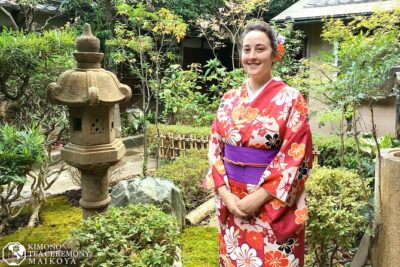
The hosts are Japanese instructors who wear traditional kimono and have more than 10 years of tea ceremony experience. Individual hosts vary by session. Names that have been associated with especially warm and effective instruction include Yuki, Akiko, Kazu, Mayumi, Kana, and Ayaka.
Do not expect a university lecture on every school of Japanese tea. This is an introductory experience designed for international visitors. Its strength is the practical explanation of the basic ritual, not an exhaustive study of tea culture.
Watching the demonstration in a kimono-clad setting
Next, the instructor performs the tea ceremony. This is the most still and visual part of the experience. You watch the careful handling of the bowl, whisk, scoop, and other tea tools while the host explains what is happening.
The kimono and tatami room give the demonstration a clear sense of place. The setting is traditional, but the instruction remains approachable. You are not simply left to observe a silent ritual and guess at its meaning.
The demonstration also helps you understand the difference between making matcha casually and preparing it as part of a ceremony. The movements are deliberate, and the tools are treated with care. One useful detail from the session is the attention given to tea bowls. Their shape and decoration can carry meaning, and the bowls themselves may be among the most memorable objects you see during the activity.
The ceremony is peaceful, but do not mistake peaceful for passive. The host keeps the group involved with explanations and questions. Several instructors have been described as gentle, encouraging, and patient, which is helpful when the customs are unfamiliar.
Same city, a completely different kind of day:
- Osaka Go Karting Tour with Funny Costume
★ 5.0 · 2,658 reviews - Osaka Castle: Museum and Tower Entry Ticket
★ 4.5 · 2,380 reviews - Osaka: Shinsekai Food Tour with 13-15 Dishes at 5 Eateries
★ 4.8 · 2,204 reviews - Osaka Food Tour: 13 Dishes at 5 Local Eateries
★ 5.0 · 2,149 reviews
Making matcha with traditional tools
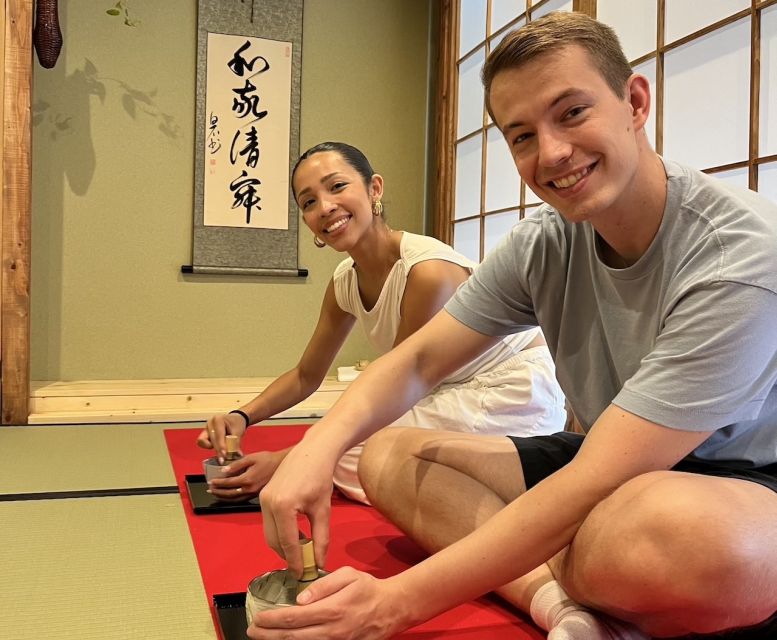
The hands-on section is where the activity earns its price. After watching the demonstration, you prepare your own bowl of matcha using authentic tea tools.
You will be shown how to handle the equipment and whisk the powdered tea. The process is straightforward, though your first bowl may not look exactly like the instructor’s. That is part of the fun. You get to feel the motion and see how the powder changes as you work it.
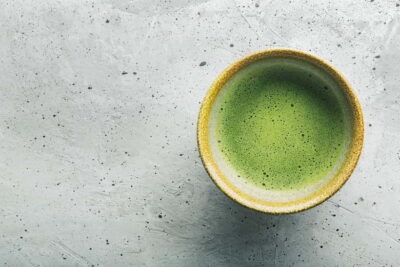
You then drink the matcha you prepared. If you are new to it, expect a distinct green-tea flavor rather than a sweet café drink. Some people become matcha fans during the experience, while others enjoy the cultural lesson more than the taste. One useful advantage here is that you can try the tea in a setting where the instructor can explain what you are drinking and how it fits into the ceremony.
At least one session description from a participant noted drinking matcha twice, once as part of the demonstration and again after making their own. The exact sequence may vary by host, so I would treat that as a possibility rather than a guaranteed feature.
Seasonal sweets make the matcha easier to appreciate
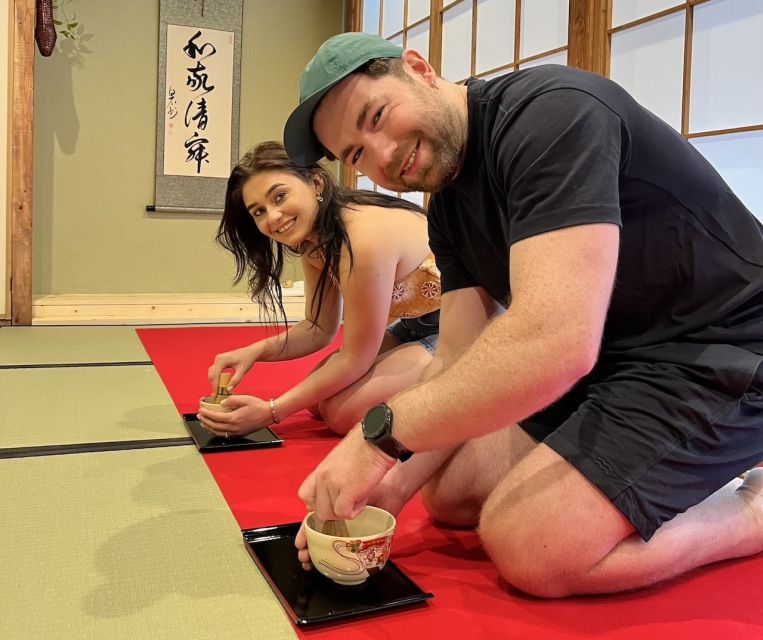
The Japanese confections are small, but they play an important role. Their sweetness balances matcha’s earthy bitterness and gives you a better sense of how tea is traditionally enjoyed.
The sweets are seasonal, though the exact type is not specified in advance. Expect delicate Japanese confections rather than a full snack or meal. Food is not allowed in the venue apart from what is provided as part of the activity, so do not bring additional snacks into the room.
The sweets received some of the strongest praise from people who took the class. They were described as delicious, delicate, and a good match for the tea. If you have a sweet tooth, this part may be as enjoyable as the whisking.
The included food is one reason the $25 cost feels fair. You are not paying only for a cup of matcha. The fee covers entry, powdered green tea, confections, instruction, and the chance to use the tools yourself.
Why the experience works well in an Osaka itinerary
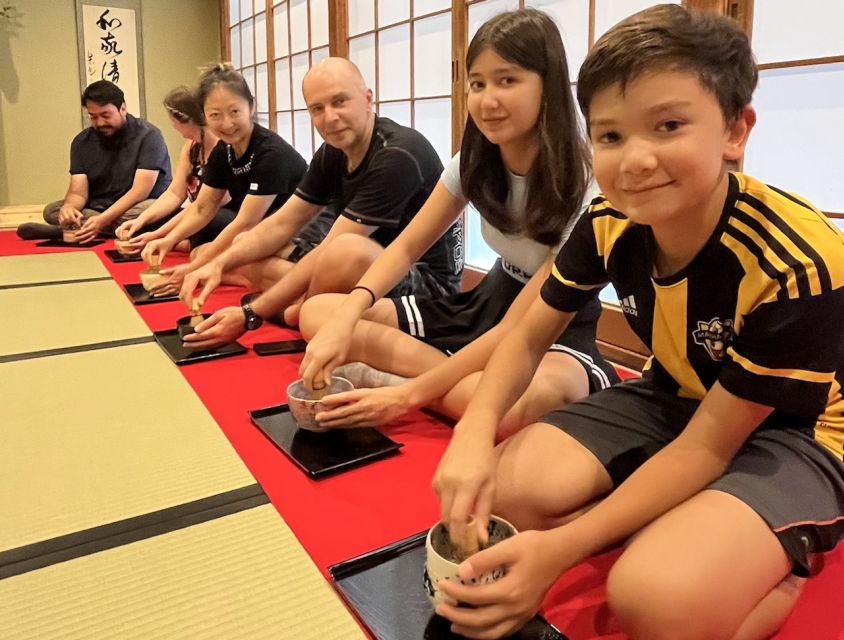
The short duration is a real advantage. Osaka sightseeing can become a string of crowded shopping streets and busy attractions. A 45-minute tea ceremony gives you a calm indoor break without consuming half a day.
The Dotonbori location is especially useful. You can place the activity before or after exploring the neighborhood, rather than making a separate trip across the city. At the same time, the central location means you should allow extra time to identify the correct building and reach the second floor.
This is also a good rainy-day choice. The room provides a sheltered cultural activity, and the content does not depend on the season outside. The sweets themselves are seasonal, but the main lesson works year-round.
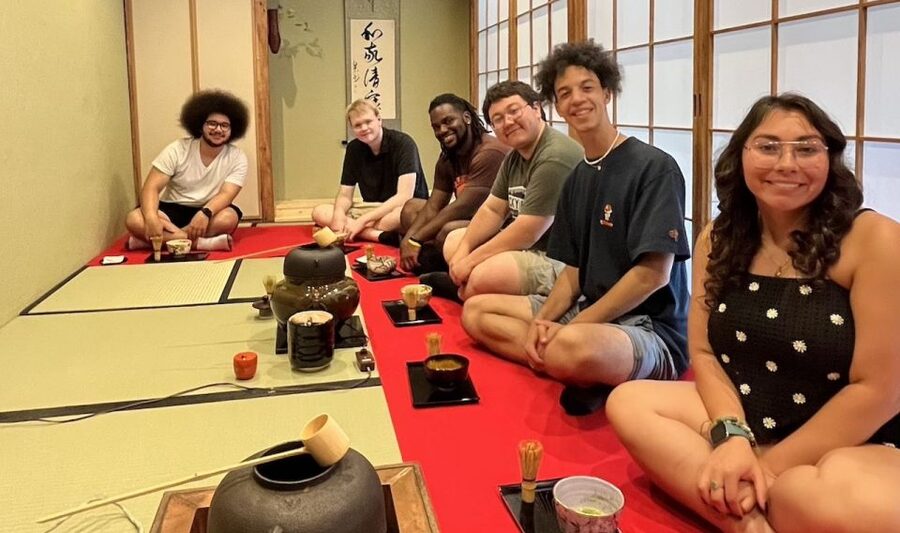
The ceremony suits solo visitors, couples, friends, and families with eligible children. It also works for a group looking for something everyone can do together. The hands-on section prevents the activity from feeling like a performance made only for the front row.
The sitting arrangement and age rules
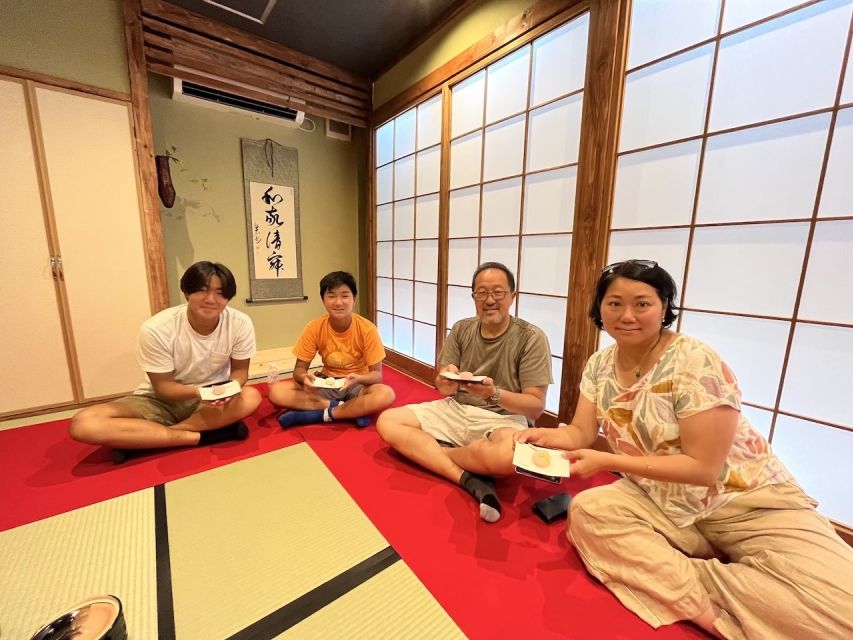
You will sit on tatami flooring for much of the session. One participant described sitting on the floor for about an hour, although the stated duration is 45 minutes. The difference may reflect arrival, settling in, or a slightly longer session, but you should plan for floor sitting rather than chair seating.
This may be uncomfortable if you have limited mobility. The supplied information does not promise chairs, step-free access, or special seating, so contact the provider before booking if those details matter to you.
The age policy needs careful reading. Children under five are not allowed to participate. Children aged five and above must have their own ticket. The information also says that entry may be refused if you arrive with a child under five, and that you should contact the provider in advance if you are accompanied by a child under four.
That wording is awkward, but the safe choice is clear: do not bring a child under five without confirming the policy first. A child who is old enough to join needs a paid place.
Strollers and baby carriages are not allowed. Food, jumping, and loud noise are also prohibited. Those rules fit the quiet nature of the room, but they make this less convenient for families with very young children.
The teaching style and host experience
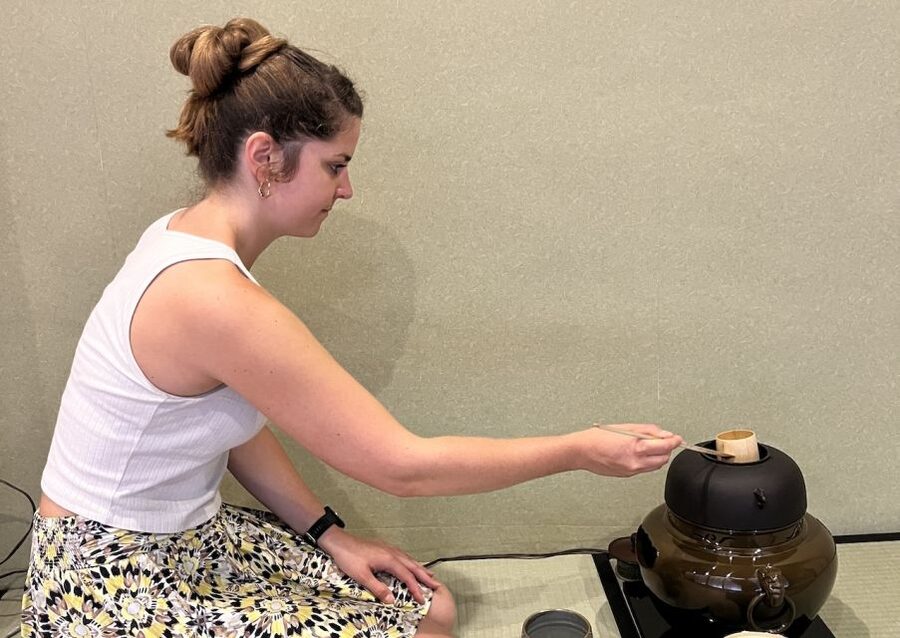
The instructors are the heart of this activity. You may meet Yuki, Akiko, Kazu, Mayumi, Kana, Ayaka, or another member of the team, so the exact personality and delivery can vary.
The strongest pattern is patient English teaching. Hosts have been praised for speaking clearly, giving useful instructions, and explaining the meaning behind each part of the ceremony. That matters more here than a grand room or a long itinerary. If the instructions were vague, the hands-on part would lose much of its value.
Kazu has been noted for explaining the history and meaning of each stage, including the tea bowls. Mayumi has been praised for a gentle, thorough explanation and a welcoming manner. Akiko’s traditional dress, calm attention, and careful guidance helped make the experience feel special for one couple. Kana has been singled out for answering questions well.
These details suggest a friendly, informal approach rather than a severe or intimidating lesson. You can expect guidance in English, but you should still ask questions if a gesture or phrase is unclear. The instructors appear accustomed to first-time participants from different countries.
Value at $25 per person
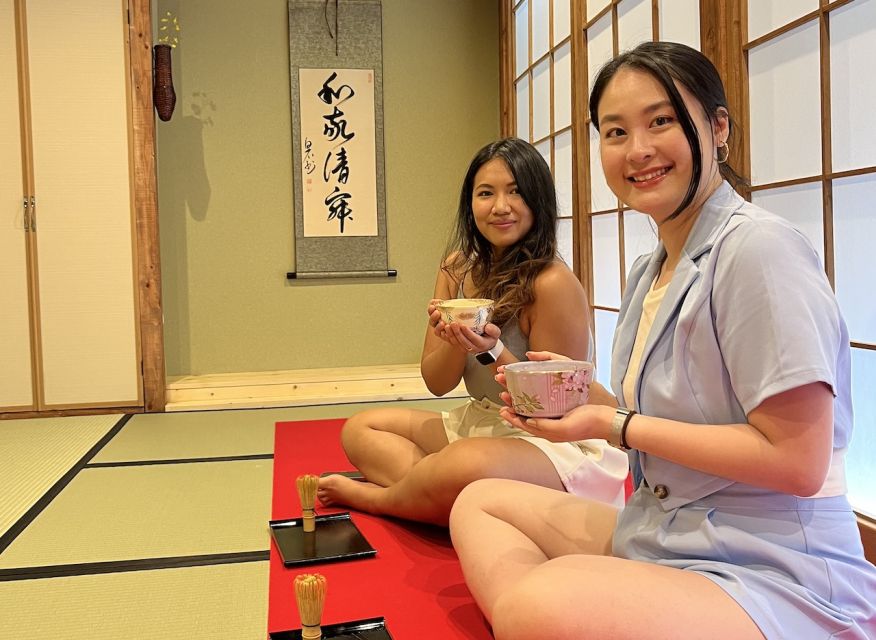
At $25, this is a reasonably priced cultural activity in central Osaka. You receive a demonstration, an explanation of the ceremony, matcha, seasonal sweets, and your own attempt at preparing the tea.
The value is strongest if you want context. A matcha drink alone would be cheaper, but it would not explain the etiquette, tools, symbolism, or setting. You are paying for a structured introduction and for access to an experience that would be difficult to arrange independently during a normal Osaka visit.
The 45-minute length also keeps the commitment modest. If tea ceremony turns out not to be your thing, you have not lost an entire afternoon. If you enjoy Japanese arts, you may wish the session lasted longer, but the compact format is useful for most itineraries.
The activity does not include a meal, transport, photographs, or extra food. Keep your expectations at the right level. This is a focused introductory lesson, not a full-day cultural program.
Booking, cancellation, and arrival advice
You can cancel up to 24 hours before the activity for a full refund. A reserve-now-and-pay-later option is also available, which helps if your Osaka schedule is still shifting.
Check the available start times before booking because the duration is fixed at 45 minutes but the schedule is not listed here. I would avoid arranging a train, restaurant reservation, or major attraction immediately afterward. Give yourself a buffer for finding the venue and leaving the room.
Use the exact Japanese address, the Google Maps search term supplied by the operator, or the coordinates. Look for the second-floor venue at 1-5-26 Higashi-Dotonbori. Arriving a little early is wise, but arriving far too early may leave you standing outside.
Wear clothing that allows comfortable floor sitting. You do not need to bring food or tea equipment. Matcha, confections, and the required tools are included.
Who should book this tea ceremony?
I would recommend it most strongly to first-time visitors who want a manageable introduction to Japanese customs. It is also a good fit if you have been drinking matcha in cafés but want to understand the traditional setting and preparation.
Couples may appreciate the quiet mood, while families with children aged five and above can use it as a short cultural lesson. Solo visitors should find the clear instruction easy to follow, even without prior knowledge of tea ceremony manners.
You may want to skip it if you dislike green tea, cannot sit on the floor, or prefer fast-moving activities. The ceremony asks you to be quiet and attentive. It is not a loud entertainment show, and the room rules prohibit noise and jumping.
Should you book it?
Book this Osaka tea ceremony if you want a calm, hands-on cultural experience close to Dotonbori. The best reasons are the English-speaking instructors, the careful demonstration, and the chance to prepare your own matcha rather than simply watch.
The $25 price is fair for the instruction, sweets, tea, and traditional setting. Just plan the arrival well, confirm the child policy if needed, and be ready to sit on tatami flooring. For a short break from Osaka’s busy streets, this is a thoughtful and worthwhile choice.
FAQ
Where does the Osaka tea ceremony take place?
It takes place at 大阪市中央区道頓堀1丁目東5-26 in Osaka’s Chuo Ward. The venue is on the second floor.
How long does the tea ceremony last?
The stated duration is 45 minutes. Some participants described the overall visit as closer to an hour, so allowing a little extra time is sensible.
How much does the activity cost?
The listed price is $25 per person.
Is the experience conducted in English?
Yes. The hosts or greeters speak English, and an English audio guide is included.
Who leads the ceremony?
Japanese instructors in traditional kimono lead the ceremony. Hosts named in the activity information and participant accounts include Yuki, Akiko, Kazu, Mayumi, Kana, and Ayaka. The specific instructor depends on the session.
Will I make matcha myself?
Yes. After watching the demonstration, you will use traditional tea tools to prepare your own bowl of matcha and then drink it.
Are sweets included?
Yes. Seasonal Japanese confections and matcha are included in the entrance fee.
Can children participate?
Children under five are not allowed to participate. Children aged five and above need their own ticket.
Are strollers allowed?
No. Baby strollers and baby carriages are not allowed.
Can I cancel my booking?
You can cancel up to 24 hours in advance for a full refund. A reserve-now-and-pay-later option is also available.
Just added around Osaka
- (Ticket Included) Explore Osaka Castle & Museum of History★ 4.8 · 21 reviews
- Hidden Osaka – Yukaku Red Light Tour & Culinary Adventure★ 4.8 · 96 reviews
- Osaka: Walking Tour and Top Highlights★ 4.8 · 104 reviews
- Osaka: Private Ceramic Painting Workshop★ 5.0 · 13 reviews
- Pickleball in Osaka, Kobe & Kyoto with Locals!★ 4.7 · 80 reviews
- Eat Like a Local in Osaka – Private Custom Street Food Tour★ 4.3 · 33 reviews
- Osaka:SUMO BEATS SHOWCASE: Taiko Drum and Wagyu burger!★ 4.2 · 37 reviews
- Kimono photoshoot-Includes 100 photo data★ 5.0 · 21 reviews
Tea Ceremony Experiences, compared.
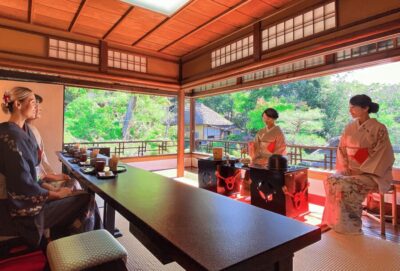
Tea Ceremony in a Traditional Tea House in Kiyomizu
Read our review →
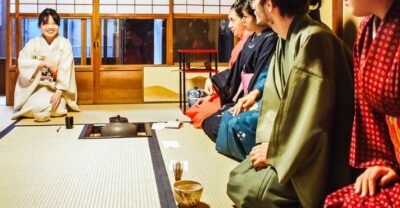
World Heritage Kyoto & Nara Uji Authentic Matcha Experience
Read our review →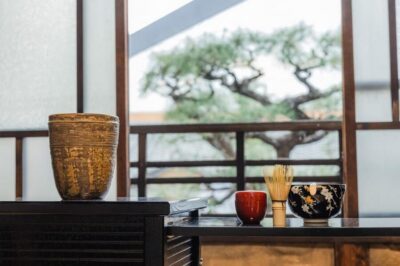
Arashiyama Bamboo Forest, Monkeys, Matcha & Temple Tour
Read our review →Browse the lists this tour appears in