
REVIEW · ARASHIYAMA BAMBOO TOURS
Kyoto: Arashiyama Bamboo Forest, Monkeys, Matcha & Temple Tour
Arashiyama packs a remarkable amount into one half-day: a Zen temple, a towering bamboo path, a mossy shrine, a riverside bridge, a matcha break, and a hilltop troop of Japanese macaques. The most memorable contrast is between Tenryu-ji’s still gardens and the lively monkeys above Kyoto.
I like the mix of culture and nature, and I like that the guide provides the historical thread connecting the stops. The included Uji matcha drink is a welcome pause before the uphill walk. The main consideration is physical: Monkey Park requires a climb, and wet weather can make the path slippery.
In This Review
- Key points at a glance
- Starting at Randen Arashiyama Station
- Tenryu-ji and the calm of a Zen garden
- The famous Arashiyama Bamboo Grove
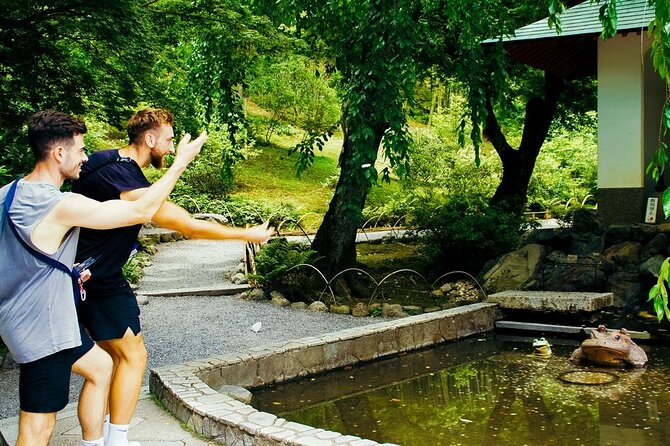
- Nonomiya Shrine and its mossy setting
- A matcha pause before the climb
- Togetsu-kyo Bridge and the Katsura River view
- Climbing to Monkey Park Iwatayama
- What the guide adds to the route
- How much walking should you expect?
- Is $53.06 a fair price?
- Who should book this Arashiyama tour?
- Should you book it?
- FAQ
- How long does the Arashiyama tour last?
- Where does the tour begin?
- Where does the tour end?
- Is Tenryu-ji Temple admission included?
- Is Monkey Park Iwatayama admission included?
- Is a matcha drink included?
- How large can the group be?
Key points at a glance
- Tenryu-ji first: Visit one of Kyoto’s major Zen temples and its carefully arranged gardens.
- Bamboo Grove: Walk the famous 30-minute path, knowing it is beautiful but often busy.
- Monkey Park hike: Reach wild Japanese macaques and broad views over Kyoto after an uphill climb.
- Useful cultural stops: Nonomiya Shrine and Togetsu-kyo Bridge add quieter historical and scenic moments.
- Small group format: The maximum group size is 15, with the tour lasting about four to four and a half hours.
- Good value for a half-day: The $53.06 price includes an English-speaking guide, Tenryu-ji admission, Monkey Park entry, and an Uji matcha drink.
Starting at Randen Arashiyama Station
The tour begins at Tully’s Coffee Randen Arashiyama Station Shop, at 20-2 Sagatenryuji Tsukurimichicho in Kyoto’s Ukyo Ward. This is a practical starting point because the meeting place is near public transportation and puts you directly in the heart of Arashiyama.
You return to the same meeting point at the end. That matters if you are planning lunch, shopping, or another Kyoto sight afterward. It also means you are not left trying to find your way back from the monkey park alone.
The group can include up to 15 people. That is large enough to give the outing a social feel, but still manageable for a walking route with several stops. Guides such as Tim, Sofia, Nay, Gabriele, Amy, Daniel, and others have led this experience at different times, so the exact personality and teaching style will vary.
Several guides have been praised for keeping the pace comfortable, explaining local customs, and allowing time for photographs. That is important in Arashiyama, where a group can easily clog a narrow path if it stops too long in one place.
More Tea Ceremony Experiences in Kyoto
- Kyoto: Tea Ceremony in a Traditional Tea House in Kiyomizu
★ 4.9 · 3,519 reviews - Kyoto: Tea Ceremony Ju-An at Jotokuji Temple
★ 4.9 · 3,207 reviews - Kyoto: 45-Minute Tea Ceremony Lesson Experience
★ 4.3 · 2,378 reviews
Tenryu-ji and the calm of a Zen garden
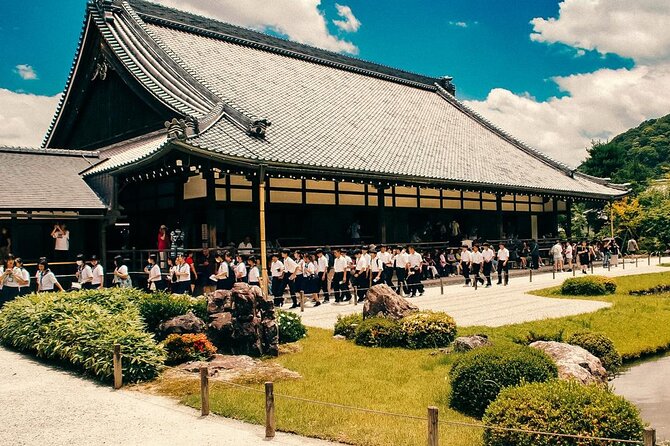
Tenryu-ji is the tour’s best opening scene. This UNESCO World Heritage Site is one of Kyoto’s most respected Zen temples, and admission is included in the price.
The visit lasts about 30 minutes. You will have time to see the temple grounds and the garden, where water, stones, trees, and seasonal color are arranged with deliberate simplicity. The central pond and its reflections are especially attractive when the light is good.
A guide can help you look beyond pretty scenery. Zen gardens are not simply landscaped parks. Their empty spaces, carefully placed rocks, and controlled views encourage a slower way of seeing. Even if you are not interested in religious philosophy, the garden gives you a useful introduction to the restraint found in traditional Japanese design.
The short visit is both a strength and a limit. It keeps the tour moving and leaves room for the bamboo grove and Monkey Park, but it is not enough for a detailed study of every building. If Tenryu-ji is high on your personal list, you may want to return later for more time.
I would pay close attention here, since the temple provides context for the rest of the morning. After a formal garden, the bamboo path feels less like a separate attraction and more like another version of Kyoto’s preference for quiet, ordered spaces.
The famous Arashiyama Bamboo Grove
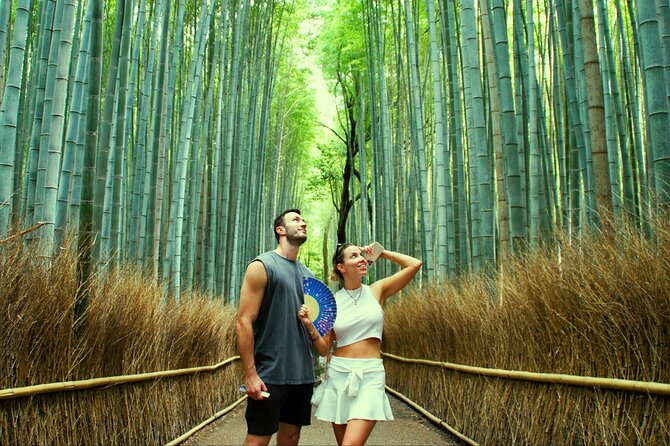
The bamboo forest receives about 30 minutes, usually as a walk along its well-known path. Tall stalks rise on both sides, narrowing the view and creating a cool, green corridor above your head.
The effect can be striking. Bamboo moves differently from ordinary trees, and the tall stems create a sense of height even when you are walking on a fairly ordinary path. This is the kind of place where I recommend looking up, then turning around to see how the path frames the people and hills behind you.
There is a practical catch. The bamboo grove is one of Kyoto’s most popular sights, so you should not expect complete solitude. The tour gives you a clear way to see it without having to plan the route yourself, but 30 minutes is a brisk visit and the path may be crowded.
Your guide may point out details about bamboo cultivation and local traditions. Those explanations add value because a quick photograph does not tell you why bamboo has such a strong place in Japanese material culture and garden design.
Wear shoes suited to walking, not just sightseeing. The full tour covers several sites on foot, and the day includes the climb to Monkey Park. Comfortable footwear will make a bigger difference than any other piece of clothing you bring.
Nonomiya Shrine and its mossy setting
Nonomiya Shrine receives about 15 minutes. It is a small Shinto shrine associated with ancient purification rituals and sits among mossy woods near the bamboo area.
This is a quieter stop than Tenryu-ji. The shrine does not require a long visit, but it gives you a glimpse of a different religious tradition. Tenryu-ji presents Zen Buddhism through temple buildings and garden design, while Nonomiya offers a more intimate Shinto setting shaped by woodland, sacred space, and ritual.
I like this stop because it prevents the tour from becoming a parade of only famous photo locations. The shrine is modest, atmospheric, and easy to overlook if you are exploring on your own. A good guide can explain why it matters without turning a 15-minute visit into a lecture.
The short timing is appropriate. Nonomiya is a place to pause, notice the setting, and hear its story. It is not a major museum or a large temple complex, so do not expect a long exploration.
More Temple & Shrine Tours in Kyoto
- Kyoto: Fushimi Inari, Kinkakuji, Bamboo Grove 1 Day Bus Tour
★ 4.8 · 4,316 reviews - Fushimi Inari Hidden Hiking Tour (Private Option Available)
★ 5.0 · 1,750 reviews - Kyoto/Osaka: Nara, Fushimi Inari Taisha, Arashiyama Bus Tour
★ 4.7 · 1,275 reviews - Arashiyama Bamboo, Temple, Monkeys, or Secret Sake Brewery
★ 4.8 · 886 reviews
A matcha pause before the climb
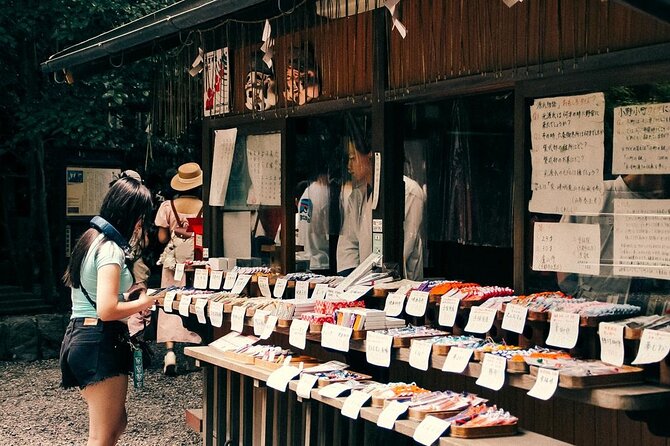
The tour includes one Uji matcha drink. The matcha stop breaks up the walking and gives you a chance to rest before the hill to Monkey Park.
This is a small part of the outing, but it adds a local flavor that many sightseeing walks lack. Matcha is not just a sweet green drink. Its preparation and strong, earthy taste connect to Japan’s long tea traditions, and even a brief stop can help you understand why tea carries such cultural weight.
The exact timing of the refreshment stop can vary with the guide and the day’s pace. Treat it as a pause rather than a full meal. No meal is included, and you should not count on this drink to replace lunch.
Some descriptions of the experience have referred to a matcha ice cream stop, while the included service is specified as an Uji matcha drink. If the precise item matters to you, check the details when booking. Either way, the useful point is that you receive a matcha-themed break during the walk.
Togetsu-kyo Bridge and the Katsura River view
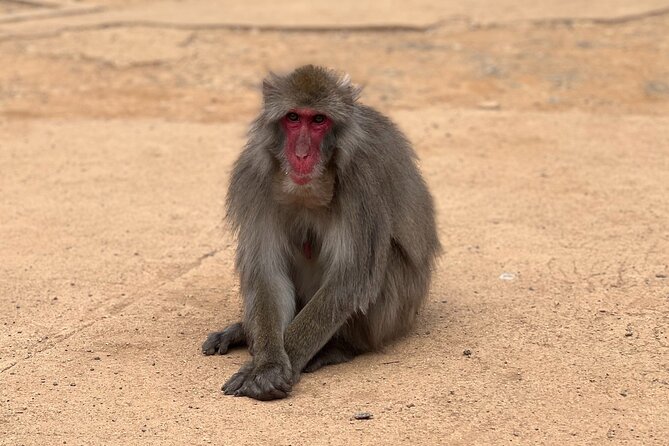
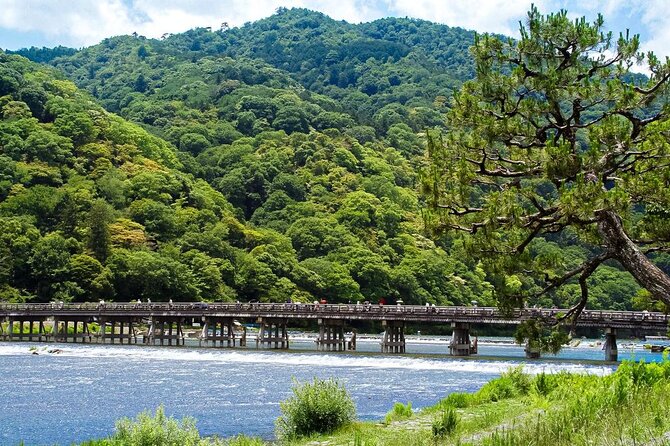
The group spends about 10 minutes at Togetsu-kyo Bridge, known as the Moon Crossing Bridge. This elegant bridge is one of Arashiyama’s familiar symbols, with river and mountain views in both directions.
Ten minutes is enough for a short crossing, photographs, and a quick explanation of the bridge’s place in the district. The stop is not designed for lingering beside the water or taking a long riverside walk.
The bridge also changes the rhythm of the tour. The bamboo grove feels enclosed and vertical. The bridge opens the view outward, with the river and surrounding mountains providing a broad scene. It is a welcome visual reset before the final climb.
If you want your best bridge photographs, listen for the guide’s instructions about where to stop. A group of 15 can spread out quickly, and the tour needs to stay on schedule. You can always return to the bridge after the activity ends, since the tour finishes back at the meeting point.
Climbing to Monkey Park Iwatayama
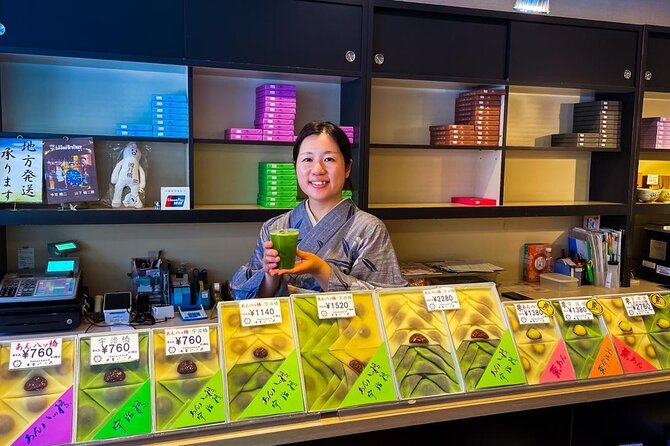
Monkey Park is the most physically demanding part of the tour and the main reason to think honestly about your fitness before booking. The visit lasts about an hour, but reaching the park involves a short uphill hike.
At the top, you can see wild Japanese macaques and look across Kyoto from the mountaintop. The combination is unusual: you are watching active animals while the city spreads out below. The macaques may be playful, and you might see young animals, but they are wild creatures, not trained performers.
There is a feeding area where visitors can observe the monkeys more closely. The animals generally do not approach unless you go to that area, which gives you some control over how close you want to get. Follow the guide’s instructions and keep a sensible distance.
The city view is a major reward for the climb. Several people who skipped the ascent because of health concerns still enjoyed the rest of the route, while companions who made the climb returned with photographs and mountain panoramas. That makes Monkey Park somewhat flexible, but you should understand that the group cannot turn the climb into a flat walk.
Weather matters. Rain can make the uphill path treacherous, and the climb may feel harder in hot conditions. Comfortable shoes are essential. If you have limited mobility or poor stamina, ask the operator about the practical options before booking, since the advertised tour is built around reaching the park.
What the guide adds to the route
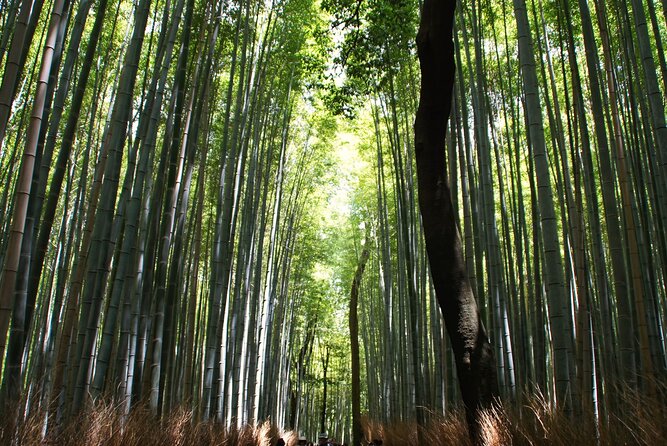
This tour is not a bus ride with a few photo stops. You walk from place to place, and the guide’s value comes from making sense of what you are seeing.
The strongest guide reports describe people who were attentive, friendly, and able to keep the group moving without making the outing feel rushed. Tim has been praised for combining local history with an easy conversational manner. Nay has been singled out for his enthusiasm and detailed explanations. Gabriele, also listed as Gabriele Cammisuli, has been noted for making time for questions and photographs.
Sofia, Amy, Daniel, Shin, Maggie, Pedro, Shen, Gabri, and Meg have also led or supported groups. Since the guide is not guaranteed by name, book this as a route and format rather than as a chance to meet one particular person.
The guide also becomes useful if you lose your bearings. Arashiyama’s paths, stations, temple grounds, shops, and river crossings can be confusing on a first visit. One guide was especially helpful when the group became separated after getting lost, which illustrates the benefit of having someone responsible for the route.
The quality may not be identical every day. One unhappy account described a late start and explanations that felt limited and scripted. A late arrival by one participant can affect a small-group schedule, too. Most of the available feedback is highly favorable, with a 4.9 rating from 759 reviews and a 99 percent recommendation rate, but the occasional weak guide or delayed start is possible.
How much walking should you expect?
Plan for a genuine walking tour, not a gentle orientation. The route includes the temple grounds, bamboo path, shrine, bridge, matcha stop, and the uphill approach to Monkey Park.
The total duration is approximately four to four and a half hours. Guides generally break up the route with stops, bathroom opportunities, and the drink break, which helps. Still, you will be on your feet for much of the morning or afternoon.
I would wear supportive shoes and carry water, especially if the weather is warm. The tour data says most people can participate, but the Monkey Park ascent is the clear exception for anyone with health or mobility concerns.
Families, active older adults, couples, and first-time Kyoto visitors can all find something useful here. It is less suitable if you want a slow temple study, a long tea ceremony, or a completely flat route.
Is $53.06 a fair price?
At $53.06 per person, the price is reasonable for a four-hour guided walk if you plan to visit all these places anyway. Tenryu-ji admission and Monkey Park entry are included, along with the English-speaking guide and Uji matcha drink.
The value comes from combining admission fees, route planning, and interpretation. You do not need to work out how to connect the temple, bamboo grove, shrine, bridge, and monkey park in the right order. You also avoid spending your limited Kyoto time hesitating over maps and entrances.
The price is less attractive if you prefer exploring independently or plan to skip Monkey Park. You are paying partly for the guide’s organization and partly for the all-in route. An independent visit can offer more time at each site, but it requires more preparation and leaves you to supply your own historical context.
With a maximum of 15 people, the format is a middle ground. It is more personal than a large coach tour, but it is not a private experience. If you want constant one-to-one attention, this is not the right product.
Who should book this Arashiyama tour?
I would choose this tour if you want the major Arashiyama sights in one organized outing and prefer having a guide explain what you see. It is especially useful on a first Kyoto visit, when the district’s famous spots can feel scattered and the crowds can make route planning tiring.
You should book it if these points appeal to you:
- You want both temple culture and outdoor scenery.
- You enjoy walking and can manage an uphill path.
- You want Monkey Park admission handled in advance.
- You prefer a small group over a large bus tour.
- You value explanations of Zen gardens, shrine customs, bamboo, and local history.
- You want a half-day activity that leaves the rest of the day open.
Think twice if you need a fully accessible route, want extensive free time at every stop, or dislike scheduled group walks. The monkeys are a highlight, but the climb is not optional in spirit, even if you can choose not to go all the way up.
Free cancellation is available until 24 hours before the start time. Changes or cancellations made inside that window are not accepted for a refund, so keep the local cut-off time in mind.
Should you book it?
Yes, if you want an efficient and varied introduction to Arashiyama. The temple garden, bamboo grove, matcha pause, bridge, shrine, and macaque park give you a strong range of Kyoto experiences in four to four and a half hours.
My advice is simple: book it for the route and the structure, then arrive ready to walk. Wear good shoes, allow for weather, and treat the Monkey Park climb as the deciding factor. If you can handle that hill, the $53.06 cost offers solid value. If you cannot, the first half of the tour still has plenty to offer, but you may prefer an easier Arashiyama visit on your own.
FAQ
How long does the Arashiyama tour last?
The experience lasts approximately four to four and a half hours.
Where does the tour begin?
It begins at Tully’s Coffee Randen Arashiyama Station Shop, located at 20-2 Sagatenryuji Tsukurimichicho, Ukyo Ward, Kyoto, 616-8384, Japan.
Where does the tour end?
The activity ends back at the meeting point.
Is Tenryu-ji Temple admission included?
Yes. Entry to Tenryu-ji Temple is included.
Is Monkey Park Iwatayama admission included?
Yes. The entrance fee to Monkey Park is included.
Is a matcha drink included?
Yes. One Uji matcha drink is included.
How large can the group be?
The maximum group size is 15 people.
More Arashiyama Bamboo Tours in Kyoto
- Osaka/Kyoto:Kinkakuji,Arashiyama,FushimiInariShrine,NaraPark
★ 4.1 · 1,596 reviews - Kyoto Arashiyama Walking Tour: Bamboo, Monkeys, Gardens & Secrets
★ 5.0 · 1,216 reviews - Osaka/Kyoto: Arashiyama, Nara & Fushimi Inari Shrine w/Lunch
★ 4.4 · 754 reviews - Kyoto: Nijo, Kinkaku-ji, Arashiyama, Kiyomizu & Fushimi Inari
★ 5.0 · 699 reviews
Just added around Kyoto
- Taste of Nishiki Market Walking Food Tour with Local guide★ 5.0 · 17 reviews
- Kyoto: Sushi Making Class with Sushi Chef★ 4.8 · 64 reviews
- Kyoto: City Secrets eBike Tour★ 4.9 · 196 reviews
- Sacred Pathways: Discover the Philosopher’s Path of Kyoto★ 4.9 · 20 reviews
- Private Tour to Monkey Park and Arashiyama Highlights★ 5.0 · 22 reviews
- Private Nara Tour from Osaka – Meet at Your Hotel★ 5.0 · 22 reviews
- Private Sake Tasting in Central Kyoto with Sake Sommelier★ 5.0 · 13 reviews
- Kyoto : Private Custom Walking Tour With A Local Guide★ 4.6 · 144 reviews
Arashiyama Bamboo Tours, compared.
Osaka/Kyoto:Kinkakuji,Arashiyama,FushimiInariShrine,NaraPark
Read our review →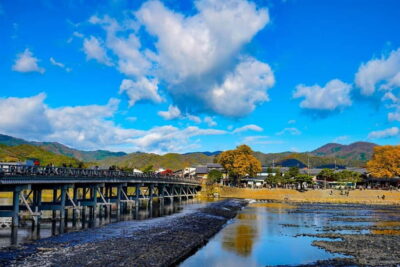
Kyoto/Osaka: Nara, Fushimi Inari Taisha, Arashiyama Bus Tour
Read our review →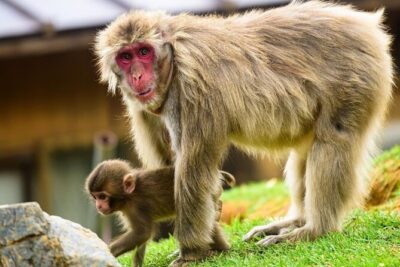
Kyoto Arashiyama Walking Tour: Bamboo, Monkeys, Gardens & Secrets
Read our review →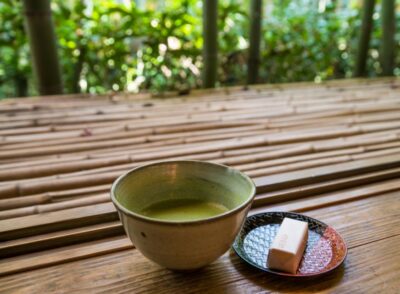
Arashiyama Bamboo, Temple, Monkeys, or Secret Sake Brewery
Read our review →
Osaka/Kyoto: Arashiyama, Nara & Fushimi Inari Shrine w/Lunch
Read our review →
Nijo, Kinkaku-ji, Arashiyama, Kiyomizu & Fushimi Inari
Read our review →
Arashiyama Bamboo Forest & Hidden Gems Bike Tour (Early Bird)
Read our review →
Arashiyama Customized Rickshaw Tour & Bamboo Forest
Read our review →Browse the lists this tour appears in