
REVIEW · ARASHIYAMA BAMBOO TOURS
Osaka/Kyoto:Kinkakuji,Arashiyama,FushimiInariShrine,NaraPark
The clever part of this day trip is its range: four major sights spread across Nara and Kyoto, linked by one air-conditioned bus. You see free-roaming deer, a giant Buddha, a bamboo path, a gold-covered temple, and thousands of red shrine gates without having to piece together several train routes.
I like the easy transport and the clear time calls from guides such as Harry, Gary, Mike, Tracy, and Panda. I also like the choice of a Kobe beef shabu-shabu lunch from Osaka, or two hours of free time to eat and explore in Arashiyama. The trade-off is simple: this is a packed day, and the stops can feel short when crowds and traffic get in the way.
In This Review
- Key points
- One bus, four famous sights
- Nara Park and Todai-ji: deer first, Buddha second
- The Arashiyama choice: lunch or more bamboo time
- Kinkaku-ji: the Golden Pavilion in the afternoon light
- Fushimi Inari and its long corridor of red gates
- How the guides shape the day
- The walking, crowds, and time limits
- Is the Kobe beef lunch worth choosing?
- Who this $66 day trip suits best
- Should you book it?
- FAQ
- How long does the tour last?
- Where does the tour begin?
- Where does the tour end?
- Is hotel pickup included?
- Which entrance fees are included?
- Is lunch included?
- How much time do I get in Arashiyama?
- What languages are available?
- Can I cancel for a refund?
Key points
- Four landmark stops in one day: Nara Park, Todai-ji, Arashiyama, Kinkaku-ji, and Fushimi Inari are all covered.
- Nara starts the sightseeing: You meet the friendly deer before the day gets even more crowded.
- Lunch changes your Arashiyama time: The Kobe beef option gives you 60 minutes there, while the no-lunch choice allows 120 minutes.
- Kinkaku-ji admission is included: You can enter the Golden Pavilion without buying a separate ticket.
- Todai-ji admission costs extra: Budget for this important temple ticket separately.
- Expect a long walking day: Some people report about 21,000 steps, so good shoes matter.
One bus, four famous sights
At $66 per person, this tour is designed for travelers who value coverage over a slow pace. Public transport can get you to all these places, but coordinating Nara with western and northern Kyoto in one day takes effort. Here, you return to the same bus after each stop and let the driver handle the long stretches between sites.
The vehicle is air-conditioned, and the guide gives instructions before you leave each place. That matters more than it may sound. At busy attractions, a group can scatter quickly, so pay attention to the meeting time and exact bus location.
The day runs about nine hours, though the timing changes with traffic and departure point. A Kyoto departure may be closer to eight and a half hours, while an Osaka departure can make for a very long day from early morning to evening. One reported schedule ran roughly from 7:00 in the morning until 7:30 at night.
This is not a private tour. Group size can be large, and commentary may switch between English and Chinese. That keeps the price down, but it can also mean less personal attention and occasional waiting for people who lose track of the schedule.
More arashiyama bamboo tours in Kyoto:
- Kyoto: Fushimi Inari, Kinkakuji, Bamboo Grove 1 Day Bus Tour
★ 4.8 · 4,316 reviews - Kyoto/Osaka: Nara, Fushimi Inari Taisha, Arashiyama Bus Tour
★ 4.7 · 1,275 reviews - Kyoto Arashiyama Walking Tour: Bamboo, Monkeys, Gardens & Secrets
★ 5.0 · 1,216 reviews
Nara Park and Todai-ji: deer first, Buddha second
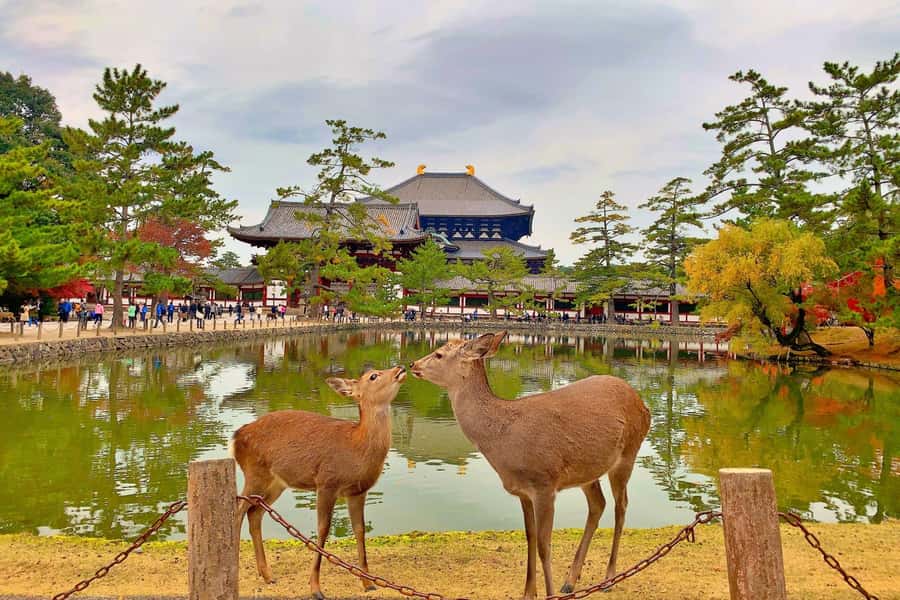
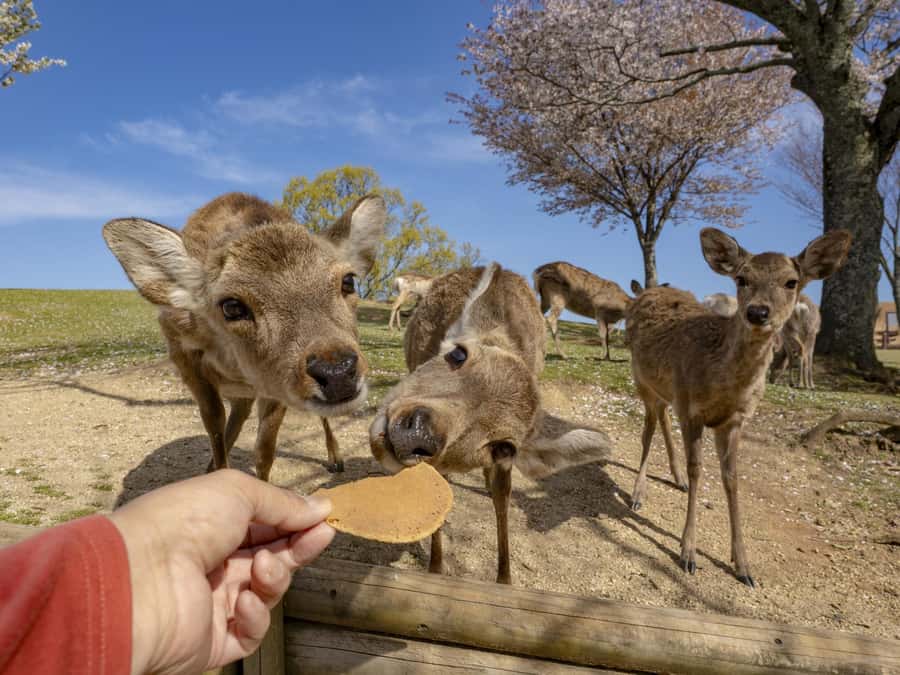
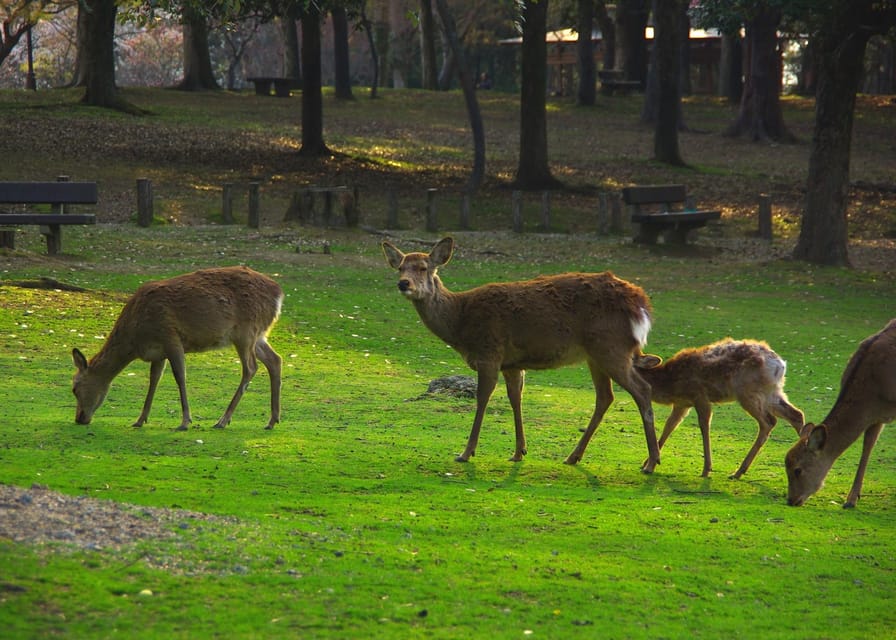
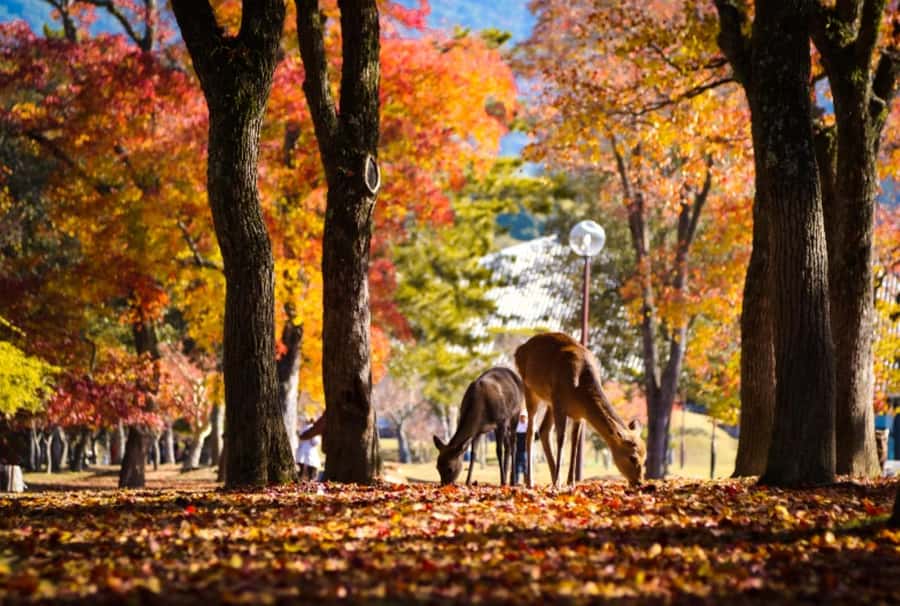
Nara Park is usually the first major stop. The free-roaming deer are the attraction, but they are not tame pets. They are wild animals, so you should avoid teasing them or disturbing them. Keep your attention on your belongings and follow the guide’s advice around the animals.
The park has a calm feel despite its fame. You can stroll among the trees, watch the deer approach, and enjoy the unusual sight of wildlife moving through a historic city park. If Nara is your main reason for booking, note the time carefully. Some people wish they had more time here, while others appreciate visiting early, before the crowds build.
Todai-ji is the day’s major architectural stop. The temple is a UNESCO World Heritage site and is known for its enormous wooden hall and 15-meter Great Buddha statue. The scale is hard to grasp from photographs. Inside, the Buddha gives the building a powerful sense of proportion, while the timber structure shows why this temple is one of Nara’s essential sights.
The entrance fee to Todai-ji is not included, so bring money for that ticket. Kinkaku-ji admission is covered, but the two temples are handled differently in the tour price.
Your time in Nara is not unlimited. You get a good introduction rather than a complete visit to every corner of the park and temple grounds. If you want a quiet, extended look at Nara, a separate day would suit you better. If you want the deer and Great Buddha in a single morning, this arrangement is efficient.
The Arashiyama choice: lunch or more bamboo time
After Nara, the bus heads to Arashiyama. This is where your booking choice affects the afternoon.
With the lunch option, about 50 minutes are set aside for the meal, followed by about 60 minutes in Arashiyama. The meal is Kobe beef shabu-shabu, with an explanation of what makes this Wagyu so prized. The meat is finely marbled and cooked briefly in the hot broth, producing a soft texture.
The lunch is only available as an option on departures from Osaka. Additional Kobe beef aburi sushi can be ordered on the day for an extra charge. If you like having a planned meal and want to try a famous Japanese beef style, this is a useful add-on. It also removes the need to search for a restaurant during a tight schedule.
Without lunch, you get about 120 minutes in Arashiyama and choose your own meal. That gives you more room for the Bamboo Grove, shops, and local food. For many people, this is the better choice if the bamboo path is high on their list.
The famous Bamboo Grove is atmospheric, but it can be crowded. Tall green stalks frame the path, and sunlight filters through the leaves in a way that makes even a short walk memorable. The catch is that you may not have time to wander far. Several people found that the combination of crowds and the fixed departure made it difficult to reach the grove and return with much spare time.
Some guides walk with the group during free time and point out a quieter route or good photo spots. Gary and Harry received special praise for giving extra help at stops, while Nick was noted for taking good photos. Still, do not rely on a guide being able to escort everyone. In a large group, you may need to explore independently.
Arashiyama also gives you a chance to slow down slightly. Browse the shops, eat something local, or simply walk beneath the bamboo. If you are choosing the Kobe beef lunch, know that you are trading some of this free time for a more structured meal.
Kinkaku-ji: the Golden Pavilion in the afternoon light
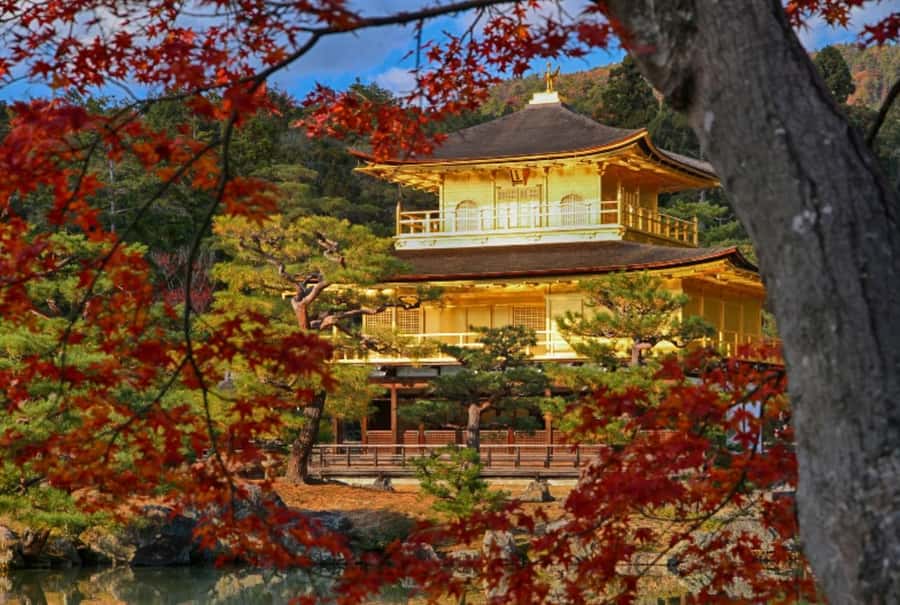
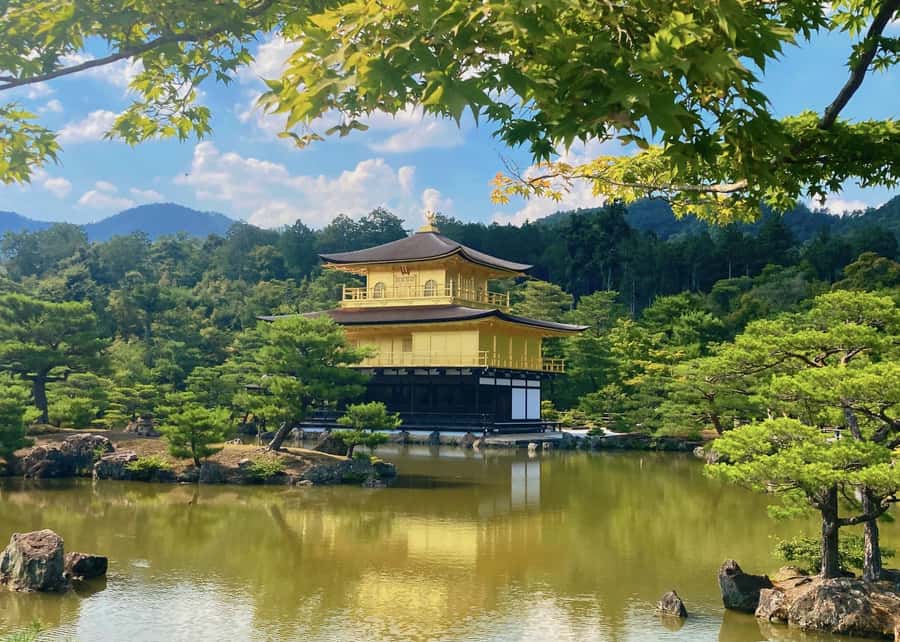
Kinkaku-ji, also called the Golden Pavilion, is one of Kyoto’s most recognizable sights. The upper sections are covered in gold leaf, and the building reflects across a pond surrounded by carefully arranged gardens.
The included entrance ticket is a real advantage. You avoid one extra purchase and can move directly into the temple grounds with the group. The usual visit is focused on the pavilion and garden route rather than a long, unhurried exploration.
Timing can work in your favor. An afternoon arrival may give the gold exterior warm light, though the exact effect depends on weather and crowds. The pond view is the classic photograph, but take time to notice the contrast between the bright pavilion, dark water, and restrained garden design.
This stop is highly visual, so even a short visit gives you the main impression. The limitation is that Kinkaku-ji can feel more like a carefully managed viewing route than a quiet temple visit. You will be moving with many other people, and you should keep track of the group’s departure instructions.
Same city, a completely different kind of day:
- PERFECT KYOTO 1-Day Bus Tour
★ 5.0 · 13,518 reviews - Kyoto: Tea Ceremony in a Traditional Tea House in Kiyomizu
★ 4.9 · 3,519 reviews - Kyoto Geisha Walking Tour: Gion District & Hidden Gems
★ 4.7 · 3,273 reviews - Kyoto: Tea Ceremony Ju-An at Jotokuji Temple
★ 4.9 · 3,207 reviews
Fushimi Inari and its long corridor of red gates
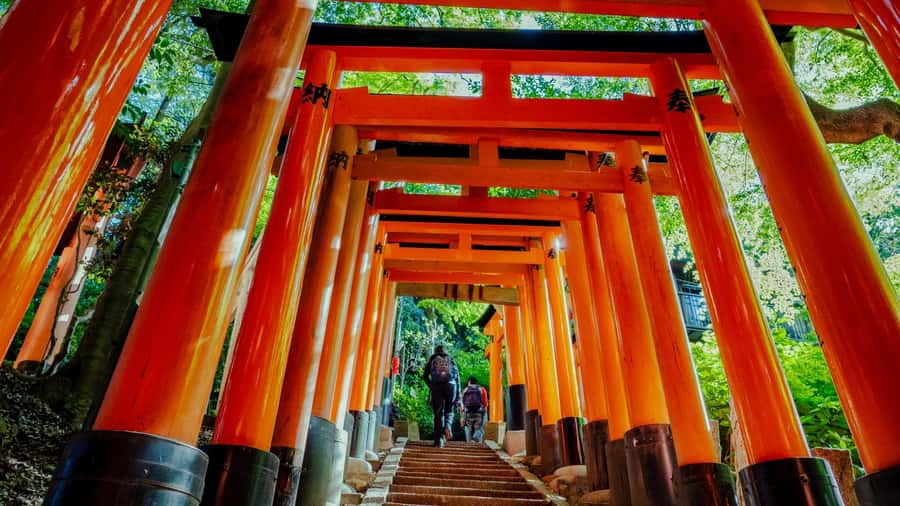
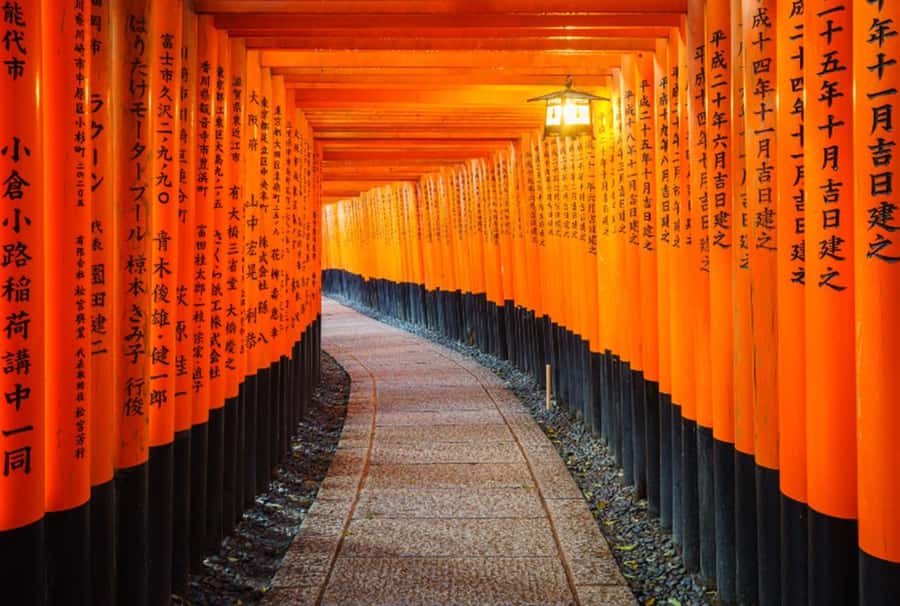
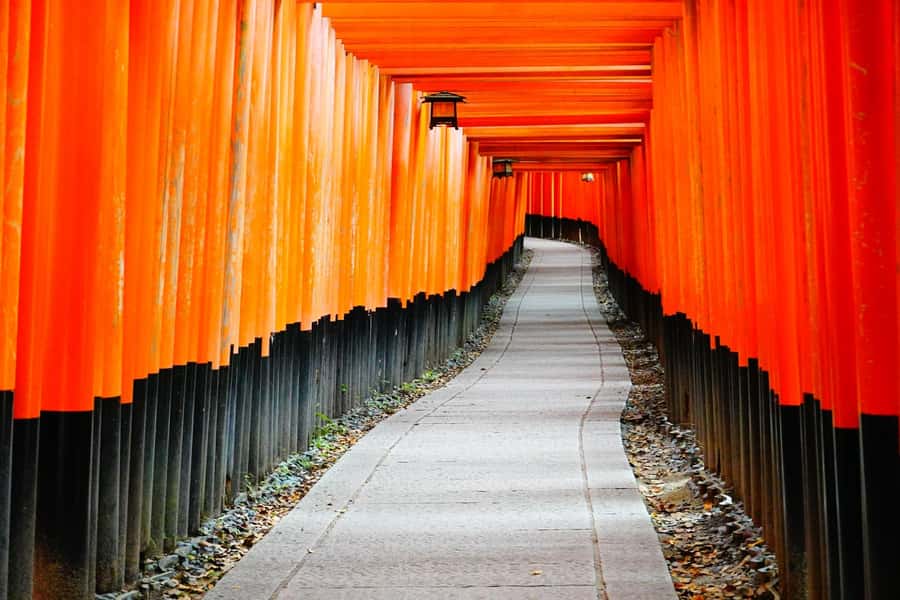
The final sightseeing stop is Fushimi Inari Taisha, a major Shinto shrine and an Important Cultural Property. Its signature feature is the tunnel of vermilion torii gates leading up Mount Inari.
Each gate represents a prayer or offering to Inari Okami, a deity linked with prosperity, household safety, and success. The gates begin close together, creating the famous corridor effect. You do not need to walk all the way up the mountain to understand the appeal. Even the lower section gives you the sight most people come to see.
Wear shoes with a good grip. The route includes steps and slopes, and after a full day of walking, your legs may be tired. The shrine is also one of the places where a large group can spread out quickly, so confirm the meeting point and return time before setting off.
Fushimi Inari is a strong final stop because it feels different from the other sites. Nara gives you deer and a giant temple hall. Arashiyama gives you bamboo and shops. Kinkaku-ji gives you a polished garden view. Fushimi Inari offers a long, repeating path with a more active sense of movement.
How the guides shape the day
The best part of a bus tour is not only the bus. It is having someone explain what you are seeing and keep the day moving.
Guides on this route have included Harry, Gary, Mike, Tracy, Nick, Panda, Ben, Eric, Mimi, Chi, and others. Guide quality can vary from one departure to another, but the strongest examples share the same habits: clear meeting instructions, history explained on the coach, help with photos, and reminders before it is time to return.
Some guides use quizzes, prepared schedules, or small photo booklets to help you understand the next stop. Others allow you to follow them during free time or explore independently. If you want facts and context, stay close during the initial explanation. If you prefer your own pace, listen carefully to the directions, then set off on your own.
Commentary may be given in both English and Chinese. English delivery may not be equally fluent with every guide, so this tour is best for someone who wants useful orientation rather than a long academic lecture. The information is valuable, but the experience depends partly on the guide assigned that day.
The walking, crowds, and time limits
This itinerary covers a lot of ground. One person counted about 21,000 steps, and that figure feels plausible once you add temple paths, park walking, bamboo lanes, shrine gates, and the movement between bus parking areas and attractions.
You should bring comfortable walking shoes, water, and a small bag that is easy to carry. The tour does not provide hotel pickup or drop-off. You must reach the assigned VIP Lounge or other stated meeting point on time, and the meeting point can vary by booking option.
Do not go to a different pickup point hoping the guide can simply add you to the bus. The guide’s passenger list is tied to the selected location, and a late arrival or wrong meeting point can mean missing the tour without a refund. If you need to change locations, contact the operator at least two days before departure.
Crowds are the other major factor. Arashiyama’s Bamboo Grove and Fushimi Inari can slow your progress, while a large group may take time to gather. Traffic can also force changes or extra stops. The guide and driver work to keep the schedule, but no bus tour can control Kyoto’s roads.
Is the Kobe beef lunch worth choosing?
I would choose the lunch option if you are leaving from Osaka, want a guaranteed meal, and are curious about Wagyu preparation. The shabu-shabu format is more distinctive than a basic restaurant stop, and the explanation of Kobe beef adds useful context.
I would skip it if Arashiyama is your priority. The no-lunch plan gives you twice as much scheduled time there, about 120 minutes instead of 60 minutes after lunch. That extra hour can make the difference between a rushed Bamboo Grove visit and enough time for the grove, food, and shops.
The choice also depends on your appetite for structure. Lunch keeps the group together and makes the day simpler. Free time gives you more control but requires you to find food and watch the clock.
Who this $66 day trip suits best
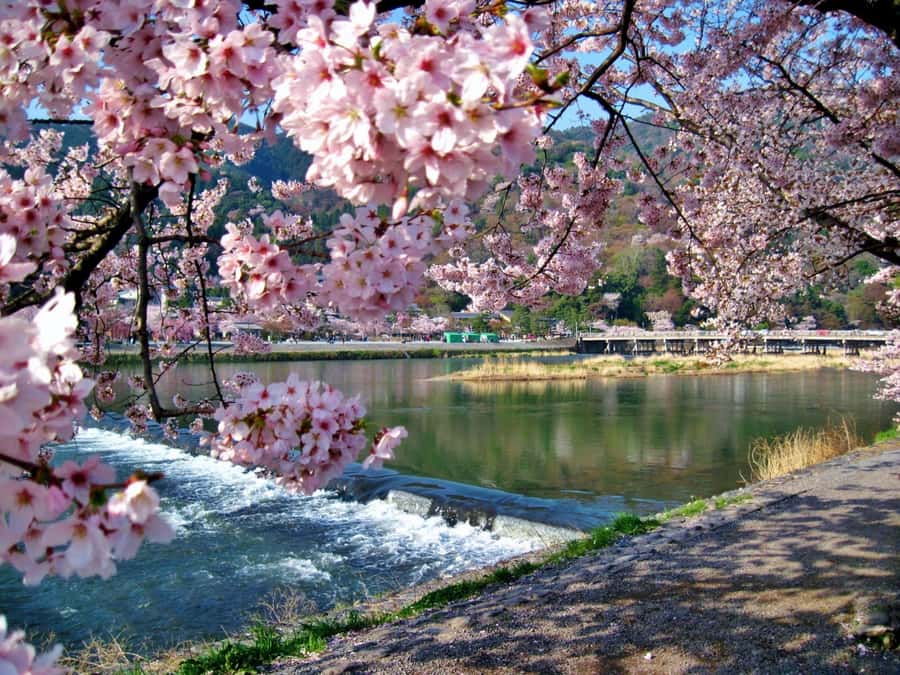
At $66, I see this as a practical transport-and-orientation package rather than a slow cultural tour. The value is strongest if you are staying in Osaka or Kyoto for a short time and want to see major sights in both Nara and Kyoto without planning several rail connections.
It is especially useful for:
- First-time visitors who want a broad introduction
- Solo visitors who prefer organized transport
- Families who do not want to manage several train changes
- People with one free day between other plans
- Anyone comfortable with early starts, crowds, and plenty of walking
It is less suitable if you want long meals, quiet temple time, or a flexible schedule. You may prefer separate visits if you already know Kyoto well or want to spend most of a day in one district.
The return can finish in Kyoto or Osaka, depending on the option you book. That flexibility is helpful, but check the ending point carefully before making evening reservations.
Should you book it?
Book this tour if your goal is to see the headline sights efficiently. The strongest value comes from the transportation, included Kinkaku-ji ticket, guide support, and sheer variety packed into one day.
I would book without lunch if Arashiyama matters most, and add the Kobe beef meal if you prefer a planned dining experience and can accept less bamboo time. Either way, arrive early, follow the meeting instructions exactly, and treat the schedule as firm.
You will finish tired, but you will also have seen four of the region’s most famous sights, plus Todai-ji and Nara’s deer. For a first visit and a limited schedule, that is a fair exchange.
FAQ
How long does the tour last?
The tour is approximately nine hours, though the total time can change because of traffic or unforeseen conditions. Departures from Kyoto may be closer to eight and a half hours.
Where does the tour begin?
The tour begins at a VIP Lounge in Osaka or Kyoto, but the exact meeting point depends on the option you book.
Where does the tour end?
You return by bus and can finish in Kyoto or Osaka, based on the ending option selected.
Is hotel pickup included?
No. Hotel pickup and drop-off are not included. You must reach the assigned meeting point yourself.
Which entrance fees are included?
The entrance fee to Kinkaku-ji is included. The entrance fee to Todai-ji is not included.
Is lunch included?
Lunch is optional rather than standard. On departures from Osaka, you can choose Kobe beef shabu-shabu. Without lunch, you have free time to eat in Arashiyama.
How much time do I get in Arashiyama?
With the lunch option, you get about 60 minutes in Arashiyama after 50 minutes for lunch. Without lunch, you get about 120 minutes in Arashiyama.
What languages are available?
The tour is offered in English and Chinese. Depending on group size, commentary may be provided in both languages.
Can I cancel for a refund?
You can cancel up to 24 hours before departure for a full refund. If the tour is canceled because of extreme weather or a natural disaster, a full refund is provided.
Just added around Kyoto
- Taste of Nishiki Market Walking Food Tour with Local guide★ 5.0 · 17 reviews
- Kyoto: Sushi Making Class with Sushi Chef★ 4.8 · 64 reviews
- Kyoto: City Secrets eBike Tour★ 4.9 · 196 reviews
- Sacred Pathways: Discover the Philosopher’s Path of Kyoto★ 4.9 · 20 reviews
- Private Tour to Monkey Park and Arashiyama Highlights★ 5.0 · 22 reviews
- Private Nara Tour from Osaka – Meet at Your Hotel★ 5.0 · 22 reviews
- Private Sake Tasting in Central Kyoto with Sake Sommelier★ 5.0 · 13 reviews
- Kyoto : Private Custom Walking Tour With A Local Guide★ 4.6 · 144 reviews
Arashiyama Bamboo Tours, compared.
Kyoto/Osaka: Nara, Fushimi Inari Taisha, Arashiyama Bus Tour
Read our review →
Kyoto Arashiyama Walking Tour: Bamboo, Monkeys, Gardens & Secrets
Read our review →
Arashiyama Bamboo, Temple, Monkeys, or Secret Sake Brewery
Read our review →
Arashiyama Bamboo Forest, Monkeys, Matcha & Temple Tour
Read our review →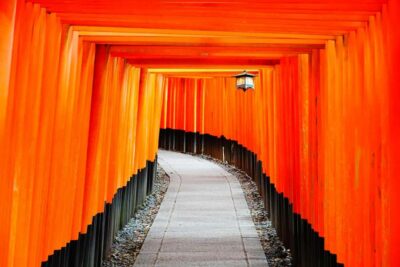
Osaka/Kyoto: Arashiyama, Nara & Fushimi Inari Shrine w/Lunch
Read our review →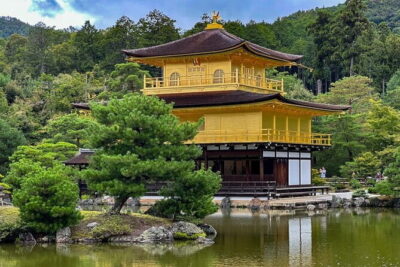
Nijo, Kinkaku-ji, Arashiyama, Kiyomizu & Fushimi Inari
Read our review →
Arashiyama Bamboo Forest & Hidden Gems Bike Tour (Early Bird)
Read our review →
Arashiyama Customized Rickshaw Tour & Bamboo Forest
Read our review →Browse the lists this tour appears in