
REVIEW · JAPANESE COOKING CLASSES
Kyoto Wagashi(Japanese sweets) Cooking Class near Fushimiinari
This Kyoto class turns Japanese sweets into a hands-on cultural lesson. In an authentic-style home near Fushimi Inari, you’ll prepare about three kinds of wagashi, including treats such as mitarashi dango and black sesame mochi, then eat them with matcha in a traditional room.
I like the tiny group size, capped at six, and the relaxed teaching style led by guides such as Miho. I also like that you leave with recipes, not just a sugar rush. The main consideration is timing: two and a half hours is a fair commitment for a sweets class, and the meeting point can require careful navigation.
In This Review
- Key points at a glance
- Making wagashi near Fushimi Inari
- A calm start in a traditional Japanese room
- Preparing three Japanese sweets
- The texture lesson: sticky, soft, and precise
- Tea, garden views, and eating what you made
- What the $79.26 price really covers
- Getting there and planning your timing
- Dietary needs and who should book
- Should you book the wagashi class?
- FAQ
- Where does the wagashi cooking class take place?
- How long is the class?
- How many people can join the class?
- Is the class taught in English?
- What will I make during the class?
- Is the class suitable for vegetarians and vegans?
- What is included in the price?
Key points at a glance
- Three wagashi recipes: Prepare several Japanese sweets yourself or with a partner, then take the recipes home.
- Traditional Kyoto setting: The class takes place in a Japanese-style house with tatami rooms and a garden view.
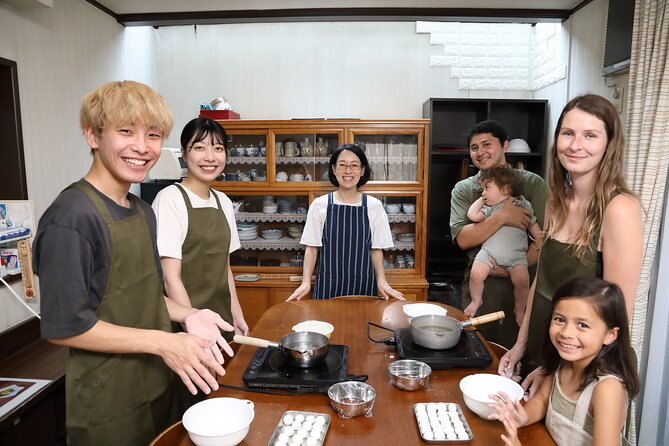
- Small groups: A maximum of six people gives you room to follow the demonstrations and ask questions.
- English instruction: The lessons are conducted in English by instructors who are licensed guide interpreters.
- Matcha tasting: Sit down after cooking to enjoy your sweets with matcha, coffee, or tea.
- Flexible dietary welcome: Vegetarians and vegans can join, but you should report dietary restrictions in advance.
Making wagashi near Fushimi Inari
Japanese sweets are often small, neat, and more seasonal in spirit than the word dessert suggests. Wagashi can use rice flour, beans, sesame, sugar, and other simple ingredients, with attention given to shape, texture, and presentation.
That makes this class a good match for anyone who wants more than a quick food sample. You are not simply watching a confectioner at work. You are learning why a sticky rice dough behaves differently from a sweet bean mixture, and you get to handle the ingredients yourself.
The class is held at 38-4 Fukakusa Watamoricho in Kyoto’s Fushimi Ward, close to Fushimi Inari. The setting matters. Instead of sitting in a modern cooking school, you begin in an authentic Japanese-style home, where the room, low seating, and garden view help explain the quiet formality of Japanese tea and sweets.
I like this approach because the house becomes part of the lesson. Wagashi is tied to tea culture, and eating the finished sweets in a traditional room gives the food a proper setting. You are not just learning a recipe. You are seeing how the sweets fit into everyday Japanese hospitality.
The class is conducted entirely in English. Instructors are licensed guide interpreters, which should make the demonstrations easier to follow, especially when a recipe depends on small changes in texture or timing.
More Japanese Cooking Classes in Kyoto
- Ramen Cooking Class at Ramen Factory in Kyoto
★ 5.0 · 1,937 reviews - Sushi Making in Kyoto! Same-day bookings welcome!
★ 5.0 · 713 reviews - Kyoto: Ramen Cooking Class at a Ramen Factory with Souvenir
★ 4.9 · 532 reviews
A calm start in a traditional Japanese room
The session begins with time to relax in a traditional room. This is a simple opening, but it gives you a chance to settle in before handling ingredients.
You may be seated on traditional Japanese flooring, and the room looks toward a Japanese garden. The class description presents the visit as similar to being invited to a friend’s home for tea. That atmosphere is central to the activity, so it is worth arriving ready for a slower pace rather than expecting a fast cooking demonstration.
The small group limit helps here. With no more than six people, the instructor can demonstrate close-up and keep an eye on each person’s work. You can join on your own, with a partner, or as a family. A small group also makes it easier to ask about unfamiliar ingredients and techniques without holding up a large class.
This is not a full Japanese meal, so you should choose it for the setting and the sweets rather than expecting a broad survey of Kyoto food. The focus stays narrow, which is useful if you have a particular interest in wagashi.
Preparing three Japanese sweets
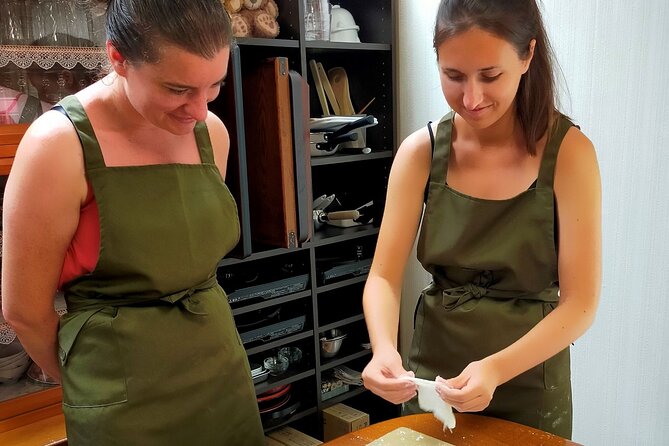
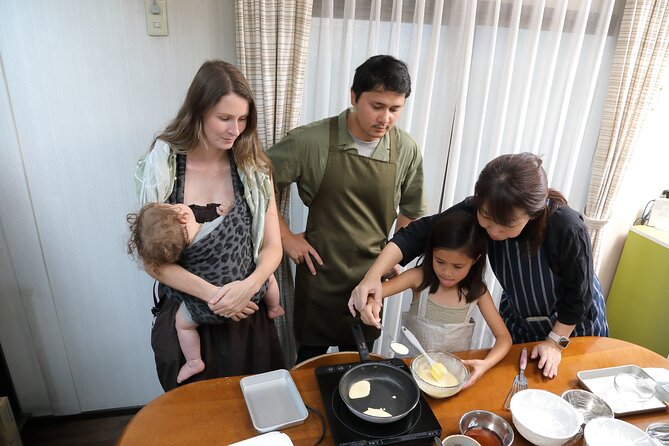
After the introduction, the instructor demonstrates the sweets before you begin. You then prepare roughly three different types of wagashi, either independently or with a partner.
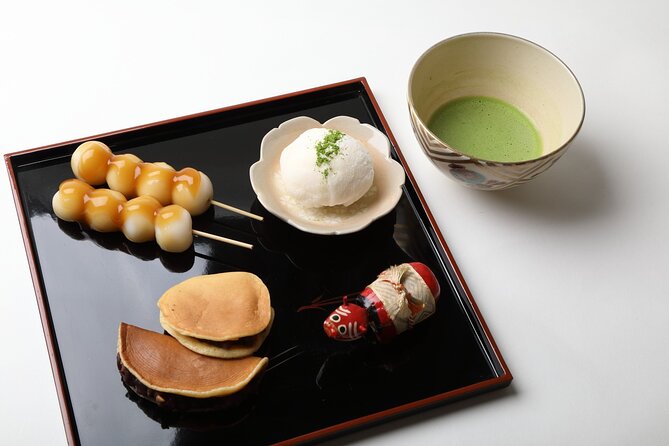
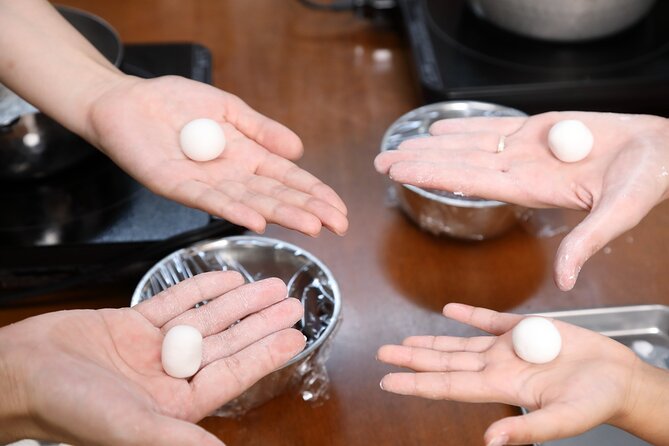
The exact recipes can vary, but the class materials and comments from the instructor point to popular treats such as mitarashi dango and black sesame mochi. Mitarashi dango combines chewy rice dumplings with a sweet soy-based sauce. Black sesame gives mochi a nutty, slightly savory flavor that can be very different from the Western idea of a typical sweet.
This is where the activity earns its price. You are learning several methods in one sitting, rather than spending the whole class repeating one simple recipe. The recipes also give you a practical souvenir. You can try making the sweets again for family and friends at home, although the results may depend on finding similar ingredients.
The process should suit beginners. The instructors demonstrate first, and the small class size allows you to copy each stage at a manageable pace. You do not need to arrive as a cook. In fact, the class seems designed for people who are curious about Japanese sweets but have never made them before.
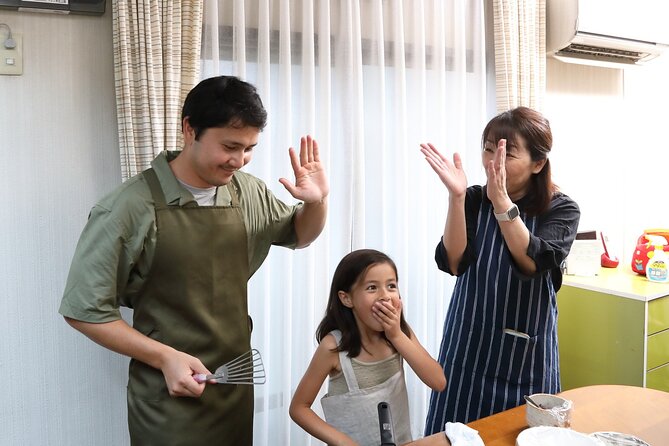
Families should find the hands-on format useful. One family described the activity as especially funny because the teenagers produced better results than the adults. That is a good reminder not to worry about perfect shapes. Wagashi rewards patience and careful handling, but an uneven dumpling can still taste good.
If you are visiting with teenagers, this class offers a better balance than a purely visual cultural stop. They get something to do, and the final tasting gives the session a clear payoff.
The texture lesson: sticky, soft, and precise
Wagashi is often simple in its ingredients but less simple in its texture. A rice dough can become too dry, too sticky, or difficult to shape. Bean or sesame fillings need to be portioned carefully, and the finished sweets are usually small enough that neat work matters.
The demonstrations are therefore important. Watch how the instructor handles the mixture before you start. If you rush, you may use too much filling or press the dough too firmly.
I would treat the class as a guided introduction rather than a professional pastry course. You will learn useful techniques, but the aim is to understand the sweets and enjoy making them. The relaxed tone described by participants is a benefit here. There is room for laughter when a shape goes wrong, and you are not being judged on restaurant-level presentation.
Miho, one of the instructors named in the class feedback, is described as organized and welcoming. Her role seems to combine cooking instruction with conversation, which fits the small-home setting. Other instructors may lead the session, but all are presented as English-speaking licensed guide interpreters.
The English instruction is especially helpful when you want to ask why a particular flour, sauce, or shaping method is used. You are not left to follow silent hand motions.
Same city, a completely different kind of day:
- PERFECT KYOTO 1-Day Bus Tour
★ 5.0 · 13,518 reviews - Kyoto: Fushimi Inari, Kinkakuji, Bamboo Grove 1 Day Bus Tour
★ 4.8 · 4,316 reviews - Kyoto: Tea Ceremony in a Traditional Tea House in Kiyomizu
★ 4.9 · 3,519 reviews - Kyoto Geisha Walking Tour: Gion District & Hidden Gems
★ 4.7 · 3,273 reviews
Tea, garden views, and eating what you made
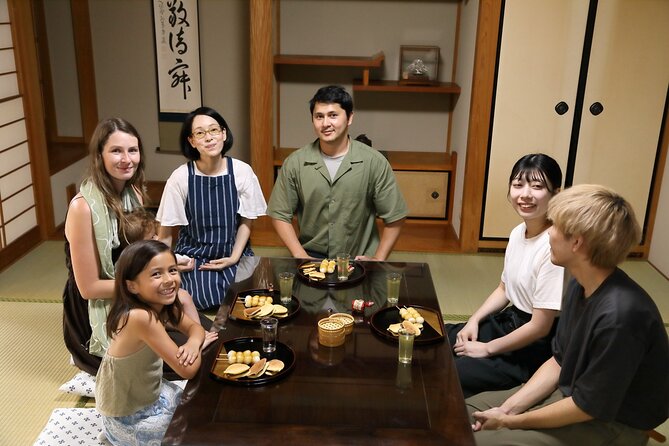
Once the cooking is finished, you sit with the other participants and enjoy the sweets with matcha in the traditional room. Coffee or tea is also included.
This final stage is more than a snack break. Japanese sweets are often served with tea because the bitterness of matcha balances the sweetness. Eating the wagashi in that order helps you understand the pairing instead of treating the sweets as isolated candy.
The garden view adds to the pause. The class does not rush you from one station to another, and the quiet room gives the activity a clear ending. After the concentration of shaping and cooking, sitting down with your finished food lets you compare results and talk with the group.
Black sesame mochi appears to be a memorable highlight for some people who try it for the first time. If you already enjoy nutty flavors, it may be one of the strongest reasons to book. Mitarashi dango provides a different profile, with chewiness and sweet-savory sauce.
The finished sweets are part of the included food and drink, so you should not expect a separate meal afterward. For most people, the portions are likely to function as a substantial tasting rather than lunch or dinner. Plan the class around a meal if you need more than sweets.
What the $79.26 price really covers
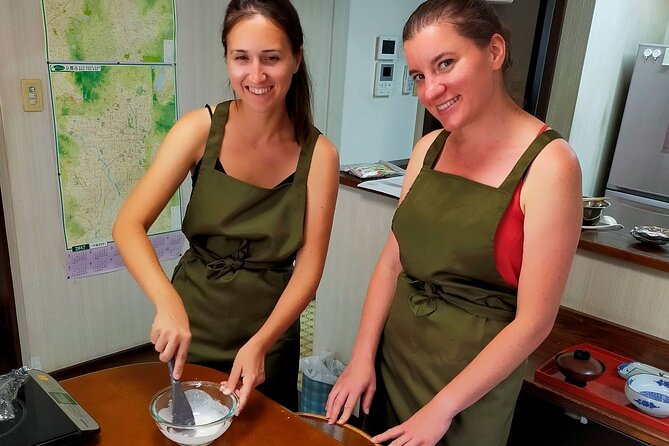
At $79.26 per person, this is not the cheapest food activity in Kyoto. The value comes from the combination of instruction, ingredients, a small group, a traditional home, and the time spent eating the finished sweets with tea.
All cooking ingredients and seasonings are included, along with an English-speaking instructor and all fees and taxes. You also receive the recipes, which gives the class value after your holiday ends.
A maximum of six people is important when considering the price. A large demonstration may cost less, but you would have less direct contact with the instructor. Here, you should have a better chance of seeing the techniques clearly and getting help with your own sweets.
I think the price makes the most sense for three types of people:
- You want a cultural activity with food, not just a standard cooking lesson.
- You are interested in Japanese sweets seen in anime or manga.
- You value a small group and an English-speaking instructor.
It makes less sense if you only want to eat wagashi, since Kyoto has other ways to buy sweets without spending two and a half hours in class. It also may not suit you if you dislike sweet foods or prefer a class focused on a full savory meal.
The fact that the activity is often booked about 29 days ahead suggests that you should not assume you can wait until the last minute, especially if you need a particular date. The stated rating is five out of five from 60 reviews, with 100 percent recommendation, but I would still base your decision on the format. This is a quiet, focused class, not a high-energy sightseeing tour.
Getting there and planning your timing
The meeting point is 38-4 Fukakusa Watamoricho, Fushimi Ward, Kyoto, 612-0022. The location is near public transportation and the activity ends back at the same point.
Because the meeting address is more specific than a major station or famous landmark, give yourself extra time to find it. A mobile ticket is provided, and confirmation arrives at booking, so keep the booking details accessible on your phone.
The class lasts about two hours and 30 minutes. That includes the introduction, demonstrations, hands-on preparation, and final tasting. If you are planning to visit Fushimi Inari before or after the class, allow enough time for the walk, the shrine grounds, and finding the house. Do not schedule a tight connection immediately afterward.
Hotel pickup and drop-off are not included. You make your own way to the meeting point, and the class returns there when finished.
Free cancellation is available if you cancel at least 24 hours before the start time. Changes made within 24 hours are not accepted, and a late cancellation is not refunded. The activity also lists a weather requirement. If poor weather causes cancellation, you will be offered another date or a full refund.
Dietary needs and who should book
Vegetarians are welcome, and the class is vegan-friendly. You must tell the operator in advance about dietary restrictions. That advance notice matters because ingredients and seasonings can vary, and the instructor needs time to prepare an appropriate version.
I would recommend this class to couples, families, solo visitors, and anyone who wants an indoor activity with a strong sense of place. Solo participants should not feel awkward about joining. The group is small, and the format includes shared preparation and tea time.
It is also a smart choice for people who have already seen the major temples and want a quieter Kyoto activity. The house, garden, sweets, and tea offer a different kind of connection to the city than another crowded sightseeing stop.
The class may be less suitable for anyone with severe food allergies unless the operator confirms the ingredients and precautions in advance. The available information promises dietary flexibility, but it does not list every ingredient used in each recipe.
Should you book the wagashi class?
Book this class if you want to learn how Japanese sweets are made, enjoy a traditional home setting, and appreciate a small group with clear English instruction. The recipes, matcha tasting, and chance to make three different sweets give you more than a simple sampling session.
I especially like it for families and first-time visitors who want a relaxed activity near Fushimi Inari. Miho’s friendly, organized style and the memorable black sesame mochi add a personal touch.
Skip it if you want a savory cooking course, a short tasting, or a tour with hotel transportation. For everyone else, $79.26 is a reasonable price for two and a half hours of instruction, food, and cultural context, provided you plan ahead and arrive at the address with time to spare.
FAQ
Where does the wagashi cooking class take place?
The class takes place at 38-4 Fukakusa Watamoricho, Fushimi Ward, Kyoto, 612-0022, Japan. It is near public transportation and close to the Fushimi Inari area.
How long is the class?
The activity lasts approximately two hours and 30 minutes.
How many people can join the class?
The group has a maximum of six participants.
Is the class taught in English?
Yes. The class is conducted entirely in English, and the instructors are licensed guide interpreters.
What will I make during the class?
You will prepare about three different types of wagashi, or Japanese sweets. Examples associated with the class include mitarashi dango and black sesame mochi.
Is the class suitable for vegetarians and vegans?
Vegetarians are welcome, and the class is vegan-friendly. You should inform the operator in advance about dietary restrictions.
What is included in the price?
The price includes all ingredients and seasonings, an English-speaking instructor, all fees and taxes, and coffee or tea. Hotel pickup and drop-off and gratuities are not included.
More Dessert Tours in Kyoto
- Kyoto: Japanese Traditional Sweets Making and Tea Ceremony
★ 4.4 · 314 reviews - Kyoto: Wagashi (Japanese sweets) Cooking near Fushimiinari
★ 5.0 · 40 reviews - Kyoto: Traditional Tea Ceremony with Matcha & Sweets in Gion
★ 4.9 · 27 reviews - Japanese Traditional Sweets ”Nerikiri” making
★ 4.3 · 17 reviews
More Cooking Classes in Kyoto
- Kyoto: Ramen, Gyoza, and Onigiri Cooking Class
★ 5.0 · 445 reviews - Kyoto: Japanese Washoku Bento Small Group Cooking Class
★ 5.0 · 380 reviews - Kyoto Ramen and Gyoza Cooking Class with Professional Chefs
★ 5.0 · 282 reviews - Kyoto: Afternoon Japanese Izakaya Cooking Class
★ 4.9 · 241 reviews
Just added around Kyoto
- Private Guided Traditional Buddhist Cooking in Japan★ 5.0 · 16 reviews
- Kyoto: Gion Geisha District & Sake-in-Hand Walking Tour★ 5.0 · 37 reviews
- Your Private Vacation Photography Session In Kyoto★ 5.0 · 110 reviews
- Kyoto: Zen Meditation at a Private Temple with a Monk★ 5.0 · 25 reviews
- Traditional Japanese Washi Papermaking- Kyoto morning★ 5.0 · 77 reviews
- Private Pewter Sake Cup Experience with a Kyoto Artisan★ 5.0 · 31 reviews
- Kyoto Private 6 hour Tour: English Speaking Driver Only, No Guide★ 5.0 · 88 reviews
- Kyoto:Family-Friendly Kimono & Yukata Experience at WARGO★ 5.0 · 147 reviews
Japanese Cooking Classes, compared.

Sushi Making Tokyo Roll and Authentic Japanese Sushi Class
Read our review →
Roll and Authentic Sushi Making Class in Asakusa
Read our review →
Ramen Cooking Class at Ramen Factory in Kyoto
Read our review →
Sushi Making Class in a Happi Coat near a Famous Spot
Read our review →
Sushi Making Osaka Roll and Authentic Japanese Sushi Class
Read our review →
Tokyo Sushi Making Class in Tsukiji with Professional Chef
Read our review →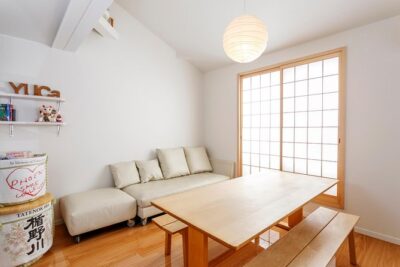
Ramen & Gyoza Cooking Class in Tokyo with Local Supermarket Visit
Read our review →
Tsukiji Fish Market Guided Tour and Sushi Making with Pro Chef
Read our review →Browse the lists this tour appears in