
REVIEW · TEA CEREMONY EXPERIENCES
Kyoto: Traditional Tea Ceremony with Matcha & Sweets in Gion
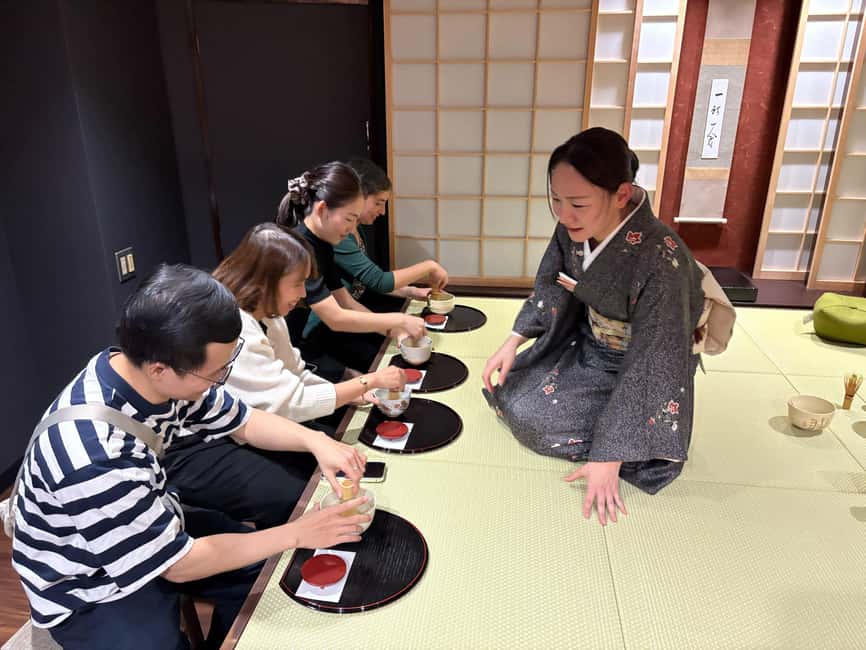
The best part of this Gion tea ceremony is that you get to see the polished work of a tea master, then pick up the whisk and make your own matcha. You are not expected to sit stiffly on the floor or know the rules in advance. Chair seating makes the session easy on your knees, while the relaxed tone keeps the ceremony from feeling like a museum display.
I especially like the chance to taste sweets from long-established Japanese confectioners before preparing matcha with tea from a family-run farm. I also like the open question time at the end. A possible drawback is that the duration can vary from one hour to 150 minutes, and the meeting point may depend on the option you book, so check your booking details carefully.
In This Review
- Key Points at a Glance
- Why This Gion Tea Ceremony Works for First-Time Visitors
- Entering the Ceremony With a Chair
- Watching the Tea Master’s Precise Movements
- Tasting Japanese Sweets Before Making Matcha
- Making Your Own Bowl With Family-Farm Matcha
- A Relaxed Question Period With the Tea Master
- How Much Value Do You Get for $22?
- Timing Your Visit in Gion
- The Kimono Option: Worth the Extra Planning?
- Who Will Enjoy This Experience Most?
- Booking, Cancellation, and Language Details
- Should You Book This Gion Tea Ceremony?
- FAQ
- Where does the tea ceremony take place?
- How long does the experience last?
- Is the tea ceremony taught in English?
- Do I need to sit on the floor?
- What is included?
- Can children attend?
- Is matcha suitable for children under five?
- How does the kimono option work?
Key Points at a Glance
- Watch first, whisk later: A tea master demonstrates refined ceremony movements before you make your own bowl of matcha.
- Chairs instead of floor seating: You can take part comfortably without kneeling on tatami.
- Gion setting: The activity takes place in Kyoto’s historic Gion district, a fitting area for learning about old tea customs.
- Tea and sweets included: You taste traditional Japanese sweets and drink matcha made with powder from a local family tea farm.
- Friendly English instruction: The session explains tea, Zen influence, and ceremony customs without demanding strict formality.
- A practical souvenir: You receive a simple matcha recipe to try at home after your Japan trip.
Why This Gion Tea Ceremony Works for First-Time Visitors
Kyoto offers many ways to encounter Japanese culture, but tea ceremony can seem intimidating. The formal clothing, careful gestures, special utensils, and quiet rules can make you wonder if you will do something wrong.
This experience removes much of that worry. You watch the ceremony before trying it yourself, and the tea master explains what is happening along the way. You are introduced to the meaning behind the actions, not simply told to copy them.
The setting in Gion adds useful context. This is one of Kyoto’s best-known historic districts, and tea culture has long been tied to the city’s refined arts, hospitality, and seasonal customs. The experience does not pretend to turn you into a tea master in one sitting. Instead, it gives you a clear first look at the ideas and movements that shape the practice.
The tone is deliberately casual. You still see an elegant, authentic demonstration, but you do not need to treat the hour like a solemn test. That balance suits you if you want cultural insight without a highly formal performance.
More Tea Ceremony Experiences in Kyoto
- Kyoto: Tea Ceremony in a Traditional Tea House in Kiyomizu
★ 4.9 · 3,519 reviews - Kyoto: Tea Ceremony Ju-An at Jotokuji Temple
★ 4.9 · 3,207 reviews - Kyoto: 45-Minute Tea Ceremony Lesson Experience
★ 4.3 · 2,378 reviews
Entering the Ceremony With a Chair
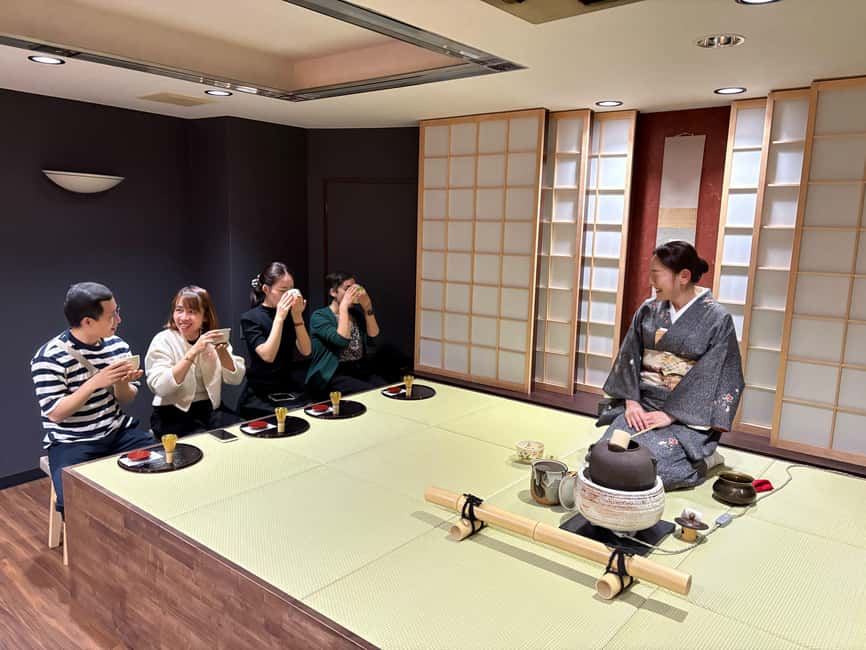
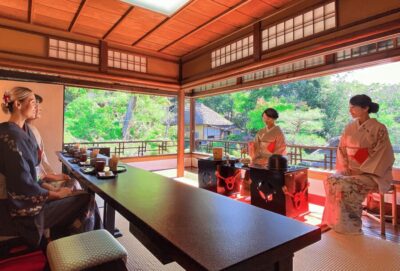
The seating is one of the most useful details here. Traditional ceremonies often involve sitting on the floor, sometimes for a long period. That can be uncomfortable if you have stiff knees, limited mobility, or simply are not used to kneeling.
Here, you sit in a chair. You can pay attention to the tea tools, the hand movements, and the explanations instead of worrying about your legs going numb. Families and older visitors may find this especially helpful, though the arrangement is sensible for anyone.
Chair seating does change the physical feel of the ceremony. If you are looking for a strict, old-style tea room ritual conducted entirely on tatami, this is a more accessible adaptation. The tradeoff is clear: you give up some traditional posture in exchange for comfort and wider access.
I consider that a good choice for an introductory experience. The important customs are explained, the demonstration remains elegant, and you are more likely to remember the meaning of the ceremony when you are not distracted by discomfort.
Watching the Tea Master’s Precise Movements
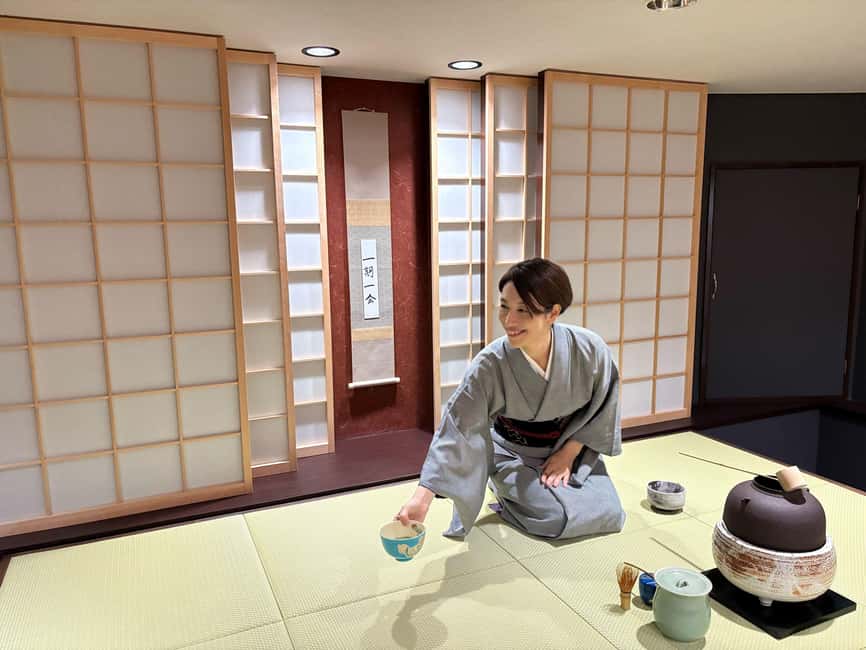
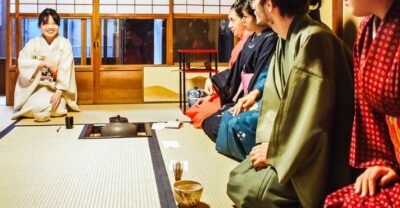
The first part focuses on observation and explanation. A tea master shows you how the ceremony is performed, including the quiet rhythm and exact handling of the equipment.
Tea ceremony is not just about drinking powdered tea. The order of actions, the presentation of the bowl, the attention paid to the other person, and the calm pace all matter. Even small movements carry purpose. You begin to see how hospitality is expressed through care and restraint.
The session also covers the history of tea in Japan and the influence of Zen philosophy. This background helps explain why the ceremony values concentration, simplicity, and awareness of the present moment.
You will not receive an academic lecture. The information is designed for someone seeing these customs for the first time. That makes it a useful stop early in your Kyoto visit, especially if you want cultural background that will help you notice tea shops, sweets, utensils, and quiet rituals elsewhere in Japan.
One English-language host named Mai has been praised for her warm explanations and approachable manner. The experience is led in English, and the emphasis is on clear teaching rather than showing off complicated rules.
Tasting Japanese Sweets Before Making Matcha
The sweets are not just a snack added to the booking. In a tea ceremony, food and tea work together, and the sweet prepares your palate for the slightly bitter taste of matcha.
You receive traditional Japanese sweets selected by the tea master. The sweets come from long-established confectioners, giving you a small taste of the careful craft associated with Japanese wagashi and tea service.
The supplied information does not specify the exact sweets served on each date, so you should not book expecting one particular shape or flavor. What you can count on is a traditional sweet chosen for the tea ceremony.
This part also helps if you have never tried matcha. The sweet gives the tea a useful contrast, making the flavor easier to appreciate. The sequence is simple: learn, taste, then prepare and drink the tea.
Same city, a completely different kind of day:
- PERFECT KYOTO 1-Day Bus Tour
★ 5.0 · 13,518 reviews - Kyoto: Fushimi Inari, Kinkakuji, Bamboo Grove 1 Day Bus Tour
★ 4.8 · 4,316 reviews - Kyoto Geisha Walking Tour: Gion District & Hidden Gems
★ 4.7 · 3,273 reviews - Kyoto: Gion Magical Night Walking Tour with Geisha Trivia
★ 4.9 · 2,393 reviews
Making Your Own Bowl With Family-Farm Matcha
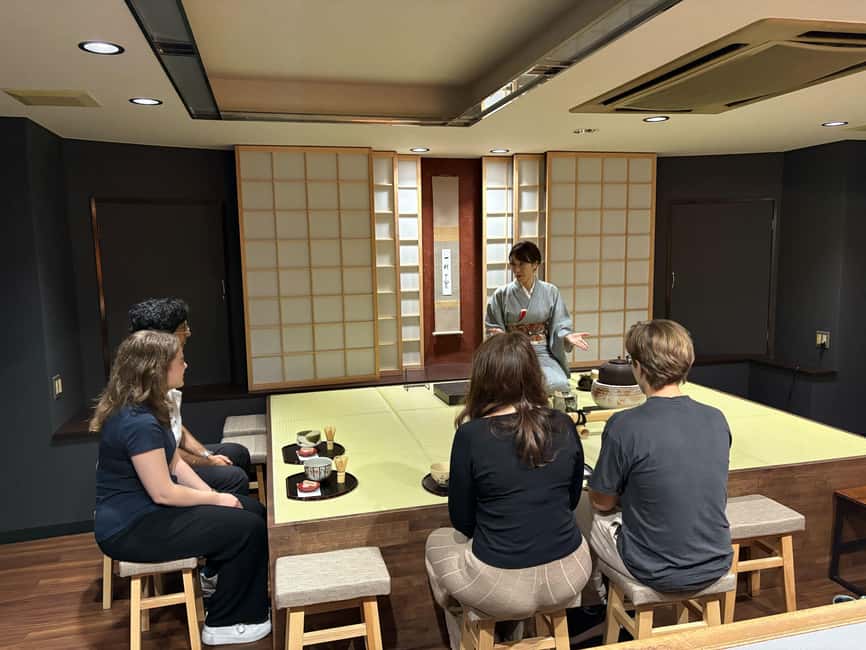
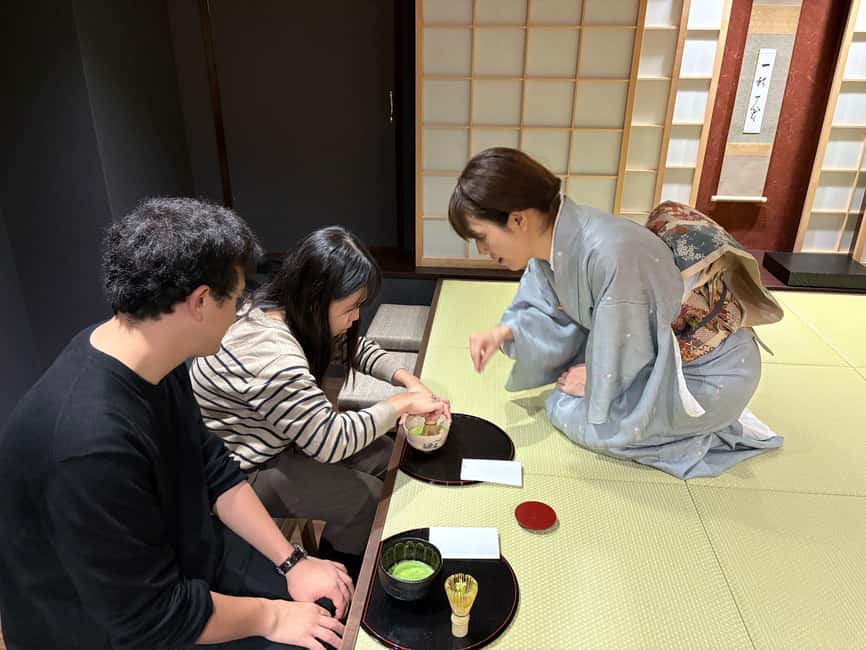
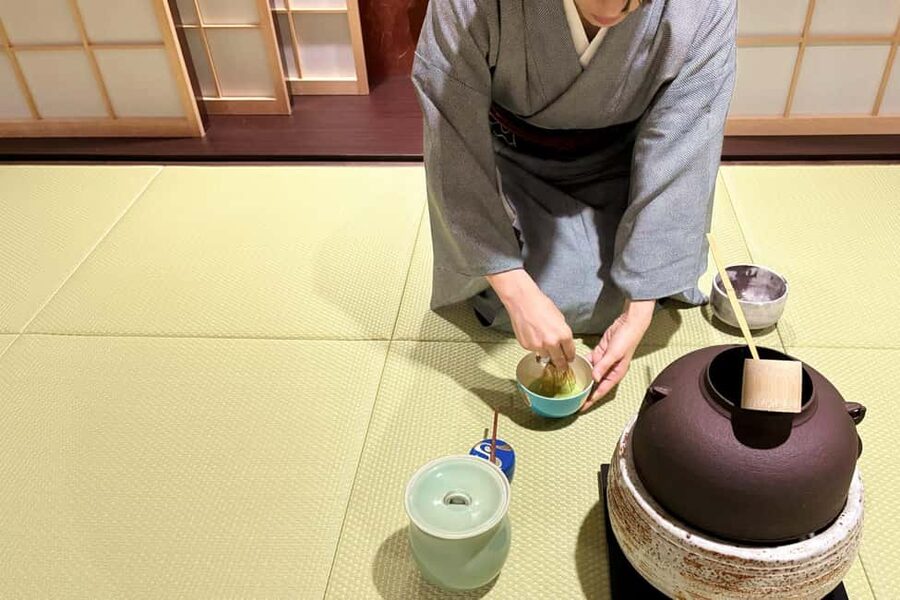
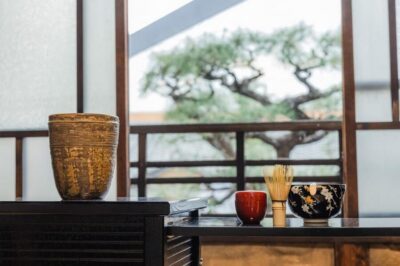
The hands-on portion is where the experience becomes more than a demonstration. You receive guidance on making your own bowl of matcha with powder sourced directly from a family-run tea farm.
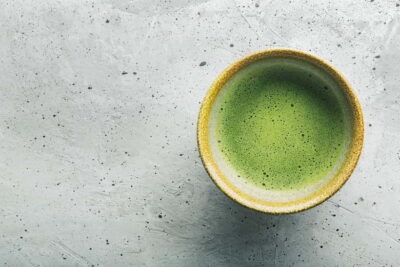
The tea master shows you how to mix the powder into a smooth, frothy drink. You do not need previous experience, and the point is not to produce a perfect bowl on your first attempt. You get to feel how the whisk works and understand why the texture matters.
A recent participant described the calming effect of the hot water and whisking, noting how the quiet preparation made the tea feel peaceful. That is a useful way to think about this activity. The preparation slows you down, even in the middle of a busy sightseeing day.
The matcha also contains caffeine. Children under five are not advised to drink it. Infants and toddlers can attend free of charge, but if they want to try making tea, they must use a parent or guardian’s cup and will not receive their own portion of matcha.
You will take home a simple matcha recipe, so the activity has a practical afterlife. You can use it to prepare matcha in daily life, though the supplied information does not list the exact ingredients or measurements.
A Relaxed Question Period With the Tea Master
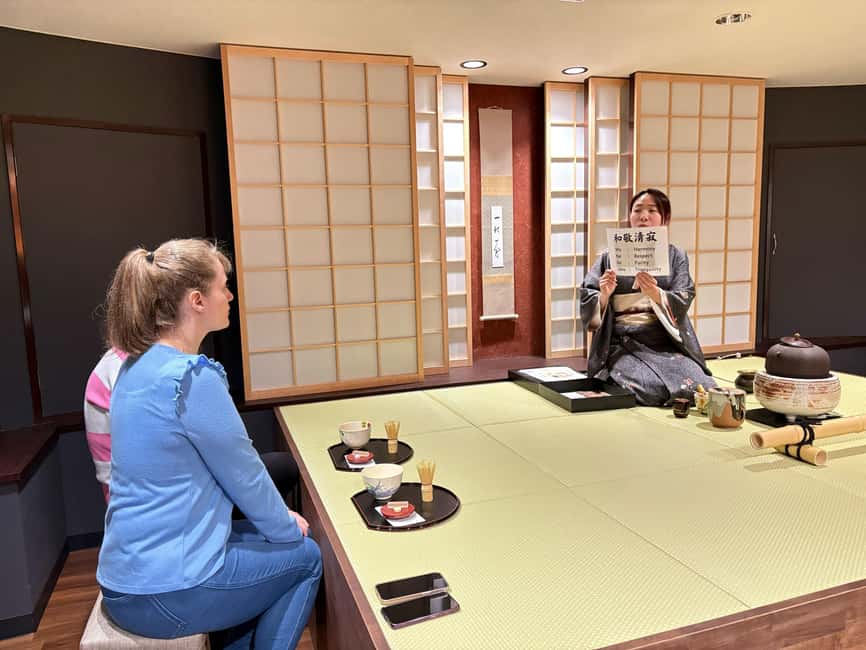
The final question period is a welcome feature. Many cultural demonstrations end just as you begin wondering about the details. Here, you can ask about tea, ceremony movements, history, or anything else that came to mind during the session.
This is also the best moment to clear up small points that are hard to explain while the demonstration is underway. You might want to ask why certain gestures are repeated, how matcha differs from other Japanese teas, or how the ceremony fits into modern daily life.
The atmosphere is friendly rather than rigid. That matters because you are more likely to ask a question when the instructor feels approachable. Feedback about the host has emphasized warmth, hospitality, passion, and clear explanations, which matches the design of the experience.
The session is available as a small group. Group size can affect how personal the question period feels, so check the option details when booking if that matters to you.
How Much Value Do You Get for $22?
At $22 per person, this is a modestly priced cultural activity for central Kyoto. You receive instruction from a tea master, a demonstration, traditional sweets, matcha from a local tea farm, hands-on preparation, and a recipe to use later.
The value is strongest if you want more than a cup of matcha. A drink at a café will cost less, but it will not explain the ceremony, show you the formal technique, or let you prepare the tea yourself.
The price also works well for a short gap in your sightseeing schedule. The experience lasts from one hour to 150 minutes, depending on the option and timing. That range is wide enough that you should confirm the exact duration before planning your next stop.
I would not choose this solely as a way to save money on refreshments. Choose it for the teaching, cultural setting, and chance to handle the tools. Those are the parts that make the price worthwhile.
Timing Your Visit in Gion
The meeting point can vary by the option you choose. Read the booking details closely, especially if you select a package that includes kimono rental.
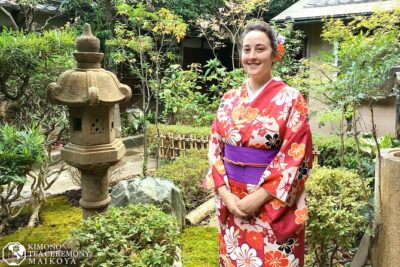
For the kimono option, you first go to Kimono Rental Wargo’s Gion store. After changing, you walk to the tea ceremony meeting point on your own and arrive 10 minutes before the ceremony begins. The rental store is on the fifth floor, and the provided map should be checked before you set out.
The tea time is fixed according to your kimono start time:
- An 11:00 kimono start connects to the 12:30 tea ceremony.
- A 12:00 kimono start connects to the 14:00 tea ceremony.
- A 14:00 kimono start connects to the 15:30 tea ceremony.
After the activity, the kimono must be returned by 5:30 p.m. That deadline is important. A late afternoon kimono booking leaves less room for delays, extended sightseeing, or a long meal afterward.
If you book the tea ceremony without the kimono option, check the meeting instructions for your selected time. Starting times are based on availability.
The Kimono Option: Worth the Extra Planning?
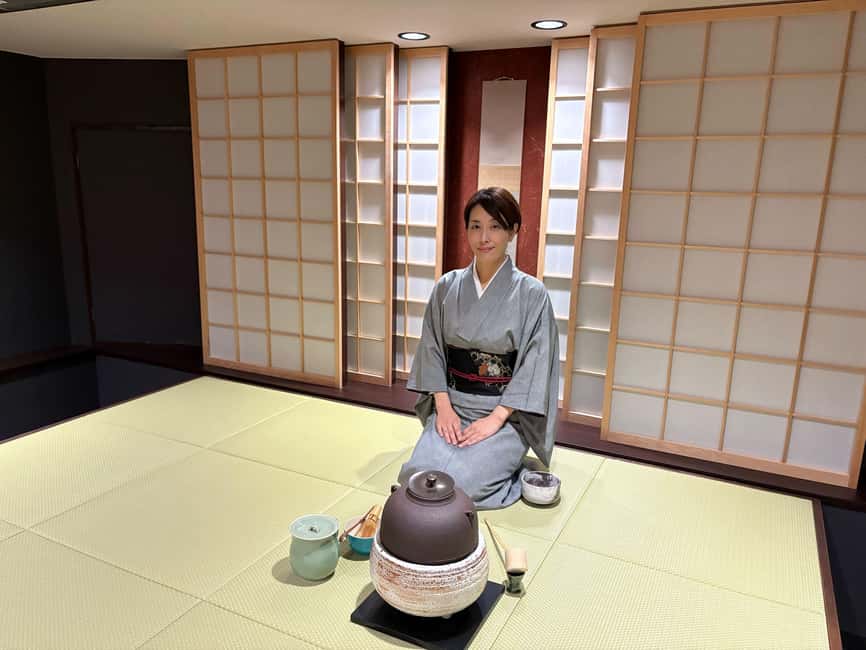
The kimono option can make the outing feel more special, especially if you want photographs in Gion before or after the ceremony. It also connects two popular Kyoto activities in one plan.
The catch is timing. You cannot treat the kimono rental and tea ceremony as two unrelated bookings. Your kimono start time determines your tea ceremony time, and you must return the outfit by 5:30 p.m.
You also need to walk from the rental shop to the meeting point after changing. The directions describe the walk as only a few minutes, but you still need to allow time to find the building and reach the meeting point 10 minutes early.
I would choose the kimono version if you want a planned cultural half-day and are comfortable following a fixed schedule. If you prefer to wander through Gion without watching the clock, book the tea ceremony on its own.
Who Will Enjoy This Experience Most?
This activity suits you if you want a gentle introduction to Japanese customs. You do not need to know tea ceremony etiquette, and you are not expected to perform a flawless ritual.
It is also a strong choice if floor seating worries you. The chairs make the event accessible to people who cannot comfortably sit on tatami, while still allowing you to see the traditional technique.
Families should note the caffeine rule for young children. Infants and toddlers can attend free, but they do not receive their own matcha to prepare. Children under five are not advised to drink matcha because of its caffeine content.
You may prefer another activity if you want a long, highly formal ceremony with strict silence and traditional kneeling. This session is intentionally welcoming and relaxed. That is a benefit for most first-time visitors, but it may feel less exacting to someone seeking a full ceremonial study.
Booking, Cancellation, and Language Details
The instruction is in English. You can cancel up to 24 hours before the activity for a full refund, and the reserve-now, pay-later option lets you hold a place without paying immediately.
Those terms are useful in Kyoto, where weather, temple visits, and train schedules can shift your plans. Still, the kimono timetable remains fixed once selected, so flexible payment does not mean flexible ceremony times.
The activity is provided by Japan Wonder Travel. The overall rating is 4.9 from 27 reviews, with especially strong praise for the host’s friendly manner, clear teaching, and passion for tea. Comments also describe the experience as calm, peaceful, and memorable, with particular appreciation for learning how to create a smooth, bubbly bowl of matcha.
Should You Book This Gion Tea Ceremony?
Book it if you want a short, affordable way to understand matcha beyond its modern café image. The tea master’s demonstration, traditional sweets, family-farm tea, chair seating, and hands-on preparation give you several layers of the culture in one visit.
I would place it early in a Kyoto itinerary. The history and Zen discussion can sharpen your appreciation of tea shops, sweets, gardens, and quiet acts of hospitality during the rest of your trip.
Skip it if you want an austere ceremony conducted only in traditional floor seating, or if you cannot fit a fixed time into your day. For everyone else, this is a friendly first step into Kyoto’s tea culture, with enough substance to feel worthwhile and enough comfort to keep the experience relaxed.
FAQ
Where does the tea ceremony take place?
The experience takes place in Kyoto’s historic Gion district. The exact meeting point may vary depending on the option you book, so check the instructions for your selected activity.
How long does the experience last?
The duration ranges from one hour to 150 minutes. Available starting times and the exact length depend on the option selected.
Is the tea ceremony taught in English?
Yes. The instructor language is English.
Do I need to sit on the floor?
No. The tea ceremony uses chairs instead of floor seating, making it easier for people who have limited mobility or discomfort with sitting on tatami.
What is included?
You receive matcha made with powder from a local tea farm, instruction from a tea master, an explanation of tea history, traditional Japanese sweets, and a simple matcha recipe for home use.
Can children attend?
Infants and toddlers can attend free of charge. If they want to try preparing matcha, they must use a parent or guardian’s cup and will not receive their own matcha.
Is matcha suitable for children under five?
Children under five are not advised to drink matcha because it contains a high amount of caffeine.
How does the kimono option work?
For the kimono option, you first go to Kimono Rental Wargo’s Gion store, change, then walk to the tea ceremony meeting point and arrive 10 minutes early. An 11:00 kimono start leads to a 12:30 ceremony, a 12:00 start leads to a 14:00 ceremony, and a 14:00 start leads to a 15:30 ceremony. The kimono must be returned by 5:30 p.m.
More Dessert Tours in Kyoto
- Kyoto: Japanese Traditional Sweets Making and Tea Ceremony
★ 4.4 · 314 reviews - Kyoto: Wagashi (Japanese sweets) Cooking near Fushimiinari
★ 5.0 · 40 reviews - Japanese Traditional Sweets ”Nerikiri” making
★ 4.3 · 17 reviews - 2 Types of Japanese Sweets making and Tea Ceremony
★ 4.6 · 17 reviews
Just added around Kyoto
- Taste of Nishiki Market Walking Food Tour with Local guide★ 5.0 · 17 reviews
- Kyoto: Sushi Making Class with Sushi Chef★ 4.8 · 64 reviews
- Kyoto: City Secrets eBike Tour★ 4.9 · 196 reviews
- Sacred Pathways: Discover the Philosopher’s Path of Kyoto★ 4.9 · 20 reviews
- Private Tour to Monkey Park and Arashiyama Highlights★ 5.0 · 22 reviews
- Private Nara Tour from Osaka – Meet at Your Hotel★ 5.0 · 22 reviews
- Private Sake Tasting in Central Kyoto with Sake Sommelier★ 5.0 · 13 reviews
- Kyoto : Private Custom Walking Tour With A Local Guide★ 4.6 · 144 reviews
Tea Ceremony Experiences, compared.
Tea Ceremony in a Traditional Tea House in Kiyomizu
Read our review →
World Heritage Kyoto & Nara Uji Authentic Matcha Experience
Read our review →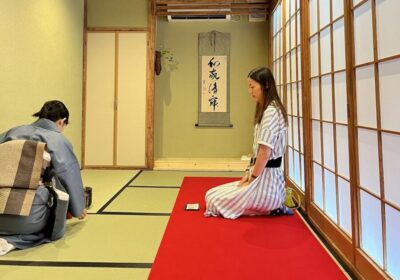
Browse the lists this tour appears in