
REVIEW · DESSERT TOURS
Kyoto: Wagashi (Japanese sweets) Cooking near Fushimiinari
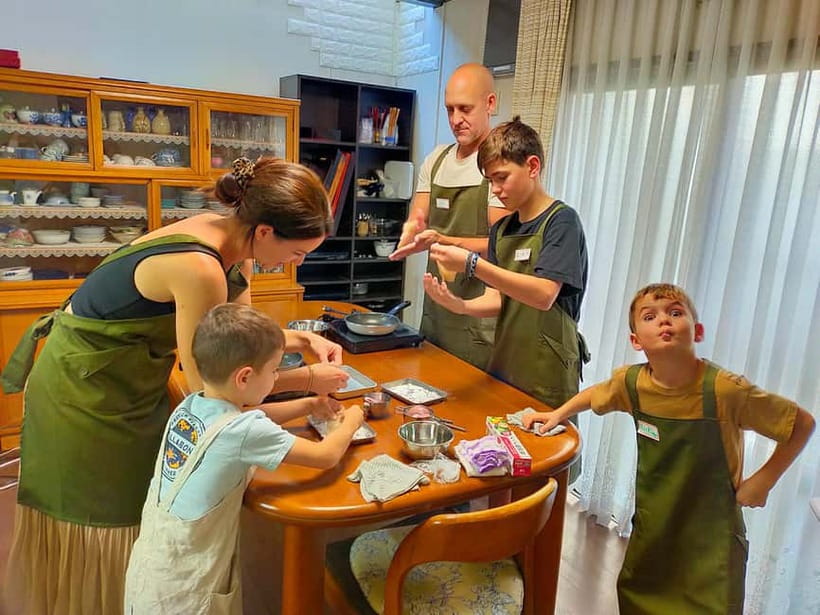
Making wagashi in a real Japanese home is the special part here. You are not simply watching a chef shape mochi behind a counter. You work through about three sweets yourself, often including dango, mochi, or dorayaki, then sit in a tatami room with matcha and a garden view. I like the hands-on teaching and Miho’s warm, clear English. The main drawback is that the class costs $84 and excludes hotel transport.
I also like the small-group setup, capped at six people. It gives you room to ask about ingredients, Japanese customs, and ways to repeat the recipes at home. Children under six cannot join, and anyone aged 12 or younger must come with a guardian.
In This Review
- Key points at a glance
- Why this Kyoto sweet-making class feels different
- Arriving near Fushimi Inari
- Settling into the traditional room
- Cooking three Japanese sweets by hand
- Learning from Miho in English
- Matcha, presentation, and the garden view
- The value of $84 for 150 minutes
- Who should book this experience
- A realistic two-and-a-half-hour schedule
- Practical points before you reserve
- Should you book the wagashi class near Fushimi Inari?
- FAQ
- Where does the wagashi cooking class take place?
- How long does the activity last?
- How many people can join the class?
- Is the class taught in English?
- Can vegetarians and vegans participate?
- Can children join the activity?
Key points at a glance
- A real Japanese home near Fushimi Inari: Cook and eat in traditional rooms rather than a standard commercial kitchen.
- Three sweets you make yourself: The class is practical, with demonstrations followed by your own mixing, shaping, and cooking.
- Miho’s English instruction: The class is conducted entirely in English by a licensed guide interpreter.
- Matcha and garden views: Finish with tea and your sweets in a traditional room facing the garden.
- A small, flexible group: No more than six people can attend, and a very small booking may become a private lesson.
- Vegetarian and vegan friendly: Tell the studio about food restrictions in advance because the menu changes with the seasons.
Why this Kyoto sweet-making class feels different
Many Kyoto food activities place you in a modern classroom, restaurant, or busy market kitchen. This one takes you into an authentic Japanese house near Fushimi Inari, which changes the pace from the start. You first settle into a traditional room, then move into the cooking portion before returning to the tatami room for tea.
I like that the setting is not just decoration. It helps you understand how wagashi is traditionally enjoyed: in small portions, with careful presentation, and alongside tea. You get the food lesson, but you also get a quiet look at a Japanese room and garden that you would not normally see during a shrine visit.
The class lasts 150 minutes. That is long enough for real participation without taking up your entire day in Kyoto. You can pair it with time around Fushimi Inari, but do not treat it as a quick drop-in activity. You need to allow two and a half hours, plus the time required to reach the meeting point on your own.
A few more Kyoto trips to weigh up
- Ramen Cooking Class at Ramen Factory in Kyoto
★ 5.0 · 1,937 reviews - Kyoto: Ramen Cooking Class at a Ramen Factory with Souvenir
★ 4.9 · 532 reviews - Kyoto: Ramen, Gyoza, and Onigiri Cooking Class
★ 5.0 · 445 reviews
Arriving near Fushimi Inari
The activity takes place near Fushimi Inari, one of Kyoto’s best-known areas. The exact meeting instructions should be checked carefully when you book, since hotel pickup and drop-off are not included. Plan to make your own way there and arrive with enough time to settle in.
The setting gives this class a useful place in a Kyoto itinerary. Fushimi Inari is famous for its long rows of red torii gates, but the area can feel crowded and energetic. A cooking class in a private home offers a calmer counterpoint. You can spend part of your day outdoors at the shrine and then shift to a seated, social activity focused on food.
You may be welcomed with tea and, depending on the class, a small seasonal bite such as sweet potato. That early pause helps the class feel like a home visit rather than a rushed lesson. It also gives you a chance to meet the instructor and other participants before the cooking begins.
Settling into the traditional room
The class begins in a traditional Japanese room, where you can relax and take in the garden view. This is a meaningful part of the experience, not wasted time before the real activity starts. The room sets the tone for how wagashi is presented and eaten.
You will likely sit on tatami flooring, so keep in mind that this is not a chair-based activity throughout. The provided information does not promise a particular seating arrangement, but the traditional room is central to the experience. That is one reason the class is not suitable for wheelchair users.
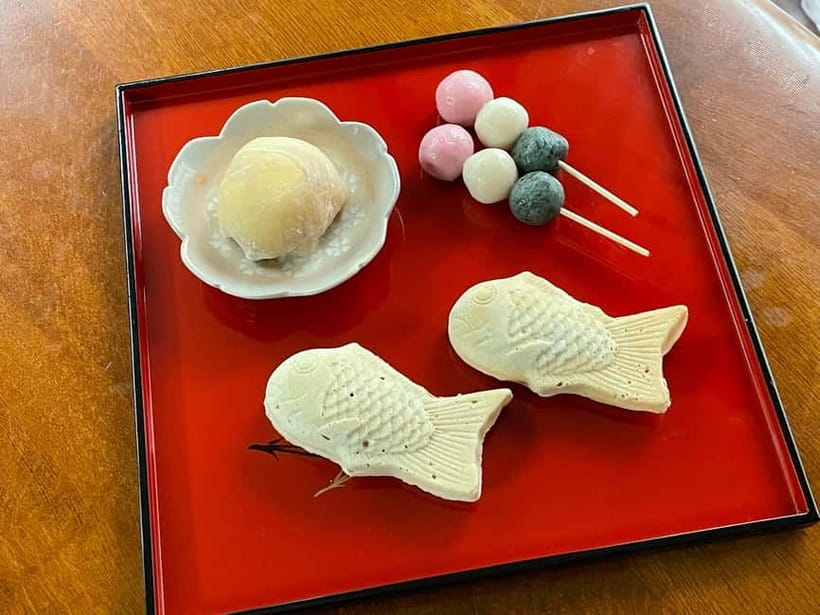
The garden view also gives you a pleasant finish to look forward to. After working with flour, rice, bean paste, or other ingredients, you present the sweets on a tray and eat them with tea while facing the garden. The simple setting makes the food feel more special than it might at a crowded café.
Cooking three Japanese sweets by hand
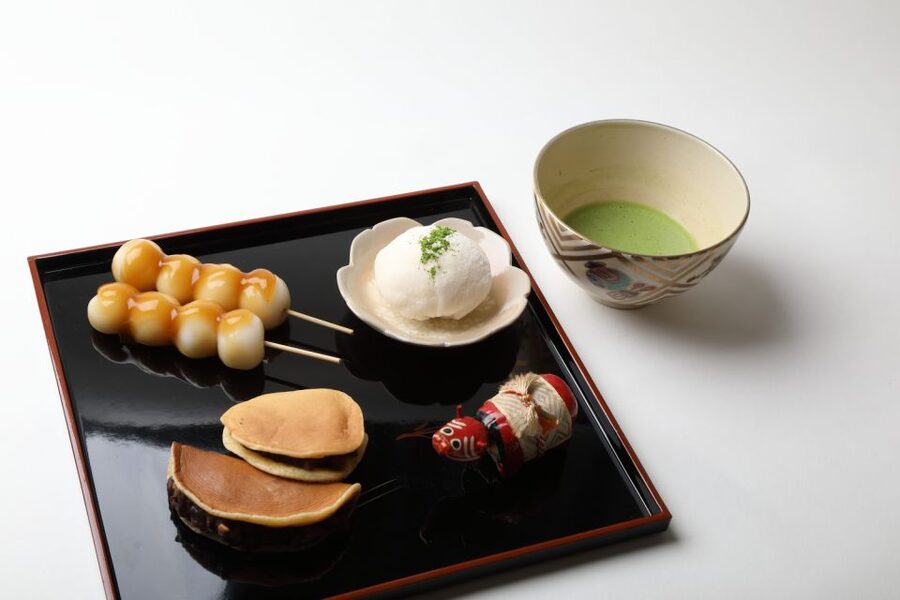
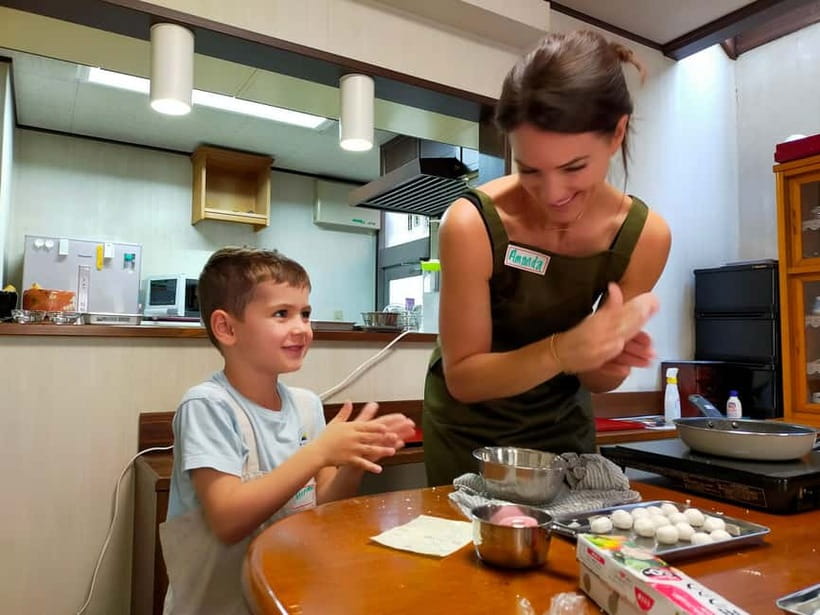
The heart of the class is hands-on work. Miho demonstrates the steps first, then you prepare the sweets yourself or with a partner. This matters because wagashi can look simple but often depends on texture, timing, and careful shaping.
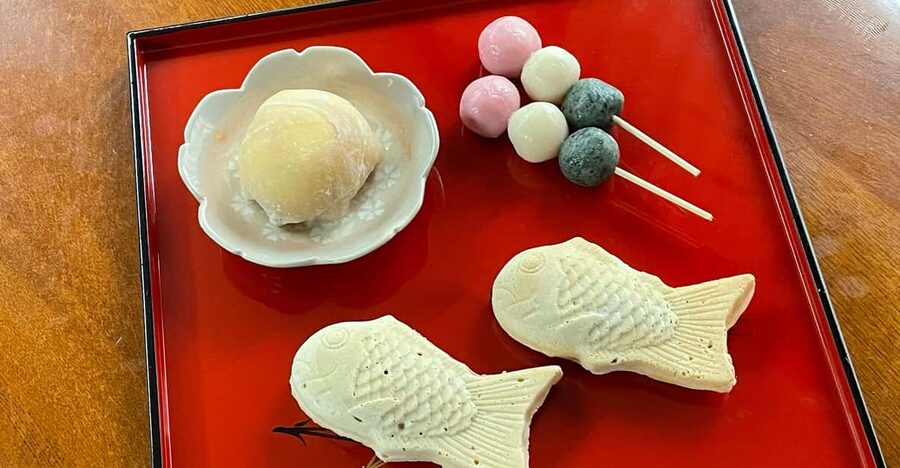
The menu changes with the season, so you should not book expecting one fixed set of sweets. Past class combinations have included dango, mochi, and dorayaki. Mochi was especially popular with children, and one participant found the preparation easier than expected after learning the right method.
Dango gives you a chance to work with a soft rice-based mixture and shape it into small pieces. Mochi introduces you to a stretchy texture and the handling needed to form it neatly. Dorayaki shows a different side of Japanese sweets, with small pancake-like rounds and a sweet filling. The exact recipes and ingredients may differ, but the class gives you a useful range of techniques rather than repeating one basic task.
I appreciate that you are not left to copy a recipe without context. The instructor explains ingredients, cooking methods, and practical tips, including where you might find supplies for making the sweets at home. You can ask questions as you work, which is far more useful than trying to remember a fast demonstration.
The class is also forgiving for beginners. You do not need prior cooking experience, and the format lets you work at your own pace within the group. The instructor gives clear steps and helps when something needs correcting. That makes the activity suitable for people who want a cultural experience but do not consider themselves cooks.
Same city, a completely different kind of day:
- PERFECT KYOTO 1-Day Bus Tour
★ 5.0 · 13,518 reviews - Kyoto: Fushimi Inari, Kinkakuji, Bamboo Grove 1 Day Bus Tour
★ 4.8 · 4,316 reviews - Kyoto: Tea Ceremony in a Traditional Tea House in Kiyomizu
★ 4.9 · 3,519 reviews - Kyoto Geisha Walking Tour: Gion District & Hidden Gems
★ 4.7 · 3,273 reviews
Learning from Miho in English
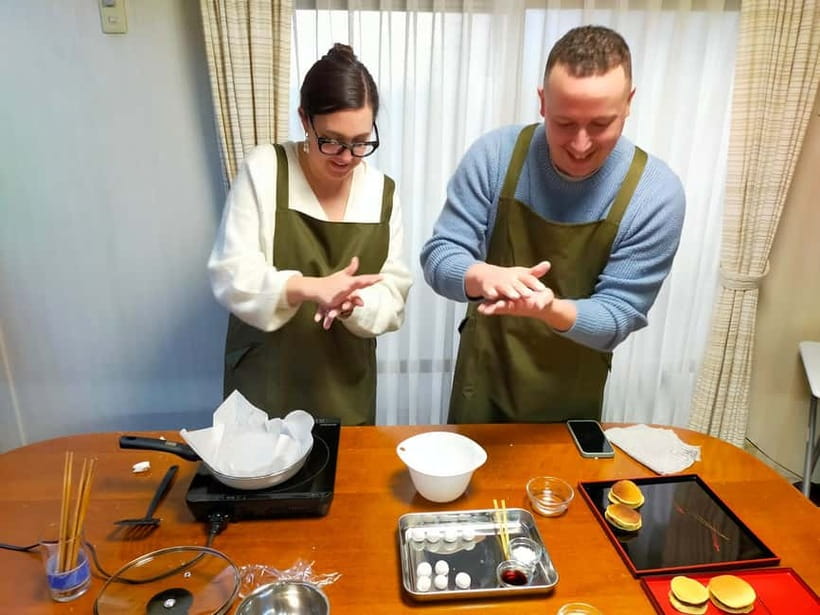
The class is conducted entirely in English, and the instructor is a licensed guide interpreter. Miho is repeatedly described as patient, friendly, organized, and easy to understand. That combination is important in a practical lesson, where unclear instructions can quickly turn a soft dough or batter into a small kitchen problem.
Her role goes beyond explaining measurements. She can discuss Japanese culture, the ingredients used in wagashi, and how the sweets fit with tea. She also answers questions about buying ingredients and preparing the recipes at home.
The group limit is six people. That is a good number for a cooking class because you have some social energy without becoming one face in a crowd. Everyone gets a chance to participate, and the instructor can watch what each person is doing.
A small booking may bring an unexpected bonus. When only one person or a very small number signs up, the class can feel close to private instruction. That allows you to set the pace and spend more time asking questions. You should not count on having a private class, but the limited capacity makes personal attention more likely than in a large workshop.
Matcha, presentation, and the garden view
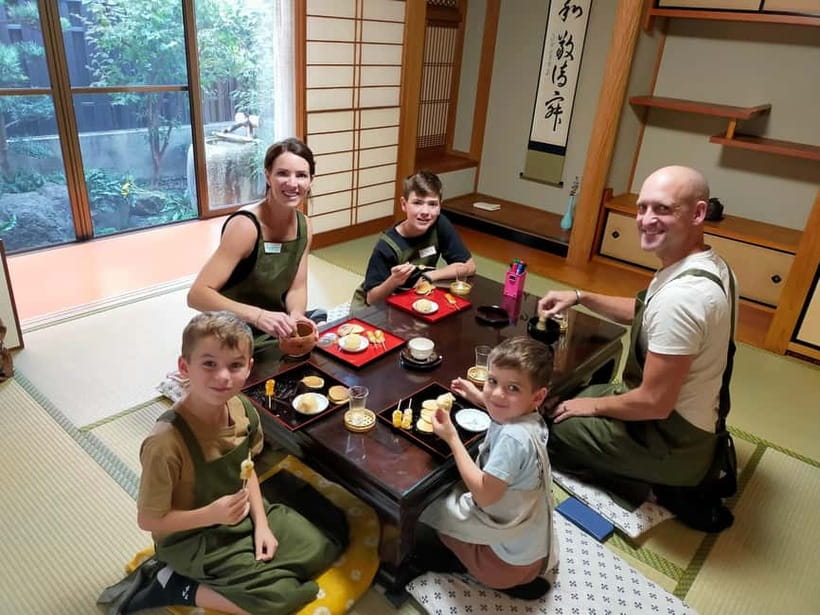
After the cooking work, you arrange your sweets and sit down with tea in the traditional room. The class includes tea, and past sessions have also included a short lesson in whisking matcha. You may have the chance to prepare matcha yourself, while Miho can also make it for you.
This final stage is where the different parts of the activity come together. You have learned how the sweets are made, and now you see how they are served. The mild bitterness of matcha balances the sweetness of wagashi, which is why the pairing is more satisfying than eating the sweets alone.
The presentation is part of the pleasure. Rather than eating your creations over the work surface, you place them on a tray and enjoy them in a room designed for quiet tea time. You will also have a chance to talk with Miho and the other participants.
The portions may be generous enough that you can have some sweets left to take away. This depends on the menu and how much you make, so do not treat it as a guaranteed food souvenir. Still, it is a nice possibility, especially if you want to share the results later.
The value of $84 for 150 minutes
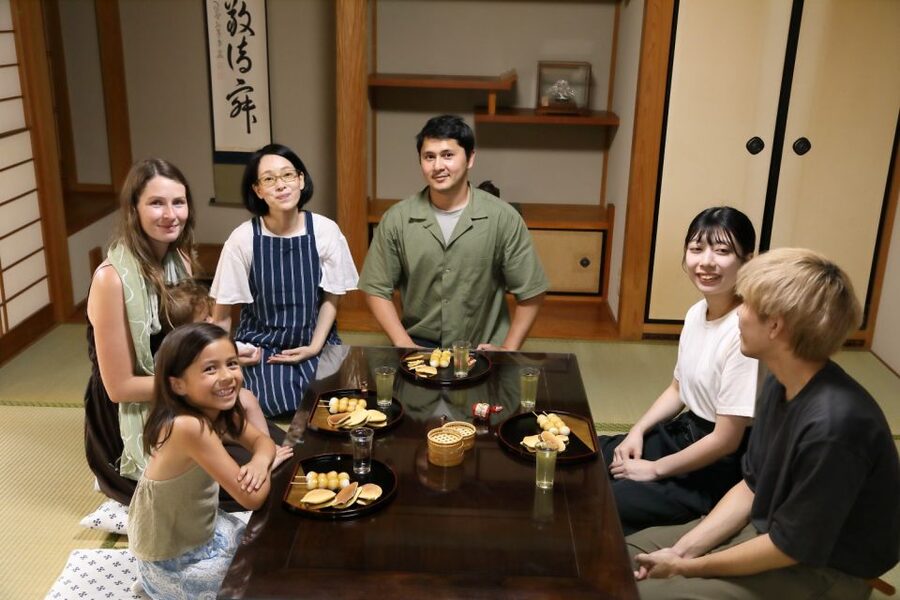
At $84 per person, this is not the cheapest way to eat Japanese sweets in Kyoto. You could buy dorayaki or mochi at a shop for far less. The price makes more sense if you value instruction, access to a private home setting, ingredients, tea, and the time to make the food yourself.
You are paying for more than a tasting. The fee includes all cooking ingredients and seasonings, an English-speaking instructor, tea, and taxes. There are no extra charges listed for the class itself. The recipes and techniques may also be useful after your trip, especially if you have access to an Asian supermarket or Japanese grocery store at home.
The small group improves the value. A six-person limit means the class is not built around moving a large crowd through a standard demonstration. If you have a strong interest in wagashi, the chance to ask questions and receive corrections can justify the price.
The value is weaker if you only want a quick taste or have little interest in cooking. You will spend much of the 150 minutes handling ingredients, shaping sweets, and listening to explanations. Choose this for participation and atmosphere, not simply for dessert.
Who should book this experience
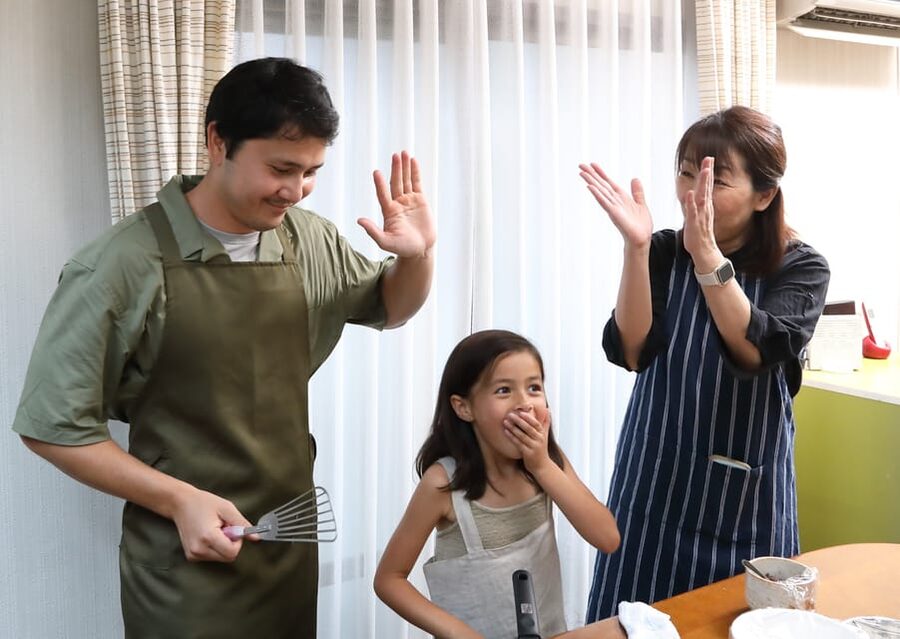
This class suits anyone with an interest in Japanese sweets, home cooking, matcha, or traditional interiors. It works well for couples, friends, solo visitors, and families with older children. Several children aged eight to ten have enjoyed the practical tasks, and a 12-year-old joined successfully with a parent.
It is a particularly good choice for a repeat visitor to Kyoto who has already seen the major temples and wants a more personal activity. It also fits a first visit if you want something that is not another shrine, museum, or walking tour.
Families should note the age rules. Children under six cannot participate, and children aged 12 and below must attend with a guardian. The class is vegetarian friendly and vegan friendly, but you must give advance notice of food restrictions.
People with mobility needs should check carefully before booking. The activity is not suitable for wheelchair users, and the traditional room may involve floor seating. The available information does not give detailed guidance about other mobility concerns, so ask the provider if you need a specific arrangement.
A realistic two-and-a-half-hour schedule
The exact menu is seasonal, but the flow should be fairly consistent:
- You arrive at the Japanese home near Fushimi Inari and settle into the traditional room.
- You receive tea and an introduction to the class.
- Miho demonstrates the techniques and explains the ingredients.
- You prepare about three types of wagashi, alone or with a partner.
- You receive guidance as you mix, cook, shape, and finish each sweet.
- You learn about matcha and may practice whisking it.
- You arrange the sweets on a tray and enjoy them with tea in the room overlooking the garden.
- You may have extra sweets to take home, depending on the seasonal menu and portions.
This schedule gives you both action and rest. You are not standing at a counter for two and a half hours, but you are also not watching a demonstration passively. The balance is one of the strongest reasons to choose this class.
Practical points before you reserve
The class has a five-star rating from 40 reviews, and the most consistent praise focuses on Miho’s kindness, clear English, patience, and hands-on teaching. Those qualities matter more here than fancy equipment. A good wagashi class depends on being shown small movements at the right moment.
Reserve with the seasonal menu in mind. The three sweets are not guaranteed to be the same at every time of year. If you have allergies, dietary restrictions, or a strict vegan diet, contact the provider ahead of time rather than waiting until arrival.
The class offers free cancellation up to 24 hours before the start time, and you can reserve now and pay later. Those options help if your Kyoto schedule depends on weather or changing shrine plans. They do not remove the need to arrange your own transportation.
Wear clothing that is comfortable for cooking and sitting in a traditional room. The provided information does not specify a dress code, but practical clothes are sensible for any activity involving dough, batter, and sweet fillings.
Should you book the wagashi class near Fushimi Inari?
Book it if you want to learn by doing and you like the idea of being welcomed into a Japanese home. The garden view, matcha service, and small class size give the activity a calm sense of place, while Miho’s English instruction makes the techniques approachable.
Skip it if your main goal is a low-cost dessert tasting, if you dislike hands-on cooking, or if floor-style traditional rooms may be uncomfortable. At $84, this is a cooking and culture experience, not a simple snack stop.
For most people who enjoy Japanese food, I think the class earns its place in a Kyoto itinerary. You leave with a better sense of how wagashi is made, how it is served, and how a quiet tea setting can turn three small sweets into a memorable afternoon.
FAQ
Where does the wagashi cooking class take place?
The class takes place near Fushimi Inari in Kyoto, in a house with authentic Japanese rooms and garden views.
How long does the activity last?
The class lasts 150 minutes, or two and a half hours. Starting times depend on availability.
How many people can join the class?
It is a small-group activity limited to six participants. A very small booking may sometimes feel like a private lesson, but a private class is not guaranteed.
Is the class taught in English?
Yes. The class is conducted entirely in English, and the instructors are licensed guide interpreters.
Can vegetarians and vegans participate?
Yes. Vegetarians are welcome, and the class is vegan friendly. You should inform the provider in advance about any food restrictions.
Can children join the activity?
Children under six cannot participate. Children aged 12 and below must attend with a guardian. The activity is not suitable for wheelchair users.
Just added around Kyoto
- Taste of Nishiki Market Walking Food Tour with Local guide★ 5.0 · 17 reviews
- Kyoto: Sushi Making Class with Sushi Chef★ 4.8 · 64 reviews
- Kyoto: City Secrets eBike Tour★ 4.9 · 196 reviews
- Sacred Pathways: Discover the Philosopher’s Path of Kyoto★ 4.9 · 20 reviews
- Private Tour to Monkey Park and Arashiyama Highlights★ 5.0 · 22 reviews
- Private Nara Tour from Osaka – Meet at Your Hotel★ 5.0 · 22 reviews
- Private Sake Tasting in Central Kyoto with Sake Sommelier★ 5.0 · 13 reviews
- Kyoto : Private Custom Walking Tour With A Local Guide★ 4.6 · 144 reviews
Dessert Tours, compared.
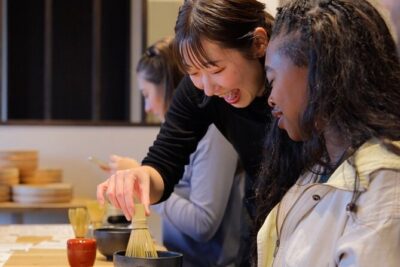
Matcha Making Class in Tokyo with Authentic Japanese Sweets Set
Read our review →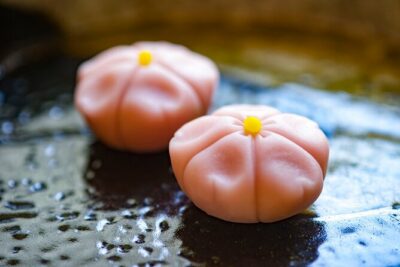
Matcha Making Class in Osaka with Authentic Japanese Sweets Set
Read our review →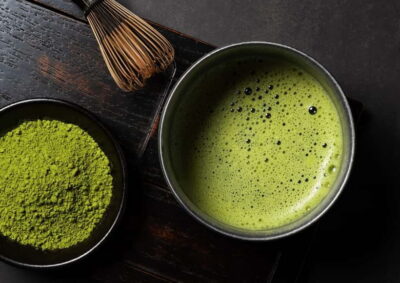
Matcha Making Experience with Mochi Sweets in Asakusa
Read our review →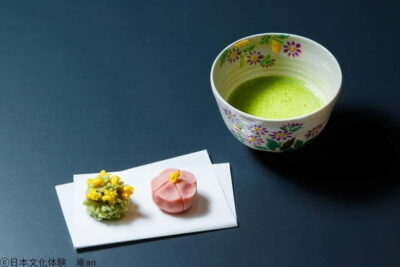
Japanese Traditional Sweets Making and Tea Ceremony
Read our review →
Japanese Traditional Sweets Making and Tea Ceremony
Read our review →
Japanese Traditional Sweets making and Tea Ceremony
Read our review →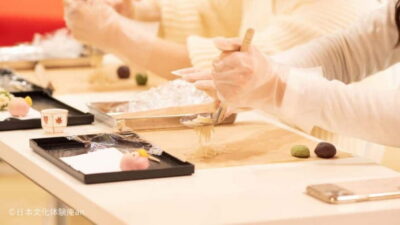
Japanese Traditional Sweets making and Tea Ceremony
Read our review →Browse the lists this tour appears in