
REVIEW · TEA CEREMONY EXPERIENCES
Osaka: Japanese Traditional Sweets Making and Tea Ceremony
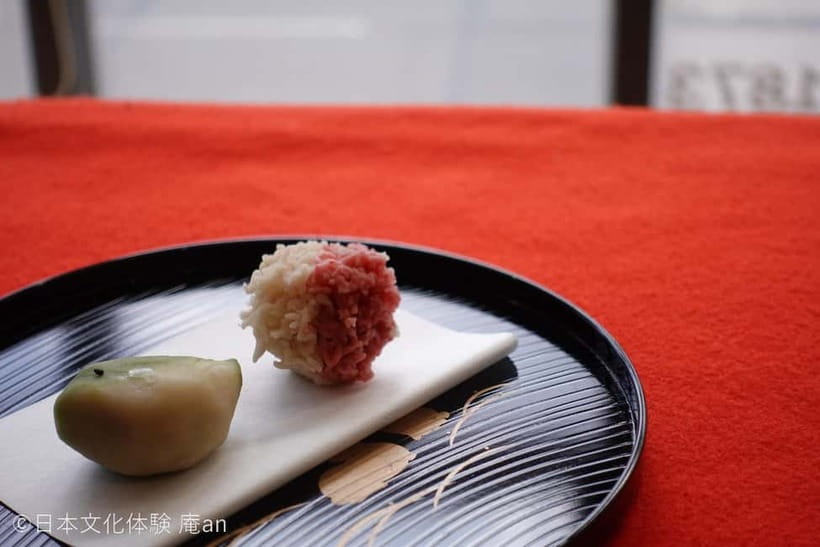
Making wagashi by hand is the heart of this Osaka experience. You color white bean paste, shape a flower-style nerikiri, and create a second kinton nerikiri before preparing matcha. The sweets use bean paste from long-established Kyoto shops, so this is more than a cute craft class.
I like the seasonal designs and the chance to see matcha ground before making your own tea. I also like the modest $18 price, especially since you get both a hands-on sweets workshop and a Japanese tea lesson in 95 minutes. The main consideration is language: instruction is in Japanese, with English help provided as much as possible, so request translation ahead of time.
In This Review
- Key points at a glance
- What this Osaka sweets and tea class is really about
- Starting with nerikiri and Kyoto bean paste
- The second sweet, kinton nerikiri
- A 55-minute pause before the tea lesson
- Watching Uji matcha become tea
- A relaxed tea ceremony, not a staged show
- Is $18 good value in Osaka?
- Getting to the Higobashi venue
- Who will enjoy this most?
- Practical details before booking
- Should you book this Osaka tea experience?
- FAQ
- How long does the Japanese sweets and tea experience last?
- How many Japanese sweets will I make?
- What kind of matcha is used?
- Is English available during the class?
- Where is the meeting point?
- Are take-out boxes or completion certificates included?
Key points at a glance
- Two handmade seasonal sweets: Make a flower-shaped nerikiri and a kinton nerikiri using Kyoto-produced white and red bean paste.
- A real creative task: You color the paste yourself, then shape it with your hands and the supplied tools.
- Uji matcha preparation: Watch a matcha-grinding demonstration before preparing and drinking your own tea.
- Friendly bilingual support: Instructors including Maiko, Jun, and Mihiko have been praised for patient explanations in Japanese and English.
- Central Osaka location: The venue is one minute from Exit 10 at Higobashi Station, with several other stations within walking distance.
- Good low-cost cultural stop: At $18 per person, it gives you a practical taste of wagashi and tea culture without taking up half a day.
What this Osaka sweets and tea class is really about
This is a small cultural workshop, not a grand, formal tea-school performance. You sit at a prepared table, learn the meaning and technique behind traditional sweets, shape two pieces yourself, and then take part in a relaxed matcha session.
That distinction matters. If you want a highly ritualized tea ceremony with long periods of silence and exact formal movements, this may feel light. If you want to understand Japanese sweets and tea through direct practice, the format is much more approachable.
The class lasts 95 minutes. That is long enough to learn the basic ideas without turning a simple Osaka afternoon into a full-day commitment. It also fits neatly between sightseeing stops in the Higobashi, Nakanoshima, Yodoyabashi, and Umeda areas.
More Tea Ceremony Experiences in Osaka
- Osaka: Tea Ceremony Experience
★ 4.9 · 1,426 reviews - Tea Ceremony Experience in Osaka Doutonbori
★ 5.0 · 754 reviews - Matcha Making Class in Osaka with Authentic Japanese Sweets Set
★ 5.0 · 509 reviews
Starting with nerikiri and Kyoto bean paste
The first lesson explains Japanese traditional sweets, known as wagashi. The main sweet here is nerikiri, a refined confection made from colored white bean paste and shaped to resemble seasonal flowers or fruit.
You begin by coloring the white bean paste. This is a useful detail, since you are not simply handed a finished ball of dough to decorate. You take part in the process from the start, learning how color changes the look of the final sweet.
The paste comes from long-established Kyoto shops. That gives the class a stronger connection to traditional confectionery than a generic sweets-making activity using ordinary supermarket ingredients. The taste is gentle and sweet, designed to balance the bitterness of matcha later.
Your first project is a flower-shaped nerikiri. The exact seasonal design can change, which is part of the appeal. Japanese confectioners often use flowers, leaves, fruit, and other seasonal images to mark the time of year. Even a small sweet can carry a sense of season and place.
Do not expect every piece to look like a professional confectioner made it. Nerikiri is a delicate craft, and the small differences in shape are part of the fun. You are working with color, pressure, symmetry, and detail. It is creative without requiring artistic training.
The second sweet, kinton nerikiri
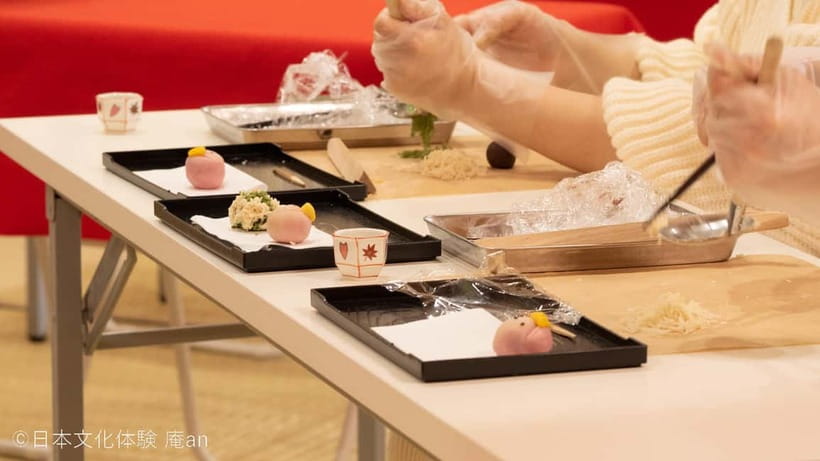
After the flower-style sweet, you make a kinton nerikiri. Kinton has a more textured appearance, often formed from thin strands or small pieces of bean paste arranged over a center.
This second design gives you a different lesson in handling the paste. The first sweet focuses on shaping and decoration. The kinton version asks for a lighter touch and more attention to texture.
I like the two-sweet structure because it keeps the workshop active. One finished piece would make the class feel brief. Two designs let you compare techniques, and you have enough to enjoy with your tea at the end.
The class provides the required tools, so you do not need to bring anything special. The practical limitation is that a take-out box costs an additional 100 JPY. If you want to carry your sweets away rather than eat them during the session, bring a little extra cash for that option.
A 55-minute pause before the tea lesson
The sweets portion takes the first 55 minutes. A break follows, giving you time to look at your work and reset before the tea section begins.
This pause is useful because the first part requires close attention. You are coloring and shaping paste, not simply watching a demonstration. The change of pace also helps the class feel less rushed.
At around the 65-minute mark, the tea explanation begins. The instructor introduces matcha and explains the basic customs connected with drinking it. One of the most useful parts for first-time visitors is learning the proper way to drink tea and express appreciation in a Japanese setting.
The exact level of ceremony can vary with the instructor and group. The format is described as a tea-ceremony experience, but one class was more casual, and one participant noted that the instructor explained the ceremony without having everyone practice every movement. That makes this suitable for curious beginners, but less suitable if you want strict, complete formal training.
Same city, a completely different kind of day:
- Osaka Go Karting Tour with Funny Costume
★ 5.0 · 2,658 reviews - Osaka Castle: Museum and Tower Entry Ticket
★ 4.5 · 2,380 reviews - Osaka: Shinsekai Food Tour with 13-15 Dishes at 5 Eateries
★ 4.8 · 2,204 reviews - Osaka Food Tour: 13 Dishes at 5 Local Eateries
★ 5.0 · 2,149 reviews
Watching Uji matcha become tea
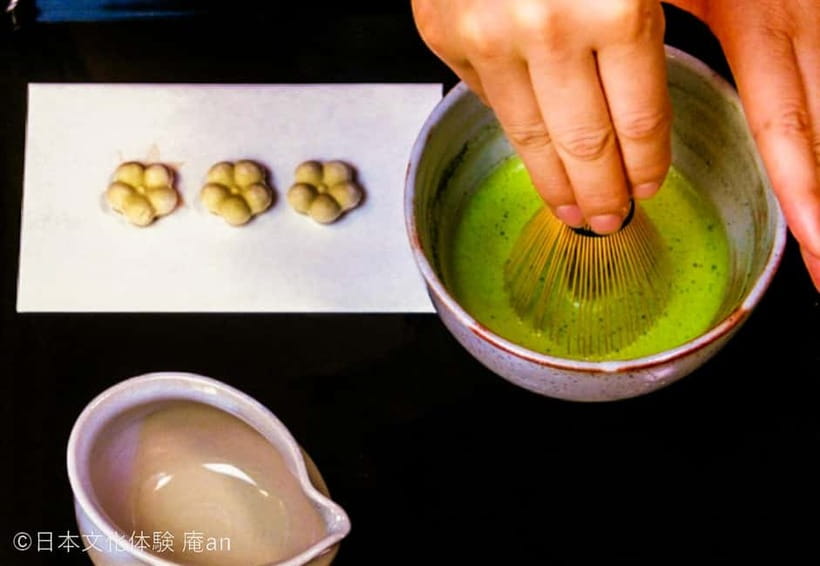
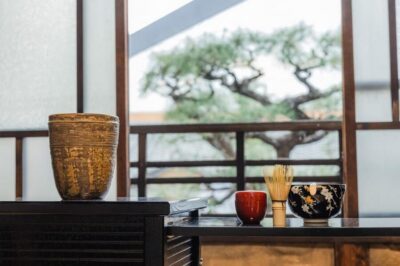
Before you prepare your drink, you watch a matcha-grinding demonstration. This is a small but memorable detail. Matcha usually arrives in a fine green powder, so it is easy to forget that it begins as tea leaves processed and ground into that powder.
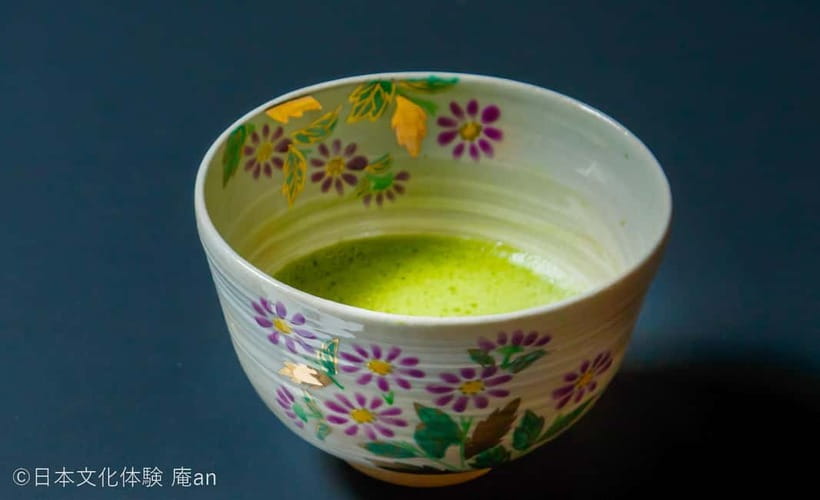
The class uses single-origin Uji matcha. Uji, near Kyoto, is one of Japan’s best-known tea-producing areas, and the choice gives the tasting a clear regional connection.
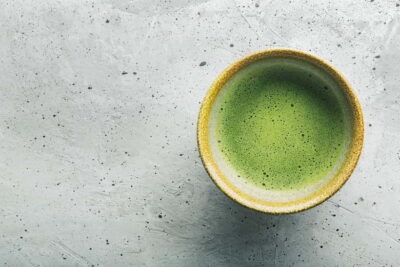
You then prepare your own matcha. The lesson is not only about drinking a green beverage. You learn how the tea is made and how its flavor works with wagashi. The bean paste brings sweetness and a soft texture, while the matcha contributes bitterness and a more serious, grassy taste.
That contrast is the reason traditional sweets are served with tea. A good wagashi is not meant to overwhelm the drink with sugar. It gives your palate a gentle counterpoint to the matcha.
You should expect the tea to taste stronger and more bitter than a sweetened green tea from a café. That is normal. The sweets are part of the tasting, not just a separate dessert.
A relaxed tea ceremony, not a staged show
The final tea section includes an explanation, the matcha-grinding demonstration, tea preparation, and picture time. The activity ends with eating and drinking, followed by room departure at about 95 minutes.
The tone depends partly on the instructor. Maiko has been described as cheerful and enthusiastic, while Jun was praised for patience and clear explanations. Mihiko was also singled out for doing a good job moving between Japanese and English. Other instructors have been praised for a lively personality and for keeping everyone involved, even in a very small class.
That personal teaching style is a major part of the experience. This is not an audio-guided activity or a fixed museum display. You can ask questions, and the instructor can explain how sweets represent nature, how matcha is prepared, and how tea customs work.
English support deserves a careful note. The listed language is Japanese, and translation is provided as much as possible. Several instructors have handled English well, but you should request English assistance in advance if you need detailed explanations. One participant who booked the night before still received clear bilingual instruction, but that may depend on the instructor and the session.
Is $18 good value in Osaka?
At $18 per person, this is a strong value for a short cultural activity. You receive the workshop, the tools, two sweets to make, a matcha-grinding demonstration, and your own tea preparation.
Many paid Osaka activities offer either a food tasting or a cultural demonstration. This combines a practical craft with a tasting and a short lesson in etiquette. You also avoid the higher cost and longer time commitment often associated with formal private tea experiences.
There are two small additional charges. A sweets take-out box costs 100 JPY, and a completion certificate costs 300 JPY. Neither is required. The certificate is a souvenir option, while the box makes sense if you want to save your sweets for later.
The value is best for someone who wants a focused introduction. It is less useful for a serious wagashi student seeking advanced confectionery instruction, since the session is designed for a general audience and ends in under two hours.
Getting to the Higobashi venue
The easiest route is Osaka Metro’s Yotsubashi Line to Higobashi Station. From Exit 10, the venue is about a one-minute walk.
You can also reach it from:
- Watanabebashi Station on the Keihan Nakanoshima Line, about five minutes from Exit 7
- Yodoyabashi Station on the Osaka Metro or Keihan lines, about seven minutes from Exit 10
- Kitashinchi Station on the JR Tozai Line, about ten minutes from Exit 11-5
- Osaka Station, about 15 minutes from the South Central Gate
The short walk from Higobashi is a real advantage. You can fit the activity into a day around central Osaka without spending much time crossing the city.
Give yourself extra time to find the building. The venue is in a gray building that can be easy to miss, and one late arrival had trouble locating it. Google Maps may not make the entrance obvious. Since the group cannot wait for delayed arrivals, I would aim to reach the station area early.
If you drive, nearby coin parking is available, but public transportation is the simpler choice.
The building has no elevator. You need to use stairs to reach the venue, so this is important for anyone with mobility concerns or a stroller. Children under two who sit on a parent’s lap are free, but people who do not take part in the activity cannot enter.
Who will enjoy this most?
This is a good pick for first-time visitors who want something more active than sightseeing. You learn by touching, shaping, grinding, and whisking, then eat what you prepared.
Families with older children can also enjoy it. Two children aged 10 and 12 took part successfully, and the process gives young participants a clear task without requiring a long attention span. Very young children may find the fine shaping work difficult, even though lap-sitting children under two are free.
Couples and solo visitors should also consider it. A very small class can feel almost private, and instructors have kept the conversation warm even when only two people attended. The activity is calm, social, and easy to fit into an Osaka itinerary.
It suits you particularly well if you:
- Want to learn what nerikiri is rather than only taste it
- Like hands-on food activities
- Are curious about matcha but have never prepared it
- Prefer a relaxed introduction to tea customs
- Need a short activity near major train stations
- Want a reasonably priced cultural experience
You may want something else if you need fully guaranteed English throughout, a formal tea ceremony with strict ritual, or an advanced sweets lesson.
Practical details before booking
The operating hours are 10:00 to 17:00, with starting times depending on availability. The session lasts 95 minutes, and the schedule is structured closely, so do not plan to arrive at the last second.
Cancellation is free up to 24 hours before the activity for a full refund. You can also reserve and pay later, which helps if your Osaka schedule is still changing. Keep in mind that a cancellation does not cover your transportation costs to the venue.
The activity provider is B.B.Advisors Inc. AN OSAKA. The meeting point is in central Osaka, close to Higobashi Station, with the map coordinates listed as 34.6911523, 135.4958628.
Bring your phone if you want pictures during the designated picture time. If you want to take the sweets with you, add the 100 JPY box. I would also contact the provider about English support before booking, especially if cultural explanations matter as much to you as the food.
Should you book this Osaka tea experience?
Book it if you want a friendly, affordable introduction to two linked parts of Japanese culture: seasonal wagashi and matcha. The strongest reasons are the Kyoto bean paste, two different sweets, the Uji matcha demonstration, and the close-to-the-station location.
The activity is especially worthwhile for families, couples, and first-time visitors who want to make something rather than sit through a presentation. The instructors have shown patience, humor, and useful English support, though you should not assume every session will be fully bilingual unless you request it.
Skip it if you are seeking a highly formal tea-school ceremony or a professional-level wagashi course. For most people spending a few days in Osaka, though, $18 buys a pleasant 95-minute lesson, a little creativity, and a better understanding of why Japanese sweets and tea belong together.
FAQ
How long does the Japanese sweets and tea experience last?
The full activity lasts 95 minutes. The schedule includes sweets instruction and making for about 55 minutes, a break, tea instruction from around the 65-minute point, picture time, and final eating and drinking.
How many Japanese sweets will I make?
You will make two seasonal sweets. One is a flower-shaped nerikiri, and the other is a kinton nerikiri.
What kind of matcha is used?
The experience uses single-origin Uji matcha. You will also see a demonstration of matcha being ground before preparing your own tea.
Is English available during the class?
The listed language is Japanese, but English translation is provided as much as possible. Contact the provider in advance if you would like English assistance.
Where is the meeting point?
The venue is one minute on foot from Exit 10 of Higobashi Station on the Osaka Metro Yotsubashi Line. It is also within walking distance of Watanabebashi, Yodoyabashi, Kitashinchi, and Osaka Station.
Are take-out boxes or completion certificates included?
No. A sweets take-out box costs 100 JPY, and an experience completion certificate costs 300 JPY. The experience itself and the required tools are included.
More Dessert Tours in Osaka
- Osaka: Matcha Making Experience with Japanese Sweets
★ 5.0 · 146 reviews - Matcha Making Class in Tokyo with Authentic Japanese Sweets Set
★ 5.0 · 744 reviews - Tokyo: Matcha Making Experience with Mochi Sweets in Asakusa
★ 4.9 · 388 reviews - Kyoto: Japanese Traditional Sweets Making and Tea Ceremony
★ 4.4 · 314 reviews
Just added around Osaka
- (Ticket Included) Explore Osaka Castle & Museum of History★ 4.8 · 21 reviews
- Hidden Osaka – Yukaku Red Light Tour & Culinary Adventure★ 4.8 · 96 reviews
- Osaka: Walking Tour and Top Highlights★ 4.8 · 104 reviews
- Osaka: Private Ceramic Painting Workshop★ 5.0 · 13 reviews
- Pickleball in Osaka, Kobe & Kyoto with Locals!★ 4.7 · 80 reviews
- Eat Like a Local in Osaka – Private Custom Street Food Tour★ 4.3 · 33 reviews
- Osaka:SUMO BEATS SHOWCASE: Taiko Drum and Wagyu burger!★ 4.2 · 37 reviews
- Kimono photoshoot-Includes 100 photo data★ 5.0 · 21 reviews
Tea Ceremony Experiences, compared.
Tea Ceremony in a Traditional Tea House in Kiyomizu
Read our review →
World Heritage Kyoto & Nara Uji Authentic Matcha Experience
Read our review →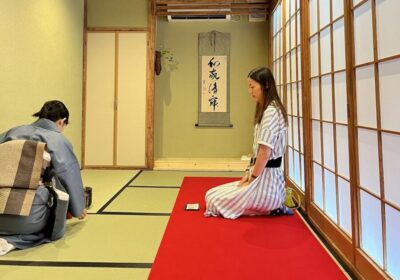
Browse the lists this tour appears in