
REVIEW · TEA CEREMONY EXPERIENCES
Matcha Making Class in Tokyo with Authentic Japanese Sweets Set
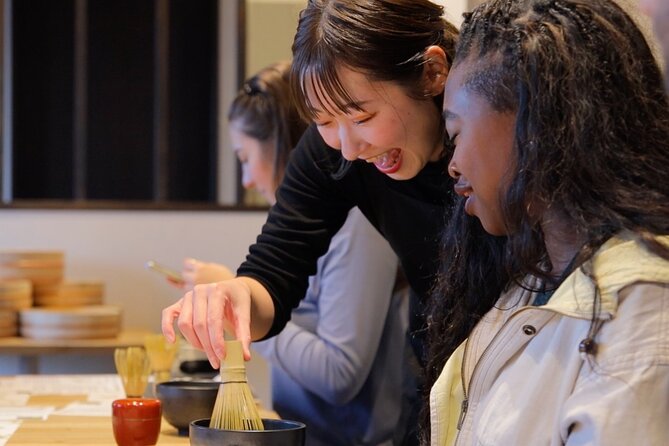
The best part of this Asakusa class is its hands-on focus. You do not simply watch a formal tea ritual from the sidelines. You learn how matcha is made, how to spot good powder, and how to whisk your own bowl with traditional tools. The class is led in English, with instructors including Rino, Shuri, Hiya, and Nama.
I like the friendly, practical teaching and the chance to enjoy matcha with seasonal Japanese sweets instead of treating the tea as a stand-alone tasting. I also like the short one-hour format, which fits neatly between Asakusa sights. The main consideration is the group size, which can reach 30 people, so the experience may feel less private during a busy session.
In This Review
- Key points at a glance
- A calm cultural break in central Asakusa
- What happens when you arrive
- Matcha explained in plain English
- Learning the traditional whisking method
- Seasonal Japanese sweets with your tea
- The hosts make the difference
- Is one hour enough?
- Price, group size, and overall value
- Who should book this Asakusa activity?
- Booking and cancellation details
- Should you book the matcha class?
- FAQ
- Where does the matcha class take place?
- How long does the experience last?
- What is included?
- Is hotel transportation included?
- Where does the activity end?
- Do I need previous tea ceremony experience?
- Is the class taught in English?
- How many people can join?
- Are service animals allowed?
- Can I cancel for a full refund?
- Is the ticket available on a phone?
Key points at a glance
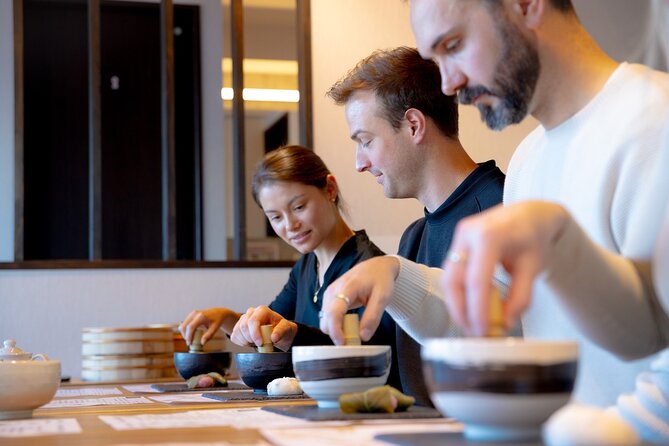
- Whisk your own matcha: Learn the basic technique with traditional tea tools and one-to-one help.
- Hear the story behind the cup: The lesson covers matcha’s origins, cultivation, quality, and place in Japanese culture.
- Enjoy seasonal sweets: A Japanese confectionery set balances matcha’s earthy flavor.
- Simple for first-timers: No tea ceremony experience is needed, and the tone is relaxed rather than strict.
- Easy Asakusa location: Meet at 2-chōme-17-9 Kaminarimon, close to public transportation and the sights of traditional Tokyo.
- Good short value: At $21.89 per person for about an hour, it offers more participation than a basic café tea stop.
A calm cultural break in central Asakusa
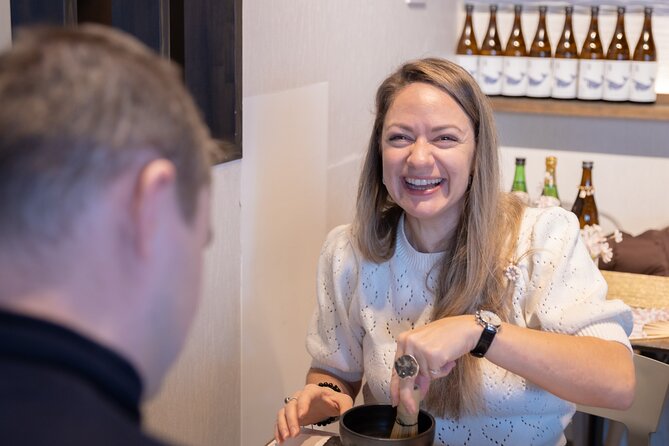
Asakusa is one of Tokyo’s most traditional neighborhoods, known for its old temple district, riverside views, and busy sightseeing streets. This class gives you a quieter way to connect with Japanese culture without committing to a long ceremony or a full cooking course.
You meet at Matcha Making Tokyo, at 2-chōme-17-9 Kaminarimon in Taito City. The activity finishes at the same place, so you can easily continue exploring Asakusa afterward. Since the class lasts about an hour, you can pair it with nearby sightseeing before or after the lesson.
I see this as a good choice for you if you want context as well as food. A quick cup of matcha in a café may taste good, but it will not teach you why the powder differs from ordinary green tea leaves or how the bamboo whisk creates the drink’s texture.
More Tea Ceremony Experiences in Tokyo
- Tokyo: Traditional Tea Ceremony with a Tea Master
★ 5.0 · 528 reviews - Tokyo: Matcha Making Experience with Mochi Sweets in Asakusa
★ 4.9 · 388 reviews - Tokyo: Matcha and Kimono Experience
★ 4.7 · 219 reviews
What happens when you arrive
The meeting point is a cooking-class venue in Asakusa. Some sessions take place in a cozy café setting, with the matcha lesson held in an upstairs nook. One account of the setting describes floor seating in a traditional style, adding a distinctly Japanese feel to the hour.
That arrangement may not suit everyone. Floor seating can be less comfortable for people with knee or mobility concerns, and the supplied information does not promise a chair-based setup. If that matters to you, check with the provider before booking.
The setting can also vary in energy. A small matcha group may feel peaceful and personal, while another class, such as sushi making, may be taking place nearby. One small session was described as especially quiet, but the activity can accommodate up to 30 people. If you want the most intimate atmosphere, choose your time carefully and arrive promptly.
Arriving early may be useful. The café has offered a place to wait when participants reached the venue ahead of schedule. That is a practical kindness, especially if you are still learning Tokyo’s streets and train connections.
Matcha explained in plain English
The lesson begins with background rather than rushing you straight to the whisk. Your English-speaking host explains the origins of matcha, how it is grown, and how it differs from green tea made from steeped leaves.
The class may use an iPad and images to make the explanation easier to follow. This is helpful if you are curious about the powder itself but do not know much about tea production. You learn that matcha is not just ordinary green tea ground into powder, and the instructor explains what to look for when judging quality.
The teaching style is modern and informal. Instructors such as Rino, Shuri, Hiya, and Nama have been praised for making the subject clear, interactive, and easy to follow. Names may vary by session, but the key point is the personal attention. You are not expected to understand Japanese tea terms before arriving.
This section is valuable because it gives your cup some meaning. You begin to notice color, aroma, texture, and bitterness instead of simply deciding that you like or dislike matcha. That short lesson can also help you choose better matcha products later in Tokyo or at home.
Learning the traditional whisking method
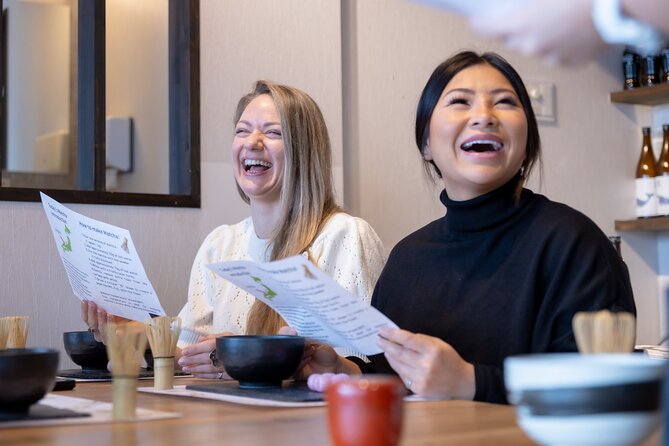
The central activity is making the tea yourself. Your instructor demonstrates the process step by step, then gives you the tools and guidance to repeat it.
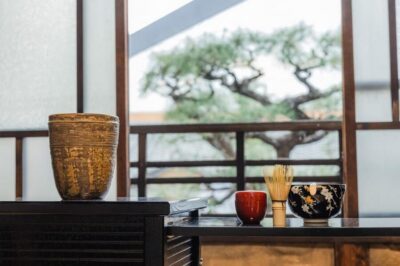
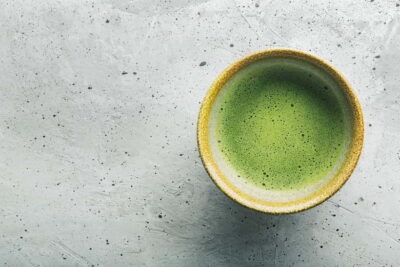
You use a traditional bamboo whisk, known as a chasen, to mix matcha with water. The goal is not merely to stir. The movement creates a smooth drink with a light layer of foam, and the instructor helps you adjust your technique as you go.
This is where the class earns its price. You leave with a skill you can repeat, rather than only a pleasant taste memory. The host can point out common mistakes and offer practical suggestions for getting matcha right at home.
The class is designed for beginners, so you do not need a steady hand or prior tea experience. Children can take part too. Families with children as young as six and nine have found the activity engaging, especially because the instructors encourage everyone to participate rather than turning the session into a lecture.
Do not expect a full, highly formal tea ceremony. This is a lesson with ceremonial elements, not a long performance built around strict etiquette. That is a benefit if you want to learn by doing, though someone seeking a detailed study of tea ceremony rules may prefer a more formal experience.
Same city, a completely different kind of day:
- Mt Fuji and Hakone 1-Day Bus Tour Return by Bullet Train
★ 5.0 · 26,383 reviews - 1-Day Tokyo Bus Tour
★ 5.0 · 14,250 reviews - Tokyo: TOKYO SKYTREE® Admission ticket
★ 4.5 · 11,192 reviews - Tokyo: teamLab Planets TOKYO Digital Art Museum Entry Ticket
★ 4.6 · 9,779 reviews
Seasonal Japanese sweets with your tea
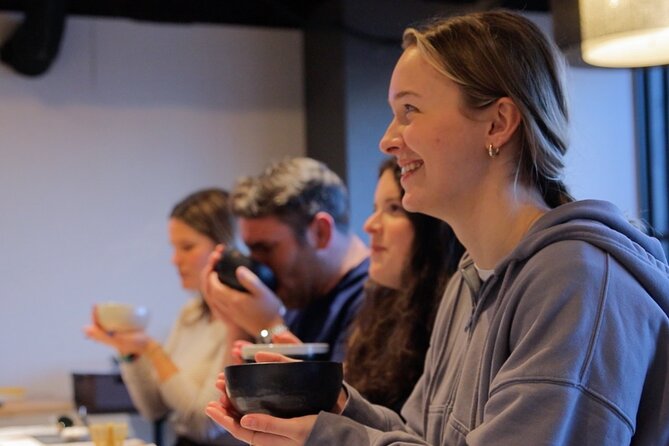
After preparing the matcha, you enjoy it with a set of traditional Japanese sweets. The exact sweets can vary by season, so the snack is part of the experience rather than a fixed menu promise.
These confections are important to the tasting. Matcha can have a strong vegetal, earthy, or slightly bitter flavor. Sweet Japanese confectionery gives your palate a contrasting note and makes the cup easier to appreciate, especially if you are trying matcha for the first time.
The sweets are also a small introduction to Japanese food culture. They are not simply a generic dessert added to the booking. They show how tea and confectionery are traditionally paired, with sweetness helping balance the tea.
Portions are intended as an accompaniment, not a meal. If you are booking this around lunch, keep eating plans in place. The class gives you a taste and a cultural activity, but it does not replace a full meal.
The hosts make the difference
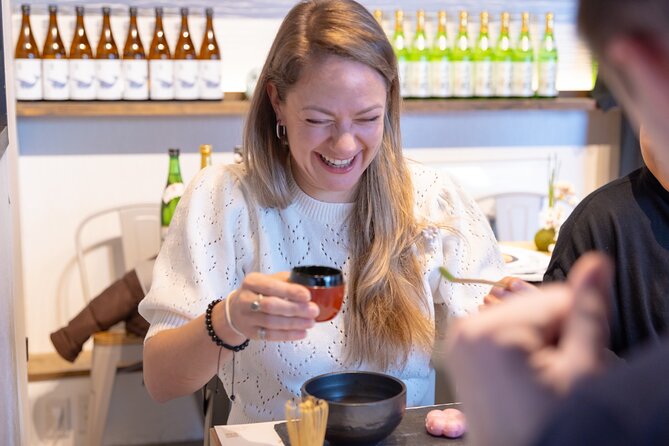
The strongest feature of this experience is the teaching. Shuri has been described as patient, warm, and passionate, with strong English skills and a talent for making people feel at ease. Rino is known for turning the lesson into an interactive activity, while Hiya has explained both matcha history and ways to recognize quality powder. Nama has also been singled out as an engaging class leader.
You may have a different instructor, but the format calls for an English-speaking host who guides you through each stage. The best sessions feel conversational. You can ask questions, try the technique, and receive help without worrying about doing it perfectly.
That warmth matters in a cultural activity. A rigid lesson could make a beginner nervous, particularly if you are unfamiliar with Japanese etiquette. Here, the mood is relaxed and social. You learn the respectful basics without feeling as if you are being tested.
The class also works well for families and mixed-age groups. Children can whisk the tea themselves, and adults get the cultural explanation behind the activity. Couples, solo visitors, and small groups can all take part, though the maximum group size of 30 means the amount of individual attention may depend on attendance.
Is one hour enough?
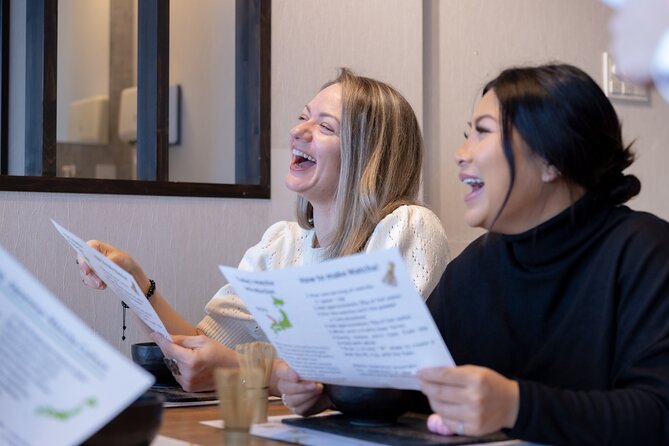
For this particular goal, yes. In roughly an hour, you receive an introduction to matcha, learn the basic preparation method, make your own bowl, and enjoy sweets. It is enough time to gain a real understanding without taking half a day from your Tokyo plans.
The short duration is especially useful in Asakusa. You might schedule the class after visiting Senso-ji, before walking along the Sumida River, or between other stops in eastern Tokyo. The riverside view near the venue adds to the appeal, and you return to the same meeting point at the end.
The trade-off is that the class cannot cover every part of Japanese tea culture. You will not receive an extended study of tea utensils, regional tea traditions, or advanced ceremony movements in one hour. Think of it as a focused introduction and a practical workshop.
I would also avoid planning a tight connection immediately afterward. The advertised duration is approximate, and group activities can take a little longer if participants need extra help or photos.
Price, group size, and overall value
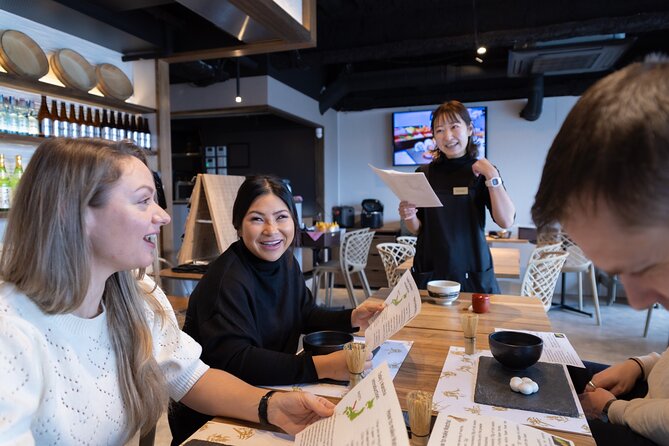
At $21.89 per person, this is a modestly priced Tokyo activity. You receive an English-speaking instructor, matcha, Japanese sweets, use of traditional preparation tools, and guided participation. Compared with paying for a drink at a café, you are getting instruction and cultural context as well.
The value is strongest if you want to learn something. If your only goal is to taste matcha, a café may be faster and cheaper. If you want to understand the tea and prepare it yourself, this class gives you much more for the extra time and money.
A group of up to 30 is worth considering. A smaller class can allow more questions and more direct coaching. A larger session may feel livelier, but you could spend more time watching other people take their turns. The class is not advertised as private, so book it with a social, shared atmosphere in mind.
The activity has been recognized twice with TripAdvisor’s Best of the Best award and is recommended by all listed participants, with a five-star rating from 744 reviews. Those figures suggest unusually strong satisfaction, but they should not erase the practical limits: the class is short, the group may be large, and floor seating may be used.
Who should book this Asakusa activity?
I would recommend it for first-time matcha drinkers, families, couples, and anyone who wants a gentle cultural activity in Tokyo. It is also a smart option for you if a formal tea ceremony sounds too stiff or passive.
The class suits a rainy day particularly well because it offers an indoor plan with food, conversation, and a practical skill. It also works early in a Tokyo visit, helping you understand a familiar Japanese drink before you encounter matcha desserts, cafés, and tea shops elsewhere.
You may want to skip it if you dislike powdered green tea, have difficulty sitting on the floor, or want a private ceremony with extensive etiquette instruction. You should also keep your expectations realistic about the sweets: they complement the tea, but they are not a full dessert tasting or meal.
English-speaking instruction makes the class accessible to international visitors. Service animals are allowed, and the venue is near public transportation. Hotel pickup and drop-off are not included, so you make your own way to Kaminarimon.
Booking and cancellation details
Confirmation is provided at booking, and the ticket is mobile, so you can keep the details on your phone. The activity has been booked at least five times in a recent week, so popular times may fill faster than quieter periods.
Free cancellation is available if you cancel at least 24 hours before the start time. Canceling or requesting changes less than 24 hours ahead does not qualify for a refund, and the cut-off follows Tokyo local time.
I would check the meeting address carefully before leaving. Asakusa has many similar-looking streets and busy sightseeing routes, and arriving a few minutes early gives you time to find the venue without rushing into the lesson.
Should you book the matcha class?
Book it if you want more than a quick photo and a cup of tea. For $21.89, you get a compact lesson on matcha culture, personal instruction, your own whisking practice, and seasonal Japanese sweets in one of Tokyo’s most traditional districts.
I especially recommend it to families and beginners because the hosts keep the lesson approachable. Choose another activity if you want a formal, highly ceremonial experience or need guaranteed private attention. For most people building a flexible Asakusa itinerary, this is a friendly, useful hour that leaves you with a skill you can try again at home.
FAQ
Where does the matcha class take place?
The meeting point is Matcha Making Tokyo at 2-chōme-17-9 Kaminarimon, Taito City, Tokyo 111-0034, Japan.
How long does the experience last?
The class lasts approximately one hour.
What is included?
The experience includes an English-speaking instructor, matcha, and Japanese sweets.
Is hotel transportation included?
No. Hotel pickup and drop-off are not included.
Where does the activity end?
The activity ends back at the meeting point.
Do I need previous tea ceremony experience?
No. The class is designed for beginners, and no prior tea ceremony experience is required.
Is the class taught in English?
Yes. An English-speaking instructor leads the experience.
How many people can join?
The activity can accommodate a maximum of 30 travelers.
Are service animals allowed?
Yes. Service animals are allowed.
Can I cancel for a full refund?
Yes, if you cancel at least 24 hours before the experience start time. Cancellations made less than 24 hours in advance are not refunded.
Is the ticket available on a phone?
Yes. The experience offers a mobile ticket.
More Workshops in Tokyo
- Sushi Making Tokyo Roll and Authentic Japanese Sushi Class
★ 5.0 · 3,971 reviews - Tokyo: Roll and Authentic Sushi Making Class in Asakusa
★ 4.9 · 1,957 reviews - Tokyo Shinjuku Chopsticks Making Class
★ 5.0 · 1,763 reviews - Tokyo: Sushi Making Class in a Happi Coat near a Famous Spot
★ 4.9 · 1,377 reviews
More Dessert Tours in Tokyo
- Japanese Traditional Sweets making and Tea Ceremony
★ 4.7 · 50 reviews - Japanese Traditional Sweets making
★ 4.1 · 19 reviews - Matcha Making Class in Osaka with Authentic Japanese Sweets Set
★ 5.0 · 509 reviews - Kyoto: Japanese Traditional Sweets Making and Tea Ceremony
★ 4.4 · 314 reviews
Just added around Tokyo
- Tokyo: Customizable Private Guided Walking Tour★ 4.5 · 129 reviews
- Private Harajuku Omotesando Architecture Tour★ 4.9 · 18 reviews
- Tokyo: Guided Helicopter Ride★ 4.9 · 24 reviews
- Tokyo: Guided Walking Tour of Tsukiji Market with Lunch★ 4.4 · 24 reviews
- Tokyo: Private Personalized Local Food Tour★ 4.5 · 101 reviews
- Tokyo: Guided Walking Tour of Tsukiji Market with Breakfast★ 4.4 · 134 reviews
- Tokyo: Gotokuji Cat Temple, Shinjuku Cat Cafe & 3D Cat Tour★ 4.9 · 38 reviews
- Tokyo GINZA: KONPARU Japanese Cabaret Show with Drink★ 4.8 · 38 reviews
Tea Ceremony Experiences, compared.
Tea Ceremony in a Traditional Tea House in Kiyomizu
Read our review →
World Heritage Kyoto & Nara Uji Authentic Matcha Experience
Read our review →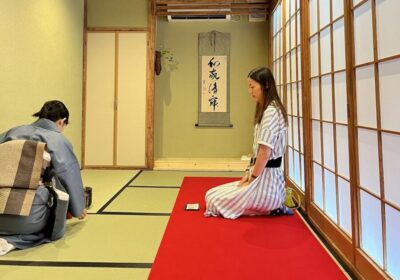
Browse the lists this tour appears in