
REVIEW · FOOD MARKET TOURS
Private Tokyo Food Tour – A Journey Through Time Through Food
Tokyo’s food story unfolds in three acts on this private 5.5-hour tour: Nihonbashi for Edo-era flavors, Ginza for postwar working life, and Akihabara for food’s high-tech future. You taste 14 items along the way, from dashi and mochi to yakitori, curry udon, fruit sandwiches, and fusion sweets.
I like two things right away. First, the route gives you more than a parade of dishes. You learn why kombu and katsuobushi matter, how railway-side eateries served salarymen, and why Akihabara became a fitting place to discuss new food ideas. Second, the private format lets your guide adjust the pace and explain customs in a personal way. Guides named Yasu, Keiko, Miko, Paiva, and Rohan have led this experience, with Yasu earning special praise for his humor and help finding places you might miss alone.
The main drawback is price: at $327.75 per person, this is a serious splurge, especially since your group also pays for two short subway rides. You should also clarify the cancellation terms before booking, since the supplied booking details give both a tiered refund policy and a separate statement saying the experience is non-refundable.
In This Review
- Key points at a glance
- A food tour built as a journey through time
- Nihonbashi: start with dashi and old-fashioned snacks
- Fukutoku Shrine: a short lesson in Japanese worship
- Ginza and Yurakucho: eat beneath the tracks
- Tokyo International Forum and Marunouchi: a useful walking link
- Tokyo Station: commuter food with tamagoyaki and fruit sandwiches
- Akihabara: traditional flavors take a modern turn
- What the $327.75 price really buys
- Who should book this Tokyo food tour?
- Final verdict: book it for the story, not just the snacks
- FAQ
- How long does the private Tokyo food tour last?
- How many food and drink tastings are included?
- Which Tokyo neighborhoods does the tour visit?
- Where does the tour start?
- Where does the tour end?
- Is transportation included?
- Is this a private tour?
- Is alcohol included?
- What is the cancellation policy?
Key points at a glance
- Fourteen tastings connect Tokyo’s past, present, and future, rather than focusing on one type of cuisine.
- Nihonbashi includes century-old food shops, with several said to date to the Edo period.
- The private group setting matters, especially for questions about shrine customs, ingredients, and train travel.
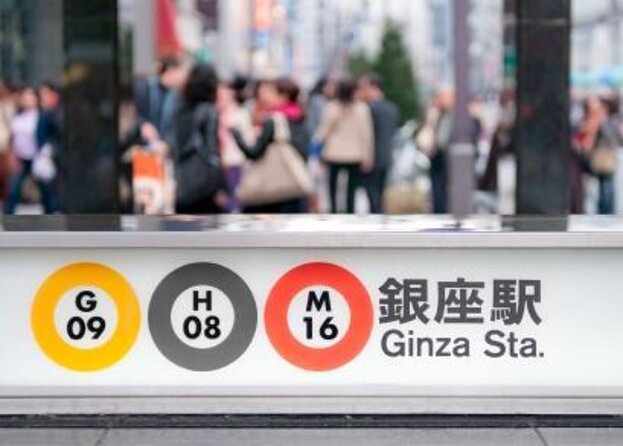
- Ginza and Yurakucho bring you under the railway tracks, where yakitori, a Japanese sour, and noodles reflect salaryman culture.
- The route ends in Akihabara, with modern desserts that mix traditional flavors and contemporary ideas.
- The tour is best for curious eaters, families, and first-time Tokyo visitors who want food, orientation, and cultural context together.
A food tour built as a journey through time
Many Tokyo food tours simply move from one good bite to the next. This one has a clear idea behind it. The food changes as the city changes.
You begin with the ingredients and snacks that shaped Japanese cooking. Then you shift to the postwar city, where office workers ate and drank beneath railway tracks. Finally, you reach Akihabara, an area linked with electronics, anime, maid cafes, and new subcultures, to consider what Japanese food may look like next.
That structure is the tour’s greatest strength. You are not only tasting food. You are learning how food connects with trade, work, transport, tradition, and popular culture. If you like asking why a dish exists, rather than simply learning its name, this approach should suit you.
The private setup also changes the feel of the day. Your party travels together rather than joining a large crowd, and the guide can answer questions without waiting for a whole busload of people. Past guides have included Yasu, Keiko, Miko, Paiva, and Rohan. The available feedback gives particular credit to guides who were funny, organized, flexible, and helpful with Tokyo’s train system.
More Food Market Tours in Tokyo
- Tokyo: Shinjuku Food Tour (13 Dishes at 4 Local Eateries)
★ 5.0 · 6,603 reviews - Tokyo Tsukiji Fish Market Food and Culture Walking Tour
★ 5.0 · 3,184 reviews - Tokyo: Shinjuku Food Tour (15 Dishes and 4 Eateries)
★ 4.9 · 2,033 reviews
Nihonbashi: start with dashi and old-fashioned snacks
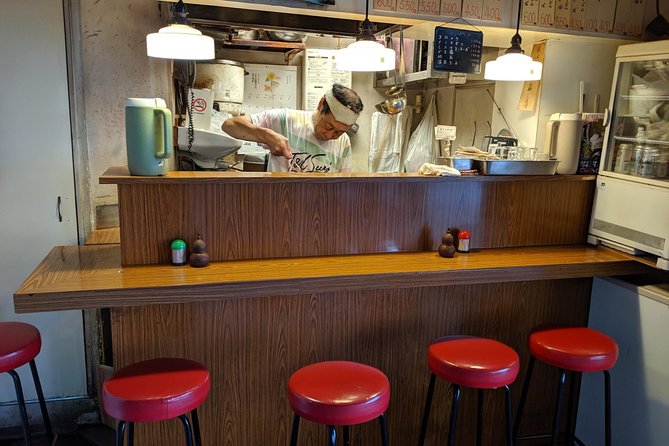
The tour starts at the Nihonbashi 1-chome Mitsui Building. Nihonbashi is a fitting opening because the first part of the tour is about foundations, both culinary and historical.
Your guide explains dashi, the stock used as a base in many Japanese dishes. You focus on kombu, or kelp, and katsuobushi, dried and fermented bonito that is shaved into thin flakes. These ingredients can seem modest on a shop shelf, but they provide the savory flavor behind many familiar Japanese dishes.
This is useful knowledge for the rest of your Japan trip. Once you understand dashi, you can better recognize why soups, sauces, and noodle broths taste the way they do. You are also more likely to notice the difference between a dish that depends on a carefully made stock and one that relies mainly on salt or soy sauce.
The snacks here are traditional and varied:
- Satsuma-age, a fried fish cake
- Amazake, a fermented rice drink
- Imo kenpi, sweet potato chips
- Daifuku, soft mochi with a sweet filling
- Dorayaki may be offered in place of daifuku
The selected shops are described as more than 100 years old, with several dating to the Edo period. That does not mean every bite will suit every palate. Amazake has a distinctive sweet, fermented character, and mochi has a chewy texture that some people love and others need time to appreciate. The advantage of tasting these items with a guide is that you get context instead of wondering if you have ordered something incorrectly.
You also pass Nihonbashi Bridge. The stop is not treated as a separate major attraction, but it helps place the district in the older commercial story of Tokyo. Plan to arrive hungry, but not starved. Four early tastings may sound small, yet they begin the day’s total of 14 items.
Fukutoku Shrine: a short lesson in Japanese worship
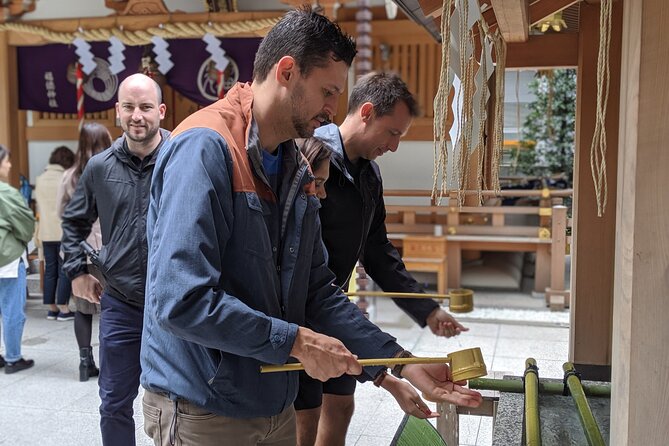
Fukutoku Shrine takes only about 10 minutes, but it adds a cultural pause between food stops. Here you learn the difference between a Shinto shrine and a Buddhist temple, then receive an explanation of how to cleanse yourself and pray at a shrine.
This is a welcome inclusion because shrine etiquette can feel mysterious when you first arrive in Japan. A brief demonstration gives you a way to participate respectfully rather than copying people at random. The stop is short, so do not expect a long religious history lesson. Think of it as a practical introduction that fits neatly into the walking route.
Ginza and Yurakucho: eat beneath the tracks
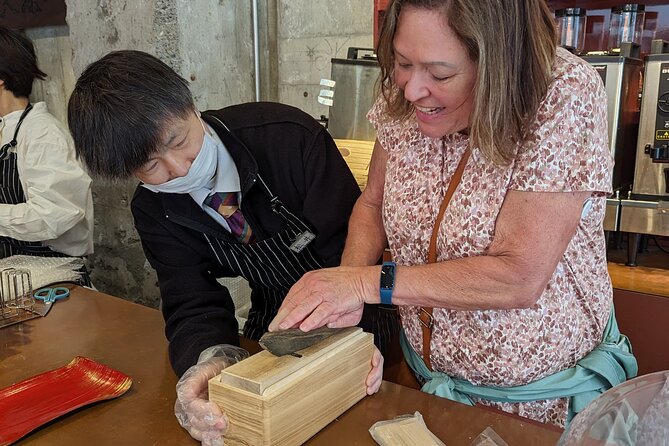
The tour then moves toward Ginza and Yurakucho, where the subject shifts to Japan’s industrial growth after World War II. The rise of the salaryman created demand for quick, affordable places to eat and drink before the commute home.
Here you visit gado shita, the small restaurants and bars built under the railway tracks. This is one of the tour’s more distinctive settings. You are not sitting in a polished department-store restaurant. You are looking at a practical food culture shaped by trains, work hours, and crowded city life.
The menu includes yakitori, a Japanese sour, and a noodle dish:
- Yakitori, grilled meat on skewers
- A lemon sour, an alcoholic drink associated with Japan
- Tempura soba or curry udon
The curry udon has been singled out as a memorable dish, so it may be the moment to watch for if you enjoy hearty noodles. Tempura soba offers a different profile, with buckwheat noodles and fried tempura. The exact choice may depend on the stop or the day, so ask your guide if you have a preference.
This is also where the tour feels most connected to ordinary urban life. The point is not to present a formal version of Japanese cooking. It is to show how people eat after work, in a place that grew directly from the city’s transport system.
There are two practical points to remember. First, alcohol is included as a lemon sour, so tell your guide if you do not drink. Second, you are eating several times over the course of the afternoon, not sitting down for one long meal. The portions may be snack-sized, but the range adds up.
Same city, a completely different kind of day:
- Mt Fuji and Hakone 1-Day Bus Tour Return by Bullet Train
★ 5.0 · 26,383 reviews - 1-Day Tokyo Bus Tour
★ 5.0 · 14,250 reviews - Tokyo: TOKYO SKYTREE® Admission ticket
★ 4.5 · 11,192 reviews - Tokyo: teamLab Planets TOKYO Digital Art Museum Entry Ticket
★ 4.6 · 9,779 reviews
Tokyo International Forum and Marunouchi: a useful walking link
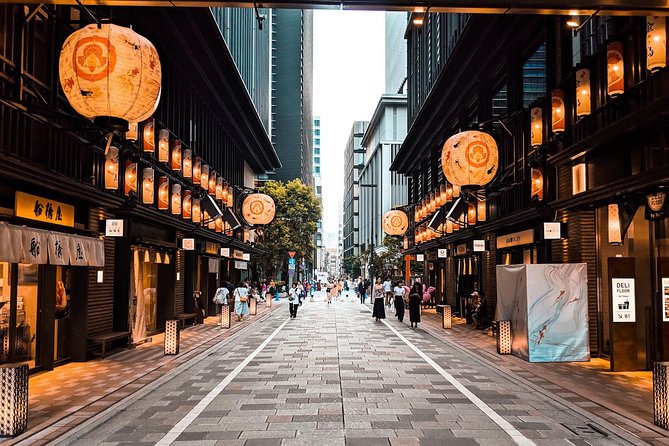
From Yurakucho, you walk toward Tokyo Station and pass the Tokyo International Forum. The visit here lasts about 15 minutes, followed by a short stop at the Kitte Marunouchi building.
These locations function mainly as route markers and city views rather than food stops. That is not a weakness. The walk gives your stomach a break and links the railway-side food culture of Yurakucho with the grander business district around Tokyo Station.
The Tokyo International Forum is an impressive modern building, while Kitte Marunouchi adds another glimpse of the polished commercial side of central Tokyo. Your guide can help you read the change in atmosphere: from small eateries under the tracks to large office and retail complexes near the station.
Keep your walking shoes on. The tour covers several districts, and the movement between stops is part of the experience. The itinerary includes two short subway rides, but those fares are not included in the price.
Tokyo Station: commuter food with tamagoyaki and fruit sandwiches
At Tokyo Station, the tour turns to foods associated with the trip home. You try tamagoyaki, Japanese omelette, and a fruits sando, a soft milk-bread sandwich filled with fresh fruit and whipped cream.
Tamagoyaki is a useful taste because it shows how a simple egg dish can be prepared with a carefully layered texture and a lightly sweet flavor. The fruits sando is a very different idea. It looks like a sandwich, but the combination of pillowy bread, cream, and fruit places it somewhere between a packed lunch and a dessert.
Together, these foods show the range of modern Japanese convenience culture. You are not only looking at restaurant cooking. You are also seeing what people buy when they need something portable for a train journey or the end of a workday.
Daimaru Tokyo is included in this section, and the stop at Tokyo Station Marunouchi Ekimae Hiroba lasts about 20 minutes. The station area can be busy, so stay close to your guide and allow extra time if you want photos. This is not a slow market wander. It is a compact look at food linked with commuting.
Akihabara: traditional flavors take a modern turn
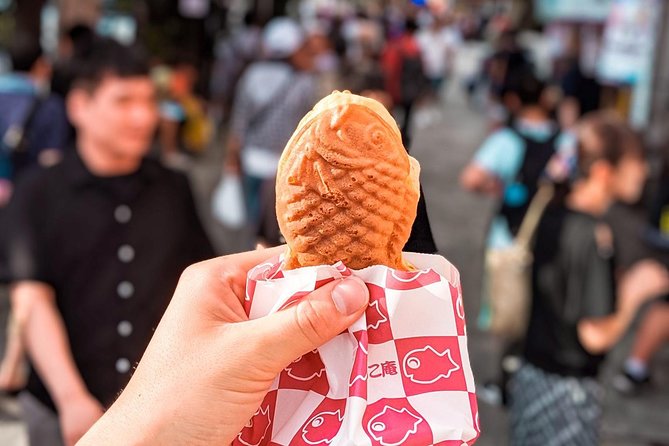
The final district is Akihabara, famous for electronics, anime culture, and maid cafes. Here the subject becomes the future of Japanese food.
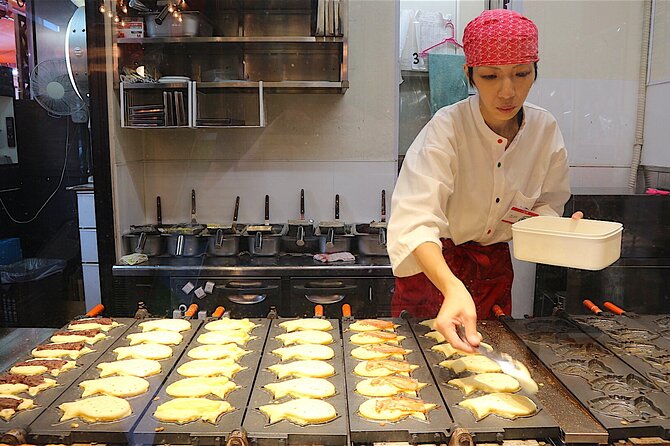
You sample three fusion desserts, including items such as Pokemon taiyaki and matcha bubble tea or matcha ice cream. Taiyaki is a fish-shaped cake traditionally filled with sweet bean paste, while the Pokemon version connects a familiar Japanese snack with current pop culture. Matcha provides another bridge between old and new, appearing in a modern drink or frozen dessert.
This final stop works because Akihabara is not a random ending. The neighborhood represents new technology, new ideas, and subcultures that have reached audiences around the world. The food follows the same pattern, borrowing from tradition while changing its shape, flavor, or presentation.
Some people will prefer the earlier stops, especially if they want classic Japanese dishes rather than sweets. Others will find the Akihabara section the most playful. If you are bringing children, this part may be a strong finish. The tour information specifically notes that children aged 11 and 9 enjoyed the experience, and the blend of food, trains, and Akihabara culture can help younger eaters stay engaged.
The Akihabara portion lasts about 45 minutes. It is a shorter ending than the Nihonbashi section, but by then you have already eaten a lot.
What the $327.75 price really buys
At $327.75 per person, this is not a budget food walk. The value depends on what you want from a private guide.
You are paying for 5.5 hours of guiding, 14 tastings, historical and cultural explanation, and a route across four central Tokyo areas. The listed food includes snacks, lunch items, and one alcoholic drink. You also receive pickup from your Tokyo accommodation, which removes some early-day planning.
For a private party, the price becomes easier to justify if you value personal attention. A guide can explain unfamiliar ingredients, help with shrine behavior, assist with train navigation, and adjust explanations for adults or children. One guest specifically appreciated help with the train system, which can be useful early in a Tokyo stay.
The price is harder to justify if your main goal is simply to eat as much as possible. You can buy many of these foods independently for far less. The tour’s added value is the story linking the dishes, the old shops, the railway-side eateries, and the modern dessert culture.
Group discounts are offered, but the exact saving is not provided. Ask for the current group rate before booking. The tour is often reserved about 41 days ahead, so it is sensible to check availability early if your dates are fixed.
Who should book this Tokyo food tour?
I would recommend it most strongly for first-time visitors who want a quick sense of how Tokyo fits together. Starting in Nihonbashi and ending in Akihabara gives you a useful east-central route, while the food keeps the day active.
It is also a good match for families with adventurous children. The tasting format breaks the day into short sections, and the final Akihabara stop adds a pop-culture hook. Still, children should be comfortable with walking, unfamiliar textures, and a long afternoon of eating.
Food-focused visitors should book if they want explanations along with bites. You will learn about dashi, kombu, katsuobushi, fermented rice, shrine customs, salaryman dining, and modern food trends in one outing.
I would be less likely to recommend it to someone seeking a relaxed, sit-down lunch or a specialist tour of sushi, ramen, or fine dining. This experience covers many foods rather than going deeply into one dish. It also includes alcohol, though the supplied details do not explain the available substitute for non-drinkers.
Pickup is offered from Tokyo accommodations, and the tour ends at Akihabara Station. Confirm the exact pickup arrangement when you book. You are responsible for the two subway fares, and being late or missing the start can mean losing the tour.
One booking detail needs special attention. The information supplied gives a full refund more than one week ahead, a 50 percent refund between seven and two days, and no refund within 48 hours, but it also says the experience is non-refundable for any cancellation or amendment. Since these terms conflict, get the current policy in writing before paying.
Final verdict: book it for the story, not just the snacks
Book this tour if you want Tokyo explained through food, with a private guide and a route that moves from old ingredients to modern desserts. The strongest parts are the century-old Nihonbashi shops, the gado shita dining beneath the railway tracks, and the clear past-present-future design.
Skip it if $327.75 feels too high for a tasting walk, if you want a single large meal, or if you prefer to choose every dish yourself. For everyone else, especially first-time visitors and families, it can be a smart first or second day in Tokyo. You leave with a fuller understanding of the city’s food habits and a better sense of how its districts connect.
FAQ
How long does the private Tokyo food tour last?
The tour lasts approximately 5 hours and 30 minutes.
How many food and drink tastings are included?
The experience includes 14 tastings, covering traditional snacks, lunch foods, desserts, and a Japanese alcoholic drink.
Which Tokyo neighborhoods does the tour visit?
The route includes Nihonbashi, Ginza, Yurakucho, the Tokyo Station and Marunouchi area, and Akihabara.
Where does the tour start?
It starts at the Nihonbashi 1-chome Mitsui Building, 1-chome-4-1 Nihonbashi, Chuo City, Tokyo 103-0027.
Where does the tour end?
The tour ends at Akihabara Station, 1 Chome Sotokanda, Chiyoda City, Tokyo 101-0028.
Is transportation included?
Pickup from Tokyo accommodations is offered, but the costs of two short subway rides are not included and must be paid by you.
Is this a private tour?
Yes. Only your group participates in the activity.
Is alcohol included?
Yes. A lemon sour, a Japanese alcoholic drink, is included.
What is the cancellation policy?
The supplied information contains conflicting terms. One section describes a full refund more than one week ahead, a 50 percent refund between seven and two days ahead, and no refund within 48 hours. Another section says the experience is non-refundable and cannot be changed. Confirm the applicable policy before booking.
More Food in Tokyo
- Tokyo Night Foodie Tour in Shinjuku – Seasonal Sushi, Wagyu Beef
★ 5.0 · 1,161 reviews - Tokyo: Tsukiji Fish Market Food and Culture Walking Tour
★ 4.7 · 757 reviews - Tsukiji Fish Market: Street Food & Culture Walking Tour
★ 5.0 · 669 reviews - Tsukiji Fish Market Small-Group Food Walking Tour
★ 5.0 · 621 reviews
More Food & Drink in Tokyo
- Best of Shinjuku: Izakaya Food Tour (4 Stops, 14+ Tastings)
★ 5.0 · 1,863 reviews - Tokyo: Tsukiji Fish Market Food and Walking tour
★ 5.0 · 1,724 reviews - Eat and Drink Like a Local: Tokyo Ueno Food Tour-Taverns&Ramen
★ 5.0 · 957 reviews - Tokyo: Shibuya Food Tour (13 dishes and 4 Eateries)
★ 5.0 · 770 reviews
Just added around Tokyo
- Private Memorable Tokyo Tour with English Speaking Driver★ 5.0 · 30 reviews
- Private Tokyo Custom Full-Day Tour by Chartered Vehicle★ 5.0 · 16 reviews
- Private Sightseeing to Mt Fuji and Hakone with English Driver★ 5.0 · 51 reviews
- Tokyo Photography Masterclass – Private Photography Lesson★ 5.0 · 25 reviews
- Private Mt. Fuji Day Trip from Tokyo with English-Speaking Driver★ 5.0 · 33 reviews
- 4 Day Tour – Mount. Fuji, Tokyo, Hakone, Kamakura and Yokohama★ 5.0 · 19 reviews
- Private Unforgettable Mt Fuji Tour with English Speaking Driver★ 5.0 · 142 reviews
- Private Tokyo Custom Half-Day Tour by Chartered Vehicle★ 4.5 · 13 reviews
Food Market Tours, compared.
Shinjuku Food Tour (13 Dishes at 4 Local Eateries)
Read our review →
Tokyo Tsukiji Fish Market Food and Culture Walking Tour
Read our review →
Shinsekai Food Tour with 13-15 Dishes at 5 Eateries
Read our review →
Osaka Food Tour: 13 Dishes at 5 Local Eateries
Read our review →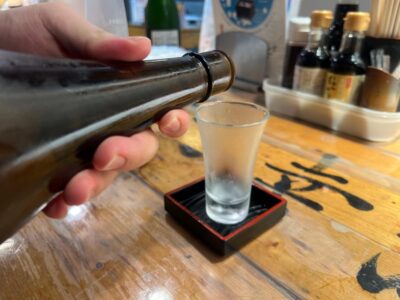
Shinjuku Food Tour (15 Dishes and 4 Eateries)
Read our review →
Best of Shinjuku: Izakaya Food Tour (4 Stops, 14+ Tastings)
Read our review →
Hungry Osaka Street Food Tour:15 Tastings & 3 Drinks with a Local
Read our review →
Browse the lists this tour appears in