
REVIEW · FOOD MARKET TOURS
Tokyo: Tsukiji Fish Market Food and Walking tour
Tsukiji is easy to enjoy and surprisingly easy to mishandle. The lanes are packed with seafood, fruit, omelets, fried fish cakes, sushi ingredients, and small shops, but choosing the right stop can feel like guesswork. This two-hour walk puts a local guide beside you, with no forced tasting menu.
I like the pay-as-you-go format, since you choose only the dishes you want. I also like the small-group limit of 10 and the flexible pace, which lets a guide such as Rie, Haydn, Minori, or Shino adjust the walk to your interests. The drawback is simple: food and drinks are not included, and you need cash in yen for your purchases.
In This Review
- Key points to know before you book
- Why Tsukiji works better with a guide
- Starting at Tsukiji Hongwanji Temple
- Entering Tsukiji Fish Market for about one hour
- Tsukiji Jogai Market and the final 30 minutes
- What the $30 price really covers
- The best fit for this market walk
- What the strongest guide-led moments have in common
- Practical details that can make the morning better
- Should you book the Tsukiji food tour?
- FAQ
- How long does the Tsukiji food and walking tour last?
- What is included in the tour price?
- Are food and drinks included?
- How much food money should I bring?
- Where does the tour begin?
- Where does the tour end?
- Is the tour conducted in English?
- How many people can join the tour?
- Is the tour accessible by public transportation?
- Can I cancel for a full refund?
Key points to know before you book
- Your food bill is separate: The $30 tour price covers the guide and market walk, but you pay for every sample or meal you choose.
- The tour begins at a temple: Tsukiji Hongwanji Temple takes about 30 minutes before the group reaches the market.
- You get help with market choices: Guides point out worthwhile stalls, local ingredients, and places that may charge less than the most obvious tourist-facing counters.
- The walk covers three connected stops: Expect Tsukiji Hongwanji Temple, Tsukiji Fish Market, and Tsukiji Jogai Market in about two hours.
- Small groups matter here: The maximum group size is 10, useful in narrow, crowded market lanes.
- Bring roughly 10,000 yen if you want to taste freely: The exact amount you spend depends on what you order, but one food-focused review specifically advised carrying this much.
Why Tsukiji works better with a guide
Tsukiji is not just one fish market building. The experience includes a temple, the fish-market area, and Tsukiji Jogai Market, where shops and food counters crowd the streets. You can walk around on your own, but a guide gives the visit shape and helps you spend your limited time well.
I like that this is not built around a fixed set menu. You are not paying for food you do not want, and you are not pushed toward one narrow tasting list. If you love seafood, you can direct your spending there. If you prefer fruit, Japanese omelets, fried fish cakes, or other local foods, you can follow those interests instead.
That freedom has a tradeoff. Your final cost is less predictable than with an all-inclusive food tour. The listed price is $30 per person, but it covers the English-speaking guide and market access, not the food. Carry yen, watch your budget, and remember that the tour is more of a guided introduction than a prepaid meal.
The group can include up to 10 people. That is small enough for a guide to answer questions and keep an eye on everyone, but it is not a private tour. The flexible schedule also depends on the wishes of the group, so the pace may not be entirely your own.
More Food Market Tours in Tokyo
- Tokyo: Shinjuku Food Tour (13 Dishes at 4 Local Eateries)
★ 5.0 · 6,603 reviews - Tokyo Tsukiji Fish Market Food and Culture Walking Tour
★ 5.0 · 3,184 reviews - Tokyo: Shinjuku Food Tour (15 Dishes and 4 Eateries)
★ 4.9 · 2,033 reviews
Starting at Tsukiji Hongwanji Temple
The meeting point is the Starbucks Coffee near Tsukiji Station at 2-chome 12-8, Daiko Building 1F, in Chuo City. From there, the tour begins at Tsukiji Hongwanji Temple, known in Japanese as 築地本願寺.
The temple portion lasts about 30 minutes, and admission is included. Your guide uses this quiet opening to explain local culture and the setting before leading you toward the food market. It gives the tour a little more depth than a simple stall-to-stall eating walk.
I find this opening useful if you want cultural context before you start sampling food. A guide named Haydn was singled out for making the temple visit a peaceful and informative start, while other guides have also blended Japanese history and food customs into the stop.
Still, this is the clearest point to consider before booking. If your only goal is to eat at Tsukiji as quickly as possible, 30 minutes at a temple may feel like time taken away from the market. One less enthusiastic account made exactly this point. Read the itinerary honestly: this is a food and walking tour, not a nonstop tasting session.
Entering Tsukiji Fish Market for about one hour
The main market visit lasts about an hour. This is where the guide helps you handle the noise, crowds, small counters, and competing food smells without wasting the entire morning deciding where to begin.
The guide explains traditional ingredients used in sushi and Japanese cooking. You might see or taste fresh seafood, fruit, Japanese omelets, fried fish cakes, and other street foods. Depending on your group’s choices, you may also consider items such as sea urchin, eel, wagyu beef, or sushi. These examples come directly from the kinds of foods highlighted during the walks, but no particular tasting is guaranteed.
The freedom to choose is important here. If you already know that you want sushi, your guide can help direct you toward suitable options. If you are curious about something unfamiliar, the guide can explain what it is and encourage you to try it. Rie was especially praised for helping people try sea urchin and eel, foods they might otherwise have skipped.
I also like the practical side of the guiding. Haydn was described as helping the group judge what was worth buying and what offered a better price. Rie was also noted for pointing out places to avoid and directing the group toward similar products at lower prices. That kind of advice can quickly justify a $30 guiding fee, especially if you are buying several samples.
Do not expect a formal restaurant meal. This is a walking food experience among market stalls and counters. You will likely stand while eating, pause often, and make several small purchases instead of sitting down for one long course.
The market can be physically tiring in small ways. You will walk and stand, though the tour is described as not especially strenuous. The crowded setting also means you need to stay close to the guide and remain aware of other shoppers and workers.
Tsukiji Jogai Market and the final 30 minutes
The last part takes you through Tsukiji Jogai Market, an area filled with seafood shops, food stalls, and stores connected to Japanese cooking. This is where the tour feels most like a guided food crawl, with the guide helping you decide which counters deserve your yen.
Jogai Market is useful for browsing as well as eating. You can learn about ingredients used in sushi and other local dishes, see how many different foods are sold in one compact area, and ask questions that would be hard to answer from a self-guided walk.
The final 30 minutes pass quickly. If you stop often for food, you may not cover every lane. That is not necessarily a flaw, since stopping is the point, but you should not expect an exhaustive tour of every shop.
The guide names attached to strong experiences include Jim Allen, Benjamin, Nicolas, Joe, Yayoi, Sayaka, Shino, Minori, and Rie. The quality of the experience will depend partly on who leads your departure, but the repeated themes are clear: helpful food recommendations, an easy way through the market, and explanations of Japanese food and culture.
Shino was described as bringing a chef’s perspective and making good use of the limited time. Minori was noted for explaining local customs and directing the group to good food stops. Joe was praised for answering questions about food and culture, while Yayoi was described as energetic and clear when discussing both the market and temple.
More Walking Tours in Tokyo
- Tokyo: Imperial Palace and Shogun Historical Walking Tour
★ 5.0 · 2,251 reviews - Tokyo: Shinjuku Local Bar and Izakaya Guided Walking Tour
★ 4.9 · 1,794 reviews - Tokyo: Asakusa Walking Tour with Sensoji Temple Visit
★ 4.8 · 1,583 reviews - Tokyo: Tsukiji Fish Market Guided Walking Tour
★ 4.9 · 1,397 reviews
What the $30 price really covers
At $30 per person, this is a fairly modest price for a small-group introduction to one of Tokyo’s best-known food districts. You are paying for navigation, local explanation, and help choosing food, not for a full meal.
The value depends on how you use the guide. If you buy only one inexpensive snack, the price may feel less attractive. If you taste several foods, avoid a poor-value stall, and learn enough to return on your own, the fee becomes easier to defend.
I would budget extra money for food. One account recommended about 10,000 Japanese yen, particularly if you want to try several premium items. That is not a required spend, and the tour does not promise a specific food total, but it is a sensible cushion for a serious tasting morning.
Cash matters. Food purchases are paid separately, and cash was specifically emphasized as something to bring. The tour price itself is $30, but do not arrive assuming the entire experience is paid for already.
The free-cancellation policy is helpful if your plans change. You can cancel for a full refund up to 24 hours before the start time. Changes or cancellations made less than 24 hours in advance are not accepted for a refund.
The best fit for this market walk
This tour suits you if Tsukiji feels confusing, if you want guidance on what to taste, or if you would rather learn about ingredients than simply wander and take photos. It is also a good first stop for people who want an introduction before returning to the market alone.
Families can take part, and most people can participate. Service animals are allowed, and the meeting point is near public transportation. The tour ends back at the starting point, which makes it easier to connect with the rest of your Tokyo day.
Food lovers who dislike fixed menus will appreciate the control. You can spend more on one item you really want, or spread your money across several smaller bites. The flexible plan also gives the guide room to respond to the group instead of forcing everyone through an identical tasting list.
This may be less suitable if you want a quiet, seated meal, a private guide, or a strict focus on the fish market alone. The temple stop is part of the plan, and food costs are extra. You should also be comfortable walking and standing in busy market lanes.
What the strongest guide-led moments have in common
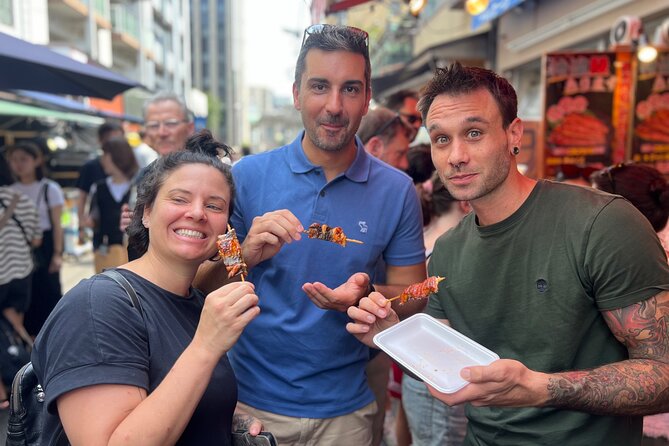
The most useful part of this experience is not simply finding food. It is knowing what you are looking at and deciding what is worth your money.
A guide can explain the role of ingredients in sushi and local cooking, identify unfamiliar foods, and help you order with more confidence. You also get a local perspective on pricing. The advice about avoiding tourist traps and finding similar products for less is especially practical.
The best guides appear to add energy without turning the market into a staged show. Rie was praised for her warmth and enthusiasm, while Jim was valued for his unusual perspective on Japanese culture. Haydn was repeatedly described as making the busy market easier to manage.
There is some variation in the experience. One less favorable account found the organization weak and wanted more detail about the market’s daily activity and history. That is a fair caution. Your experience will be shaped by the guide, the group’s interests, and how much time is spent eating versus explaining.
Practical details that can make the morning better
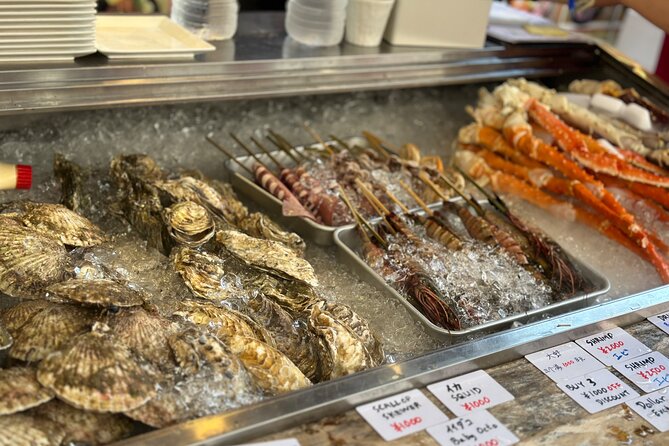
Meet at the Starbucks near Tsukiji Station, not at the market itself. Confirmation is provided when you book, and the activity returns to the meeting point.
Wear shoes suited to walking and standing. The tour is about two hours, but the market stop involves moving through busy lanes and pausing at food counters.
Bring yen. Food and drinks are not included, and cash is needed for samples and dishes. If you want to try seafood, fruit, omelet, fried fish cakes, sushi, or premium foods such as wagyu, give yourself enough spending room.
Keep your expectations flexible. The group decides what to see and try, so one departure may focus more on seafood while another spends more time on cultural explanation. That flexibility is a strength, but it means the exact food lineup is not fixed.
The mobile ticket makes the booking side simple, but it does not change the need to arrive at the stated meeting point. The tour is capped at 10 people, which helps the guide keep the group together.
Should you book the Tsukiji food tour?
Book it if you want a friendly local guide to make Tsukiji easier to understand and if you like choosing your own food. The $30 fee is reasonable when you value practical stall advice, cultural explanation, and a small group rather than a prepaid menu.
Skip it if you want only a fast seafood meal or if you prefer to explore completely alone. The temple stop takes 30 minutes, food costs extra, and the amount of historical explanation may vary by guide.
For most first-time visitors who find Japanese market food exciting but hard to decode, I would book it and bring enough yen to make the choice meaningful. Go hungry, stay flexible, and think of the tour as a guided introduction to Tsukiji, not an all-inclusive lunch.
FAQ
How long does the Tsukiji food and walking tour last?
The tour lasts approximately two hours. The temple visit takes about 30 minutes, the Tsukiji Fish Market visit takes about one hour, and Tsukiji Jogai Market takes about 30 minutes.
What is included in the tour price?
The price includes a local Japanese English-speaking guide, explanations of Tsukiji’s history and culture, and admission to Tsukiji Hongwanji Temple, Tsukiji Fish Market, and Tsukiji Jogai Market.
Are food and drinks included?
No. Food and drinks are not included. You choose what you want to eat and pay for those items separately.
How much food money should I bring?
The exact amount depends on your choices. One food-focused account advised bringing about 10,000 Japanese yen if you want to sample several items.
Where does the tour begin?
The meeting point is Starbucks Coffee near Tsukiji Station at Japan, 104-0045 Tokyo, Chuo City, Tsukiji, 2-chome 12-8, Daiko Building 1F.
Where does the tour end?
The activity ends back at the meeting point.
Is the tour conducted in English?
Yes. The tour includes a local Japanese English-speaking guide.
How many people can join the tour?
The activity has a maximum of 10 participants.
Is the tour accessible by public transportation?
Yes. The meeting point is near public transportation.
Can I cancel for a full refund?
Yes, if you cancel at least 24 hours before the experience start time. Cancellations or changes made less than 24 hours before the start time are not accepted for a refund.
More Food in Tokyo
- Tokyo Night Foodie Tour in Shinjuku – Seasonal Sushi, Wagyu Beef
★ 5.0 · 1,161 reviews - Tsukiji Fish Market: Street Food & Culture Walking Tour
★ 5.0 · 669 reviews - Tsukiji Fish Market Small-Group Food Walking Tour
★ 5.0 · 621 reviews - Best of Shibuya Food Tour
★ 5.0 · 612 reviews
More Food & Drink in Tokyo
- Best of Shinjuku: Izakaya Food Tour (4 Stops, 14+ Tastings)
★ 5.0 · 1,863 reviews - Eat and Drink Like a Local: Tokyo Ueno Food Tour-Taverns&Ramen
★ 5.0 · 957 reviews - Tokyo: Shibuya Food Tour (13 dishes and 4 Eateries)
★ 5.0 · 770 reviews - Tokyo: Tsukiji Fish Market Food and Culture Walking Tour
★ 4.7 · 757 reviews
Just added around Tokyo
- Tokyo: Customizable Private Guided Walking Tour★ 4.5 · 129 reviews
- Private Harajuku Omotesando Architecture Tour★ 4.9 · 18 reviews
- Tokyo: Guided Helicopter Ride★ 4.9 · 24 reviews
- Tokyo: Guided Walking Tour of Tsukiji Market with Lunch★ 4.4 · 24 reviews
- Tokyo: Private Personalized Local Food Tour★ 4.5 · 101 reviews
- Tokyo GINZA: KONPARU Japanese Cabaret Show with Drink★ 4.8 · 38 reviews
- Tokyo: Guided Walking Tour of Tsukiji Market with Breakfast★ 4.4 · 134 reviews
- Tokyo: Gotokuji Cat Temple, Shinjuku Cat Cafe & 3D Cat Tour★ 4.9 · 38 reviews
Food Market Tours, compared.
Shinjuku Food Tour (13 Dishes at 4 Local Eateries)
Read our review →
Tokyo Tsukiji Fish Market Food and Culture Walking Tour
Read our review →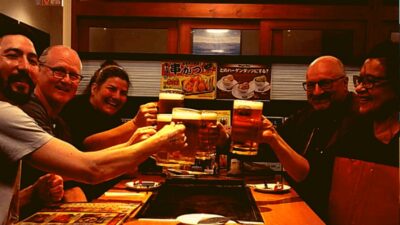
Shinsekai Food Tour with 13-15 Dishes at 5 Eateries
Read our review →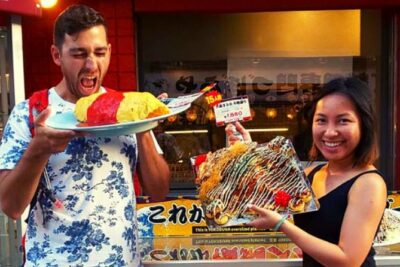
Osaka Food Tour: 13 Dishes at 5 Local Eateries
Read our review →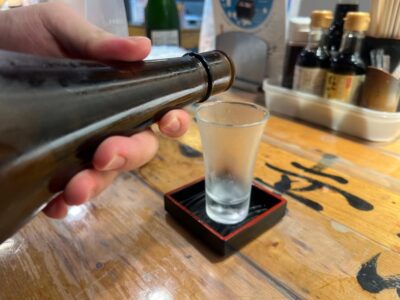
Shinjuku Food Tour (15 Dishes and 4 Eateries)
Read our review →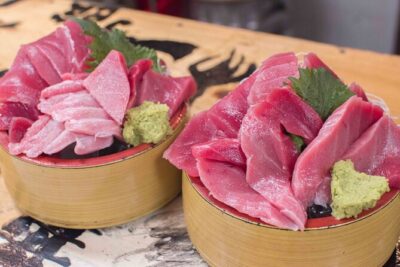
Best of Shinjuku: Izakaya Food Tour (4 Stops, 14+ Tastings)
Read our review →
Hungry Osaka Street Food Tour:15 Tastings & 3 Drinks with a Local
Read our review →
Browse the lists this tour appears in