
REVIEW · FOOD MARKET TOURS
Best of Shibuya Food Tour
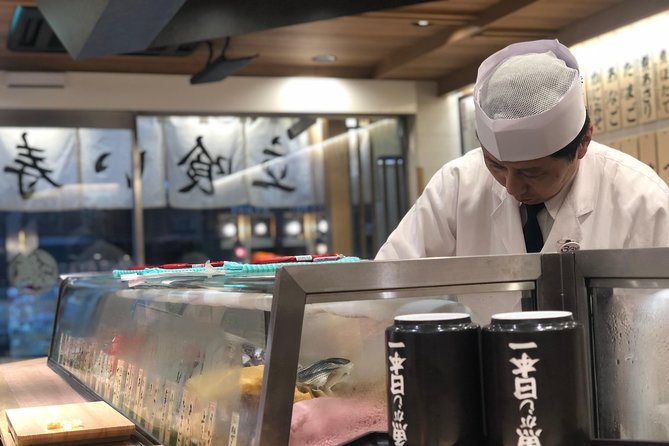
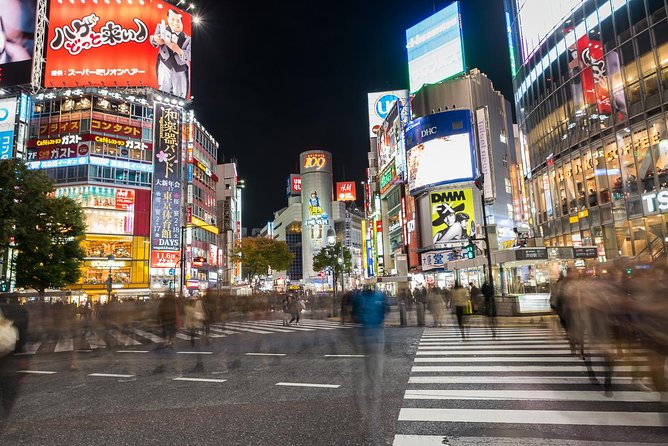
Shibuya after dark is more than the famous crossing. This three-hour walk leads you from Hachiko Square into side streets, small eateries, food halls, and neon-lit corners where the food matters more than the postcard view. You may try sushi, ramen, Hiroshima-style okonomiyaki, Wagyu beef skewers, dessert, and other regional bites.
I like the small group cap of 10, which gives guides such as Jacob, Alex, Seika, Saika, and Jane room to explain customs and adjust the pace. I also like the five-stop format, with food, dessert, and one drink included, so you can sample broadly without planning each restaurant yourself.
The main concern is price. At $217 per person, this is a costly food walk for three hours, and some meals may feel ordinary rather than exceptional. You are paying for guidance, variety, local navigation, and convenience as much as for the food itself.
In This Review
- Key points before you book
- Starting beneath the Hachiko sign at 4 p.m.
- Shibuya Center-gai reveals the first layer of the food scene
- Shibuya Crossing is a waypoint, not the whole show
- The side streets and Nonbeiyokocho add local texture
- Five food stops offer range, but not a luxury menu
- The depachika stop explains Japan’s food culture
- Guides make the difference
- Is $217 a fair price for three hours?
- Timing, pace, and practical details
- Who will enjoy this Shibuya food walk?
- Should you book the Best of Shibuya Food Tour?
- FAQ
- How long does the Best of Shibuya Food Tour last?
- Where does the tour start?
- Where does the tour end?
- How many food stops are included?
- Is the tour suitable for children?
- Can the tour accommodate dietary restrictions?
Key points before you book
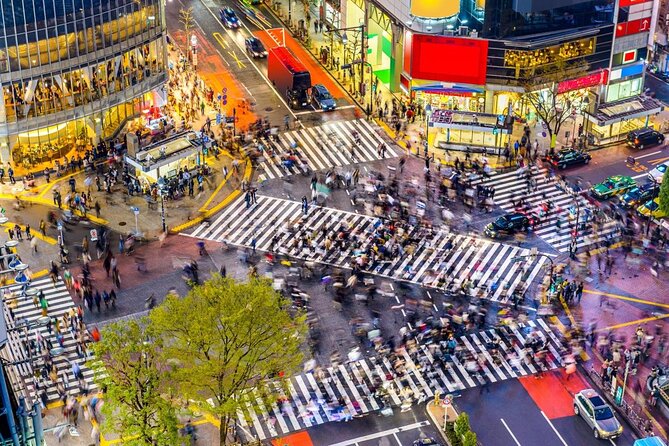
- Five food stops in three hours: Expect several small meals rather than one formal dinner, with dessert included.
- A local view of Shibuya: The route moves beyond the crossing into side streets, Nonbeiyokocho, and a basement food hall.
- Generous portions: Several menus can leave you very full, so avoid eating a large meal beforehand.
- Strong guide element: Guides including Jacob, Alex, Saika, Jane, Sandra, and Seika are praised for food knowledge, culture, language help, and personal attention.
- Family-friendly setup: Children are welcome with an adult, though children receive chicken skewers instead of beef.
- Price requires careful thought: The $217 fee includes the guide, five food stops, dessert, and one drink, but not every stop will feel premium.
Starting beneath the Hachiko sign at 4 p.m.
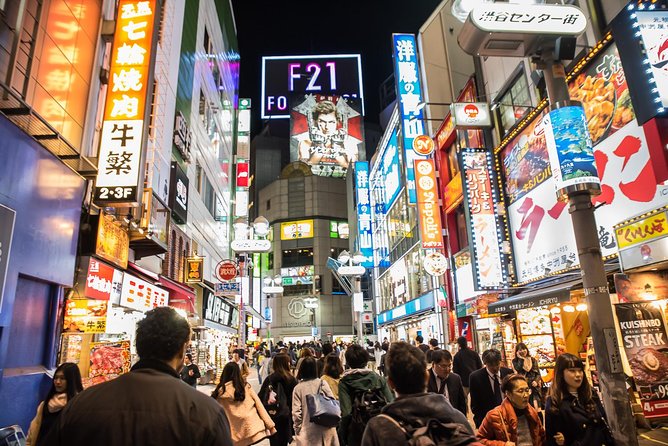
Your meeting point is in front of the Hachiko mural and statue area at Hachiko Exit, outside Shibuya Station. The stated location is Hachikō Family at 2 Chome-1 Dogenzaka, Shibuya. This is a busy area, so give yourself extra time to find the correct station exit and wall mural.
That detail matters. One person had trouble locating the meeting point because a taxi driver could not identify a wall mural. Do not rely on a driver to drop you at the exact spot. Use the station exit and allow a little time to orient yourself before the 4 p.m. start.
The tour opens with Hachiko, the famous dog associated with Shibuya, then moves past the Myth of Tomorrow mural. These first stops are brief, but they give the guide a chance to explain local customs, the neighborhood, and the meaning behind public art before the eating begins.
You are not signing up for a sit-down cultural lecture. The information comes in short pieces while you walk. That works well in Shibuya, where the streets themselves provide plenty to see, but you should expect the food and neighborhood access to be the main event.
More Food Market Tours in Tokyo
- Tokyo: Shinjuku Food Tour (13 Dishes at 4 Local Eateries)
★ 5.0 · 6,603 reviews - Tokyo Tsukiji Fish Market Food and Culture Walking Tour
★ 5.0 · 3,184 reviews - Tokyo: Shinjuku Food Tour (15 Dishes and 4 Eateries)
★ 4.9 · 2,033 reviews
Shibuya Center-gai reveals the first layer of the food scene
From Hachiko, the route heads toward Shibuya Center-gai and the area around Shibuya Crossing. The crossing is famous, but the useful part of this walk is what happens just beyond it. Your guide points out side-street restaurants and small places that are easy to pass without understanding what they offer.
The route may include regional Japanese dishes such as Hiroshima-style okonomiyaki, sushi, ramen, gyoza, chicken or beef skewers, vegetables, and other seasonal foods. The exact selection can change because restaurants have their own schedules, public holidays affect opening hours, and weather or other unexpected problems may require substitutions.
That flexibility is both practical and worth remembering. You should not book this expecting a fixed menu with every dish guaranteed. Instead, think of it as a guided tasting route through several kinds of Japanese food. The benefit is range. You can compare different styles in one evening without ordering a full meal at each stop.
Some menus are generous enough that you may finish full before dessert. If you want room for every stop, eat lightly beforehand. This is especially important because the food is served across several locations, and a bowl of ramen or a substantial okonomiyaki portion can be filling on its own.
Shibuya Crossing is a waypoint, not the whole show
The crossing receives only a moment on the formal route, but it helps you understand Shibuya’s layout. You see the district from street level, then move toward the smaller lanes and eating places that are less obvious from the main road.
Some guides also point out useful views of the crossing from above. Alex, for example, is praised for showing a good vantage point while also explaining the area. That kind of local direction can be useful if you want to return later for photographs or a more relaxed look at the intersection.
The tour is not designed as a long sightseeing walk. The walking connects the food stops, with short pauses at Hachiko, the Myth of Tomorrow mural, Center-gai, Shibuya Crossing, Shibuya 109, Mega Don Quijote, and Nonbeiyokocho. You get a taste of the neighborhood, but you should not expect extended visits inside each landmark.
The side streets and Nonbeiyokocho add local texture
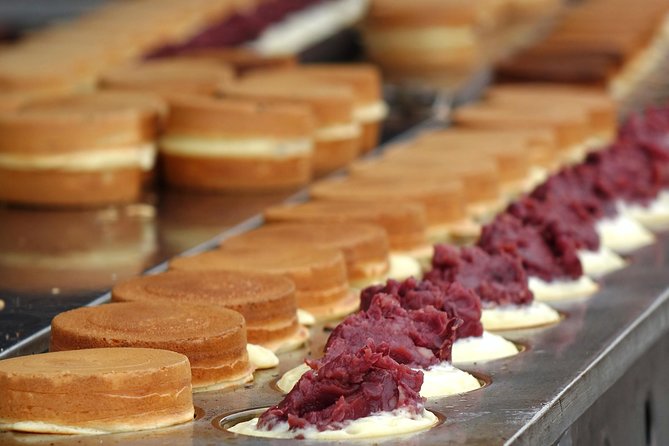
The most useful part of the route may be the turn away from the main crowds. Shibuya has a maze of narrow lanes, compact drinking spots, and small restaurants tucked above or behind larger storefronts. A guide makes these places easier to approach, especially if you are unsure how ordering, seating, or payment works in a Japanese eatery.
Nonbeiyokocho is one of the more distinctive areas on the route. Its narrow lanes and small venues offer a contrast to the giant signs and wide pedestrian flows around the crossing. The walk does not promise a long meal there, but passing through helps show how quickly Shibuya changes from major commercial center to intimate eating quarter.
This is also where guide quality matters most. Jane is praised for adjusting the walking pace to the slowest person in the group. Sandra is praised for helping a family with young children manage restroom stops and timing between venues. Those small choices can make a three-hour walk far more comfortable.
The group size, capped at 10, is a real advantage here. Tiny restaurants do not suit large tour groups, and a smaller party is less awkward when entering compact spaces. Still, the route may include venues used by other groups from the same company. If you want a completely private, spontaneous restaurant experience, this organized format may feel too structured.
Same city, a completely different kind of day:
- Mt Fuji and Hakone 1-Day Bus Tour Return by Bullet Train
★ 5.0 · 26,383 reviews - 1-Day Tokyo Bus Tour
★ 5.0 · 14,250 reviews - Tokyo: TOKYO SKYTREE® Admission ticket
★ 4.5 · 11,192 reviews - Tokyo: teamLab Planets TOKYO Digital Art Museum Entry Ticket
★ 4.6 · 9,779 reviews
Five food stops offer range, but not a luxury menu
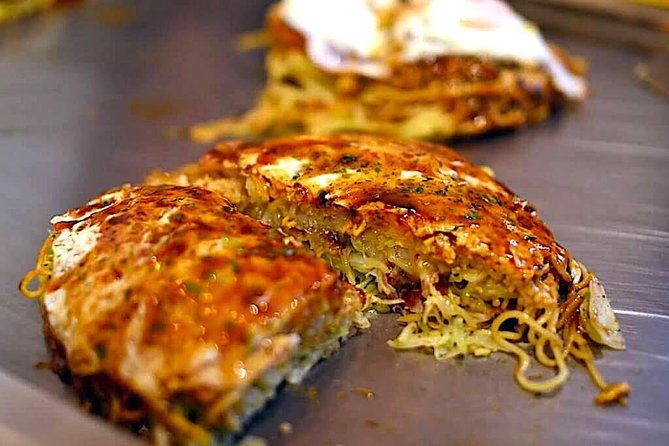
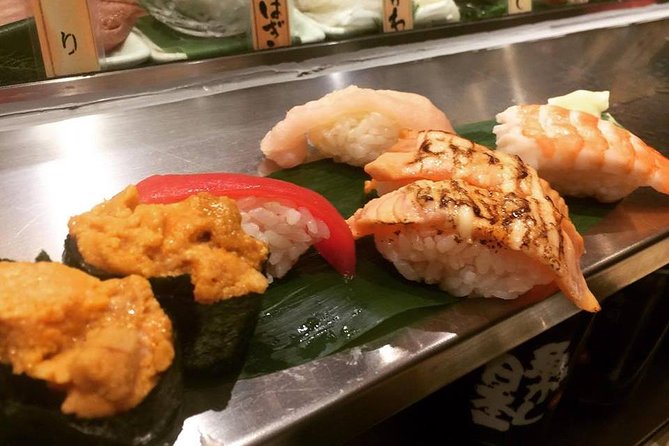
The included food is the heart of the experience. You visit five stops, with dessert and one drink included. The food can include sushi, ramen, okonomiyaki, skewers, gyoza, chicken wings, vegetables, and seasonal items. Some menus have been described as large enough to cover a full dinner.
The best feature is variety. You can taste several familiar Japanese foods in one evening and try regional styles you may not have chosen by yourself. Hiroshima-style okonomiyaki, for example, gives you a different point of comparison from other versions of the dish. Sushi provides a lighter contrast, while ramen brings a warm and filling stop to the route.
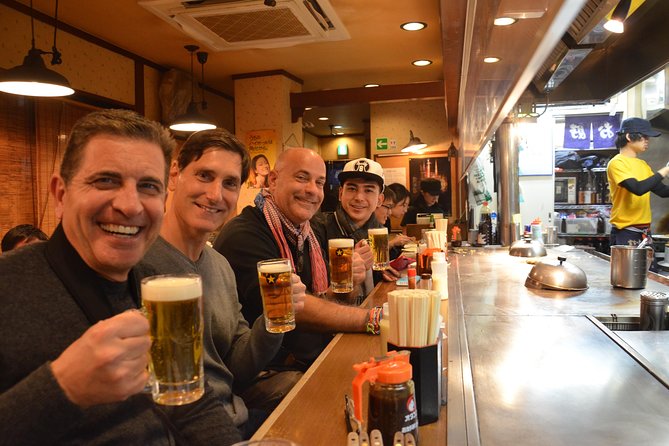
The included drink is modest but useful. Depending on the age of the participant and what the venue offers, it may help break up the food stops and give the group a moment to talk. The minimum drinking age is 21, and the tour is family-friendly, so do not assume every participant will receive an alcoholic drink.
Food restrictions need attention before you book. Vegetarian-friendly and vegan options are noted, and one guide made sure a couple received non-pork choices. That is encouraging, but the exact substitutions depend on the restaurants. Contact the operator in advance with serious allergies or strict dietary rules rather than relying on a last-minute request.
Children receive chicken skewers instead of beef. Children must be accompanied by an adult, and a copy of passport information is required for children aged 10 and above. The setup suits families who want an easy introduction to Japanese food, though young children may find three hours of walking and several food stops tiring.
The depachika stop explains Japan’s food culture
The route includes Shibuya Tokyu Food Show, a basement food hall often called a depachika. This is not simply a place to grab a snack. Department-store food halls are a practical window into Japanese presentation, gifting, seasonal products, prepared meals, sweets, and careful packaging.
You can expect a dense display of food items for sale, with the guide helping you understand what you are seeing. The stop may be especially useful if you want edible gifts or a quick look at foods that do not appear on a standard restaurant menu.
The listed ending point is the basement level beneath the station at Tokyu Department Store Honten, 2 Chome-24-1 Dogenzaka. Because the itinerary can change, confirm the final meeting details before setting up your evening plans. The endpoint is convenient for continuing around Shibuya, but hotel pickup and drop-off are not included.
Guides make the difference
The food is important, but the guide can determine whether the evening feels personal or like a sequence of meals. The most praised guides include Seika, Clara, Ray, Melissa, Jacob, Jane, Alex, Saika, Sandra, Vanessa, Daniel, Yu, and Maya.
Jacob receives especially strong praise for explaining Japanese history and speaking Japanese fluently. Alex is valued for area knowledge, food advice, and restaurant suggestions for later in the trip. Saika is praised for handling non-pork requests, while Jane is noted for her calm pace and clear explanations.
Those details point to the tour’s best use. Book it early in your Tokyo stay if you want help understanding Shibuya and ideas for later meals. A guide can explain how to season ramen, identify dishes, describe the background of a restaurant, and help you feel less uncertain about places you might otherwise skip.
Guide assignments are not guaranteed, so do not book solely because you hope for one named person. The supplied names show the range of guide styles available, not a promise that a particular guide will lead your departure.
Is $217 a fair price for three hours?
The price is $217 per person, which places this firmly in the expensive category for a food walk. The fee includes a local guide, five food stops, dessert, and one drink. It does not include hotel transfers, transportation costs, or food and drinks beyond the stated inclusions.
The value depends on how you use the experience. If you are nervous about ordering in unfamiliar places, want a compact introduction to Shibuya food, and value a guide who can explain customs, the cost buys convenience and confidence. A small group and several included tastings also make the price easier to understand.
If your priority is the highest possible food quality for every yen, the calculation is less favorable. Some people found the food average or felt the tour was overpriced, especially when comparing the included dishes with what they could order independently. Empty venues or stops shared with other groups can also make the experience feel less special.
I would view it as a guided neighborhood and food orientation, not a luxury dining experience. You are paying for access, translation help, route planning, cultural context, and the chance to sample several dishes without making separate reservations. That is useful on a first visit, but less compelling for an experienced Japan visitor who enjoys researching small restaurants.
Timing, pace, and practical details
The tour begins at 4 p.m. and lasts about three hours. Starting in the late afternoon lets you see Shibuya shift toward its neon-lit evening mood, while still leaving time afterward for more exploring or a later reservation.
Expect moderate physical activity. You walk between stops, stand in busy areas, and enter restaurants that may have limited space. Wear comfortable shoes and keep your schedule flexible. The group may need to adjust the route around restaurant opening times, holidays, rain, or other changes.
Mobile tickets make entry simple, but meeting-point accuracy matters more than the ticket itself. Arrive at Hachiko Exit and find the mural rather than waiting at a general area around the station. The tour does not promise to collect late arrivals at a later food stop, so punctuality is important.
Free cancellation is available up to 24 hours before the start time for a full refund. Changes made inside that period are not accepted, and cancellations within 24 hours are not refunded. Poor weather or failure to reach the minimum group size can lead to a new date, another experience, or a full refund.
Who will enjoy this Shibuya food walk?
I would recommend this tour to first-time Tokyo visitors who want a quick, guided introduction to Shibuya. It also suits people who enjoy tasting many dishes, families with older children, and anyone who prefers not to decode restaurant menus alone.
It is a good fit for a first or second night in Tokyo because the guide can help you understand the neighborhood and suggest places for later. The tour works well for curious eaters who want more than sushi, with ramen, okonomiyaki, skewers, sweets, and food-hall browsing in one outing.
I would be cautious if you have a strict budget, expect high-end restaurants, or want a slow dinner at each stop. The route is active and social, and the food selection can change. Guests with serious dietary restrictions should ask for confirmation before booking, even though vegetarian, vegan, and some non-pork options are supported.
Should you book the Best of Shibuya Food Tour?
Book it if you want variety, guidance, and neighborhood context more than a bargain meal. The strongest reasons are the small group, the number of tastings, the side-street route, and guides who can explain food and customs in clear, useful terms.
Skip it if $217 feels hard to justify for a three-hour outing or if you prefer choosing your own restaurants. Shibuya offers plenty of independent options, and some stops may feel average rather than special.
For the best chance of enjoying it, arrive early, come hungry, tell the operator about dietary needs, and schedule it near the start of your Tokyo stay. That way, the route is not just dinner. It becomes a practical guide to eating around Shibuya for the rest of your trip.
FAQ
How long does the Best of Shibuya Food Tour last?
The tour lasts approximately three hours and begins at 4 p.m.
Where does the tour start?
The meeting point is in front of the Hachiko mural at Hachiko Exit outside Shibuya Station, at Hachikō Family, 2 Chome-1 Dogenzaka, Shibuya.
Where does the tour end?
The stated ending point is Shibuya Tokyu Food Show, at the basement level beneath the station near Tokyu Department Store Honten.
How many food stops are included?
Five food stops are included, along with dessert and one drink.
Is the tour suitable for children?
Yes. It is family-friendly, but children must be accompanied by an adult. Children receive chicken skewers instead of beef, and passport information is required for children aged 10 and above.
Can the tour accommodate dietary restrictions?
Vegan and vegetarian options are noted, and non-pork substitutions may be possible. Restaurant schedules and available dishes can change, so contact the operator in advance about specific restrictions.
More Food in Tokyo
- Tokyo Night Foodie Tour in Shinjuku – Seasonal Sushi, Wagyu Beef
★ 5.0 · 1,161 reviews - Tokyo: Tsukiji Fish Market Food and Culture Walking Tour
★ 4.7 · 757 reviews - Tsukiji Fish Market: Street Food & Culture Walking Tour
★ 5.0 · 669 reviews - Tsukiji Fish Market Small-Group Food Walking Tour
★ 5.0 · 621 reviews
More Food & Drink in Tokyo
- Best of Shinjuku: Izakaya Food Tour (4 Stops, 14+ Tastings)
★ 5.0 · 1,863 reviews - Tokyo: Tsukiji Fish Market Food and Walking tour
★ 5.0 · 1,724 reviews - Eat and Drink Like a Local: Tokyo Ueno Food Tour-Taverns&Ramen
★ 5.0 · 957 reviews - Tokyo: Shibuya Food Tour (13 dishes and 4 Eateries)
★ 5.0 · 770 reviews
Just added around Tokyo
- Tokyo: Customizable Private Guided Walking Tour★ 4.5 · 129 reviews
- Private Harajuku Omotesando Architecture Tour★ 4.9 · 18 reviews
- Tokyo: Guided Helicopter Ride★ 4.9 · 24 reviews
- Tokyo: Guided Walking Tour of Tsukiji Market with Lunch★ 4.4 · 24 reviews
- Tokyo: Private Personalized Local Food Tour★ 4.5 · 101 reviews
- Tokyo GINZA: KONPARU Japanese Cabaret Show with Drink★ 4.8 · 38 reviews
- Tokyo: Guided Walking Tour of Tsukiji Market with Breakfast★ 4.4 · 134 reviews
- Tokyo: Gotokuji Cat Temple, Shinjuku Cat Cafe & 3D Cat Tour★ 4.9 · 38 reviews
Food Market Tours, compared.
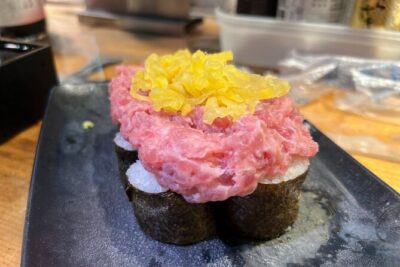
Shinjuku Food Tour (13 Dishes at 4 Local Eateries)
Read our review →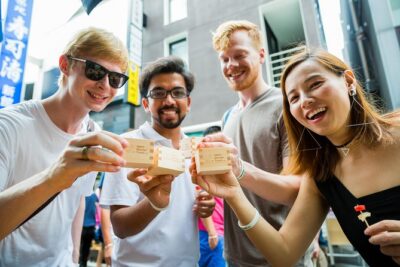
Tokyo Tsukiji Fish Market Food and Culture Walking Tour
Read our review →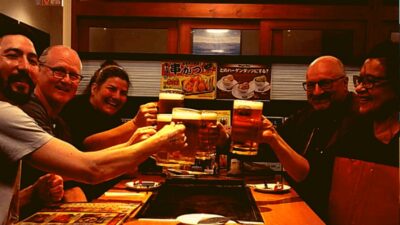
Shinsekai Food Tour with 13-15 Dishes at 5 Eateries
Read our review →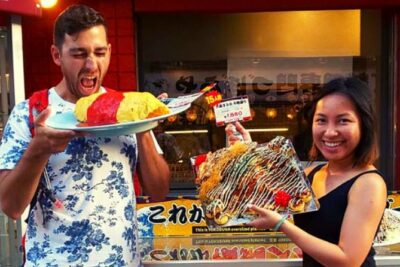
Osaka Food Tour: 13 Dishes at 5 Local Eateries
Read our review →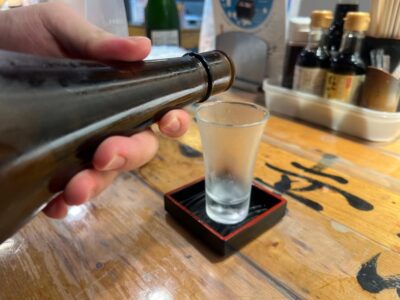
Shinjuku Food Tour (15 Dishes and 4 Eateries)
Read our review →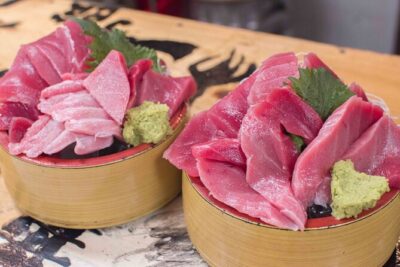
Best of Shinjuku: Izakaya Food Tour (4 Stops, 14+ Tastings)
Read our review →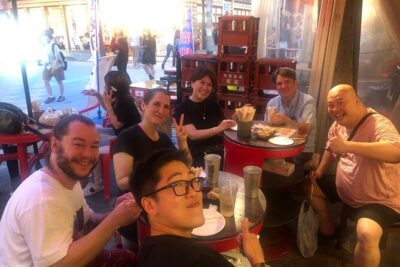
Hungry Osaka Street Food Tour:15 Tastings & 3 Drinks with a Local
Read our review →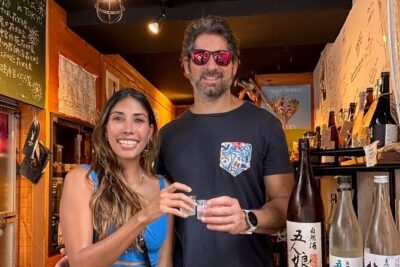
Browse the lists this tour appears in