
REVIEW · FOOD MARKET TOURS
Tokyo Tsukiji Fish Market Food and Culture Walking Tour
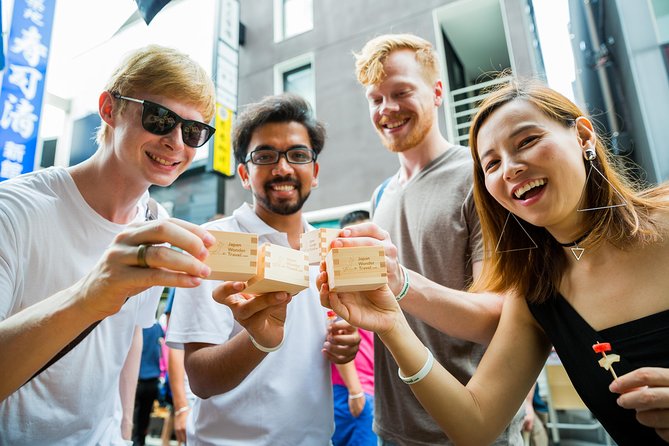
Tsukiji is the sort of place that rewards a guide. Its outer market is a maze of seafood stalls, food counters, kitchen shops, and narrow lanes, and the best bites are not always easy to spot on your own. This three-hour walk takes you from Tsukiji Honganji Temple into that maze, with tastings of dashi soup, green tea, fish cakes, Japanese omelette, seafood, fruit, and Wagyu beef.
I like two things right away. First, the food is not limited to sushi, so you get a wider picture of Japanese cooking. Second, a good guide can turn a crowded market into a lesson in daily life, explaining ingredients, customs, and the reasons top chefs shop here. Guides such as Kiyo, Naz, Shoko, Masa, and Yuki have been praised for clear explanations and friendly help with shopping.
The main caution is that this is the outer market, not the old inner wholesale market and tuna auction. If you expect a behind-the-scenes look at the former wholesale operation, you may feel let down. The experience is also less satisfying for vegetarians, people with fish allergies, or anyone who does not eat fish.
In This Review
- Key points to know before you book
- Why a guide helps at Tsukiji
- Starting at Tsukiji Honganji Temple
- Tsukiji Jogai Market: the first 90 minutes
- Food shopping, kitchen tools, and local customs
- The Old Tsukiji Market in 30 minutes
- Tsukiji Uogashi and the wholesale stalls
- Sushi or a seafood bowl to finish
- What $99.49 buys you
- Food restrictions and physical demands
- Who will enjoy this most
- Practical booking advice
- Should you book the Tsukiji food tour?
- FAQ
- Where does the Tsukiji food tour meet?
- How long does the tour last?
- What food and drinks are included?
- Is the old Tsukiji wholesale market included?
- Can the tour accommodate dietary restrictions?
- What happens if I need to cancel?
Key points to know before you book
- The meeting point is the main gate of Tsukiji Honganji Temple, not the temple’s rear entrance.
- You taste a broad range of foods, including Wagyu beef, fish cakes, omelette, seasonal fruit, sushi or a seafood bowl, and other samples.
- The old inner wholesale market is no longer the focus, so this is best understood as an outer-market food walk.
- The tour lasts about three hours and involves steady walking through crowded market lanes.
- The final meal changes by day, with either sushi or a seafood bowl served.
- The market wholesale section closes on Wednesdays, Sundays, and some holidays, which means several tastings may be unavailable on those days.
Why a guide helps at Tsukiji
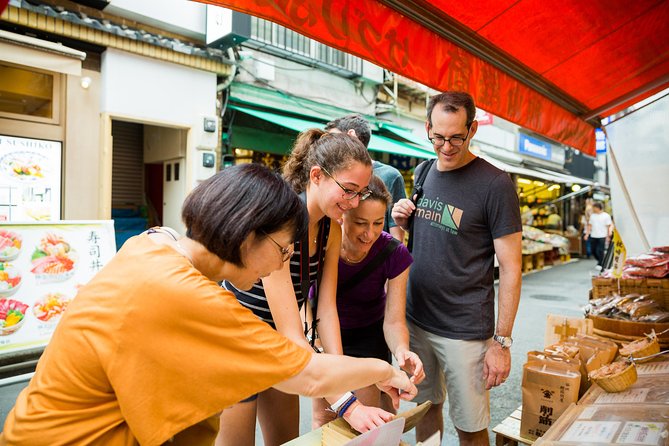
You can walk through Tsukiji Outer Market without paying for a tour. That is the obvious alternative, and it can work well if you enjoy wandering, reading signs, and making your own food choices. The trouble is that the market can feel confusing at first. Many stalls are compact, some sell ingredients rather than ready-to-eat food, and the lanes can be tight.
A guide gives the visit a clear shape. You meet outside the main gate of Tsukiji Honganji Temple, hear a little about the temple and market district, then move through the food stalls in a set order. The guide points out products you might otherwise pass, from neatly boxed uni to pufferfish in tanks and large tuna being cut for sale.
I also like the cultural side. You are not simply eating one dish after another. You learn how dashi is used, how Japanese cooks treat seasonal ingredients, and why Tsukiji remains important to professional kitchens. One guide, Shoko, has helped visitors choose cooking ingredients and explained how she uses local foods and spices at home. That kind of advice is more useful than a simple list of famous stalls.
The quality of the experience depends on the individual guide. The strongest guides bring energy, good English, and a sense of timing. A few past participants found slow stretches, waiting, or a guide who seemed too new to the job. That variation is worth keeping in mind when you decide how much you value the structure of a guided visit.
More Food Market Tours in Tokyo
- Tokyo: Shinjuku Food Tour (13 Dishes at 4 Local Eateries)
★ 5.0 · 6,603 reviews - Tokyo: Shinjuku Food Tour (15 Dishes and 4 Eateries)
★ 4.9 · 2,033 reviews - Best of Shinjuku: Izakaya Food Tour (4 Stops, 14+ Tastings)
★ 5.0 · 1,863 reviews
Starting at Tsukiji Honganji Temple
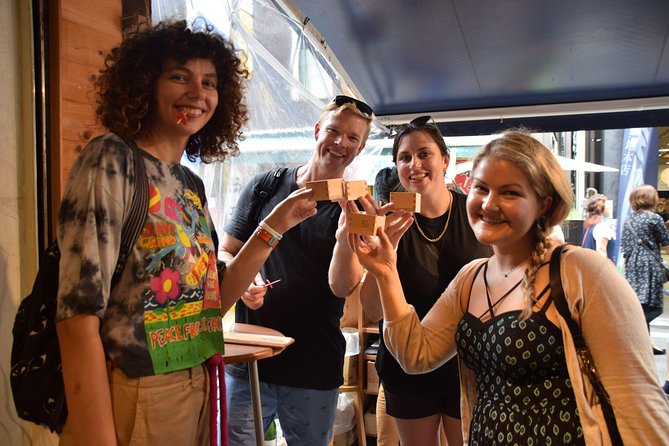
The tour begins at the main gate of Tsukiji Honganji Temple, at 3-chome-15-1 Tsukiji, Chuo City. The meeting instructions are specific for a reason: Google Maps may lead you toward the back of the temple, while the group gathers at the front gate.
Arrive early. The tour leaves sharply at the stated start time, and a late arrival does not extend the experience. There is no refund for arriving late on the day of the tour, so this is not the kind of outing where you should count on finding the guide after a quick coffee.
The temple itself gives the morning a pleasant opening. It is an important local landmark and an unexpected part of a food-focused visit. Some guides add background about the building and the area before leading you into the market. The transition works well: you begin with a quiet religious site, then step into the practical, noisy world of fish sellers and food counters.
Tsukiji Jogai Market: the first 90 minutes
The first and longest section takes place in Tsukiji Jogai Market, the outer market. Plan on about an hour and a half here. This is where the tour earns its keep if you want help finding your way around.
The market is full of seafood stalls, small food shops, ingredient sellers, and kitchen-related businesses. You may see sea urchin arranged in boxes, fish displayed for sale, pufferfish in tanks, and large Bluefin tuna being prepared. The guide explains what you are looking at and how the market developed over roughly 80 years.
The food begins early. Dashi soup and green tea offer a gentle introduction, followed by small samples that may include fish cakes, Japanese omelette, seaweed, tuna, and seasonal fruit. The exact selection can vary with the day and with which shops are open. On Wednesdays, Sundays, and other market closing days, Japanese omelette, fish cake, and fruit may not be available.
The tasting list is a major strength because it gives you contrast. Wagyu beef brings a savory, meaty bite. Fish cakes show a different texture and preparation style. Fruit provides a clean break from seafood. Sushi or a seafood bowl later gives the meal a more familiar centerpiece, but the smaller tastings are often where you learn the most.
You should not expect a full breakfast at every early stop. One particularly negative experience found the food portions too light and the tour more focused on looking and talking than eating. My advice is simple: do not arrive famished. The tour includes lunch and snacks, but the food comes in stages, and the amount depends on the day’s stops.
Food shopping, kitchen tools, and local customs
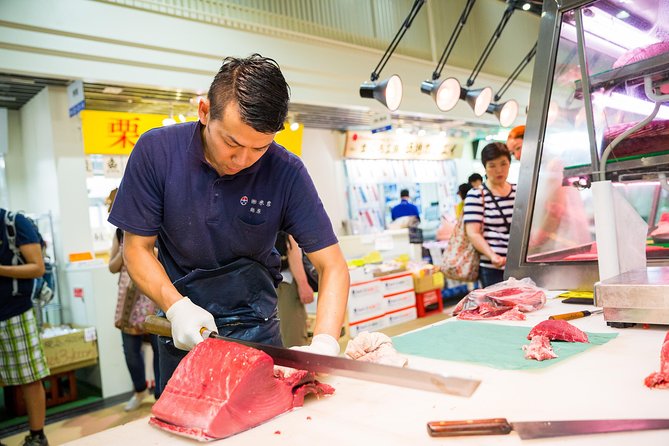
Tsukiji is not only a place to eat on the spot. It is also a practical market for buying seafood, ingredients, and kitchen goods. If you want a Japanese knife, cooking tool, spice, or packaged ingredient, tell your guide early and ask how much time the route allows for shopping.
The kitchen-tool stop is a useful touch, especially if you want a souvenir with a purpose. It also makes clear that Japanese food culture is about more than finished dishes. Knives, cutting methods, stock ingredients, serving pieces, and careful preparation all matter.
A small group helps here. The tour can hold up to 20 people, but some departures are much smaller. Groups of four or fewer are easier to hear and move through narrow lanes, and they allow more room for questions or a short shopping stop. Do not assume every departure will be private, but the maximum size is still modest enough to keep the outing manageable.
Guides have also helped with spontaneous requests, such as finding a sake tasting or an extra shop. That kind of flexibility is not guaranteed, but it is one of the practical benefits of having someone who knows the area rather than following a fixed food list alone.
More Walking Tours in Tokyo
- Tokyo: Imperial Palace and Shogun Historical Walking Tour
★ 5.0 · 2,251 reviews - Tokyo: Shinjuku Local Bar and Izakaya Guided Walking Tour
★ 4.9 · 1,794 reviews - Tokyo: Tsukiji Fish Market Food and Walking tour
★ 5.0 · 1,724 reviews - Tokyo: Asakusa Walking Tour with Sensoji Temple Visit
★ 4.8 · 1,583 reviews
The Old Tsukiji Market in 30 minutes
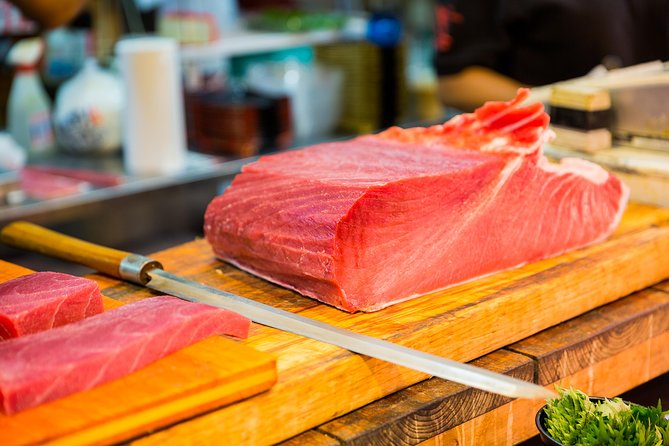
The itinerary sets aside about 30 minutes for the old Tsukiji Market area and its food stops. This section continues the tasting experience and adds more context about the market’s role in Tokyo.
The name can create confusion. The famous inner wholesale market and tuna auction moved to Toyosu, so you are not entering the former wholesale floor during this walk. Tsukiji’s outer market remains active, and it is still a strong place to see shops selling seafood and prepared foods, but the experience is different from the old auction visit many people picture.
That distinction matters when you compare this tour with a Toyosu market visit. Tsukiji is better suited to browsing, sampling, and seeing small shops close up. It feels more like a food neighborhood than an industrial wholesale facility. If your goal is the old auction atmosphere, this tour will not provide it.
The guide’s explanation helps prevent the market from becoming a string of random snacks. You learn how the area changed, why it remains a shopping destination for local cooks, and how market activity fits into Japanese food habits.
Tsukiji Uogashi and the wholesale stalls
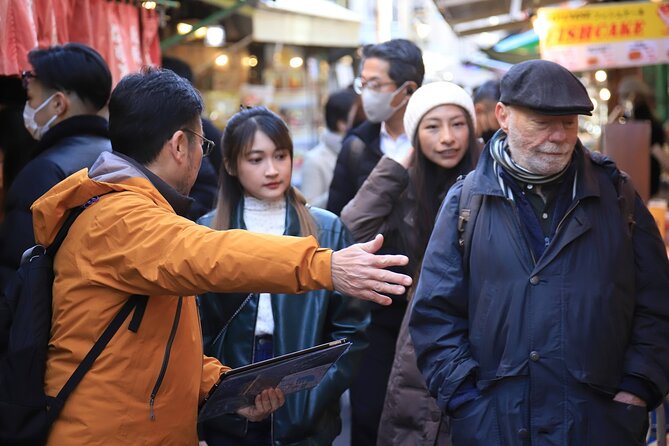
The route also passes Tsukiji Uogashi, a smaller wholesale market area where you can see a wide range of fresh fish. This stop lasts about 30 minutes when the section is open.
It is a good place to pause and look closely at the products rather than rush straight to another bite. Fish may be displayed in forms that are unfamiliar to you, and a guide can explain what you are seeing, how it is used, and what makes one cut or species different from another.
The schedule is important. Tsukiji Uogashi is closed on Wednesdays, Sundays, and holidays, along with other market closing days. When it is closed, the route and food selection change. The tour does not simply wait for the market to reopen, so book on a day when this part matters to you.
This is also where comfortable footwear becomes essential. You will be walking for most of the three hours, sometimes through crowded passages and around active stalls. Wear shoes that handle a firm walking surface, and avoid anything you would regret getting splashed or scuffed.
Sushi or a seafood bowl to finish
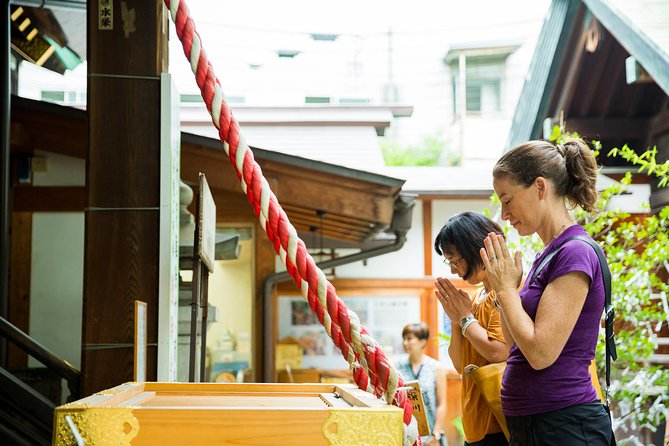
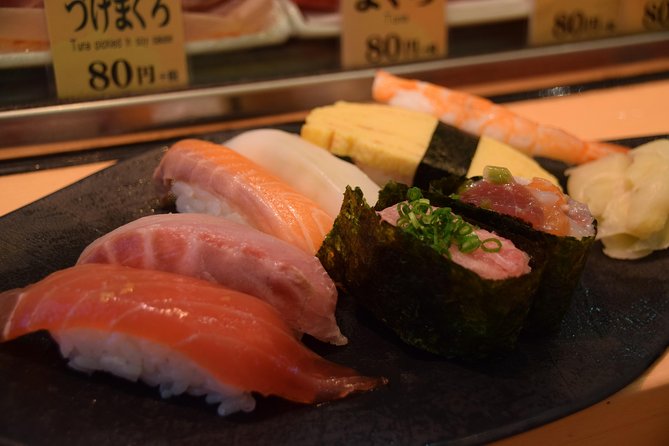
The final 30 minutes bring you to a meal of either sushi or a seafood bowl. The choice is determined by the day and time, so you should not book expecting one specific dish.
This closing meal gives the tour a proper finish. Earlier samples are useful for discovery, but the final serving gives you time to sit down, eat more slowly, and think about the ingredients you have just seen in their market form. Some guides arrange a demonstration of fish preparation, and one particularly memorable experience included watching sea bass being prepared and making sushi.
The meal is included, along with snacks, but extra food and drinks are not. If you want to continue eating after the tour, Tsukiji gives you plenty of options, though those purchases come from your own budget.
The final stop can also shape your impression of the whole outing. Most reports describe fresh, high-quality food, but one person felt the restaurant seemed too tourist-oriented and disliked having little choice at the end. If you prefer to select every restaurant yourself, a self-guided market visit may suit you better. If you value having the meal arranged and not having to make decisions in a crowded place, the fixed ending is convenient.
What $99.49 buys you
At $99.49 per person, this is not a cheap way to grab breakfast. You are paying for the guide, the route, the included tastings, the final sushi or seafood-bowl meal, and the time saved by not having to research individual stalls.
The value is strongest for a first visit to Tokyo, especially if you want food explained as you eat it. A guide can introduce ingredients that are hard to identify, help you choose products to take home, and connect the market to Japanese customs. That would be difficult to reproduce during a quick solo walk.
The value is weaker if you already know Tsukiji well, speak enough Japanese to shop comfortably, or mainly want a large meal. You can spend less by wandering the outer market and buying only what appeals to you. The tour’s purpose is guidance and context, not simply maximum food for the lowest price.
The high overall rating, listed at 4.9 from 3,184 ratings with 97 percent recommending it, suggests that the format works very well for most people. Still, the lower scores point to two real risks: the food may feel too limited if you expect a feast, and the guide’s pace and enthusiasm can vary. I would book it for the access and explanation, not because it promises unlimited sampling.
Food restrictions and physical demands
This tour is designed for people who eat fish. The operator does not accommodate vegetarian, halal, gluten-free, or allergy-related requests, and anyone who cannot eat fish should not join.
The minimum drinking age is 20. If you are under 20, an alternative drink is offered. The tour does not list hotel pickup, hotel drop-off, transportation to the meeting point, extra food, extra drinks, or personal purchases as included.
You need a moderate level of fitness. Three hours on foot can feel longer in a crowded market, particularly if you are carrying luggage or managing mobility limits. Walking shoes are recommended, and you should leave large bags behind if possible, since narrow lanes are easier to handle without extra baggage.
Who will enjoy this most
I would choose this tour if you are visiting Tokyo for the first time and want a friendly introduction to Japanese food beyond a standard sushi dinner. It also suits curious eaters who want to try unfamiliar seafood, ask questions, and understand what they are buying.
It is a good match for couples, families with adult children, and small groups who want to stay together. A guide can also help nervous eaters take small steps, as one participant who had never eaten sushi found the squid and eel especially enjoyable after giving them a try.
You may want to skip it if you dislike fixed menus, need strict dietary accommodation, or want to visit the former wholesale fish market. It is also not ideal if you expect every minute to be packed with tastings. Some sections are about watching, listening, and moving through the market.
Practical booking advice
Book a morning slot if you want the market at its most active, but remember that crowds can make walking and hearing harder. Arrive at the temple’s front gate well before the meeting time and check the date for market closures.
Free cancellation is available up to 24 hours before the start time for a full refund. Changes and cancellations inside that 24-hour window are not accepted, and local Tokyo time determines the cutoff.
The tour ends back at the meeting point, making it easy to continue around Ginza or return to the temple area afterward. Since the itinerary lasts about three hours, leave room in your day rather than scheduling a timed attraction immediately afterward.
Should you book the Tsukiji food tour?
Book it if you want an organized introduction to Tsukiji, a wide range of tastings, and a guide who can explain the market’s food and customs as you go. The strongest guides, including Kiyo, Naz, Shoko, Masa, Yuki, and others praised for warmth and clear English, can make the market far easier to understand.
Skip it if you want the old inner wholesale market, a large all-you-can-eat meal, or accommodation for dietary restrictions. For everyone else, the price is reasonable when you value local direction, included food, and the chance to notice things you would likely miss while wandering alone.
FAQ
Where does the Tsukiji food tour meet?
The meeting point is the main gate of Tsukiji Honganji Temple at 3-chome-15-1 Tsukiji, Chuo City, Tokyo. Meet at the front side of the temple, not the back side, since map directions may lead you to the wrong entrance.
How long does the tour last?
The experience lasts approximately three hours. It ends back at the original meeting point.
What food and drinks are included?
Included items may include dashi soup, green tea, fish cakes, Japanese omelette, seasonal fruit, Wagyu beef skewers, other samples, and either sushi or a seafood bowl. The final meal depends on the day and time. Lunch and snacks are included.
Is the old Tsukiji wholesale market included?
The tour visits the outer Tsukiji Market and passes through Tsukiji Uogashi when it is open. It does not provide access to the former inner wholesale market and tuna auction location, which moved elsewhere.
Can the tour accommodate dietary restrictions?
No. Vegetarian, halal, gluten-free, and allergy-related requests cannot be accommodated. You also need to be able to eat fish to join the tour.
What happens if I need to cancel?
You can cancel at least 24 hours before the experience start time for a full refund. Cancellations or changes made less than 24 hours before the start time are not accepted, and late arrivals on the day are not refundable.
More Food in Tokyo
- Tokyo Night Foodie Tour in Shinjuku – Seasonal Sushi, Wagyu Beef
★ 5.0 · 1,161 reviews - Tsukiji Fish Market Small-Group Food Walking Tour
★ 5.0 · 621 reviews - Best of Shibuya Food Tour
★ 5.0 · 612 reviews - Tokyo After 5: Authentic Japanese Food & Drink Night Tour
★ 4.5 · 560 reviews
More Food & Drink in Tokyo
- Eat and Drink Like a Local: Tokyo Ueno Food Tour-Taverns&Ramen
★ 5.0 · 957 reviews - Tokyo: Shibuya Food Tour (13 dishes and 4 Eateries)
★ 5.0 · 770 reviews - Tokyo: Tsukiji Fish Market Food and Culture Walking Tour
★ 4.7 · 757 reviews - Tsukiji Fish Market: Street Food & Culture Walking Tour
★ 5.0 · 669 reviews
Just added around Tokyo
- Tokyo: Customizable Private Guided Walking Tour★ 4.5 · 129 reviews
- Private Harajuku Omotesando Architecture Tour★ 4.9 · 18 reviews
- Tokyo: Guided Helicopter Ride★ 4.9 · 24 reviews
- Tokyo: Guided Walking Tour of Tsukiji Market with Lunch★ 4.4 · 24 reviews
- Tokyo: Private Personalized Local Food Tour★ 4.5 · 101 reviews
- Tokyo GINZA: KONPARU Japanese Cabaret Show with Drink★ 4.8 · 38 reviews
- Tokyo: Guided Walking Tour of Tsukiji Market with Breakfast★ 4.4 · 134 reviews
- Tokyo: Gotokuji Cat Temple, Shinjuku Cat Cafe & 3D Cat Tour★ 4.9 · 38 reviews
Food Market Tours, compared.
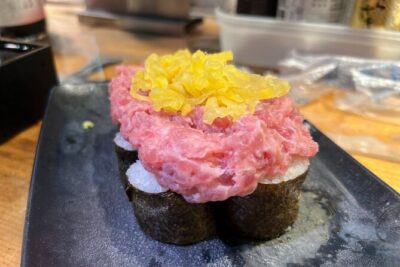
Shinjuku Food Tour (13 Dishes at 4 Local Eateries)
Read our review →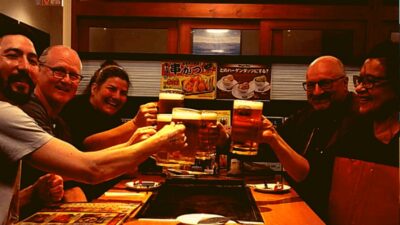
Shinsekai Food Tour with 13-15 Dishes at 5 Eateries
Read our review →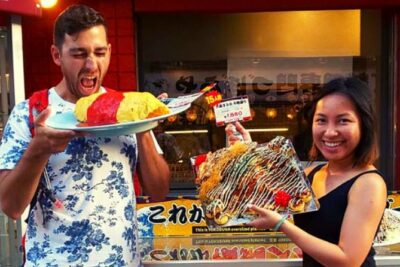
Osaka Food Tour: 13 Dishes at 5 Local Eateries
Read our review →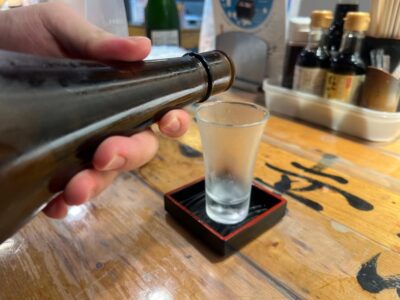
Shinjuku Food Tour (15 Dishes and 4 Eateries)
Read our review →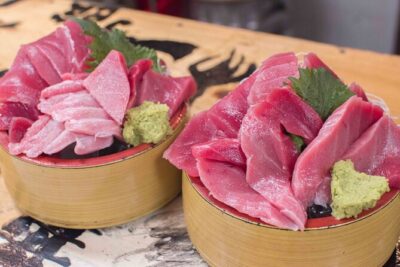
Best of Shinjuku: Izakaya Food Tour (4 Stops, 14+ Tastings)
Read our review →
Hungry Osaka Street Food Tour:15 Tastings & 3 Drinks with a Local
Read our review →
Browse the lists this tour appears in