

REVIEW · GARDEN & PALACE TOURS
Tokyo: Imperial Palace and Shogun Historical Walking Tour
Tokyo’s Imperial Palace East Gardens are free to enter, but the stones and gardens make far more sense when you know what you’re seeing. This tour connects castle foundations, massive walls, samurai power, the shogunate, and the modern Imperial family in one easy walk.
I like the small group limit of 15, which makes it easier to hear the guide and ask questions. I also like the mix of history and gardens: you get the hard military edge of Edo Castle along with the calm ponds and seasonal plantings of Ninomaru Garden.
The main caution is simple: this is a history-heavy walking tour. Some guides explain at length, and the route includes slopes, so it may feel slow if you want only a quick look at the gardens.
In This Review
- Key points to know before booking
- Why the Imperial Palace East Gardens are worth your time
- Meeting at Wadakura Fountain Park
- Through the stone gates of Edo Castle
- Standing on the old castle keep foundation
- Ninomaru Garden and the quieter side of power
- A history lesson with different teaching styles
- How much walking and time to expect
- Is $22 a fair price?
- Who should book this walk?
- Small details that make the day easier
- Should you book the Imperial Palace and Shogun Historical Walking Tour?
- FAQ
- How much does the tour cost?
- How long does the experience last?
- What places does the tour visit?
- Is admission to the East Gardens included?
- Where does the tour begin?
- Where does the activity end?
- How large is the group?
- Can most people participate?
- Can I cancel for a full refund?
Key points to know before booking
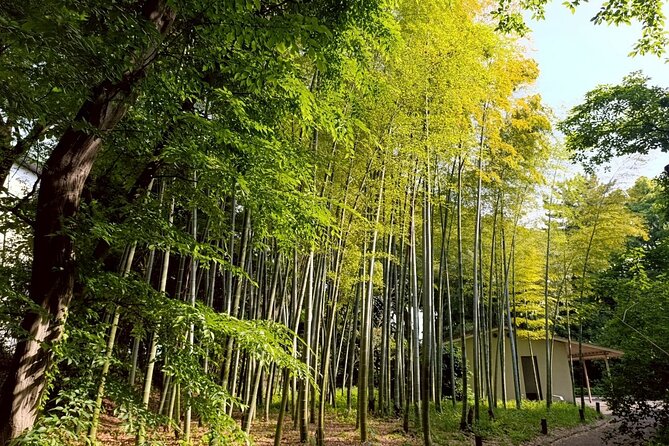
- Edo Castle ruins make the past tangible: Walk through stone gates, beside old castle walls, and onto the foundation of the former keep.
- Ninomaru Garden softens the story: Ponds, flowers, and careful design show the refined side of Edo-period culture.
- Guides shape the experience: Jim, Miguel, Tony, Izzy, Aya, and others are praised for clear storytelling, though the amount of detail can vary.
- The group stays intimate: A maximum of 15 people is small enough for questions and personal guidance.
- The gardens are free without a guide: At $22, you are paying for context, navigation, and interpretation rather than entry alone.
- Plan for a real walk: The main visit lasts about 90 minutes within a tour of roughly two hours, with slopes along the way.
Why the Imperial Palace East Gardens are worth your time
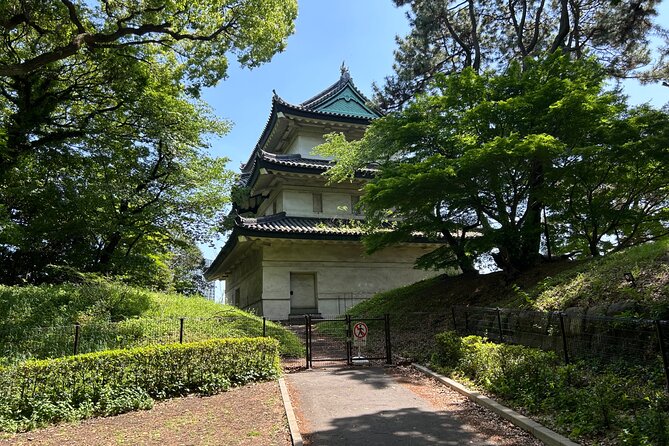
The East Gardens offer one of Tokyo’s best history lessons without putting you in a museum. You walk across the former grounds of Edo Castle, the seat of shogun power, then through gardens linked to the Imperial Palace.
That contrast is the heart of the outing. One minute you are looking at huge stone walls built to protect the castle. The next, you are beside a quiet pond or a carefully arranged garden scene. The setting helps you understand that the shogun’s world was not only about warfare. It also prized ceremony, design, poetry, horticulture, and strict social order.
I find this kind of tour especially useful early in a Tokyo visit. The guide can explain the difference between the shogun and the emperor, put the Edo period in order, and show how the old castle grounds fit into modern Tokyo. If you already know Japanese history, the walk still gives you a physical sense of scale and place that a book cannot provide.
The gardens are open to people exploring on their own, so you can certainly visit without paying for a guide. The fee here buys the story. That matters because many of the important features are easy to pass without understanding their purpose.
More Garden & Palace Tours in Tokyo
- Tokyo Castle & Imperial PalaceーShogun Walking Tour
★ 4.7 · 1,068 reviews - Tokyo: Imperial Palace Japanese History Walking Tour
★ 4.9 · 987 reviews - Tokyo: Imperial Palace and Shogun Walking Tour
★ 4.9 · 935 reviews
Meeting at Wadakura Fountain Park
The tour begins at Starbucks Coffee in Kokyo Gaien’s Wadakura Fountain Park, at 3-1 Kōkyogaien in Chiyoda City. This is a useful starting area near public transportation, but you should still allow time to find the exact meeting point.
The meeting spot is outside the main garden route, so do not assume that seeing the palace grounds from a nearby station means you are already there. Arrive early, check your mobile ticket, and keep your phone available in case the guide needs to contact you.
One poor experience came from a communication mix-up involving the meeting place and a later attempt to relocate the group. The guide was still praised once contact was made, but the delay meant part of the palace visit was lost before closing. That is a practical warning: meeting-point accuracy matters here, particularly in a large central Tokyo district.
The activity ends back at the same meeting point. That makes planning easier if you want to continue toward another central Tokyo sight, though the tour does not include transportation after the walk.
Through the stone gates of Edo Castle
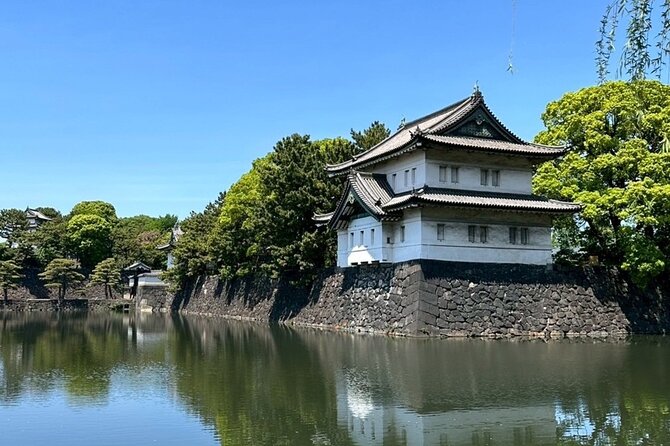
The historical portion begins with the remains of Edo Castle. Expect to walk through imposing stone gates and along sections of castle wall, with the guide explaining how these defenses supported the shogun’s authority.
The stones are the visual anchor of the tour. They are not decorative ruins placed in a separate archaeological site. They sit within the working heart of Tokyo, surrounded by modern city life and the Imperial Palace area. That setting makes the shift from feudal Japan to present-day Tokyo easier to grasp.
Your guide may discuss the shogunate, feudal lords, castle organization, and the political role of Edo. The best guides use the physical features to tell the story. A gate becomes more than an entrance. A wall becomes evidence of control, labor, status, and military planning.
Several guides receive especially strong praise for this part of the tour. Jim is described as patient and able to answer detailed questions. Tony is often singled out for explaining the Edo period, the shogunate, the emperor, and the Imperial family together. Miguel is praised for adding historical facts and links to modern Tokyo, while Izzy is noted for clear and enjoyable explanations.
The quality can depend on who leads your group. One participant found a newer guide less prepared and felt a supervising guide should have taken over. That appears to be the exception within a very high overall rating, but it is fair to know that the tour is not a recorded lecture with a fixed script.
Standing on the old castle keep foundation
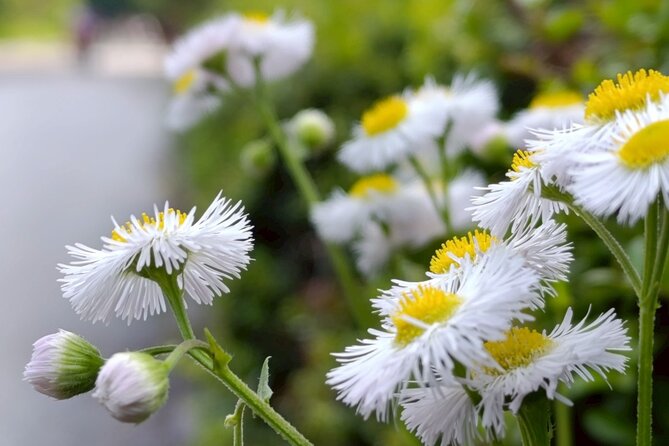
One of the strongest moments comes at the foundation of the former castle keep. You stand where the once-mighty central tower rose above Edo Castle and can picture the political importance of this site.
The foundation gives you a better sense of the castle than a surviving tower might. What remains is broad, solid, and tied to the ground. The guide can explain what the keep meant within the castle complex and how the site reflected the status of the shogun.
This is also a good place for questions. If you have wondered how the emperor and shogun fit into Japanese government, or why Edo became the center of power, this is the time to ask. A guide can connect the site to the wider story instead of leaving you with dates and names floating separately.
Do not expect access to the Imperial family’s private residence. This is a tour of the East Gardens and former Edo Castle grounds, not an interior visit to the palace. That distinction is important when setting expectations.
More Walking Tours in Tokyo
- Tokyo Tsukiji Fish Market Food and Culture Walking Tour
★ 5.0 · 3,184 reviews - Tokyo: Shinjuku Local Bar and Izakaya Guided Walking Tour
★ 4.9 · 1,794 reviews - Tokyo: Tsukiji Fish Market Food and Walking tour
★ 5.0 · 1,724 reviews - Tokyo: Asakusa Walking Tour with Sensoji Temple Visit
★ 4.8 · 1,583 reviews
Ninomaru Garden and the quieter side of power
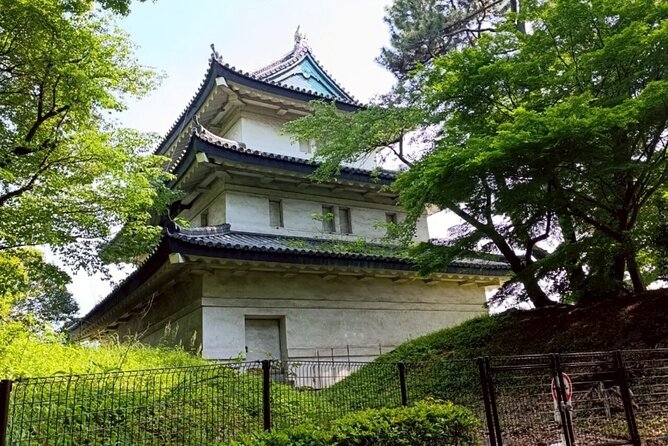
Ninomaru Garden changes the mood. After the defensive walls and castle remains, you move through a more peaceful setting with ponds, seasonal flowers, and carefully shaped garden views.
The garden reflects the artistic side of the Edo period. Its appeal is not based on one grand monument. You notice the relationship between water, plants, paths, and open space. Your guide can explain how garden design expressed taste, discipline, and an appreciation of changing seasons.
This is where the relaxed pace helps. You have time to pause, look around, and connect the garden to the political world you have just been discussing. The tour is not simply a march from one historical marker to another.
The gardens can be busy, and flowers vary with the season. You should come for the setting and the interpretation, not for a guaranteed peak bloom display. Weather also affects the experience. On a pleasant day, the open grounds are a fine break from Tokyo’s dense streets. In poor weather, the lack of indoor shelter may matter.
A history lesson with different teaching styles
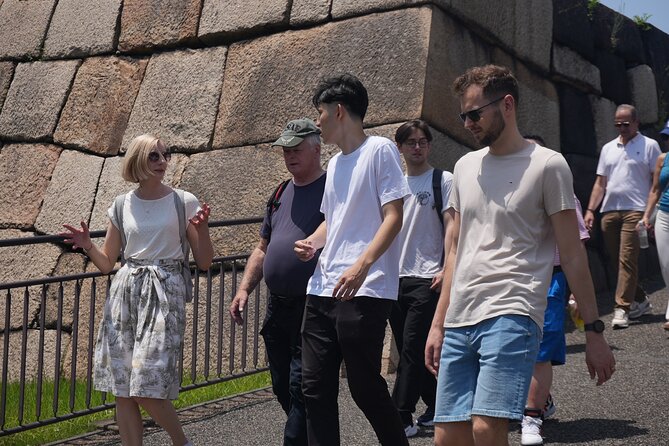
The tour’s strongest feature is its human guide. Names praised for warmth and clear explanation include Jim, Miguel, Tony, Izzy, Lasse, Michi, Blake, Dylan, and John. Aya is also praised for helping visitors connect Japanese culture to what they were seeing, though one comment associated her with Senso-ji Temple rather than this exact palace route. Guide assignments can change, so you should not book solely to guarantee one person.
Jim is often described as patient, especially when answering questions. One particularly distinctive description presents him as a history major from outside Japan who has lived in the country for 41 years, giving him an outsider-insider view of the subject. Tony is praised for linking old political systems with modern Japanese culture. Blake is described as engaging and friendly, while Michi is praised for storytelling.
The format suits you if you like asking why. Why were the walls built this way? Why did the shogun rule from Edo? What changed when Japan opened to the Western world? How does the Imperial family fit into modern Japan? The tour can address those questions in a way that a self-guided walk usually cannot.
The tradeoff is pace. One participant felt the guide repeated points and spent too long at certain stops. Another advised being ready for something close to a history class. I would treat that as an honest description rather than a flaw. If you want facts and context, the detail is useful. If you want a brisk photo walk, it may test your patience.
How much walking and time to expect
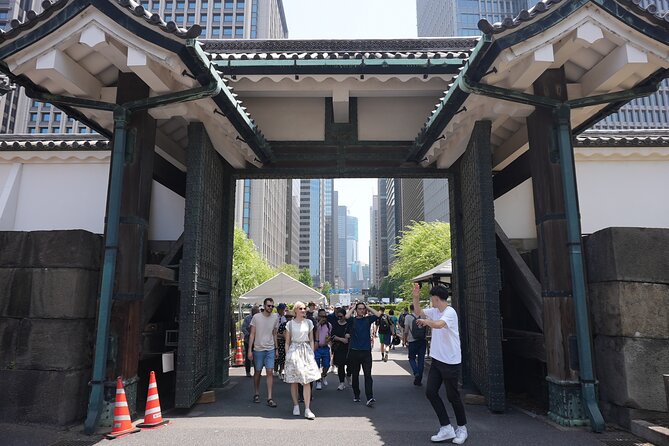
The advertised duration is about two hours, with roughly 90 minutes devoted to the East Gardens and Edo Castle remains. This is not a bus tour with frequent drop-offs. You walk between the gates, walls, former keep foundation, and garden areas.
The route includes slopes. Wear comfortable shoes and expect to remain on your feet for most of the visit. Most people can participate, but the supplied information does not promise a step-free route or special mobility arrangements. If hills or extended walking are a concern, contact the provider before booking rather than assuming the route will be easy.
The small group limit helps with movement. A guide can wait for the group to gather, answer questions, and point out details without the impersonal feel of a large coach excursion. At the same time, 15 people is not a private tour. You may need to stay close enough to hear and keep an eye on the group.
Since the activity returns to the starting point, you can leave your later plans flexible. Still, do not schedule another attraction immediately afterward. The tour is listed as approximately two hours, and walking groups can run a little longer when questions continue.
Is $22 a fair price?
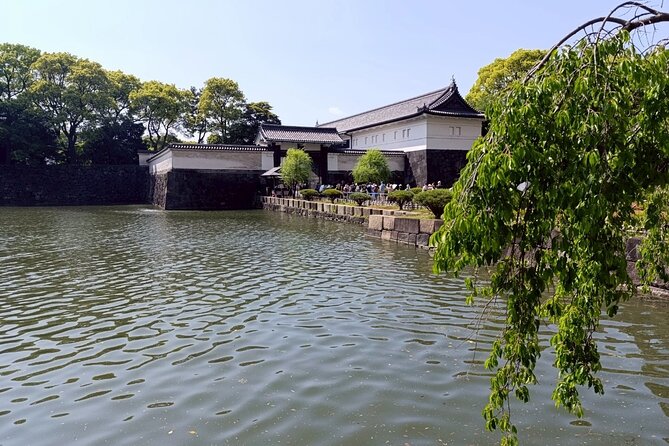
At $22 per person, the cost is modest for a guided central Tokyo experience. You are not paying for palace admission, since the East Gardens can be visited free of charge. You are paying for someone to organize the route and explain what the castle remains, gardens, and Imperial setting mean.
That is worthwhile if you want more than photographs. A free visit may show you a wall, a foundation, and a pond, but it will not automatically explain the power structure that shaped Edo or the connection between the former castle and the modern Imperial family.
The value is highest for first-time visitors to Japan, people who enjoy history, and anyone who wants a gentle introduction to Tokyo before tackling more complicated areas. It is lower for you if you already know the subject well or prefer to wander silently at your own pace.
The 99 percent recommendation figure and 5 out of 5 rating from 2,251 reviews indicate very strong satisfaction, though the comments also show why you should keep expectations realistic. Most of the praise centers on the guides’ warmth, clear history lessons, patience, and ability to make the setting meaningful. The small number of lower ratings point to meeting communication, uneven guide preparation, and occasionally overlong explanations.
Who should book this walk?
I would choose this tour for a first or second day in Tokyo if you want a clear framework for Japanese history. The Imperial Palace area can feel grand but vague without context. A guide gives you names, sequence, and meaning.
It also suits couples, solo visitors, and families with older children who can manage a 90-minute historical walk. The group size gives solo visitors a chance to meet people without committing to a long day together. One participant specifically described it as a good way to make friends.
You should think twice if your main goal is entering palace buildings. That is not what this activity provides. You should also reconsider if you dislike long explanations, have limited walking tolerance, or need a fully predictable guide style.
For the best experience, read a short overview of the shogunate, Edo period, emperor, and Japan’s opening to the Western world before you go. You do not need a history degree, but a few basic terms will help you follow the guide and ask sharper questions.
Small details that make the day easier
Bring a mobile phone with the ticket ready, and arrive before the stated start time at the Starbucks in Wadakura Fountain Park. The one serious logistical complaint involved missing the group after a meeting-point problem, so do not cut this close.
Wear shoes suited to slopes and walking on palace grounds. The gardens are open green spaces, not an indoor attraction where you can escape heat or rain at any moment.
Give yourself room after the tour. Because the walk ends where it begins and the duration is approximate, you will enjoy the outing more if you are not racing to a reservation.
Free cancellation is available if you cancel at least 24 hours before the local start time. Cancellations or changes made less than 24 hours ahead are not accepted for a refund.
Should you book the Imperial Palace and Shogun Historical Walking Tour?
Book it if you want the Imperial Palace East Gardens to tell a story rather than serve as a quick photo stop. For $22, the combination of Edo Castle ruins, Ninomaru Garden, and a guide who can connect shogun rule with the Imperial family offers solid value.
I would be most comfortable recommending it to history-minded visitors who enjoy questions and a relaxed pace. Go elsewhere, or visit independently, if you want complete freedom, minimal commentary, or palace interiors.
The best reason to book is not the free garden admission. It is the chance to look at familiar stones and gardens with a clearer idea of how power, ceremony, warfare, and beauty shaped Tokyo.
FAQ
How much does the tour cost?
The price is $22 per person.
How long does the experience last?
The tour lasts approximately two hours. About 90 minutes are allocated to the East Gardens and Edo Castle ruin area.
What places does the tour visit?
The walk visits the Imperial Palace East Gardens, Edo Castle ruins, stone gates, castle walls, the former castle keep foundation, and Ninomaru Garden.
Is admission to the East Gardens included?
Yes. An admission ticket is included, even though the gardens can also be visited free of charge independently.
Where does the tour begin?
It begins at Starbucks Coffee in Kokyo Gaien’s Wadakura Fountain Park, at 3-1 Kōkyogaien, Chiyoda City, Tokyo 100-0002, Japan.
Where does the activity end?
The tour ends back at the meeting point.
How large is the group?
The activity has a maximum of 15 travelers.
Can most people participate?
Most people can participate, and the meeting area is near public transportation. The walk includes slopes, so you should consider your walking ability before booking.
Can I cancel for a full refund?
Yes. You can cancel at least 24 hours before the local start time for a full refund. Cancellations or changes made less than 24 hours before the start are not accepted.
More Historical Tours in Tokyo
- Tokyo: Shinjuku Historical Walking Tour & Secret Backstreets
★ 5.0 · 530 reviews - Yanaka Walking Tour: Historic and Traditional District of Tokyo
★ 5.0 · 530 reviews - Mt. Fuji Heritage Tour: Traditional Villages, Lakes & Shrine
★ 4.5 · 509 reviews - From Tokyo: Nikko World Heritage Site Private Full-Day Trip
★ 4.9 · 243 reviews
Just added around Tokyo
- Tokyo: Customizable Private Guided Walking Tour★ 4.5 · 129 reviews
- Private Harajuku Omotesando Architecture Tour★ 4.9 · 18 reviews
- Tokyo: Guided Helicopter Ride★ 4.9 · 24 reviews
- Tokyo: Guided Walking Tour of Tsukiji Market with Lunch★ 4.4 · 24 reviews
- Tokyo: Private Personalized Local Food Tour★ 4.5 · 101 reviews
- Tokyo: Gotokuji Cat Temple, Shinjuku Cat Cafe & 3D Cat Tour★ 4.9 · 38 reviews
- Tokyo GINZA: KONPARU Japanese Cabaret Show with Drink★ 4.8 · 38 reviews
- Tokyo: Guided Walking Tour of Tsukiji Market with Breakfast★ 4.4 · 134 reviews
Garden & Palace Tours, compared.

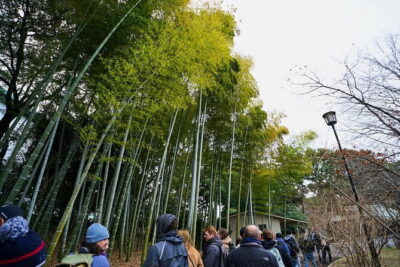
Tokyo Castle & Imperial PalaceーShogun Walking Tour
Read our review →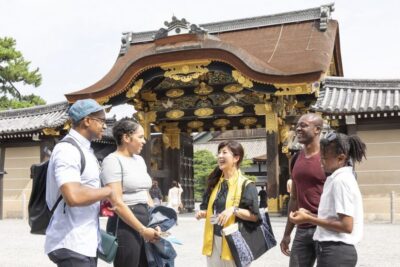
Nijo-jo Castle and Ninomaru Palace Guided Tour
Read our review →

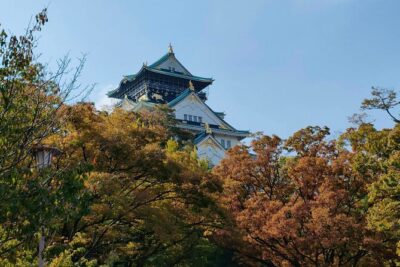
Ultimate Osaka Walking Tour: Castle, Dotonbori & Hidden Gems
Read our review →Tokyo Castle & Imperial PalaceーShogun Walking Tour
Read our review →
Nijo Castle, Kiyomizu & Fushimi Inari Guided Tour
Read our review →Browse the lists this tour appears in