

REVIEW · GARDEN & PALACE TOURS
Tokyo: Imperial Palace and Shogun Walking Tour
The most revealing part of Tokyo’s Imperial Palace is not a grand royal room. It is the stonework. At Ote-Mon Gate, the old guardhouses, moats, and huge walls show how carefully the Tokugawa shoguns protected their seat of power. The gardens look peaceful now, but this was once Edo Castle, the center of Japanese government for more than two centuries.
I like the way this tour links samurai-era politics with modern Tokyo, instead of treating the palace as a pretty park. I also like the calm of Ninomaru Garden, where koi glide through ponds beside carefully planted trees and flowers. The main consideration is pace: two hours gives you a useful introduction, but not a long, unhurried look at every corner of the East Gardens.
In This Review
- Key points at a glance
- Meeting at Wadakura Fountain Park
- Ote-Mon Gate reveals Edo Castle’s defenses
- The palace grounds connect old rule with modern Japan
- Hyakunin Bansho Guardhouse adds a human scale
- Fujimi-yagura and the old view across Edo
- East Gardens offer a quiet break in central Tokyo
- Ninomaru Garden is the tour’s peaceful center
- The guides make the $16 price worthwhile
- What this tour does not provide
- Who should book this Imperial Palace walk
- Should you book it?
- FAQ
- How long is the Imperial Palace and Shogun Walking Tour?
- Where is the meeting point?
- What language is the tour offered in?
- Which places are included?
- Is the tour wheelchair accessible?
- Can I cancel or pay later?
Key points at a glance
- See where Tokugawa power was held: Walk through the former grounds of Edo Castle and learn how the shogunate controlled Japan.
- Decode the castle defenses: Ote-Mon Gate, moats, guardhouses, and giant stone walls make more sense with a guide explaining their purpose.
- Spend time in Ninomaru Garden: This is the prettiest and quietest part of the route, with seasonal plants and koi-filled ponds.
- Hear history in plain English: Guides including Tony, Blake, Jim, Embla, Miguel, and Thomas are praised for clear explanations and lively conversation.
- Get useful Tokyo advice: Several guides also offer suggestions for food, nearby sights, and the rest of your Japan trip.
- Pay little for a useful introduction: At $16 per person, the tour costs less than many guided city activities and adds context you would likely miss alone.
Meeting at Wadakura Fountain Park
The tour begins in front of Starbucks Coffee at Kokyo Gaien Wadakura Fountain Park. The meeting point coordinates are 35.6830391, 139.7614181, so save them before leaving your hotel. The route returns to the same Starbucks after about two hours.
This is a sensible starting place. You are near the open spaces around the Imperial Palace, rather than being dropped directly into a maze of city streets. Still, central Tokyo has plenty of large stations and multiple palace-side approaches, so allow time to find the meeting point. Your guide is expected to speak English, and the tour is listed as wheelchair accessible.
The activity is a walking tour, not a private palace-room visit. That distinction matters. The focus is the Imperial Palace East Gardens and the surviving remains of Edo Castle, with the guide explaining what once occupied the site.
More Garden & Palace Tours in Tokyo
- Tokyo: Imperial Palace and Shogun Historical Walking Tour
★ 5.0 · 2,251 reviews - Tokyo Castle & Imperial PalaceーShogun Walking Tour
★ 4.7 · 1,068 reviews - Tokyo: Imperial Palace Japanese History Walking Tour
★ 4.9 · 987 reviews
Ote-Mon Gate reveals Edo Castle’s defenses
Ote-Mon Gate gets the tour moving with a clear lesson in military design. The gate was an important entrance to Edo Castle, and its walls and controlled approach show that visitors did not simply stroll into the shogun’s residence.
The guide spends about 10 minutes here. That may sound brief, but it is enough time to explain why gates were built in stages, how defenders could control movement, and why the heavy stone walls were more than decoration. Once you understand the basic defensive plan, the rest of the walk becomes easier to read.
I find this kind of explanation especially useful in Tokyo. Without it, you might see large blocks of stone, a moat, and an old gate, then move on. With context, you begin to notice how the castle used distance, height, corners, and narrow access points to protect its center.
The palace grounds connect old rule with modern Japan

The next stop is the Tokyo Imperial Palace area, with about 15 minutes of guided sightseeing. The palace remains a working symbol of Japan’s imperial household, while the East Gardens preserve parts of the former shogun’s castle complex.
The important point is the change in power. For much of the Edo period, the Tokugawa shoguns governed from Edo Castle, even though the emperor remained a central figure in Japan’s political tradition. The tour uses the grounds to explain the shift from feudal rule toward modern Japan.
This is one of the strongest reasons to book a guide. Dates and names can become a blur when you are standing among ruins. A good guide gives the site a sequence: samurai government, Tokugawa rule, political change, and the modern city built around the old center.
Several guides receive special praise for making this connection clear. Tony is repeatedly described as organized, friendly, and good at linking Japanese history to Tokyo’s present-day street plan and daily life. Jim Allen is also praised for making the subject interesting for families and teenagers, while Blake is noted for using imaginative stories to bring the gardens to life.
Hyakunin Bansho Guardhouse adds a human scale

The route then reaches Hyakunin Bansho Guardhouse for about 10 minutes. This stop shifts attention from rulers and walls to the people who guarded the castle.
A guardhouse helps you picture the working side of Edo Castle. The palace was not only a residence or political stage. It required layers of staff, soldiers, officials, and strict procedures. The name and function of the guardhouse give the tour a more practical feel, showing how daily security supported the shogun’s authority.
This is also a good point to ask questions. The guides are often praised for being approachable and patient, so you can ask about samurai life, the castle system, or how the old political order affected ordinary people. The quality of a short walking tour depends heavily on this interaction, and the available guide team appears to put real effort into it.
More Walking Tours in Tokyo
- Tokyo Tsukiji Fish Market Food and Culture Walking Tour
★ 5.0 · 3,184 reviews - Tokyo: Shinjuku Local Bar and Izakaya Guided Walking Tour
★ 4.9 · 1,794 reviews - Tokyo: Tsukiji Fish Market Food and Walking tour
★ 5.0 · 1,724 reviews - Tokyo: Asakusa Walking Tour with Sensoji Temple Visit
★ 4.8 · 1,583 reviews
Fujimi-yagura and the old view across Edo
Fujimi-yagura receives roughly 15 minutes. This is a surviving castle tower structure, and its name is associated with views toward Mount Fuji. The tour uses it to explain the role of castle towers and the importance of height in a fortified compound.
You should not book this activity expecting an open climb or a dramatic modern observation deck. The appeal is the surviving structure itself and the chance to understand how the castle once functioned. The guide helps you picture the larger complex, much of which no longer remains.
This is where the massive stone walls become most interesting. Construction was not just a matter of stacking rocks. Wall size, placement, and angles all helped protect important areas. I like that the tour treats the masonry as evidence, not background scenery.
The site also gives you a sense of scale. Edo Castle was not a small compound with one impressive building. It was a vast political and military center, and the remaining foundations and walls hint at its former reach.
East Gardens offer a quiet break in central Tokyo

The Imperial Palace East Gardens receive about 30 minutes, making them one of the main sections of the walk. This is where the mood changes. After gates, guardhouses, and military defenses, you move through open garden space with old foundations and planted areas.
The gardens are attractive in different seasons, although the exact flowers and colors will depend on when you visit. You might find spring blossoms, summer greenery, autumn foliage, or a more restrained winter scene. The appeal is not only floral. The gardens place carefully maintained plantings beside castle remains, so beauty and power share the same ground.
This is the part I would especially value after a busy morning in Tokyo. The palace grounds provide a break from traffic and tall buildings without taking you far from the center. One guide even builds in a short chance to sit and buy a drink from a vending machine, a practical touch during warm or tiring weather.
Expect to walk outdoors for the full tour. Wear comfortable shoes and consider carrying water. Rain can affect the experience, although guides have been praised for handling poor weather and, in one case, lending an umbrella. Those details do not eliminate the need to check the forecast, but they suggest a prepared and considerate approach.
Ninomaru Garden is the tour’s peaceful center
Ninomaru Garden receives about 30 minutes, the longest single stop on the route. This is the place to slow down and enjoy the contrast between the former seat of the shogunate and the quiet garden seen today.
The garden includes ponds with koi, landscaped paths, and seasonal plantings. The fish are an easy visual highlight, especially when they move through still water beneath the trees. Yet the larger value is the setting. You are looking at a garden within a former center of political control, not an isolated public park with no connection to the past.
Your guide can explain how garden design, status, and leisure fit into the world of the shoguns. Listen for the small links between the physical setting and the political one. A garden might appear purely decorative, but at a castle it was also part of the life of the ruling class.
Ninomaru is likely to be the most attractive photo stop, but do not rush it. The tour has a fixed two-hour length, and the guide needs to keep the group moving. If you want to study every plant, pond, or stone detail at length, an independent return visit would suit you better. For a first visit, 30 minutes gives you enough time to appreciate the space without losing the rest of the route.
The guides make the $16 price worthwhile
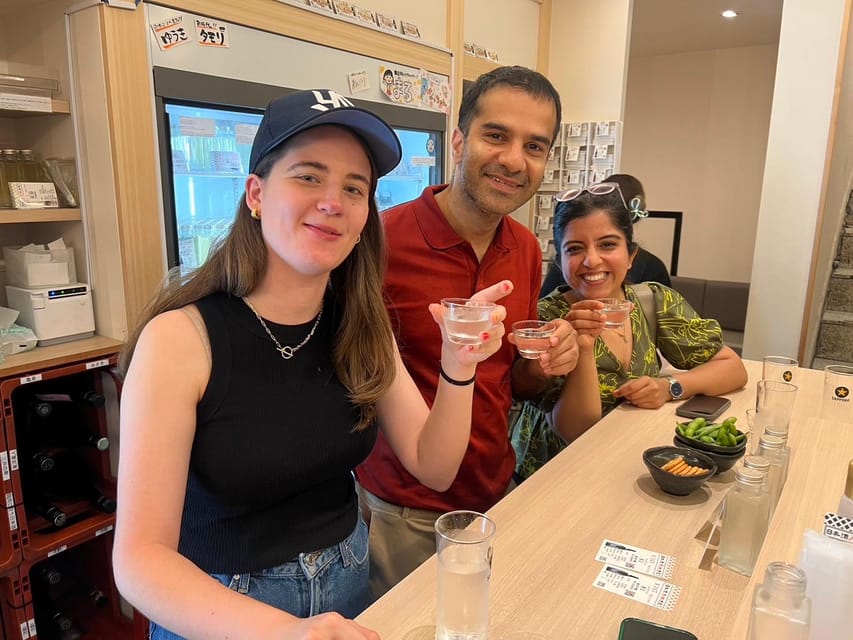
At $16 per person, this is a low-cost way to put the Imperial Palace East Gardens into context. Entry to a historic site can be interesting on its own, but the main value here comes from knowing what you are looking at.
A guide can explain why one gate mattered, how the shogunate operated, and why the castle ruins still matter to Tokyo. Without that background, the East Gardens could become a pleasant walk with scattered stones. With it, the same stones become traces of a government that shaped Japan for generations.
The guide team includes Tony, Blake, Jim, Embla, Miguel, Thomas, Dylan, Lasse, Mayumi, Manny, and others. You cannot assume which guide you will receive, but the available feedback points to a consistent pattern: clear English, friendly manner, good pacing, and willingness to answer questions.
Tony is especially noted for broad explanations that move from the Edo period to present-day Japan. Blake is praised for patience, humor, and a well-judged pace. Jim Allen is singled out for helping younger visitors stay interested. Embla receives praise for her grasp of Edo Castle and the surrounding gardens, while Miguel is described as easygoing and good at sharing unusual facts.
Some guides also offer recommendations beyond the palace. You might get suggestions for nearby food or ideas for the rest of your time in Tokyo and elsewhere in Japan. That is not the central purpose of the tour, but it adds useful value at the start of a trip.
What this tour does not provide
The tour does not promise access to the inner palace buildings or a private audience with the imperial household. Its sights are the East Gardens, castle remains, gates, walls, guardhouses, Fujimi-yagura, and Ninomaru Garden.
It is also not a full study of Japanese history. Two hours can introduce the Tokugawa shogunate and the move toward modern Japan, but it cannot cover every war, ruler, religious tradition, or social change. Think of it as a strong orientation, not a complete history course.
The pace may feel fast if you like to stop for extensive photography. Families and first-time visitors should find the length manageable, while anyone seeking a long garden stroll may want additional free time afterward.
Who should book this Imperial Palace walk
I would recommend it to first-time Tokyo visitors, history lovers, families, and anyone who wants to understand why the Imperial Palace occupies such an important place in the city. It is also a good early-trip activity because guides may help you connect the past with other places you plan to see.
The tour suits you best if you enjoy listening while walking and asking questions along the way. It is less suitable if you want to explore alone, linger at every pond, or spend most of the time taking photographs.
The wheelchair-accessible listing is helpful for visitors who need that feature, though the activity remains an outdoor walking route and individual mobility needs can vary. Ask the operator for current route details if you need specific assistance.
Cancellation is free up to 24 hours before the start time, and you can reserve now while paying later. Starting times vary, so check availability before planning the rest of your day.
Should you book it?
Book this tour if you want the Imperial Palace East Gardens to make sense, rather than simply look nice. At $16, the combination of Ote-Mon Gate, castle defenses, Ninomaru Garden, koi ponds, and an English-speaking guide is strong value.
I would skip it only if you already know Edo Castle’s history well or prefer to explore gardens at your own speed. For most first visits, the guide’s explanations are the difference between seeing old walls and understanding the power they once protected.
FAQ
How long is the Imperial Palace and Shogun Walking Tour?
The tour lasts two hours. It begins and ends at Starbucks Coffee in Kokyo Gaien Wadakura Fountain Park.
Where is the meeting point?
Meet in front of Starbucks Kokyo Gaien at coordinates 35.6830391, 139.7614181.
What language is the tour offered in?
The tour is conducted in English by a live English-speaking guide.
Which places are included?
The route includes Ote-Mon Gate, the Tokyo Imperial Palace area, Hyakunin Bansho Guardhouse, Fujimi-yagura, the Imperial Palace East Gardens, and Ninomaru Garden.
Is the tour wheelchair accessible?
Yes. The activity is listed as wheelchair accessible.
Can I cancel or pay later?
You can cancel up to 24 hours in advance for a full refund. The reserve-now, pay-later option lets you book without paying immediately.
Just added around Tokyo
- Tokyo: Customizable Private Guided Walking Tour★ 4.5 · 129 reviews
- Private Harajuku Omotesando Architecture Tour★ 4.9 · 18 reviews
- Tokyo: Guided Helicopter Ride★ 4.9 · 24 reviews
- Tokyo: Guided Walking Tour of Tsukiji Market with Lunch★ 4.4 · 24 reviews
- Tokyo: Private Personalized Local Food Tour★ 4.5 · 101 reviews
- Tokyo GINZA: KONPARU Japanese Cabaret Show with Drink★ 4.8 · 38 reviews
- Tokyo: Guided Walking Tour of Tsukiji Market with Breakfast★ 4.4 · 134 reviews
- Tokyo: Gotokuji Cat Temple, Shinjuku Cat Cafe & 3D Cat Tour★ 4.9 · 38 reviews
Garden & Palace Tours, compared.

Imperial Palace and Shogun Historical Walking Tour
Read our review →
Tokyo Castle & Imperial PalaceーShogun Walking Tour
Read our review →
Nijo-jo Castle and Ninomaru Palace Guided Tour
Read our review →
Ultimate Osaka Walking Tour: Castle, Dotonbori & Hidden Gems
Read our review →Tokyo Castle & Imperial PalaceーShogun Walking Tour
Read our review →
Nijo Castle, Kiyomizu & Fushimi Inari Guided Tour
Read our review →Browse the lists this tour appears in