
REVIEW · TEMPLE & SHRINE TOURS
Mt. Fuji Heritage Tour: Traditional Villages, Lakes & Shrine
Mt. Fuji is the star here, but the best part of this day is how many different sides of the mountain you see. In one outing, you move from a thatched-roof village and flower park to a shrine, pagoda, and clear spring ponds. I like the excellent range of stops and the fact that admission, transport, parking, a driver, and a guide are included for $50.
I also like the careful pacing. Guides such as Sia, Kazi, Wanting, Alex, and Rachel have been praised for clear meeting instructions, firm timing, and kind help with families. The main catch is the long day and heavy traffic, especially on weekends and holidays. Mt. Fuji may hide behind clouds, and the return to Tokyo can run late.
In This Review
- Key points to know before booking
- Why this $50 Fuji day trip offers good value
- The long ride from Tokyo to Mt. Fuji
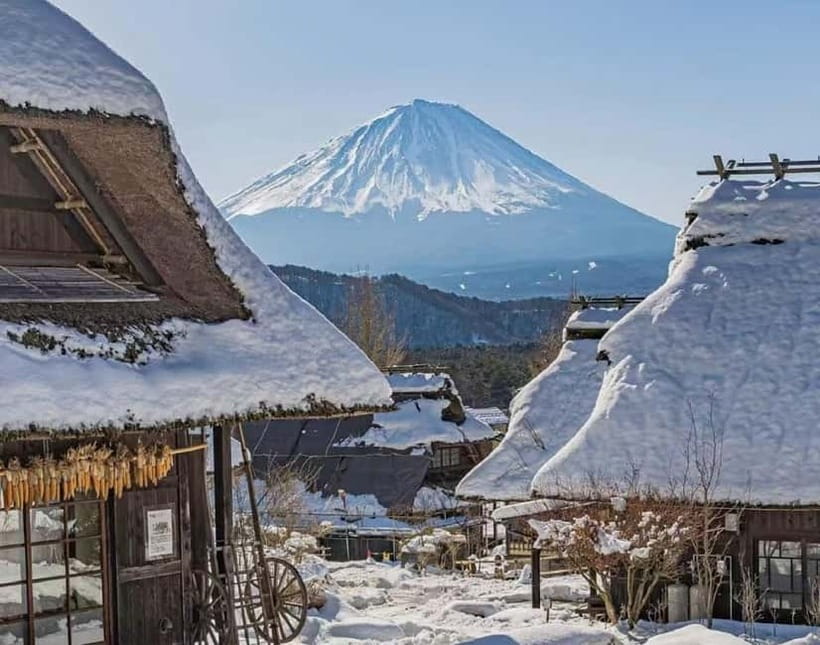
- Saiko Iyashi no Sato Nenba and Fuji behind thatched roofs
- Lake Kawaguchi, Oishi Park, and the seasonal route
- Climbing to Arakurayama Sengen Park and Chureito Pagoda
- A flexible lunch break, with no meal included
- Oshino Hakkai and the clear spring ponds
- Weather, traffic, and the limits of a Fuji photograph
- How the guiding affects the day
- Who will enjoy this Fuji tour most
- FAQ
- How long is the Mt. Fuji Heritage Tour?
- What languages are available?
- Is lunch included?
- Does the tour visit Oishi Park and the Maple Corridor in autumn?
- Is Mt. Fuji guaranteed to be visible?
- What should I bring?
Key points to know before booking
- A full Fuji sampler in 10 hours: See five major areas around Lake Kawaguchi, Arakurayama, and Oshino without arranging several separate buses.
- The Chureito Pagoda view takes effort: You climb steps at Arakurayama Sengen Park, but the famous Fuji-and-pagoda photo is the reward.
- Autumn changes the route: From October 26 to November 20, the tour visits the Maple Corridor during peak foliage and does not go to Oishi Park.
- Lunch is your responsibility: Bring food, buy something at an attraction, or use the restaurant suggested by the guide.
- Weather controls the postcard moment: Clear views of Fuji are never guaranteed, so check the forecast and enjoy the cultural stops even if the summit disappears.
- Cash matters: Some shops and food stalls may not accept credit cards.
Why this $50 Fuji day trip offers good value
At $50 per person, this is an unusually broad day out for anyone staying in Tokyo. The fee covers a shared coach, driver, tour guide, parking, pickup and drop-off at the designated meeting point, and admission to Saiko Iyashi no Sato Nenba.
That matters because the stops are spread across the Mt. Fuji area. Public transport can get you to some of them, but connecting a village near Lake Saiko, Oishi Park, Arakurayama, and Oshino Hakkai in one day takes planning. A private car would cost much more. This tour trades privacy for convenience and a fixed schedule.
You should not expect an intimate custom tour. It is a shared group outing, and the guide gives explanations in several languages. Still, the basic service is strong: a comfortable coach, an experienced driver, and a guide who keeps everyone moving.
The price does not include lunch or personal spending. Bring cash for snacks, drinks, souvenirs, and any extras such as a ninja costume at Saiko Iyashi no Sato Nenba. At this price, those omissions are reasonable, but you should know about them before you arrive hungry.
More Temple & Shrine Tours in Tokyo
- Tokyo: Meiji Shrine, Asakusa, Skytree Bus Tour and Cruise
★ 4.7 · 1,986 reviews - Tokyo: Asakusa Walking Tour with Sensoji Temple Visit
★ 4.8 · 1,583 reviews - Nikko: Kegon Falls, Lake Chuzenji & Toshogu Temple
★ 4.6 · 1,577 reviews
The long ride from Tokyo to Mt. Fuji
The day begins at the designated meeting point around Tokyo Mode Gakuen at 1-chome-5-1 Marunouchi, with the exact arrangement depending on the option booked. Arrive at least 15 minutes early. Late arrivals and no-shows are not refunded, so this is not the morning to test Tokyo’s famously efficient transport system by cutting things close.
The outward coach journey takes about two and a half hours. That sounds long, but the distance, road conditions, and possible traffic around Mt. Fuji make the coach useful. You can rest, watch the scenery change, and leave the driving to someone else.
Guides have been especially valued for sending clear meeting details and reminders. Sia has been praised for giving precise return times and bathroom directions, while Kazi has been noted for keeping the group organized and on schedule. The guide you receive may be someone else, but English, Japanese, and Traditional Chinese service are available.
Keep your phone charged. The guide sends the guide’s contact number and the vehicle license plate the night before, which can help you identify the correct coach and stay in touch if the meeting area is crowded.
Saiko Iyashi no Sato Nenba and Fuji behind thatched roofs
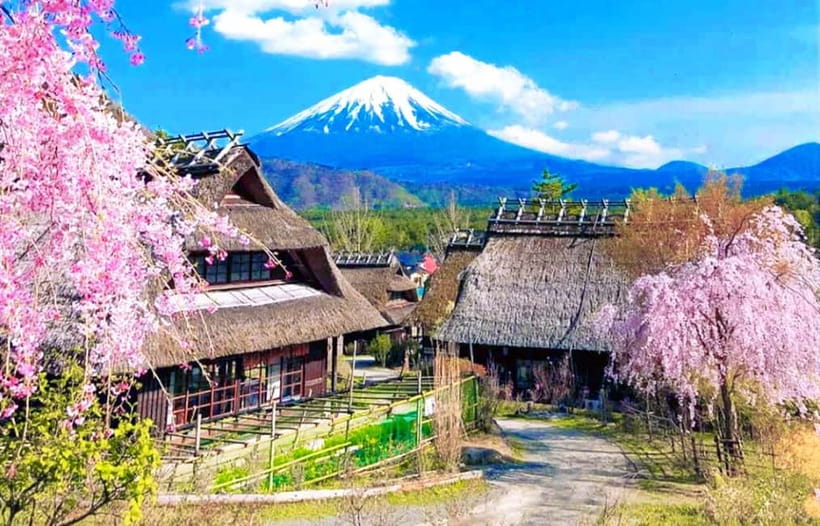
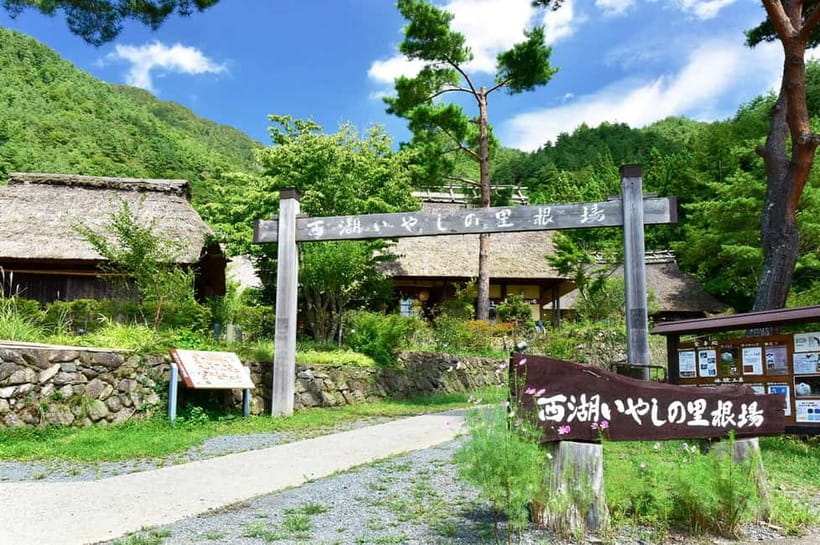
Your first main stop is Saiko Iyashi no Sato Nenba, a reconstructed traditional village near Lake Saiko. Its thatched-roof houses create one of the day’s most distinctive settings for Fuji photographs.
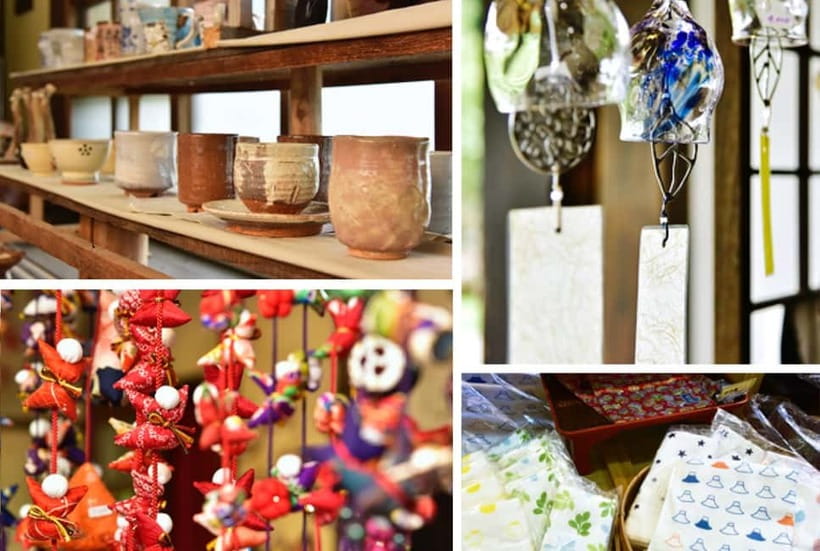
You have about an hour here, enough to walk among the houses, take pictures, and browse the village. The view works because the old-style roofs give the mountain a strong foreground. This is more memorable than a simple lookout because you get architecture, local craft displays, food, and a sense of rural Japan in the same frame.
Try a snack near the entrance if something catches your eye. The village also offers ninja costume rental for an extra charge, a playful option for families or anyone who wants a less formal photo. It is not part of the tour fee, so carry cash.
This stop has a slower, more textured feel than the later photo points. You can look at artwork and local goods, but souvenir shops operate independently from the tour. Do not feel pressured to buy anything. The admission fee is included, which lets you focus on the village itself.
Lake Kawaguchi, Oishi Park, and the seasonal route
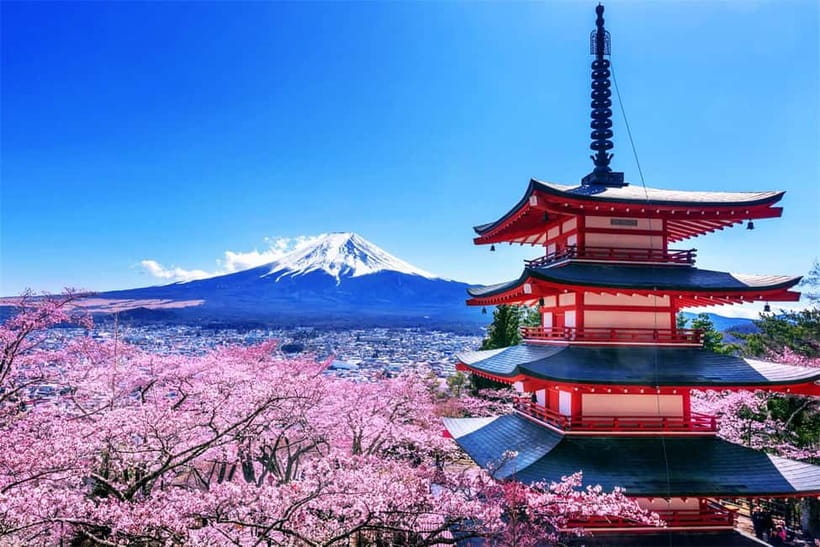
After the village, the coach continues toward Lake Kawaguchi. The lake area supplies several photo opportunities, and the exact view depends heavily on weather and season.
At Oishi Park, you have about 40 minutes. In summer, lavender is the main attraction, adding color and fragrance near the lake. In autumn, red broom grass changes the feel of the park. With Fuji visible beyond the water, it is an easy place to take broad scenic photos without a difficult walk.
The schedule changes during peak autumn foliage. From October 26 through November 20, the tour visits the Maple Corridor instead of Oishi Park. This is important when comparing dates. You are not receiving both stops during that period.
The Maple Corridor gets its name from the trees lining the area. During peak fall color, red leaves frame views toward the snow-capped mountain. The stop is shorter, about 40 minutes, so take your pictures first and browse afterward. Autumn traffic can be serious, and the foliage window is narrow. If Fuji is hidden, the trees still provide a worthwhile seasonal sight, but the classic red-leaf-and-mountain image depends on clear weather.
One practical point: the tour description lists Lake Kawaguchi sightseeing separately from Oishi Park, but the main value is the collection of views around the lake rather than a long lakeside walk. This is a photo-focused visit, not a boat trip or an extended nature outing.
Same city, a completely different kind of day:
- Mt Fuji and Hakone 1-Day Bus Tour Return by Bullet Train
★ 5.0 · 26,383 reviews - 1-Day Tokyo Bus Tour
★ 5.0 · 14,250 reviews - Tokyo: TOKYO SKYTREE® Admission ticket
★ 4.5 · 11,192 reviews - Tokyo: teamLab Planets TOKYO Digital Art Museum Entry Ticket
★ 4.6 · 9,779 reviews
Climbing to Arakurayama Sengen Park and Chureito Pagoda
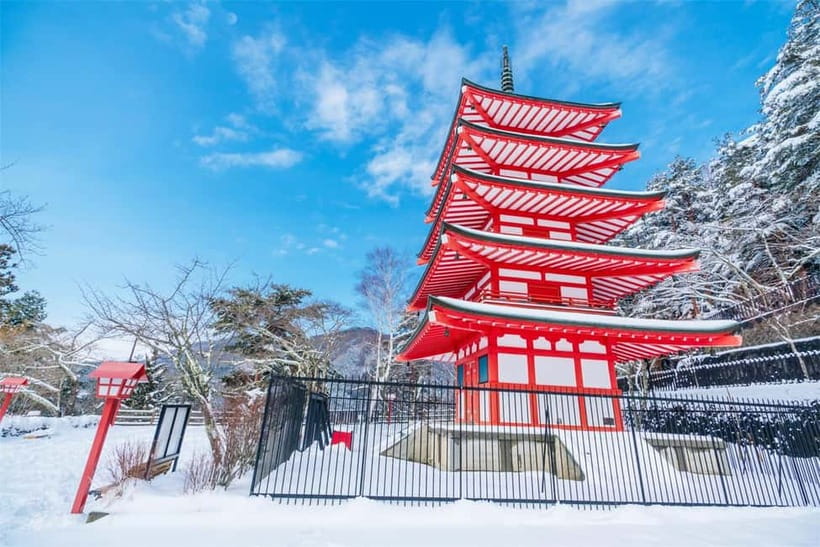
The next section is the most famous stop and the one that requires the most physical effort. At Arakurayama Sengen Park, you climb steps toward the shrine and Chureito Pagoda. The schedule gives about 40 minutes for the park, followed by shorter visits to the shrine and pagoda.
The payoff is the classic image of five-story Chureito Pagoda with Mt. Fuji behind it. On a clear day, this is the photograph many people have in mind when they picture the Fuji region. The view stretches across the surrounding town, giving you a broad sense of how the mountain rises above the area.
Do not underestimate the steps. Comfortable shoes are essential, and the stop may be tiring for young children, people with limited mobility, or anyone carrying bulky luggage. The tour is not suitable for wheelchair users.
Arakura Fuji Sengen Shrine adds a cultural layer to what could otherwise be just a photo stop. The shrine grounds and route up the hill give you a chance to see a place of worship rather than simply point a camera at the mountain. Guides may explain shrine customs and Japanese words, as Sia has done for groups on this route.
If you want a goshuin, or shrine stamp, plan ahead. The stamp service can take time, and one visitor found a 20-minute wait. Hand in your book before climbing the stairs if the opportunity is available. The tour schedule is tight, so you may not have time to wait after reaching the top.
The pagoda view is also the stop most likely to feel rushed. You need time for the climb, the shrine, the lookout, and the return to the coach. I would prioritize the view and a few unhurried photographs over trying to explore every corner.
A flexible lunch break, with no meal included
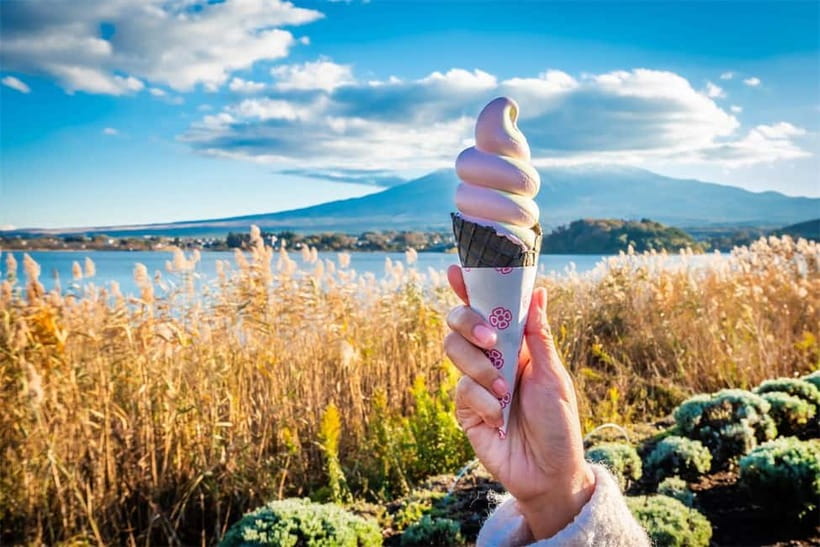
The itinerary allows about 40 minutes at a local restaurant. Lunch is not included, and you may bring your own meal, buy food at one of the attractions, or choose the restaurant suggested by the guide.
That flexibility is useful, but it also means the lunch experience is less predictable than the sightseeing. Some people have enjoyed the meal, while others wanted more choice. If you care strongly about what you eat, bring something from Tokyo or purchase food earlier in the day.
A packed lunch also protects you from losing sightseeing time while deciding what to order. Carry water, especially in warmer months. Cash is wise because some food stalls and smaller businesses may not take cards.
The 40-minute break is short but practical. It gives you a chance to sit down after the pagoda climb and recharge before the final attraction.
Oshino Hakkai and the clear spring ponds
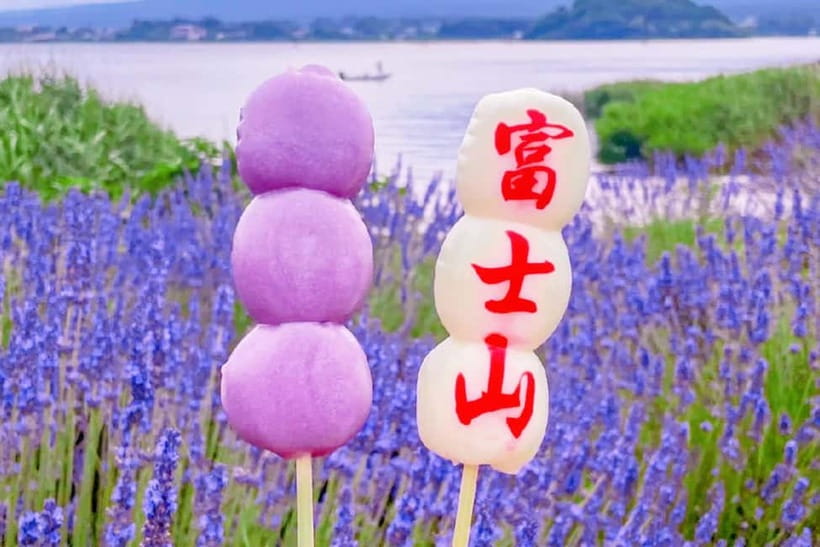
The final major stop is Oshino Hakkai, where you have about 70 minutes. This village area is known for eight clear spring ponds fed by melted snow from Mt. Fuji. The water, reflections, and traditional surroundings create a calmer ending than the busier photo stops.
Oshino Hakkai is best approached at an easy pace. Look closely at the ponds, then walk through the surrounding area and browse the local food stalls. Fresh rice crackers and wasabi ice cream are among the unusual treats you might find nearby. You do not need to buy anything, but this is a good place to try a regional snack with your remaining cash.
The ponds remain photogenic in different weather. If clouds have covered Fuji by this point, the water and village still give you something to enjoy. That makes Oshino Hakkai a useful final stop because it does not depend entirely on the mountain appearing.
The 70-minute allowance is longer than at several earlier stops. Use it to slow down, take photographs, and visit the shops without racing from one viewpoint to another. As elsewhere, the shops are independent businesses, not part of the tour operator.
Weather, traffic, and the limits of a Fuji photograph
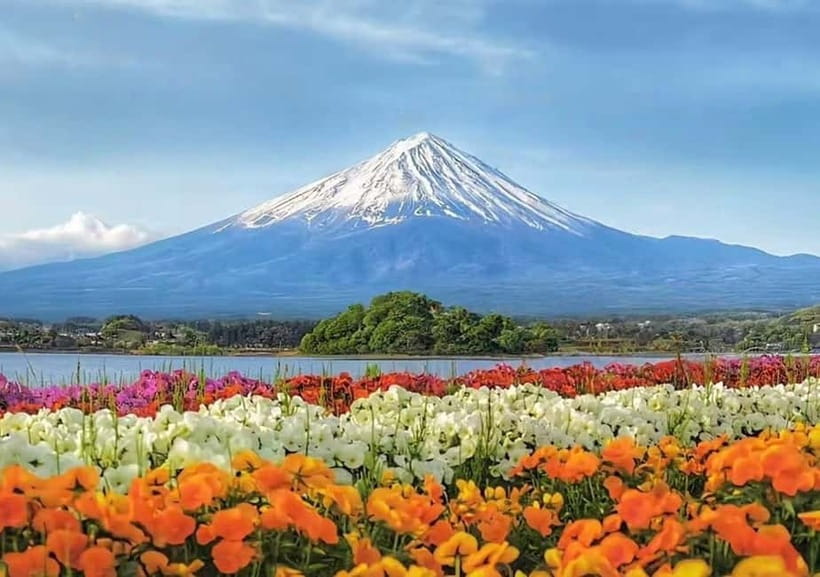
Mt. Fuji is not a guaranteed sight. Clouds can cover the summit, even when the lower slopes and surrounding area are clear. Several people have had good views at some stops but not others, while others have enjoyed the day despite rain or overcast skies.
Check the forecast before booking if the mountain view is your only reason for going. A clear winter day can produce superb views, but no tour can control cloud cover. The village, shrine, pagoda, seasonal trees, and spring ponds give you a stronger day than a single lookout, but you should set realistic expectations.
Traffic is the other variable. The return coach ride is scheduled for about two and a half hours, yet weekends and Japanese holidays can make it longer. Stop times may be shortened, adjusted, or canceled when road conditions or other delays interfere.
Do not schedule an important evening activity after this tour. A flexible dinner plan near your return point is safer than a timed reservation, train connection, or airport transfer.
How the guiding affects the day
The best guides on this type of outing do three jobs: explain the sites, keep the group together, and make the schedule easy to follow. That practical side matters as much as storytelling when you have several stops and a large shared group.
Sia has received especially strong praise for clear instructions, friendliness, humor, and help with families. She has also been noted for taking lunch orders early, teaching simple Japanese phrases, and helping people find good photo spots. Kazi has been praised for calm organization, steady timing, and useful explanations. Wanting, Alex, Rachel, and Sawaki have also been described as helpful and professional.
The amount of commentary can vary by guide and language group. Some people would like more information about Fuji and the towns along the route, while others appreciate quiet time on the coach. You should expect useful explanations, but not a full academic lecture during every mile of the drive.
Multilingual guiding can mean information is delivered in several languages, so the pace may feel different from a private English tour. In return, you get a lower price and access to a wide collection of sites.
Who will enjoy this Fuji tour most
I would recommend this outing to a first-time visitor who wants to see the classic Mt. Fuji area without renting a car or learning several regional transport routes. It is also a good fit for couples, families, and groups that value convenience over a private schedule.
Families can manage the day, but the long coach rides and pagoda stairs require planning. A stroller may be awkward at the hilltop park, and the tour is not suitable for wheelchair users. One family with a three-year-old and a five-month-old found the outing worthwhile, but every family should consider the 10-hour length.
Photographers will appreciate the variety of settings: thatched houses, lavender or autumn plants, lake views, shrine architecture, a pagoda, and spring ponds. The drawback is limited time. You get many good angles, but not the freedom to wait all day for perfect light.
This tour also works well if you have already booked accommodation near Kawaguchiko. One couple left the group before the return to Tokyo and received help from the driver locating the bus station. Confirm any change with the guide in advance, since the standard drop-off is back at the designated Tokyo point.
Book it if you want a broad, affordable introduction to the Fuji region and can accept crowds, traffic, weather risk, and a fixed timetable. Skip it if you want long walks, a quiet private experience, a guaranteed summit view, or a carefully chosen lunch.
For most first visits, I think the value is strong. You see the mountain from several angles, visit places with real cultural character, and leave the roadwork to a driver. Pack water, comfortable shoes, cash, and patience. If the clouds cooperate, you may get the postcard. If they do not, you still have a full day of shrines, villages, seasonal color, and clear spring water.
FAQ
How long is the Mt. Fuji Heritage Tour?
The tour lasts about 10 hours, including coach travel from Tokyo and the return journey.
What languages are available?
Live guiding is available in English, Japanese, and Traditional Chinese.
Is lunch included?
No. You can bring food, buy lunch at an attraction, or eat at a restaurant suggested by the guide. The planned restaurant break is about 40 minutes.
Does the tour visit Oishi Park and the Maple Corridor in autumn?
From October 26 to November 20, the tour visits the Maple Corridor during peak autumn foliage and does not go to Oishi Park.
Is Mt. Fuji guaranteed to be visible?
No. Weather can block the mountain, so check the forecast before the tour. The other cultural and natural sights remain available in cloudy or rainy weather.
What should I bring?
Bring comfortable shoes, water, and cash. Credit cards may not be accepted at some attractions. Arrive at the meeting point 15 minutes early.
More Historical Tours in Tokyo
- Tokyo: Imperial Palace and Shogun Historical Walking Tour
★ 5.0 · 2,251 reviews - Tokyo: Imperial Palace Japanese History Walking Tour
★ 4.9 · 987 reviews - Tokyo: Shinjuku Historical Walking Tour & Secret Backstreets
★ 5.0 · 530 reviews - Yanaka Walking Tour: Historic and Traditional District of Tokyo
★ 5.0 · 530 reviews
Just added around Tokyo
- Tokyo: Customizable Private Guided Walking Tour★ 4.5 · 129 reviews
- Private Harajuku Omotesando Architecture Tour★ 4.9 · 18 reviews
- Tokyo: Guided Helicopter Ride★ 4.9 · 24 reviews
- Tokyo: Guided Walking Tour of Tsukiji Market with Lunch★ 4.4 · 24 reviews
- Tokyo: Private Personalized Local Food Tour★ 4.5 · 101 reviews
- Tokyo GINZA: KONPARU Japanese Cabaret Show with Drink★ 4.8 · 38 reviews
- Tokyo: Guided Walking Tour of Tsukiji Market with Breakfast★ 4.4 · 134 reviews
- Tokyo: Gotokuji Cat Temple, Shinjuku Cat Cafe & 3D Cat Tour★ 4.9 · 38 reviews
Temple & Shrine Tours, compared.
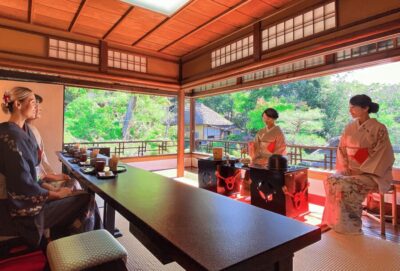
Tea Ceremony in a Traditional Tea House in Kiyomizu
Read our review →
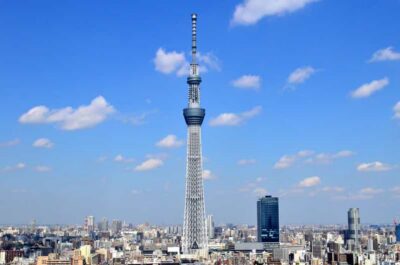
Meiji Shrine, Asakusa, Skytree Bus Tour and Cruise
Read our review →
Asakusa Walking Tour with Sensoji Temple Visit
Read our review →
Kamakura & Enoshima Day Trip including Temple Tickets
Read our review →
Kyoto/Osaka: Nara, Fushimi Inari Taisha, Arashiyama Bus Tour
Read our review →
Nikko Toshogu Shrine and Kegon Waterfall Tour
Read our review →
Tokyo Panoramic 1 Day: Meiji Shrine, Asakusa, Odaiba and SKYTREE®
Read our review →Browse the lists this tour appears in