
REVIEW · KAMAKURA DAY TRIPS
Tokyo: Kamakura & Enoshima Day Trip including Temple Tickets
Kamakura gives you samurai-era shrines, flower-filled temple grounds, and Japan’s most famous seated Buddha in one compact coastal town. Enoshima then changes the mood completely, with sea views, seafood, old shrine paths, caves, and, on a clear day, Mount Fuji.
I like this tour for two big reasons: it removes the hassle of arranging several stops, and it gives you a useful first look at places you may want to revisit. The included Hasedera and Kōtoku-in tickets also add value to the $58 price. The catch is time. Enoshima gets about two hours, and that is enough for highlights, not a leisurely island day.
In This Review
- The quick verdict
- Why Kamakura makes a strong day trip from Tokyo
- Tsurugaoka Hachimangu and the samurai story
- Komachi Street: one hour for food and shopping
- Hasedera: flowers, views, and the Eleven-Headed Kannon
- Kōtoku-in and the 13.3-meter Great Buddha
- Enoshima shifts the day toward the sea
- Food and shopping on Enoshima
- Guides, languages, and the pace of the day
- Is $58 good value?
- Practical advice before you go
- Who should book this day trip?
- Should you book it?
- FAQ
- How long does the Kamakura and Enoshima tour last?
- Where does the tour depart from?
- Where does the tour return?
- Which languages are available?
- Are temple tickets included?
- Is transportation provided?
- How much free time do I get at the main stops?
- Can I see Mount Fuji from Enoshima?
- Can I cancel the booking?
The quick verdict
- See five major sights in nine hours: You cover Kamakura’s leading shrine, shopping street, two temples, the Great Buddha, and Enoshima in a single day.
- Get the Great Buddha ticket included: Kōtoku-in admission is part of the package, and you may enter the bronze statue to view its inner structure.
- Follow an efficient route from Tokyo: An air-conditioned vehicle saves you from coordinating several trains and local connections.
- Enjoy a guide-led introduction: English and Chinese-speaking guides, including Eric, Yuki, Mitsuko, and Omar, have been praised for useful cultural background and steady timing.
- Save room for local food: Komachi Street and Enoshima offer shirasu dishes, dumplings, croquettes, seafood, and other regional snacks.
- Expect a fast-paced day: You get a broad sample of the coast, but independent explorers may want a longer Kamakura or Enoshima visit afterward.
Why Kamakura makes a strong day trip from Tokyo
Kamakura was Japan’s political and cultural center during the Kamakura period. That past is still easy to feel here, not through grand museum displays alone, but through the scale of the shrine approaches, the temple gardens, and the old religious traditions that continue today.
This outing works because the stops show different sides of the town. Tsurugaoka Hachimangu connects you with samurai-era power. Hasedera gives you gardens, Buddhist art, and views across Sagami Bay. Kōtoku-in supplies the unforgettable landmark, the Great Buddha. Komachi Street fills in the modern side with food and shopping.
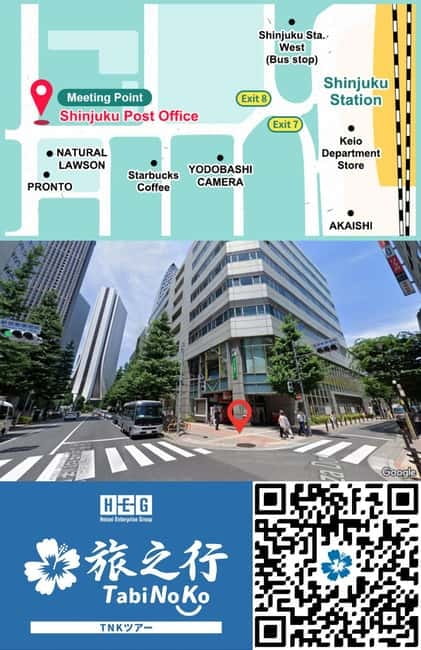
You travel in an air-conditioned vehicle, which matters on hot summer days and during long stretches between attractions. The group leaves from one of two possible Tokyo meeting points, Shinjuku Post Office or GLOBAL RING CAFÉ, depending on the option booked. Check your confirmation carefully, then arrive 10 minutes early. The vehicle leaves on time.
Traffic can affect the schedule. If the bus is delayed, the time at later stops may be shortened, so this is not the right choice if you need every visit to run to the minute.
More Kamakura Day Trips in Kamakura
- From Tokyo: Kamakura & Enoshima 1-Day Bus Tour
★ 4.5 · 189 reviews - Kamakura Historical Walking Tour with the Great Buddha
★ 5.0 · 129 reviews - Kamakura Private Tour: Temples, Nature, and the Great Buddha
★ 5.0 · 121 reviews
Tsurugaoka Hachimangu and the samurai story
Your first major stop is Tsurugaoka Hachimangu, Kamakura’s best-known shrine and one of Japan’s most visited. It has served as a spiritual anchor for more than 800 years, closely tied to the rise of the samurai government in Kamakura.
Allow yourself time to notice the approach as well as the main buildings. The broad route helps you understand the shrine’s importance, while the grounds offer places for photographs and quiet observation. Your guide may explain how the shrine fit into the political and religious life of the period.
The scheduled visit lasts about an hour. That is enough to see the main area and hear an introduction, but not enough for a slow visit to every corner. If you are interested in Japanese religious architecture or samurai history, listen carefully at the start, then use free time for photographs.
The shrine is also a major New Year destination. About 2.5 million people come for hatsumode, the first shrine visit of the year. That figure gives you a sense of its place in Japanese culture, even if your own visit is much calmer.
Komachi Street: one hour for food and shopping
From the shrine, you move to Komachi Street, the lively pedestrian shopping route running roughly 360 to 600 meters between Kamakura Station and Tsurugaoka Hachimangu. Around 250 shops line the street, selling souvenirs, traditional goods, clothing, sweets, and quick meals.
This is your best chance to choose your own lunch strategy. You can pick up a croquette or dumpling and keep moving, or seek out a restaurant serving local food such as shirasu. Small snacks make practical sense on this tour because the schedule is tight and Enoshima has more food options later.
I would not treat Komachi Street as a simple souvenir stop. It shows how Kamakura mixes old religious traditions with current Japanese shopping culture. Look for regional treats and handmade goods, but keep an eye on the meeting time. One hour passes quickly when you are browsing.
The street can also be crowded. Stay aware of the group, and do not assume you can walk several blocks away without losing time. If food is your priority, decide early what you want to try.
Hasedera: flowers, views, and the Eleven-Headed Kannon
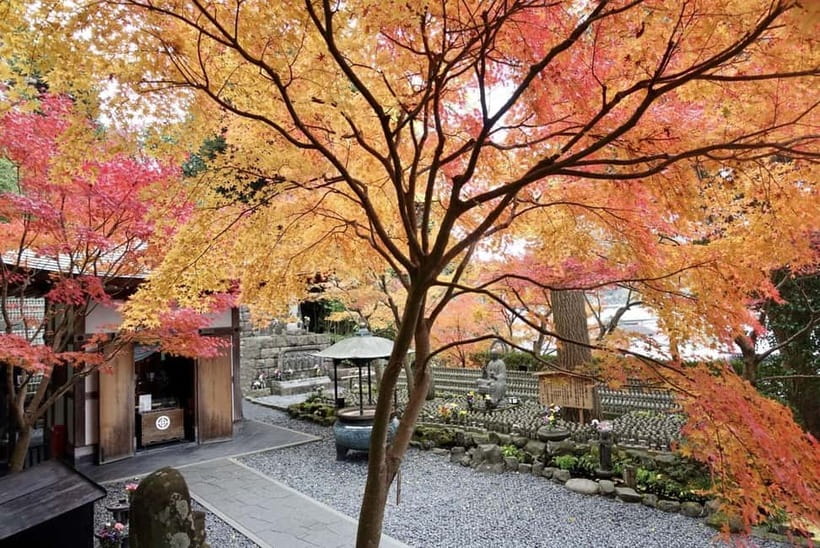
Hasedera is one of Kamakura’s oldest temples, founded in 736. It is known for its 9.18-meter Eleven-Headed Kannon statue, but the grounds are just as appealing for their plantings, small statues, and views toward the city and Sagami Bay.
The temple is especially attractive at different times of year. Cherry blossoms arrive in spring, hydrangeas bring color in early summer, and autumn leaves change the feel of the garden later in the year. Peonies add another seasonal display.
You have about 50 minutes here, with admission included. That is a useful benefit because you can enter without arranging a separate ticket. The grounds include paths and some walking, so wear shoes you can manage comfortably.
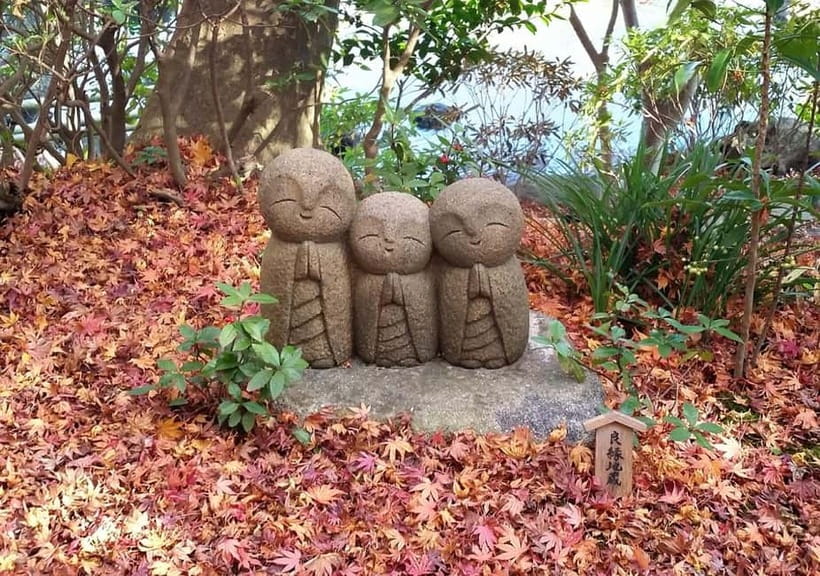
Look for the small Jizo figures placed around the temple. They add a gentle, human touch to the grounds and reward visitors who slow down for a moment. The main limitation is the short visit. You can see the key areas, but you will need to move with purpose if you want both the views and the temple details.
More temple & shrine tours in Japan:
- Kyoto: Fushimi Inari, Kinkakuji, Bamboo Grove 1 Day Bus Tour
★ 4.8 · 4,316 reviews - Kyoto: Tea Ceremony in a Traditional Tea House in Kiyomizu
★ 4.9 · 3,519 reviews - Kyoto: Tea Ceremony Ju-An at Jotokuji Temple
★ 4.9 · 3,207 reviews - Tokyo: Meiji Shrine, Asakusa, Skytree Bus Tour and Cruise
★ 4.7 · 1,986 reviews
Kōtoku-in and the 13.3-meter Great Buddha
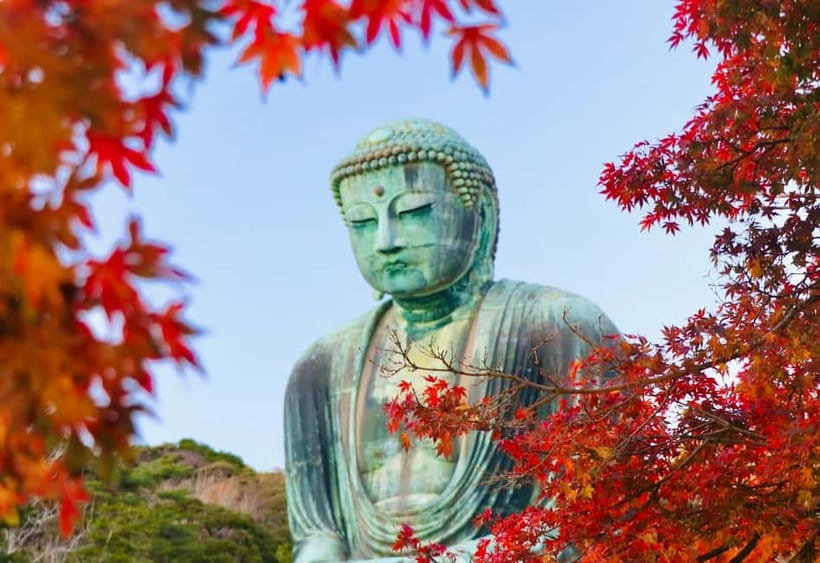
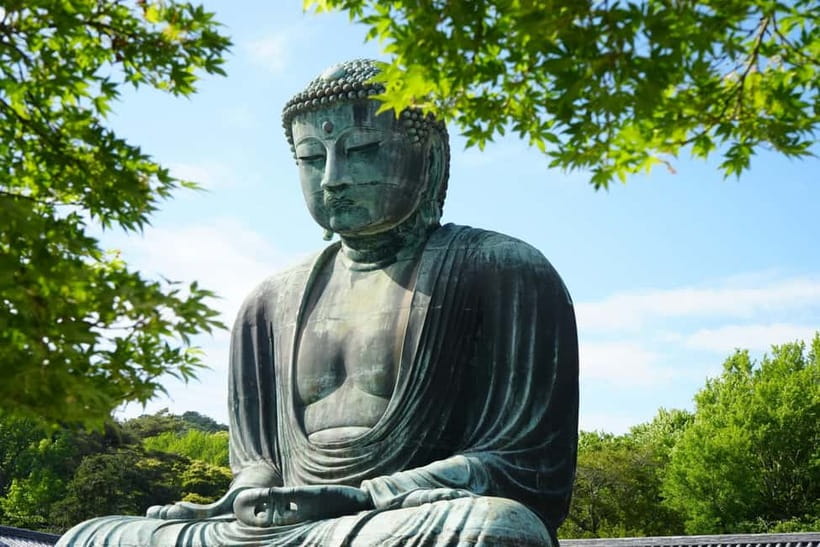
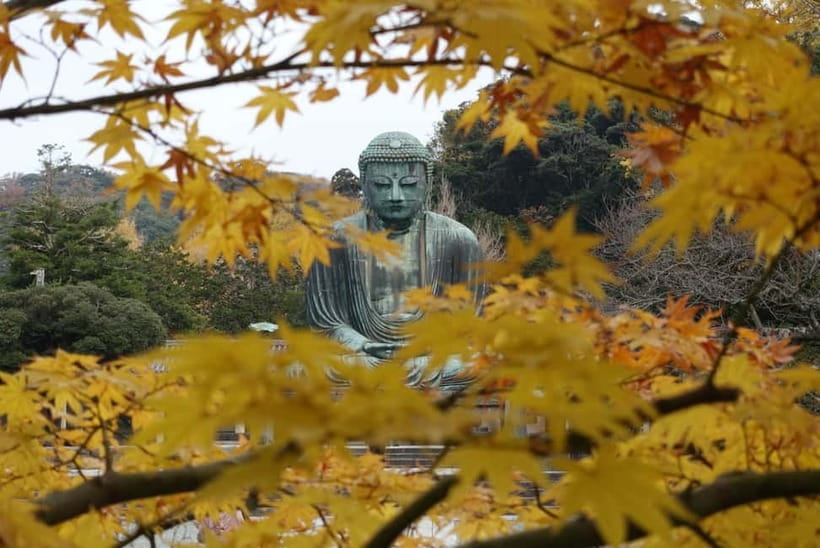
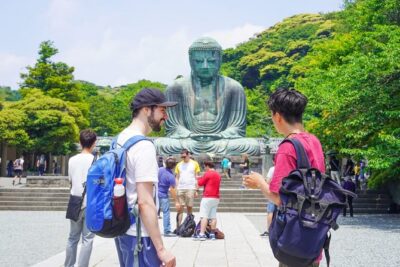
Kōtoku-in is home to Kamakura’s Great Buddha, a bronze Amida Buddha about 13.3 meters tall and weighing roughly 121 tons. It is a National Treasure and the clearest single symbol of this day trip.
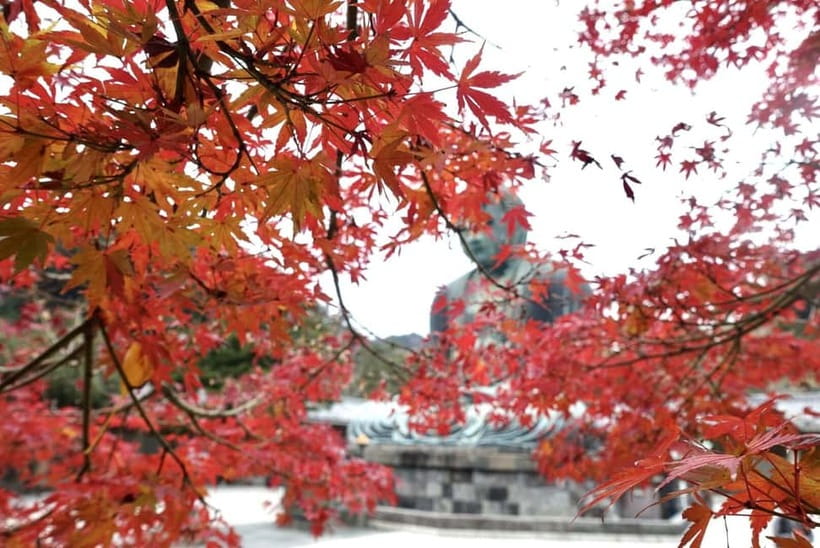
The statue is impressive at close range because its size becomes easier to grasp when you are beside it. Admission is included, and you may enter the Buddha to look at the internal structure, an unusual detail that many visitors miss if they only take an outside photograph.
The planned visit lasts about 30 minutes. That is enough for the statue, a few photographs, and a short look around the grounds. It is not much time for a slow inspection, so decide in advance whether you want exterior views, the interior visit, or both.
This is one place where the schedule can feel compressed. If the Great Buddha is your main reason for coming to Kamakura, an independent visit would let you linger longer. For a first introduction, however, the included ticket and direct transport make the stop worthwhile.
Enoshima shifts the day toward the sea
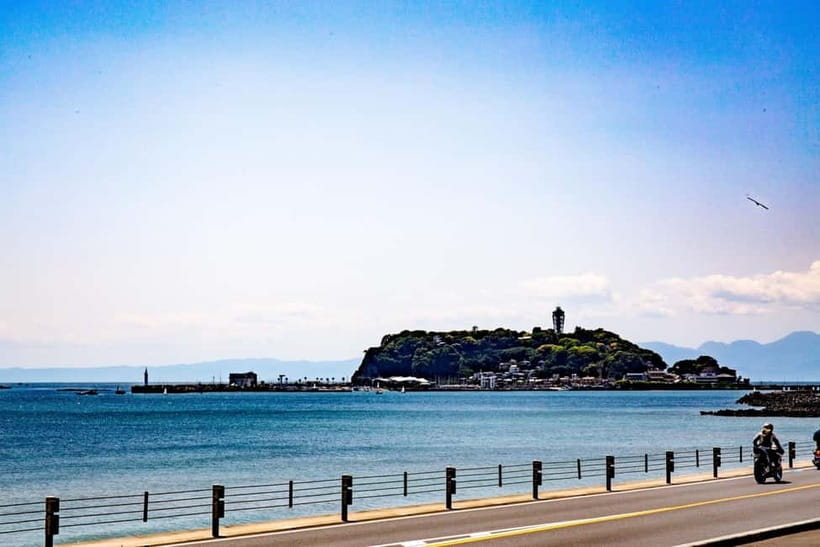
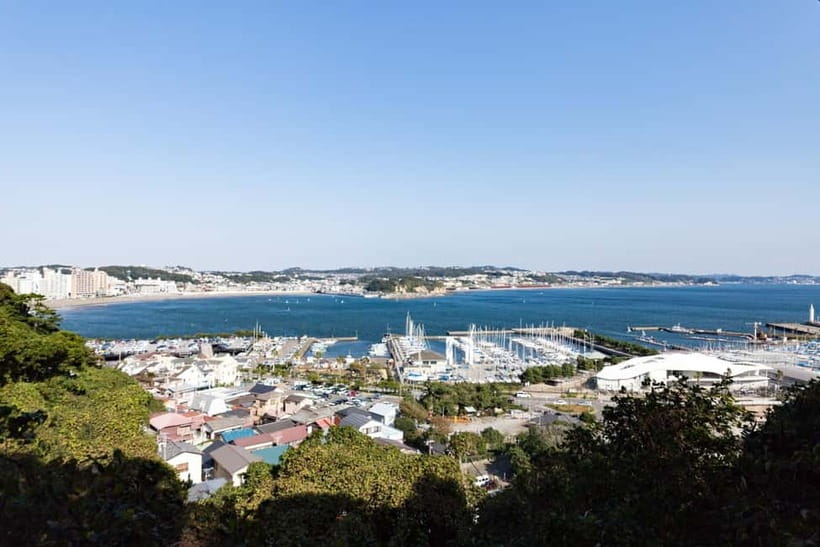
Enoshima gives the trip its biggest change of scenery. The island combines an old shrine complex, high viewpoints, cave passages, shopping streets, cafés, seafood, and views along the Shonan Coast.
You have about two hours for the island. That sounds generous until you consider the number of places included: Enoshima Sea Candle, Enoshima Shrine, Enoshima Iwaya Cave, and Benzaiten Shopping Street. You will need to choose your pace.
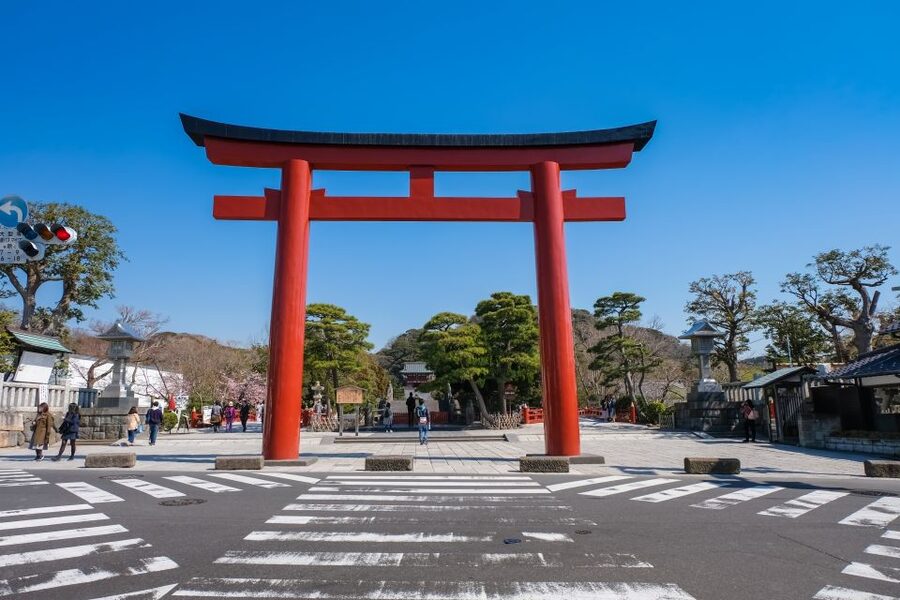
Enoshima Shrine is more than 1,000 years old and spread across the island’s paths. The climb and walking routes are part of the experience, so this stop suits you best if you are comfortable spending the afternoon on foot. The island’s setting makes the effort worthwhile, especially from the higher viewpoints.
The Sea Candle is Enoshima’s observation tower and one of the best places to look over the water. On a clear day, you may see Mount Fuji. Weather matters here. Fuji views are never guaranteed, but a clear day can turn the final part of the outing into the visual highlight.
The Iwaya Caves add a different note. These natural caves are reached on foot and offer a break from the shrine paths and open views. Because time is limited, consider buying food from a vendor rather than sitting down for a long meal if the caves are important to you.
Food and shopping on Enoshima
Benzaiten Shopping Street leads you through the island’s food and retail scene. You will find local snacks, cafés, restaurants, souvenirs, and fresh seafood. Shirasu, small white fish associated with the coastal area, is one local specialty to look for.
I like having food time built into the island visit because Enoshima is not only a sightseeing stop. It gives you a glimpse of everyday Shonan Coast pleasures: a quick bite, a sea-facing café, and a walk through a shopping street connected to an old religious center.
The trade-off is obvious. A sit-down seafood meal can take a large part of your two-hour window. If you want the Sea Candle and caves as well as lunch, choose something quick or split your meal into small snacks.
Guides, languages, and the pace of the day
The tour includes an English or Chinese-speaking guide. The exact guide varies, but names praised for clear explanations, warmth, and organization include Eric, Yuki, Mitsuko, Omar, Koji, and Sumi. Their approach can differ. Some guides offer frequent background as you walk, while others give the key information and let you explore independently.
That flexibility is useful. You can follow the guide for context, then separate briefly to photograph a garden or browse for food, provided you return by the stated time. One guide, Eric, was noted for giving restaurant suggestions, while Mitsuko was appreciated for helping the day run calmly and on schedule.
English is generally clear, though one visitor found that Eric sometimes spoke too quickly. If a historical explanation goes by fast, ask for clarification. The tour can combine passengers who booked different language options, and the vehicle size may change according to the day’s numbers.
Assigned seating has been used on some departures, and the bus has been described as comfortable. Temperature control may vary, especially at the start of the day, so bring a light layer even in warm weather.
Is $58 good value?
At $58 per person, this is a solid price for a nine-hour outing if you value convenience. You get round-trip transport from Tokyo’s Shinjuku area, an air-conditioned vehicle, a guide, and admission to Hasedera and Kōtoku-in.
The strongest value is the number of major stops. Booking each part independently would require planning the route, managing local transport, buying temple tickets, and watching the clock. This tour handles those pieces for you.
You are not paying for an intimate private tour. The vehicle, route, and timing are shared, and traffic can force changes. Food, shopping, and any optional Enoshima admission beyond the stated program are not listed as included, so budget separately for them.
For a first visit to the area, the price makes sense. If you already know Kamakura well or want long temple visits, trains and independent planning may give you better control.
Practical advice before you go
Wear comfortable shoes. Hasedera and Enoshima involve walking, and Enoshima’s paths can take more time than expected.
Arrive 10 minutes before departure at the correct meeting point. The pickup location can vary, and the only stated return area is Shinjuku. Check the product photograph and scan the QR code for your chosen meeting point.
Bring water and sun protection in summer. Several visits are outdoors, and one summer departure was described as extremely hot. Winter and autumn can be more comfortable for walking, while spring brings blossoms and early summer is known for hydrangeas.
Keep your phone charged for meeting details and photographs. If you need to leave the group before the end, tell the guide that day and complete the required departure form.
Free cancellation is available up to 24 hours before departure, and you can reserve now and pay later. Those terms help if your Tokyo plans are still shifting, but they do not remove the need to confirm the meeting point.
Who should book this day trip?
I would choose this tour if you have limited time in Tokyo and want a broad introduction to Kamakura and Enoshima without handling the transport yourself. It also suits families and first-time visitors who prefer a guide, clear meeting times, and a vehicle between stops.
It is less suitable if you want to study one temple in detail, spend half a day eating on Enoshima, or wander without a fixed schedule. The tour shows you the area’s major pieces, then leaves you with a useful sense of where to return.
Should you book it?
Book this outing if your priority is coverage and convenience. You will see the Great Buddha, one of Japan’s leading shrines, a historic temple with seasonal flowers, Kamakura’s main shopping street, and Enoshima’s sea views in one long day.
Skip it in favor of an independent visit if you already know exactly which temples you want and need more time at each. For most first-time visitors leaving Tokyo for only one day, the $58 price, included tickets, and helpful guides make this a practical and enjoyable choice.
FAQ
How long does the Kamakura and Enoshima tour last?
The activity lasts nine hours, or 570 minutes.
Where does the tour depart from?
There are two possible starting locations: Shinjuku Post Office or GLOBAL RING CAFÉ. The meeting point depends on the option booked.
Where does the tour return?
The stated drop-off location is in the Shinjuku area, with Shinjuku Post Office listed for arrival.
Which languages are available?
The tour offers live guiding in English and Chinese.
Are temple tickets included?
Yes. Admission to Hasedera and Kōtoku-in is included.
Is transportation provided?
Yes. The tour uses an air-conditioned vehicle for the day.
How much free time do I get at the main stops?
The planned time is about one hour at Tsurugaoka Hachimangu, one hour at Komachi Street, 50 minutes at Hasedera, 30 minutes at Kōtoku-in, and two hours at Enoshima.
Can I see Mount Fuji from Enoshima?
You can see Mount Fuji from high points on Enoshima on a clear day. Visibility depends on conditions.
Can I cancel the booking?
You can cancel up to 24 hours in advance for a full refund. Reserve now and pay later is also available.
More 1-Day Tours in Japan
- Mt Fuji and Hakone 1-Day Bus Tour Return by Bullet Train
★ 5.0 · 26,383 reviews - 1-Day Tokyo Bus Tour
★ 5.0 · 14,250 reviews - PERFECT KYOTO 1-Day Bus Tour
★ 5.0 · 13,518 reviews - Mt Fuji & Hakone Cruise, Drum Show Bullet Train 1 Day from Tokyo
★ 4.0 · 7,413 reviews
More Kamakura Day Trips in Japan
- Tokyo: Mt. Fuji, Kamakura, Big Buddha, & Lake Ashi Day Trip
★ 4.5 · 867 reviews - Tokyo:Sea of Mount Fuji, Hakone Ropeway, Ōwakudani, Enoshima
★ 4.9 · 84 reviews - Kamakura 8 hr Private Walking Tour with Licensed Guide from Tokyo
★ 5.0 · 80 reviews - Tokyo: Kamakura & Enoshima Day Tour with Pickup & Train Ride
★ 4.1 · 61 reviews
Just added around Japan
- Tokyo: Customizable Private Guided Walking Tour★ 4.5 · 129 reviews
- Private Harajuku Omotesando Architecture Tour★ 4.9 · 18 reviews
- Tokyo: Guided Helicopter Ride★ 4.9 · 24 reviews
- Tokyo: Guided Walking Tour of Tsukiji Market with Lunch★ 4.4 · 24 reviews
- Tokyo: Private Personalized Local Food Tour★ 4.5 · 101 reviews
- Tokyo GINZA: KONPARU Japanese Cabaret Show with Drink★ 4.8 · 38 reviews
- Tokyo: Guided Walking Tour of Tsukiji Market with Breakfast★ 4.4 · 134 reviews
- Tokyo: Gotokuji Cat Temple, Shinjuku Cat Cafe & 3D Cat Tour★ 4.9 · 38 reviews
Kamakura Day Trips, compared.
Mt. Fuji, Kamakura, Big Buddha, & Lake Ashi Day Trip
Read our review →
Kamakura Historical Walking Tour with the Great Buddha
Read our review →
Kamakura Private Tour: Temples, Nature, and the Great Buddha
Read our review →
Sea of Mount Fuji, Hakone Ropeway, Ōwakudani, Enoshima
Read our review →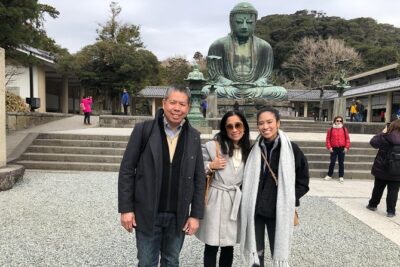
Kamakura 8 hr Private Walking Tour with Licensed Guide from Tokyo
Read our review →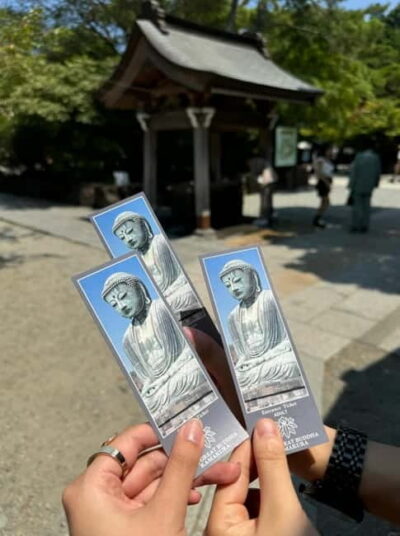
Kamakura & Enoshima Day Tour with Pickup & Train Ride
Read our review →
Kamakura Private & Customizable Tour – All-in-One Experience
Read our review →Browse the lists this tour appears in