
REVIEW · KAMAKURA TOURS
When Emperors Reigned and Shoguns Ruled
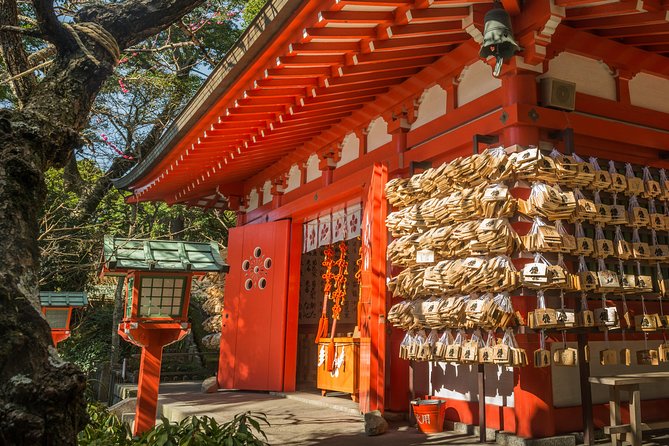
Kamakura makes Japanese history feel close at hand. In four hours, this private tour links a grand Shinto shrine, a medieval Buddha, a hillside temple, and the town’s busy shopping street, while explaining how the Kamakura shogunate changed Japan from 1185 to 1333.
I like the personal format and the photographer guide. Virgil is praised for clear English, warmth, historical stories, and a patient pace. I also like the route from Kamakura Station to Hase Station, which lets you see the town on foot rather than spending the whole outing inside a vehicle.
The main drawback is cost. At $108.99 per person, this is not a budget stroll, and admission to the Great Buddha and Hasedera costs extra. You also pay for your own food and local transportation, so the value depends on how much you want a private guide rather than a self-guided visit.
In This Review
- Key points to know before booking
- Kamakura’s shogun story gives the walk a clear purpose
- Wakamiya Main Street leads you into old Kamakura
- Tsurugaoka Hachimangu connects Yoritomo to modern Kamakura
- Komachidori adds snacks, souvenirs, and present-day life
- The Great Buddha is a focused 13th-century stop
- Hasedera finishes the route with gardens and viewpoints
- A private guide changes the pace and the feel
- What the $108.99 price buys you
- Timing, meeting point, and daily planning
- Who will get the most from this Kamakura tour
- Should you book When Emperors Reigned and Shoguns Ruled?
- FAQ
- How long does the Kamakura tour last?
- Where does the tour begin?
- Where does the tour end?
- Is this a private tour?
- How many people can join the private tour?
- Which attractions are included in the route?
- Are entrance fees included?
- Is lunch included?
- Is transportation included?
- Can I cancel for a full refund?
Key points to know before booking
- A private route for one to eight people: You get the guide’s full attention, with room for questions, photo stops, and changes in pace.
- Virgil combines history with practical help: He explains samurai government, Shinto, Buddhism, Zen, and local customs in clear English. He also speaks Spanish.
- The route covers Kamakura’s main sights: Walk from Kamakura Station through Wakamiya Main Street and Komachidori, then continue to the Great Buddha and Hasedera.
- The final stop is Hase Station: This makes the tour useful if you plan to continue toward other parts of Kamakura instead of returning to the starting point.
- The tour takes about four hours: The schedule is full, with roughly 20 minutes on Wakamiya Main Street, 50 minutes at Tsurugaoka Hachimangu, 50 minutes on Komachidori, 40 minutes at the Great Buddha, and 80 minutes at Hasedera.
- Some expenses are separate: Food, drinks, lunch, transportation, and admission to Kotoku-in and Hasedera are not included.
Kamakura’s shogun story gives the walk a clear purpose
Kamakura is more than a pleasant seaside town south of Tokyo. It was the base of Japan’s first shogunate, a military government led by Minamoto Yoritomo. The emperor remained an important figure, but real political power shifted toward the shogun and the warrior class.
That change is the thread running through this tour. Instead of visiting five unrelated places, you see how military rule, Shinto worship, Buddhist practice, samurai ideals, and ordinary town life fit together.
I find that kind of context especially useful in Kamakura. A shrine gate can look beautiful without explanation, but it becomes more meaningful when you understand why a first shogun built a major shrine here. A large Buddha can seem like a single photo stop, but its age and setting tell you something about the religious life of medieval Japan.
Virgil’s style, as described by the many five-star ratings attached to his work, leans toward stories and symbols rather than a list of dates. He is also known for answering questions, adjusting the pace, and helping with directions if you get turned around before meeting him.
Other Kamakura days people book alongside this one:
- Tokyo: Kamakura & Enoshima Day Trip including Temple Tickets
★ 4.5 · 1,375 reviews - From Tokyo: Kamakura & Enoshima 1-Day Bus Tour
★ 4.5 · 189 reviews - Kamakura Historical Walking Tour with the Great Buddha
★ 5.0 · 129 reviews
Wakamiya Main Street leads you into old Kamakura
The tour begins at Kamakura Station and heads along Wakamiya Main Street. The walk takes about 20 minutes and serves as a gentle introduction to the town before the major temple and shrine visits begin.
This is a useful opening because you see Kamakura as a living place, not just an open-air museum. The route leads toward the main shrine, and the street offers a first look at modern Japanese shopping, food, and daily routines.
The walk is not an attraction with an entrance ticket. Its value comes from the guide’s interpretation and from getting oriented. If you are hoping to spend four hours only inside temple grounds, this section may feel ordinary. I think it works well as a transition from the station to the historic center.
The tour is private, so you can use this time to ask basic questions about Kamakura, Japanese religious customs, or the day’s plan. That is a small advantage over a large group, where the guide must keep moving and questions can get lost.
Tsurugaoka Hachimangu connects Yoritomo to modern Kamakura
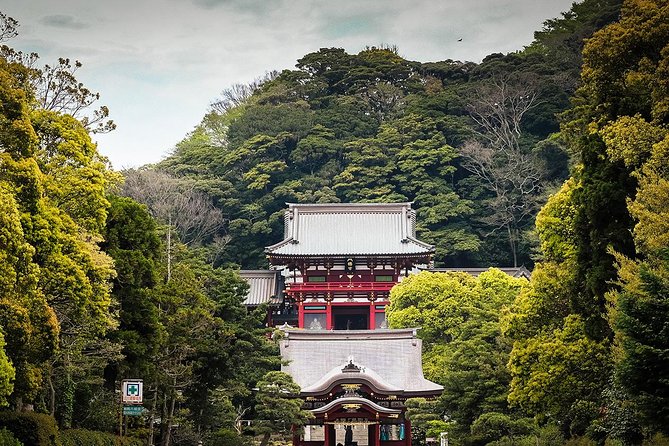
Tsurugaoka Hachimangu is the tour’s main Shinto stop. Minamoto Yoritomo established the shrine in the 12th century, making it an ideal place to discuss the beginning of the Kamakura period and the close relationship between warrior rule and religious authority.
The shrine is free to enter, but its scale gives it the feel of a major national site. You spend about 50 minutes here, enough time for the guide to explain the setting, point out important features, and leave room for photographs.
I like this stop because it gives the historical theme a physical anchor. Yoritomo was not simply a distant name in a textbook. His political center was here, and the shrine’s presence helps you understand how the new military government presented itself.
The site can be busy, especially on Sundays and long weekends. One family found that Virgil handled crowded conditions well and guided them efficiently to the main sights. That matters at Tsurugaoka Hachimangu, where a crowded approach can make the visit feel less peaceful.
Because admission is free, there is no extra ticket to budget here. Wear shoes you can walk in, and expect some standing and outdoor time. The tour is not built around long seated explanations, so your comfort depends partly on your walking stamina.
Komachidori adds snacks, souvenirs, and present-day life
From the shrine, the route moves toward Komachidori, Kamakura’s famous shopping street. The stop lasts about 50 minutes and gives the day a welcome change of pace.
Komachidori is lined with shops and stalls selling sweets, snacks, and souvenirs. This is where the tour shifts from medieval rulers and religious institutions to contemporary Japanese culture. You can browse, sample food, and see how Kamakura presents itself to people arriving for a day out.
Food and drinks are not included, so anything you buy here is your own expense. That can be a benefit rather than a problem. You choose what interests you instead of receiving a fixed meal that may not suit your taste.
One account of the tour included a stop for matcha ice cream, while another included soba noodles. These details suggest that Virgil can help make the day feel personal, but you should not treat lunch as part of the standard package. The published inclusions do not cover food or lunch.
Komachidori may be crowded, and the shopping street can feel touristy compared with quieter temple grounds. Still, skipping it would give you an incomplete picture of Kamakura. The street shows how the town works today, and the contrast with the shrine is part of the experience.
Same city, a completely different kind of day:
- Kamakura Private Tour: Temples, Nature, and the Great Buddha
★ 5.0 · 121 reviews - Kamakura Walking Tour – The City of Shogun
★ 5.0 · 100 reviews - Kamakura 4hr Private Trip with Government-Licensed Guide
★ 5.0 · 58 reviews - From Tokyo: Kamakura Full Day Tour with a Local Expert Guide
★ 4.6 · 43 reviews
The Great Buddha is a focused 13th-century stop
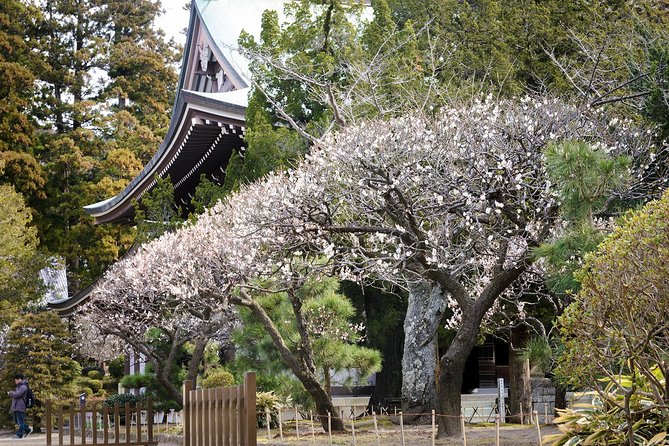
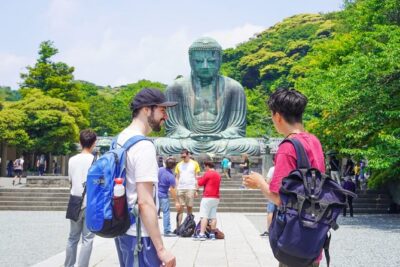
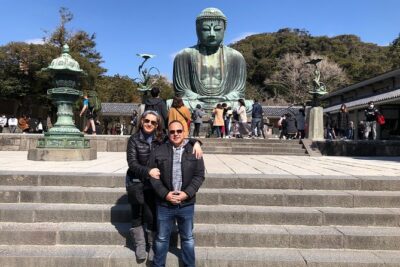
Kotoku-in is home to the Great Buddha of Kamakura, a huge bronze statue of Amida Buddha dating from the 13th century. The visit lasts about 40 minutes.
This is the tour’s most instantly recognizable sight. The statue is powerful because of its size, age, and calm expression, but a quick photograph does not explain why it was made or how it fits into Japanese Buddhist practice. That is where the guide adds value.
Virgil’s role is not only to lead you to the statue. He can explain the religious setting and place the monument within Kamakura’s period of military government and Buddhist growth. You have time to look closely, take pictures, and ask questions rather than being rushed through a crowded group schedule.
Admission is not included here. The tour description does not state the exact ticket price, so keep a little extra money available for this stop and Hasedera.
The Great Buddha visit is relatively short compared with Hasedera. That balance works well if you want to see the essential Kamakura sights in half a day. If you prefer long, quiet temple visits, you may wish the schedule allowed more time at each location.
Hasedera finishes the route with gardens and viewpoints
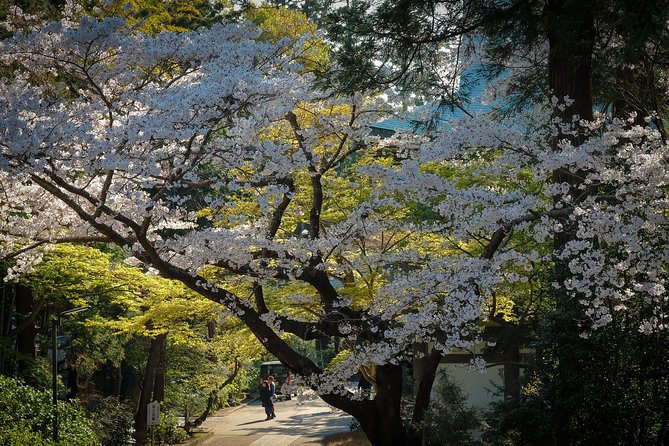
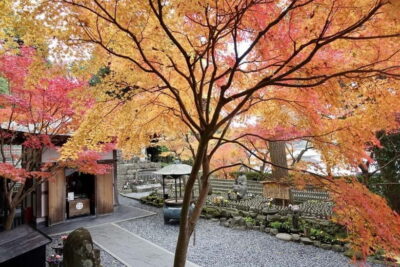
Hasedera receives the longest visit, about one hour and 20 minutes. This Buddhist temple spreads over several levels and includes gardens, ponds, caves, and an old 11-headed statue of Kannon, the Goddess of Mercy.
It is a fitting final stop because it offers variety. You are not looking at one monument and leaving. You can move through different parts of the temple grounds, see water and greenery, and learn about Kannon worship.
The multiple levels also mean that the visit involves steps and uphill movement. The information provided does not promise a fully step-free route, so anyone with limited mobility should ask the operator for current details before booking. The tour is private, which may make it easier to slow down, but it does not remove the physical demands of a hillside temple.
Hasedera is also where the tour’s 80-minute allocation makes the most sense. You need time to see the grounds without treating the temple as a quick photo stop. It is the place where I would most want a guide who can explain symbols and customs as they appear.
Admission is extra. Since Hasedera is the last scheduled attraction, you finish near Hase Station on the Enoden Line rather than returning to Kamakura Station.
A private guide changes the pace and the feel
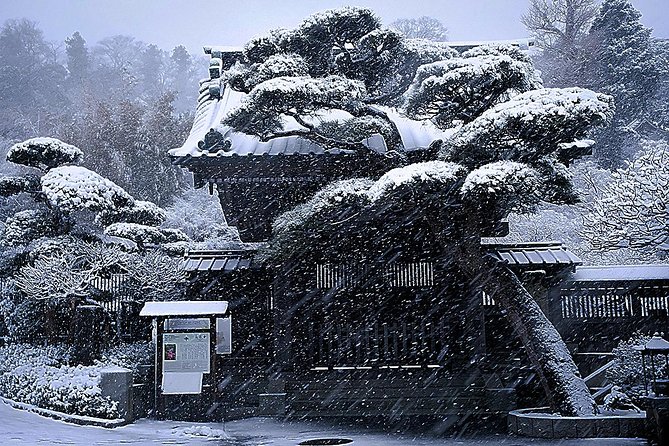
This tour is designed for one person or a group of up to eight. That is a useful size. A solo visitor can ask questions without feeling awkward, while a family or small group can keep a shared pace.
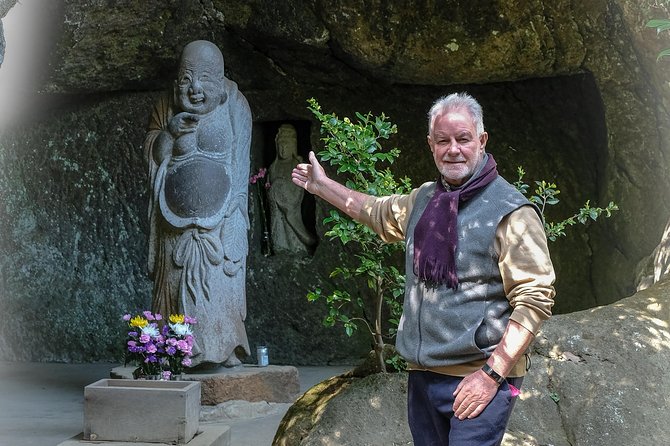
The strongest praise attached to Virgil focuses on his patience, historical storytelling, and personal attention. He has guided families with teenagers, a parent and a 10-year-old child, couples, solo visitors, and slower walkers. The common thread is flexibility.
That flexibility has practical value. You may want more time at the shrine, fewer shops, extra photographs, or a slower walk between stops. The route still needs to fit into about four hours, but a private format gives you more say in how those hours feel.
Virgil is also described as an excellent photographer who takes photos with your camera. This is especially useful for solo visitors and families who often have to choose between appearing in the picture and taking it. It is not a professional photo shoot with a stated number of edited images, so think of it as helpful photography during the tour.
He speaks English well and also speaks Spanish. If you need a guide who can explain Japanese history in clear, conversational terms, that is a meaningful advantage.
What the $108.99 price buys you
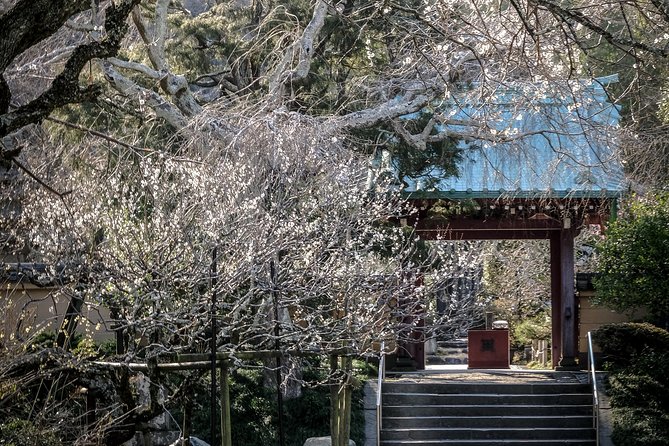
The price is $108.99 per person. That is a premium for a four-hour outing, especially since admission, lunch, drinks, and transportation are separate.
The comparison changes if you are sharing the tour with several people. A private guide for a group of four to eight can offer better value than the per-person figure first suggests, particularly if everyone wants a tailored pace and direct conversation.
You are paying for more than route-finding. The main value lies in the historical explanation, the ability to ask questions, help with local navigation, and photographs taken along the way. The private format also removes the compromises that come with a large group.
For a solo visitor, the price is harder to justify if you are comfortable reading signs and using public transportation. For a family, first-time visitor, or small group that wants Kamakura to make sense, the cost can be reasonable.
Group discounts are listed as a feature, though the available discount is not specified. Check the price for your exact party size before booking.
Timing, meeting point, and daily planning
You meet at Kamakura Station, at 1-chome-1-15 Onarimachi, Kamakura. The tour ends at Hase Station, 2 Chome-14 Hase, on the Enoden Line.
That one-way route is worth planning around. Do not assume you will finish back at Kamakura Station, and avoid booking a tight connection or another activity that begins near the starting point immediately afterward.
Several start times are available. Pick one that gives you enough time to reach Kamakura Station without rushing. The tour lasts about four hours, and the listed stop times already fill most of that period.
Transportation to and from the attractions is not included. The route itself is primarily a walk through Kamakura, with local transport relevant to getting between parts of town. One account specifically appreciated using public transportation with Virgil, but fares remain your responsibility.
Confirmation arrives at booking, and the activity is near public transportation. Most people can participate, but the walking, outdoor sections, steps, and hillside grounds at Hasedera are worth considering.
Free cancellation is available if you cancel at least 24 hours before the local start time. Cancellations or changes made inside that window are not refunded or accepted.
Who will get the most from this Kamakura tour
I would choose this experience if you want Kamakura’s history explained as you go. It suits first-time visitors who want to see the principal sights without spending hours working out the route and background on their own.
It is also a strong choice for families. The private setting gives children and teenagers room to ask questions, and the shopping street adds snacks and visual variety between shrine and temple visits.
Solo visitors gain from the photography help and the company of a guide. Couples and small groups benefit from the easy conversation and the ability to adjust the pace.
You may want another option if you are looking for a cheap orientation walk, a food tour, or a fully inclusive package. This is not a lunch tour, and it does not cover all entrance fees. It is a history-focused private walk with some shopping and food time along the way.
Should you book When Emperors Reigned and Shoguns Ruled?
Book it if you want the Kamakura period explained by a personable private guide, not simply a checklist of famous sights. Virgil’s patience, photographs, clear English, and flexible approach are the central reasons to consider it.
Think twice if the $108.99 price feels high for four hours, or if you want every cost included. Add admission, food, and transportation to your budget, and remember that Hasedera includes stairs and hillside walking.
For a family, solo visitor, or small group seeking a human guide through Kamakura’s samurai, Shinto, and Buddhist story, this is a strong pick. The 4.9 rating from 43 reviews and 98 percent recommendation mark support that choice, but the real decision comes down to your interest in personal guidance and your willingness to pay for it.
FAQ
How long does the Kamakura tour last?
The tour lasts approximately four hours.
Where does the tour begin?
It begins at Kamakura Station, at 1-chome-1-15 Onarimachi, Kamakura, Kanagawa 248-0012, Japan.
Where does the tour end?
It ends at Hase Station, 2 Chome-14 Hase, Kamakura, Kanagawa 248-0016, Japan, on the Enoden Line.
Is this a private tour?
Yes. Only your group participates in the activity.
How many people can join the private tour?
The tour is suitable for a solo visitor or groups of up to eight people.
Which attractions are included in the route?
The route includes Wakamiya Main Street, Tsurugaoka Hachimangu Shrine, Kamakura Komachidori, Kotoku-in with the Great Buddha, and Hasedera Temple.
Are entrance fees included?
Admission is free at Wakamiya Main Street, Tsurugaoka Hachimangu Shrine, and Kamakura Komachidori. Admission to Kotoku-in and Hasedera is not included.
Is lunch included?
No. Food, drinks, and lunch are not included.
Is transportation included?
Transportation to and from the attractions is not included.
Can I cancel for a full refund?
Yes, if you cancel at least 24 hours before the experience start time. Cancellations or changes made less than 24 hours before the start time are not refunded or accepted.
Just added around Kamakura
- First time in Kamakura? Enjoy a Tour of All Must-sees!★ 5.0 · 15 reviews
- Your Own HANKO Name Seal Activity in Kamakura.★ 5.0 · 24 reviews
- Kamakura 4hr Private Trip with Government-Licensed Guide★ 5.0 · 58 reviews
- Kamakura Walking Tour – The City of Shogun★ 5.0 · 100 reviews
- Kamakura Tours Half Day or Full Day Tours with a local guide.★ 5.0 · 12 reviews
- Kamakura Bamboo Forest and Great Buddha Private Tour★ 5.0 · 12 reviews
- Exciting Kamakura – One Day Tour from Tokyo★ 5.0 · 40 reviews
- Buddha, Bamboo & Zen – Bespoke Kamakura Private Walking Tours★ 5.0 · 25 reviews
Kamakura Tours, compared.
Kamakura & Enoshima Day Trip including Temple Tickets
Read our review →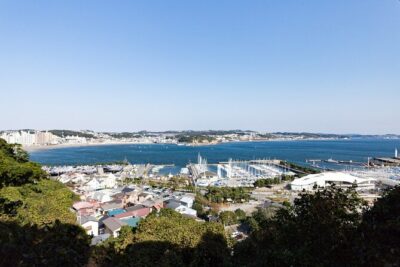
Kamakura Historical Walking Tour with the Great Buddha
Read our review →
Kamakura Private Tour: Temples, Nature, and the Great Buddha
Read our review →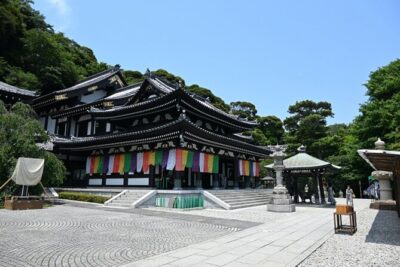
Kamakura 4hr Private Trip with Government-Licensed Guide
Read our review →
Kamakura Full Day Tour with a Local Expert Guide
Read our review →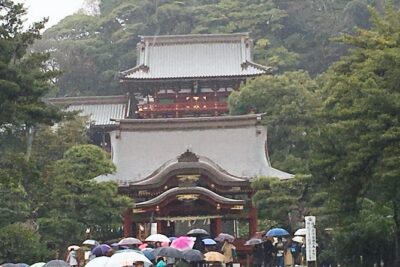
Browse the lists this tour appears in