
REVIEW · KAMAKURA DAY TRIPS
Exciting Kamakura – One Day Tour from Tokyo
Kamakura gives you a sharp change of scene from Tokyo: bronze Buddha, wooded temple grounds, ocean views, bamboo, and the old center of warrior government. This tour packs the town’s major sights into 8 hours and 30 minutes, with a guide who meets you at your Tokyo hotel and handles the train and local buses.
I like two things right away. First, the private format lets you ask questions and adjust the pace within the day’s schedule. Second, the guide does more than point out buildings. Guides such as Akira, Yumi, Yoshi, and Kono-san have helped visitors find trains, choose lunch, manage food needs, and even get temple calligraphy in a goshuincho book.
The catch is simple: this is not a relaxed stroll. You will ride public transportation, change between trains and buses, walk a lot, and climb some temple paths. Admission fees and transportation are extra, and the published admission figures do not fully agree, so check the current total before booking.
In This Review
- Key points at a glance
- Why Kamakura makes a strong Tokyo day trip
- Kotoku-in and the Great Buddha
- Hase-dera’s gardens, cave, and sea view
- Hokokuji and its compact bamboo grove
- Tsurugaoka Hachimangu and the warrior past
- What the private guide adds
- Time, walking, and the real pace of the day
- Is $145.31 per person good value?
- Small practical points before you book
- Who should book this Kamakura day trip?
- Should you book it?
- FAQ
- Where does the tour begin?
- How long does the experience last?
- Is this a private tour?
- Is transportation included?
- Which places are visited?
- Are entrance fees included?
- Is lunch included?
- How much walking is involved?
- Can I cancel for a full refund?
Key points at a glance
- The Great Buddha anchors the day: Kotoku-in gives you Kamakura’s most famous sight, with time to see the bronze statue and possibly enter it.
- Hase-dera mixes several experiences: Expect gardens, Buddhist statues, a cave shrine, and broad views toward the Pacific Ocean.
- Hokokuji offers a different mood: Its compact bamboo grove gives you a quiet contrast to the larger temple sites.
- Tsurugaoka Hachimangu explains Kamakura’s power: This shrine was tied to the shogunate and its warrior culture.
- Your guide handles the hard parts: Hotel pickup, train navigation, buses, site explanations, lunch advice, and return travel are all part of the day’s value.
- Budget beyond the tour price: The listed price is $145.31 per person, with about ¥2,720 for transportation and additional temple fees.
Why Kamakura makes a strong Tokyo day trip
Kamakura was Japan’s political center from the 12th through the 14th century. That past is still easy to see, but the town does not feel like a museum. Temples sit among trees and hills, the coast is close, and the main shrine connects the old military government to daily religious life.
I like this mix. You get grand sights, but also smaller details: garden ponds, statues, bamboo, cave worship, lotus and carp at the shrine, and local streets near the station. One family even used part of the day to have a music box made, though you should treat that as an optional possibility rather than a scheduled stop.
The tour is especially useful if Tokyo is your base and you do not want to spend your limited vacation time working out Kamakura’s rail connections. Your guide meets you in the hotel lobby at 9:00 a.m., then helps you make the trip south. The journey has been described as about an hour by some people and closer to an hour and a half by others, so your exact hotel and route matter.
You are not riding in a private vehicle. The transportation is public train service and local buses, with the total transportation cost listed at about ¥2,720 per person. That is an important distinction. You pay for a private guide, not private transport.
More Kamakura Day Trips in Kamakura
- Tokyo: Kamakura & Enoshima Day Trip including Temple Tickets
★ 4.5 · 1,375 reviews - From Tokyo: Kamakura & Enoshima 1-Day Bus Tour
★ 4.5 · 189 reviews - Kamakura Historical Walking Tour with the Great Buddha
★ 5.0 · 129 reviews
Kotoku-in and the Great Buddha
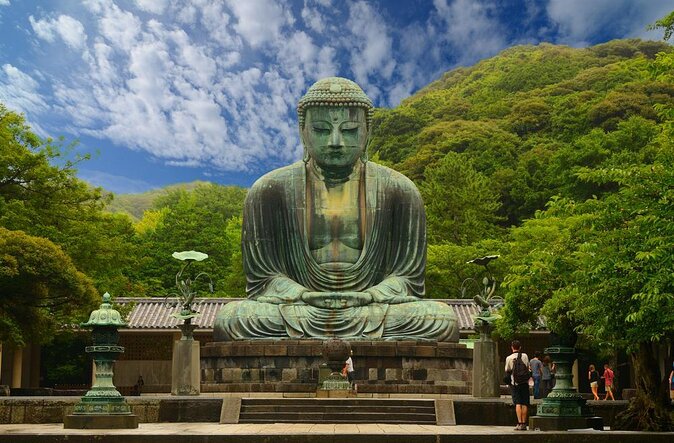
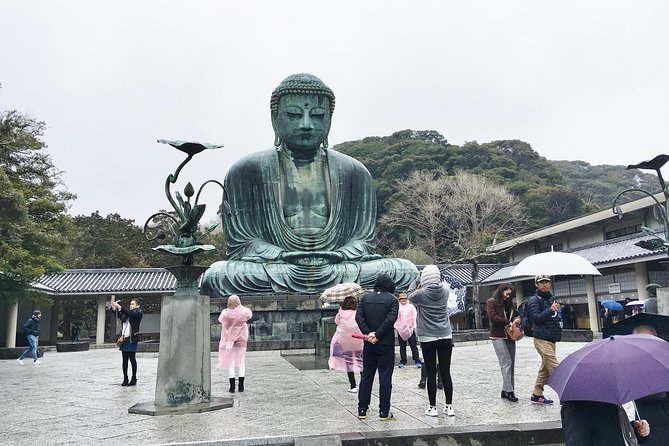
The day usually begins with Kotoku-in, home of the Great Buddha of Kamakura. The temple dates to the 13th century, and the bronze figure is the town’s best-known landmark.
You have about an hour here. That gives you time to take in the statue, walk around it, and listen to the explanation of its place in Kamakura’s religious and political story. The scale is the point, but do not rush past the details of the bronze surface and the calm expression. This is a powerful first stop because it gives you an immediate sense of why Kamakura is worth leaving Tokyo for.
The statue can also be entered. That interior visit is brief and not suitable if you are uncomfortable in tight spaces, but it adds a memorable physical detail to what can otherwise feel like a standard photo stop.
Admission is not included. The itinerary gives ¥300, while the separate fee information lists ¥1,100, so I would confirm the current charge with the operator before you go. This discrepancy is small compared with the tour price, but it is exactly the sort of detail that can cause confusion at the gate.
Hase-dera’s gardens, cave, and sea view
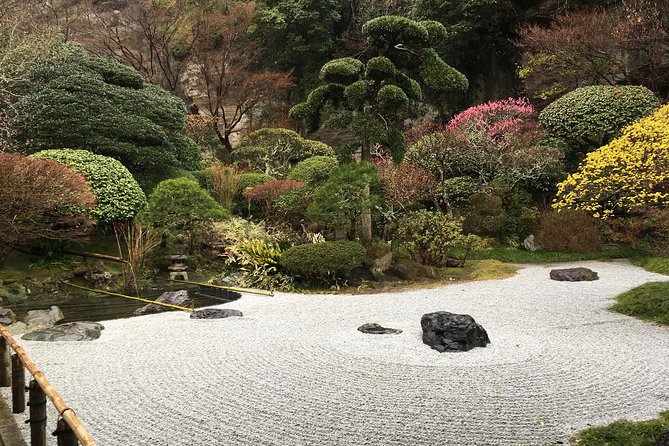
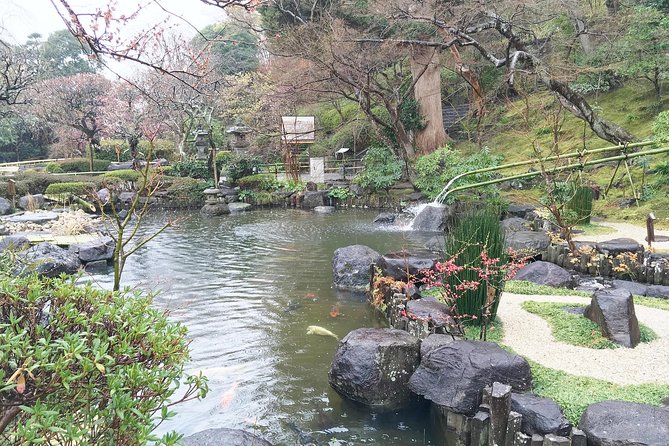
Hase-dera is more varied than Kotoku-in. The temple was founded in the 8th century, and its grounds combine Buddhist images, a Japanese garden, hillside paths, a cave shrine, and views toward the Pacific Ocean.
Plan to spend about an hour. You will not simply walk up to one building and leave. The gardens give you a slower section of the day, while the cave provides a more unusual religious setting. The ocean view helps explain Kamakura’s appeal as a coastal town, not just an old capital filled with temples.
June and July can be a special time here, when hydrangeas bloom along the hillside. One visit in June included flowers at their best, and that seasonal display was a major part of the experience. If you are visiting outside that period, the temple still has plenty to see, but do not expect the famous hydrangea show.
Hase-dera can also be a good place to discuss lunch. Guides have helped groups find local restaurants, including noodles and okonomiyaki, and one guide found a suitable restaurant for a visitor with a food allergy. The tour does not include lunch, so you pay separately. Still, advice from a local guide can save time and make the meal less stressful, especially if someone in your group has dietary restrictions.
Hokokuji and its compact bamboo grove
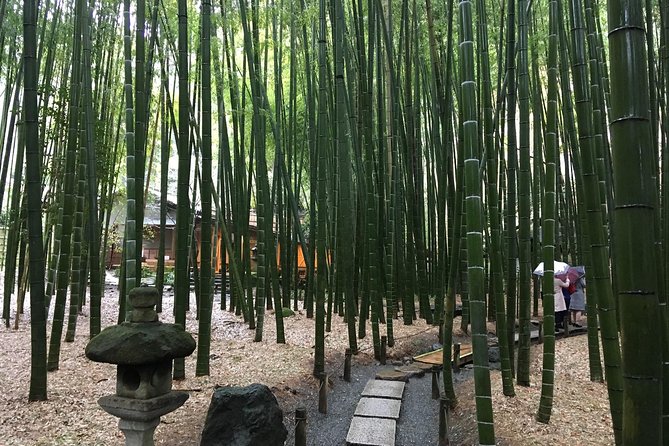
Hokokuji Temple, also called Takedera, is the quiet change of pace in this itinerary. Its bamboo grove is smaller than the famous bamboo attractions in Kyoto, but that is part of its appeal. You can focus on the narrow green paths and the temple’s restrained atmosphere without trying to cover a huge site.
The stop is scheduled for about an hour. It is a good place to slow down, take photographs, and notice how different one temple can feel from another. The tour description also points out that Hokokuji is unlike many of Kamakura’s other temples, and I agree with that basic idea: the bamboo gives it a distinct identity.
An admission fee applies. The supplied information lists both ¥400 and ¥300 in different places, so again, verify the current price. If you want the tea-house experience sometimes associated with the grove, ask your guide what is available on the day. A memorable tea stop appeared in one visit, but it is not listed as a guaranteed part of the tour.
Same city, a completely different kind of day:
- Kamakura Private Tour: Temples, Nature, and the Great Buddha
★ 5.0 · 121 reviews - Kamakura Walking Tour – The City of Shogun
★ 5.0 · 100 reviews - Kamakura 4hr Private Trip with Government-Licensed Guide
★ 5.0 · 58 reviews - When Emperors Reigned and Shoguns Ruled
★ 5.0 · 43 reviews
Tsurugaoka Hachimangu and the warrior past
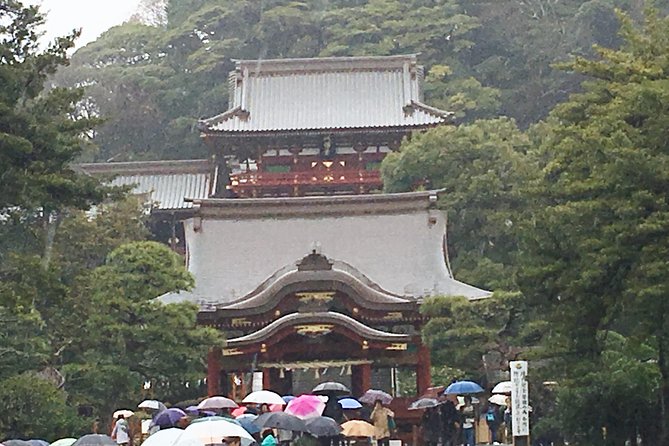
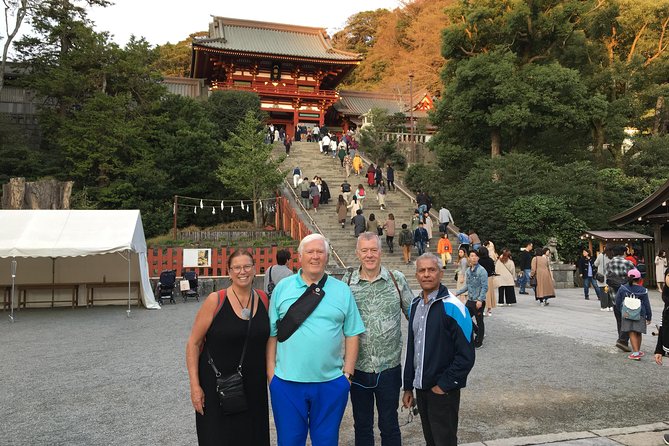
Tsurugaoka Hachimangu is the final major stop. This is Kamakura’s official guardian shrine and was closely linked to the shogunate and the warrior class.
The setting helps you understand that Kamakura was not simply a religious retreat. It was a center of military power, and this shrine served a political and spiritual role for the people who governed Japan. Your guide can connect the shrine’s buildings and grounds to the shogunate, emperors, and the way warrior culture shaped Japanese society.
Admission is free, but the grounds still deserve time. Details noted during visits include lotus and carp, which add a peaceful, natural touch to a site with a serious political past. The contrast is typical of Kamakura: military history, Buddhist practice, gardens, and ordinary town life sit close together.
You have about an hour here. That sounds generous, but the day’s walking and transport can make the final stop feel tiring. Wear shoes you can walk in for hours, and do not assume every path will be flat.
What the private guide adds
The guide is the main reason to choose this experience instead of going alone. Kamakura is manageable independently, but four major sites spread across town require planning, transport decisions, and time control.
A good guide makes the day easier in several concrete ways:
- You meet in your hotel lobby, rather than finding a distant departure point.
- You get help with Tokyo train stations and local Kamakura buses.
- You hear why each temple or shrine matters instead of seeing only the surface.
- You can ask questions as they arise.
- You receive help choosing lunch.
- You may get practical assistance with Pasmo cards and local transport.
- You can ask for help with photographs, temple stamps, or food restrictions.
The strongest guide accounts are attached to Akira, Yumi or Yumiko, Yoshi or Yoshio, Kono-san, and Hideaki Murayama. Akira is described as organized and clear, with a typed itinerary and strong site explanations. Yumi is praised for being attentive and flexible, and for helping a family with goshuincho stamps. Yoshi is noted for keeping a full schedule without making the group feel rushed.
Guide quality can vary, and language ability matters. One person found the guide’s English difficult, while another felt a guide walked too quickly and followed a fixed script instead of pausing for questions. That is a fair warning for a private tour. At booking, ask about the guide’s language ability and tell the guide if your group needs a slower pace or extra explanation.
Time, walking, and the real pace of the day
The four headline stops each receive about one hour, but those hours do not include every train ride, bus trip, transfer, meal, and walk between sites. That is why the advertised day lasts 8 hours and 30 minutes.
You should expect a full day on your feet. Several people specifically noted the number of steps, multiple trains, and local buses. A moderate level of physical fitness is requested, and that is sensible. Temple grounds may include slopes, stairs, uneven paths, and long stretches between transport stops.
The schedule aims to cover the major sights rather than leave long gaps. If you prefer lingering at one garden, shopping, or sitting over a long lunch, this may feel too structured. If you want an efficient first look at Kamakura, the pace makes more sense.
Weather can change the feel of the day. Kamakura has been enjoyed in sunshine, rain, snow, and the June flower season, but wet paths and cold weather can make the walking harder. Bring suitable shoes and clothing for the forecast.
Is $145.31 per person good value?
The listed tour price is $145.31 per person. On top of that, budget about ¥2,720 per person for transportation and separate admission fees for Kotoku-in, Hase-dera, and Hokokuji. Lunch is also extra.
That makes this a guide-focused purchase, not a low-cost sightseeing pass. If you are comfortable using Japanese trains and buses, reading schedules, finding temple entrances, and building your own route, you can likely spend less independently. You would also have more freedom to change the plan.
I see better value for first-time visitors to Japan, families, older groups who want help with navigation, and anyone who wants history explained in clear English. The private format is particularly useful when your group has food restrictions, different interests, or questions that would be lost on a large group tour.
Group discounts are offered, so the cost may make more sense for several people sharing the experience. You also avoid the planning burden, which has real value during a short Tokyo stay.
Small practical points before you book
The tour starts at 9:00 a.m. and meeting is in your hotel lobby. Confirmation is normally sent at booking, but reservations made within two days of travel may take up to 48 hours and remain subject to availability.
Children must be accompanied by an adult. This is a private activity, so only your own party participates. Free cancellation applies if you cancel at least 24 hours before the local start time. Cancellations or changes inside that window are not refunded or accepted.
Most important, confirm the entrance charges and transportation arrangement. The supplied figures list different prices for Kotoku-in and Hokokuji, and the guide is included while transportation is not. Ask for the current fee details rather than relying on an old estimate.
Who should book this Kamakura day trip?
I would choose this tour if you want to see the Great Buddha, Hase-dera, Hokokuji, and Tsurugaoka Hachimangu in one organized day. It is also a smart choice if Tokyo rail stations feel intimidating, or if you want someone to connect the temples to the story of the shogunate.
Families may appreciate the private setting and help with lunch. First-time visitors benefit from the transport guidance. Photographers and garden lovers will enjoy Hase-dera, Hokokuji, and the shrine grounds, especially in hydrangea season.
I would hesitate if you dislike public transportation, long walking days, fixed sightseeing schedules, or extra costs at each temple. I would also contact the operator before booking if English communication is a major concern, since guide language ability can shape the day.
Should you book it?
Book this private Kamakura tour if you want an efficient, well-explained introduction and would rather spend your day seeing temples than planning routes. The strongest value comes from the guide’s help with trains, buses, history, lunch, and small cultural details.
Skip it if you are an experienced Japan visitor who enjoys making your own route and wants to linger at fewer places. For everyone else, Kamakura’s mix of Buddha, bamboo, sea views, gardens, and warrior history makes this one of the more worthwhile side trips from Tokyo, as long as you arrive ready to walk.
FAQ
Where does the tour begin?
The guide meets you in your hotel lobby in Tokyo. The scheduled start time is 9:00 a.m.
How long does the experience last?
The tour lasts approximately 8 hours and 30 minutes.
Is this a private tour?
Yes. Only your group participates in the activity.
Is transportation included?
No. The guide is included, but your transportation costs are separate. The listed estimate is about ¥2,720 per person.
Which places are visited?
The itinerary includes Kotoku-in and the Great Buddha, Hase-dera Temple, Hokokuji Temple, and Tsurugaoka Hachimangu Shrine.
Are entrance fees included?
No. Entrance fees are separate. The supplied information lists fees for Kotoku-in, Hase-dera, and Hokokuji, but the quoted amounts differ in places, so confirm current prices before departure.
Is lunch included?
No. Lunch is not included. Guides can help you find a restaurant, including options for specific food needs.
How much walking is involved?
You should expect a lot of walking, multiple trains, and local buses. A moderate level of physical fitness is recommended.
Can I cancel for a full refund?
Yes, if you cancel at least 24 hours before the experience start time. Cancellations and changes made less than 24 hours before the start are not refunded or accepted.
More 1-Day Tours in Kamakura
- Mt Fuji and Hakone 1-Day Bus Tour Return by Bullet Train
★ 5.0 · 26,383 reviews - 1-Day Tokyo Bus Tour
★ 5.0 · 14,250 reviews - PERFECT KYOTO 1-Day Bus Tour
★ 5.0 · 13,518 reviews - Mt Fuji & Hakone Cruise, Drum Show Bullet Train 1 Day from Tokyo
★ 4.0 · 7,413 reviews
Just added around Kamakura
- When Emperors Reigned and Shoguns Ruled★ 5.0 · 43 reviews
- First time in Kamakura? Enjoy a Tour of All Must-sees!★ 5.0 · 15 reviews
- Your Own HANKO Name Seal Activity in Kamakura.★ 5.0 · 24 reviews
- Kamakura 4hr Private Trip with Government-Licensed Guide★ 5.0 · 58 reviews
- Kamakura Walking Tour – The City of Shogun★ 5.0 · 100 reviews
- Kamakura Tours Half Day or Full Day Tours with a local guide.★ 5.0 · 12 reviews
- Kamakura Bamboo Forest and Great Buddha Private Tour★ 5.0 · 12 reviews
- Buddha, Bamboo & Zen – Bespoke Kamakura Private Walking Tours★ 5.0 · 25 reviews
Kamakura Day Trips, compared.
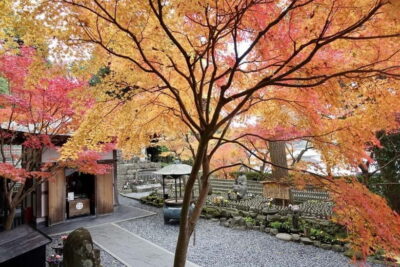
Kamakura & Enoshima Day Trip including Temple Tickets
Read our review →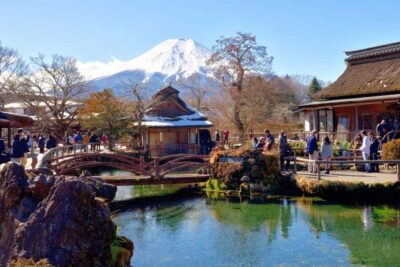
Mt. Fuji, Kamakura, Big Buddha, & Lake Ashi Day Trip
Read our review →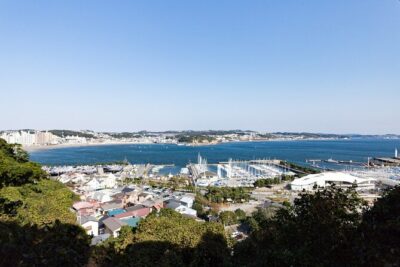
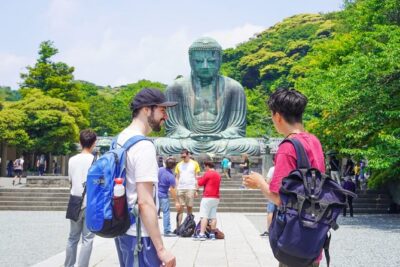
Kamakura Historical Walking Tour with the Great Buddha
Read our review →
Kamakura Private Tour: Temples, Nature, and the Great Buddha
Read our review →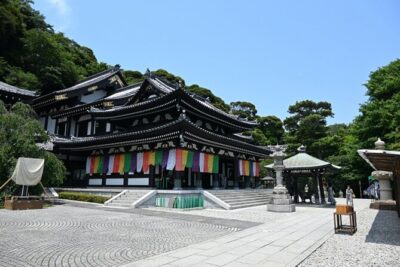
Sea of Mount Fuji, Hakone Ropeway, Ōwakudani, Enoshima
Read our review →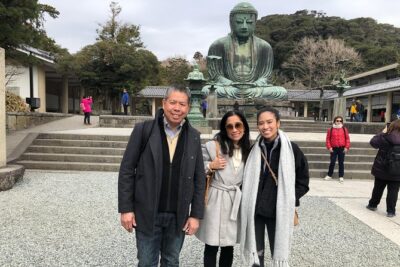
Kamakura 8 hr Private Walking Tour with Licensed Guide from Tokyo
Read our review →Browse the lists this tour appears in