
REVIEW · KAMAKURA DAY TRIPS
Buddha, Bamboo & Zen – Bespoke Kamakura Private Walking Tours
Kamakura is where Tokyo’s bright lights give way to bronze Buddhas, mossy temple grounds, samurai stories, and a salty coastal calm. Buddha, Bamboo & Zen makes the town feel personal, not like a checklist. Brad, an Australian native English-speaking guide, leads your private group through the sights and can reshape the day as you go.
I like the flexible pace and the mix of major sights with quieter details such as yagura, the man-made caves used as medieval burial sites. I also like that Brad watches for temple fatigue and can end the day when you have had enough. The main drawback is the cost of admission and transport on top of the tour price, plus a fair amount of walking and travel between stops.
In This Review
- Key points at a glance
- Why this private Kamakura day works
- Kotoku-in and the Great Buddha
- Hasedera’s gardens and Kannon statue
- Hokoku-ji and the Bamboo Temple
- Komachi Street for food and a breather
- Tsurugaoka Hachimangu and samurai Kamakura
- Yagura, Zen, and the parts between the stops
- What the $355.80 price really buys
- Who should book this experience
- Should you book Buddha, Bamboo & Zen?
- FAQ
- How long does the Buddha, Bamboo & Zen tour last?
- Where does the tour begin and end?
- How many people can join the private tour?
- Are temple admission fees included?
- Is lunch included?
- Is public transportation included?
- What happens if bad weather cancels the tour?
Key points at a glance
- Private for up to six people: The $355.80 group price makes more sense for families or friends sharing the day.
- Brad shapes the route around you: You can bring your own plan or let him choose favorite Kamakura spots.
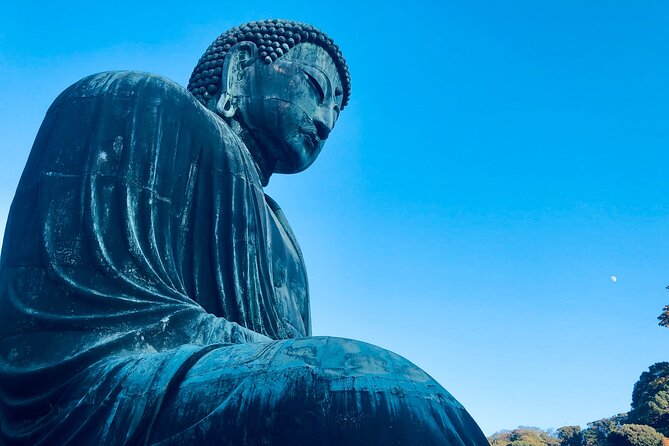
- Five substantial stops: See the Great Buddha, Hasedera, Hokoku-ji, Komachi Street, and Tsurugaoka Hachimangu.
- Expect about two hours of moving around: The day includes walking, train or bus travel, rest stops, and food breaks.
- Budget extra cash: Temple admissions total about ¥1,300, with roughly ¥840 per person listed for public transport.
- A good escape from Tokyo: Kamakura offers Buddhist temples, Shinto tradition, samurai history, and a slower coastal-town mood.
Why this private Kamakura day works
The strength of this experience is not simply the list of temples. Kamakura rewards context, and a private guide can explain how Buddhist temples, Shinto shrines, Zen practice, and samurai power fit together without forcing you through a rigid script.
You begin at Kamakura Station’s east exit, a practical meeting point near Komachi Street. From there, the day can follow the planned route, or Brad can adjust it to suit your interests. If your family wants more history, you can spend longer with samurai-era sites. If your group prefers gardens and food, you can slow down. If everyone has reached their temple limit, you can call it a day.
That flexibility is valuable in Kamakura. The sights are spread around town, so the day is not six hours of continuous walking from one doorway to the next. About two hours have been allowed for travel by foot, train, and bus, along with rests and food or drink breaks. The result is more manageable than a hard-charging sightseeing march, though you should still wear comfortable shoes.
The private format also helps families and friends. You are not waiting for strangers, and you do not need to match another group’s pace. The advertised capacity is six people, so larger parties would need to make other arrangements.
More Kamakura Day Trips in Kamakura
- Tokyo: Kamakura & Enoshima Day Trip including Temple Tickets
★ 4.5 · 1,375 reviews - From Tokyo: Kamakura & Enoshima 1-Day Bus Tour
★ 4.5 · 189 reviews - Kamakura Historical Walking Tour with the Great Buddha
★ 5.0 · 129 reviews
Kotoku-in and the Great Buddha
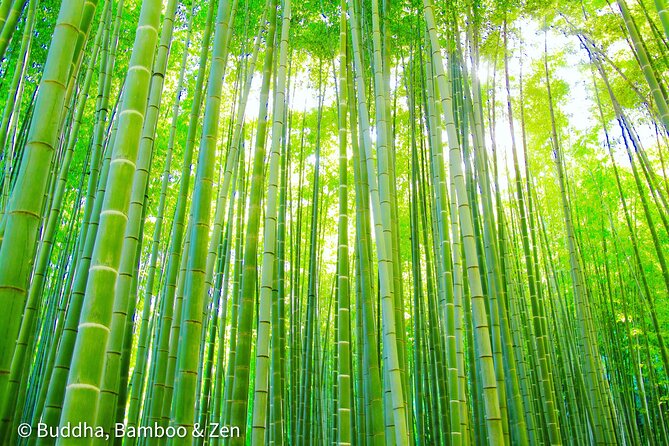
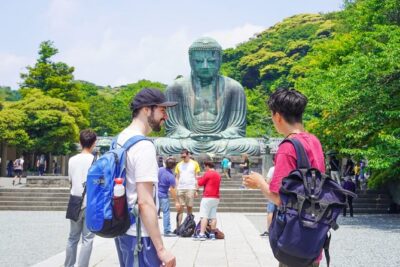
The Great Buddha of Kamakura is the day’s big visual opening. At Kotoku-in, you see a bronze statue measuring 13.35 meters high. It was first carved in wood before being cast in bronze, a detail that gives you a sense of the effort behind this famous image.
The statue is impressive because it is both enormous and restrained. It does not need a towering interior to make its point. Its presence is calm, direct, and very Japanese in its balance of scale and simplicity.
Plan about an hour here. The admission fee is ¥300 per person, paid separately. Brad’s role matters most at a site like this, where a quick photo can otherwise replace understanding. He can place the statue within Kamakura’s Buddhist setting and explain why it has become the town’s defining image.
This stop is easy to appreciate even if you are not deeply interested in religious architecture. It is also a strong choice for children, since the statue gives the visit an immediate focus. The limitation is that Kotoku-in is one of Kamakura’s best-known sights, so it can feel more like a required stop than a quiet discovery. Your private guide helps by giving the visit shape rather than simply pointing at the Buddha and moving on.
Hasedera’s gardens and Kannon statue
Hasedera adds a different mood. The temple is known for its 9.18-meter Eleven-headed Kannon, a wooden statue said to have been carved in 721 AD. The image itself is not just another large religious figure. Its many heads symbolize attentive compassion, and Brad can help you understand why it matters within Japanese Buddhism.
Allow around 45 minutes here. The shorter stop does not mean the temple lacks interest. Hasedera is also prized for its gardens, with flowers appearing at different times of year. The hydrangea path is a particular draw, though the experience of any garden depends on the season.
I like the contrast with the Great Buddha. Kotoku-in gives you one powerful outdoor image. Hasedera asks you to notice smaller details, planting, slopes, temple buildings, and the atmosphere around the central statue.
The admission fee is ¥400 per person. The gardens may appeal more to adults who enjoy design and seasonal flowers, while the statue gives the visit a clear anchor for everyone else. If your group prefers a slower look at traditional spaces, you may want to use some of the tour’s flexibility here. If you are already feeling templed out, Brad can keep the stop focused.
Hokoku-ji and the Bamboo Temple
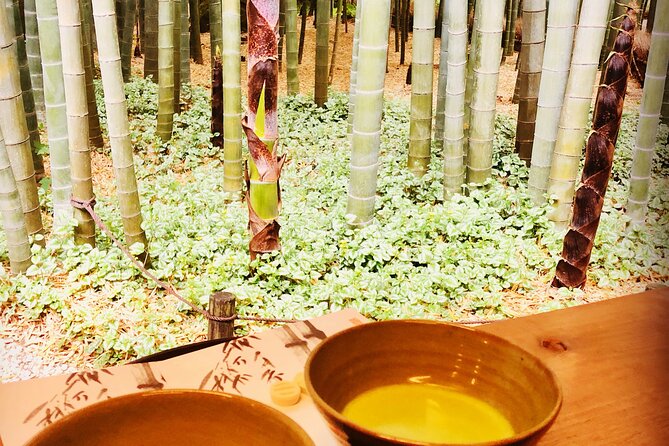
Hokoku-ji is the tour’s most atmospheric stop. This Rinzai Zen temple, founded in 1334, is often called the Bamboo Temple because of its grove of about 2,000 moso bamboo plants.
The bamboo creates a narrow, shaded setting where the visual rhythm changes completely. After the monumental bronze Buddha and the formal garden at Hasedera, you are surrounded by tall green stalks and filtered light. It is a place for quiet looking rather than rapid sightseeing.
The visit lasts about an hour, and you can enjoy matcha green tea while there. The tea is not included, so bring extra yen. Admission to the bamboo grove is ¥600 per person.
That fee is higher than the other temple admissions, but this is the stop most likely to feel distinct from other Tokyo-area sightseeing. It is not only a photo stop. The grove gives you a useful introduction to Zen’s preference for restraint, space, and controlled natural beauty.
There is one practical point to remember: bamboo paths can be narrow, and the day involves movement between several places. If someone in your group needs frequent rest, tell Brad early. The private setup makes that conversation easier than it would be in a large tour.
Same city, a completely different kind of day:
- Kamakura Private Tour: Temples, Nature, and the Great Buddha
★ 5.0 · 121 reviews - Kamakura Walking Tour – The City of Shogun
★ 5.0 · 100 reviews - Kamakura 4hr Private Trip with Government-Licensed Guide
★ 5.0 · 58 reviews - When Emperors Reigned and Shoguns Ruled
★ 5.0 · 43 reviews
Komachi Street for food and a breather
Komachi Street runs through the heart of Kamakura and offers a welcome change from temples. It is a pedestrian shopping street with places to eat, browse, and explore side lanes. The planned time here is about an hour, though the private format means you may spend more or less time depending on your group.
Lunch is not included. Neither are snacks, drinks, or matcha. That is a drawback if you prefer one all-inclusive price, but it gives you control over what you eat and how long you stop. Families with different tastes may find this easier than a fixed restaurant menu.
Use Komachi Street as a reset point. Six hours of religious sites can blur together, especially for children or first-time visitors to Japan. A meal, snack, or simple pause helps you return to the afternoon with more attention.
The street is also near the start and end point at Kamakura Station’s east exit. Since the tour ends back at the meeting point, you can continue exploring the area afterward if your energy allows. The experience itself does not include a meal, so carry enough cash for your group.
Tsurugaoka Hachimangu and samurai Kamakura
Tsurugaoka Hachimangu is Kamakura’s most important Shinto shrine. It was established in 1063 and is dedicated to Hachiman, the tutelary deity of warriors. That connection makes the shrine especially useful for understanding Kamakura’s samurai past.
The approach to the shrine gives the stop a sense of ceremony. This is not a small neighborhood sanctuary. It is a major religious and historic center, and its scale helps explain Kamakura’s former political and military importance.
Admission is free, which balances the paid temple stops. Allow about an hour. You will want time to notice the difference between Shinto and Buddhist spaces. In simple terms, Shinto centers on native Japanese kami and ritual purity, while Buddhism arrived from outside Japan and developed a wide range of teachings and practices. Kamakura’s appeal comes partly from seeing both traditions close together.
Brad can also connect the shrine to samurai history and Zen. Those subjects are not separate boxes here. Kamakura’s warrior culture helped shape the city’s religious life, and Zen became closely associated with the disciplined world of the samurai.
Yagura, Zen, and the parts between the stops
One of the more unusual details associated with the day is the chance to see yagura, man-made caves connected with medieval burials. These are easy to miss if you focus only on the headline sights. Their Spartan character fits Kamakura’s understated temple style better than a polished museum display would.
The town’s charm often lies in these transitions. You walk, take local transport, pause for food, then arrive somewhere with a different tone. The movement is part of the experience, not wasted time. Still, you should understand that this is not a coach tour with a seat waiting at every stop. The supplied schedule allows about two hours for walking, train and bus connections, rest, and food or drink.
The tour description also emphasizes rustic temples, Zen, and samurai history. Those themes make the day more rewarding if you enjoy cultural background rather than only taking photographs. Brad’s Australian accent and local experience may also make it easier for English-speaking families to ask questions and settle into the day.
What the $355.80 price really buys
At $355.80 per group of up to six, the tour costs more than joining a basic group outing. The value depends heavily on group size. Split six ways, the guiding cost is far more reasonable than it is for one or two people. For a family or group of friends, the private format can justify the price through control of time, pace, and interests.
The price covers guiding services only. You should add:
- ¥300 per person for Kotoku-in
- ¥400 per person for Hasedera
- ¥600 per person for Hokoku-ji
- About ¥840 per person for public transportation
- Your own lunch, snacks, drinks, and matcha
The listed recommendation is to carry about ¥2,000 per person for admissions and transport, plus extra cash for food. That is sensible, even though the three stated temple fees add up to about ¥1,300 before transport.
The strongest value comes from the guide’s ability to adjust the day. If you want a fixed sightseeing route with no personal input, you may not get full benefit from paying for a private tour. If you want help choosing among Kamakura’s many temples, shrines, walking routes, and food stops, the cost is easier to defend.
Who should book this experience
I would choose this tour for a family wanting a gentle introduction to Kamakura without managing every train, bus, admission fee, and route decision alone. It also suits friends who want to mix major sights with shopping, lunch, short walks, and conversation.
It is a good match for people who like history, religious sites, gardens, and local context. You do not need to be an expert in Buddhism or samurai culture. Brad can provide the background, while you decide how much detail you want.
The tour may be less suitable if you dislike walking, want a very short half-day outing, or prefer a fixed schedule with all food and admissions included. The day is approximately six hours, and the schedule lists Wednesday availability from 8:00 AM to 5:00 PM. Most people can participate, and service animals are allowed, but tell the provider about mobility concerns before booking.
The experience requires good weather. If poor weather cancels the day, you are offered another date or a full refund. You can cancel for a full refund up to 24 hours before the start time, while later cancellations and changes are not accepted.
Should you book Buddha, Bamboo & Zen?
Book it if you want Kamakura explained by a friendly guide rather than simply photographed from a station platform. Brad’s flexibility is the central reason to choose it. He can help you get a Suica card and find additional cash before the tour, then shape the day around your family’s interests, energy, and appetite.
I would be most likely to book for four to six people. At that size, the group price spreads well, and a private walking day becomes a practical alternative to organizing everything yourself. Budget for roughly ¥2,000 per person before meals, wear good shoes, and expect a full day of movement.
If you want Kamakura’s Great Buddha, bamboo grove, major shrine, gardens, food street, and samurai setting in one carefully paced day, this is a strong choice. If the thought of several temples already makes you tired, tell Brad at the start. The ability to stop when you are satisfied is the feature that may save the day.
FAQ
How long does the Buddha, Bamboo & Zen tour last?
The experience lasts approximately six hours. About two hours are allocated for walking, train and bus travel, rest periods, and food or drink breaks.
Where does the tour begin and end?
The tour begins at Kamakura Station’s east exit, at 1 Chome-1 Komachi, Kamakura. It ends back at the same meeting point.
How many people can join the private tour?
The tour is private for your group and can include up to six people.
Are temple admission fees included?
No. Temple admission fees are paid separately by each person. The listed prices are ¥300 for Kotoku-in, ¥400 for Hasedera, and ¥600 for Hokoku-ji.
Is lunch included?
No. Lunch, snacks, drinks, and matcha green tea are not included. Bring extra cash for food and beverages.
Is public transportation included?
No. Public transportation is listed separately at approximately ¥840 per person. The day includes travel on foot, by train, and by bus.
What happens if bad weather cancels the tour?
If poor weather causes the experience to be canceled, you can choose a different date or receive a full refund. Free cancellation is also available up to 24 hours before the start time.
Just added around Kamakura
- When Emperors Reigned and Shoguns Ruled★ 5.0 · 43 reviews
- First time in Kamakura? Enjoy a Tour of All Must-sees!★ 5.0 · 15 reviews
- Your Own HANKO Name Seal Activity in Kamakura.★ 5.0 · 24 reviews
- Kamakura 4hr Private Trip with Government-Licensed Guide★ 5.0 · 58 reviews
- Kamakura Walking Tour – The City of Shogun★ 5.0 · 100 reviews
- Kamakura Tours Half Day or Full Day Tours with a local guide.★ 5.0 · 12 reviews
- Kamakura Bamboo Forest and Great Buddha Private Tour★ 5.0 · 12 reviews
- Exciting Kamakura – One Day Tour from Tokyo★ 5.0 · 40 reviews
Kamakura Day Trips, compared.
Kamakura & Enoshima Day Trip including Temple Tickets
Read our review →
Mt. Fuji, Kamakura, Big Buddha, & Lake Ashi Day Trip
Read our review →
Kamakura Historical Walking Tour with the Great Buddha
Read our review →
Kamakura Private Tour: Temples, Nature, and the Great Buddha
Read our review →
Sea of Mount Fuji, Hakone Ropeway, Ōwakudani, Enoshima
Read our review →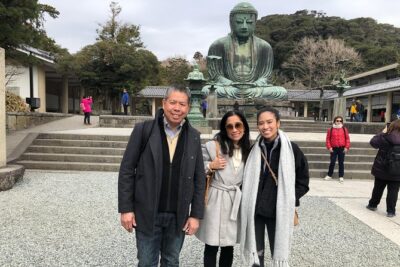
Kamakura 8 hr Private Walking Tour with Licensed Guide from Tokyo
Read our review →Browse the lists this tour appears in