
REVIEW · MOUNT FUJI DAY TRIPS
Tokyo:Sea of Mount Fuji, Hakone Ropeway, Ōwakudani, Enoshima
A single day takes you from volcanic Hakone to the Pacific coast. You cruise Lake Ashi on a pirate ship, pass steaming Owakudani by cable car, and finish at Enoshima, where Mount Fuji can appear across Sagami Bay. It is an ambitious route, but a memorable one when the weather cooperates.
I like the three different views of Fuji, from a lake, a volcanic valley, and the sea. I also like the practical setup: air-conditioned transport, guide support in English or Chinese, and tickets for the cruise and ropeway handled with help if needed. The drawback is time. Ten hours includes plenty of driving, and Enoshima receives only a short visit.
In This Review
- Key points to know before you book
- Why this route works from Tokyo
- Lake Ashi and the famous red torii
- A pirate ship across Lake Ashi
- Riding above Owakudani on the Hakone Ropeway
- Owakudani black eggs and sulfur steam
- Enoshima, shrines, and the sea
- Finding the Sea of Mount Fuji
- Transport, guides, and the pace of the day
- What $50 really gets you
- Who should book this day trip
- Should you book it?
- FAQ
- How long does the experience last?
- Where does the tour meet?
- Are the Hakone cruise and ropeway included?
- Is Mount Fuji guaranteed to be visible?
- Are food and drinks included?
- What languages are available?
- Can I cancel the booking?
Key points to know before you book
- Three major sights in one day: Lake Ashi, Owakudani, and Enoshima give you very different sides of the region.
- Fuji is never guaranteed: Clouds and rain can hide the mountain, even when you are close to it.
- The boat and ropeway may cost extra: Check the option you select, since admissions are not included in every booking.
- Expect a long day on the road: Traffic around Hakone and Tokyo can delay the return, especially on weekends and holidays.
- Enoshima is a sampler, not a full visit: You see the key shrine approach and food street, but you will not have time to explore every corner.
- Guides add real value: Guides including Jimmy, Aki, Belle, Pin, Kishida, and Augustin are praised for clear instructions, local facts, photography help, and keeping the day on track.
Why this route works from Tokyo
Tokyo is packed with towers, department stores, neon, and trains. This trip gives you a useful change of rhythm without asking you to plan several complicated connections yourself. In one day, you see a volcanic lake, an active geothermal valley, a traditional shrine, and the open coast.
That variety is the main reason to consider it. Many day trips from Tokyo focus only on Mount Fuji or only on Hakone. This one adds Enoshima, a small island south of Tokyo with shrines, steep lanes, seafood, and views toward the Pacific.
The route is also built around famous Japanese images. You may see the red torii gate of Hakone Shrine rising from Lake Ashi, Mount Fuji behind the water, sulfur steam at Owakudani, and the island shrines of Enoshima. On a clear day, the photos can be excellent.
Still, you need the right expectations. This is not a slow, deeply detailed tour of Hakone and Enoshima. It is a broad introduction to both areas, linked by a comfortable vehicle and a fixed schedule. I would choose it for a first look at the region, not for an in-depth exploration.
More Kamakura Day Trips in Tokyo
- Tokyo: Mt. Fuji, Kamakura, Big Buddha, & Lake Ashi Day Trip
★ 4.5 · 867 reviews - Kamakura 8 hr Private Walking Tour with Licensed Guide from Tokyo
★ 5.0 · 80 reviews - Tokyo: Kamakura & Enoshima Day Tour with Pickup & Train Ride
★ 4.1 · 61 reviews
Lake Ashi and the famous red torii
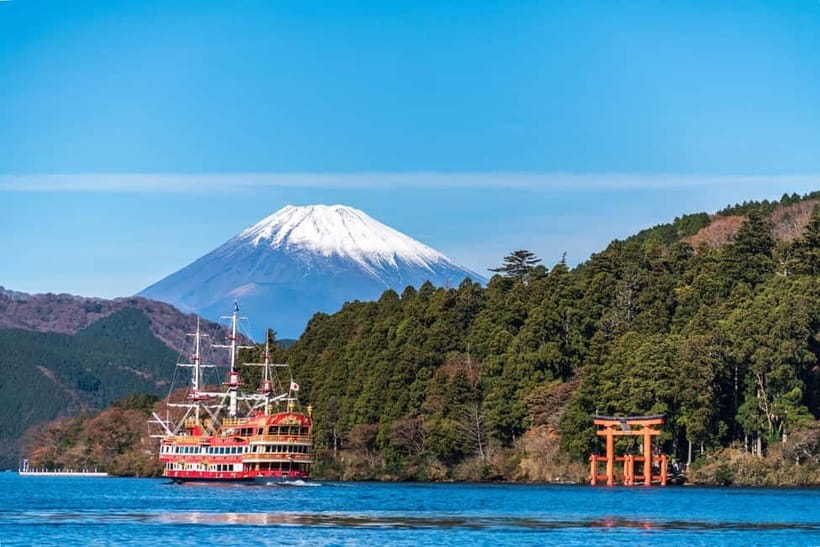
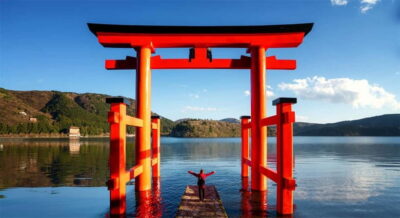
Lake Ashi formed after volcanic activity in Hakone thousands of years ago. Today, its calm water and mountain setting make it one of the area’s best-known views. The planned photo stop is brief, about 20 minutes, so use it well.
This is your chance to frame the lake, surrounding peaks, and the red torii associated with Hakone Shrine. Fuji may appear in the distance, but visibility changes quickly. Winter often offers the clearest air, while cloud can cover the mountain at any time of year.
The short stop has one advantage: it keeps the day moving. The downside is that you will not have time for a long lakeside walk or a careful visit to the shrine at this point. Have your camera ready before you leave the vehicle.
A pirate ship across Lake Ashi
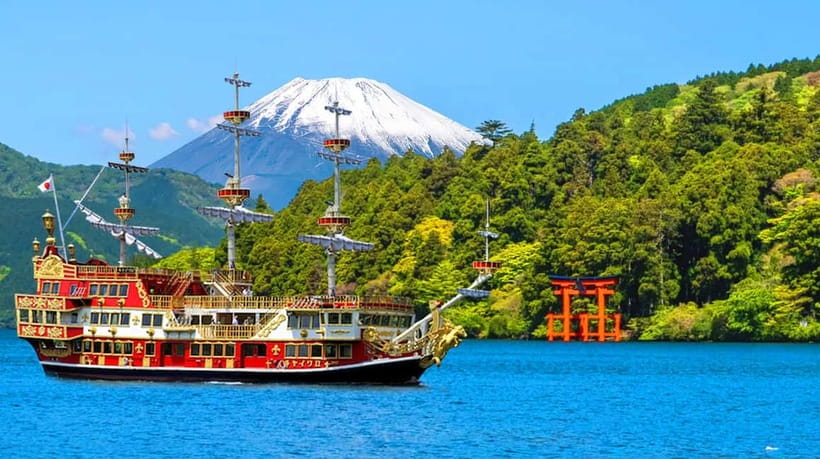
The Hakone sightseeing cruise lasts about 25 minutes. The ship is styled as a European pirate vessel, which sounds a little theatrical, but it gives the ride a playful character and makes the crossing more memorable than an ordinary ferry.
I would head outside as soon as you board. The open deck gives you lake air and wider views of the water, mountains, and, if the weather is kind, Fuji. The red torii may also appear from the water, creating one of the classic Hakone scenes.
The cruise is a highlight because it changes your viewpoint. You are not simply looking at Lake Ashi from the shore. You are moving across it, with the mountains shifting around you. The ride is short, though, and admission is not included in every option. Check the fare details carefully before booking.
If you have difficulty with boats, the operator says a bus option is available. That alternative removes one of the most distinctive parts of the day, but it is useful to know that the route does not depend entirely on the cruise.
Riding above Owakudani on the Hakone Ropeway
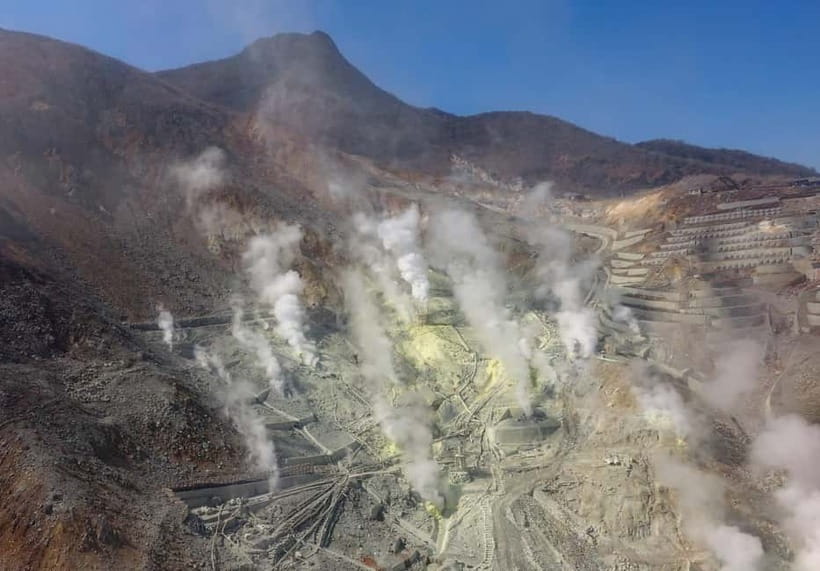
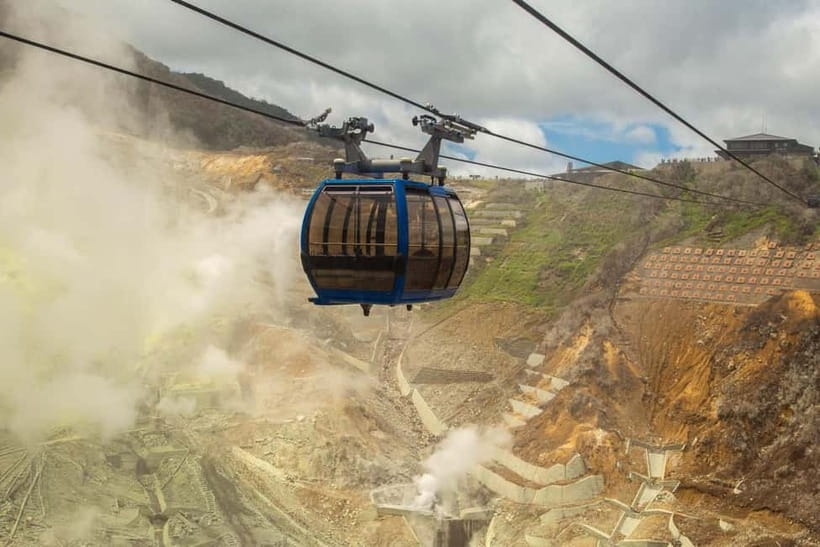
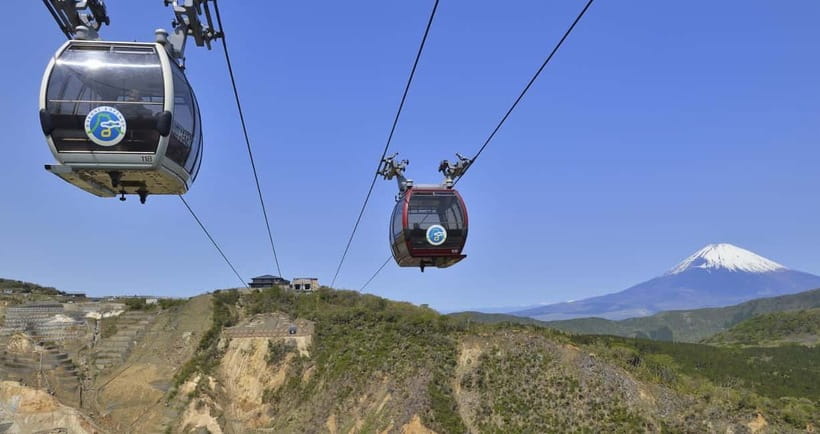
The ropeway is the other major transport experience. The cable car ride takes about 25 minutes and carries you above Hakone’s volcanic area. From the cabin, you can look down toward patches of steam, dark earth, and mineral-colored ground.
Owakudani is still an active geothermal area. Sulfur fumes rise from cracks in the ground, and the air has a strong mineral smell. It is a sharp contrast to the quiet water of Lake Ashi, which is exactly why this route works so well.
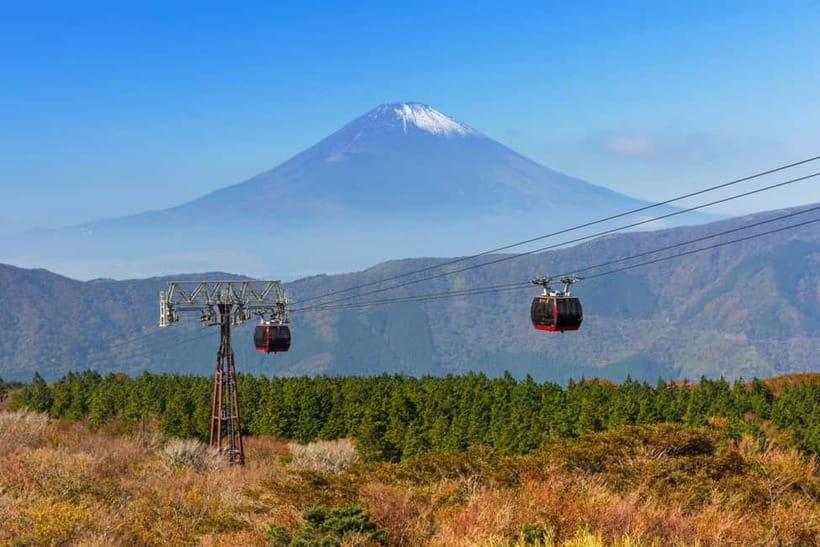
The ride can be especially rewarding on a clear day. The view may open toward Fuji and Lake Ashi, giving you volcano, water, and mountain in one broad scene. On cloudy or rainy days, the steam and volcanic colors remain, but the main mountain view may disappear.
Ropeway admission is also excluded from some fare options. The guide can help you buy tickets, and you should carry cash because local shops may not accept credit cards. If you do not want to take the cable car, a bus option is available.
More mount fuji day trips in Tokyo:
- Mt Fuji and Hakone 1-Day Bus Tour Return by Bullet Train
★ 5.0 · 26,383 reviews - Mt Fuji & Hakone Cruise, Drum Show Bullet Train 1 Day from Tokyo
★ 4.0 · 7,413 reviews - Tokyo Mt Fuji 5th St & Hakone Cruise Bus Tour w/Bullet Train
★ 4.4 · 5,024 reviews - From Tokyo: Mount Fuji Full-Day Sightseeing Trip
★ 4.5 · 4,970 reviews
Owakudani black eggs and sulfur steam
You have about 30 minutes at Owakudani for photos and a look around. That is enough time to experience the famous geothermal setting and try the black eggs, called kuro-tamago.
The eggs are hard-boiled in sulfur spring water, which turns the shells black. Local legend says that eating one adds seven years to your life. It is a small, inexpensive food experience, but it connects directly to the volcanic setting rather than feeling like a random snack stop.
Do not expect a long hike or a quiet nature walk here. The visit is short, and the area can feel exposed in bad weather. The sulfur smell is part of the point, but it may not suit everyone. Bring a warm layer in cooler months, since the ropeway and open viewing areas can feel chilly.
One practical tip comes from the day’s timing: bring snacks for the vehicle. Meals are not included, and the route has a lot of driving. You will have a chance to eat at Enoshima, but waiting until late in the day may limit your choices.
Enoshima, shrines, and the sea
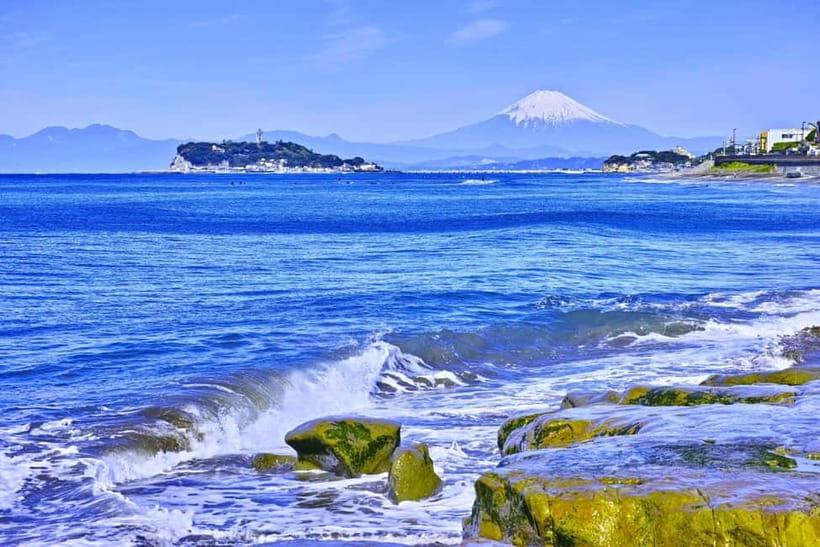
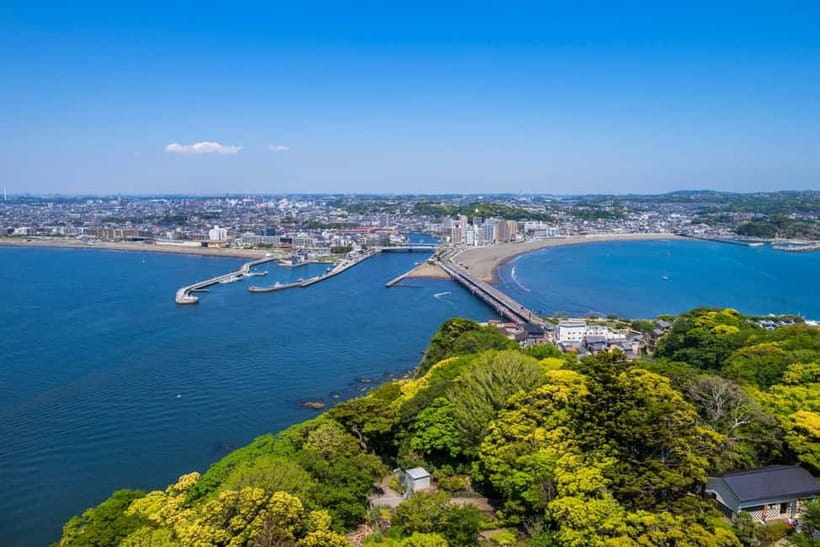
Enoshima changes the mood completely. After the mountains and volcano, you reach a small island surrounded by the waters of Sagami Bay. The route includes about 30 minutes of free time and sightseeing, followed by several short stops around the shrine area.
You begin near the island’s traditional approach and walk through Enoshima Benzaiten Nakamise Dori. This lane leads toward the shrines and is lined with food shops. Local specialties include anchovies, seaweed rolls, and Shonan milk ice cream. Meals and drinks are your responsibility, so bring cash.
The Bronze Torii of Enoshima Shrine marks an important entrance. From there, the stone steps lead toward Hetsunomiya Shrine and the Zuishinmon Gate. The stops are short, usually 10 to 20 minutes, so you should follow the guide’s timing closely.
Enoshima is a good place to see a more local-feeling side of the day. The island has religious sites, sea air, narrow lanes, and simple foods rather than just a single photo viewpoint. You can make wishes at the shrines, look over the water, and pick up a snack before returning to the vehicle.
The limitation is clear: you will not see everything. One person who enjoyed the route wished for more time to walk around Enoshima and eat street food. I agree that this is the stop most likely to leave you wanting more. If Enoshima is your main interest, visit it separately.
Finding the Sea of Mount Fuji
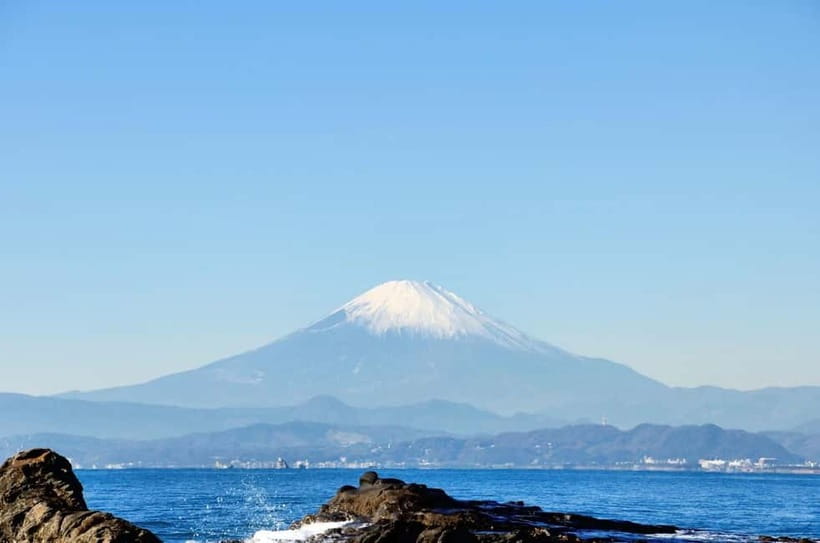
The tour’s title points to Enoshima’s most dramatic possibility: Fuji rising beyond the sea. On a clear day, the mountain’s shape appears across Sagami Bay, creating a very different composition from the Lake Ashi view.
That image is weather-dependent. Several clear winter days produced excellent Fuji views from multiple stops, while cloudy and rainy departures saw little or none of the mountain. One practical point matters here: even standing directly below Fuji does not guarantee a view.
Check the forecast before booking, especially if Fuji is the main reason for choosing this trip. The operator may adjust the schedule because of weather or road conditions, but you should not assume a replacement day will be offered. A cloudy day can still be worthwhile for Lake Ashi, Owakudani, and Enoshima, but the tour’s strongest visual promise may not appear.
For photos, keep your camera ready at the lake, on the boat, from the ropeway, and at the coast. The best view may last only a few minutes before clouds move in.
Transport, guides, and the pace of the day
Round-trip transport from the designated Tokyo meeting point is included, along with an air-conditioned vehicle, tolls, parking, fuel, taxes, and environmental fees. That matters because Hakone and Enoshima are not simple additions to a Tokyo train itinerary. You avoid changing between several trains and buses while carrying luggage or managing separate ticket systems.
The vehicle is described as clean and comfortable, though one detailed account found the van tight when the trip was full. The curtains and headrests were appreciated, but you should not expect a spacious coach every time. Large bags and strollers must be declared when booking.
The guides are a major part of the experience. Aki is noted for sending clear meeting times and photography tips. Jimmy is praised for useful facts and careful attention to the group. Belle is described as friendly, clear, and good at explaining what not to miss. Augustin receives praise for local stories and taking photos. Pin, Kishida, Kyo, Chisei, Brewski, and others are also singled out for keeping people informed and on schedule.
The exact guide will depend on your departure. What you can reasonably expect is help with timing, ticket purchases, meeting points, and basic background about the sites. The strongest guides also make the long drives more enjoyable with stories and practical advice.
Keep your evening free. Tokyo traffic, weekend congestion, public holidays, and peak seasons can cause delays. This is one of those days when returning on time is possible but not something I would build a dinner reservation around.
What $50 really gets you
At $50 per person, the price is attractive for a 10-hour outing with round-trip transport, guide service, and vehicle costs covered. The value improves if you want to see both Hakone and Enoshima but do not want to work out the connections yourself.
The price needs one qualification. Meals are not included, and the Hakone cruise and ropeway are not included in every booking option. Add those costs before comparing this tour with a more expensive package. Carry cash for smaller shops and ticket purchases.
Even with those extras, the route offers a lot for a modest base price. You receive access to three distinct areas rather than spending the day at one viewpoint. The tradeoff is time at each place and the long ride between them.
Who should book this day trip
I would recommend it for a first visit to the Tokyo region when you want maximum variety in one day. It suits couples, families, and solo visitors who prefer a guide and fixed transport. It is also a good choice if Mount Fuji is on your wish list but you want more than a single viewing platform.
You should be comfortable with a long day, short sightseeing windows, walking around shrine approaches, and possible delays. Enoshima includes stone steps and the day is not suitable for wheelchair users, pregnant women, people with altitude sickness, or people over 70. Anyone aged 70 or above is also asked to sign a waiver.
Do not choose it if you want a relaxed Hakone stay, a long meal, or hours at Enoshima. The route gives you a taste of both regions, then sends you back to Tokyo.
Should you book it?
Book this tour if you value variety, convenience, and a strong chance of seeing several famous Japanese scenes in one organized day. The pirate ship, ropeway, black eggs, shrines, and coastal views make the $50 starting price good value, provided you budget for optional admissions and food.
Skip it if your priority is guaranteed Fuji visibility or slow exploration. Weather can hide the mountain, and traffic can eat into the schedule. For everyone else, this is a smart overview of Hakone and Enoshima, especially during a busy Tokyo itinerary when you want one well-managed day beyond the city.
FAQ
How long does the experience last?
The tour lasts about 10 hours, including transport from Tokyo and the return journey.
Where does the tour meet?
One listed meeting point is Tokyo Mode Gakuen, 1-chōme-5-1 Marunouchi, STAND T. The meeting point can vary by booking option, so check your confirmation.
Are the Hakone cruise and ropeway included?
Admission depends on the option you choose. The cruise and ropeway are not included in every fare, so check the selected package before booking.
Is Mount Fuji guaranteed to be visible?
No. Clouds, rain, and other weather conditions can block Mount Fuji. Check the forecast before the tour.
Are food and drinks included?
No. Meals and beverages are not included. Carry cash because some local shops may not accept credit cards.
What languages are available?
The tour provides a live guide in English or Chinese.
Can I cancel the booking?
You can cancel up to 24 hours in advance for a full refund. A reserve-now, pay-later option is also available.
Just added around Tokyo
- Tokyo: Customizable Private Guided Walking Tour★ 4.5 · 129 reviews
- Private Harajuku Omotesando Architecture Tour★ 4.9 · 18 reviews
- Tokyo: Guided Helicopter Ride★ 4.9 · 24 reviews
- Tokyo: Guided Walking Tour of Tsukiji Market with Lunch★ 4.4 · 24 reviews
- Tokyo: Private Personalized Local Food Tour★ 4.5 · 101 reviews
- Tokyo GINZA: KONPARU Japanese Cabaret Show with Drink★ 4.8 · 38 reviews
- Tokyo: Guided Walking Tour of Tsukiji Market with Breakfast★ 4.4 · 134 reviews
- Tokyo: Gotokuji Cat Temple, Shinjuku Cat Cafe & 3D Cat Tour★ 4.9 · 38 reviews
Mount Fuji Day Trips, compared.
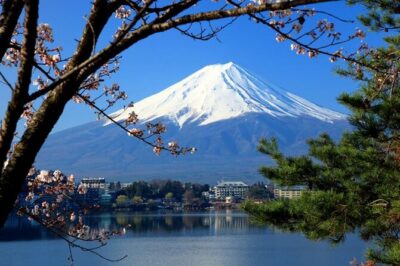
Mt Fuji and Hakone 1-Day Bus Tour Return by Bullet Train
Read our review →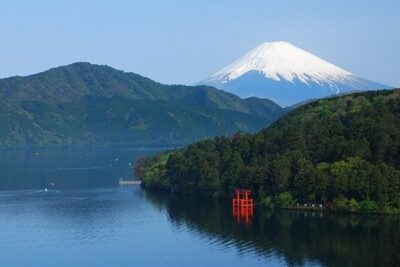
Mt Fuji & Hakone Cruise, Drum Show Bullet Train 1 Day from Tokyo
Read our review →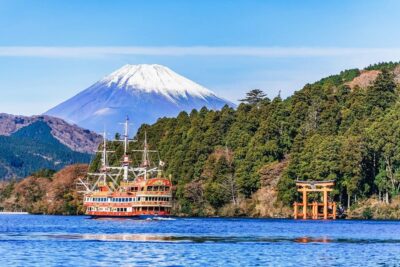
Tokyo Mt Fuji 5th St & Hakone Cruise Bus Tour w/Bullet Train
Read our review →
Mt. Fuji Tour, Hakone Ropeway, Owakudani, Lake Ashi
Read our review →
Mt Fuji Top 5 Spots Day Tour: Arakurayama Park,Oshino Hakkai
Read our review →
Private Tour to Mt. Fuji and Hakone (Fully Licenced Operator)
Read our review →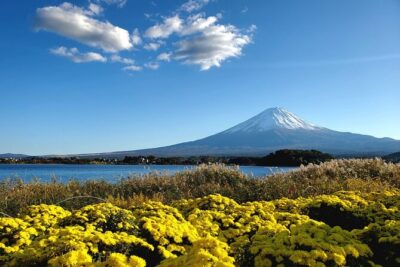
Mount Fuji Full-Day Private Tour from Tokyo (Customizable)
Read our review →Browse the lists this tour appears in