
REVIEW · FOOD MARKET TOURS
Osaka: Shinsekai Food Tour with 13-15 Dishes at 5 Eateries
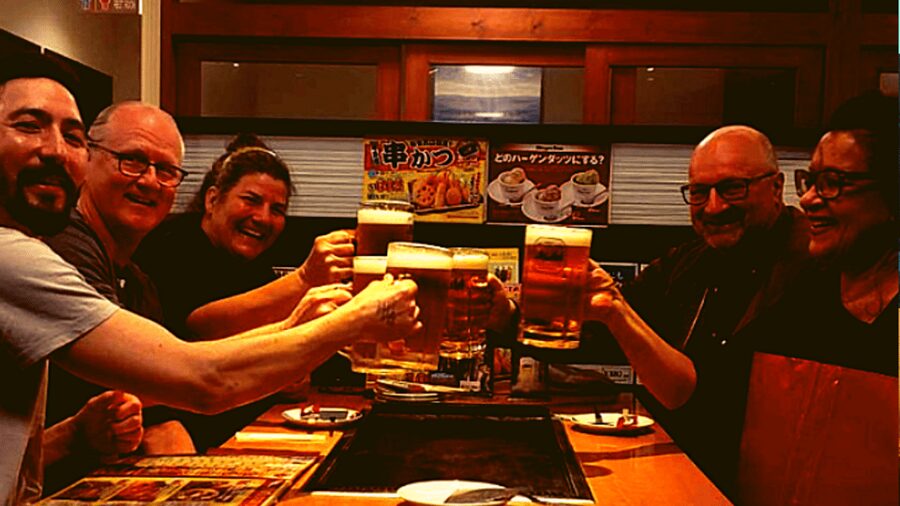
Shinsekai is at its best when you leave the big signs and famous chains behind. This three-hour food walk takes you through side streets, arcades, and small Japanese-only eateries for a generous spread of Osaka favorites, from takoyaki and oden to kushikatsu and gyoza. The food comes in steady waves, so arrive hungry.
I like the small group of no more than nine, which gives the evening a friendly, social feel. I also like the way the route mixes food with local stories, instead of treating Shinsekai as a string of unrelated restaurants. Guides including Kevin, Taka, Tommy, and Mio have been praised for making solo visitors feel welcome and for offering useful tips beyond the tour.
The main caution is dietary choice. The food leans heavily toward meat, wheat, and shared Japanese specialties, and the operator says the tour cannot accommodate vegans or people with gluten intolerance. This is an eating tour, not a light snack walk, and you may be very full before the last stop.
In This Review
- Key points at a glance
- Why Shinsekai makes a good food-tour setting
- The first bites: takoyaki and oden
- The izakaya stop: udon, chicken, and kushikatsu
- A traditional restaurant with beef and tofu stew
- Specialist gyoza in a compact setting
- The final meal: tonpeiyaki, edamame, and karaage
- What the guides add to the evening
- How much food do you really get?
- Is $53 a fair price?
- Who should book this Shinsekai food tour?
- Practical details that affect your choice
- Should you book it?
- FAQ
- How long does the Shinsekai food tour last?
- How many dishes are included?
- How many restaurants and eateries do you visit?
- Which foods might I try?
- Are drinks included?
- Is the tour suitable for vegans?
- Can people with gluten intolerance join?
- Where does the tour meet?
- What happens if one of the restaurants is closed?
Key points at a glance
- Five very different food stops: Expect a stall, gastrobar, classic eatery, izakaya, and specialist restaurant rather than five versions of the same meal.
- Osaka specialties in generous portions: Takoyaki, kitsune udon, kushikatsu, yakitori, gyoza, tonpeiyaki, karaage, and more are part of the planned selection.
- A small group of up to nine: The size makes it easier to ask questions, share dishes, and get help with unfamiliar menus.
- Two drinks are included: You can choose alcoholic or non-alcoholic drinks during the evening.
- Shinsekai beyond the main tourist streets: You walk through arcades and side alleys to places with Japanese menus and a strong local feel.
- Not suitable for vegans or gluten-free diners: Some pescatarians may also find that certain dishes do not suit them.
Why Shinsekai makes a good food-tour setting
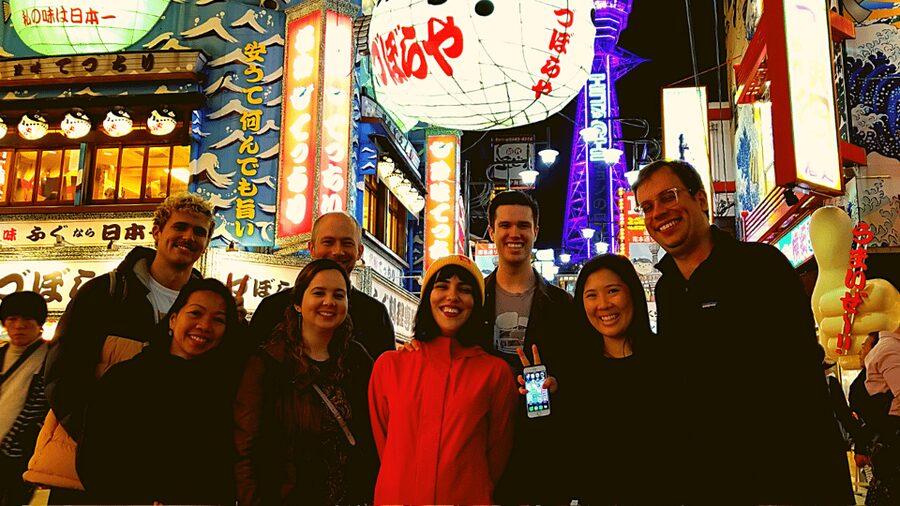
Osaka is famous for eating well, and Shinsekai gives you a different side of the city than the bright restaurant streets around Dotonbori. The district combines older local businesses, entertainment arcades, narrow lanes, and newer food spots. You are not simply being moved from one famous storefront to another. You are getting a guided introduction to how ordinary neighborhood eating works.
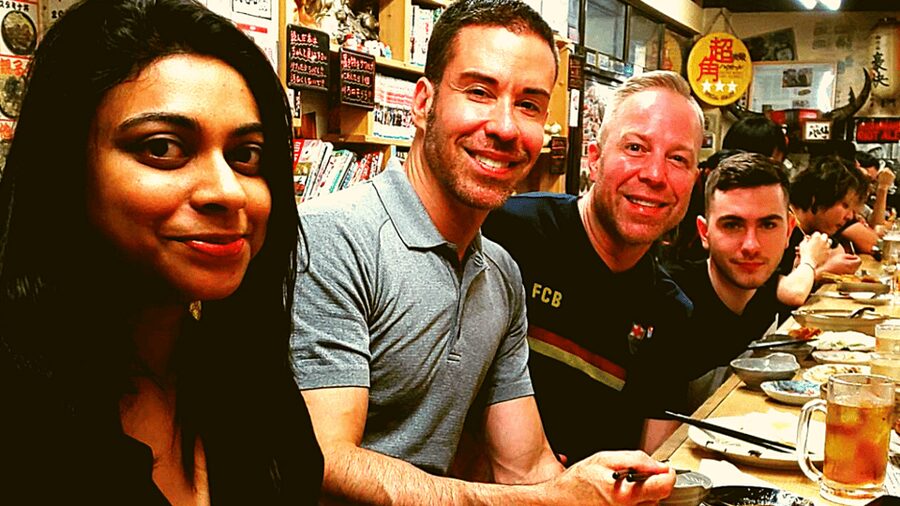
That matters in Japan, where many small restaurants have menus written only in Japanese. You can certainly eat independently, but choosing a dish, understanding the menu, and knowing how a tiny restaurant works can be hard on a first visit. A guide removes that friction while still letting you see places you might not find on your own.
I especially like the mix of food and walking. You eat, move through the neighborhood, hear a bit about Osaka, then eat again. Several stops are small, so the walking gives the evening a natural rhythm and helps keep the meal from becoming one long session at a single table.
The meeting point is outside Exit 1 of Dobutsuen-mae Station on the Midosuji Line, in front of the 15 wall lanterns of Daiichi Building. Shinsekai is easy to reach by train, but check the exact station exit before setting out. Osaka station areas can be confusing, and arriving at the wrong side of a large station can cost you precious time.
More Food Market Tours in Osaka
- Osaka Food Tour: 13 Dishes at 5 Local Eateries
★ 5.0 · 2,149 reviews - Hungry Osaka Street Food Tour:15 Tastings & 3 Drinks with a Local
★ 5.0 · 1,727 reviews - Hungry Osaka Street Food Tour: 15 Dishes & 3 Drinks
★ 4.9 · 694 reviews
The first bites: takoyaki and oden
The opening stop is planned around takoyaki and oden. Takoyaki are Osaka’s famous battered octopus balls, cooked in a special molded pan and served hot. They are soft inside, crisp around the edges, and easy to underestimate. The center can hold heat, so take the first bite carefully.
Oden is a more gentle introduction to Japanese comfort food. Ingredients simmer in a seasoned broth, giving the dish a warm, savory character. The exact items can change, but this is a useful chance to try something less obvious than the standard Osaka street-food favorites.
Starting at a stall works well because it sets the tone quickly. You get food made in a compact local setting, learn how the dish is served, and begin walking before the meal feels formal. It is also a good point to tell your guide about any strong dislikes, though the dietary restrictions are firm rather than flexible.
The izakaya stop: udon, chicken, and kushikatsu
Next comes an izakaya, the Japanese-style place built for sharing small dishes with drinks. Here, the planned selection includes kitsune udon, yakitori, chicken wings, nagaimo, and kushikatsu.
Kitsune udon pairs chewy noodles with a seasoned broth and sweet fried tofu. It is filling, familiar, and a welcome contrast to the fried food elsewhere. Yakitori brings skewered chicken with a smoky, savory bite, while chicken wings offer another easy crowd-pleaser.
Nagaimo is more unusual for many first-time visitors. Its texture can be slippery and crisp, depending on how it is served. This is one of the useful parts of a guided meal: you can try a food that might not catch your eye on a picture menu, then hear how it fits into local dining.
Kushikatsu is one of Shinsekai’s signature foods. Meat and vegetables are placed on skewers, coated, and lightly deep-fried. It is simple, satisfying food, but the details matter: the coating, the heat, and the dipping sauce all shape the experience. Your guide can explain the local way to approach the dish and help you avoid ordering blindly.
The number of dishes can sound overwhelming here, and it is. Portions are not described as a single full meal at each restaurant, but the food adds up quickly. If you tend to eat slowly, pace yourself from the start rather than trying to finish every bite immediately.
A traditional restaurant with beef and tofu stew
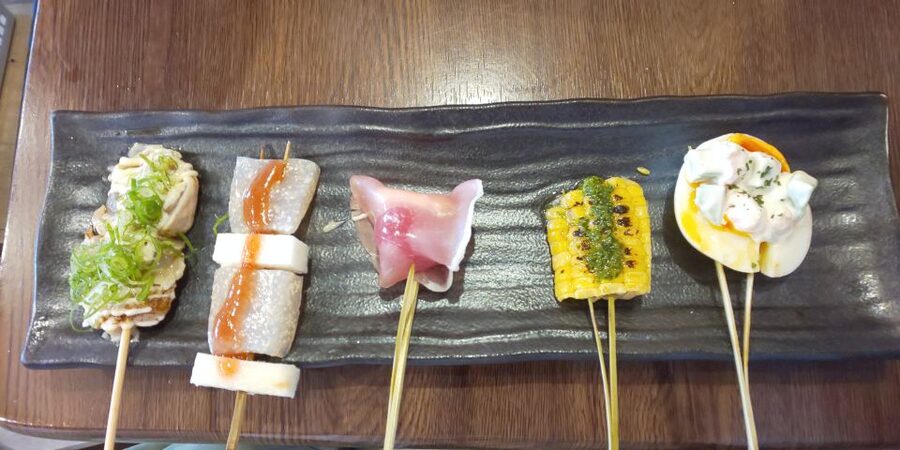
The next stop shifts away from street snacks and into a more traditional Japanese restaurant. The planned dishes include nikudoufu, or beef and tofu stew, along with original yakitori, mochi, and a drink.
Nikudoufu is the kind of homestyle food that gives the tour more range. Beef and tofu simmer together in a savory sauce, creating something warm and comforting rather than flashy. It shows you a quieter side of Osaka cooking, one built around everyday dishes instead of festival food.
The yakitori here is described as a beef assortment, which gives you another take on skewered food after the earlier chicken. Mochi adds a soft, chewy finish and a different texture from the fried and grilled dishes.
This stop may be one of the most valuable for you if you want more than a checklist of famous foods. A small, traditional restaurant can tell you a lot about the pace and scale of Japanese dining. It also offers a break from the louder street-food atmosphere.
One practical point: the exact dishes depend on the season, restaurant availability, and what is on hand. The food list is an example rather than a guarantee. If a stop is full or closed, the guides use another location. That keeps the evening moving, but it means you should book for the overall experience rather than one exact dish.
Same city, a completely different kind of day:
- Osaka Go Karting Tour with Funny Costume
★ 5.0 · 2,658 reviews - Osaka Castle: Museum and Tower Entry Ticket
★ 4.5 · 2,380 reviews - Osaka: Tea Ceremony Experience
★ 4.9 · 1,426 reviews - Osaka Kickstart: Hotspots & Hidden Gems Tour
★ 5.0 · 1,306 reviews
Specialist gyoza in a compact setting
A dedicated gyoza restaurant follows. Gyoza are Japanese dumplings, usually filled with seasoned meat and vegetables, then pan-fried so the bottoms turn crisp while the tops stay tender.
The appeal of this stop is focus. Instead of treating dumplings as one item among many, the restaurant specializes in them. You can pay attention to the texture and cooking style, and compare them with the other foods you have already tried.
The gyoza may arrive when you are beginning to feel full, so this is another reason to pace yourself. The tour is designed around tasting many things, not rushing through a single oversized plate. Take small bites, ask questions, and leave room for the final restaurant.
The final meal: tonpeiyaki, edamame, and karaage
The last stop is a Japanese eatery serving tonpeiyaki, edamame, karaage, a Japanese pancake, fruit, and another drink. Tonpeiyaki is a pork omelette, a hearty Osaka-style dish that feels like a fitting end to a night of casual food.
Edamame gives you something lighter and salty to share. Karaage, Japanese fried chicken seasoned with spices, brings one of the most broadly appealing dishes of the evening. The pancake and fruit provide a sweeter finish, though the exact combination can change.
You also receive your second included drink here or at another point in the route, depending on how the evening is arranged. Alcoholic and non-alcoholic choices are available. If you do not drink alcohol, you are not left out of the social part of the meal.
By this stage, the meal has covered many textures: soft takoyaki, broth and noodles, grilled skewers, crisp kushikatsu, dumplings, stew, fried chicken, and dessert-like items. That variety is the core strength of the experience. You are not just sampling Osaka’s most famous food. You are seeing how different kinds of neighborhood eating fit together.
What the guides add to the evening
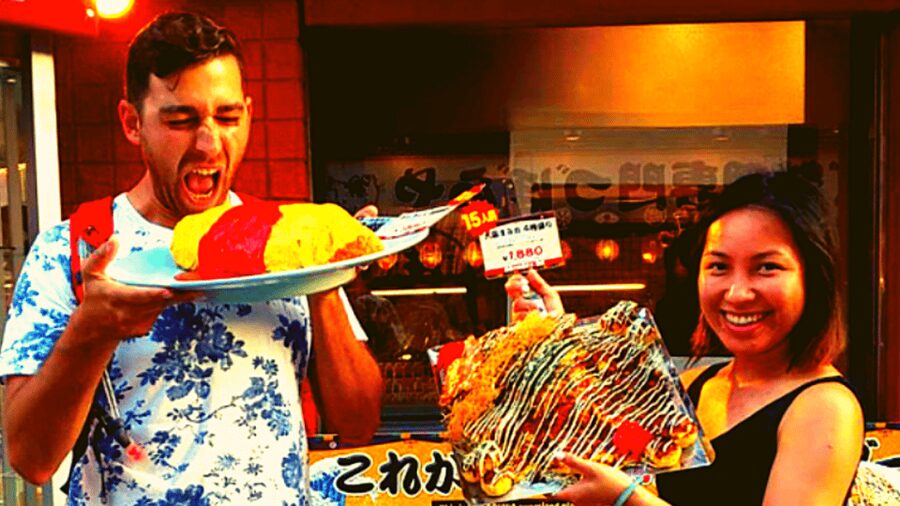
The food would be useful on its own, but the guide is what turns the stops into a tour. The strongest guide feedback centers on clear explanations, warm group management, and local suggestions.
Kevin has been praised for explaining each food, keeping the pace casual, and making sure the group stayed involved. Taka, who is Osaka-born and raised, has offered local background and ideas for places to visit after the tour. Tommy has been described as especially good at combining food explanations with stories about Osaka and the surrounding area.
Other named guides include Yuki, Paul, Bernie, Darren, Kiko, Mio, Mari, Mario, Nathan, Suga, Don, Dominic, and Knox. Guide assignments can change, so you should not book on the assumption that one particular person will lead your date. Still, the repeated pattern is clear: the guide is expected to explain unfamiliar dishes, help the group connect, and answer questions about Osaka.
The small group matters here. With nine people or fewer, you have a better chance to speak up when you do not recognize an ingredient. You can also get personal restaurant suggestions for later in your trip. Solo visitors may find the format particularly easy, since the food is shared and conversation comes naturally.
How much food do you really get?
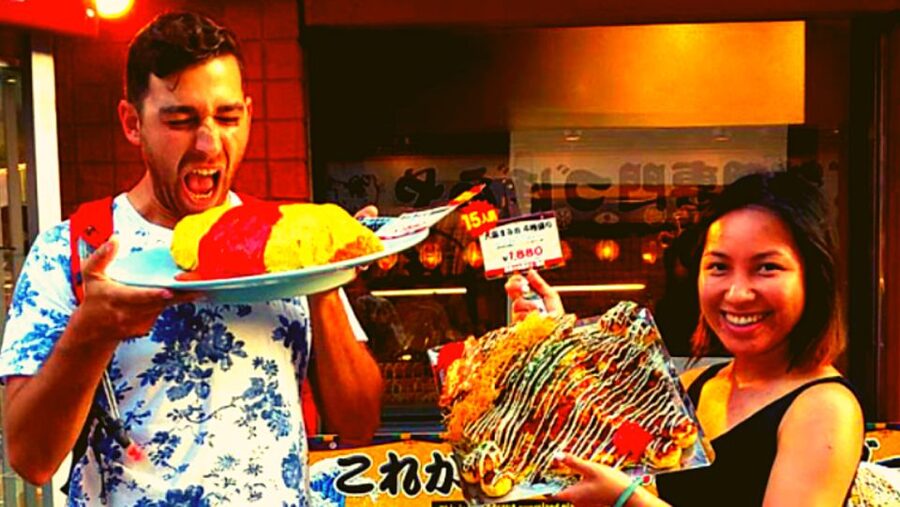
The experience is promoted as 13 to 15 dishes, while the included details specify 13 dishes. The safest way to think about it is a substantial tasting meal spread over five places, with the final selection changing according to supply and season.
You should not eat a large meal beforehand. The first few stops may feel modest on their own, but the combined amount is substantial. People who joined the tour have described being completely full by the end, and that matches the structure: noodles, stew, fried foods, dumplings, meat, and several shared plates in three hours.
The meal is also not designed around choosing from a menu. The guides arrange the tasting selections, which is useful when you want to try local food without decoding every Japanese sign. It gives you less control than ordering independently, but much more variety.
Is $53 a fair price?
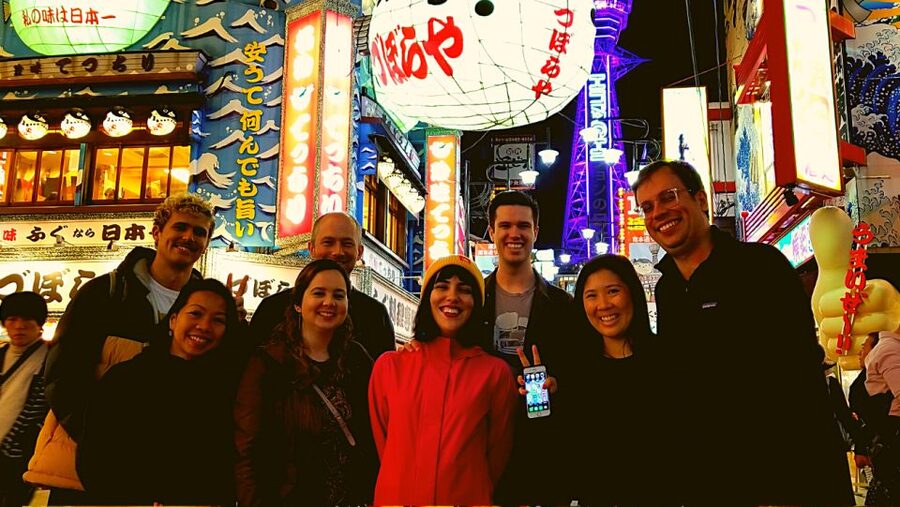
At $53 per person, the value depends on how you normally eat in Osaka. The price includes food at five establishments and two drinks, plus a live English-speaking guide for three hours. You are paying for the food, but also for access, translation help, local background, and a route that would take effort to build yourself.
Five stops in three hours is a strong amount of coverage. Independent diners could likely spend less if they chose inexpensive dishes and skipped drinks, but they might not find the same small eateries or know what to order. On the other hand, food-focused visitors who already have a detailed Osaka restaurant plan may prefer spending the money on one or two special meals.
I see this as good value for a first evening in Osaka, especially if you want to learn the local food vocabulary and get ideas for the rest of your stay. It is also useful early in a trip because the guide can point you toward additional restaurants and neighborhoods.
The value drops if you are a very selective eater, cannot eat wheat, or avoid meat. In that case, several of the main dishes may be off-limits, and the tour operator says vegans and people with gluten intolerance cannot join.
Who should book this Shinsekai food tour?
I would recommend it to you if you:
- Want to try many Osaka dishes without planning five restaurants yourself
- Enjoy small local eateries and casual food rather than formal dining
- Are comfortable sharing dishes with a small group
- Want an English-speaking guide to explain menus and local customs
- Like walking between food stops
- Are visiting Osaka for the first time and want quick orientation
- Travel alone and would enjoy a social evening
- Have an open attitude toward unfamiliar textures and ingredients
I would think twice if you want a slow, sit-down dinner, need complete control over every ingredient, or dislike fried food. You also need to be comfortable walking through arcades and side streets, with some steps along the way.
The tour is not suitable for vegans or people with gluten intolerance. Pescatarians may also find that some dishes do not fit their diet, so ask before booking if your restrictions are more specific than the stated exclusions.
Practical details that affect your choice
The tour lasts three hours and has a maximum group size of nine. It is conducted in English, with a live guide. Hotel pickup and drop-off are not included, so you make your own way to Dobutsuen-mae Station.
Wear comfortable shoes. This is a walking route, not a series of vehicle transfers, and the streets and arcades are part of the experience. You may also want to dress for the weather, since you move outdoors between eateries.
The meeting point is Dobutsuen-mae Station, Midosuji Line, Exit 1, in front of the 15 wall lanterns of Daiichi Building. The exact starting time depends on availability, so check the selected date before booking.
Restaurants can occasionally be full or closed. In that case, the guide takes the group to an alternative location. Seasonal availability can also change the dishes, so keep a little flexibility about the exact menu.
You can cancel up to 24 hours before the tour for a full refund, and the reserve-now, pay-later option lets you hold a place without paying immediately. Those terms are helpful if your Osaka plans are still shifting.
Should you book it?
Book this tour if you want a generous, social introduction to Osaka food and prefer having a guide handle the hard parts. The combination of five eateries, two drinks, local dishes, and Shinsekai walking gives you much more than a single restaurant meal.
I would book it near the beginning of an Osaka stay, when the guide’s food suggestions can shape the rest of your trip. Arrive hungry, wear good shoes, and treat the menu as a tasting route rather than a fixed promise.
Skip it if you are vegan, gluten intolerant, highly restricted in your diet, or already have every meal planned. For everyone else, $53 is a sensible price for a full evening of food, neighborhood context, and dishes you might not think to order alone.
FAQ
How long does the Shinsekai food tour last?
The tour lasts three hours.
How many dishes are included?
The experience includes 13 dishes, with the advertised tasting range described as 13 to 15 dishes. The exact selection can change with season, availability, and restaurant operations.
How many restaurants and eateries do you visit?
You visit five food stops: one stall, one gastrobar, one classic eatery, one izakaya, and one specialized restaurant.
Which foods might I try?
The example menu includes takoyaki, oden, kitsune udon, yakitori, chicken wings, nagaimo, kushikatsu, nikudoufu, beef skewers, mochi, gyoza, tonpeiyaki, edamame, karaage, a Japanese pancake, and fruit.
Are drinks included?
Yes. Two drinks are included, and you can choose alcoholic or non-alcoholic options.
Is the tour suitable for vegans?
No. The tour is not suitable for vegans because too few dishes are available for that diet.
Can people with gluten intolerance join?
No. The experience is not suitable for people with gluten intolerance.
Where does the tour meet?
Meet outside Exit 1 of Dobutsuen-mae Station on the Midosuji Line, in front of the 15 wall lanterns of Daiichi Building.
What happens if one of the restaurants is closed?
The operator may take the group to an alternative location if a planned establishment is closed or fully booked.
More Food in Osaka
- Osaka Local Foodie Walking Tour in Dotonbori and Shinsekai
★ 5.0 · 985 reviews - Osaka: Kuromon Market Food Walking Tour (6 stops, 6 tastes)
★ 4.6 · 272 reviews - Osaka After Dark: Small-Group Night Food Tour (Max 6)
★ 4.5 · 245 reviews - Eat, Drink & Cycle: Osaka Foodie Bike Tour
★ 5.0 · 224 reviews
More Food & Drink in Osaka
- Kuromon Market Food Walking Tour in Osaka (6 stops, 6 tastes)
★ 5.0 · 550 reviews - Osaka: Guided Food Tour with 12 Dishes at 4 Local Eateries
★ 5.0 · 533 reviews - Absolute Osaka Food Tour
★ 5.0 · 309 reviews - Osaka: Traditional Mochi Pounding Experience with Tasting
★ 4.9 · 306 reviews
Just added around Osaka
- (Ticket Included) Explore Osaka Castle & Museum of History★ 4.8 · 21 reviews
- Hidden Osaka – Yukaku Red Light Tour & Culinary Adventure★ 4.8 · 96 reviews
- Osaka: Walking Tour and Top Highlights★ 4.8 · 104 reviews
- Osaka: Private Ceramic Painting Workshop★ 5.0 · 13 reviews
- Pickleball in Osaka, Kobe & Kyoto with Locals!★ 4.7 · 80 reviews
- Eat Like a Local in Osaka – Private Custom Street Food Tour★ 4.3 · 33 reviews
- Osaka:SUMO BEATS SHOWCASE: Taiko Drum and Wagyu burger!★ 4.2 · 37 reviews
- Kimono photoshoot-Includes 100 photo data★ 5.0 · 21 reviews
Food Market Tours, compared.
Shinjuku Food Tour (13 Dishes at 4 Local Eateries)
Read our review →
Tokyo Tsukiji Fish Market Food and Culture Walking Tour
Read our review →
Osaka Food Tour: 13 Dishes at 5 Local Eateries
Read our review →
Shinjuku Food Tour (15 Dishes and 4 Eateries)
Read our review →
Best of Shinjuku: Izakaya Food Tour (4 Stops, 14+ Tastings)
Read our review →
Hungry Osaka Street Food Tour:15 Tastings & 3 Drinks with a Local
Read our review →
Browse the lists this tour appears in