
REVIEW · FOOD MARKET TOURS
Osaka: Kuromon Market Food Walking Tour (6 stops, 6 tastes)
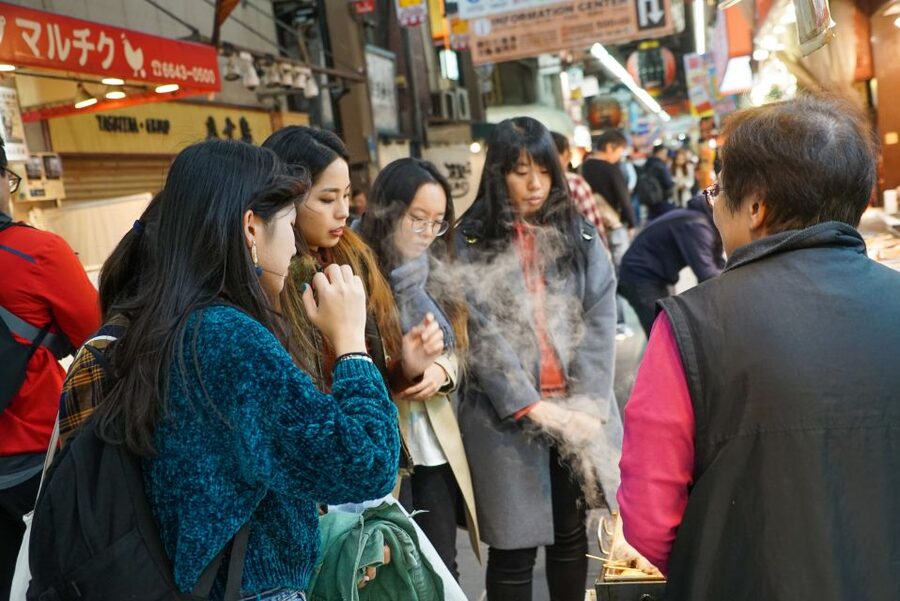
Kuromon Market is the star here, and the best part is letting a local guide steer you through its crowded food lanes. In two hours, you can taste Osaka favorites such as takoyaki, grilled scallops, yakitori, sashimi, mochi, and taiyaki without guessing which stall deserves your money.
I like the generous food portions, which can add up to a satisfying lunch, and the walk’s useful mix of food, neighborhood history, a small shrine, and kitchenware shopping. Guides such as Nina, Niko, Aiko, and Noz are often praised for clear English, friendly pacing, and taking photos along the way.
The main drawback is practical: the market can be tight and busy, several stops are not suited to wheelchairs or strollers, and the tour cannot handle gluten-free requests. You also need to arrive early, since late arrivals cannot join or receive a refund.
In This Review
- Key Points Before You Book
- Why Kuromon Market Makes a Good First Osaka Stop
- Meeting at Nipponbashi and Finding Your Guide
- The First Stops: Orientation, Local Streets, and Market History
- Eating Five to Six Tastings Instead of Chasing Lunch
- Sennichimae Doguyasuji, Osaka’s Kitchenware Street
- A Local Restaurant and the Pace of the Walk
- Hozenji Yokocho and a Small Shrine
- Dotonbori as the Grand Finish
- The Guides Are a Major Part of the Value
- Is $49 a Fair Price?
- Who Should Book This Food Walk?
- Final Verdict: A Strong First Taste of Osaka
- FAQ
- How long does the Kuromon Market food tour last?
- How many food tastings are included?
- What foods might I try?
- Where is the meeting point?
- Can the tour accommodate vegetarian, vegan, or gluten-free diets?
- Is the tour suitable for wheelchair users?
Key Points Before You Book
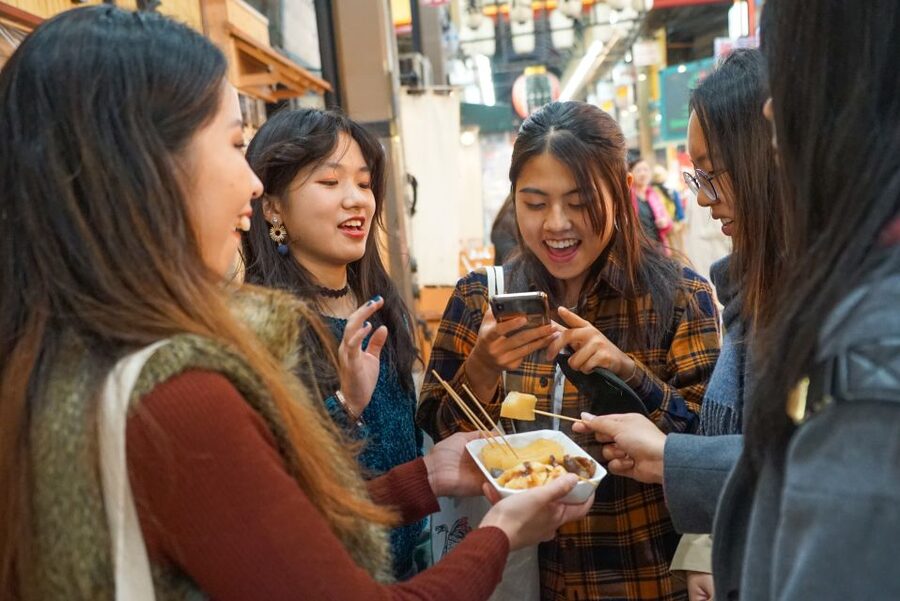
- Five to six tastings included: Expect enough food to fill you up, with choices that may include takoyaki, scallops, yakitori, sashimi, sweets, fruit, and more.
- Kuromon is only part of the walk: You also visit kitchenware shops, a local restaurant, Hozenji Yokocho, and Dotonbori.
- A guide makes the market easier: Your English-speaking guide chooses stalls, explains unfamiliar foods, and helps you decide what is worth trying.
- Kitchenware makes a practical souvenir: Sennichimae Doguyasuji is a useful stop for knives, cookware, tableware, and other food-related gifts.
- Small groups make a difference: A compact group is easier to move through narrow market lanes and gives you more time to ask questions.
- Plan for dietary limits: Vegetarian and vegan requests may be possible with advance notice, but gluten-free and allergy-free meals are not guaranteed.
Why Kuromon Market Makes a Good First Osaka Stop
Osaka has a long reputation for food that is direct, affordable, and meant to be enjoyed without ceremony. Kuromon Market brings that spirit together under one roof, with family-run businesses that have served the area for decades.
The market is often called the Kitchen of the Nation. That name is not just a sales slogan. This is where food shops, restaurant suppliers, cooks, and ordinary shoppers have long found seafood, produce, meat, snacks, and cooking tools.
You will not simply walk past stalls while a guide recites facts. The food gives the tour its shape. You stop, taste, compare, and ask what you are eating. That matters in Japan, where a familiar-looking item may have a very different texture or preparation from what you expect at home.
I especially like this format for a first or second day in Osaka. You get a quick sense of Namba, Nipponbashi, and Dotonbori, then leave with ideas for places to return to on your own. Several guides also share dinner suggestions, which can save you from making a random choice later.
More Food Market Tours in Osaka
- Osaka: Shinsekai Food Tour with 13-15 Dishes at 5 Eateries
★ 4.8 · 2,204 reviews - Osaka Food Tour: 13 Dishes at 5 Local Eateries
★ 5.0 · 2,149 reviews - Hungry Osaka Street Food Tour:15 Tastings & 3 Drinks with a Local
★ 5.0 · 1,727 reviews
Meeting at Nipponbashi and Finding Your Guide
The meeting point is in front of the SMBC ATM at Nippon-bashi 1chome, near Kintetsu Nipponbashi Station. From Kintetsu Nipponbashi Station, use Exit 10. A MagicalTrip guide will hold a board with the company name.
This is one part of the tour to take seriously. One person found the meeting point a little hard to locate, so give yourself extra time and do not arrive at the last minute. The tour starts on time. If you are late, you cannot join, reschedule, or receive a refund.
The guide speaks English, and the experience is offered as a private tour or in a small group. The small-group format is particularly helpful in Kuromon, where stopping in the wrong spot can block shoppers or stall workers.
Guides named in the feedback include Nina, Niko, Aiko, Noz, Ai, Mari, Yusuke, Rhi, Eri, and Mich. Names and assignments can change, but the pattern is clear: the guide’s personality shapes the afternoon. Strong guides keep the pace relaxed, explain what you are eating, and adapt the choices to the group when possible.
The First Stops: Orientation, Local Streets, and Market History
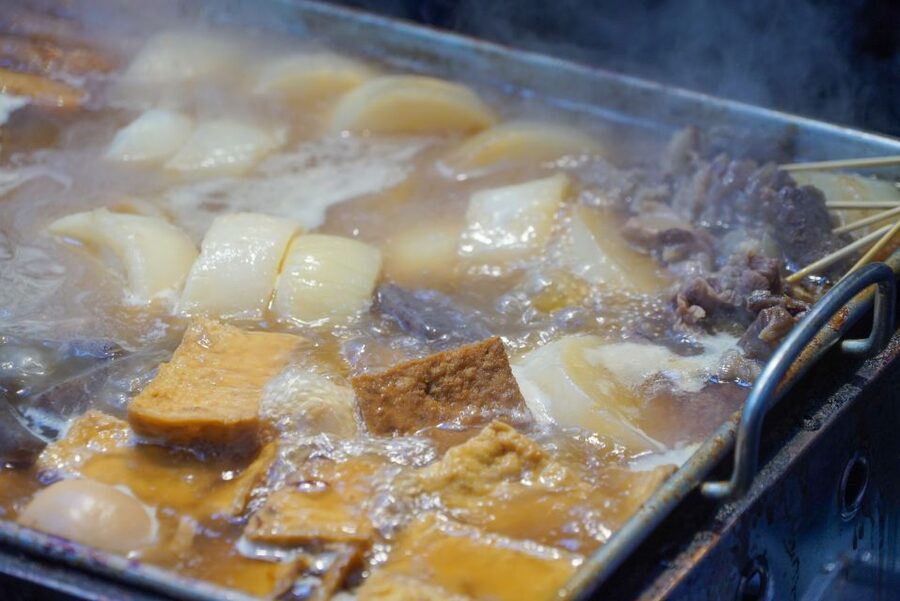
The tour begins with a short guided visit of about 15 minutes at an initial local stop described as a less obvious part of the neighborhood. This opening gives your guide time to explain how the surrounding streets connect to Osaka’s food culture and daily life.
The exact food choices can change with availability, so you should not treat the tour as a fixed tasting menu. That is a plus in a market. Fresh items and stall offerings vary, and your guide can point you toward what looks best that day.
After that, you spend about 30 minutes at Kuromon Ichiba Market. This is the core of the experience. You move from stall to stall, sampling several items rather than sitting down for one large meal.
Possible tastes include:
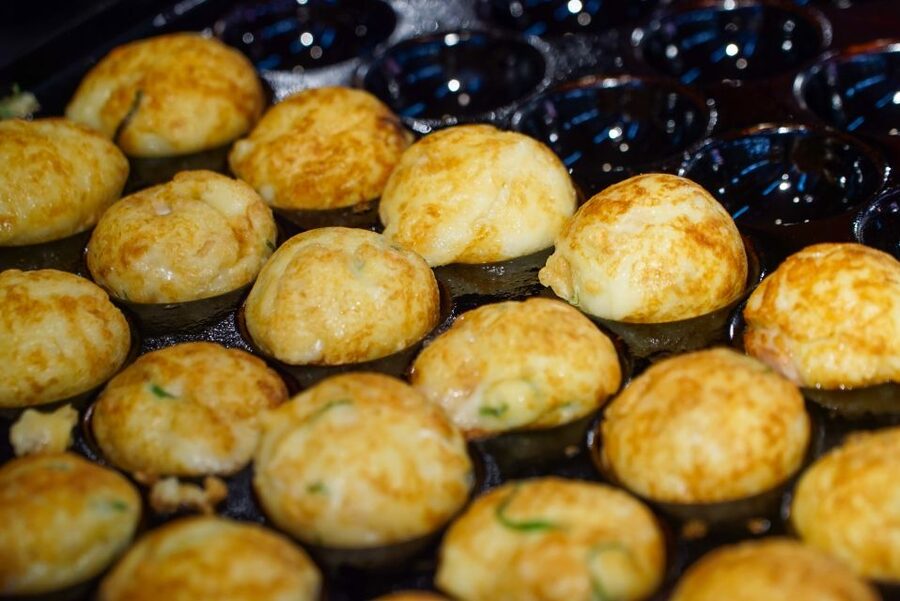
- Takoyaki, Osaka’s famous octopus-filled batter balls
- Grilled scallops
- Yakitori skewers
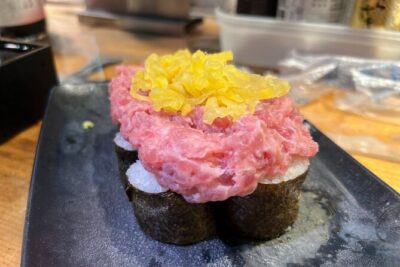
- Sashimi, including tuna belly in some tours
- Tempura and gyoza
- Fresh fruit such as watermelon or strawberries
- Roast chestnuts and dried fruit
- Strawberry mochi, sakura mochi, or taiyaki with red bean paste
- Ice cream sandwiches and other sweets
The variety is the real strength. You may try something you would have ignored on your own, then discover that it becomes one of the day’s best bites. A guide can also explain how a dish is made, what texture to expect, and how it fits into Osaka’s food traditions.
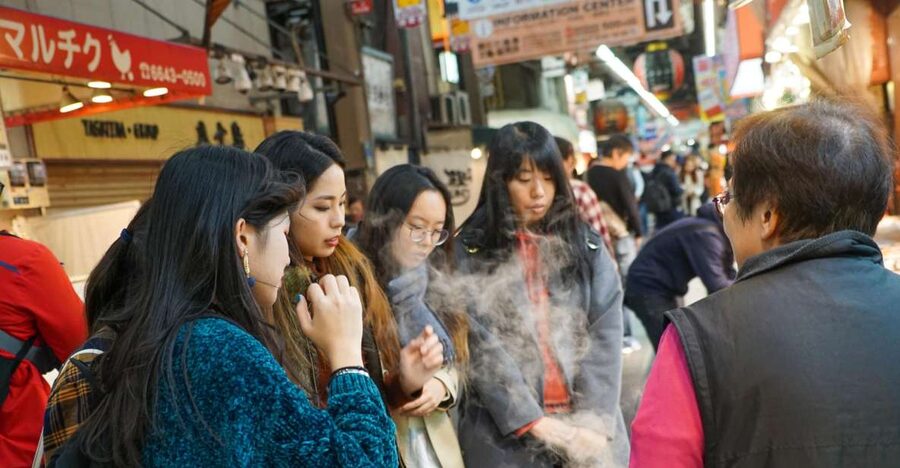
The market portion can feel crowded, especially around lunchtime. You may not always know where to stand while food is being bought. A good guide handles this by collecting the items and moving the group to a quieter place to eat, a practice that one visitor found especially helpful.
Eating Five to Six Tastings Instead of Chasing Lunch
The tour includes five to six food samplings. Additional food and drinks are not included, so bring cash if you want to buy a second portion, a drink, or a souvenir snack.
The included food is usually enough to serve as lunch. That makes the $49 price easier to judge. You are paying not only for the bites, but also for someone to select stalls, explain the food, manage the route, and introduce you to areas you might miss alone.
Still, I would not book this expecting an unlimited food crawl. Five or six stops are filling, but they are samples rather than full plates. The final mix depends on the day, your preferences, and what each business has available.
The guide can often offer choices, and several groups were able to select foods they had not yet tried. Vegetarian and vegan requests may be accommodated if you notify the operator at least one day ahead, but options can be limited. Same-day requests cannot be accepted.
Gluten-free diners should not book this tour expecting a workable solution. Gluten-free requests cannot be accommodated, and allergy-free meals or substitutions are not guaranteed because food comes from outside kitchens. If you have a serious allergy, this is a real limitation, not a minor footnote.
More Walking Tours in Osaka
- Osaka Kickstart: Hotspots & Hidden Gems Tour
★ 5.0 · 1,306 reviews - Osaka: Hotspots & Hidden Gems Walking Tour Private or Group
★ 4.9 · 1,300 reviews - Osaka Local Foodie Walking Tour in Dotonbori and Shinsekai
★ 5.0 · 985 reviews - Osaka Bar Hopping Night Walking Tour in Namba (3 bars, 6 tastes)
★ 5.0 · 958 reviews
Sennichimae Doguyasuji, Osaka’s Kitchenware Street
The next major stop is Sennichimae Doguyasuji Shotengai, with about 20 minutes to look around. This shopping street is known for cooking tools, knives, cookware, restaurant supplies, and tableware.
This section gives the tour useful balance. You are not eating for the entire two hours, and you get to see the equipment behind Japan’s food culture. The shop displays can be fascinating even if you are not planning to buy anything.
If you want a souvenir beyond packaged sweets, this is one of the best places on the route to consider. You might find a small bowl, chopsticks, a serving dish, a kitchen gadget, or a Japanese knife. One participant spent extra time looking for a knife, and the guide patiently helped.
Be realistic about luggage and airline rules before buying a blade. A knife can be an excellent souvenir, but it needs careful packing and may require specific handling during your journey home.
The 20-minute visit is enough for an introduction, but not a serious shopping session. If you see something you want, note the location and return after the tour. The benefit here is knowing where to browse and having someone explain what the shops sell.
A Local Restaurant and the Pace of the Walk
The route includes a short, roughly 10-minute visit to a local restaurant. This is not described as a long sit-down meal. Think of it as another taste or a quick look at how local dining fits into the neighborhood.
That distinction matters. This experience is a walking food tour, not a restaurant meal with a reserved table. You should wear comfortable shoes and expect to eat standing or in brief pauses at some points.
The guides generally keep the pace manageable. Small groups are easier to move through the market, and several people appreciated that their guide did not rush them. The tour can also run slightly beyond two hours in some cases, especially when the group is small or a food stop takes longer.
There is a bathroom break during at least some versions of the route, but you should not count on long rest periods. Osaka’s summer heat can be severe, with temperatures around 40°C, or 110°F. Winter can drop to about -5°C, or 20°F. Dress for the forecast, carry water, and use sensible footwear.
One guide reportedly prepared chilled neck rings for a group on a very hot day. That sort of extra care cannot be guaranteed, but it shows why the individual guide matters.
Hozenji Yokocho and a Small Shrine
The walk then reaches Hozenji Yokocho for about 10 minutes. This narrow lane offers a change of mood from the market and commercial streets.
A small shrine visit is part of the route, giving you a moment to see a quieter side of central Osaka. The stop is brief, but it helps connect the food to the city’s customs and neighborhood life.
Do not expect a long temple tour. The value is in the contrast. You have just been sampling market food and examining kitchen goods, and now you see a more traditional setting tucked among the modern streets.
Guides often explain local customs and the area’s past during this part of the walk. If you are curious, ask questions. The route works best when you treat it as an orientation walk rather than a simple procession from snack to snack.
Dotonbori as the Grand Finish
The final major stop is Dotonbori, with about 25 minutes. This is Osaka’s famous entertainment and food district, known for its bright signs, restaurants, shops, and canal-side atmosphere.
Ending here makes practical sense. By this point, you have sampled local food and learned how the central neighborhoods connect. You can continue exploring after the tour, return to a stall you liked, or use the guide’s suggestions to plan dinner.
Dotonbori is also a good place to ask for recommendations suited to your group. Families with teenagers received ideas for indoor activities during hot weather, and other groups were given restaurant advice for the evening.
The drawback is that Dotonbori can be crowded and commercial. If you want a quiet, old Osaka experience, this final section will feel less intimate than Hozenji Yokocho. If you want to understand the city’s popular food-and-entertainment side, it is a fitting finish.
The Guides Are a Major Part of the Value
The food is important, but the guide is what turns a market visit into a useful experience. Nina was praised for her English, local explanations, photos, and easygoing manner. Niko received similar praise for adjusting the pace and helping people choose what to try. Aiko and Noz were also repeatedly associated with friendly guidance, good food choices, and clear explanations.
You should not assume you will receive a particular guide unless the booking specifically confirms one. Still, the repeated strengths are worth noting. The guides are described as friendly, organized, flexible with food preferences when possible, and willing to answer questions about Osaka.
Photos are included, and guides often take pictures while you are eating and walking. That is a small but useful bonus. You can focus on the food rather than asking strangers to take group shots.
The private or small-group option may be worth considering if you want a slower pace or have children. Families with teenagers and a group with a baby both found the format manageable. A smaller party also makes it easier to stop at stalls without losing one another.
Is $49 a Fair Price?
At $49 per person, this is not the cheapest way to eat at Kuromon Market. You could buy individual snacks yourself for less.
The price becomes more reasonable when you count the service around the food. You get five to six samples, a certified local English-speaking guide, neighborhood orientation, cultural context, photos, and help with unfamiliar menus. You also avoid spending your first hour wandering past stalls trying to decide what is safe, fresh, or worth the cost.
The tour is especially good value if you are new to Osaka, do not speak Japanese, or want a satisfying introduction without committing to a long evening food tour. It is less compelling for confident repeat visitors who already know Kuromon and prefer to choose every bite independently.
Free cancellation is available up to 24 hours ahead, and you can reserve now and pay later. Those policies are useful if your Osaka schedule is still shifting, but the strict late-arrival rule remains important.
Who Should Book This Food Walk?
I would recommend it to first-time Osaka visitors, food-focused families, couples, and small groups that want a quick introduction to Namba and Dotonbori. It also suits curious eaters who want a guide to push them gently beyond the foods they already recognize.
You will get the most from it if you arrive hungry and open to trying different textures. The route includes raw seafood, grilled foods, sweets, fruit, and regional specialties, so the variety can be more interesting than a tour built around one dish.
It is not a good fit for wheelchair users, and it is not recommended if you have major mobility concerns. Narrow market spaces and uneven access at some locations can make the walk difficult.
It is also a poor choice for strict gluten-free diners or anyone who needs guaranteed allergen-free substitutions. Vegetarians and vegans should contact the operator at least one day ahead and accept that the available choices may be limited.
Final Verdict: A Strong First Taste of Osaka
Book this tour early in your Osaka stay if you want help getting your bearings, a filling set of local foods, and a short list of places to revisit. The mix of Kuromon Market, kitchenware shops, a shrine, Hozenji Yokocho, and Dotonbori gives you more than a meal.
I would skip it if you prefer independent food hunting, need guaranteed dietary substitutions, or have difficulty walking through tight market lanes. For most first-time visitors who want a friendly guide and enough food to count as lunch, the $49 cost is fair and the two-hour length is easy to fit into a busy Osaka plan.
FAQ
How long does the Kuromon Market food tour last?
The tour lasts two hours. The route includes Kuromon Ichiba Market, Sennichimae Doguyasuji Shotengai, a local restaurant, Hozenji Yokocho, and Dotonbori.
How many food tastings are included?
You receive five to six food samplings. Additional food and drinks are not included, so bring cash if you want to purchase more.
What foods might I try?
Possible tastings include takoyaki, grilled scallops, yakitori skewers, sashimi, tempura, gyoza, fruit, mochi, taiyaki, roast chestnuts, dried fruit, and sweets. The exact selection can vary.
Where is the meeting point?
Meet in front of the SMBC ATM at Nippon-bashi 1chome, near Kintetsu Nipponbashi Station. Use Exit 10, and look for a MagicalTrip guide holding a company board.
Can the tour accommodate vegetarian, vegan, or gluten-free diets?
Vegetarian and vegan requests may be accommodated if you provide notice at least one day in advance, but choices may be limited. Gluten-free requests cannot be accommodated. Allergy-free meals and substitutions are not guaranteed.
Is the tour suitable for wheelchair users?
No. Some locations are not wheelchair or stroller accessible, and the tour is not recommended for people with mobility issues.
More Food in Osaka
- Osaka After Dark: Small-Group Night Food Tour (Max 6)
★ 4.5 · 245 reviews - Eat, Drink & Cycle: Osaka Foodie Bike Tour
★ 5.0 · 224 reviews - Osaka: 2-Hour Nightlife District Walking & Local Food Culture
★ 5.0 · 199 reviews - Osaka: Local Foodie Tour in Dotonbori and Shinsekai
★ 4.7 · 95 reviews
More Food & Drink in Osaka
- Hungry Osaka Street Food Tour: 15 Dishes & 3 Drinks
★ 4.9 · 694 reviews - Kuromon Market Food Walking Tour in Osaka (6 stops, 6 tastes)
★ 5.0 · 550 reviews - Osaka: Guided Food Tour with 12 Dishes at 4 Local Eateries
★ 5.0 · 533 reviews - Absolute Osaka Food Tour
★ 5.0 · 309 reviews
Just added around Osaka
- (Ticket Included) Explore Osaka Castle & Museum of History★ 4.8 · 21 reviews
- Hidden Osaka – Yukaku Red Light Tour & Culinary Adventure★ 4.8 · 96 reviews
- Osaka: Walking Tour and Top Highlights★ 4.8 · 104 reviews
- Osaka: Private Ceramic Painting Workshop★ 5.0 · 13 reviews
- Pickleball in Osaka, Kobe & Kyoto with Locals!★ 4.7 · 80 reviews
- Eat Like a Local in Osaka – Private Custom Street Food Tour★ 4.3 · 33 reviews
- Osaka:SUMO BEATS SHOWCASE: Taiko Drum and Wagyu burger!★ 4.2 · 37 reviews
- Kimono photoshoot-Includes 100 photo data★ 5.0 · 21 reviews
Food Market Tours, compared.
Shinjuku Food Tour (13 Dishes at 4 Local Eateries)
Read our review →
Tokyo Tsukiji Fish Market Food and Culture Walking Tour
Read our review →
Shinsekai Food Tour with 13-15 Dishes at 5 Eateries
Read our review →
Osaka Food Tour: 13 Dishes at 5 Local Eateries
Read our review →
Shinjuku Food Tour (15 Dishes and 4 Eateries)
Read our review →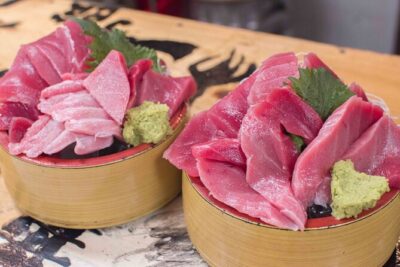
Best of Shinjuku: Izakaya Food Tour (4 Stops, 14+ Tastings)
Read our review →
Hungry Osaka Street Food Tour:15 Tastings & 3 Drinks with a Local
Read our review →
Browse the lists this tour appears in