
REVIEW · TEA CEREMONY EXPERIENCES
Samurai dress-up and shows, plus Tea Ceremony & Calligraphy
The most unusual part of this Osaka outing is that you do not simply watch Japanese culture from the sidelines. You can put on samurai armor, join the action, try sword-fighting movements, then shift gears for tea, calligraphy, and traditional music. It is a full cultural sampler under one roof.
I like the mix of high-energy entertainment and quiet practice. The sword performances and live music give the session some drama, while the tea ceremony and calligraphy slow things down. I also like the friendly, attentive staff, with Roi and Maya singled out for careful help with personal requests. The main consideration is price: at $123.87 per person, this is best value for anyone who wants several activities in one stop, not just a quick costume photo.
In This Review
- Key points at a glance
- Samurai armor, swordplay, and a full cultural sampler
- A closer look at the three-hour program
- Samurai dress-up and sword performances
- Tea ceremony
- Japanese calligraphy
- Traditional music
- Why the central Osaka location helps
- What $123.87 buys you
- The staff make a practical difference
- Who should book this Osaka activity
- Booking and cancellation details
- Should you book it?
- FAQ
- Where does the samurai and tea ceremony experience take place?
- How long does the activity last?
- What activities are included?
- Is the experience indoors?
- Is wearing a kimono included in the price?
- Can I cancel for a full refund?
Key points at a glance
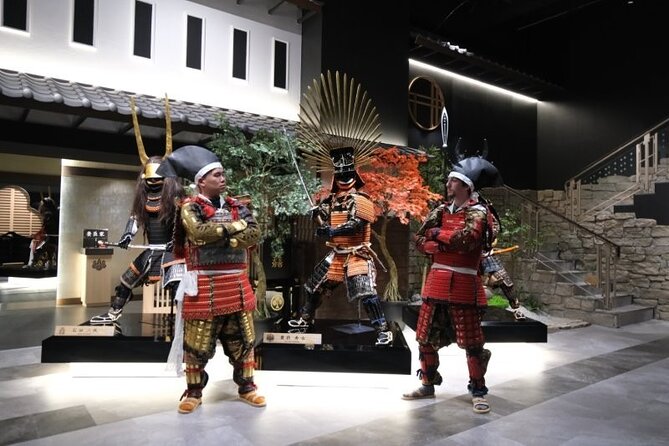
- Samurai armor is part of the action: Dress up and take part in sword-related activities, rather than only watching a stage performance.
- Several Japanese arts in one visit: The session combines samurai demonstrations, traditional music, tea, and calligraphy.
- A useful rainy-day plan: Everything takes place indoors, so weather and season do not affect the program.
- Easy central location: Shinsaibashi ARTY Inn is within about a five-minute walk of Dotonbori and less than ten minutes on foot from Namba or Shinsaibashi stations.
- Personal help is part of the appeal: Staff assist with the armor, activities, and individual requests.
- Plan for roughly three hours: It is long enough to try several activities without taking up a full day in Osaka.
Samurai armor, swordplay, and a full cultural sampler
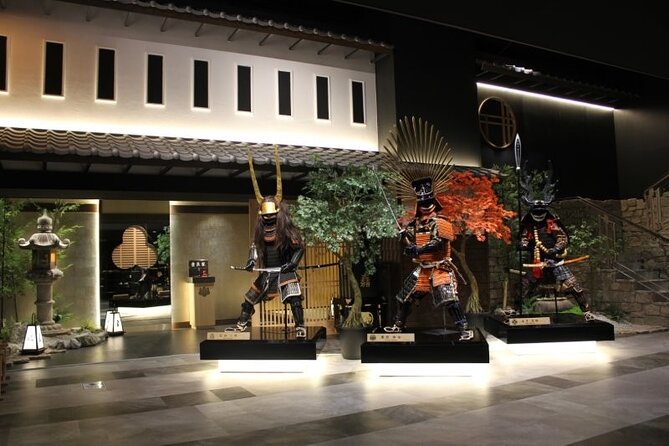
This is designed as a hands-on introduction to several Japanese traditions. You begin at Shinsaibashi ARTY Inn, a convenient indoor venue close to Osaka’s Dotonbori entertainment district. Rather than spending your whole visit on one demonstration, you can move among several activities during an approximately three-hour session.
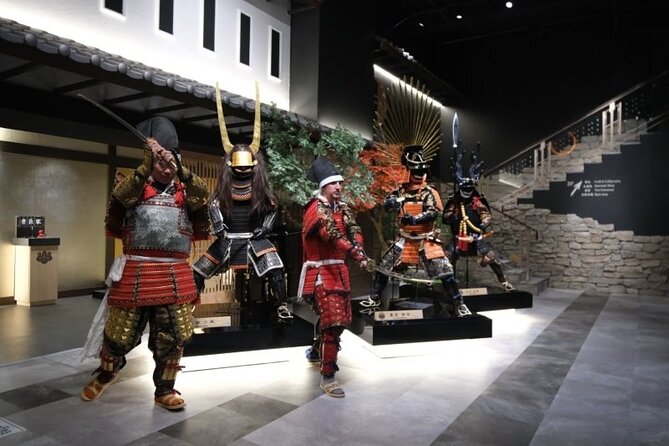
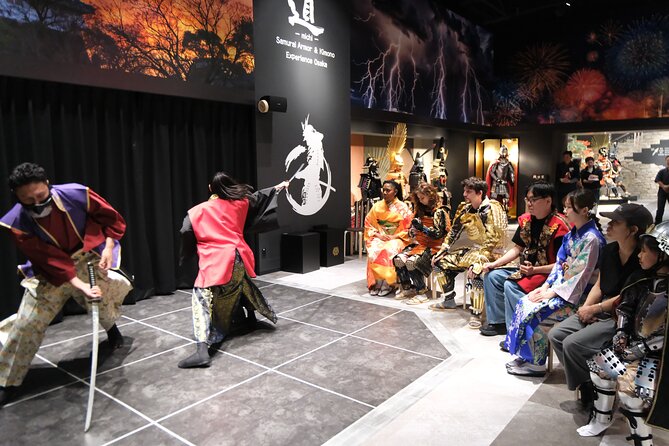
The samurai portion is the most theatrical. You wear traditional armor, watch sword performances, and take part in activities connected with samurai movement and combat. The program also includes live traditional music, which adds sound and ceremony to the show instead of making the session feel like a simple costume rental.
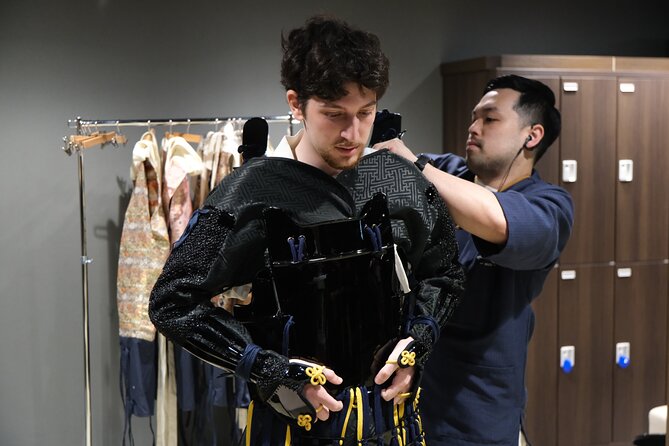
That difference matters. A photograph in armor takes only a few minutes. Here, the costume becomes part of a wider activity, and you get a chance to see how it feels to move and perform in it. The armor itself is described as impressive, and staff provide professional assistance as you put it on and take part.
You should still set your expectations correctly. This is a cultural entertainment program, not a historical lecture or a martial arts course. The sword activity is presented as a fun, supervised introduction, and the performance is the main attraction. If you want detailed instruction in samurai warfare, this will probably feel light. If you want an accessible way to enjoy Japanese traditions without committing to a day trip, the format works well.
More Kimono & Culture Experiences in Osaka
- Osaka: Sumo Show & Experience w/ Optional Kimono & Hot Pot
★ 4.5 · 609 reviews - Samurai Training Experience KENDO in Osaka
★ 5.0 · 515 reviews - OSAKA NIGHT FUSION Japanese Taiko Kabuki Samurai Dance Show
★ 4.8 · 155 reviews
A closer look at the three-hour program
The schedule gives you access to a selection of activities rather than a single straight-line tour. Staff explain how the visit runs when you arrive, and you can choose which activities to start with. That flexibility is useful if you are visiting with family or a mixed group, since one person may prefer calligraphy while another is eager to put on armor.
Samurai dress-up and sword performances
The armor is the centerpiece. Staff help you dress and can assist with positioning and details, which is important because traditional armor is not something most people can put on correctly without guidance. Once dressed, you can join the samurai activities and watch dynamic sword performances.
The show element gives the session energy. Live traditional music accompanies the wider program, helping create a setting that feels more deliberate than a costume booth in a shopping arcade. You may also have the chance to try sword-fighting movements yourself, as one highly enthusiastic participant described mastering sword fighting in a playful sense.
This part should suit families, couples, and first-time visitors who want an activity with plenty of photo potential but more substance than a posed picture. It also works well for anyone who finds museums too passive. You are given something to do, not just something to look at.
The practical drawback is that armor and movement do not suit every person equally. The supplied information says most people can participate, but it does not provide details about exact armor sizes, seating, or physical limitations. If you have concerns, contact the provider before booking rather than assuming the costume will fit every need.
Tea ceremony
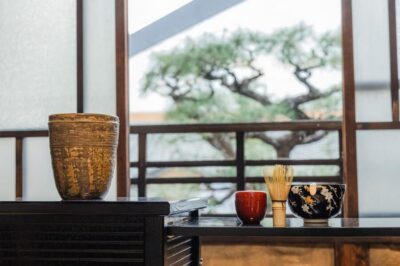
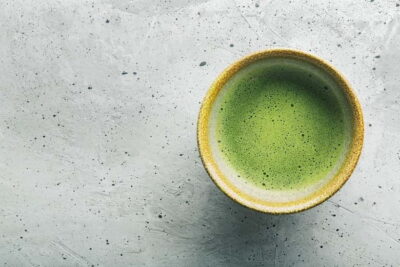
The tea ceremony provides a calm contrast to the sword show. You can enjoy complimentary hot or cold water and tea at the venue, while the formal tea activity offers a more refined look at Japanese hospitality and ritual.
For me, this is one of the most useful parts of the program because it gives context to the louder samurai presentation. The ceremony asks you to notice small actions, manners, and presentation. It is not simply another performance. It is a chance to take part in a tradition where the pace and atmosphere matter.
Do not expect a long, scholarly lesson on tea culture based on the information available. The activity is presented as a refined cultural experience within a larger program. That makes it a good introduction, though people already familiar with tea ceremony may want a more specialized session.
More Tea Ceremony Experiences in Osaka
- Osaka: Tea Ceremony Experience
★ 4.9 · 1,426 reviews - Tea Ceremony Experience in Osaka Doutonbori
★ 5.0 · 754 reviews - Matcha Making Class in Osaka with Authentic Japanese Sweets Set
★ 5.0 · 509 reviews - Osaka: Matcha Making Experience with Japanese Sweets
★ 5.0 · 146 reviews
Japanese calligraphy
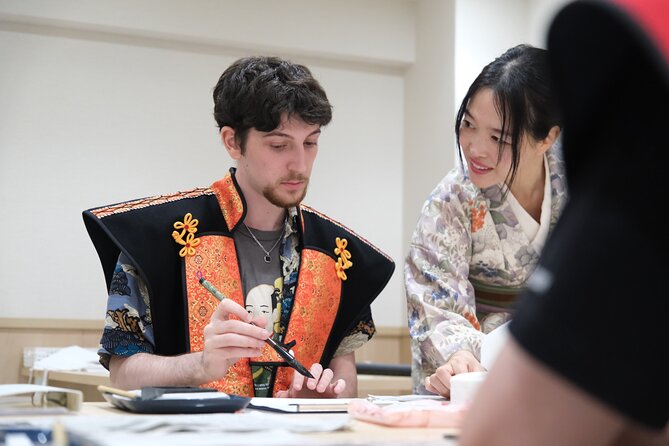
Calligraphy gives you something tangible to do with your hands. You try writing Japanese characters and create your own piece to remember the visit. Several participants praised the calligraphy lesson, and it was described as one of the activities that exceeded expectations.
The appeal is simple: you are not only hearing about Japanese writing, you are making a small work of your own. It is also a quieter activity than the samurai show, so it gives you a change of pace during the three hours.
The exact character, lesson length, and materials are not specified, so you should not book this expecting a formal school-style class. Think of it as a guided introduction suitable for beginners. The staff’s role is especially helpful here, since a little instruction can turn an intimidating brush and ink exercise into an enjoyable one.
Traditional music
Live traditional music is included in the entertainment, and music lessons are also available as part of the activities. This adds another layer to the visit, since you are not limited to visual traditions such as costumes and calligraphy.
The music class received particularly warm praise for being engaging and memorable. It may suit you if you want more direct participation, though the supplied details do not name the instruments or explain how long the lesson lasts. That lack of detail is worth noting if music is the main reason you are booking.
Why the central Osaka location helps
The venue is about a five-minute walk from Dotonbori, making this easy to pair with an evening of food, shopping, and canal-side sightseeing. It is also within a ten-minute walk of Namba or Shinsaibashi stations, and public transportation is listed as nearby.
That location makes the activity especially practical on a packed Osaka day. You can schedule it between sightseeing stops instead of losing half a day to transport. It also provides an indoor break when the weather is poor or when you need time away from the noise and crowds of central Osaka.
One useful detail is the short taxi connection from the cruise terminal. A cruise passenger used that option to reach the venue, so this can work for a port day if your timing allows. The activity lasts about three hours, however, and the available information does not promise a pickup service or account for traffic. Leave a generous margin before your ship’s departure.
The venue offers lockers, WiFi, and complimentary hot or cold water and tea. These are modest extras, but they make a difference when you are carrying shopping bags or moving through Osaka with luggage. The locker is particularly useful before putting on armor or taking part in activities.
What $123.87 buys you
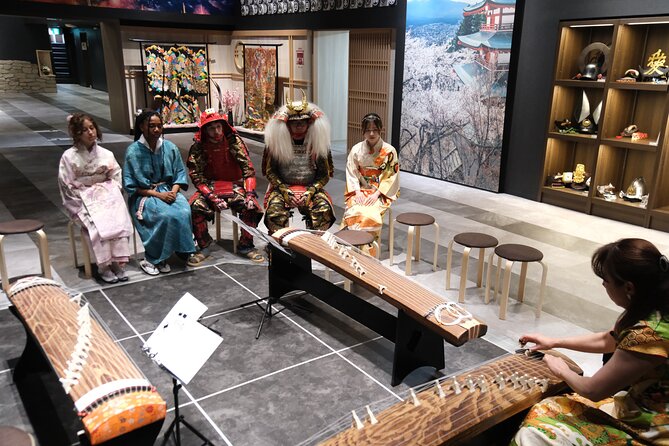
At $123.87 per person, this is not a bargain-priced photo stop. The value comes from the number of activities included: samurai dress-up, sword performances, traditional music, tea ceremony, and calligraphy, with music participation also available.
I would compare it with the cost of booking separate cultural activities in Osaka. Here, you avoid extra travel between venues and get staff support throughout the session. For a first visit, that convenience can justify the price, especially if you want a broad taste of Japanese culture but have limited time.
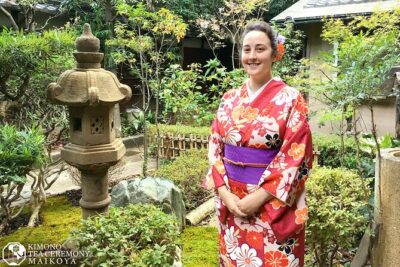
The price makes less sense if you only care about wearing armor for a photograph. In that case, a shorter costume experience could be a better fit. It is also important to note that wearing a kimono is listed separately at ¥19,800 per person. Do not assume that a kimono is part of the $123.87 package.
The program has had at least five bookings in the past month and is rated five out of five from 27 submitted ratings, with full recommendation among those ratings. Those figures suggest strong satisfaction, but I would still judge the price by your own interests. The more of the program you plan to use, the stronger the value.
The staff make a practical difference
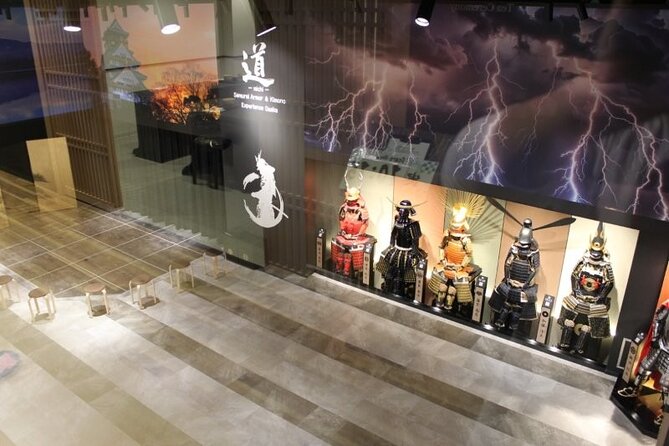
Friendly service is one of the clearest strengths. Staff meet you on arrival, explain how the session works, help with the armor, and assist during the activities. Roi and Maya were specifically praised for careful attention to detail and for accommodating personal requests during a special anniversary visit.
That kind of help matters in a hands-on program. You may need assistance with costume pieces, brush technique, or the order of activities. The tone described by the provider is polite, caring, and professional, which should help first-time participants feel comfortable.
The program also seems suitable for people who do not know much about Japanese customs. You do not need to arrive with background knowledge. The activities are designed as guided introductions, and the staff focus on making the process accessible.
Still, the information does not state the maximum group size, the exact daily timetable, or the language arrangement for every activity. Confirmation is provided at booking, so check the confirmed start time and any session notes carefully.
Who should book this Osaka activity
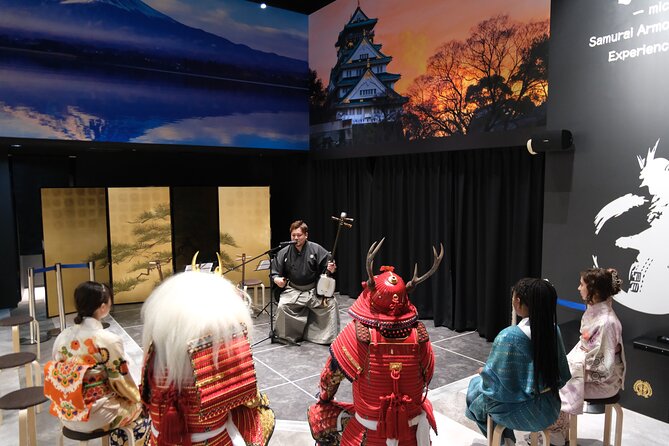
I would recommend it most strongly to:
- Families seeking an indoor cultural activity with several ways to participate
- Couples celebrating a special occasion
- First-time visitors who want samurai, tea, calligraphy, and music in one place
- Cruise passengers with enough time for a three-hour shore excursion
- People visiting Osaka during hot, cold, or rainy weather
- Anyone who prefers guided participation to a museum-only visit
It may be less suitable if you want a serious study of tea ceremony, advanced calligraphy training, or a detailed account of samurai history. It is also not ideal if your schedule is so tight that three hours feels difficult to spare.
The mix works particularly well for families because the energy changes from one activity to the next. A child who loses interest during tea may enjoy the armor, while an adult who is less interested in swordplay may prefer calligraphy or music. The format gives everyone a chance to find a favorite part.
Booking and cancellation details
You receive confirmation when you book, and a mobile ticket is available. The venue is near public transportation, and most people can participate.
Free cancellation is available if you cancel at least 24 hours before the local start time. Cancellation within 24 hours is not refundable, and changes made during that period are not accepted. For a busy Osaka itinerary, check your train, cruise, or dinner plans before making the final booking.
Should you book it?
Book this if you want a three-hour indoor cultural outing that combines costume, performance, craft, ceremony, and music in a central Osaka location. The program offers more range than a samurai photo session, and the staff support is a real advantage for first-time participants.
I would skip it if your main goal is a specialist lesson or if $123.87 feels high for a sampler. For most visitors with the time and interest, though, the combination of armor, swordplay, tea, calligraphy, and music makes this a sensible way to fit several Japanese experiences into one easy stop near Dotonbori.
FAQ
Where does the samurai and tea ceremony experience take place?
It takes place at Shinsaibashi ARTY Inn in Osaka. The venue is about a five-minute walk from Dotonbori and within a ten-minute walk of Namba or Shinsaibashi stations.
How long does the activity last?
The experience lasts approximately three hours.
What activities are included?
The program includes samurai armor dress-up, sword performances, traditional music, a tea ceremony, and Japanese calligraphy. Music participation is also described as part of the available activities.
Is the experience indoors?
Yes. All activities take place indoors, so you can attend in any season and do not need to plan around the weather.
Is wearing a kimono included in the price?
No. Kimono wearing is listed separately at ¥19,800 per person.
Can I cancel for a full refund?
Yes, if you cancel at least 24 hours before the experience start time. Cancellations made less than 24 hours before the start time are not refundable, and changes during that period are not accepted.
Just added around Osaka
- Kyoto & Nara Private customized tour with English speaking Guide★ 4.5 · 99 reviews
- Well-balanced BENTO (lunch box) Cooking Class★ 5.0 · 35 reviews
- Urban Canvas: Osaka Street Art Bike Tour★ 5.0 · 47 reviews
- OSAKA:Feel the Power! Learn Taiko Drum from Professionals★ 5.0 · 28 reviews
- Volleyball in Osaka & Kyoto with Locals!★ 5.0 · 21 reviews
- 1.5〜2 Hours Traditional Kintsugi Work Shop in Namba Osaka★ 5.0 · 75 reviews
- Umami Town Street Food Tour★ 5.0 · 120 reviews
- Three Types of Ramen Cooking Class in Osaka★ 5.0 · 119 reviews
Tea Ceremony Experiences, compared.
Tea Ceremony in a Traditional Tea House in Kiyomizu
Read our review →


World Heritage Kyoto & Nara Uji Authentic Matcha Experience
Read our review →
Browse the lists this tour appears in