
REVIEW · 2-HOUR EXPERIENCES
1.5〜2 Hours Traditional Kintsugi Work Shop in Namba Osaka
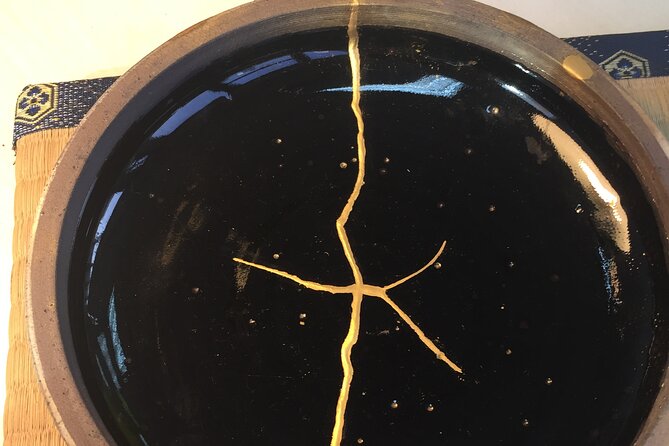
Kintsugi turns a damaged bowl or plate into a piece where the repair becomes part of the design. In this small Namba workshop, Jo, also called Josuke or JoJo, explains the craft, guides you through lacquer and 23K gold powder, and sends your finished plate after it has cured.
I like the five-person maximum, which leaves room for patient help and questions. I also like the quiet setting in a traditional wooden Kura building, with Japanese antiques around you and matcha often served at the end. The main catch is that you do not leave with the plate in hand. It needs time to dry, and international shipping costs an extra 5,000 yen.
In This Review
- Key points to know before booking
- Why this Namba workshop feels different
- What you actually make during the 90-minute class
- Jo’s teaching style and the value of five people
- The traditional Kura building and gallery
- Matcha, mochi, and the pleasant extra at the end
- The wait for your finished plate
- Is $125.53 a fair price?
- Who will enjoy it most
- Practical details that affect your decision
- Should you book the Zenkei kintsugi workshop?
- FAQ
- How long does the kintsugi workshop last?
- Where does the workshop take place?
- What will I make during the class?
- Do I take the plate home immediately?
- How much does international shipping cost?
- How many people can join the class?
- Is matcha included?
- Can I cancel for a full refund?
Key points to know before booking
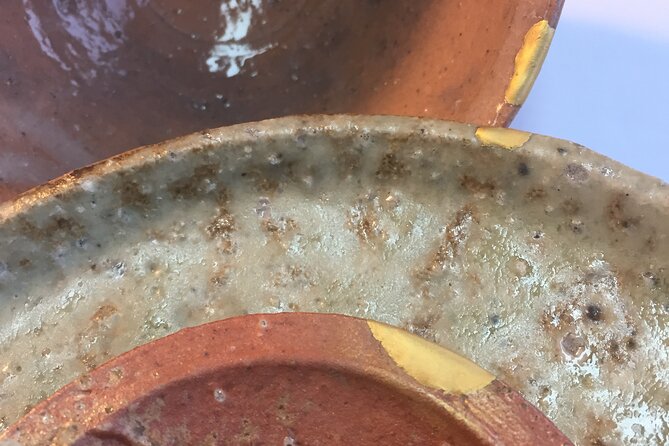
- You make the final decorative stages: The class focuses on applying lacquer and sprinkling gold powder onto a prepared plate, rather than repairing a fully shattered heirloom from start to finish.
- The class is genuinely small: A maximum of five people means Jo can give individual help, and solo bookings may sometimes become one-on-one sessions.
- The setting adds real character: The workshop occupies a traditional Japanese wooden building called a Kura, with a gallery of art and antiques.
- Matcha may be part of the afternoon: Several sessions included a casual lesson in preparing matcha, plus tea and mochi.
- Your plate is shipped later: The stated delivery time is five to seven days, but some arrangements may take longer. Domestic shipping is free, while international shipping costs 5,000 yen.
- Finding the entrance takes care: The meeting point is in Motomachi, Naniwa Ward, near Namba, but the building can be a little tricky to identify.
Why this Namba workshop feels different
Osaka is easy to fill with food stops, department stores, neon signs, and quick photo breaks. This kintsugi class gives you something slower and more hands-on. For about 90 minutes to two hours, you sit with a traditional Japanese craft and work through its meaning as well as its technique.
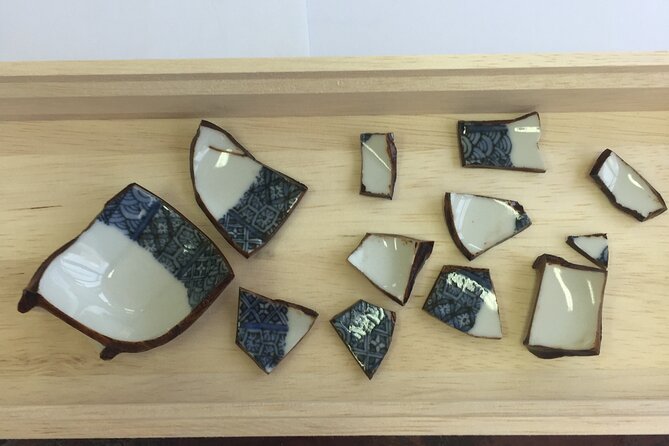
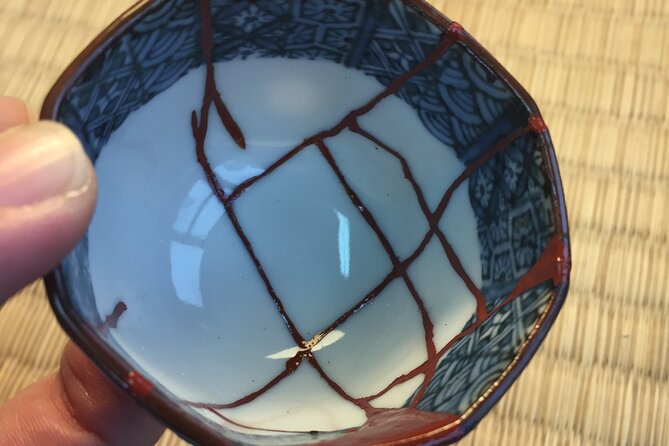
Kintsugi is the Japanese method of repairing pottery with lacquer and highlighting the join with gold. It is often linked with accepting wear and change instead of hiding every flaw. The workshop does not treat that idea as a decorative slogan. Jo explains the history of lacquer and the place of kintsugi in Japanese culture before you begin the practical work.
That background matters. Without it, sprinkling gold on pottery could feel like a simple souvenir activity. With it, the plate becomes a small reminder of repair, patience, and use. You get a finished object, but you also get a better sense of why the craft has lasted.
The atmosphere is part of the appeal. The class takes place in a traditional wooden building known as a Kura. Inside, you can see Japanese art and antiques in the gallery, which gives the workshop a more personal feel than a modern craft room. The space has been described as cozy, rustic, and calm, a useful change of pace after time in central Osaka.
A few more Osaka trips to weigh up
- Osaka: 2-Hour Nightlife District Walking & Local Food Culture
★ 5.0 · 199 reviews - Osaka: 2-Hour Local Street Food Tour – Dotonbori & Namba
★ 4.6 · 95 reviews - Osaka 2-Hour Genuine Kendo / Samurai Experience In Japan
★ 5.0 · 65 reviews
What you actually make during the 90-minute class
The advertised format is an introduction to kintsugi lasting about one to one and a half hours, with some sessions stretching closer to two hours. The central project is a small kintsugi plate.
You first learn about traditional kintsugi and lacquer. Jo uses explanations, slides, examples, and open discussion to show how the process works. He can also talk about lacquer collection, curing, and the wider craft process, so this is not just a quick demonstration followed by a craft table.
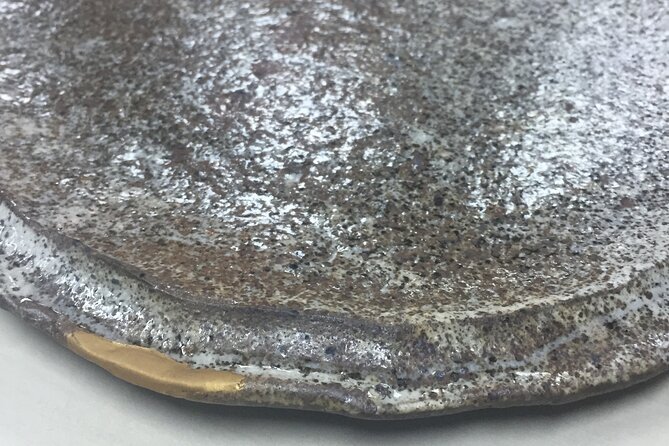
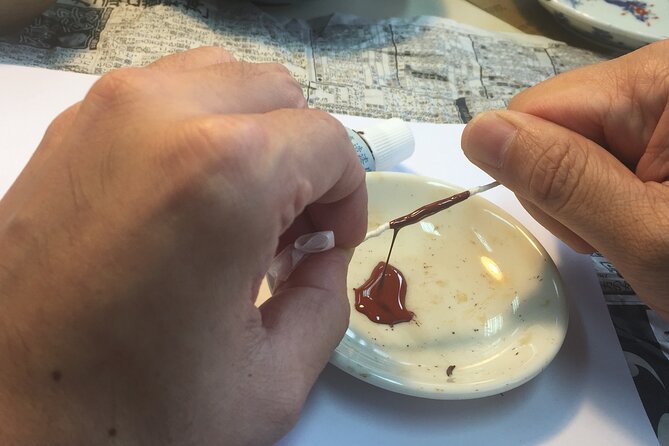
The hands-on stage is the heart of the experience. You decorate a plate by applying lacquer and adding 23K gold powder. Jo gives clear instructions and helps you handle each step. The gold is not merely painted on as a shiny finish. You apply it to the lacquered repair or design line, which makes the final effect feel connected to the traditional method.
One useful detail: the plate may use a chopping-style design rather than the cracked pattern you often see in photographs of kintsugi. If you arrive expecting to join a dramatic broken bowl, adjust that picture. You are working on the finishing stages of a prepared plate, making the activity manageable within a short class.
That limitation is also a strength. You can focus on the parts that are most satisfying for a beginner: handling the materials, placing the lacquer, and seeing the gold take shape. A full traditional repair can take much longer and requires more technical stages than fit into a compact Osaka activity.
Jo’s teaching style and the value of five people
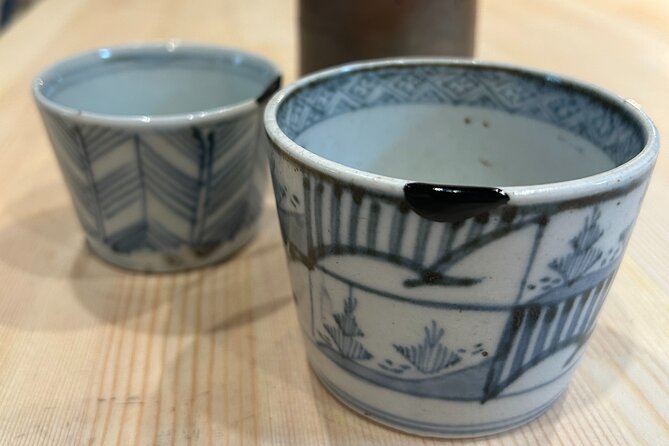
The instructor is described under several names in the available information: Jo, Josuke, and JoJo. The important point is the teaching approach. He explains the process carefully, answers questions, and allows time for people to work at their own pace.
A group limit of five is a real advantage here. Kintsugi involves small movements and materials that need careful handling. In a large class, you might spend too much time waiting for help. Here, Jo can look over your work and step in when you need guidance.
The small format also suits different types of visitors. You can ask about the spiritual side of kintsugi, the practical side of lacquer, or the examples displayed in the room. Families have used the class as a way to introduce children to traditional craftsmanship, while couples and solo participants have found the session easy to follow.
Solo visitors may get an especially personal class. One session had only a single participant, and the five-person maximum means the workshop never feels like a crowded demonstration. If you prefer a lively group, the small format may feel quiet, but that is largely the point of this activity.
Jo also offers local conversation and recommendations during some sessions. That is a pleasant extra, though I would treat it as a bonus rather than a guaranteed part of the formal itinerary.
The traditional Kura building and gallery
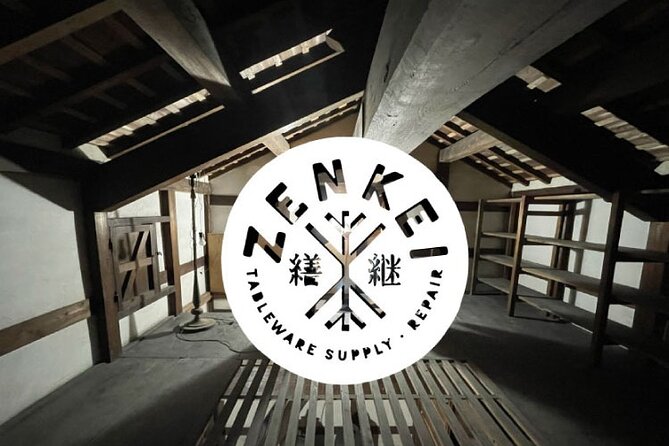
The location is at 2-chome 6-30 Motomachi, Naniwa Ward, Osaka, postal code 556-0016. The activity begins and ends at the meeting point. It is near public transportation, but allow a few extra minutes to locate the entrance. The building is not presented as a large, obvious attraction, and the entrance can be easy to miss.
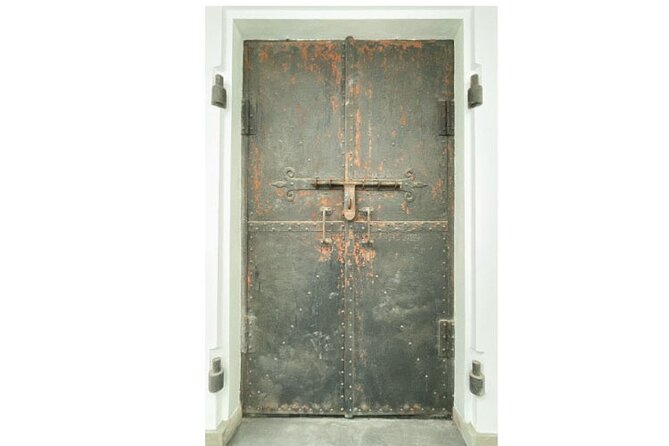
Once inside, the traditional wooden architecture helps set the tone. A Kura is a traditional storehouse-style building, and the old timber setting gives the class a stronger connection to Japanese craft than a generic rented studio would.
After the class, take time to look at the art and antiques in the gallery. This is not a separate guided museum tour, but it adds context to the work around you. You can see the kind of care and finish that kintsugi connects with, even if your own plate is a first attempt.
Namba Yasaka Jinja is nearby and makes a sensible add-on after the workshop. It is not part of the listed activity, so plan it as your own short stop. The shrine is useful if you want to pair the quiet craft session with another local sight before returning to Namba.
Same city, a completely different kind of day:
- Osaka Go Karting Tour with Funny Costume
★ 5.0 · 2,658 reviews - Osaka Castle: Museum and Tower Entry Ticket
★ 4.5 · 2,380 reviews - Osaka: Shinsekai Food Tour with 13-15 Dishes at 5 Eateries
★ 4.8 · 2,204 reviews - Osaka Food Tour: 13 Dishes at 5 Local Eateries
★ 5.0 · 2,149 reviews
Matcha, mochi, and the pleasant extra at the end
The listed workshop centers on kintsugi, but matcha has become a popular extra part of the experience. Jo has shown participants how to prepare matcha in an informal tea lesson, including the importance of creating a good froth. Matcha and mochi have also been served as refreshments.
This is not advertised as a full tea ceremony, so keep expectations modest. You may receive a short introduction and tasting rather than a formal ceremonial presentation. Still, it fits the workshop well. After the concentration needed for lacquer and gold, making tea gives you another small craft to try.
I like this addition because it does not feel unrelated. Both activities reward attention and steady hands. It also gives the session a warmer, more social ending. If matcha is an experience you hoped to try in Osaka but could not fit into your schedule, this may be a useful two-for-one cultural stop.
Because extras can vary by session, confirm what will be included when you book. The kintsugi instruction and materials are the core offering.
The wait for your finished plate
Your plate needs time to cure, so you do not carry it away at the end of class. The stated delivery time is five to seven days. Other arrangements described for the workshop suggest that some participants may wait a couple of weeks, so build in a little flexibility rather than planning to display it the next morning.
Domestic delivery to a Japan address is free. International shipping is available for 5,000 yen, which is a significant extra cost on top of the $125.53 activity price. Ask how and when the plate will be sent if you are moving between hotels or leaving Japan soon.
One participant was told that the instructor might be able to drop the piece at a hotel after it dried. That should not be treated as a standard promise. If you need hotel delivery, ask the provider directly before relying on it.
The delayed finish has one advantage: it makes the object feel like a real craft project rather than an instant souvenir. You leave knowing that the last part of the process is still happening. The disadvantage is obvious: you cannot inspect the final cured piece before flying home, and international postage changes the total price.
Is $125.53 a fair price?
At $125.53 per person, this is not a bargain craft class. The value depends on what you want from your Osaka day.
You are paying for a small group, an instructor-led cultural explanation, all required materials, access to a traditional studio, and a finished plate shipped after curing. You are also paying for time with an experienced craft teacher rather than a quick activity built around a photo and a souvenir.
The price makes more sense if you value personal instruction and a meaningful object. It is less appealing if you only want to make something immediately or if you are comparing it with a short tourist craft demonstration. Add the 5,000 yen international shipping charge if you live outside Japan.
I would also compare it with the cost of other structured cultural activities in Osaka, but not just by minutes. A 90-minute class can become a lasting memory when you take home something you made yourself. The strongest value here is the combination of explanation, careful guidance, and the historic setting.
Who will enjoy it most
I recommend this workshop for you if you want a slower activity between sightseeing days. It suits couples, families with children who can follow careful instructions, solo visitors, and anyone interested in pottery, Japanese design, or traditional craftsmanship.
You do not need previous pottery experience. The activity is designed as an introduction, and Jo provides the instructions and materials. You should be comfortable with a hands-on project that requires care rather than speed.
It is also a good choice if you prefer a small class over a large group. The maximum of five allows conversation and personal help, and the session can feel almost private when few people book.
I would think twice if your schedule is tight or you need to leave Osaka immediately after the class. The meeting point may take a few minutes to find, the activity can last closer to two hours, and the finished plate arrives later. You should also avoid it if you have a lacquer allergy, as the activity is specifically not recommended for people with one.
Morning and afternoon sessions make it easier to fit around Namba sightseeing. Pick the time that lets you arrive without rushing. This is a poor activity to squeeze between two fixed bookings several train stops away.
Practical details that affect your decision
The activity uses a mobile ticket, and confirmation is provided at booking. Most people can participate, and service animals are allowed. It is near public transportation, though you should save the full address and allow time to find the entrance.
The listed group limit is five people. The class begins and ends at the same meeting point in Naniwa Ward.
Cancellation is free up to 24 hours before the local start time. Within 24 hours, you do not receive a refund and changes are not accepted. The experience requires good weather, and if poor weather causes a cancellation, you are offered another date or a full refund.
The main preparation is simple: wear something you can work carefully in, arrive with enough time to orient yourself, and remember that your work will be shipped rather than handed over at the door.
Should you book the Zenkei kintsugi workshop?
Book it if you want more than a standard Osaka souvenir. The best parts are the small class, Jo’s patient instruction, the old wooden Kura, and the chance to connect the gold lines on your plate with the history and ideas behind kintsugi.
Do not book it expecting to repair a treasured broken heirloom from beginning to end. This is an introduction focused on decorating a prepared plate and learning the final stages. Do not forget to budget for international shipping, either.
For a creative, calm break from Namba’s usual pace, I think the experience earns its high rating. It gives you a story, a new skill, a little matcha, and a handmade object that arrives after you have already returned to daily life. That delayed arrival is part of the charm.
FAQ
How long does the kintsugi workshop last?
The experience lasts approximately 1 hour 30 minutes. The introduction is described as lasting about one to one and a half hours, while some sessions take closer to two hours.
Where does the workshop take place?
It takes place at 2-chome 6-30 Motomachi, Naniwa Ward, Osaka, postal code 556-0016. The class is held in a traditional Japanese building called a Kura.
What will I make during the class?
You will decorate a kintsugi plate using lacquer and 23K gold powder. The activity focuses on learning the process and completing the decorative stages.
Do I take the plate home immediately?
No. The plate needs time to dry and cure. The stated delivery time is five to seven days, although some arrangements may take longer.
How much does international shipping cost?
International shipping costs 5,000 yen. Shipping to a domestic address in Japan is free.
How many people can join the class?
The workshop has a maximum of five participants.
Is matcha included?
Matcha preparation and tasting, along with mochi or other refreshments, have been offered during sessions. The main advertised activity is the kintsugi workshop, so confirm the current refreshments when booking.
Can I cancel for a full refund?
You can cancel at least 24 hours before the local start time for a full refund. Cancellations or changes made within 24 hours are not refunded or accepted. If poor weather forces the provider to cancel, you are offered another date or a full refund.
Just added around Osaka
- Samurai dress-up and shows, plus Tea Ceremony & Calligraphy★ 5.0 · 27 reviews
- Kyoto & Nara Private customized tour with English speaking Guide★ 4.5 · 99 reviews
- Well-balanced BENTO (lunch box) Cooking Class★ 5.0 · 35 reviews
- Urban Canvas: Osaka Street Art Bike Tour★ 5.0 · 47 reviews
- OSAKA:Feel the Power! Learn Taiko Drum from Professionals★ 5.0 · 28 reviews
- Volleyball in Osaka & Kyoto with Locals!★ 5.0 · 21 reviews
- Three Types of Ramen Cooking Class in Osaka★ 5.0 · 119 reviews
- Umami Town Street Food Tour★ 5.0 · 120 reviews
2-Hour Experiences, compared.
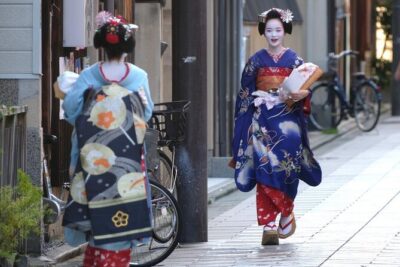
Kyoto Gion: 2-Hour Geisha Culture & History Walking Tour
Read our review →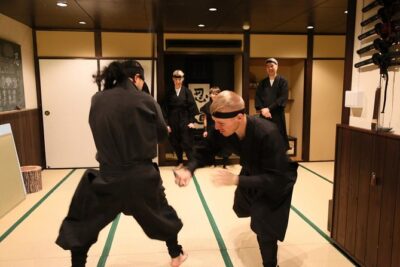
Ninja 2-hour Hands-on Lesson by Japanese master in Kyoto -Medium
Read our review →
2-Hour Nightlife District Walking & Local Food Culture
Read our review →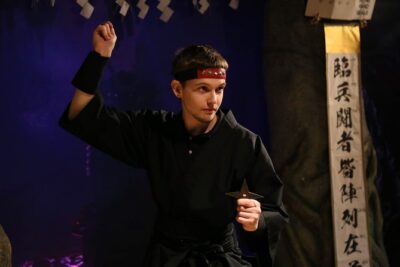
Ninja Samurai 2-hour hands-on lesson by Japanese master in Tokyo
Read our review →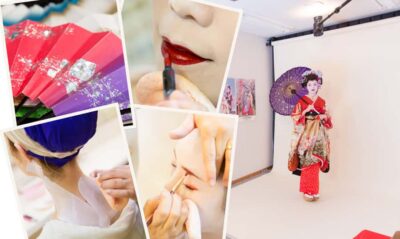
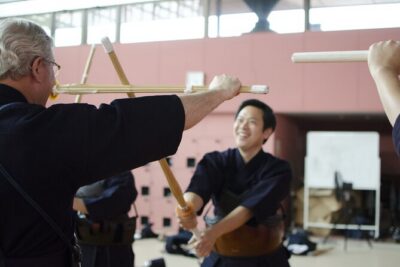
Tokyo 2-Hour Genuine Samurai Experience: Kendo in Japan
Read our review →
2-Hour Local Street Food Tour – Dotonbori & Namba
Read our review →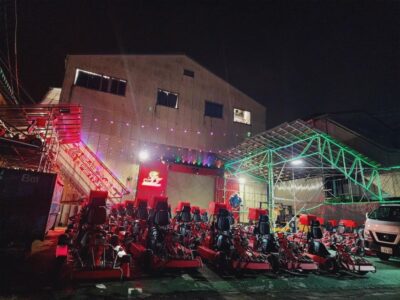
Flagship 2-Hour Street Go-Kart Tour by Street Kart
Read our review →Browse the lists this tour appears in