
REVIEW · KIMONO & CULTURE EXPERIENCES
Kyoto Gion: 2-Hour Geisha Culture & History Walking Tour
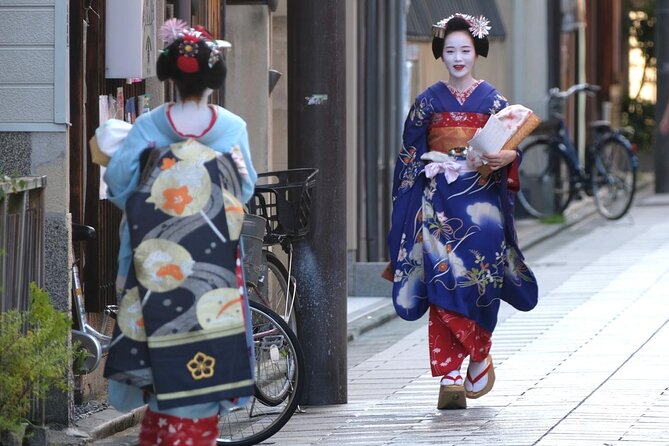
Gion is best understood on foot, and this tour puts you in the middle of Kyoto’s geisha district when its wooden lanes begin to feel more than just photogenic. You’ll hear how maiko train, why geisha wear such careful hairstyles and kimonos, and how the neighborhood’s traditional businesses work. If your timing is right, you might even see a geisha heading to an appointment.
I like the mix of geisha culture and everyday history, rather than a walk that only points out famous photo spots. I also like the route’s variety: old townhouses, shrines, temple streets, Pontocho, and a quiet stretch beside the Kamogawa River.
The main consideration is pace and weather. Two hours is manageable, but the walk can feel hot, and one previous participant found there was no drink stop. You’ll want comfortable shoes, water, and realistic expectations about seeing a geisha.
In This Review
- Key points to know before you go
- Why Gion makes a better walking tour than a quick photo stop
- Hanamikoji Street and the rules of geisha culture
- Sannenzaka, Ninenzaka, and the old Kyoto streets
- Yasaka Shrine and a glimpse of Shinto practice
- Pontocho and the Kamogawa River break
- Gion Shirakawa and Edo-period townhouses
- Yasui-Konpiragu and a final act of worship
- Guides, group size, and the feel of the walk
- Is $23.88 a fair price for two hours?
- Timing, weather, and practical preparation
- Who should book this Gion walk?
- Should you book the Kyoto Gion walking tour?
- FAQ
- How long is the Kyoto Gion walking tour?
- What is the price?
- Is seeing a geisha guaranteed?
- What places does the tour visit?
- Does the tour include admission tickets?
- Where does the tour start and finish?
- How many people can join the tour?
- What level of fitness is needed?
- What is the cancellation policy?
Key points to know before you go
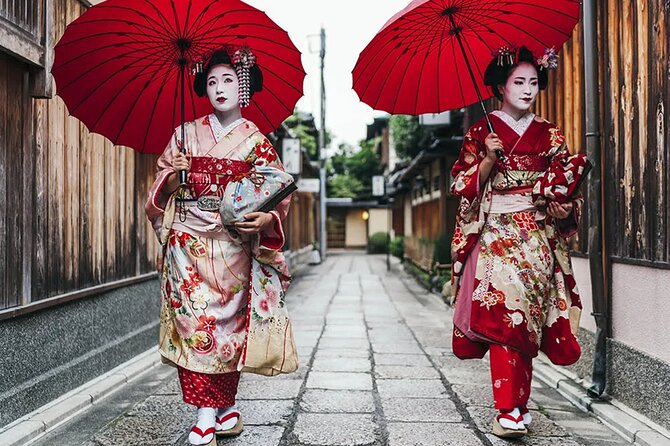
- A real chance to see a geisha: The strongest opportunity is around 5 or 6 p.m., although no sighting is promised.
- More than Hanamikoji Street: The route adds shrines, temples, Pontocho, the Kamogawa River, and quiet Gion lanes.
- Small-group format: The maximum group size is 15 people, which should make questions and guide commentary easier.
- Guides who bring the subject to life: Guides such as Uta, Dan, Naoya, Soyo, Kenta, Ukyo, and Alex are praised for clear explanations and good storytelling.
- Good value at $23.88: For two hours with a local guide and several major sights, the price is modest, especially for a first visit to Kyoto.
- An evening timing tradeoff: Sunset can make the walk beautiful and improve your chance of seeing a geisha, but some shops and sites may be closing.
Why Gion makes a better walking tour than a quick photo stop
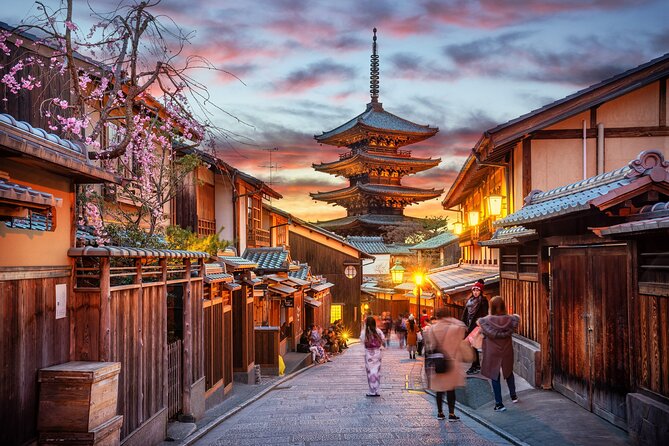
Gion can look simple at first glance: a few narrow streets, traditional wooden buildings, and crowds carrying cameras. The details are easier to understand when someone explains what you are seeing and what you should not do.
Hanamikoji Street, for instance, is not simply an attractive old road. It is tied to the world of geisha and maiko, where training, dance, music, formal dress, and carefully maintained appearances all matter. A guide helps you separate the real customs from the myths that have collected around the district.
That context is useful because Gion is still a working neighborhood. People are going to appointments, running businesses, worshipping at shrines, and living in houses that may look like museum pieces to you. A walking tour can encourage you to look closely without treating the area as a stage set.
The tour also moves beyond the best-known streets. Quiet back lanes lead to smaller shrines and older buildings, giving you a better sense of how Kyoto’s historic center fits together. You will still see the famous sights, but the walk has enough variety to keep it from feeling like a single photo opportunity.
More Kimono & Culture Experiences in Kyoto
- Kyoto Geisha Walking Tour: Gion District & Hidden Gems
★ 4.7 · 3,273 reviews - Kyoto: Gion Magical Night Walking Tour with Geisha Trivia
★ 4.9 · 2,393 reviews - Kyoto: Gion Geisha District Walking Tour – Stories of Geisha
★ 4.7 · 2,187 reviews
Hanamikoji Street and the rules of geisha culture
The walk begins at Hanamikoji Street, often treated as the heart of Gion. Your guide explains the difference between geisha and maiko, the years of training involved, and the work behind their dances, makeup, hairstyles, and kimono.
This is one of the tour’s strongest sections because the subject can be easy to misunderstand. The word geisha refers to a professional entertainer trained in traditional arts, while a maiko is an apprentice. A good guide gives you a clearer picture of the discipline and craft involved instead of reducing the women to colorful figures in photographs.
You may also learn how to behave if you spot one. The chance is real, particularly later in the day, but it is not the point of the tour and never guaranteed. Keep your distance, avoid blocking the street, and remember that a geisha or maiko may be on the way to work.
The timing advice here is useful. Several participants found an afternoon or early evening start, around 5 to 6 p.m., gave them a better chance of seeing a geisha. Sunset also adds a pleasant glow to the streets, though later hours can mean some nearby businesses have closed.
Sannenzaka, Ninenzaka, and the old Kyoto streets
The route continues through Sannenzaka and Ninenzaka, two of Kyoto’s most recognizable historic streets. Their sloping lanes and traditional buildings make them excellent places for photographs, but they can also be crowded.
Your guide explains the local story that falling on the steps means you will die within two years, then separates the rumor from the truth. That small detail shows the value of having someone with local context beside you. You get a story to remember, but you are not left treating every old saying as fact.
This section may feel less quiet than the backstreets later in the walk. If you want peaceful photography, you may need patience, especially at busy times. The benefit is that you see a famous part of Kyoto while learning how its legends and architecture fit into the wider city.
Hokanji Temple, with its familiar Yasaka-no-To pagoda, is another major photo stop. It is often described as one of Kyoto’s most photogenic places, and the tour gives you time to appreciate the view rather than simply rushing past it.
The visit is relatively brief, so do not expect an extended temple lecture or a long interior visit. This is a sightseeing walk, not a full temple tour. Still, the stop helps connect the narrow lanes with the larger religious setting that shaped old Kyoto.
Yasaka Shrine and a glimpse of Shinto practice

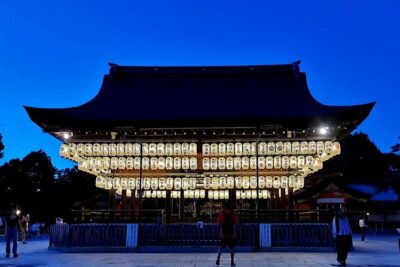
Yasaka Shrine provides the tour’s clearest look at a major Shinto site. The shrine is described as 1,000 years old, and its presence helps explain why Gion developed as a place where worship, festivals, entertainment, and commerce came together.
Your guide can point out the basic elements of Shinto worship and explain how to approach the shrine respectfully. You will have an opportunity to see the setting without needing to plan a separate visit.
The stop lasts about 20 minutes. That is enough for an introduction, photos, and a brief look around, but not enough for every building or historical detail. I see that as a fair trade on a two-hour route because the tour still includes several other districts.
If you are visiting during a festival or another busy period, the shrine may feel crowded. The route is designed to introduce you to the place, not provide a long period of quiet reflection. For a first look at Kyoto’s religious traditions, though, it earns its place.
More Walking Tours in Kyoto
- Private Kyoto Tour with a Local, Highlights & Hidden Gems, Personalised
★ 5.0 · 1,543 reviews - Kyoto Gion Geisha District Walking Tour – The Stories of Geisha
★ 5.0 · 1,441 reviews - Nishiki Market Brunch Walking Tour (7 Tastings + Brunch)
★ 5.0 · 1,355 reviews - Kyoto Arashiyama Walking Tour: Bamboo, Monkeys, Gardens & Secrets
★ 5.0 · 1,216 reviews
Pontocho and the Kamogawa River break
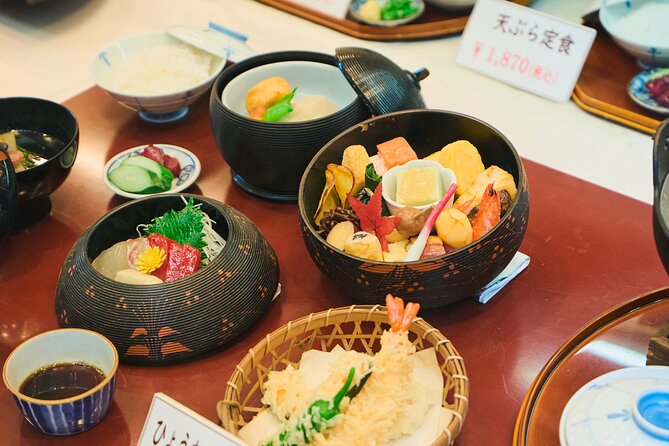
Pontocho brings a different mood. This narrow gourmet street is known for restaurants and evening dining, and it shows another side of Kyoto’s traditional entertainment districts.
The guide’s role here is especially practical. You may receive suggestions for restaurants, rooftop bars, or places to return later. Several guides, including Kenta and Ukyo, are specifically praised for offering restaurant advice, which can be helpful when you are deciding where to eat after the tour.
The route also includes a local resting spot beside the Kamogawa River. The supplied schedule gives no exact duration for this stop, so treat it as a short pause rather than a planned meal or refreshment break.
That distinction matters in summer. One participant found the heat difficult and wished for a drink stop, so carry water with you. The river area can offer a welcome change from the close streets, but it does not replace a café break.
Gion Shirakawa and Edo-period townhouses
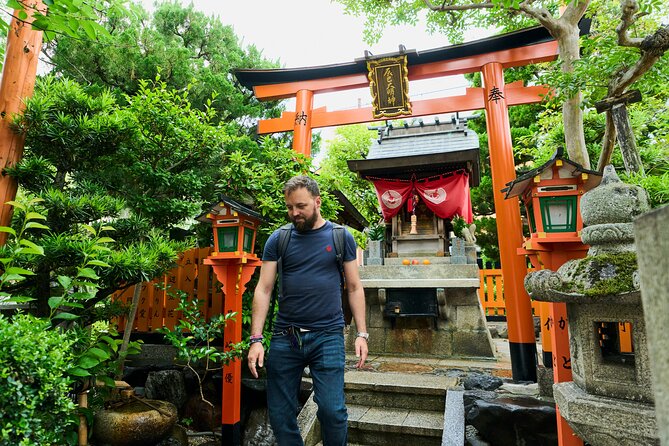
Gion Shirakawa is one of the most atmospheric parts of the walk. Here you see traditional wooden townhouses associated with Kyoto’s Edo-period streetscape, along with a quieter setting than the busiest parts of Sannenzaka and Ninenzaka.
Your guide explains the buildings rather than treating them as background decoration. The wooden fronts, narrow lanes, and careful proportions give you clues about how older Kyoto neighborhoods were arranged and how traditional businesses operated.
This is a good place to slow down and look at construction details. You may find that the smaller street scenes stay with you longer than the grander stops because they show a living old town rather than a single monument.
The walk is still through an active district, so quiet does not mean empty. Be considerate with photographs and follow your guide’s advice about where to stand. The tour’s smaller maximum of 15 people should help, although the experience will naturally be less intimate if the group reaches its limit.
Yasui-Konpiragu and a final act of worship
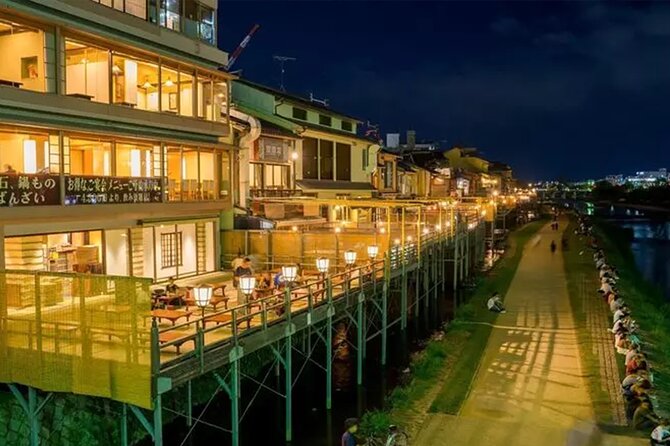
The final listed stop is Yasui-Konpiragu, where you get another chance to see Shinto worship in practice. The shrine is associated with a well-known local ritual involving a stone and prayers to break unwanted ties and form better ones.
The supplied tour details identify this as an opportunity to experience Shinto worship, but they do not promise a particular ritual or a long ceremony. Your guide should explain what you are seeing and how to behave respectfully.
This ending gives the walk a more personal note. After hearing about public streets, performers, restaurants, and old buildings, you finish with a place where people come to make private wishes.
The tour returns to the original meeting point, so you do not need to work out a new destination at the end. That is useful if you are tired, meeting someone nearby, or planning dinner in central Kyoto.
Guides, group size, and the feel of the walk
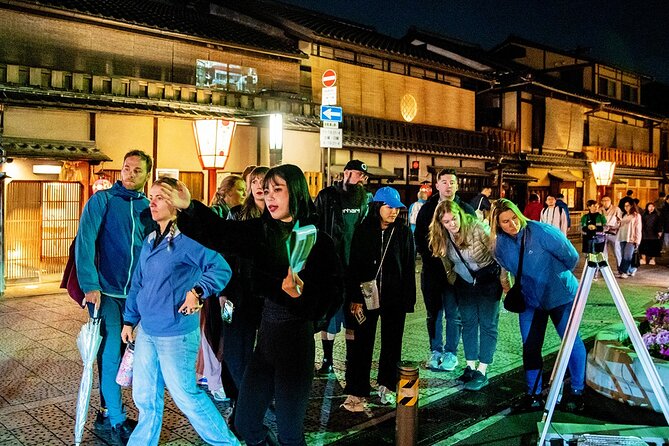
The guide makes a large difference on a tour like this. The named guides associated with this experience include Uta, Dan, Naoya, Soyo, Kenta, Ukyo, Alex, and Oliver. The strongest qualities repeatedly attached to these guides are clear English, patience, local knowledge, friendly conversation, and storytelling.
Uta is described as lively and engaging, while Dan is praised for making the history easy to follow. Naoya is noted for patience and for helping when someone arrived late after taking the wrong bus. Alex is described as good at keeping an international group together and showing quieter areas.
You should not assume a specific guide when booking unless the provider confirms one. What you can reasonably expect is a guide-led walk with explanation rather than a silent procession between landmarks.
The group limit is 15. That is not a private tour, but it is small enough for questions and photographs to remain manageable. The walk requires moderate physical fitness, with standing and movement through streets, slopes, and temple or shrine areas.
Is $23.88 a fair price for two hours?
At $23.88 per person, this is a low-cost way to get an introduction to Gion. You are not paying for admission to a major attraction, since the listed stops have no admission charge. You are paying for the guide’s interpretation, route planning, cultural explanation, and local suggestions.
That matters in Gion because the value is not found only in entering a building. It comes from understanding why Hanamikoji matters, what the geisha profession involves, how to read the old townhouses, and how the shrine and entertainment districts connect.
The price is especially sensible if this is your first time in Kyoto or your first evening in Gion. You can use the two hours to learn the area, then return later on your own for dinner or another walk.
The value is less clear if you already know Gion well or want long visits inside temples and shrines. This is a broad introductory route, so each stop receives a limited amount of time. You get range rather than depth.
Timing, weather, and practical preparation
The meeting point is the McDonald’s near Shijo-ohashi Bridge at 105-1 Hashimotocho, Shimogyo Ward. The tour is near public transportation, and the activity uses a mobile ticket, so keep your booking confirmation easy to access.
A late afternoon or early evening start has two advantages: you may catch Gion in attractive light, and you may have a better chance of seeing a geisha heading to work. The drawback is that some places may be closing, and one participant advised not starting too late because nearby sites and shops may no longer be open.
The tour requires good weather. If poor weather forces cancellation, you are offered another date or a full refund. You can cancel for a full refund up to 24 hours before the start time, but cancellations or changes within 24 hours are not refunded or accepted.
Wear shoes suited to a two-hour city walk. Bring water, especially in hot weather, because a drink stop is not part of the stated route. The walk is not presented as wheelchair-specific or as fully accessible, so anyone who needs detailed accessibility information should ask the provider before booking.
Who should book this Gion walk?
I would choose this tour if you want a clear introduction to geisha culture without paying for a formal dinner or performance. It suits first-time Kyoto visitors, solo visitors who want a structured evening, and anyone who would like local restaurant suggestions after the walk.
It also works well for people who enjoy a mixture of famous sights and less crowded streets. You will see the photo stops you likely already have on your list, but the guide adds small shrines, old townhouses, legends, and neighborhood context.
Families with older children may find the route interesting, provided everyone can manage two hours of walking and standing. The subject is cultural and historical rather than entertainment-focused, so it is best for children who can listen and follow respectful behavior around working performers and religious sites.
I would hesitate if your only goal is to guarantee a geisha sighting. No walking tour can promise that, and chasing one can be disrespectful. I would also choose another format if you want a slow meal, a private guide, or extended time at each shrine.
Should you book the Kyoto Gion walking tour?
Book it if you want good orientation, useful cultural background, and a varied two-hour walk at a modest price. The strongest reasons are the guide explanations, the chance to see Gion at sunset, and the way the route links geisha culture with shrines, townhouses, food streets, and the river.
Set your expectations correctly. You may see a geisha, but you may not. The walk can be hot, there is no promised refreshment stop, and the major sites receive short visits.
For most first visits to Kyoto, I think the balance works. Choose an afternoon or early evening departure, carry water, listen to the guide’s advice about respectful photography, and leave room afterward for dinner in Pontocho or another part of Gion.
FAQ
How long is the Kyoto Gion walking tour?
The tour lasts approximately two hours.
What is the price?
The listed price is $23.88 per person.
Is seeing a geisha guaranteed?
No. You have a chance to spot a real geisha, with the best opportunity generally around 5 to 6 p.m., but a sighting is not guaranteed.
What places does the tour visit?
The route includes Hanamikoji Street, Sannenzaka and Ninenzaka, Yasaka Shrine, Hokanji Temple, Pontocho, a local spot beside the Kamogawa River, Gion Shirakawa, and Yasui-Konpiragu.
Does the tour include admission tickets?
The listed stops have free admission. The tour price covers the guided walking experience rather than paid attraction entry.
Where does the tour start and finish?
It starts at the McDonald’s near Shijo-ohashi Bridge at 105-1 Hashimotocho, Shimogyo Ward, Kyoto. It ends back at the same meeting point.
How many people can join the tour?
The maximum group size is 15 people.
What level of fitness is needed?
The activity calls for a moderate level of physical fitness. You should be prepared for approximately two hours of walking and standing.
What is the cancellation policy?
You can cancel at least 24 hours before the start time for a full refund. Cancellations or changes made less than 24 hours before the start time are not refunded or accepted. If poor weather cancels the tour, you are offered another date or a full refund.
More 2-Hour Experiences in Kyoto
- Ninja 2-hour Hands-on Lesson by Japanese master in Kyoto -Medium
★ 5.0 · 218 reviews - Kyoto: 2-Hour Maiko Makeover and Photo Studio Shoot
★ 4.7 · 122 reviews - Osaka: 2-Hour Nightlife District Walking & Local Food Culture
★ 5.0 · 199 reviews - Ninja Samurai 2-hour hands-on lesson by Japanese master in Tokyo
★ 5.0 · 194 reviews
More Historical Tours in Kyoto
- Kyoto: Private 2.5 Hour Historical Walking Tour
★ 4.9 · 121 reviews - From Kyoto: Nara History Guided Half Day Bus Tour with Lunch
★ 4.8 · 114 reviews - Kyoto: Historic Higashiyama Walking Tour
★ 5.0 · 31 reviews - Kyoto/Osaka: Kobe & Himeji Journey Through Culture & History
★ 3.7 · 18 reviews
Just added around Kyoto
- Taste of Nishiki Market Walking Food Tour with Local guide★ 5.0 · 17 reviews
- Kyoto: Sushi Making Class with Sushi Chef★ 4.8 · 64 reviews
- Kyoto: City Secrets eBike Tour★ 4.9 · 196 reviews
- Sacred Pathways: Discover the Philosopher’s Path of Kyoto★ 4.9 · 20 reviews
- Private Tour to Monkey Park and Arashiyama Highlights★ 5.0 · 22 reviews
- Private Nara Tour from Osaka – Meet at Your Hotel★ 5.0 · 22 reviews
- Private Sake Tasting in Central Kyoto with Sake Sommelier★ 5.0 · 13 reviews
- Kyoto : Private Custom Walking Tour With A Local Guide★ 4.6 · 144 reviews
Kimono & Culture Experiences, compared.
Kyoto Geisha Walking Tour: Gion District & Hidden Gems
Read our review →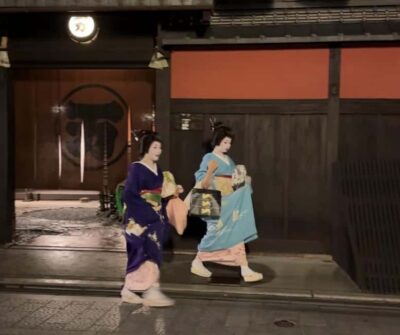
Gion Magical Night Walking Tour with Geisha Trivia
Read our review →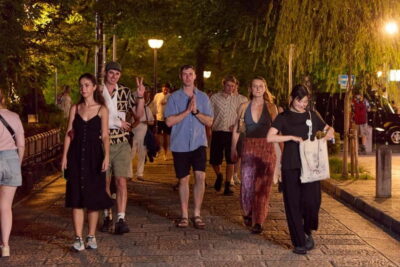
Gion Geisha District Walking Tour – Stories of Geisha
Read our review →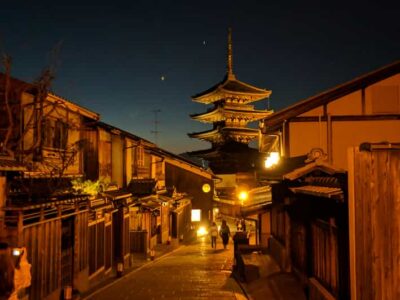
Best of Kyoto: Gion, Geisha, Pagodas & Cobblestones
Read our review →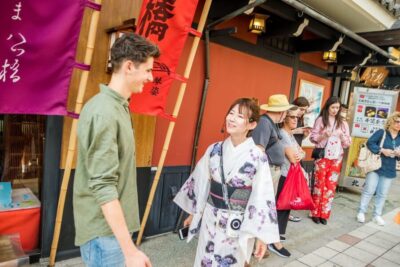
Kyoto Gion Geisha District Walking Tour – The Stories of Geisha
Read our review →
Browse the lists this tour appears in