
REVIEW · KIMONO & CULTURE EXPERIENCES
Kyoto Samurai Experience
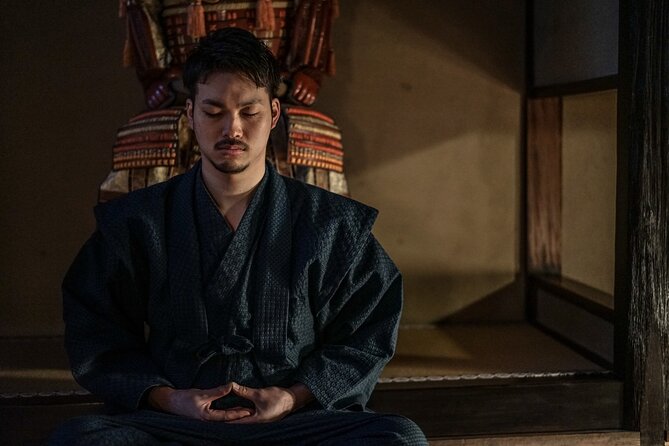
The most memorable part of this Kyoto experience is the setting: you learn samurai customs inside a traditional samurai house, not in a modern performance hall. The session combines kimono dress and sword practice with Zen meditation, so it feels like more than a quick photo stop.
I like the clear mix of history and hands-on activity, and I like that the instructors take time to explain Bushido, the Way of the Warrior. The main drawback is the location, which can feel out of the way, and the value depends on your expectations. At $119.38, this is not a cheap costume activity.
In This Review
- Key points at a glance
- Inside the Kyoto samurai house
- Changing into traditional clothing
- Learning Bushido before handling the sword
- The sword lesson: careful, controlled, and hands-on
- Zen meditation brings the pace down
- Photos, performances, and the human touch
- Is $119.38 a fair price?
- Morning or afternoon in a Kyoto itinerary
- Who will enjoy this most?
- Should you book the Kyoto Samurai Experience?
- FAQ
- Where does the Kyoto Samurai Experience begin?
- Where does the activity end?
- How long does the experience last?
- How much does it cost?
- Are morning and afternoon sessions available?
- What will I learn?
- Will I wear a kimono?
- Will I use a sword?
- Is the activity suitable for children?
- What should I wear?
- How large is the group?
- Can I cancel for a refund?
Key points at a glance
- A real historic setting: The experience takes place at a traditional samurai house in central Kyoto.
- More than sword poses: You learn about Bushido, Zen meditation, samurai clothing, and basic sword handling.
- Small-group format: The maximum group size is 14, giving the session a more personal feel than a large stage show.
- Two departure choices: Pick a morning or afternoon session to fit around temples, markets, and other Kyoto plans.
- Photos and cultural extras: Staff may take photos, and some sessions include tea, a sweet, music, or a short traditional performance.
- A physical activity: Comfortable clothes, suitable footwear, and a moderate level of fitness are recommended.
Inside the Kyoto samurai house
The experience begins at Kyoto Samurai Experience, also listed as Waraku111 Inabachō in Nakagyo Ward. You meet the group there and return to the same point when the session ends.
The address is near public transportation, though you should allow extra time to find it. One practical issue is that the setting is not always easy to reach from the main sightseeing routes. That is a minor nuisance, but it also helps explain why the activity feels separate from the usual cycle of Kyoto temples and shopping streets.
The house is part of the experience, not just a backdrop. Its age and traditional character give the history lesson some weight. A samurai presentation in a generic room can feel like theater; here, the building helps you picture the setting in which old customs and martial arts developed.
The exact sequence may vary, but you can expect an introduction to the house and samurai culture before the physical practice begins. This early explanation matters. Without it, holding a sword can become a costume photo with a few movements attached. With it, the sword becomes part of a larger discussion about conduct, discipline, clothing, and the ideals linked to Bushido.
More Kimono & Culture Experiences in Kyoto
- Kyoto Geisha Walking Tour: Gion District & Hidden Gems
★ 4.7 · 3,273 reviews - Kyoto: Gion Magical Night Walking Tour with Geisha Trivia
★ 4.9 · 2,393 reviews - Kyoto: Gion Geisha District Walking Tour – Stories of Geisha
★ 4.7 · 2,187 reviews
Changing into traditional clothing
You change into a traditional kimono before the sword lesson. This is one of the simple pleasures of the session, but it also serves a practical purpose. Clothing helps you shift out of ordinary sightseeing mode and pay attention to posture, movement, and ceremony.
The experience is not presented as a full historical reconstruction, and you should not expect to spend the whole day dressed as a samurai. Still, the clothing adds a physical connection to the subject. You notice how your stance feels, how you move your arms, and how different the session feels from taking a photograph beside a decorative suit of armor.
Wear something comfortable underneath and choose footwear suitable for an athletic activity. You will be standing and moving, so this is not the place for stiff formal clothes or shoes that make balance difficult.
The clothing portion also works well for families and couples. Several activities described as highlights of the session include dressing, sword work, history, and meditation, which gives adults and older children several ways to stay interested. Minors must be accompanied by an adult.
Learning Bushido before handling the sword
The instructors explain Bushido, commonly translated as the Way of the Warrior. The useful point here is that the program places swordsmanship within a code of behavior rather than treating the weapon as a toy.
You learn about samurai life, the house, and the traditions connected with the sword. The teaching style is described as clear and patient, with English-speaking staff available to help explain the material. An instructor with martial arts training leads the physical portion.
That combination is important for English-speaking visitors. A sword technique can be hard to understand when the instructions are rushed or translated poorly. Here, the structure is designed to let you understand what you are doing before you attempt it.
Some of the strongest praise has focused on the instructors. The best sessions appear to include a master swordsman or senior instructor who demonstrates technique and explains the background behind each movement. The emphasis is not only on looking dramatic. You are taught to listen, stand correctly, and follow directions.
Still, you should keep your expectations in proportion. This is a roughly two-hour introduction, not a martial arts course. You will learn basic movements and ideas, not become proficient with a Japanese sword in one afternoon.
The sword lesson: careful, controlled, and hands-on
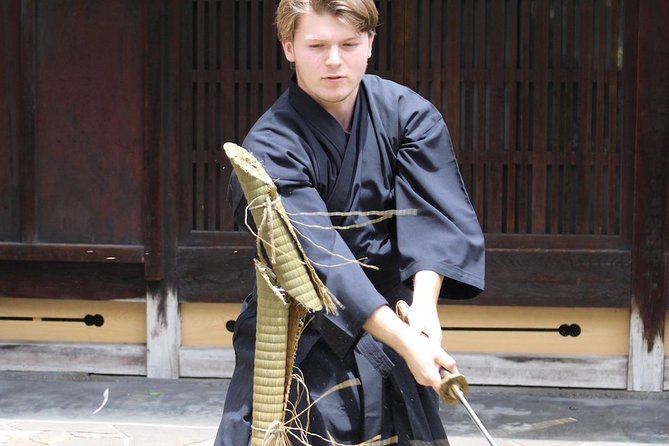
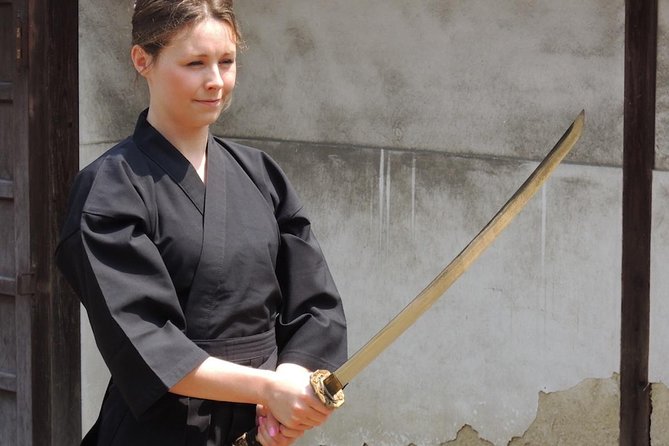
The sword practice is the activity’s main draw. You handle a martial arts sword and learn basic swordsmanship under supervision. The physical element gives the session energy, especially after the quieter history introduction.
The instructions stress control and technique. That is exactly what you want in an activity involving a sword. You should expect the instructor to demonstrate the movement, explain how to hold and use the weapon, and guide you through the exercise. The experience is designed for people with no previous training.
Descriptions of the session also include a guided katana strike or cutting practice. The details may vary by session, so you should follow the instructor’s directions rather than assume every participant will perform the same action. This is not an opportunity for unsupervised swordplay.
The practice can be especially satisfying because it demands concentration. You are not simply watching a demonstration. You are trying to copy a movement, maintain your posture, and complete the action in the right order. That small challenge is what makes the experience stick in your memory.
There is a downside for larger groups. The maximum is 14 people, which is still modest compared with a large theatrical show, but not every person can receive constant one-to-one instruction. You may spend some time watching another participant take a turn. That can be useful because you see the technique again, but it may disappoint you if you expect nonstop personal practice.
The staff’s care during hot or cold weather is another practical strength. Past sessions have included water, wet cloths, electrolyte candies, hand warmers, and hot tea when conditions were uncomfortable. Those touches do not change the lesson itself, but they show sensible attention to the people taking part.
Same city, a completely different kind of day:
- PERFECT KYOTO 1-Day Bus Tour
★ 5.0 · 13,518 reviews - Kyoto: Fushimi Inari, Kinkakuji, Bamboo Grove 1 Day Bus Tour
★ 4.8 · 4,316 reviews - Kyoto: Tea Ceremony in a Traditional Tea House in Kiyomizu
★ 4.9 · 3,519 reviews - Kyoto: Tea Ceremony Ju-An at Jotokuji Temple
★ 4.9 · 3,207 reviews
Zen meditation brings the pace down
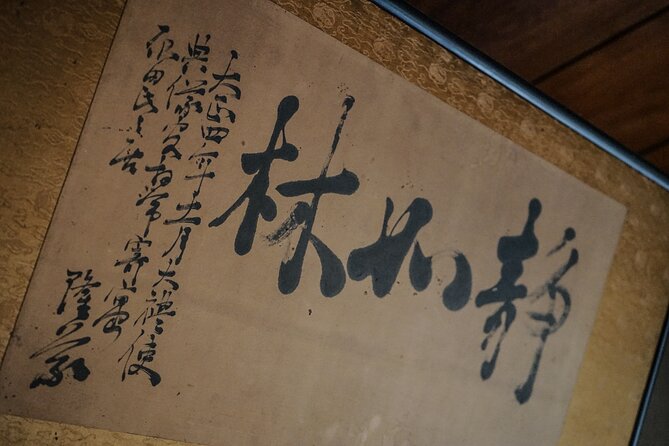
After the sword work, the program includes Zen meditation. This is a smart counterpoint to the physical activity. The sword lesson asks for alertness and controlled movement. Meditation gives you a quieter way to think about the discipline and focus that the instructor has discussed.
You should not expect a long religious retreat. It is a short introduction within a cultural activity. Even so, many people find this portion more meaningful than expected because it prevents the session from ending with a quick pose and a camera flash.
The meditation also gives the experience a better rhythm. The program moves from history to clothing, from instruction to physical practice, and then toward stillness. That sequence makes the activity feel thoughtfully arranged rather than like a collection of unrelated demonstrations.
Some sessions have included tea and a Japanese sweet, and occasional musical elements such as a traditional string instrument or drum. These extras are not guaranteed in the basic description, so treat them as possible additions rather than promised parts of every departure.
Photos, performances, and the human touch
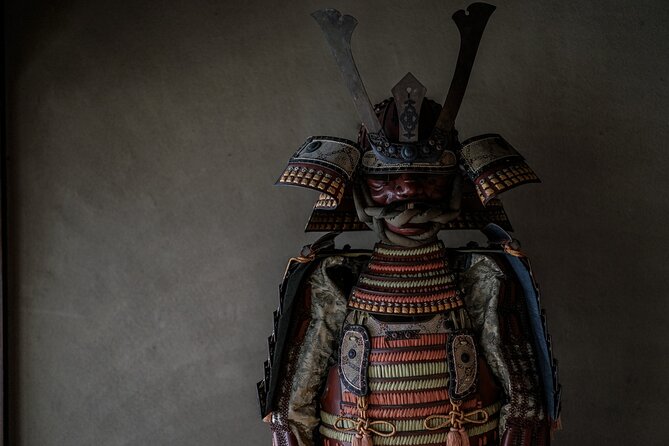
Photography is part of the appeal. Staff have taken photos during the activity and shared them quickly, giving you a record of the kimono, the house, and the sword practice. That saves you from asking a companion to document every moment.
The best photographs will come from participating properly rather than posing constantly. Listen to the instructor, stand in the right place, and let the staff handle the timing. The result should feel like a memory of an activity, not only a costume portrait.
Small touches can also make the experience warmer. Staff have helped with translations, explained the structure at the start, and offered refreshments in difficult weather. These details matter because cultural activities can feel awkward when you are unsure where to stand or what to do next.
The program is delivered in a group setting, so it will not feel like a private lesson. But a cap of 14 people keeps it from becoming an enormous production. If you want the most personal attention possible, ask about the group arrangement before booking and arrive ready to follow directions efficiently.
Is $119.38 a fair price?
At $119.38 per person, this is one of Kyoto’s pricier short cultural activities. The session lasts about 1 hour 45 minutes, so you are paying for the instruction, the historic setting, clothing, the guided sword experience, and the staff support around it.
I would not judge the price against a simple kimono rental or a museum ticket. Those options can cost less because they do not provide an instructor, a structured lesson, or supervised sword practice. The fair comparison is with other hands-on cultural sessions.
The price makes more sense if you value several elements at once:
- A traditional building rather than a modern activity room
- Direct instruction from a trained sword instructor
- A chance to handle a martial arts sword
- Clothing, history, meditation, and possible cultural extras
- A small group capped at 14 people
- Staff assistance and photographs
The value is weaker if you mainly want a dramatic sword show or a quick photo. Some people have found the activity expensive for what they received, particularly when the group felt large or the session did not match their expectations from promotional images. That criticism is worth taking seriously.
Before booking, ask yourself what you want from the hour and 45 minutes. If you want context, participation, and a calm cultural lesson, the price can be reasonable. If you want advanced sword technique, extensive cutting practice, or a private master class, this is not the right product.
Morning or afternoon in a Kyoto itinerary
You can choose a morning or afternoon departure. That flexibility is useful in Kyoto, where a single day can involve an early temple visit, a long walk, and several train connections.
A morning session can work well before an afternoon of sightseeing, though the activity itself includes physical practice, so you may prefer not to schedule a demanding hike immediately afterward. An afternoon session can fill a quieter part of the day after visiting nearby sights.
Because the activity ends at the starting point, you do not need to arrange a separate pickup or figure out where your belongings will be left at the end. The meeting address is in Nakagyo Ward and is near public transportation, but the location has been described as somewhat out of the way. Check the route carefully and do not cut your arrival time too close.
The free cancellation policy is generous if your plans are still uncertain. You can cancel for a full refund at least 24 hours before the scheduled start time. Changes or cancellations inside that window are not accepted for a refund, and all cutoffs use Kyoto local time. Rescheduling may be possible earlier, depending on availability.
Who will enjoy this most?
I would recommend this activity to families with older children, couples, friends, and solo visitors who want to do something active and cultural. It has enough history for people who like context and enough physical practice for anyone who does not want to spend another Kyoto afternoon only looking at buildings.
It is also a good choice if you have already seen several temples and want a different side of Japanese tradition. The house, clothing, sword handling, and meditation give you several distinct experiences in one booking.
The activity may suit first-time visitors especially well because the instructors explain the basics clearly. You do not need prior sword training, but you do need a moderate level of physical fitness and the ability to follow instructions.
I would hesitate to recommend it to anyone who dislikes group activities, has limited mobility without first checking accessibility, or expects a full day of samurai training. The provider asks people with accessibility questions to send a message in advance, which is sensible because the physical details are not fully specified.
Should you book the Kyoto Samurai Experience?
Book it if you want a well-organized introduction to samurai culture with real participation. The strongest reasons are the historic house, the thoughtful combination of Bushido and Zen, the patient instruction, and the chance to handle a sword under supervision.
I would especially choose it for a family or couple looking for a shared memory. You can learn together, take photos, and compare your sword technique afterward, which is more engaging than simply watching a performance.
Think twice if $119.38 feels high for a short activity or if your main goal is advanced cutting practice. The group may reach 14 people, and the exact balance between demonstration, practice, and extras can vary.
For the right visitor, this is a memorable Kyoto break from the standard sightseeing circuit. Arrive on time, wear comfortable clothes and proper shoes, and treat it as a cultural lesson with a physical component, not as a movie-style samurai battle.
FAQ
Where does the Kyoto Samurai Experience begin?
It begins at Kyoto Samurai Experience, also listed as Waraku111 Inabachō, Nakagyo Ward, Kyoto, Japan.
Where does the activity end?
The activity ends back at the meeting point.
How long does the experience last?
It lasts approximately 1 hour and 45 minutes.
How much does it cost?
The listed price is $119.38 per person.
Are morning and afternoon sessions available?
Yes. You can choose a morning or afternoon departure time.
What will I learn?
You will learn about samurai history and culture, Bushido, samurai clothing, Zen meditation, and basic swordsmanship.
Will I wear a kimono?
Yes. The experience includes changing into a traditional kimono before the sword practice.
Will I use a sword?
You will handle a martial arts training sword and practice basic swordsmanship under instruction.
Is the activity suitable for children?
Minors must be accompanied by an adult. Participants should also have a moderate level of physical fitness.
What should I wear?
Wear comfortable clothing and appropriate footwear for an athletic activity.
How large is the group?
The maximum group size is 14 people.
Can I cancel for a refund?
Yes. You can cancel at least 24 hours before the scheduled start time for a full refund. Cancellations or changes made less than 24 hours before the start are not accepted for a refund.
Just added around Kyoto
- Taste of Nishiki Market Walking Food Tour with Local guide★ 5.0 · 17 reviews
- Kyoto: Sushi Making Class with Sushi Chef★ 4.8 · 64 reviews
- Kyoto: City Secrets eBike Tour★ 4.9 · 196 reviews
- Sacred Pathways: Discover the Philosopher’s Path of Kyoto★ 4.9 · 20 reviews
- Private Tour to Monkey Park and Arashiyama Highlights★ 5.0 · 22 reviews
- Private Nara Tour from Osaka – Meet at Your Hotel★ 5.0 · 22 reviews
- Private Sake Tasting in Central Kyoto with Sake Sommelier★ 5.0 · 13 reviews
- Kyoto : Private Custom Walking Tour With A Local Guide★ 4.6 · 144 reviews
Kimono & Culture Experiences, compared.
Kyoto Geisha Walking Tour: Gion District & Hidden Gems
Read our review →
Gion Magical Night Walking Tour with Geisha Trivia
Read our review →
Gion Geisha District Walking Tour – Stories of Geisha
Read our review →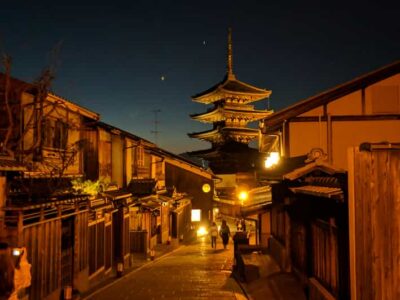
Best of Kyoto: Gion, Geisha, Pagodas & Cobblestones
Read our review →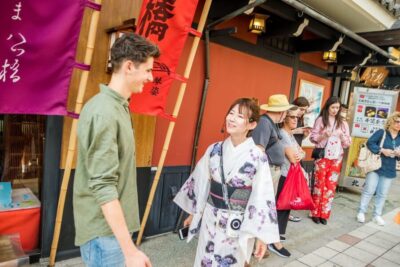
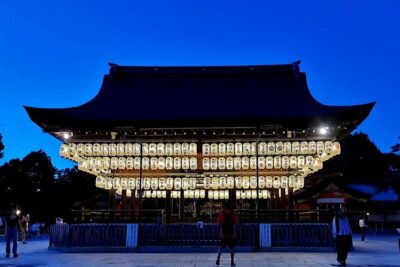
Kyoto Gion Geisha District Walking Tour – The Stories of Geisha
Read our review →
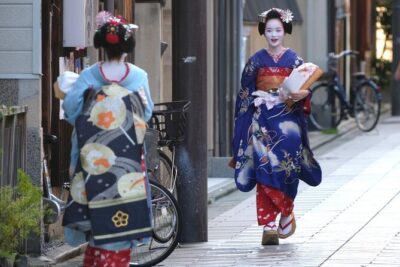
Kyoto Gion: 2-Hour Geisha Culture & History Walking Tour
Read our review →Browse the lists this tour appears in