
REVIEW · KIMONO & CULTURE EXPERIENCES
Kyoto Gion Geisha District Walking Tour – The Stories of Geisha
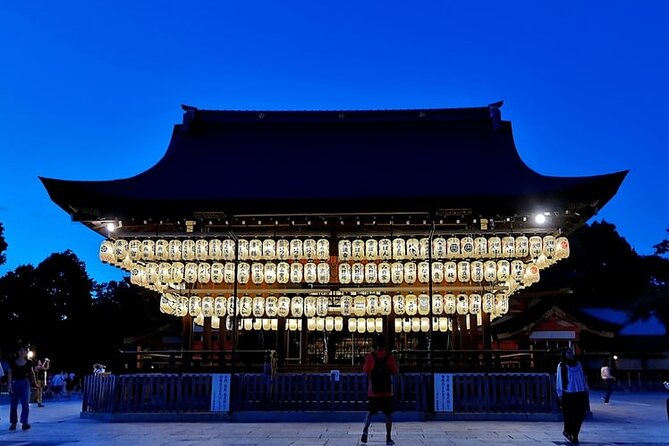
Gion changes character after dark. The crowds thin, lanterns glow, and the narrow streets around teahouses feel less like a sightseeing stage and more like a working neighborhood. This two-hour walk explains the world of geiko and maiko while taking you from central Kyoto toward Yasaka Shrine.
I like the small maximum group of 15, which makes it easier to hear explanations and ask questions. I also like the evening timing, especially for first-time visitors who want to see Gion under lights rather than in the middle of the daytime crush.
The main consideration is that this is an introduction, not an evening geisha performance. You may see geiko or maiko heading to appointments, but sightings are not guaranteed, and one traveler felt the route could use more content.
In This Review
- Key points at a glance
- Why an evening walk suits Gion
- From Shijo to the Izumo-no-Okuni Statue
- Tatsumi Bridge and the Shinbashi streets
- Hanamikoji Street and the working side of Gion
- Gion Corner and the wider arts tradition
- Yasaka Shrine under lantern light
- What the $25 price really covers
- Who will get the most from this walk
- My take on the guide-led storytelling
- Should you book the Kyoto Gion Geisha District Walking Tour?
- FAQ
- How long does the Kyoto Gion Geisha District Walking Tour last?
- How much does the tour cost?
- What is the maximum group size?
- Where does the tour start?
- Where does the tour finish?
- What places are included along the route?
- Is a performance or bottled water included?
- Can I cancel for a full refund?
Key points at a glance
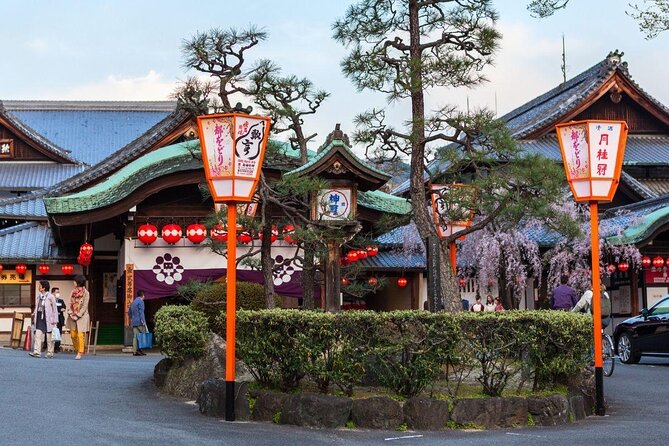
- After-dark Gion: See the district when daytime crowds have eased and lanterns bring out its traditional character.
- A clear cultural introduction: Learn the differences between geiko and maiko, along with the history of Kyoto’s entertainment quarters.
- Small-group format: The tour accepts no more than 15 people, a useful size for street-side explanations.
- Five central sights: The route includes the Izumo-no-Okuni Statue, Minamiza, Tatsumi Bridge, Hanamikoji Street, Gion Corner, and Yasaka Shrine.
- Strong guide feedback: Guides named in recommendations include Ben, Shin, Deborah, Melanie, Nami, Kenji, Joy, Manny, Tommy, Adrian, Ikari, Sakuri, and Nikki.
- Good value at $25: You get roughly two hours of guiding and local context, but no drink, meal, show ticket, or guaranteed geisha encounter.
Why an evening walk suits Gion
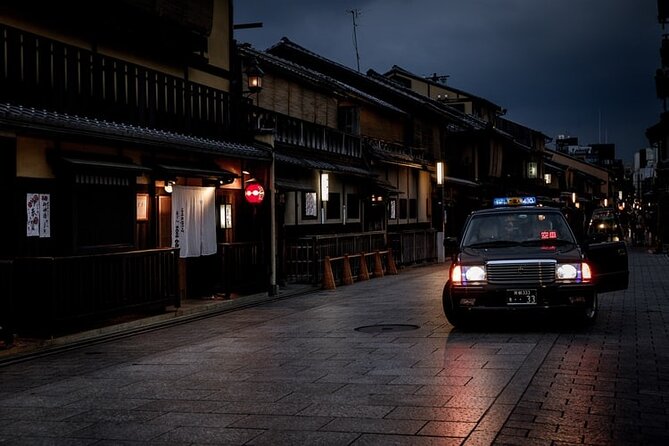
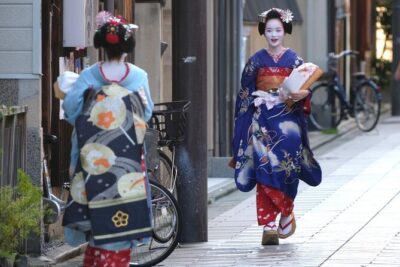
Gion is easy to photograph and surprisingly easy to misunderstand. The wooden town houses, discreet entrances, and women in formal dress can tempt you into treating the district as a backdrop. A good guide gives those details meaning and helps you understand that geiko and maiko are working performers, not costumed attractions placed on the street for tourists.
That is the useful role of this walk. The guide points out buildings and alleys that may look ordinary to you, then explains their place in Kyoto’s traditional entertainment culture. Sakuri, Ben, Manny, and Nami are among the guides praised for explaining the subject clearly, while Tommy is noted for connecting local history with personal stories and experiences.
The after-dark timing matters. During the day, Gion’s best-known lanes can be packed with people holding cameras and phones. In the evening, you have a better chance of noticing the architecture, the lanterns, and the quiet rules of the district. You may also see geiko or maiko traveling to appointments, but the tour should not be booked on the promise of a sighting.
At $25 per person, I see this as a low-cost orientation to one of Kyoto’s most famous areas. You are paying for interpretation and a planned route, not admission to a show. That distinction keeps the price reasonable, though you should choose a performance or meal experience separately if you want to see traditional arts onstage.
More Kimono & Culture Experiences in Kyoto
- Kyoto Geisha Walking Tour: Gion District & Hidden Gems
★ 4.7 · 3,273 reviews - Kyoto: Gion Magical Night Walking Tour with Geisha Trivia
★ 4.9 · 2,393 reviews - Kyoto: Gion Geisha District Walking Tour – Stories of Geisha
★ 4.7 · 2,187 reviews
From Shijo to the Izumo-no-Okuni Statue
The meeting point is Ben’s Cookies Kyoto Shijo, at 89 Shinchō in Shimogyo Ward. This places you near central Kyoto, with public transportation nearby and an easy starting point for an evening in the Gion area.
The first named stop is the bronze statue of Izumo-no-Okuni. Okuni is associated with the beginnings of kabuki theater, so the statue provides a useful opening to Kyoto’s performance story. The stop is brief, about 10 minutes, and admission is free.
I like this beginning because it widens the subject beyond the familiar image of a geisha. Kyoto’s traditional entertainment world developed alongside theater, dance, music, and formal hospitality. Starting with Okuni gives you a sense that Gion is part of a larger performance culture rather than an isolated collection of pretty streets.
The nearby Minamiza theater is also included in the route. Minamiza is known for traditional kabuki performances, with elaborate costumes and dramatic storytelling. The walk does not include a kabuki ticket, but seeing the theater helps connect the district’s streets with the stage traditions that shaped Kyoto’s cultural life.
If you are hoping to go inside Minamiza or watch a performance, plan that separately. The value here is the explanation and outside view, not a theater visit.
Tatsumi Bridge and the Shinbashi streets
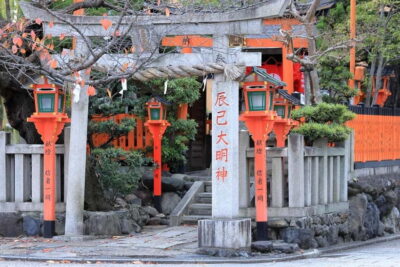
The walk continues to Tatsumi Bridge in Gion Shinbashi, another short stop of about 10 minutes. This part of Gion is known for traditional tea houses, old streets, and geisha culture.
Tatsumi Bridge is a good place to slow down. The appeal is not a long list of monuments. It is the setting: a bridge, narrow lanes, traditional facades, and the sense that the district’s appearance has been shaped around private appointments and formal entertainment.
This is where a guide can add the most value. Ben’s explanations of the hidden codes of the flower towns were singled out as information that is not easy to pick up from a standard guidebook. The phrase refers to the customs and signals tied to Kyoto’s traditional entertainment districts, rather than a set of obvious tourist sights.
You should expect to walk and listen outdoors. One account describes a winter evening as very cold, so bring a proper coat if you visit during the colder months. The route is only about two hours, but standing in chilly streets can make it feel longer. Comfortable shoes are also sensible, since the experience is entirely on foot.
Hanamikoji Street and the working side of Gion
Hanamikoji Street is one of Gion’s best-known lanes, lined with traditional machiya houses, restaurants, and teahouses. It is photogenic, but its importance is not limited to its appearance.
Your guide explains how the street relates to the district’s professional entertainment culture. This is a useful point in the walk because you begin to see the buildings as working spaces, not simply historic scenery. Some entrances are deliberately understated, and without context you may pass them without noticing anything unusual.
The stop lasts about 10 minutes, though the walk between places adds more time. The route is designed as a broad introduction, so you will not receive a private look inside the teahouses. That privacy is part of the character of the area, and the guide’s role is to explain what can be seen respectfully from public streets.
I especially like this portion for families and older children. A multigenerational group can follow the story without needing prior knowledge, and teenagers tend to respond well to the contrast between the polished public image of geiko and maiko and the years of training behind it. The subject is presented as a living profession and cultural practice, not as a costume photo opportunity.
Please keep your camera and behavior respectful. The information provided for this experience does not promise photographs with performers or direct interaction. If you happen to see someone heading to an appointment, give that person space.
More Walking Tours in Kyoto
- Private Kyoto Tour with a Local, Highlights & Hidden Gems, Personalised
★ 5.0 · 1,543 reviews - Nishiki Market Brunch Walking Tour (7 Tastings + Brunch)
★ 5.0 · 1,355 reviews - Kyoto Arashiyama Walking Tour: Bamboo, Monkeys, Gardens & Secrets
★ 5.0 · 1,216 reviews - Kyoto Gion: 2-Hour Geisha Culture & History Walking Tour
★ 5.0 · 1,186 reviews
Gion Corner and the wider arts tradition
Gion Corner is a cultural center and performance venue in the district. It presents several forms of traditional Japanese art in a condensed format, making it a useful reference point during the walk.
The tour does not include a Gion Corner performance ticket. Instead, the stop helps you place geisha culture within the broader world of Japanese arts. This matters because geiko and maiko are associated with music, dance, conversation, and formal entertainment, not simply with elaborate clothing and makeup.
Guides such as Deborah and Melanie received praise for explaining both the history and present-day practices of the profession. Melanie was also noted for bringing the neighborhood and its performers to life through clear explanations. These comments point to the strongest part of the experience: the guide’s storytelling.
Guide quality can vary from departure to departure because several people lead the walk. Names connected with strong recommendations include Ben, Shin, Deborah, Melanie, Nami, Kenji, Joy, Manny, Tommy, Adrian, Ikari, Sakuri, and Nikki. You cannot assume a particular guide will lead your date, but the range of names gives you a sense of the provider’s guide team.
Yasaka Shrine under lantern light
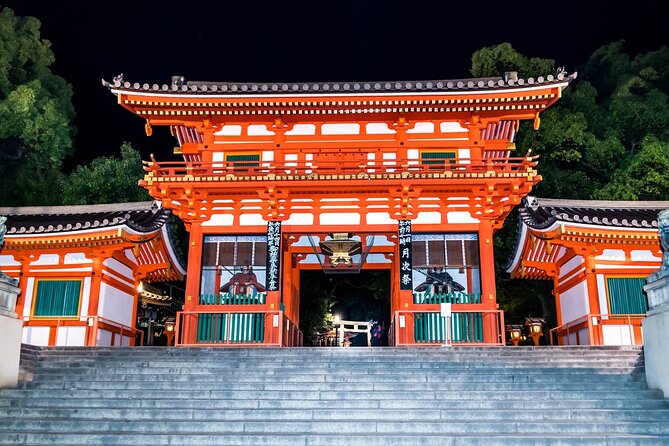
The walk finishes at Yasaka Shrine, also called Yasaka Jinja or Gion Shrine. The shrine is one of Kyoto’s best-known Shinto sites and sits at the eastern end of the Gion area.
Ending here makes practical sense. Yasaka Shrine gives the route a clear finish and places you near one of Kyoto’s major evening areas. It also shows how Gion connects with religious life, festivals, and the wider Higashiyama district.
The stop is listed at about 10 minutes, and admission is free. You should not expect a long shrine lecture or an extended visit inside the complex. Instead, the guide uses the setting to round out the story of the neighborhood.
The finish point is Yasaka Shrine at 625 Gionmachi Kitagawa, Higashiyama Ward. Since the walk ends there rather than returning to the starting point, you should be comfortable arranging your own plans afterward. That can be an advantage: you are already in a central sightseeing area for dinner or further evening exploring.
What the $25 price really covers
At $25, this is one of the more accessible ways to add structure to an evening in Kyoto. The fee covers the guide and all listed taxes and fees. There is no bottled water, food, performance, or entrance ticket included.
The value depends on what you want. If you would otherwise wander through Gion taking photographs without understanding the buildings or customs, the price buys useful context. You also get a route linking several major points, which can help you get your bearings early in a Kyoto stay.
If your goal is a guaranteed geisha sighting, the price is less attractive because no such encounter is promised. The same is true if you want a dance, music, or kabuki performance. This is a walking lesson about Gion, not a ticketed cultural show.
The tour lasts approximately two hours and has a maximum of 15 people. That is small enough to keep the group manageable, though it is not a private tour. The format works best when you want the ease of a guide without paying private-tour prices.
Who will get the most from this walk
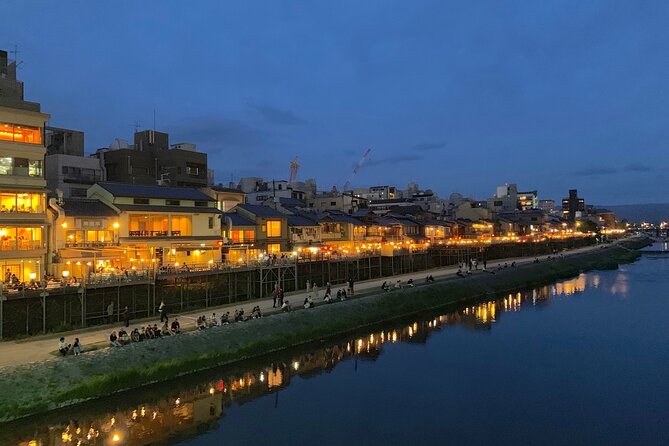
I would choose this experience early in a Kyoto visit. It gives you a framework for understanding Gion, and several guides have been praised for answering questions about Kyoto more broadly, not only about geiko and maiko.
It suits you best if you:
- Want a short evening activity rather than a full-night program
- Prefer explanation and local history to a simple photo walk
- Are visiting Gion for the first time
- Want a small group instead of a large organized crowd
- Are traveling with teenagers or a multigenerational family
- Enjoy walking through historic districts after sunset
It may not suit you if you need a fully seated activity, dislike outdoor walking, or want a guaranteed performance. The route requires a reasonable amount of walking, and the experience takes place outside. Most people can participate, and service animals are allowed, but the information does not provide a specific route description for mobility devices.
Weather is another practical point. The experience requires good weather and may be canceled if conditions are poor. In that case, you are offered another date or a full refund. You can cancel for a full refund up to 24 hours before the start time, but cancellations or changes made within 24 hours are not refunded or accepted.
My take on the guide-led storytelling
The strongest repeated theme is the quality of the explanations. Ben is praised for making the evening enjoyable in very cold weather. Shin is described as friendly and ready to answer questions. Joy, Kenji, Nami, and Manny are also associated with clear introductions to geisha history and Japanese culture.
That does not mean every guide will use the same style. Some may emphasize history, while others may focus more on present-day customs or local details. The consistent advantage of the format is that you can ask questions as you go, something you cannot do with a guidebook or self-guided route.
I would keep your expectations realistic. A two-hour walk cannot explain every part of Kyoto’s entertainment districts, and one assessment found that the route could use more content. You will get a well-focused introduction, not a specialist course.
The experience also does not replace a respectful visit to a performance or a formal cultural event. It helps you understand what you are seeing, which can make later activities more meaningful.
Should you book the Kyoto Gion Geisha District Walking Tour?
Book it if you want an affordable, compact introduction to Gion with a real guide beside you. The evening setting, small group, free admission to the stops, and strong emphasis on geiko and maiko culture make it especially useful for first-time Kyoto visitors.
I would book it at the beginning of your stay, bring warm clothing in winter, wear comfortable shoes, and avoid treating a possible geiko or maiko sighting as the main goal. If you want a show, meal, or guaranteed performance, spend your money on a separate experience instead.
At $25, this walk earns its value through context. You see Gion, but more importantly, you learn how to read it.
FAQ
How long does the Kyoto Gion Geisha District Walking Tour last?
The tour lasts approximately two hours.
How much does the tour cost?
The listed price is $25 per person.
What is the maximum group size?
The tour allows a maximum of 15 travelers.
Where does the tour start?
It starts at Ben’s Cookies Kyoto Shijo, 89 Shinchō, Shimogyo Ward, Kyoto, 600-8001, Japan.
Where does the tour finish?
The walk finishes at Yasaka Shrine, 625 Gionmachi Kitagawa, Higashiyama Ward, Kyoto, 605-0073, Japan.
What places are included along the route?
The route includes the Izumo-no-Okuni Statue, Minamiza, Tatsumi Bridge, Hanamikoji Street, Gion Corner, and Yasaka Shrine.
Is a performance or bottled water included?
No. Bottled water is not included, and the tour does not list a performance ticket as part of the experience. All listed fees and taxes are included.
Can I cancel for a full refund?
Yes. You can cancel at least 24 hours before the start time for a full refund. Cancellations made less than 24 hours before the start time are not refunded. If poor weather causes the tour to be canceled, you are offered another date or a full refund.
Just added around Kyoto
- Taste of Nishiki Market Walking Food Tour with Local guide★ 5.0 · 17 reviews
- Kyoto: Sushi Making Class with Sushi Chef★ 4.8 · 64 reviews
- Kyoto: City Secrets eBike Tour★ 4.9 · 196 reviews
- Sacred Pathways: Discover the Philosopher’s Path of Kyoto★ 4.9 · 20 reviews
- Private Tour to Monkey Park and Arashiyama Highlights★ 5.0 · 22 reviews
- Private Nara Tour from Osaka – Meet at Your Hotel★ 5.0 · 22 reviews
- Private Sake Tasting in Central Kyoto with Sake Sommelier★ 5.0 · 13 reviews
- Kyoto : Private Custom Walking Tour With A Local Guide★ 4.6 · 144 reviews
Kimono & Culture Experiences, compared.
Kyoto Geisha Walking Tour: Gion District & Hidden Gems
Read our review →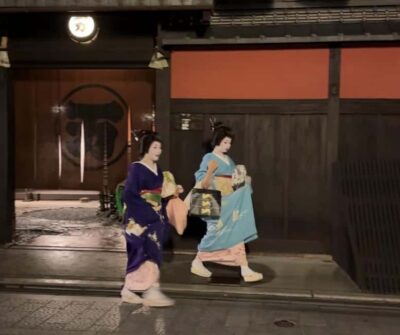
Gion Magical Night Walking Tour with Geisha Trivia
Read our review →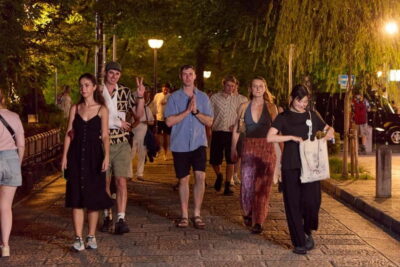
Gion Geisha District Walking Tour – Stories of Geisha
Read our review →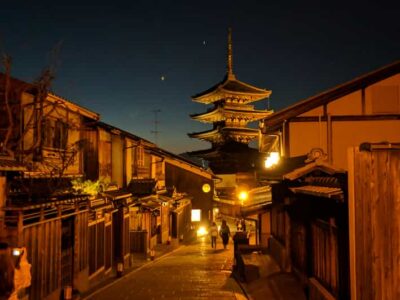
Best of Kyoto: Gion, Geisha, Pagodas & Cobblestones
Read our review →
Kyoto Gion: 2-Hour Geisha Culture & History Walking Tour
Read our review →Browse the lists this tour appears in