
REVIEW · WALKING TOURS
Private Kyoto Tour with a Local, Highlights & Hidden Gems, Personalised
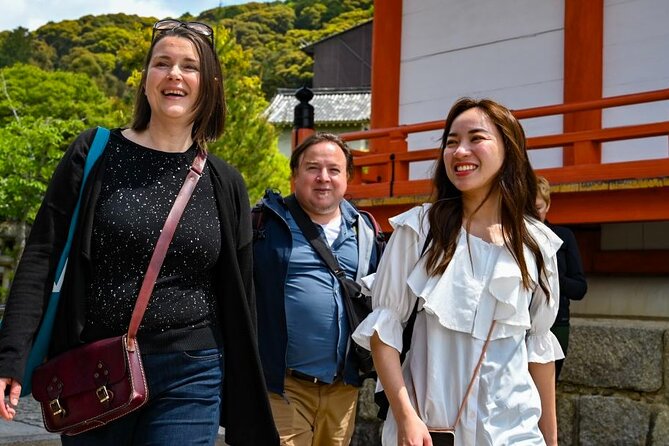
Kyoto’s best feature is not simply its famous temples. It is the chance to connect those grand sights with small streets, local customs, and quieter corners that are easy to miss on your own. This private City Unscripted tour lets you shape the day around history, food, religion, photography, shopping, or a little of everything.
I like the pre-tour questionnaire, which gives your host a useful head start, and I like the relaxed, private format. Guides such as Amy, Alex, Miki, Kokoro, Hiro, and Ceci have helped people fit major sights into short visits while also explaining shrine rituals, navigating buses and trains, recommending restaurants, and taking photos along the way.
The main consideration is that this is a walking experience, not a private-car tour. The route is flexible rather than fixed, entry fees and meals cost extra, and two hours will give you a very different day from five hours. You need to tell your host clearly what matters most.
In This Review
- Key points at a glance
- What this private Kyoto tour really offers
- Meeting your host near Sanjo Bridge
- Pontocho and Kiyamachi: Kyoto after dark
- Kennin-ji and the quieter side of Gion
- Yasaka Shrine and Maruyama Park
- Ninenzaka, Sannenzaka, and Kiyomizu-dera
- Fushimi Inari and the fox statues
- What your guide adds beyond directions
- Walking, transport, and extra costs
- Who will get the most from this experience
- Should you book this Kyoto walking tour?
- FAQ
- How long does the private Kyoto tour last?
- Is the tour private?
- Can I choose the sights I visit?
- Is hotel pickup available?
- Where is the standard meeting point?
- Are transportation costs included?
- Are temple admission fees and food included?
- Can I cancel for a full refund?
Key points at a glance
- Choose your own Kyoto: Shape the route around temples, food, culture, shopping, photography, or lesser-known streets.
- Private guide, private pace: Only your group participates, so you can slow down, ask questions, or change plans.
- Strong guide feedback: Amy, Alex, Miki, Kokoro, Hiro, Ceci, and others are praised for clear English, local advice, and thoughtful planning.
- Major sights are possible: Gion, Kiyomizu-dera, Yasaka Shrine, Fushimi Inari, Pontocho, and more may fit your plan.
- Walking and public transport: Vehicles are not included, and buses, trains, or taxis may add to the cost.
- Good for short stays: A three or four hour session can give you a useful introduction to Kyoto without committing to a full-day tour.
What this private Kyoto tour really offers
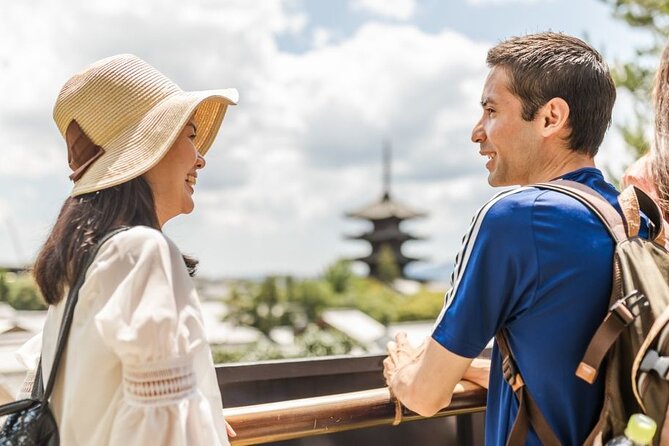
This is best understood as a personal introduction to Kyoto rather than a standard sightseeing circuit. After booking, you receive a short online questionnaire about your interests and must-see places. Your local host then contacts you and helps shape the route.
That matters in Kyoto, where famous sights can be spread across different parts of the city. If you want Fushimi Inari and Kiyomizu-dera, the day needs a different plan from someone focused on Gion, tea culture, and small temples. A family with children may need more breaks, while a history enthusiast may prefer fewer stops with more explanation.
The experience lasts approximately two to five hours. The two-hour option is useful for a first look or a tight schedule, but you should keep your priorities narrow. Three hours can cover a meaningful section of central Kyoto, while four or five hours give your host more room to combine major sights with local streets and a meal stop.
The price is listed at $102.03 per person. That is a fair value for a private guide if you are traveling with two or more people and want help making efficient use of limited time. For a solo visitor, the per-person cost feels higher, though the personal attention may still be worthwhile during a first visit.
The advertised rating is 4.9 from 1,544 reviews, with 96 percent recommending the experience. That points to a consistently strong service, though the result will depend on the guide assigned to you, your preparation, and how realistic your wish list is.
More Walking Tours in Kyoto
- Kyoto Geisha Walking Tour: Gion District & Hidden Gems
★ 4.7 · 3,273 reviews - Kyoto: Gion Magical Night Walking Tour with Geisha Trivia
★ 4.9 · 2,393 reviews - Kyoto: Gion Geisha District Walking Tour – Stories of Geisha
★ 4.7 · 2,187 reviews
Meeting your host near Sanjo Bridge
The standard meeting point is Starbucks Coffee at Kyoto Sanjo-ohashi Bridge, at Nakajimacho 113, on the first floor of the Omiya Building in Nakagyo Ward. Pickup at your accommodation is offered where accessible, or you can meet at a convenient central location arranged with your host.
A central meeting point works well because Sanjo Bridge puts you close to several useful areas. Pontocho, Gion, Kiyamachi Street, and the Kamogawa River are all natural possibilities for a central Kyoto route. Still, confirm the final meeting details after your host contacts you.
The tour ends back at the meeting point. That is handy if you want to continue sightseeing from central Kyoto, but less convenient if your final stop is far across town. Ask about the finish before the day begins, especially if you have a train, airport transfer, or dinner reservation.
Pontocho and Kiyamachi: Kyoto after dark
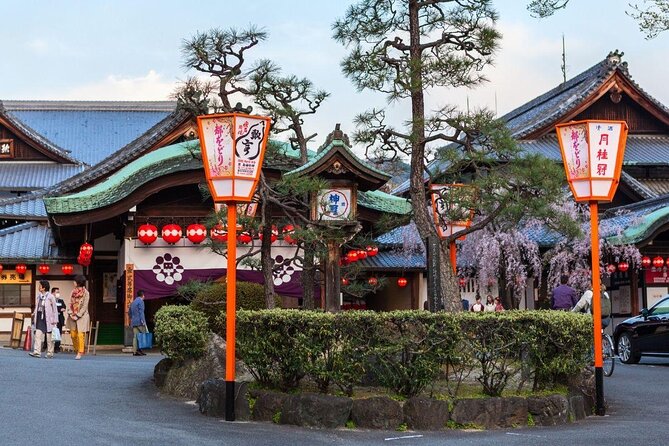
Pontocho Alley is one of the most atmospheric places in central Kyoto. It is a narrow, car-free lane lined with traditional wooden buildings and intimate restaurants. The setting is especially appealing in the evening, though its restaurants may be expensive and many are not casual drop-in places.
Your host can explain how this old entertainment district fits into modern Kyoto. You will see the contrast between preserved wooden facades and the city’s contemporary dining life. Pontocho is a good choice for visitors who want atmosphere and food advice, but it is not the place to expect a long temple visit or a quiet walk at peak dinner time.
Nearby Kiyamachi Street offers a different mood, with bars, cafes, and restaurants along the water. It can make a lively finish to a central walking route. Since food and drinks are not included, you choose and pay for anything you order with your host.
Kennin-ji and the quieter side of Gion
Kennin-ji is Kyoto’s oldest Zen temple and a strong pick for anyone interested in art, Buddhism, or calm interior spaces. Its twin dragon mural and gilded screens depicting the wind and thunder gods give the visit a clear visual focus.
The appeal here is not just the building. A good host can help you understand how a Zen temple functions and point out details you might walk past without context. Kennin-ji can also provide a welcome pause after busier streets.
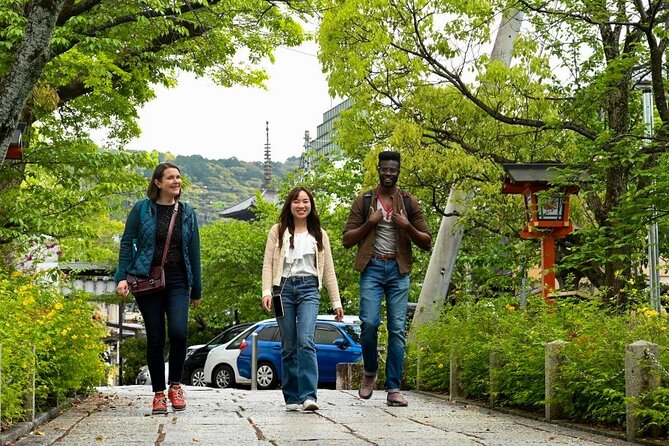
Gion brings you into one of Kyoto’s best-known traditional districts. Hanami-koji Street, Tatsumi Bridge, and the Shimbashi area are lined with wooden buildings and tea houses. These streets are attractive, but you should behave carefully and quietly. They are part of a living neighborhood, not a stage set.
Your host can discuss traditional culture and the role of tea houses, but the tour does not promise entry into private establishments or meetings with geisha. Treat Gion as a place to observe respectfully rather than chase a photograph.
Same city, a completely different kind of day:
- PERFECT KYOTO 1-Day Bus Tour
★ 5.0 · 13,518 reviews - Kyoto: Fushimi Inari, Kinkakuji, Bamboo Grove 1 Day Bus Tour
★ 4.8 · 4,316 reviews - Kyoto: Tea Ceremony in a Traditional Tea House in Kiyomizu
★ 4.9 · 3,519 reviews - Kyoto: Tea Ceremony Ju-An at Jotokuji Temple
★ 4.9 · 3,207 reviews
Yasaka Shrine and Maruyama Park
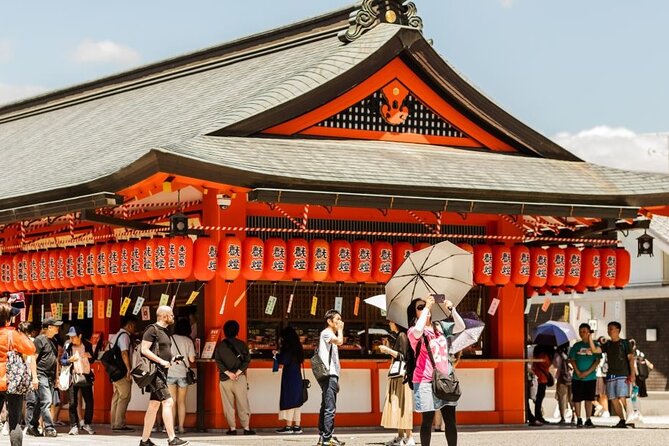
Yasaka Shrine has about 1,350 years of history and a close connection with the Gion Matsuri festival. Its location makes it easy to pair with Gion, Kennin-ji, or the old streets leading toward Kiyomizu-dera.
A shrine visit is more useful when you understand what to do there. Guides have explained Japanese shrine rituals during this experience, helping you approach the entrance, purification area, and worship space with more confidence. Those small lessons can make later visits across Japan easier.
Next door, Maruyama Park offers open space and a slower pace. It is especially appealing during cherry blossom season, though its gardens and paths can be pleasant throughout the year. I would choose it when you need a breather or want a little greenery between temple visits.
The tradeoff is simple: time spent in the park is time not spent at another major temple. Tell your host if you want a fast-moving sightseeing day or a gentler walk with room to pause.
Ninenzaka, Sannenzaka, and Kiyomizu-dera
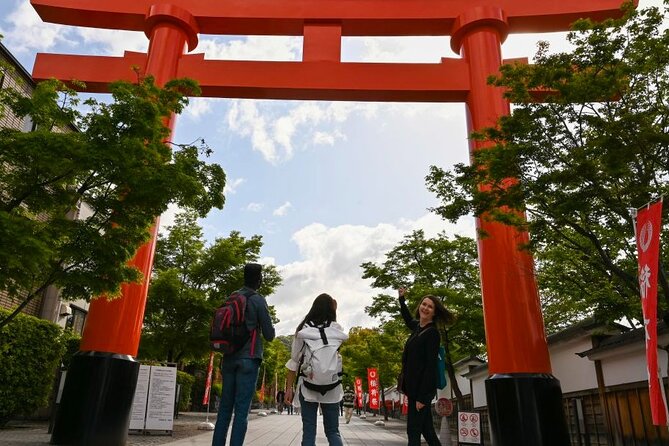
The narrow lanes of Ninenzaka and Sannenzaka lead through one of Kyoto’s most recognizable old-town areas. Wooden buildings, traditional shops, pottery, sweets, and crafts make this a useful stop for browsing and small souvenirs.
These streets can be crowded, and the sloped, stone-paved route requires comfortable shoes. They are not difficult for most people, but the area is less enjoyable if you are rushing or carrying heavy luggage.
Kiyomizu-dera is the major prize at the end of this route. Its wooden stage gives broad views over Kyoto, while Otowa Waterfall is associated with blessings for longevity, success, and love. Your host can explain the customs and the stories behind the temple rather than leaving you with only a quick photo stop.
Kiyomizu-dera is also one of the places most likely to consume time. Crowds, uphill walking, and the size of the grounds all matter. If you have only two hours, pairing it with Fushimi Inari may leave little room for Gion or Pontocho. In a short session, choose one major area and let your guide fill in the rest nearby.
Fushimi Inari and the fox statues
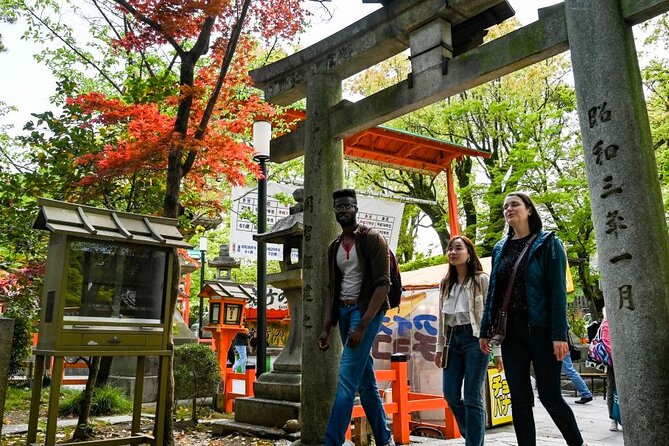
Fushimi Inari-taisha is known for its long rows of vermilion torii gates and fox statues. It is one of the clearest images of Kyoto, and it gives you a different experience from the city’s Zen temples and old merchant lanes.
You do not need to complete the full climb to enjoy the shrine. A host can help you decide how far to walk, based on your available time and energy. Even a partial hike can offer a taste of the gates and hillside setting.
This stop works best when planned carefully. Fushimi Inari is not close enough to simply squeeze into any central route without considering transport. Public transportation or a local taxi may be used between sites, with costs discussed separately with your host.
Several guides, including Amy and Kenta, have built routes around Fushimi Inari. Kenta is specifically praised for pairing it with the Arashiyama bamboo grove, but that combination is more ambitious and needs a longer session. You should not expect to cover Fushimi Inari, Arashiyama, Kiyomizu-dera, and Gion comfortably in a short tour.
What your guide adds beyond directions
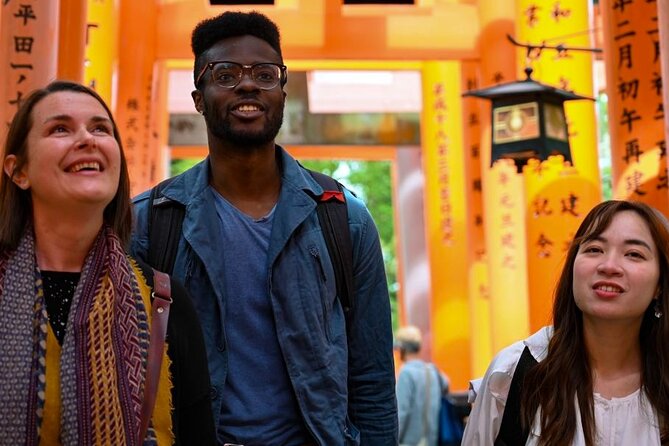
The strongest part of this experience is the human help between the sights. Guides have explained Japanese history, religion, geography, daily life, and customs in ways that fit the questions being asked. That personal exchange is more useful than a memorized speech if you want to understand how Kyoto works today.
Amy has been praised for fitting Fushimi Inari and Kiyomizu-dera into a short visit, explaining the sites clearly, and helping with photos. Alex has led three-hour routes through Gion and helped connect culture, religion, and geography. Miki has shaped first-day introductions around personal interests, including time for lunch.
Kokoro has helped visitors manage Kyoto’s bus and subway systems while adding quieter temples and restaurant suggestions. Hiro is a good name to request if you want a low-key pace and unusual cultural stops, such as a matcha experience in a historic house or an art gallery. Ceci has also been a strong choice for families, keeping children interested and guiding them to the subway at the end.
You cannot assume a particular guide will be available, so treat these names as examples of the type of host you may receive, not a guarantee. When you complete the questionnaire, be direct about language needs, walking limits, children, must-see sights, and the kind of conversation you want.
Walking, transport, and extra costs
This is primarily a walking tour. Private vehicles are not included, and public transport or taxis may be needed to connect distant areas. Those fares are additional and should be discussed with your host after the reservation is finalized.
That setup is part of the value, not simply a limitation. Kyoto’s buses, trains, and walking routes can be confusing on a first visit, and guides have helped people learn how to move around independently afterward. Still, transport time reduces sightseeing time, especially when you try to link eastern Kyoto with Fushimi or Arashiyama.
Food, drinks, and admission fees are also extra. This gives you control over spending, but it means the advertised price is not the entire cost of a temple and dining day. Ask your host which sights best fit your budget before choosing paid attractions.
Comfortable shoes, water, and a flexible attitude will help. The route can change as you go, which is useful when weather, crowds, energy, or an unexpected local opportunity affects the day.
Who will get the most from this experience
I would recommend this tour most strongly to first-time visitors who want a clear start in Kyoto without following a rigid bus tour. It is also useful for couples, families, solo visitors, and small groups with different interests.
Families can ask for shorter walks, snack stops, or child-friendly explanations. People with only an afternoon can focus on Gion and Kiyomizu-dera, or choose Fushimi Inari with one nearby area. Food-focused visitors can use the guide for restaurant and market recommendations rather than spending the whole session inside temples.
History and culture enthusiasts will appreciate the chance to ask about Japanese perspectives, customs, and the many layers of Kyoto’s past. The tour may be less suitable if you want a fixed list of every major sight, a guaranteed specialist guide, or a private vehicle.
The experience allows service animals, is near public transportation, and most people can participate. Since walking is central, tell your host about any mobility concerns before the route is finalized.
Should you book this Kyoto walking tour?
Book it if you value flexibility, conversation, and local orientation more than a fixed checklist. The $102.03 per-person price makes the most sense when shared by a small group, particularly if you are short on time and want help using Kyoto’s transport system.
Before booking, decide on two or three priorities. Ask for Gion and Kiyomizu-dera if you want old streets and major cultural sights. Choose Fushimi Inari if the torii gates are at the top of your list. Pick Pontocho, Kiyamachi, and a quieter temple if food and atmosphere matter more.
I would not book it expecting every stop in the suggested route. Two to five hours cannot cover all of central Kyoto, Fushimi Inari, and Arashiyama at a comfortable pace. With sensible expectations and a clear questionnaire, this is a very practical way to get your bearings and learn how to continue exploring on your own.
Free cancellation is available up to 24 hours before the start time. Changes or cancellations inside that window are not accepted for a refund.
FAQ
How long does the private Kyoto tour last?
The experience lasts approximately two to five hours. The exact length you choose will affect how many areas can fit comfortably.
Is the tour private?
Yes. Only your group participates in the activity.
Can I choose the sights I visit?
Yes. The route is personalized around your interests and must-see places. The itinerary is flexible and is not fixed or guaranteed.
Is hotel pickup available?
Pickup is offered at your accommodation where accessible. You may also meet your host at a convenient central location.
Where is the standard meeting point?
The listed starting point is Starbucks Coffee at Kyoto Sanjo-ohashi Bridge, 113 Nakajimacho, Nakagyo Ward, Kyoto. The activity ends back at the meeting point.
Are transportation costs included?
No. The tour is primarily a walking experience. Public transportation or local taxis may be used, and those costs are additional.
Are temple admission fees and food included?
No. Food, drinks, and entry fees are not included. You can choose these with your host on the day and pay separately.
Can I cancel for a full refund?
Yes, if you cancel at least 24 hours before the experience start time. Cancellations made less than 24 hours before the start time are not refunded.
Just added around Kyoto
- Taste of Nishiki Market Walking Food Tour with Local guide★ 5.0 · 17 reviews
- Kyoto: Sushi Making Class with Sushi Chef★ 4.8 · 64 reviews
- Kyoto: City Secrets eBike Tour★ 4.9 · 196 reviews
- Sacred Pathways: Discover the Philosopher’s Path of Kyoto★ 4.9 · 20 reviews
- Private Tour to Monkey Park and Arashiyama Highlights★ 5.0 · 22 reviews
- Private Nara Tour from Osaka – Meet at Your Hotel★ 5.0 · 22 reviews
- Private Sake Tasting in Central Kyoto with Sake Sommelier★ 5.0 · 13 reviews
- Kyoto : Private Custom Walking Tour With A Local Guide★ 4.6 · 144 reviews
Walking Tours, compared.
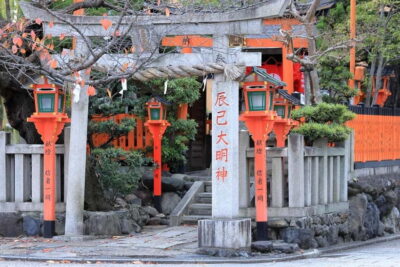
Kyoto Geisha Walking Tour: Gion District & Hidden Gems
Read our review →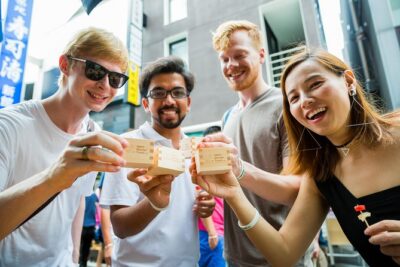
Tokyo Tsukiji Fish Market Food and Culture Walking Tour
Read our review →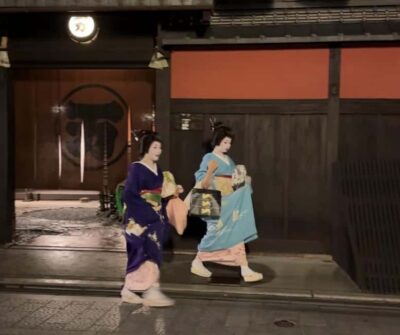
Gion Magical Night Walking Tour with Geisha Trivia
Read our review →
Imperial Palace and Shogun Historical Walking Tour
Read our review →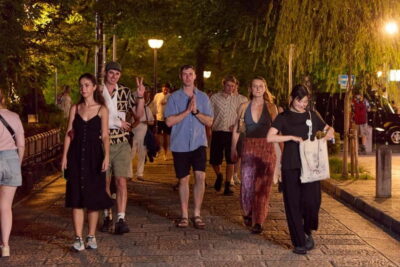
Gion Geisha District Walking Tour – Stories of Geisha
Read our review →
Asakusa Walking Tour with Sensoji Temple Visit
Read our review →
Kyoto Gion Geisha District Walking Tour – The Stories of Geisha
Read our review →Browse the lists this tour appears in