
REVIEW · KIMONO & CULTURE EXPERIENCES
Kyoto: Gion Magical Night Walking Tour with Geisha Trivia
Gion after dark is a different Kyoto. Lanterns glow, temple roofs catch the light, and the crowds thin out on side streets. This 100-minute walk links Hanamikoji’s geisha quarter with shrines, a pagoda, and quieter lanes, giving you more than a quick look at pretty wooden buildings.
I like the small groups of up to 10, since guides such as Hina, Shino, Masami, Sho, and Yuri have room to answer questions and adjust their explanations. I also like the balance between geisha culture and everyday religious life, including instruction on how to pray at a Shinto shrine. The main drawback is the route’s stairs, which rule it out for wheelchairs, baby carriages, and people with limited mobility.
In This Review
- Key points at a glance
- Why Gion works best after sunset
- Starting beneath the Minamiza Theatre
- Hanamikoji and the rules of geisha culture
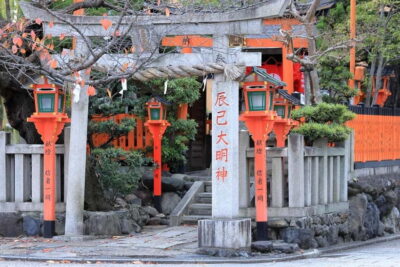
- A matchmaking shrine and Kyoto’s spiritual side
- Quiet lanes and the final ancient shrine
- What the $24 price really buys you
- Timing, weather, and the February afternoon option
- How to get the most from the walk
- Should you book the Gion night walk?
- FAQ
- Where does the Gion Magical Night Walking Tour begin?
- How long does the tour last?
- What language is the tour conducted in?
- How large is the group?
- Is seeing a geisha guaranteed?
- Is the route accessible for wheelchairs or baby carriages?
- How much does the tour cost, and when can I cancel?
Key points at a glance
- Nighttime changes Gion: Illuminated shrines, pagoda views, and quieter lanes give the district a calmer feel than during the day.
- Geisha culture is explained carefully: Expect trivia about geiko and maiko, private clubs, lanterns, customs, and the difference between geisha and apprentices.
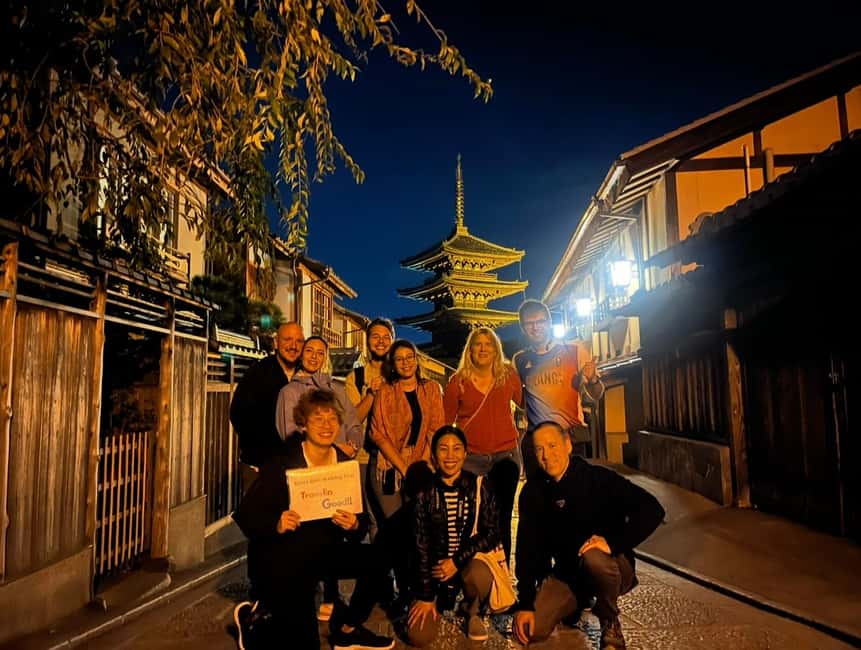
- The group stays small: The advertised limit is 10 people, and some departures have had only four or fewer.
- The route goes beyond Hanamikoji: You also visit a matchmaking shrine, a Buddhist pagoda, hidden pathways, and a shrine more than 1,000 years old.
- Guides add practical help: Depending on your guide, you may receive restaurant suggestions, festival information, prayer guidance, and photographs along the way.
- The price is modest: At $24 per person, the tour offers nearly two hours of guided context without admission fees for a major attraction.
Why Gion works best after sunset

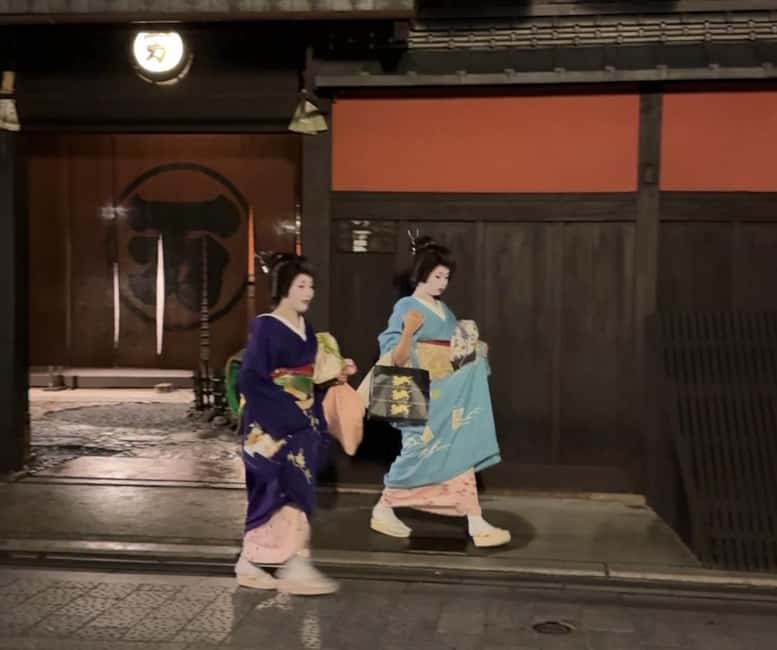
Gion is easy to reduce to a few famous images: dark timber facades, paper lanterns, narrow lanes, and the hope of spotting someone in formal kimono. At night, those details become more striking, but the area also demands good manners. This is a working neighborhood and a place where geiko and maiko go about their professional lives, not a stage set built for sightseeing.
The guide helps you read what you are seeing. You learn why certain lanes feel private, how lanterns relate to restaurants and entertainment houses, and why a maiko, a geisha in training, looks different from an established geiko. Guides have used photographs and videos to show these differences, which is especially useful because a brief glimpse on the street rarely tells you much.
You may see a geiko or maiko entering a taxi or walking between appointments, but that is luck, not the purpose of the outing. The experience makes this clear, and that is important. You are there to understand Gion’s culture and buildings, not to chase people for photographs.
Night also helps with the crowds. Several departures have taken place with very few people on the streets, allowing you to pause without being squeezed into a moving pack. You should not expect complete silence or an empty district, but the evening setting can feel far more relaxed than a daytime visit.
More Kimono & Culture Experiences in Kyoto
- Kyoto Geisha Walking Tour: Gion District & Hidden Gems
★ 4.7 · 3,273 reviews - Kyoto: Gion Geisha District Walking Tour – Stories of Geisha
★ 4.7 · 2,187 reviews - Best of Kyoto: Gion, Geisha, Pagodas & Cobblestones
★ 4.9 · 2,058 reviews
Starting beneath the Minamiza Theatre
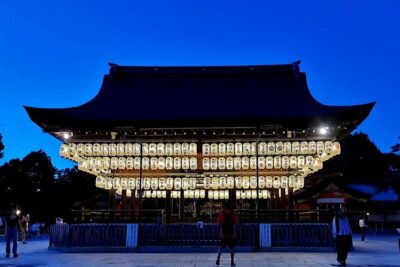
The meeting point is in front of the Minamiza Theatre, one of Gion’s clearest landmarks. Find the guide on the front side of the theatre, holding a TravelinGood sign. The listed time is when the group leaves, not when everyone gathers, so arrive at least five minutes early.
This small detail matters. Gion is well connected, but buses and taxis can lose time in traffic. If you are cutting it close, allow extra time. The tour does not work well if you arrive after the group has turned into one of the district’s narrow lanes.
The walk begins with a useful orientation. Minamiza places you on the edge of Gion’s entertainment quarter, where modern Kyoto and the traditional district meet. From here, your guide can explain how the area developed and point out features that you might otherwise pass without noticing.
The route covers a manageable distance rather than racing from sight to sight. One participant described it as not too much walking, and the steady pace has also worked well for older adults. Still, the route includes stairs, so manageable does not mean step-free.
Hanamikoji and the rules of geisha culture
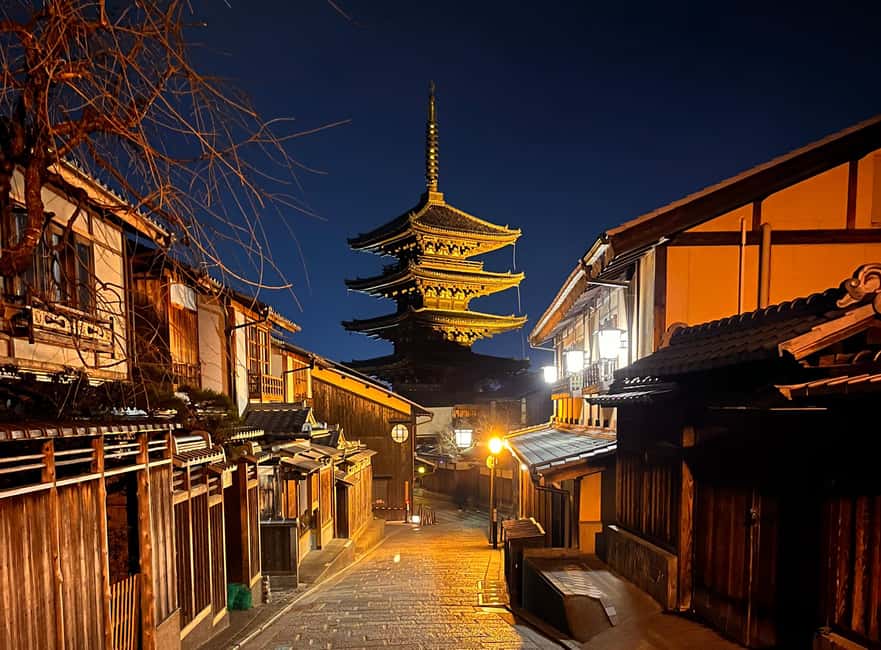
Hanamikoji is the tour’s main stage, though the guide should help you see it as a real neighborhood rather than a decorative photo stop. The traditional facades are attractive, but the more useful information concerns how the district operates.
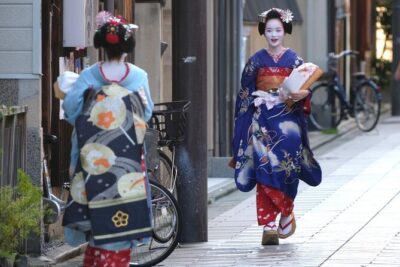
Expect explanations of geiko and maiko traditions, their clothing, training, work, and public behavior. You may also hear about the rules around private clubs and the meaning of lanterns outside establishments. These details answer the questions many people have but rarely think to ask: what happens behind the closed doors, why are some places difficult to enter, and how can you behave respectfully if you happen to see a performer?
The English guidance is a major part of the value. Guides including Shino, Hina, Kevin, Pam, Masami, and Sho have been praised for clear explanations and friendly conversation. The tone is not a formal lecture. You can ask about small details, compare geisha and maiko, and bring up broader questions about Japanese culture.
Guide quality can vary slightly from one departure to the next, as it does with any guide-led activity. The individual guides named above have received especially warm feedback for clear English, patience, humor, and local insight. One guide even used photos and videos to make the visual differences between geiko and maiko easier to understand.
If you are already an expert on Gion, some of the introductory material may be familiar. One participant felt the tour offered little new information for someone who already knew the area well. For a first visit, though, the explanations should give you a stronger grasp of what you are seeing.
A matchmaking shrine and Kyoto’s spiritual side
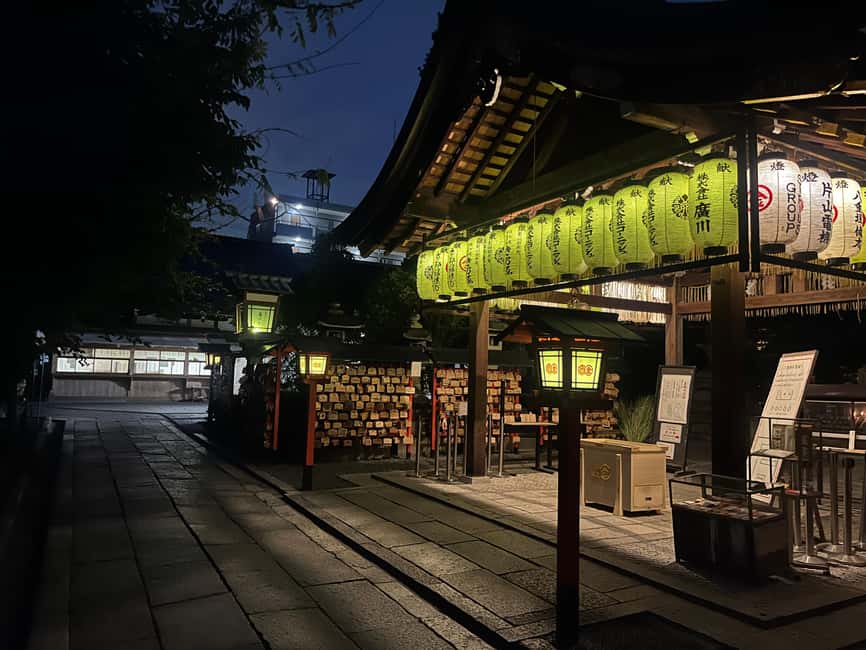
The route does not stop when the geisha discussion ends. You next see a shrine associated with matchmaking, adding a lighter and more personal note to the walk. The guide can place the shrine within Kyoto’s wider religious culture rather than treating it as a quick wish-making stop.
A useful feature is the chance to learn basic shrine etiquette. Guides have explained how to approach a Shinto shrine, how to pray, and what different shrines represent. If you have never felt sure about the ritual, this is a good place to ask questions and practise with guidance.
This part also prevents the tour from becoming narrowly focused on geisha culture. Gion is not only about entertainment districts. It is also a place of worship, local custom, legends, and long-standing neighborhood routines. Learning the difference between Shinto and Buddhism helps you understand why a shrine and a temple may appear close together while serving different religious traditions.
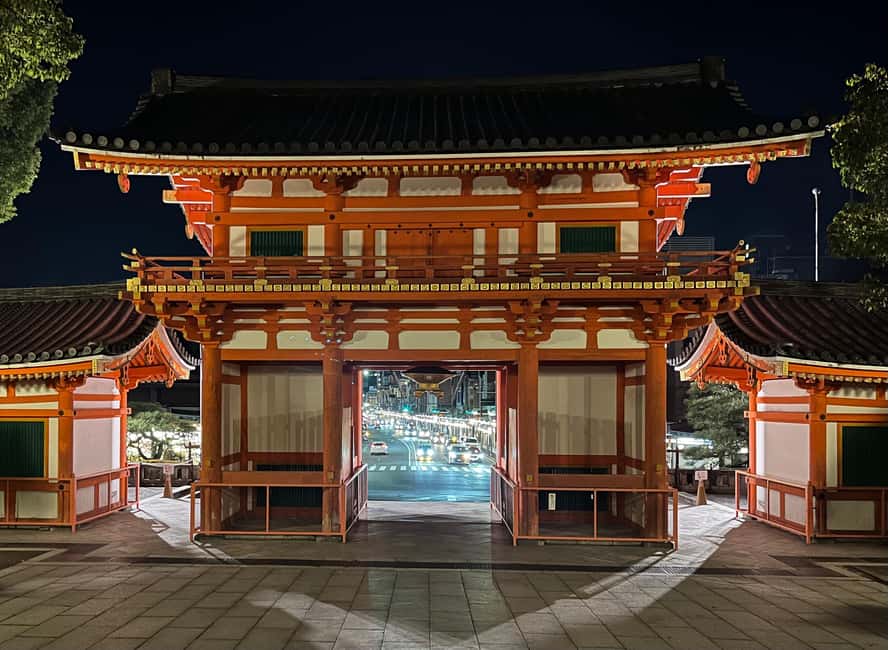
The tour includes a Buddhist pagoda outside the main geisha district. At night, it is illuminated, and the lighting gives the structure a strong visual presence. Several guides have treated the pagoda as a highlight, especially because it appears after the tighter lanes of Hanamikoji.
The exact viewing conditions can depend on the season and the pace of the group. You should bring a phone or camera, but do not expect a dedicated photography stop at every location. A photography service is included, so the guide can take pictures during the outing, subject to the practical limits of the group and setting.
More Walking Tours in Kyoto
- Private Kyoto Tour with a Local, Highlights & Hidden Gems, Personalised
★ 5.0 · 1,543 reviews - Kyoto Gion Geisha District Walking Tour – The Stories of Geisha
★ 5.0 · 1,441 reviews - Nishiki Market Brunch Walking Tour (7 Tastings + Brunch)
★ 5.0 · 1,355 reviews - Kyoto Arashiyama Walking Tour: Bamboo, Monkeys, Gardens & Secrets
★ 5.0 · 1,216 reviews
Quiet lanes and the final ancient shrine
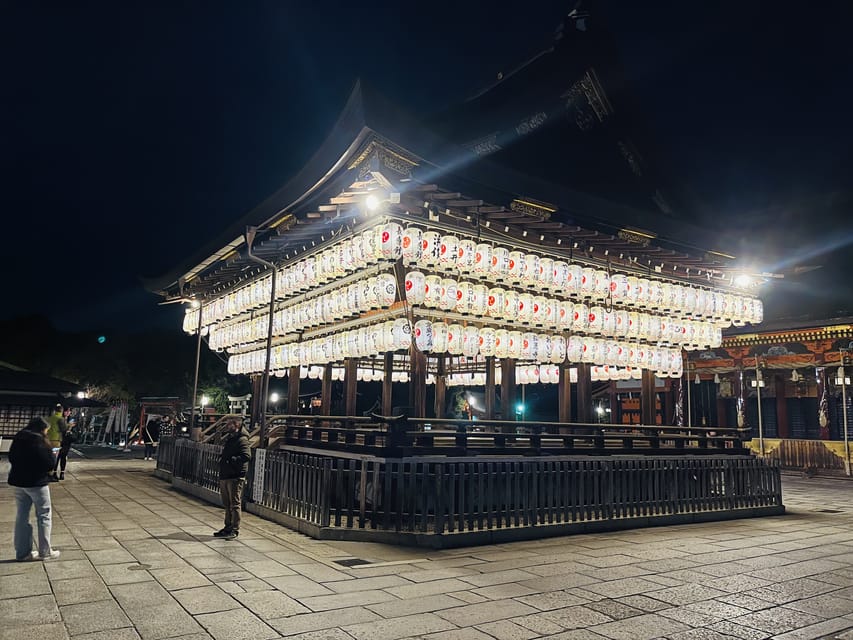
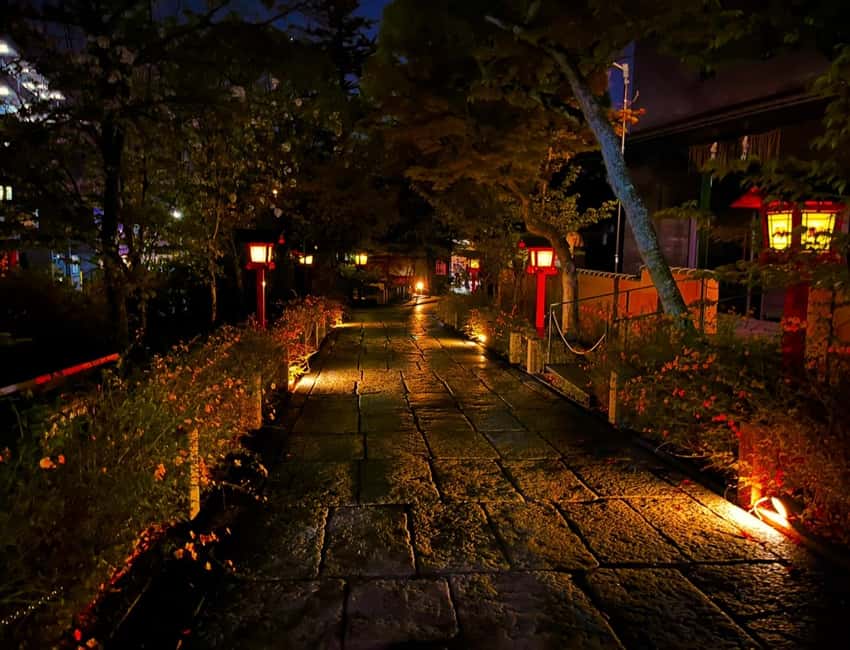
The strongest part of the route may be the movement between major sights. After Hanamikoji and the pagoda, you continue through less obvious paths and side streets. These lanes show a quieter side of Gion and make the walk feel like an introduction to the district, not simply a checklist.
Your guide’s stories give these passages purpose. Participants have appreciated small anecdotes, local legends, explanations of nearby buildings, and suggestions for places to visit during the day. Shino has also offered restaurant recommendations and current festival information, while other guides have shared practical ideas for eating nearby.
The walk ends at a shrine more than 1,000 years old. This gives the experience a strong sense of time. You begin with the modern meeting point at Minamiza, pass through a living entertainment district, then finish beside a place tied to centuries of worship.
Do not expect a long temple visit or a guided museum-style tour. This is an outdoor walk, and the shrines are viewed within the flow of the route. The reward is the connection between the places, with the guide explaining how the cultural pieces fit together.
What the $24 price really buys you
At $24, this is not a bargain because it includes a famous ticketed attraction. It is good value because you receive nearly 100 minutes of interpretation, local orientation, photography help, and a small group for less than the cost of many structured sightseeing activities.
The guide is the real product. Without one, you can walk Hanamikoji, look at lanterns, and admire the pagoda. You will not automatically understand the difference between geiko and maiko, the meaning of private clubs, the customs around shrines, or the stories connected with the side streets.
The small group improves the value further. Ten people is still a group, but it is compact enough for the guide to hear questions and keep everyone together. Some departures have been much smaller, including one with only four participants and another with three others. A smaller group also makes it easier to walk at a comfortable pace.
The activity does not list entry fees, meals, or transportation as included. You should budget for those separately. In exchange, you get a focused evening walk that can fit neatly around dinner or other Kyoto plans.
Free cancellation up to 24 hours before the booked start time and the reserve-now, pay-later option also reduce the financial risk. Your ticket is valid only for the date and time you choose, so do not simply join another departure without confirmation.
Timing, weather, and the February afternoon option
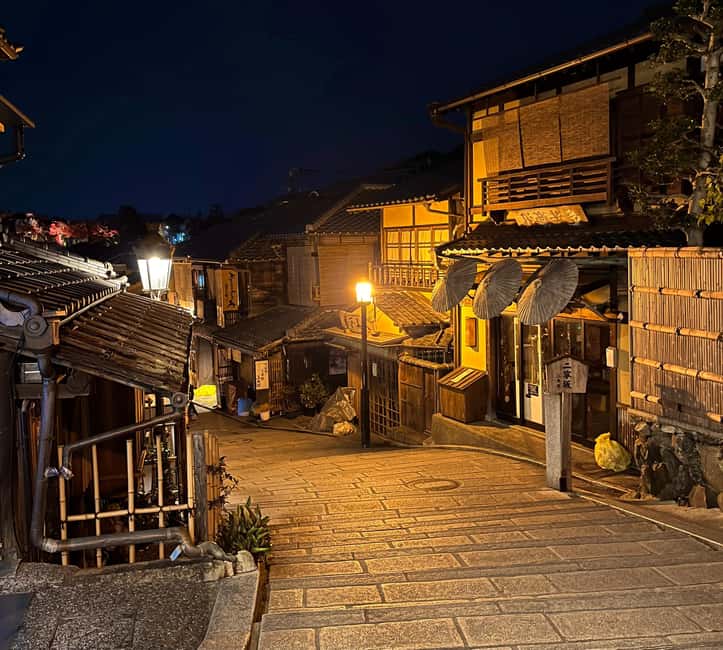
The usual appeal is the evening departure, when Gion’s lights are on and daytime crowds have eased. This is the best choice if you want the district’s nocturnal mood and the illuminated pagoda and shrines.
In February, a limited 3 p.m. departure may be available. That option suits you if you have evening plans or prefer to walk while there is still daylight. It will not provide the same fully lit nighttime atmosphere, but it can be easier for families or anyone who dislikes late outings.
The tour is outdoors for 100 minutes, so dress for the season. February departures have included a thoughtful hand warmer from a guide, but you should not rely on that being provided every time. Comfortable shoes matter more than dressy footwear because of the stairs and uneven sections.
The route is not suitable for wheelchair users, baby carriages, people with limited mobility, babies under one year, or people with a cold. Children under six do not need a ticket, but the route still includes stairs and requires a child who can manage a walking tour.
Families with older children can do well here. Two children aged nine and 11 enjoyed a departure, and guides have been praised for connecting with different age groups. I would still explain beforehand that this is a cultural walk, not an entertainment show, and that respectful behavior around geiko and maiko is essential.
How to get the most from the walk
Arrive early at the theatre and look for the TravelinGood sign. Since the tour leaves at the posted start time, late arrival can mean missing the group entirely.
Bring questions. The small group is most useful when you ask about the things that catch your eye: lanterns, clothing, shrine rituals, private clubs, Buddhist and Shinto traditions, or the difference between a formal cultural image and daily work.
Keep your camera ready but your behavior discreet. Seeing a geiko or maiko is possible, not promised, and the tour is specifically not arranged as a meeting with them. Listen to your guide’s instructions and avoid treating people on their way to work as photo props.
I would schedule this early in your Kyoto stay if you want help getting your bearings. The guides often provide daytime sightseeing ideas and food recommendations, and understanding Gion at night can make a later solo walk more rewarding.
The tour has an overall rating of 4.9 from 2,393 reviews, with repeated praise for the guides’ English, warmth, patience, and ability to explain local traditions. The most consistent strengths are the compact group size, the calm nighttime setting, and the mix of geisha culture with shrines and Buddhist sights.
Should you book the Gion night walk?
Book it if this is your first substantial visit to Gion, you want context rather than photographs alone, or you prefer a small group with time for questions. It is also a smart choice if you have already seen Hanamikoji by day and want a quieter, more atmospheric version of the district.
Skip it if you have limited mobility, dislike stairs, or already have strong knowledge of Gion’s geiko culture and religious sites. You should also skip it if you want a guaranteed geisha encounter, since no such meeting is offered.
For $24, the combination is hard to fault: a manageable 100-minute route, English guidance, nighttime scenery, practical Kyoto tips, and a group capped at 10. I would choose the evening departure for atmosphere, or the February 3 p.m. option if your schedule or comfort calls for daylight.
FAQ
Where does the Gion Magical Night Walking Tour begin?
Meet in front of the Minamiza Theatre, on the front side of the building. The guide holds a sign marked TravelinGood.
How long does the tour last?
The walking tour lasts 100 minutes.
What language is the tour conducted in?
The live guide speaks English.
How large is the group?
The tour is limited to 10 participants. Some departures may be smaller.
Is seeing a geisha guaranteed?
No. You might spot a geiko or maiko, but the tour is not intended as a meeting with geisha.
Is the route accessible for wheelchairs or baby carriages?
No. Stairs along the route mean it is not suitable for wheelchairs, baby carriages, or people with limited mobility.
How much does the tour cost, and when can I cancel?
The price is $24 per person. You can cancel up to 24 hours in advance for a full refund, and you can reserve now and pay later.
More Evening Experiences in Kyoto
- Night Walk in Gion: Kyoto’s Geisha District
★ 4.5 · 2,003 reviews - Kyoto Night Foodie Tour in Gion (9+ dishes + 6 Sake tastings)
★ 5.0 · 1,762 reviews - Kyoto Gion Night Walk & Geisha District Guided Tour
★ 5.0 · 786 reviews - Kyoto Ghost Tour: Dark Tales, Urban Legends, Bamboo Forest Night
★ 5.0 · 625 reviews
Just added around Kyoto
- Taste of Nishiki Market Walking Food Tour with Local guide★ 5.0 · 17 reviews
- Kyoto: Sushi Making Class with Sushi Chef★ 4.8 · 64 reviews
- Kyoto: City Secrets eBike Tour★ 4.9 · 196 reviews
- Sacred Pathways: Discover the Philosopher’s Path of Kyoto★ 4.9 · 20 reviews
- Private Tour to Monkey Park and Arashiyama Highlights★ 5.0 · 22 reviews
- Private Nara Tour from Osaka – Meet at Your Hotel★ 5.0 · 22 reviews
- Private Sake Tasting in Central Kyoto with Sake Sommelier★ 5.0 · 13 reviews
- Kyoto : Private Custom Walking Tour With A Local Guide★ 4.6 · 144 reviews
Kimono & Culture Experiences, compared.
Kyoto Geisha Walking Tour: Gion District & Hidden Gems
Read our review →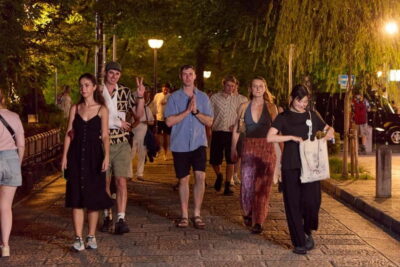
Gion Geisha District Walking Tour – Stories of Geisha
Read our review →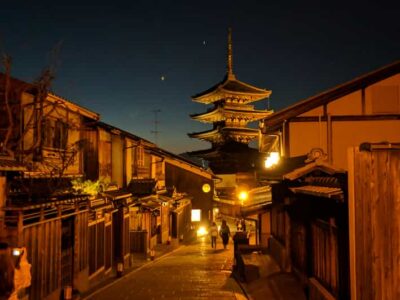
Best of Kyoto: Gion, Geisha, Pagodas & Cobblestones
Read our review →
Kyoto Gion Geisha District Walking Tour – The Stories of Geisha
Read our review →
Kyoto Gion: 2-Hour Geisha Culture & History Walking Tour
Read our review →Browse the lists this tour appears in