
REVIEW · TEMPLE & SHRINE TOURS
Kyoto: Zen Meditation at a Private Temple with a Monk
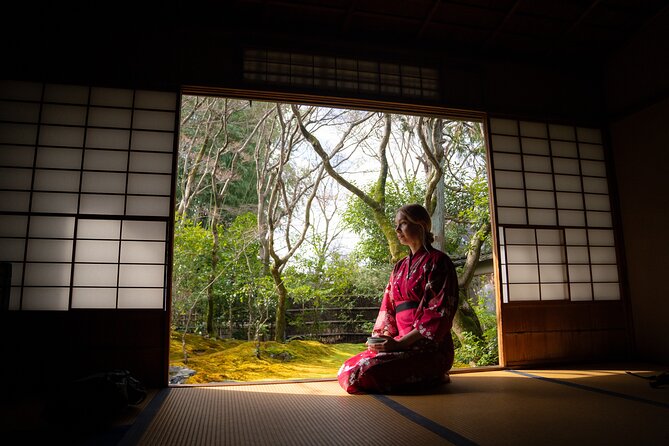
Kyoto’s best cultural moments are often the quiet ones. This 90-minute Zen session takes you from Kodaiji Park to a private temple that is usually closed to the public, where a monk explains meditation, Japanese culture, and the basic ideas behind Zen.
I like two things here: the small group, capped at nine, and the simple finish with matcha and traditional snacks. The main consideration is price. At $98.83 per person, this is not a casual temple stop, so you should book it for the personal access and instruction, not just for a quick look inside.
In This Review
- Key points at a glance
- Why this Kyoto meditation session feels different
- Meeting near Kodaiji Park
- Entering a temple normally closed to the public
- Learning Zen from a monk
- Trying meditation in a quiet setting
- Matcha, snacks, and a calm finish
- Following the route to Nene-no-michi
- Is $98.83 a fair price?
- Who should book this experience?
- Booking, group size, and cancellation
- Should you book it?
- FAQ
- Where does the experience begin?
- Where does the experience end?
- How long does the meditation experience last?
- How many people can join?
- Is the activity suitable for beginners?
- What is included after the meditation?
- Can I cancel for a full refund?
Key points at a glance
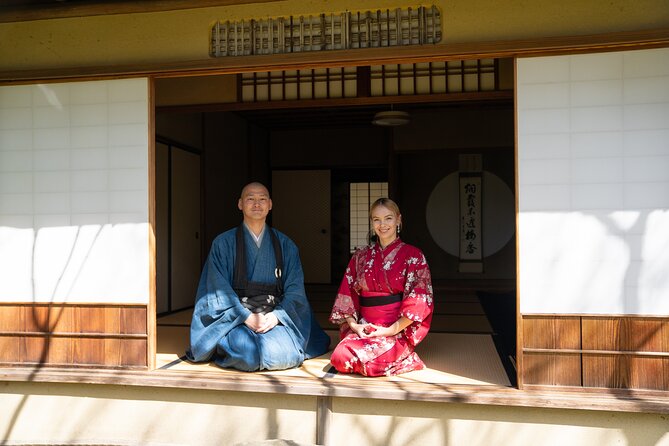
- Private temple access: Visit a small temple that is not normally open to the public.
- Direct instruction from a monk: Learn how to sit, focus, and approach meditation in practical terms.
- Small group size: With no more than nine people, the session should feel personal rather than crowded.
- Cultural context: The monk explains Zen alongside wider ideas from Japanese culture.
- Tea and sweets included: Matcha and traditional snacks give the experience a gentle, social finish.
- Easy Higashiyama setting: Meet at Kodaiji Park and finish on Nene-no-michi, a convenient area for further exploring.
Why this Kyoto meditation session feels different
Many Kyoto temple visits are visual affairs. You walk through a gate, admire a garden, take a few photos, and move on. This experience asks you to slow down and pay attention to what happens inside your own mind.
The setting helps. You are taken to a private temple near Kodaiji Park, not simply directed to a famous public site with a steady stream of people. The temple is usually closed to the public, so the access itself is a meaningful part of the price.
The session is led by a monk, who introduces the core principles of Zen before you try meditation yourself. That order matters. You are not expected to arrive with experience, and you are not left to guess what you are meant to do.
The available details do not provide the monk’s name, and the teaching language is not specified. Still, the experience includes translation, which is important if you want more than a silent sitting period. One especially useful lesson described by a participant involved sitting upright correctly, with meditation explained through a clear metaphor.
That practical approach is a strong reason to choose this over a more formal or intimidating Zen program. You can come with no background in Buddhism or meditation and still take part.
More Temple & Shrine Tours in Kyoto
- Kyoto: Fushimi Inari, Kinkakuji, Bamboo Grove 1 Day Bus Tour
★ 4.8 · 4,316 reviews - Kyoto: Tea Ceremony in a Traditional Tea House in Kiyomizu
★ 4.9 · 3,519 reviews - Kyoto: Tea Ceremony Ju-An at Jotokuji Temple
★ 4.9 · 3,207 reviews
Meeting near Kodaiji Park
The meeting point is Kodaiji Park at 463-28 Shimokawaracho in Kyoto’s Higashiyama Ward. From there, the group is taken to the private temple nearby.
This is a useful location for a Kyoto day because Higashiyama is packed with major sights. You can pair the session with time around Kodaiji Park, then continue along Nene-no-michi afterward. The start and end points are close enough to fit into a wider walking plan, though you should leave breathing room rather than schedule another timed attraction immediately afterward.
The directions provided are brief, so check the meeting details carefully before setting out. A mobile ticket is accepted, and confirmation arrives when you book. Since the group is small, arriving on time matters. A late arrival could be more disruptive in a quiet meditation setting than it would be on a large bus tour.
The location also shapes the mood. This is not a resort-style wellness class separated from the city. You begin in one of Kyoto’s most visited historic districts, then step into a quieter religious space. That contrast is part of the appeal.
Entering a temple normally closed to the public
The private temple is the heart of the experience. Its importance is not only that it is small or atmospheric. It gives you access to a place you would not normally be able to enter as an independent sightseer.
That access can make the visit feel more personal than a standard temple admission. You are there for a purpose, with a monk explaining the setting and the practice. The temple becomes a place of learning rather than just another stop on a sightseeing list.
Details about the building, garden, age, or specific Buddhist tradition are not provided, so I would not book this expecting a long architectural tour. The focus is Zen instruction and meditation. If your main goal is famous gates, major gardens, or a long history talk, a standard Kodaiji visit may suit you better.
The small scale is an advantage for quiet reflection. It also means the experience may not offer the visual variety of a large temple complex. You are paying for access, atmosphere, and conversation, not for hours of sightseeing.
Learning Zen from a monk
The monk begins with an explanation of Zen and its basic principles. The session then moves into meditation practice, allowing you to test the ideas rather than simply hear them.
This is where the experience seems most useful for beginners. Meditation instructions can sound vague when they are presented only in abstract terms. Here, you receive guidance on posture and practice in a setting connected to the tradition itself.
You should expect the teaching to be accessible rather than academic. The information provided describes fascinating insights into Japanese culture and Zen, along with effective translation. That combination should help you understand how the practice relates to daily life in Japan, even if you do not plan to continue meditating at home.
I also like that the session does not appear to demand prior knowledge. Most people can participate, and the format is designed for a small group rather than experienced practitioners only. You might come hoping to learn meditation, to understand Zen better, or simply to spend part of your Kyoto visit in silence.
The monk’s role is central, but this is not described as a long private consultation. With up to nine people, you will share the instruction. The group limit is still intimate enough for a more direct feel, but anyone seeking one-on-one teaching should keep that distinction in mind.
Same city, a completely different kind of day:
- PERFECT KYOTO 1-Day Bus Tour
★ 5.0 · 13,518 reviews - Kyoto Geisha Walking Tour: Gion District & Hidden Gems
★ 4.7 · 3,273 reviews - Kyoto: Gion Magical Night Walking Tour with Geisha Trivia
★ 4.9 · 2,393 reviews - Kyoto: 45-Minute Tea Ceremony Lesson Experience
★ 4.3 · 2,378 reviews
Trying meditation in a quiet setting
After the introduction, you have time to meditate in the temple. This practice period is likely to be the most rewarding part for people who want a pause from Kyoto’s busy sightseeing rhythm.
A 90-minute session gives the experience enough time to develop without taking over your day. You get an introduction, instruction, a chance to practice, and time for tea and snacks. It is long enough to feel like a real activity, but short enough to fit beside other plans.
You should not assume that one session will transform your meditation habits. The value is more modest and more practical. You learn how the practice works, receive a few useful corrections, and experience how a quiet temple changes your attention.
The sitting posture may be harder than expected. One piece of feedback singled out the lesson on sitting upright, a small detail that many beginners overlook. If you have back, knee, or mobility concerns, the supplied information does not explain what seating options are available, so ask the provider before booking.
The session may also feel less comfortable if you expect constant activity. Meditation includes stillness, and some people find that challenging. That is not a flaw in the format, but it is worth knowing before you pay for an experience built around quiet concentration.
Matcha, snacks, and a calm finish
The experience ends with matcha tea and traditional snacks. This is more than a food inclusion checked off a list. After sitting quietly, the tea gives the group a natural way to return to conversation and ask questions.
Matcha also connects the activity to Japanese customs without turning the session into a full tea ceremony. The information does not promise a formal tea performance, so book this for a simple tea and snack moment rather than an elaborate tea lesson.
I like the balance. The meditation is inward and quiet, while the tea creates a shared cultural moment. It gives you something tangible to remember after the instruction, without distracting from the main purpose of the visit.
The snacks are described only as traditional, so specific ingredients are not available. If you have dietary restrictions, confirm what will be served before booking. The same applies to allergies, since no menu details are supplied.
Following the route to Nene-no-michi
The experience finishes on Nene-no-michi in Shimokawaracho. This is a practical ending because you are not returned to an unrelated part of Kyoto. You can continue exploring Higashiyama from there, or pause and decide what you want to see next.
The route is especially convenient if you plan to visit nearby sights on foot. The activity starts and ends in the same general district, so it does not create a transportation problem in the middle of your day.
At the same time, do not treat the end point as a guided continuation of Higashiyama sightseeing. The stated itinerary is simply a visit to the private temple close to Kodaiji Park, followed by a finish on Nene-no-michi. Any further sightseeing is yours to arrange.
This makes the session easy to pair with a half-day around Kodaiji Park. You can schedule it before or after other stops, but remember that meditation works better when you are not racing to your next reservation.
Is $98.83 a fair price?
At $98.83 per person, this experience costs much more than entering a public Kyoto temple. That comparison is fair, but incomplete.
You are paying for several things at once: access to a private temple, instruction from a monk, a small group capped at nine, translation, meditation practice, matcha, and traditional snacks. If you value direct teaching and a place that is normally closed to the public, the price can make sense.
The value is weaker if you mainly want photos or a quick cultural stop. Kyoto has many public temples, and a self-guided visit will cost far less. This activity earns its price through access and personal explanation, not through the number of sights covered.
The 90-minute length helps. You are not spending half a day on a single introductory session, and the location works well with other Higashiyama plans. The cost is still a splurge, but it is a focused one rather than an all-day commitment.
The current score is 5 out of 5 from 25 ratings, with 100 percent recommending the experience. That points to strong satisfaction, particularly with the monk’s genuine manner, the clear translation, the beautiful ceremony, and the accessible introduction to meditation. I would still weigh those strengths against your own interest. A high rating cannot make a meditation class worthwhile if you dislike sitting quietly.
Who should book this experience?
I would recommend it most to first-time visitors who want a more personal connection to Kyoto’s religious culture. It also suits people who are curious about meditation but do not want to sign up for a long retreat or advanced program.
The small group is a good match for couples, families with older children, and solo visitors who prefer a guided activity without a large crowd. Most people can participate, and no prior meditation experience is required in the information provided.
You may also like it if you have already seen Kyoto’s major temples and want a different kind of cultural activity. Instead of collecting another view, you spend time learning a practice in a working religious setting.
I would be cautious if you want a detailed temple history tour, a formal tea ceremony, or a broad sightseeing itinerary. The program is short and focused. Its strength is depth of attention, not a long list of stops.
Because the activity involves sitting meditation, think about your comfort before booking. The information does not state how long you will sit, what seating is used, or what adjustments are available. If that matters to you, contact Travel Japan Together in advance.
Booking, group size, and cancellation
The maximum group size is nine, which is one of the clearest advantages of this experience. A small group should make it easier to hear the monk, follow the translation, and settle into the temple without the feel of a large tour.
Confirmation is provided at booking, and you can use a mobile ticket. The price is $98.83 per person.
Free cancellation is available if you cancel at least 24 hours before the start time. Cancellations made less than 24 hours in advance are not refunded, and changes inside that window are not accepted. Cutoff times follow Kyoto local time, so keep that in mind if you are arranging plans from another time zone.
Should you book it?
Book this if you want private temple access, a monk’s practical meditation guidance, and a quiet cultural experience that fits into a Kyoto morning or afternoon. The small group, clear translation, and matcha finish give it more substance than a quick temple visit.
Skip it if your budget is tight or your main goal is architecture and sightseeing. At $98.83, the price is justified by the access and instruction, not by the number of attractions.
For the right person, this is a thoughtful break from Kyoto’s busy route. You leave with a better sense of how Zen meditation works, a few useful posture tips, and time spent in a temple most people cannot simply walk into.
FAQ
Where does the experience begin?
It begins at Kodaiji Park, 463-28 Shimokawaracho, Higashiyama Ward, Kyoto, 605-0825, Japan.
Where does the experience end?
The activity ends on Nene-no-michi in Shimokawaracho, Higashiyama Ward, Kyoto.
How long does the meditation experience last?
The experience lasts approximately 1 hour and 30 minutes.
How many people can join?
The group has a maximum of nine participants.
Is the activity suitable for beginners?
Yes. Most people can participate, and the monk explains the core principles of Zen and provides meditation guidance.
What is included after the meditation?
You receive matcha tea and traditional snacks.
Can I cancel for a full refund?
Yes. You can cancel at least 24 hours before the start time for a full refund. Cancellations or changes made less than 24 hours before the start time are not accepted for a refund.
Just added around Kyoto
- Private Guided Traditional Buddhist Cooking in Japan★ 5.0 · 16 reviews
- Kyoto: Gion Geisha District & Sake-in-Hand Walking Tour★ 5.0 · 37 reviews
- Your Private Vacation Photography Session In Kyoto★ 5.0 · 110 reviews
- Traditional Japanese Washi Papermaking- Kyoto morning★ 5.0 · 77 reviews
- Kyoto Wagashi(Japanese sweets) Cooking Class near Fushimiinari★ 5.0 · 60 reviews
- Private Pewter Sake Cup Experience with a Kyoto Artisan★ 5.0 · 31 reviews
- Kyoto Private 6 hour Tour: English Speaking Driver Only, No Guide★ 5.0 · 88 reviews
- Kyoto:Family-Friendly Kimono & Yukata Experience at WARGO★ 5.0 · 147 reviews
Temple & Shrine Tours, compared.
Tea Ceremony in a Traditional Tea House in Kiyomizu
Read our review →
Meiji Shrine, Asakusa, Skytree Bus Tour and Cruise
Read our review →
Asakusa Walking Tour with Sensoji Temple Visit
Read our review →
Kamakura & Enoshima Day Trip including Temple Tickets
Read our review →
Kyoto/Osaka: Nara, Fushimi Inari Taisha, Arashiyama Bus Tour
Read our review →
Nikko Toshogu Shrine and Kegon Waterfall Tour
Read our review →
Tokyo Panoramic 1 Day: Meiji Shrine, Asakusa, Odaiba and SKYTREE®
Read our review →Browse the lists this tour appears in