
REVIEW · TEA CEREMONY EXPERIENCES
Kyoto: 45-Minute Tea Ceremony Lesson Experience
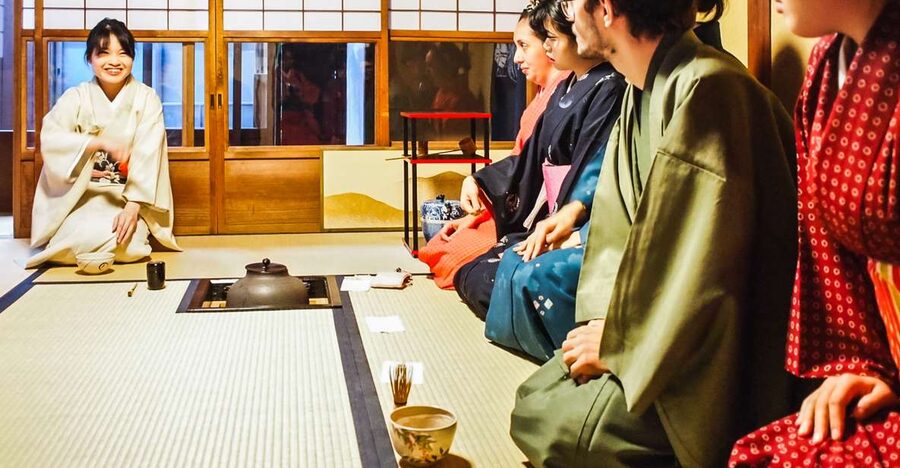
Kyoto’s tea ceremony is less about drinking a cup of matcha than learning how every movement carries meaning. In this 45-minute lesson near Kinkakuji, a licensed Urasenke tea master first demonstrates the ritual, then shows you how to prepare your own tea on tatami.
I like the serious approach and the low price. At $22, you get a real lesson, two types of Japanese green tea, traditional sweets, and time to ask questions. I also like the optional kimono and candlelight versions, which can turn a short daytime class into a more memorable cultural outing.
The main drawback is the pace. Forty-five minutes passes quickly, and the formal rules can feel strict if you want a casual, photo-first activity. Sitting on the floor may also be uncomfortable, though chairs can be arranged if you tell the provider in advance.
In This Review
- Key points to know before booking
- A real lesson, not just a matcha photo stop
- Watching the first bowl of matcha
- Making your own tea on tatami
- Two green teas and traditional sweets
- Kimono rental and photo time
- The candlelight option after sunset
- Private, public, or candlelight?
- Getting to the tea house near Kinkakuji
- Sitting comfort and ceremony etiquette
- Is $22 good value?
- Who should book this tea ceremony?
- Should you book Tea Ceremony Koto?
- FAQ
- How long is the Kyoto tea ceremony lesson?
- How much does the basic experience cost?
- What is included in the booking?
- Is the instructor available in English?
- Can I make my own matcha?
- Is a kimono included?
- How early should I arrive if I book the kimono option?
- Is there a dress code?
- Can I sit on a chair instead of the tatami floor?
- Can I record the tea ceremony?
- How close is the tea house to Kinkakuji?
- Can I cancel the booking?
Key points to know before booking
- A licensed Urasenke tea master leads the lesson, with instruction in English or Japanese.
- You prepare your own matcha, after watching the complete thin-tea preparation.
- Two green teas and Japanese sweets are included, giving you more than a single ceremonial taste.
- The class follows traditional rules, rather than a shortened tourist version.
- Kimono rental and candlelight sessions are optional, with the kimono requiring an early arrival.
- Kinkakuji is practically next door, making this easy to pair with the Golden Pavilion.
A real lesson, not just a matcha photo stop
Tea Ceremony Koto presents this as a lesson for Japanese beginners, not a performance arranged only for foreign visitors. That difference matters. You are expected to learn the basic manners, watch carefully, and follow the order of the ceremony.
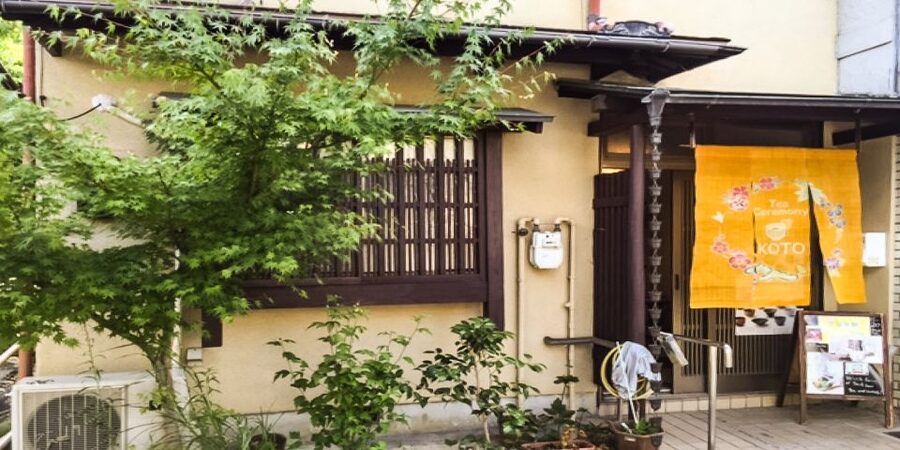
The experience begins when you enter through the sliding door with the orange curtain. You take your place on a tatami mat and meet the English-speaking host, a licensed tea master from Urasenke, Japan’s largest tea ceremony school.
The atmosphere is quiet and formal. This is not the place for constant chatter, phone filming, or a quick cup of sweetened matcha. Video recording is not allowed, though photos are permitted, particularly after the ceremony.
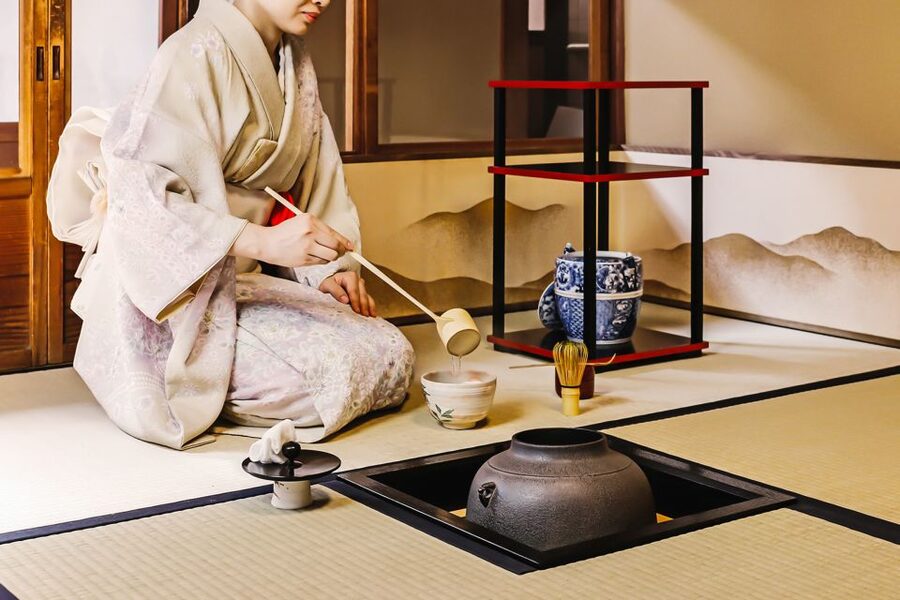
The tea master explains the spirit of tea ceremony as well as the practical steps. You learn why the host handles the bowl, whisk, scoop, sweets, and tea utensils in a particular way. The point is not simply to memorize gestures. You begin to see the ceremony as a careful exchange between the person serving tea and the person receiving it.
That seriousness is one of the best reasons to book this activity. It gives you a better sense of Japanese etiquette than a short demonstration where you only watch from the side.
More Tea Ceremony Experiences in Kyoto
- Kyoto: Tea Ceremony in a Traditional Tea House in Kiyomizu
★ 4.9 · 3,519 reviews - Kyoto: Tea Ceremony Ju-An at Jotokuji Temple
★ 4.9 · 3,207 reviews - Kyoto: Table-Style Tea Ceremony at a Kyo-Machiya
★ 4.9 · 1,211 reviews
Watching the first bowl of matcha
The first part is a demonstration. The tea master carries out the ceremonial preparation of matcha while explaining what is happening. Watch the position of the utensils and the order of the movements, because you will repeat the process yourself later.
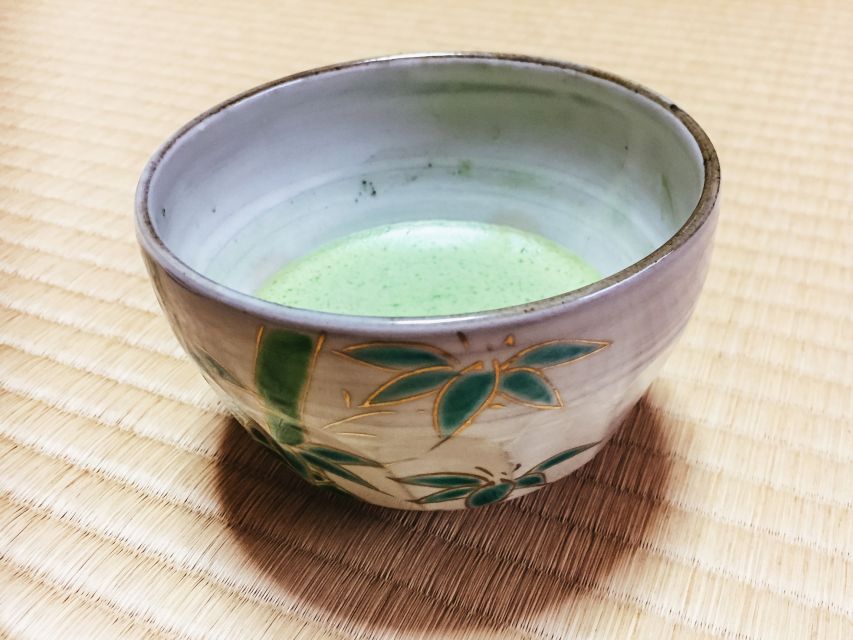
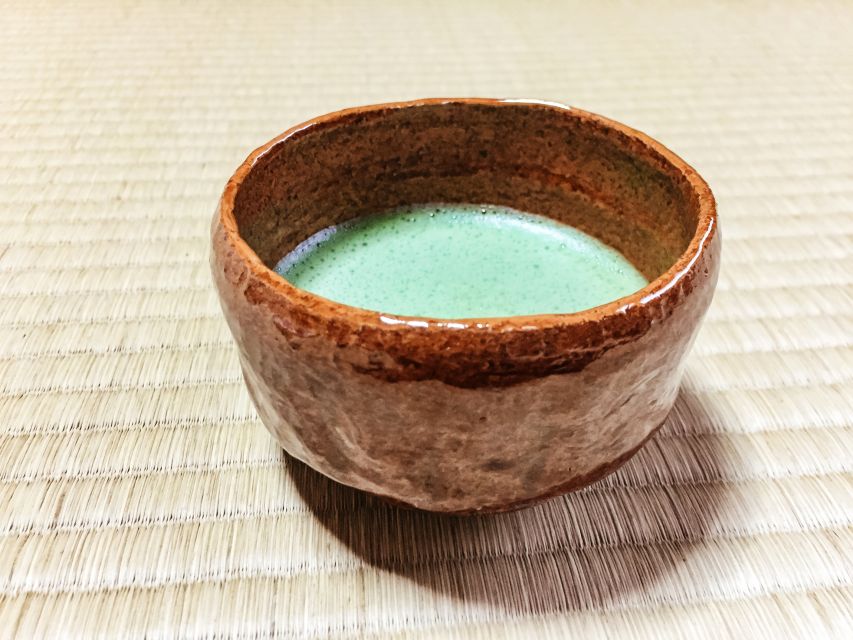
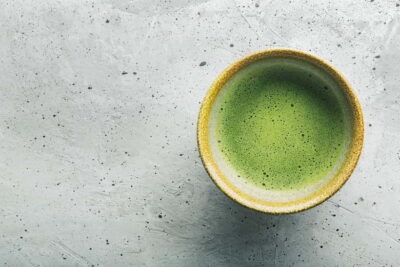
Matcha is powdered green tea, whisked directly in hot water rather than steeped and strained. The result is a foamy drink with a fuller taste than ordinary brewed tea. The instructor also explains how different preparation methods affect flavor, so you are not only learning movements but also getting a basic introduction to the tea itself.
This is where the class feels more useful than a standard tasting. You learn that the way tea is whisked changes its texture, and that the ceremony is tied to the preparation as much as the final drink.
The host also explains the background and spiritual role of tea ceremony. The lesson does not treat the ritual as decoration. It connects the objects and gestures to hospitality, respect, and attention to the present moment.
You may find the amount of information substantial for a 45-minute session. The teacher has to cover etiquette, history, preparation, and participation in a short window. If you want a long lecture on tea schools or Japanese ceramics, this is not that kind of class. If you want a clear introduction with hands-on practice, the time works well.
Making your own tea on tatami
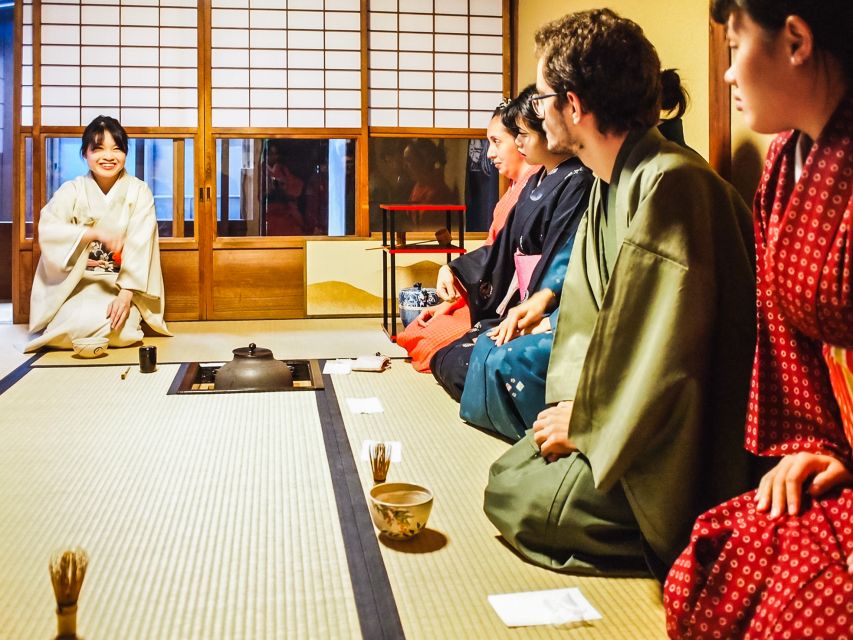
After watching the demonstration, you get your turn. The tea master guides you through making matcha according to the rules of the ceremony. Expect to handle the utensils carefully and follow instructions about how to prepare and receive the tea.
This part is the heart of the activity. Watching a ceremony can be beautiful, but making the tea gives you a physical sense of the precision involved. Even a simple movement, such as whisking the tea, feels different when you are trying to follow an established method.
You also learn the proper manners for drinking. That includes how to handle the tea bowl and how to behave during the exchange. The rules may feel exacting at first, but they help explain why a tea ceremony has such a calm rhythm.
The class is suitable for beginners because you are shown what to do before being asked to do it. The teacher can answer questions, and the instruction is available in English or Japanese. One English-speaking host named Joseph has been praised for being friendly and helpful, though the tea master for your session may be different.
The tone can vary with the instructor. Most of the supplied experiences describe patient, clear teaching, but a few found the manner more abrupt. That is worth knowing if you prefer a loose and playful class. Tea Ceremony Koto’s approach is formal by design, and the traditional rules come before casual entertainment.
Two green teas and traditional sweets
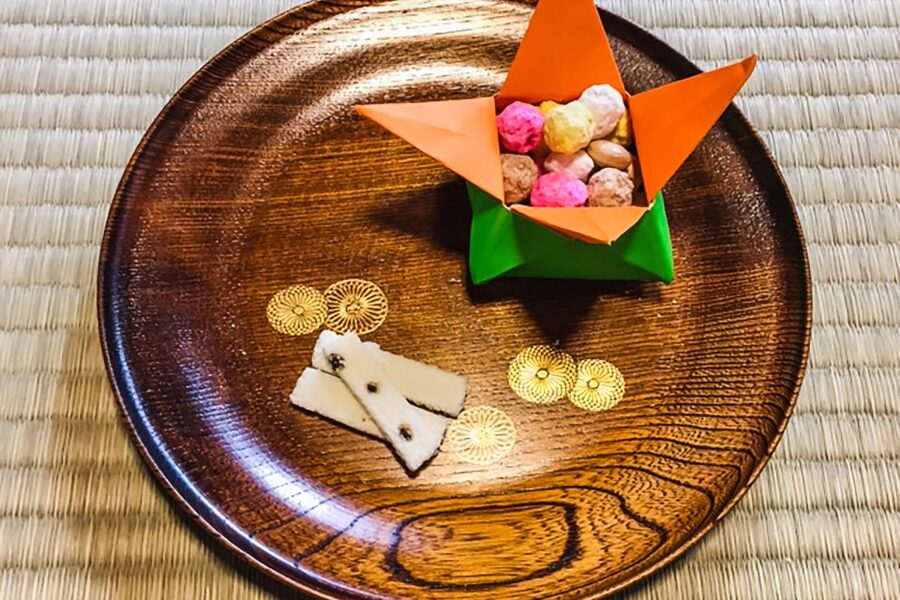
Two flavors of Japanese green tea are included, along with traditional Japanese sweets. The sweets are not just a snack. They balance the bitterness of matcha and prepare your palate for the tea.
If you normally find matcha too bitter, this may be a pleasant surprise. The quality of the tea and the sweet make a difference, and the preparation produces a smooth, foamy cup. You should still expect a distinct green tea flavor rather than a sugary café drink.
The two tea servings also give you a useful comparison. You can notice differences in taste, texture, and preparation rather than forming an opinion from one bowl alone. The tea master explains how the preparation method affects the flavor, which makes the tasting more meaningful.
The ceremony also includes discussion of the ceramics used for drinking. You may see how the bowl is treated as part of the experience rather than as a disposable container. Details like this help connect the drink to the wider craft culture of Kyoto.
For a $22 activity, the food and drink are a solid part of the value. You are paying for instruction and cultural context, not for a full meal, so plan to eat elsewhere if you need lunch or dinner.
Same city, a completely different kind of day:
- PERFECT KYOTO 1-Day Bus Tour
★ 5.0 · 13,518 reviews - Kyoto: Fushimi Inari, Kinkakuji, Bamboo Grove 1 Day Bus Tour
★ 4.8 · 4,316 reviews - Kyoto Geisha Walking Tour: Gion District & Hidden Gems
★ 4.7 · 3,273 reviews - Kyoto: Gion Magical Night Walking Tour with Geisha Trivia
★ 4.9 · 2,393 reviews
Kimono rental and photo time
You can add kimono rental when booking. It is not included in the base price, and it cannot easily be arranged at the last minute. If you reserve the kimono option, arrive 20 minutes before the tea ceremony begins.
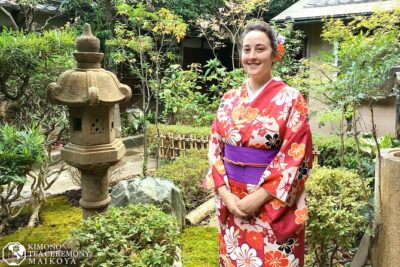
The kimono add-on can make the setting feel more complete, especially if you want photographs. The host can help dress you correctly, and photo-taking is allowed, but video recording is not. After the ceremony, you have a chance to take pictures and look at examples of kimonos and woven textiles from Kyoto’s Nishijin district.
The dressing period is described as fairly quick, so do not expect a long fashion session or elaborate hair styling. Hair setting is not included. Still, the clothing adds a traditional touch and gives you a visual memory that the short lesson alone cannot provide.
I would choose the kimono if you are marking a special occasion, traveling with family, or want photos in a traditional setting. If your main aim is to learn about tea, the $22 lesson is enough without the extra cost.
A practical point: regular clothing is fine for the activity. There is no dress code. Loose, comfortable clothing may make sitting on tatami easier, but this is not a stated requirement.
The candlelight option after sunset
The candlelight ceremony offers a different mood from the daytime class. Traditional candlelight recreates the quiet atmosphere of old Kyoto, making the session feel more intimate and reflective.
This option suits couples, families, and anyone who wants an evening cultural activity rather than another daytime sightseeing stop. The combination of candlelight, kimono, tatami, and formal tea preparation can feel almost theatrical, but the ceremony itself remains serious and quiet.
Families can enjoy it, though children need to be ready to sit calmly and follow instructions. The tone is not built around games or constant activity. The candlelight option works best when you treat it as a peaceful ritual.
If your schedule changes and you are moved into a candlelight session, that may turn out well, but check the available start times when booking. The duration remains 45 minutes, so the evening atmosphere changes the setting rather than adding a longer program.
Private, public, or candlelight?
The private option gives you and your group a more personal setting. You can receive closer attention from the tea master and move through the lesson at your own pace. This is the best choice for couples, families, or anyone who prefers a quiet experience without strangers nearby.
The public option places you in a small group. It offers a social setting and lets you learn alongside other beginners. This may feel closer to taking an introductory class in Japan, while the private option gives you more control and personal instruction.
The candlelight option describes the atmosphere rather than the group arrangement. You may be able to combine it with a private booking, depending on the choices shown when you reserve.
Because the class is short, group size affects how much individual help you receive. If you have many questions, are traveling with older relatives, or want careful photographs, private is worth considering. If price matters most, the public 45-minute class offers the strongest value.
Getting to the tea house near Kinkakuji
The meeting point is easy to pair with Kinkakuji, also called the Golden Pavilion. Enter from the sliding door with the orange curtain at the building.
The nearest landmark is the Kinkakuji-Michi city bus stop, about a one-minute walk away. From Kitaoji subway station, Kyoto city buses 204 or 205 take about 10 to 15 minutes. The same buses take about 10 to 15 minutes from JR Enmachi.
You can also reach the location in about one minute from the gate of Kinkakuji. If you are visiting the temple first, look beside the bicycle parking area for the activity location.
Build in extra time. Kyoto buses can be slow, and missing the opening demonstration means losing part of the lesson. A few people have been allowed to join after arriving late, but you should not rely on that. The ceremony begins with the explanation and demonstration, so punctuality matters more here than it does on a flexible sightseeing walk.
A large taxi stand is directly in front of the location, but it usually opens around 5:30 PM. Calling a taxi immediately after the activity may be difficult because taxi companies do not answer at once. If you need a taxi, check the timing before booking an early session.
Sitting comfort and ceremony etiquette
The experience takes place on tatami, the traditional Japanese floor mat. Sitting on the floor is part of the setting, but it can be hard on your knees, hips, or back.
Tell the provider ahead of time if you may have trouble sitting on the floor. Chairs can be provided. Do not wait until the ceremony starts if you already know this will be an issue.
Before visiting, read the provider’s Do’s and Don’ts guidance. Short preparation videos explain what not to do during the ceremony. This is useful because the class follows traditional rules rather than a simplified version designed only for quick sightseeing.
The no-video rule is also part of the atmosphere. You can take photos, especially after the ceremony, but you cannot record the session on video. I see this as a benefit if you want to pay attention, though it may disappoint anyone hoping to document every movement.
Is $22 good value?
At $22 per person, this is one of Kyoto’s more accessible cultural activities. The base price includes 45 minutes with a licensed tea master, two green teas, traditional sweets, a demonstration, hands-on preparation, and an explanation of the ceremony’s history and meaning.
The value is strongest if you take part fully. Watching quietly and leaving with a few photos would make the activity feel brief. Watching the demonstration, asking questions, preparing tea, and following the etiquette turns it into a compact lesson.
The kimono is an extra cost, as are hair styling and hotel transportation. You should compare the total price if your main goal is a costume photograph rather than tea instruction. For the ceremony itself, the base booking is the better deal.
The activity also offers free cancellation up to 24 hours before the start time and a reserve-now, pay-later option. Those terms help if your Kyoto schedule is still changing.
Who should book this tea ceremony?
I would recommend it to you if you want a direct introduction to Japanese culture and prefer learning by doing. It suits first-time visitors to Kyoto, couples, families, solo travelers, and anyone curious about matcha but unsure what a tea ceremony actually involves.
It is especially good for people who value calm, precise experiences. The setting is quiet, the rules matter, and the lesson asks you to pay attention.
You may want a different activity if you dislike floor seating, formal etiquette, or fixed ceremonial steps. The class is not built around comedy, free wandering, or a long period of unstructured photo time.
Allow extra time around your booking if you plan to visit Kinkakuji. The nearby location makes a convenient pairing, but avoid scheduling the tea ceremony immediately after a distant Kyoto attraction. A late bus could cause you to miss the most instructive part.
Should you book Tea Ceremony Koto?
Yes, if you want a traditional lesson rather than a simplified photo opportunity. The strongest features are the licensed Urasenke instruction, the chance to make your own matcha, and the clear explanation of why each gesture matters.
Choose the basic public session for the best price. Add the kimono if photographs and dress are important to you, and arrive 20 minutes early. Pick the private version for a quieter family or couple’s experience. Choose candlelight if you want the ceremony to feel especially atmospheric after sunset.
At 45 minutes, this will not teach you everything about Japanese tea ceremony. It will give you a respectful, hands-on introduction near one of Kyoto’s most famous sights, and at $22, that is a fair exchange.
FAQ
How long is the Kyoto tea ceremony lesson?
The tea ceremony lesson lasts 45 minutes.
How much does the basic experience cost?
The listed price is $22 per person.
What is included in the booking?
The experience includes two flavors of Japanese green tea and traditional Japanese sweets. It also includes the tea ceremony demonstration, instruction, and the chance to prepare tea yourself.
Is the instructor available in English?
Yes. The instructors provide the experience in English or Japanese. The host is a licensed tea master from Urasenke.
Can I make my own matcha?
Yes. You first watch the tea master prepare matcha, then learn how to make tea yourself according to the ceremony’s rules.
Is a kimono included?
No. Kimono rental is an optional add-on. Hair setting is also not included.
How early should I arrive if I book the kimono option?
Arrive 20 minutes before the tea ceremony starts if you reserve the kimono add-on.
Is there a dress code?
No. The activity has no dress code.
Can I sit on a chair instead of the tatami floor?
Yes. If sitting on the floor may be difficult, inform the provider in advance so chairs can be arranged.
Can I record the tea ceremony?
Video recording is not allowed. Photos are permitted, including photos after the ceremony and during the kimono option.
How close is the tea house to Kinkakuji?
The location is about a one-minute walk from the gate of Kinkakuji and about a one-minute walk from the Kinkakuji-Michi city bus stop.
Can I cancel the booking?
You can cancel up to 24 hours in advance for a full refund. A reserve-now, pay-later option is also available.
More Workshops in Kyoto
- Ramen Cooking Class at Ramen Factory in Kyoto
★ 5.0 · 1,937 reviews - Kyoto : Chopsticks Making Workshop in Gion with Engraving Option
★ 5.0 · 958 reviews - Kyoto: Samurai Sword Class by Experts in Traditional Arts
★ 4.9 · 657 reviews - Kyoto: Ramen Cooking Class at a Ramen Factory with Souvenir
★ 4.9 · 532 reviews
Just added around Kyoto
- Taste of Nishiki Market Walking Food Tour with Local guide★ 5.0 · 17 reviews
- Kyoto: Sushi Making Class with Sushi Chef★ 4.8 · 64 reviews
- Kyoto: City Secrets eBike Tour★ 4.9 · 196 reviews
- Sacred Pathways: Discover the Philosopher’s Path of Kyoto★ 4.9 · 20 reviews
- Private Tour to Monkey Park and Arashiyama Highlights★ 5.0 · 22 reviews
- Private Nara Tour from Osaka – Meet at Your Hotel★ 5.0 · 22 reviews
- Private Sake Tasting in Central Kyoto with Sake Sommelier★ 5.0 · 13 reviews
- Kyoto : Private Custom Walking Tour With A Local Guide★ 4.6 · 144 reviews
Tea Ceremony Experiences, compared.
Tea Ceremony in a Traditional Tea House in Kiyomizu
Read our review →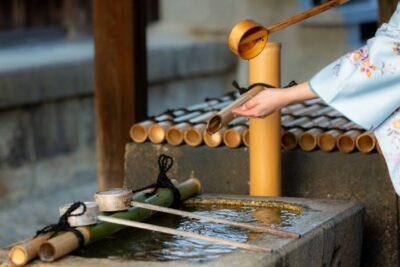
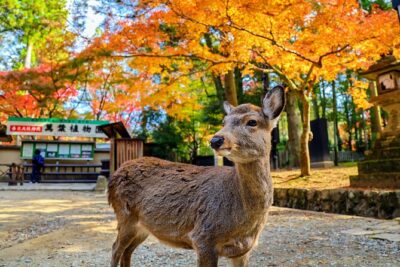
World Heritage Kyoto & Nara Uji Authentic Matcha Experience
Read our review →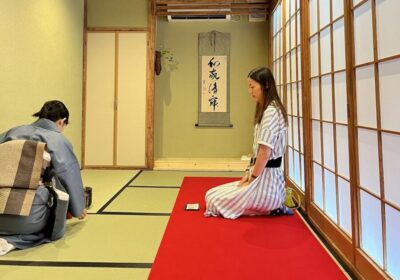
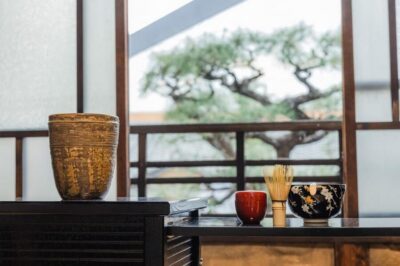
Arashiyama Bamboo Forest, Monkeys, Matcha & Temple Tour
Read our review →Browse the lists this tour appears in