
REVIEW · WORKSHOPS
Kyoto : Chopsticks Making Workshop in Gion with Engraving Option
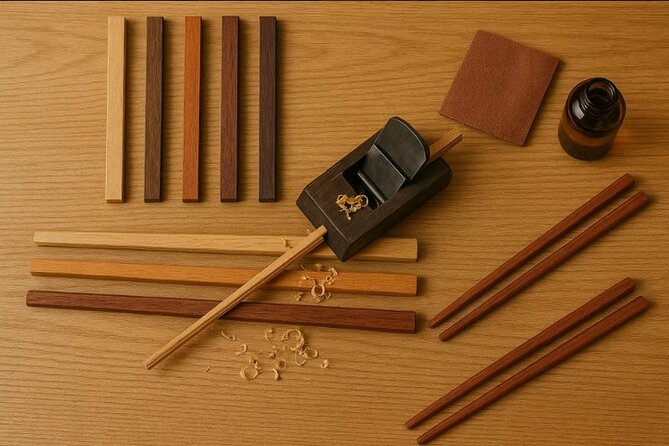
Making chopsticks from raw wood gives you a close-up look at Japanese craft without taking half a day. At ZEN Chopsticks Making Workshop in Gion, you choose your wood, shape it with a traditional kanna hand plane, then sand and oil the finished pair.
I like two things here: the work is simple enough for a first-timer, yet you still use a real traditional tool; and the finished chopsticks are a useful souvenir rather than a trinket. Optional name engraving adds a personal touch. The main consideration is that the class can feel a little like a production line, and wood availability may not always match the full advertised selection.
In This Review
- Key points at a glance
- A hands-on craft stop in the heart of Gion
- Choosing wood before the first cut
- Using a kanna to shape the chopsticks
- Sanding brings comfort to the finished shape
- Natural oil gives the chopsticks a finished look
- Engraving turns a useful souvenir into a personal one
- What the one-hour format means for your day
- Who will enjoy this workshop most
- Who may want a different activity
- Getting there and planning the booking
- My take on the value
- Should you book the Gion chopsticks workshop?
- FAQ
- Where does the chopsticks workshop take place?
- Where does the activity end?
- How long does the workshop last?
- How much does the experience cost?
- Is the workshop suitable for beginners?
- What tool do I use to make the chopsticks?
- Are materials included?
- Can I engrave my chopsticks?
- Is the workshop conducted in English?
- Can I cancel for a full refund?
Key points at a glance
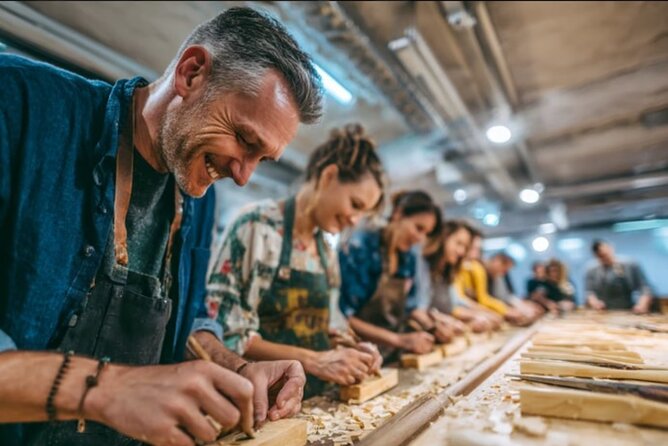
- Traditional hand-plane work: Use a kanna to remove thin shavings and shape each chopstick.
- Two wood types included: Choose from available Japanese woods, with premium options offered for an extra charge.
- A clear one-hour process: Shape, sand, oil, and finish your chopsticks during a compact workshop.
- Optional engraving: Add your name in Japanese or your own language for a more personal keepsake.
- English-speaking support: Staff explain each stage and help beginners handle the tools.
- Easy Gion location: Meet at ZEN Chopsticks Making Workshop on Yasaka Koji South, then finish at the same place.
A hands-on craft stop in the heart of Gion
This is the sort of Kyoto activity that works well between major sights. You are not sitting through a long demonstration or watching someone else do all the work. You begin with plain wooden blanks and turn them into a pair of chopsticks you can take home.
The setting is in Gion, at Yasaka Koji South in Higashiyama Ward. That makes the workshop easy to pair with time in the Gion area, though the activity itself stays focused on the workbench. You meet at 禅, or ZEN, Chopsticks Making Workshop, at machi-71-13 Tamamizu, Kyoto 605-0851. The end point is the same as the meeting point, so you do not need to arrange a separate pickup.
I see the location as a practical bonus, not the main reason to book. The value comes from doing something with your hands. Gion supplies the atmosphere around the class, while the workshop gives you a small piece of Japanese craft to carry away.
A few more Kyoto trips to weigh up
- Kyoto: 45-Minute Tea Ceremony Lesson Experience
★ 4.3 · 2,378 reviews - Ramen Cooking Class at Ramen Factory in Kyoto
★ 5.0 · 1,937 reviews - Kyoto: Samurai Sword Class by Experts in Traditional Arts
★ 4.9 · 657 reviews
Choosing wood before the first cut
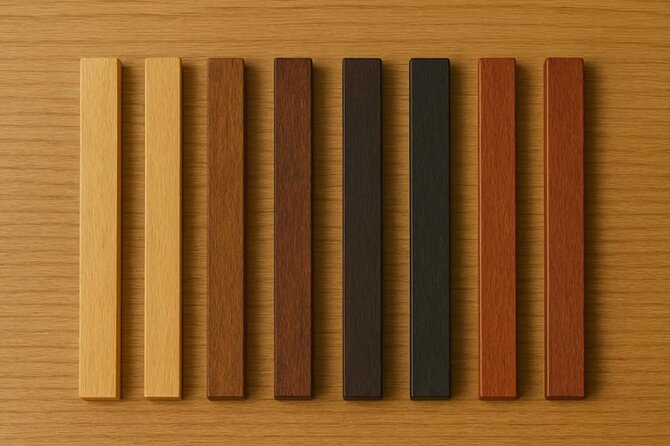
The first step is selecting the wood for your chopsticks. The available choices differ in natural color, grain, texture, and aroma. You might prefer a pale wood with a quiet grain, a darker tone, or something between the two.
Two wood types are included at no extra cost. Premium woods may be available for an added fee if you want a more distinctive material. Since the exact stock can change, it is wise not to arrive with one particular wood in mind. One person found that only one of the two advertised standard choices was available, which is a useful warning for anyone who cares strongly about matching a certain color or grain.
This choice gives the activity more character than a standard souvenir-painting session. Your finished pair will retain some of the wood’s natural look, so the material matters. At the same time, do not expect a large showroom selection every time. The workshop is compact, and supply may vary.
Using a kanna to shape the chopsticks
Once you choose the wood, you place the blanks on a stand and use a kanna, a traditional Japanese hand plane, to shape them. The tool removes small amounts of wood as you work along the surface. You can feel the grain and see the form change under your hands.
The instructor explains how to position the chopsticks and use the plane. You do not need woodworking experience. The staff are English-speaking and provide help throughout the process, which matters because a hand plane feels unfamiliar to many first-time users.
This is the most distinctive part of the hour. Sanding and oiling are familiar craft steps, but using a traditional kanna gives you a direct connection to Japanese woodworking methods. The work also has a quiet, repetitive quality. You focus on the angle of the tool, the direction of the grain, and the shape developing in front of you.
You should still keep your expectations sensible. This is a beginner class, not a lesson in advanced joinery or a full woodworking course. The instruction is designed to help you make a usable pair in a short time. If you want a detailed study of tool care, wood selection, or professional technique, this workshop will feel brief.
Sanding brings comfort to the finished shape
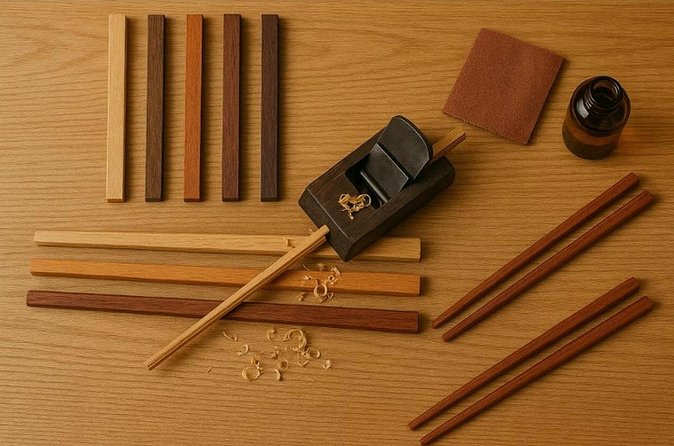
After the rough shaping, you smooth the surfaces and edges with sandpaper. This step removes rough spots and makes the chopsticks more pleasant to hold.
The sanding stage also lets you correct small uneven areas from the hand-plane work. The aim is not a factory-perfect object. It is a pair shaped by you, with the natural look of wood still visible.
I like this part because it changes the feel of the item. The chopsticks move from rough blanks to something that feels ready for the table. You get a clear sense of progress without needing special skill.
The class is only about an hour, so the instructor keeps the process moving. That is good for a packed Kyoto schedule, but it can also create the production-line feeling noted by one participant. You may have limited time to fuss over every millimeter. If you tend to work slowly, listen closely to the instructions and make the most of the shaping stage.
Same city, a completely different kind of day:
- PERFECT KYOTO 1-Day Bus Tour
★ 5.0 · 13,518 reviews - Kyoto: Fushimi Inari, Kinkakuji, Bamboo Grove 1 Day Bus Tour
★ 4.8 · 4,316 reviews - Kyoto: Tea Ceremony in a Traditional Tea House in Kiyomizu
★ 4.9 · 3,519 reviews - Kyoto Geisha Walking Tour: Gion District & Hidden Gems
★ 4.7 · 3,273 reviews
Natural oil gives the chopsticks a finished look
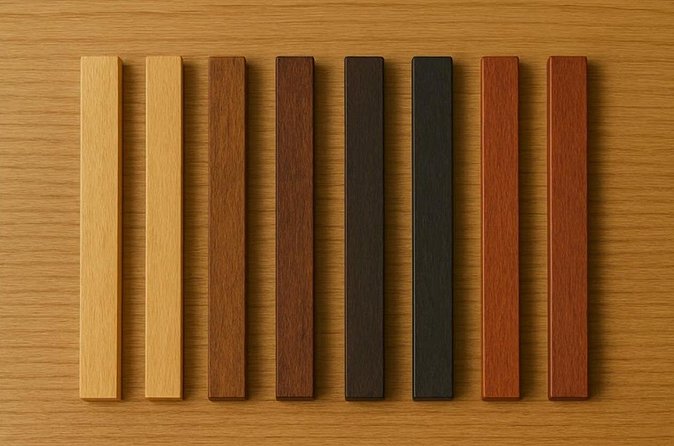
The last main craft step is applying natural oil. The oil protects the wood and brings out a softer, more polished appearance.
This is a small step, but it completes the transformation. The wood grain becomes easier to appreciate, and the chopsticks feel more like a finished household item than an unfinished craft project. It also explains why the activity makes a practical souvenir. You are not simply taking home two decorated sticks. You are making a functional pair through several stages.
The workshop presents this process in a clear order: choose the wood, plane the shape, sand the surface, and oil the result. That sequence helps beginners understand how a simple wooden object is prepared for use.
Engraving turns a useful souvenir into a personal one
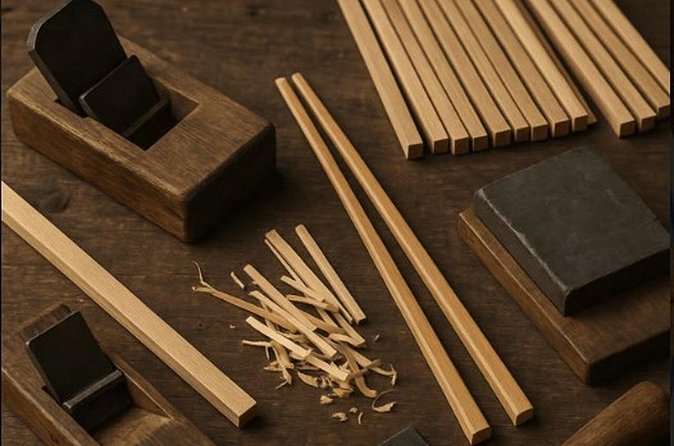
You can add optional engraving in Japanese or in your native language. A name or short personal mark makes the pair easier to identify and gives it a stronger connection to your time in Kyoto.
The engraving is an extra, so check the added cost when booking or at the workshop. It is not required to enjoy the main activity. If you are buying the experience as a gift, though, engraving may be worth considering. It gives the souvenir a clear personal purpose rather than leaving it as a generic pair of chopsticks.
Families especially may appreciate this part. Each person can make a pair and add a name, creating a small set of matching but individual keepsakes. The engraving process was described as a particularly neat part of the activity, and staff assist with the details.
What the one-hour format means for your day
The stated duration is approximately one hour. That makes this easy to fit into a morning or afternoon plan in Kyoto. You can combine it with time in Gion, though you should allow enough time to find the workshop on Yasaka Koji South and arrive ready to begin.
A one-hour class also keeps the price appealing. At $15.25 per person, the cost is modest for an organized cultural activity that includes materials and a finished object. Optional premium wood and engraving can raise the final amount, so the base price is best viewed as the entry point.
For the money, you are paying for three things: instruction, the hands-on use of a traditional tool, and a pair of chopsticks you can keep. That is stronger value than an activity where you only watch a demonstration. It is not the right pick if you want a long, slow artisan lesson, but it is a good fit for a compact Kyoto experience.
The group limit is 32 people. That is a fairly large maximum for a hands-on workshop. The English-speaking staff are available to help, but the feel may be less personal when the room is full. If you care most about individual attention, a quieter time may feel better than a busy session.
Who will enjoy this workshop most
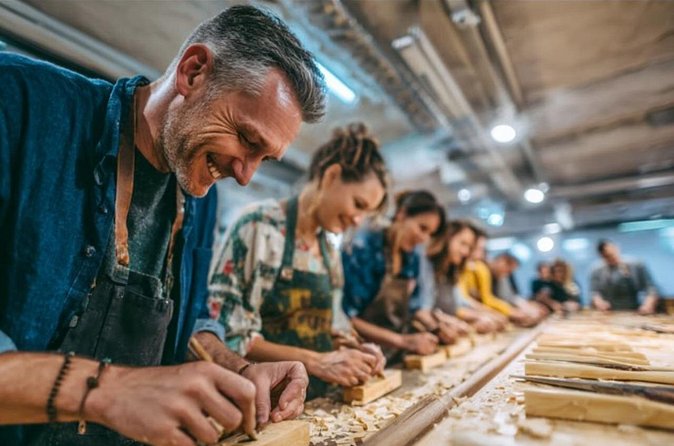
I would recommend this class to first-time makers, families, couples, and anyone looking for a souvenir with a story behind it. The tools are introduced patiently, and the steps are manageable even if you have never worked with wood.
It also suits people who want a break from temples and sightseeing. Kyoto can fill your day with visual experiences, while this gives you something tactile and calm. You can slow down for an hour, focus on the wood grain, and leave with a useful object.
Children may enjoy the visible progress from rough wood to finished chopsticks, though the provided information does not specify a minimum age. Since the workshop uses a hand plane, parents should rely on the instructor’s guidance and decide if the activity fits each child.
Food lovers may also find the finished pair more meaningful than a decorative souvenir. Chopsticks are used at home, so the object can remain part of your daily routine long after your Kyoto visit.
Who may want a different activity
This may not satisfy you if you want a highly private or deeply technical woodworking lesson. The maximum group size is 32, and the process is designed for quick, accessible results.
You may also feel disappointed if you have your heart set on one particular wood. Standard choices can vary by availability, and premium woods cost extra. Ask what is available before you commit to an upgrade.
Finally, the class focuses on making one pair. It does not appear to include a wider tour of Gion or a longer cultural lecture. Book it for the craft itself, not as a sightseeing tour.
Getting there and planning the booking
The workshop is near public transportation, with the meeting point at ZEN Chopsticks Making Workshop, Yasaka Koji South, machi-71-13 Tamamizu, Higashiyama Ward, Kyoto, 605-0851, Japan. The activity ends back at that address.
You receive confirmation at the time of booking, and the ticket is mobile, so you can keep the booking on your phone. Free cancellation is available if you cancel at least 24 hours before the local start time. Cancellations or changes made within 24 hours are not accepted for a refund.
The experience is listed as suitable for most people, but no detailed accessibility information is provided. If you need a specific accommodation, contact the provider, Traveling Kyoto, before booking.
My take on the value
At $15.25, this is one of the easier Kyoto activities to justify. You get a guided craft session, use a traditional Japanese tool, and take home something functional. The price remains good even if you add engraving, provided you value the personal touch.
The strongest value is the balance between effort and result. You do enough work to feel involved, but the instructor keeps the process within reach for beginners. You are not expected to master woodworking in an hour, and you are not handed a finished item with only a token decoration to add.
The weaker point is consistency of choice and atmosphere. Wood stock may be limited, and a full group may make the workshop feel organized for efficiency rather than built around long personal conversations. Those are fair tradeoffs at this price and duration, but they matter if you want a quiet artisan studio experience.
Should you book the Gion chopsticks workshop?
Book it if you want a short, affordable Kyoto activity with a real hands-on element. It is especially good for families, first-time makers, and anyone who would rather bring home a useful souvenir than another decorative object.
Choose the optional engraving if you want a gift or keepsake with a clear personal link to Japan. Go in with flexible expectations about wood selection, and remember that a maximum group of 32 can affect how much one-on-one help you receive.
I would skip it only if you want advanced woodworking instruction, a private class, or a longer cultural program. For everyone else, the hour offers a pleasant change of pace in Gion and a pair of chopsticks that carry your own fingerprints, effort, and Kyoto memory.
FAQ
Where does the chopsticks workshop take place?
The workshop takes place at ZEN Chopsticks Making Workshop, Yasaka Koji South, machi-71-13 Tamamizu, Higashiyama Ward, Kyoto, 605-0851, Japan.
Where does the activity end?
The activity ends back at the meeting point.
How long does the workshop last?
The workshop lasts approximately one hour.
How much does the experience cost?
The listed price is $15.25 per person.
Is the workshop suitable for beginners?
Yes. The steps are taught clearly, and no woodworking experience is required.
What tool do I use to make the chopsticks?
You use a traditional kanna, or Japanese hand plane, to shape the wooden blanks.
Are materials included?
Two wood types are included at no extra cost. Premium woods may be available as an optional upgrade.
Can I engrave my chopsticks?
Yes. Optional engraving is available in Japanese or in your native language.
Is the workshop conducted in English?
English-speaking staff are available to guide and assist you during the activity.
Can I cancel for a full refund?
Yes, if you cancel at least 24 hours before the experience start time. Cancellations or changes made less than 24 hours before the start time are not accepted for a refund.
Just added around Kyoto
- Taste of Nishiki Market Walking Food Tour with Local guide★ 5.0 · 17 reviews
- Kyoto: Sushi Making Class with Sushi Chef★ 4.8 · 64 reviews
- Kyoto: City Secrets eBike Tour★ 4.9 · 196 reviews
- Sacred Pathways: Discover the Philosopher’s Path of Kyoto★ 4.9 · 20 reviews
- Private Tour to Monkey Park and Arashiyama Highlights★ 5.0 · 22 reviews
- Private Nara Tour from Osaka – Meet at Your Hotel★ 5.0 · 22 reviews
- Private Sake Tasting in Central Kyoto with Sake Sommelier★ 5.0 · 13 reviews
- Kyoto : Private Custom Walking Tour With A Local Guide★ 4.6 · 144 reviews
Workshops, compared.
Sushi Making Tokyo Roll and Authentic Japanese Sushi Class
Read our review →
Roll and Authentic Sushi Making Class in Asakusa
Read our review →
Ramen Cooking Class at Ramen Factory in Kyoto
Read our review →
Sushi Making Class in a Happi Coat near a Famous Spot
Read our review →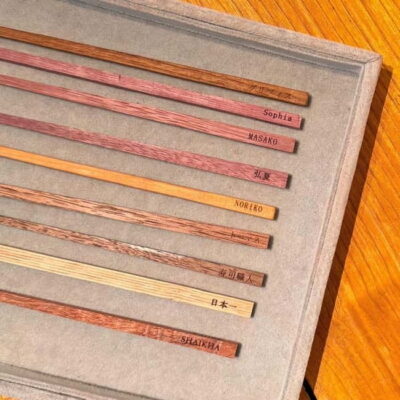
Sushi Making Osaka Roll and Authentic Japanese Sushi Class
Read our review →
Tokyo Sushi Making Class in Tsukiji with Professional Chef
Read our review →Browse the lists this tour appears in