
REVIEW · JAPANESE COOKING CLASSES
Sushi Making Tokyo Roll and Authentic Japanese Sushi Class
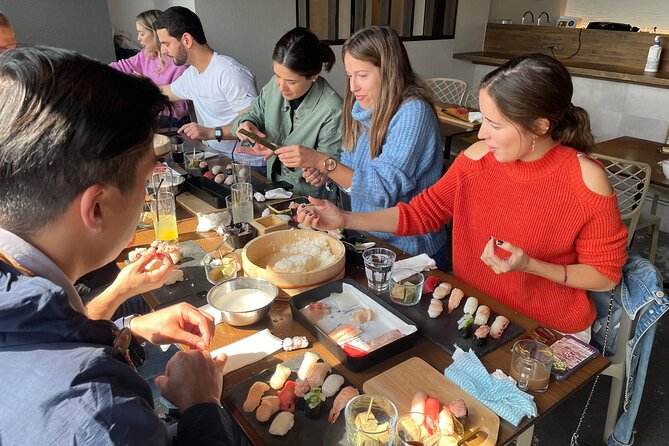
Tokyo’s sushi counters can feel intimidating, but this hands-on class near Senso-ji Temple makes the craft approachable. You’ll learn to prepare maki rolls and nigiri, then eat your own work for lunch. Instructors such as Moe, Kazu, Ken, and Arisa guide the class in clear English, with demonstrations and table-side help.
I like the useful home-cooking tips and the generous meal included in the $59.69 price. I also like the location: you can pair the class with Asakusa’s famous temple and old Tokyo streets without losing half a day in transit.
The main consideration is that this is a friendly class for visitors, not a professional sushi apprenticeship. The teaching is clear and entertaining, but one description of the experience called it fairly western and tourist-oriented rather than deeply traditional.
In This Review
- What makes this class worth your time
- Starting near Kaminarimon in Asakusa
- A friendly introduction to sushi culture
- Rolling maki without the usual frustration
- Shaping nigiri by hand
- Sitting down to eat your own lunch
- Why the family appeal is real
- English instruction and the teaching style
- How authentic is the experience?
- Group size, timing, and value at $59.69
- Who should book this Asakusa class?
- Should you book it?
- FAQ
- How long does the sushi class last?
- Where does the experience begin?
- Where does the class end?
- Is the instructor’s teaching in English?
- Do I need cooking experience?
- Is the meal included?
- Can I cancel for a full refund?
What makes this class worth your time
- Make both maki and nigiri: You practice rolled sushi and hand-formed sushi, not just one basic recipe.
- Eat a proper lunch: The ingredients supplied are enough to make a substantial meal.
- Learn in English: Clear demonstrations, slides or video material, and personal help keep the process manageable.
- Stay in Asakusa: The meeting point is a short walk from Senso-ji Temple, making this easy to fit into a sightseeing day.
- Bring the family: Children as young as six have taken part, with instructors adjusting the pace for mixed-age groups.
- Get practical kitchen advice: The goal is not only to make sushi during class, but to make it less daunting at home.
Starting near Kaminarimon in Asakusa
The class begins at 2-chōme-17-9 Kaminarimon, Taito City, Tokyo 111-0034. This puts you in Asakusa, one of the best parts of Tokyo for a first visit, with Senso-ji Temple close by and public transportation nearby.
Give yourself extra time to find the exact entrance. The meeting point can be a little tricky to spot, so arriving about 15 minutes early is sensible. That buffer matters in Asakusa, where busy streets, temple crowds, and small lanes can make a short walk take longer than expected.
There is no hotel pickup or drop-off. You make your own way to the class and return to the same meeting point when it ends. That is a minor drawback for anyone staying far from Asakusa, but it also gives you freedom to build the class into your own day.
I would schedule it before or after Senso-ji rather than treating it as a separate cross-town activity. You can visit the temple, browse the nearby streets, and then sit down for a meal you have prepared yourself.
More Japanese Cooking Classes in Tokyo
- Tokyo: Roll and Authentic Sushi Making Class in Asakusa
★ 4.9 · 1,957 reviews - Tokyo: Sushi Making Class in a Happi Coat near a Famous Spot
★ 4.9 · 1,377 reviews - Tokyo Sushi Making Class in Tsukiji with Professional Chef
★ 5.0 · 1,177 reviews
A friendly introduction to sushi culture
The class begins with more than a quick recipe demonstration. Your instructor explains some of the history and culture behind sushi, along with useful Japanese words you can use during the rest of your visit.
That opening gives the food some context. Sushi is not simply rice, fish, and seaweed thrown together. The balance of rice, fillings, shape, and presentation matters, and a short introduction helps you understand why the techniques are handled in a particular way.
The teaching style is designed for people who may have never made sushi before. Instructors explain each stage, demonstrate it visually, and then let you try. Some sessions use video or PowerPoint material along with instruction at the table.
The English is a major help. You are not left trying to copy a fast demonstration while missing half the explanation. The instructors are described as energetic, patient, and personable, which is especially useful when the rice sticks to your hands or your first roll comes out looking more like a sushi cushion than a neat cylinder.
Rolling maki without the usual frustration
Maki rolls are usually the first technique that feels familiar to beginners. You place ingredients on seaweed and rice, roll the package, and cut it into pieces. The basic idea sounds easy, but getting the pressure right takes practice.
This is where the class earns its keep. You receive step-by-step guidance rather than a recipe sheet and a polite wish of good luck. The teacher demonstrates the movement, then watches as you attempt it and offers corrections.
You learn the practical details that make a difference at home: how to spread rice, where to place fillings, and how firmly to roll. These small points are easy to miss when watching a short online video.
The class also removes the pressure to make perfect sushi. Your first roll does not need to belong in a shop window. You are learning a useful skill, sharing the process with the people at your table, and ending with food you can eat.
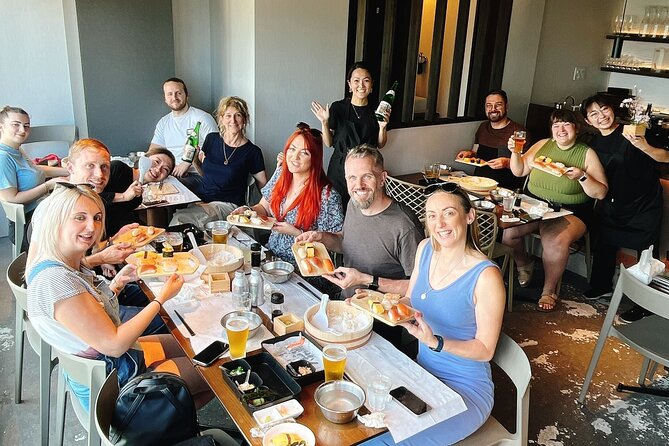
That social side is part of the appeal. Couples, families, and mixed groups can work alongside one another, compare rolls, and help create a relaxed mood. It is an activity with a clear result, unlike a sightseeing stop that may blur together after a long day of temples and department stores.
Shaping nigiri by hand
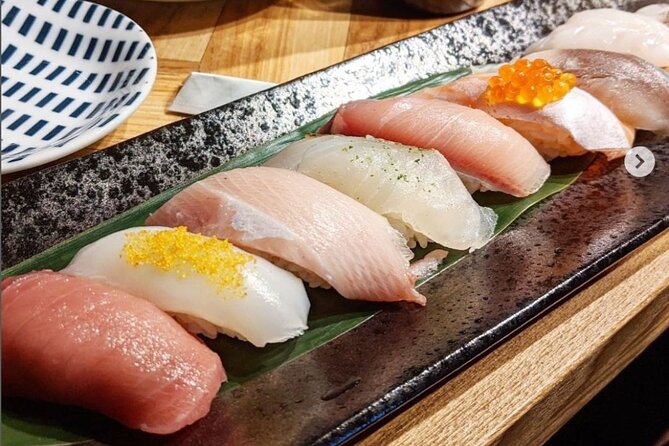
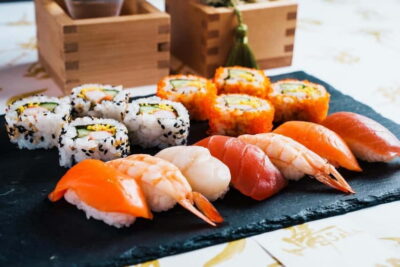
Nigiri gives you a different challenge. Instead of rolling the ingredients inside seaweed, you shape rice by hand and place fish or another topping over it.
The distinction between maki and nigiri makes the class more useful than a simple rolled-sushi demonstration. You see two basic forms of sushi and learn that the shape and proportion of the rice matter as much as the topping.
Instructors demonstrate the process slowly, then provide individual help. That personal attention is important because nigiri can look simple while requiring a light touch. Press too hard and the rice becomes dense. Handle it too loosely and it falls apart.
The class is not presented as training for a sushi restaurant. You are learning approachable techniques you can repeat at home. That is the right level for most people booking a short food activity during a Tokyo holiday.
Several sessions have included fresh fish and good-quality rice, and the meal is supplied as part of the class. Still, the exact ingredients can vary, so you should not book this expecting a particular fish or an advanced chef’s menu.
Same city, a completely different kind of day:
- Mt Fuji and Hakone 1-Day Bus Tour Return by Bullet Train
★ 5.0 · 26,383 reviews - 1-Day Tokyo Bus Tour
★ 5.0 · 14,250 reviews - Tokyo: TOKYO SKYTREE® Admission ticket
★ 4.5 · 11,192 reviews - Tokyo: teamLab Planets TOKYO Digital Art Museum Entry Ticket
★ 4.6 · 9,779 reviews
Sitting down to eat your own lunch
After the preparation, you sit down and eat what you made. This is the payoff, and it is more substantial than a token taste.
The ingredients provided are described as plentiful enough for a full lunch. That helps the value of the experience, since you are paying for instruction and a meal rather than adding another restaurant bill immediately afterward.
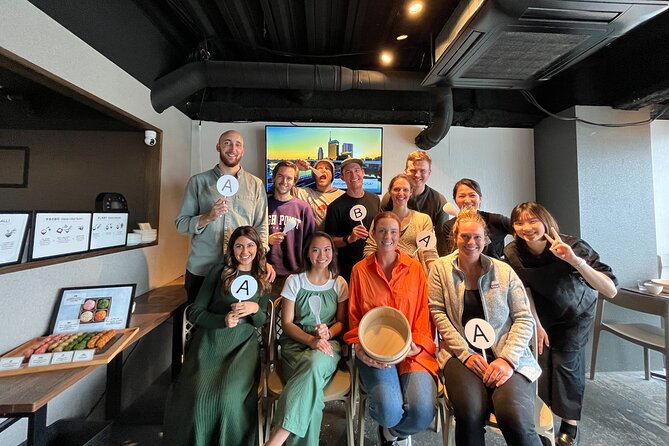
There is also a small psychological reward in eating your own work. A crooked roll tastes better when you made it, or at least it gives you a story to tell over lunch. The class ends with photos and a shared meal, so you leave with both a practical skill and a clear memory of the activity.
A sake flight may be available as an added option in some bookings. It is not included in the stated price, so check the booking details if you want that pairing. For families, skipping the sake keeps the focus on the food and makes the class easier to enjoy with children.
Why the family appeal is real
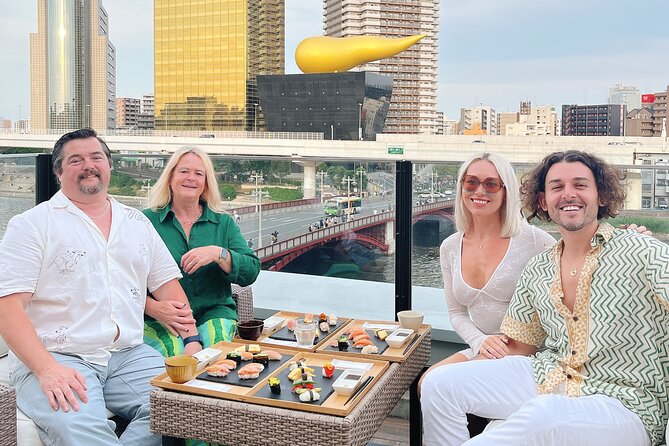
This is one of the better food activities for families in Tokyo. Children around six, eight, ten, and thirteen have taken part, and the instructors have adjusted the pace for families with young children.
The work is active without being physically demanding. You handle ingredients, copy demonstrations, and assemble the meal. Children get a clear job to do, which is often more successful than asking them to sit quietly through another cultural talk.
The class also works for teenagers and adults who do not cook much. Instructions are broken into manageable steps, and the teacher helps when a technique feels awkward. Picky eaters may also find the meal approachable, though sushi preferences vary from person to person.
You should still consider your group’s comfort with raw fish. The class includes authentic nigiri and has been praised for the quality of its fish, but the supplied information does not promise a particular range of cooked or vegetarian alternatives. If anyone in your party avoids fish, confirm the available ingredients before booking.
English instruction and the teaching style
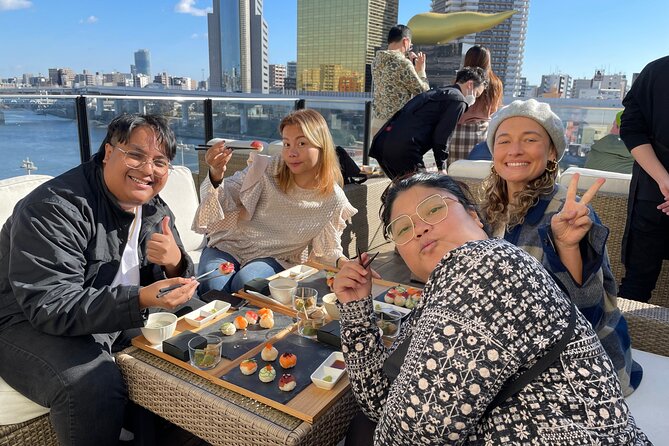
The instructors are English-speaking, and clear communication is one of the strongest parts of the activity. You can ask questions, hear the cultural explanations, and receive corrections without relying only on gestures.
Different classes may be led by different teachers. Names associated with the experience include Moe, Kazu, Ken, Arisa, Jun, Kaori, Kyuto, and Kazu. The consistent theme is a lively, welcoming teaching style, with instructors using demonstrations, visual material, and hands-on support.
The class has also received the TripAdvisor Best of the Best award twice. That is a useful sign of sustained popularity, though it should not replace your own judgment about the format. The activity is built for a broad international audience, so the tone is upbeat and accessible rather than formal or highly technical.
One useful phrase from the teaching style is the playful hoi, hoi, hoi encouragement used by one instructor. Small touches like this keep the room light, especially when a group is trying to shape its first pieces of nigiri.
How authentic is the experience?
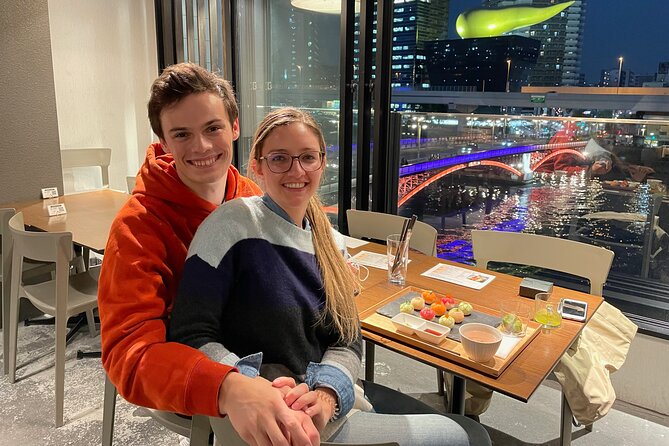
The class teaches real sushi forms and includes cultural background, so it offers more than a generic cooking demonstration. You make maki and nigiri, handle the ingredients yourself, and learn techniques that can be repeated at home.
At the same time, you should understand the word authentic in context. This is an English-language visitor activity with a short schedule, visual teaching aids, and a welcoming group format. It is not designed to replicate years of apprenticeship under a sushi master.
That is not a flaw for most people. In fact, the accessible format is why the class suits families, couples, and first-time cooks. You get a practical introduction without needing specialist knowledge or Japanese language skills.
If your goal is to study knife work, fish selection, rice seasoning, or restaurant-level presentation in depth, this class will probably feel too basic. If your goal is to understand the fundamentals, enjoy a good lunch, and take home a few useful ideas, it hits the mark.
Group size, timing, and value at $59.69
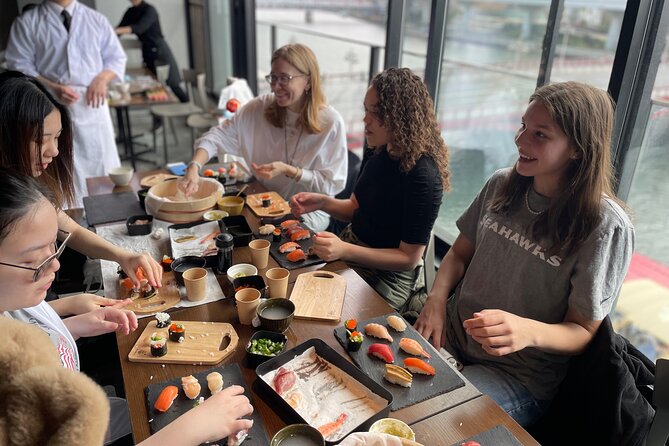
The class lasts about 1 hour and 40 minutes and allows up to 30 participants. That maximum is worth noting. A group of 30 is not the same as a private lesson, although the instructors provide hands-on help and some sessions may feel smaller in practice.
At $59.69 per person, the price is fair when you count the ingredients, instruction, cultural introduction, and meal. You are also paying for a central location and an activity that fills less than two hours, leaving plenty of time for Asakusa sightseeing.
The value is strongest for families and couples who want a shared activity rather than another meal at a counter. It is also useful on a rainy day or when you want a break from walking.
For solo visitors, the class can provide an easy social setting, but the group format may not appeal if you prefer quiet, private instruction. The price is less compelling for someone who already makes sushi regularly and wants advanced training.
You receive a mobile ticket, and confirmation comes at booking. Free cancellation is available up to 24 hours before the start time for a full refund. Changes or cancellations inside that window are not accepted, so keep the local cut-off time in mind when planning a busy Tokyo itinerary.
Who should book this Asakusa class?
I would recommend it most strongly to:
- First-time sushi makers who want clear instruction
- Families with children who enjoy practical activities
- Couples looking for a shared Tokyo memory
- Food lovers who want cultural context with lunch
- Visitors staying near Asakusa or already planning to see Senso-ji
- People who want to make sushi at home after returning
I would be more cautious if you want advanced culinary training, a private chef-led lesson, or a guaranteed menu of specific fish. The class is friendly and useful, but it is intentionally broad and beginner-focused.
Service animals are allowed, and the venue is near public transportation. The maximum group size is 30, so anyone needing a quieter or more tailored setting should check the arrangements before paying.
Should you book it?
Book this sushi class if you want to do more than photograph food in Tokyo. For $59.69, you get instruction, cultural background, ingredients, and a full meal in a convenient Asakusa location.
The strongest reason to choose it is the combination of hands-on learning and immediate lunch. You leave knowing how maki and nigiri are made, not just how they look on a plate. The class is especially well suited to families, couples, and beginners.
Skip it if your schedule is already packed, you dislike group activities, or you are seeking serious professional-level sushi training. For most visitors with 1 hour and 40 minutes to spare near Senso-ji, though, this is a practical, tasty addition to a Tokyo day.
FAQ
How long does the sushi class last?
The class lasts approximately 1 hour and 40 minutes.
Where does the experience begin?
It begins at 2-chōme-17-9 Kaminarimon, Taito City, Tokyo 111-0034, Japan, near Senso-ji Temple in Asakusa.
Where does the class end?
The activity ends back at the meeting point.
Is the instructor’s teaching in English?
Yes. An English-speaking instructor leads the class and provides explanations and hands-on guidance.
Do I need cooking experience?
No. The class is designed for beginners, and no previous cooking experience is required.
Is the meal included?
Yes. The ingredients used in the cooking class and the meal are included in the price.
Can I cancel for a full refund?
Yes. You can cancel at least 24 hours before the local start time for a full refund. Cancellations or changes made less than 24 hours before the start time are not refunded or accepted.
More Workshops in Tokyo
- Tokyo Shinjuku Chopsticks Making Class
★ 5.0 · 1,763 reviews - Chopstick Making Workshop in Ginza
★ 4.8 · 1,366 reviews - Ramen & Gyoza Cooking Class in Tokyo with Local Supermarket Visit
★ 5.0 · 823 reviews - Matcha Making Class in Tokyo with Authentic Japanese Sweets Set
★ 5.0 · 744 reviews
Just added around Tokyo
- Tokyo: Customizable Private Guided Walking Tour★ 4.5 · 129 reviews
- Private Harajuku Omotesando Architecture Tour★ 4.9 · 18 reviews
- Tokyo: Guided Helicopter Ride★ 4.9 · 24 reviews
- Tokyo: Guided Walking Tour of Tsukiji Market with Lunch★ 4.4 · 24 reviews
- Tokyo: Private Personalized Local Food Tour★ 4.5 · 101 reviews
- Tokyo GINZA: KONPARU Japanese Cabaret Show with Drink★ 4.8 · 38 reviews
- Tokyo: Guided Walking Tour of Tsukiji Market with Breakfast★ 4.4 · 134 reviews
- Tokyo: Gotokuji Cat Temple, Shinjuku Cat Cafe & 3D Cat Tour★ 4.9 · 38 reviews
Japanese Cooking Classes, compared.
Roll and Authentic Sushi Making Class in Asakusa
Read our review →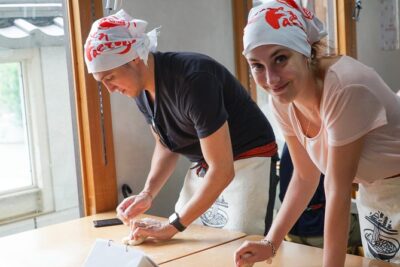
Ramen Cooking Class at Ramen Factory in Kyoto
Read our review →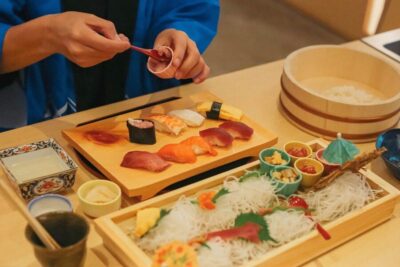
Sushi Making Class in a Happi Coat near a Famous Spot
Read our review →
Sushi Making Osaka Roll and Authentic Japanese Sushi Class
Read our review →
Tokyo Sushi Making Class in Tsukiji with Professional Chef
Read our review →
Ramen & Gyoza Cooking Class in Tokyo with Local Supermarket Visit
Read our review →
Tsukiji Fish Market Guided Tour and Sushi Making with Pro Chef
Read our review →
Sushi Making in Kyoto! Same-day bookings welcome!
Read our review →Browse the lists this tour appears in