
REVIEW · WORKSHOPS
Tokyo Shinjuku Chopsticks Making Class
Turning two plain wooden sticks into something you can use at home is the heart of this hands-on Tokyo experience. You shave, smooth, and oil the wood with a traditional Japanese kanna, a small hand plane, rather than simply watching a craft demonstration.
I like the clear, beginner-friendly process and the chance to choose wood by color, scent, and grain. I also like that children, grandparents, and first-time woodworkers can take part together. The main caution is that busy sessions can feel rushed, and premium wood and engraving cost extra.
- Use a traditional kanna: Shape raw wood by hand instead of buying a ready-made souvenir.
- Choose your timber: Two wood types are included, with premium options available for an added fee.
- Leave with a useful keepsake: Your finished chopsticks are personal, practical, and easy to pack.
- Expect strong English support: Instructors including Masa, Tom, Yuki, Nana, Sayaka, Ken, and others help explain the steps.
- Allow for optional costs: Engraving is an extra charge, and some premium woods cost more.
- Watch the timing: The one-hour format works best when the room is not overly crowded.
In This Review
- Why Making Chopsticks Feels More Personal Than Buying Them
- The Shinjuku Meeting Point and Your First Few Minutes
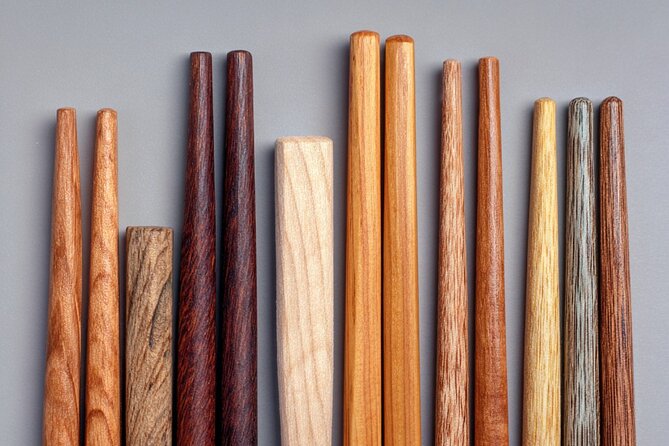
- Choosing Wood by Grain, Color, and Scent
- Learning the Kanna Without Previous Woodworking Skills
- Smoothing, Oiling, and Seeing the Pair Take Shape
- Engraving for a More Permanent Tokyo Souvenir
- Staff Help Makes the Difference
- Who Will Enjoy This One-Hour Workshop
- Is $20 Good Value in Tokyo?
- Booking, Cancellation, and Practical Details
- Should You Book the Shinjuku Chopsticks Class?
- FAQ
- Where does the chopsticks-making activity begin?
- Where does the activity end?
- How long does the workshop last?
- How much does the experience cost?
- Do I need woodworking experience?
- What tool do I use to make the chopsticks?
- Are different types of wood available?
- Can I have the chopsticks engraved?
- How many people can join the activity?
Why Making Chopsticks Feels More Personal Than Buying Them
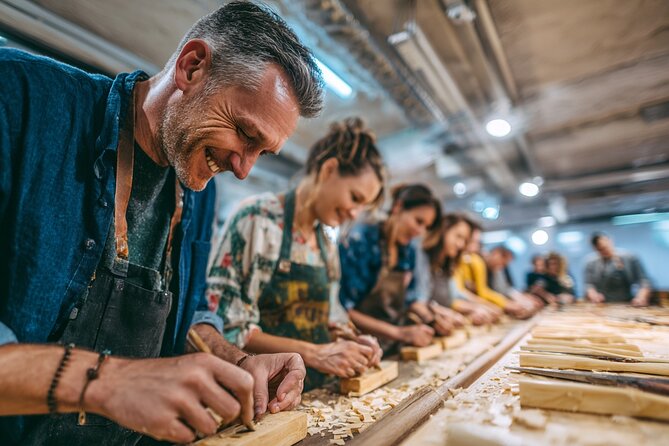
Tokyo has no shortage of souvenirs, but many are mass-produced and quickly forgotten. Here, you start with rough wooden sticks and make the object yourself. That small change matters. You notice the grain, feel how much pressure the tool needs, and see every uneven patch become smoother.
The basic method is simple. You use the kanna to shave the surface, then sand and oil the chopsticks. The result does not need to look like it came from a factory. Small differences between the two sticks are part of the point. They show that your hands made them.
I like this activity because it gives you a quiet break from city sightseeing without asking you to sit through a long lecture. You spend about an hour working at your own station, with staff nearby to guide you when the wood or tool gives you trouble.
It also makes a good family activity. People from ages 10 to 84 have taken part together, and the work can be adjusted to suit different levels of strength and patience. Children may need closer help, while anyone with woodworking experience may find the shaping more satisfying than expected.
The Shinjuku Meeting Point and Your First Few Minutes
The workshop begins at 7-chōme-4-5 Nishishinjuku, Shinjuku City, Tokyo 160-0023. The activity ends at the same meeting point, so you do not need to plan a separate return journey.
The location is near public transportation, but check the address carefully before setting out. One poor experience involved confusion over directions and several possible locations, so I would not rely on a vague map pin alone. Use the exact meeting-point address in your booking details and allow a little extra time to find the room.
Once inside, you choose a workstation and receive an introduction to the tools and process. The setup has several tables with multiple stations, allowing family groups to sit together when space permits. The maximum group size is 32 people, so the room can feel active during popular periods.
That number is worth noting. A full session may offer plenty of staff, but each instructor can only help one person at a time. If you want more attention while learning the kanna, an off-peak time is a sensible choice. Midday sessions have been described as hectic, with fewer instructors available for individual help.
A few more Tokyo trips to weigh up
- Sushi Making Tokyo Roll and Authentic Japanese Sushi Class
★ 5.0 · 3,971 reviews - Tokyo: Roll and Authentic Sushi Making Class in Asakusa
★ 4.9 · 1,957 reviews - Tokyo: Sushi Making Class in a Happi Coat near a Famous Spot
★ 4.9 · 1,377 reviews
Choosing Wood by Grain, Color, and Scent
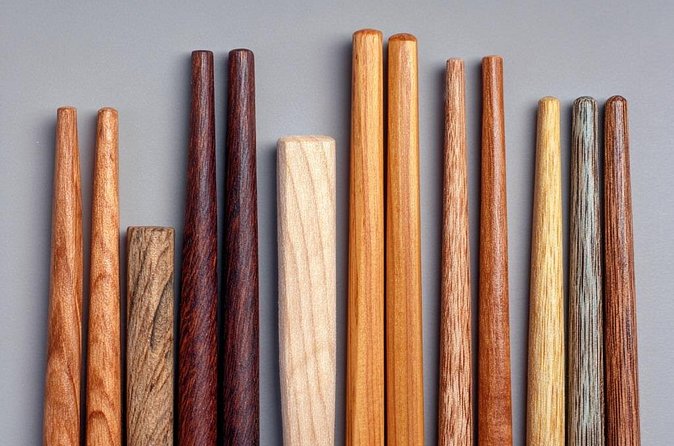
Before shaping begins, you choose the wood for your pair. Two varieties are included in the base price. Premium woods are available for an additional charge, offering different textures, scents, and colors.
This is one of the more appealing parts of the workshop because the wood affects both the look and the work itself. A harder piece can require more muscle and patience. One participant with woodworking experience found that some woods were noticeably harder to shape, so do not assume that the prettiest option will be the easiest.
The extra-cost selection needs a clear-eyed look. The $20 starting price is fair for a guided craft session and a finished souvenir, but the total can rise once you add premium timber and engraving. Several people felt that the upgrade prices were steep, especially because the included woods already make attractive chopsticks.
You do not need to pay more to get the main experience. The core pleasure comes from learning the technique and shaping the wood. Choose a premium type only if its color or grain matters to you, not because you feel pressured to upgrade.
Learning the Kanna Without Previous Woodworking Skills
The kanna is the star of the activity. It is a traditional Japanese hand plane, small enough for a beginner to hold, but it still requires care. You place the wood correctly, guide the tool along the surface, and learn to control the pressure.
The first pass may feel awkward. You may remove too little wood, catch the grain, or create a rough patch. That is normal. Staff members are there to correct your position and show you how to make a cleaner stroke. Masa, Tom, Yuki, Nana, Sayaka, Ken, and other instructors have been singled out for patience, clear English, and friendly help.
The process is practical rather than technical. You are not expected to understand Japanese woodworking before arriving. Staff explain how to shave, sand, and oil the chopsticks, and the instructions are designed for first-time makers.
Still, this is not effortless finger exercise. The shaping can require some strength, particularly with harder wood. A few people also found that the blades were not as sharp as they could be, which made the work slower. That may matter if you expect a quick, polished result with no physical effort.
I would treat the imperfect tools as part of the workshop’s mixed quality. Most of the time, patient guidance makes the process enjoyable. In a crowded session, though, waiting for help or working with a blunt blade can make the hour feel less relaxed.
Smoothing, Oiling, and Seeing the Pair Take Shape
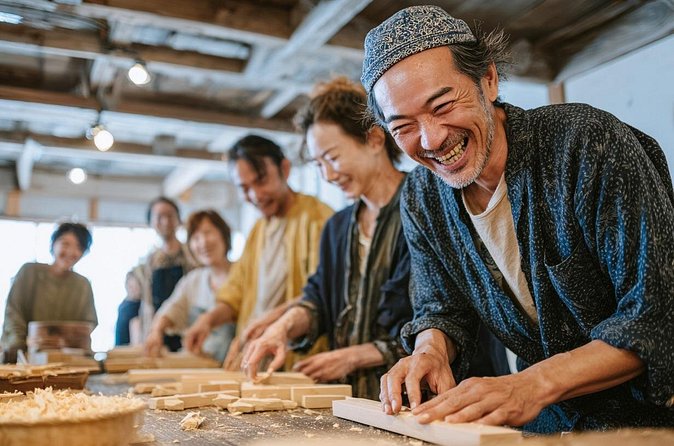
Once the rough shape is right, you move on to sanding. This is where the chopsticks begin to feel like finished objects rather than two pieces of stock. You work over rough edges and uneven sections until the surface is comfortable in your hand.
The sanding stage rewards patience. If you rush the early shaping, you will spend longer correcting it later. Staff can help you decide when the form is good enough to move on, which is useful if you are unsure how symmetrical the pair should be.
Oil gives the wood a finished look and brings out its natural color. The workshop explains the sequence from shaving to sanding to oiling, so you see how a basic piece of timber becomes a usable utensil.
The finished pair will be handmade, not machine-perfect. That is a benefit for some people and a drawback for others. If you want identical, flawless chopsticks, buy them in a shop. If you want a souvenir that records your own effort, small variations make it more meaningful.
Some makers also enjoy the wood shavings created along the way. They are an unexpected reminder of the process, especially for children. Ask the staff what you may keep before leaving, since the supplied information does not promise that every participant takes the shavings home.
Same city, a completely different kind of day:
- Mt Fuji and Hakone 1-Day Bus Tour Return by Bullet Train
★ 5.0 · 26,383 reviews - 1-Day Tokyo Bus Tour
★ 5.0 · 14,250 reviews - Tokyo: TOKYO SKYTREE® Admission ticket
★ 4.5 · 11,192 reviews - Tokyo: teamLab Planets TOKYO Digital Art Museum Entry Ticket
★ 4.6 · 9,779 reviews
Engraving for a More Permanent Tokyo Souvenir
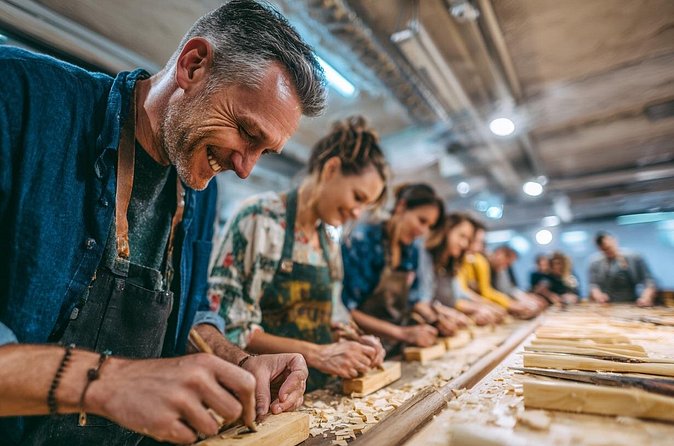
Optional engraving can add a name or personal mark to the chopsticks. It is a popular choice for people who want a gift or a stronger connection to the trip, but it is not included in the $20 price.
One reported engraving charge was 2,000 yen. That makes the upgrade worth considering before you arrive, particularly if you are making chopsticks for someone else. It also explains why the final cost may be higher than the advertised starting rate.
I would decide in advance if personalization matters to you. The chopsticks are already one-of-a-kind because you shaped them yourself. Engraving is a nice extra, not a requirement for a satisfying workshop.
Some people felt engraving should have been part of the base price. Others chose it happily for a lasting memory. Both reactions make sense. The important point is to treat it as an optional add-on rather than an assumed part of the experience.
Staff Help Makes the Difference
The strongest part of this activity is the personal guidance. Staff members are described as friendly, patient, and able to explain the process well in English. That matters when a small change in hand position can determine whether the kanna glides or catches.
Masa helped one maker recover after a poor first attempt. Other names connected with especially positive sessions include Tom, Yuki, Nana, Sayaka, Ken, Mimi, Yin, Mauro, Kiwa, and Katana. The exact instructor you meet will depend on the session, but the workshop has several people who can step in when you need help.
The quality of assistance may vary when the room is full. One busy session involved limited instruction, while another felt organized and well supported, with helpers checking workstations and answering questions. This is the main reason I would avoid the busiest time if your schedule allows.
The workshop does not require prior skill, but it does reward asking questions. If your first stick goes wrong, tell the instructor instead of quietly forcing ahead. Staff have allowed people to try again, and that kind of help can turn frustration into the best part of the hour.
Who Will Enjoy This One-Hour Workshop
This is a good fit for you if you want:
- A short activity between major Tokyo sights
- A practical souvenir rather than a decorative trinket
- A family project that different generations can share
- A first taste of Japanese woodworking
- Friendly English guidance
- A creative indoor activity in Shinjuku
It suits couples, solo visitors, families, and small groups. The one-hour length is easy to fit into a busy Tokyo schedule, and the mobile ticket makes booking and arrival simple.
It may not suit you if you dislike paying extra for upgrades, want a quiet private lesson, or have difficulty using hand tools. The maximum group size is 32, and a full room may reduce the amount of one-to-one help.
The physical effort is modest but real. You do not need workshop experience, yet shaping harder wood takes pressure and repetition. Younger children may enjoy the activity but need close adult support with the tools.
Is $20 Good Value in Tokyo?
At about $20 per person, the base price is reasonable for a guided, hands-on activity that leaves you with something usable. You are paying for the instruction, materials, tools, and the time spent helping you complete the pair, not just for the wood.
The value becomes less clear when you add premium timber and engraving. Some participants considered the total expensive, especially when higher-grade woods and personalization were presented as tempting extras. If you want to keep the cost controlled, choose one of the two included woods and skip engraving.
The souvenir also has more value if you will actually use it. These are not merely decorative sticks. They can become part of your kitchen at home and bring back a specific memory of Tokyo each time you use them.
For a family, the price can compare well with other paid activities because everyone works on the same project. For a solo maker who only wants inexpensive chopsticks, a shop purchase will cost less. The workshop earns its price through the making, not through the retail value of the final object.
Booking, Cancellation, and Practical Details
You receive confirmation at booking, and the experience accepts a mobile ticket. Service animals are allowed, and the meeting point is near public transportation.
Free cancellation is available if you cancel at least 24 hours before the local start time. Changes or cancellations inside that 24-hour window are not accepted and do not receive a refund, so check your Tokyo plans before committing.
Because the activity returns to its starting point, it is easy to pair with nearby Shinjuku sightseeing. Keep your schedule flexible enough to allow for the full hour, plus time to find the address. If you arrive early, staff may be able to seat you sooner when space is available, but that is not guaranteed.
Should You Book the Shinjuku Chopsticks Class?
I would book this workshop if you want a small, useful souvenir made by your own hands. The staff support, simple process, and family-friendly format make it one of the easier craft activities to recommend to first-time makers.
Book with realistic expectations. You may need some muscle, your chopsticks may not come out perfectly matched, and a busy session can feel hectic. Premium wood and engraving also require a larger budget than the advertised starting price.
Choose an included wood, arrive with the exact Nishishinjuku address ready, and avoid the busiest time if possible. With those points in mind, this is a memorable one-hour pause from Tokyo’s fast pace, and the finished chopsticks carry something a store-bought souvenir cannot: visible evidence that you made them.
FAQ
Where does the chopsticks-making activity begin?
It begins at 7-chōme-4-5 Nishishinjuku, Shinjuku City, Tokyo 160-0023, Japan.
Where does the activity end?
The activity ends back at the meeting point.
How long does the workshop last?
The experience lasts approximately one hour.
How much does the experience cost?
The listed price is $20 per person.
Do I need woodworking experience?
No. The workshop is designed for beginners, and no prior woodworking skills are required.
What tool do I use to make the chopsticks?
You use a traditional Japanese kanna, which is a small hand plane, to shape the raw wood.
Are different types of wood available?
Yes. Two wood types are included, and premium woods are available for an additional charge.
Can I have the chopsticks engraved?
Yes. Engraving is available for an additional fee. One stated price for engraving is 2,000 yen.
How many people can join the activity?
The maximum group size is 32 people.
Just added around Tokyo
- Tokyo: Customizable Private Guided Walking Tour★ 4.5 · 129 reviews
- Private Harajuku Omotesando Architecture Tour★ 4.9 · 18 reviews
- Tokyo: Guided Helicopter Ride★ 4.9 · 24 reviews
- Tokyo: Guided Walking Tour of Tsukiji Market with Lunch★ 4.4 · 24 reviews
- Tokyo: Private Personalized Local Food Tour★ 4.5 · 101 reviews
- Tokyo GINZA: KONPARU Japanese Cabaret Show with Drink★ 4.8 · 38 reviews
- Tokyo: Guided Walking Tour of Tsukiji Market with Breakfast★ 4.4 · 134 reviews
- Tokyo: Gotokuji Cat Temple, Shinjuku Cat Cafe & 3D Cat Tour★ 4.9 · 38 reviews
Workshops, compared.
Sushi Making Tokyo Roll and Authentic Japanese Sushi Class
Read our review →
Roll and Authentic Sushi Making Class in Asakusa
Read our review →
Ramen Cooking Class at Ramen Factory in Kyoto
Read our review →
Sushi Making Class in a Happi Coat near a Famous Spot
Read our review →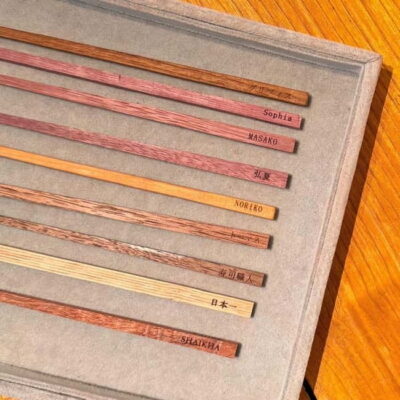
Sushi Making Osaka Roll and Authentic Japanese Sushi Class
Read our review →
Tokyo Sushi Making Class in Tsukiji with Professional Chef
Read our review →Browse the lists this tour appears in