
REVIEW · JAPANESE COOKING CLASSES
Sushi Making in Kyoto! Same-day bookings welcome!
The best part of this Kyoto class is simple: you make your own lunch, then sit down and eat it. In about 90 minutes, English-speaking instructors guide you through sushi culture, rice, nigiri, and rolls. It is a hands-on food lesson, not just a cooking demonstration.
I like the patient, playful teaching, especially for children and first-time sushi makers. I also like the location near Kawaramachi, where you can pair the class with shopping and sightseeing. The main drawback is finding the room inside the shopping center. Give yourself extra time, and do not rely on a quick glance at the street address.
In This Review
- Key points to know before booking
- What the 90-minute sushi class is really like
- Learning sushi without needing kitchen skills
- Nigiri and rolls: what you will prepare
- The instructors make this work for families
- Finding Sushi Master Kyoto Kawaramachi
- Is $53.72 a fair price?
- Sake, soda, and the meal afterward
- What the class does not cover in depth
- Best times and best people for this activity
- Booking details that matter
- Should you book the Kyoto sushi class?
- FAQ
- How long does the sushi-making experience last?
- What types of sushi will I make?
- Is the class taught in English?
- Are drinks included?
- Where does the class meet?
- Can I cancel for a full refund?
Key points to know before booking
- You make and eat your own sushi: The course focuses on nigiri and rolls, with the prepared food included as your meal.
- English instruction: Staff explain the process in English and provide hands-on help at each stage.
- Good for families: Children as young as six have enjoyed the activity, and the instructors give young participants plenty of attention.
- A small Kyoto location challenge: The room is inside College Town Shino-koji Building, up a staircase near the Skechers store.
- Sake costs extra: Soft drinks and alcohol can be ordered during the class, but drinks are not part of the listed price.
- Plan for 90 minutes: The class combines a short cultural introduction, sushi preparation, and time to eat.
What the 90-minute sushi class is really like
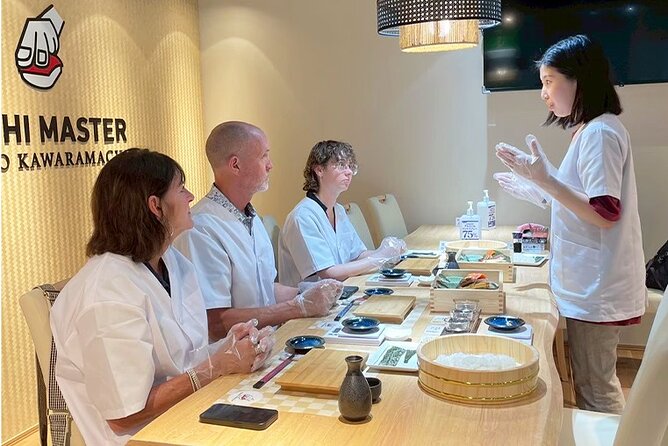
This is a compact introduction to sushi making in central Kyoto. You are not signing up for a chef-training course. You are signing up for a friendly, practical food activity where you learn enough technique to shape several pieces, understand the basics, and enjoy a proper snack or lunch at the end.
The class begins with a short explanation of sushi and Japanese food culture. You learn where sushi fits into Japanese cuisine and get an introduction to the different forms you may be preparing. This opening gives the activity some cultural context, though it remains brief.
Next comes the practical work. The advertised course includes nigiri and roll sushi, with 10 pieces listed for the standard course. Some class descriptions and participant accounts refer to three styles and 12 pieces, so the exact number and mix may vary. Ingredients can also change depending on availability.
The staff then show you how to handle the rice and shape the sushi. You work alongside the instructors rather than simply watching from a distance. That matters if you have never made sushi before. Rice can be sticky, rolls can be loose, and nigiri takes a little practice to hold together. The friendly assistance keeps the process light rather than stressful.
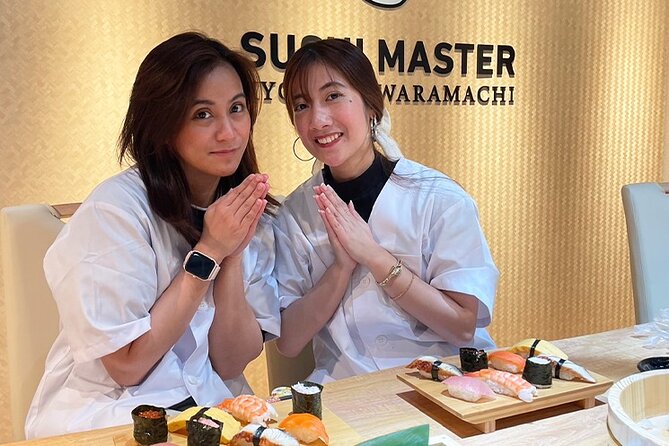
At the end, you eat what you made. This is both the reward and part of the lesson. You can see how your technique affected the final result, and you get a meal-sized portion rather than a token sample.
More Japanese Cooking Classes in Kyoto
- Ramen Cooking Class at Ramen Factory in Kyoto
★ 5.0 · 1,937 reviews - Kyoto: Ramen Cooking Class at a Ramen Factory with Souvenir
★ 4.9 · 532 reviews - Kyoto: Ramen, Gyoza, and Onigiri Cooking Class
★ 5.0 · 445 reviews
Learning sushi without needing kitchen skills
The course is designed for beginners, and that is where it works best. You do not need prior sushi experience or professional cooking skills. The instructors break the task into manageable steps and help you correct mistakes as you go.
You may learn how sushi is shaped, how rolls are assembled, and how different sushi types are handled. The experience places more emphasis on making and enjoying sushi than on advanced knife work or restaurant-level preparation.
One point deserves clear attention: the course information says you will learn how to make perfect sushi rice, but the practical detail reported by participants varies. One account wished for more instruction on preparing the rice and cutting fish. So if you want a serious lesson in rice seasoning, fish selection, filleting, or knife technique, this may feel light.
If your goal is to learn a few useful methods and have fun making lunch, the balance is better. You get an approachable introduction without committing to a long workshop.
Nigiri and rolls: what you will prepare
The core course combines nigiri and rolled sushi. Nigiri is the familiar hand-shaped form with rice beneath a topping. Rolls require a different motion, since you assemble ingredients and shape them together before cutting.
That contrast gives the short class some variety. You are not repeating one simple task for the entire session. You can practice both the careful shaping of individual pieces and the more physical work of rolling and slicing.
The exact ingredients depend on what is available that day. If you have allergies or follow a vegetarian diet, tell the operator in advance in the Special Requirements section when booking. Do not wait until you arrive, since substitutions depend on the kitchen’s ability to prepare them.
The completed sushi is included in the price. You do not need to find a restaurant afterward for a meal, although you may still want to plan dinner elsewhere if you have a large appetite.
The instructors make this work for families
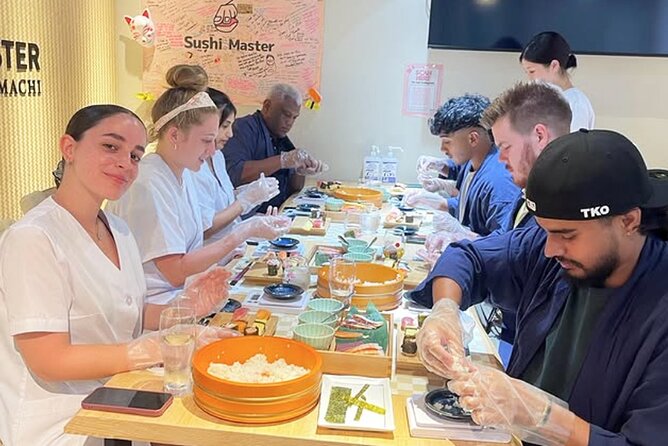
The teaching style is one of the strongest reasons to choose this activity. Instructors are English-speaking, friendly, and ready to help when a roll refuses to cooperate. Kioko and Rio are named in one account as particularly welcoming teachers, though staff assignments can change.
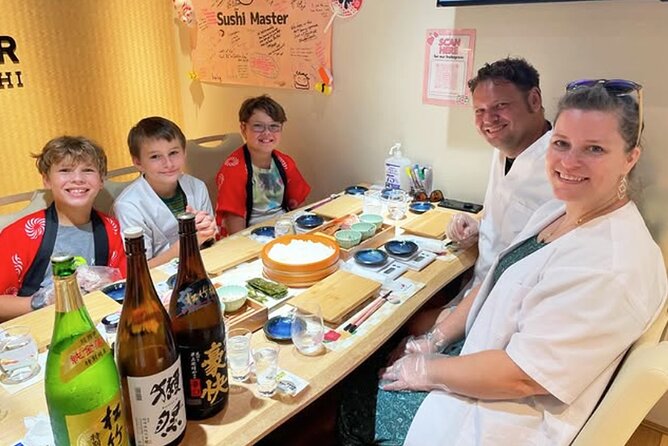
Families have a clear reason to consider this class. Children aged six, eight, nine, and eleven have taken part, with young participants receiving extra encouragement. The activity gives children something to do with their hands, and the final meal creates a clear goal.
The class can also suit couples and groups of friends. You work side by side, compare your sushi shapes, and share a light activity that does not require a full day or a long train ride.
There is a small catch for very young children: the class still involves food preparation and careful instruction. Parents should decide how much help their children need. The supplied information does not give a minimum age, so ask the provider if that matters for your family.
The maximum group size is 30 people. That is not a tiny private lesson, and the feel can depend on how full your session is. The teaching setup is intended to provide direct help, but you should not expect the quiet pace of a one-on-one class.
Same city, a completely different kind of day:
- PERFECT KYOTO 1-Day Bus Tour
★ 5.0 · 13,518 reviews - Kyoto: Fushimi Inari, Kinkakuji, Bamboo Grove 1 Day Bus Tour
★ 4.8 · 4,316 reviews - Kyoto: Tea Ceremony in a Traditional Tea House in Kiyomizu
★ 4.9 · 3,519 reviews - Kyoto Geisha Walking Tour: Gion District & Hidden Gems
★ 4.7 · 3,273 reviews
Finding Sushi Master Kyoto Kawaramachi
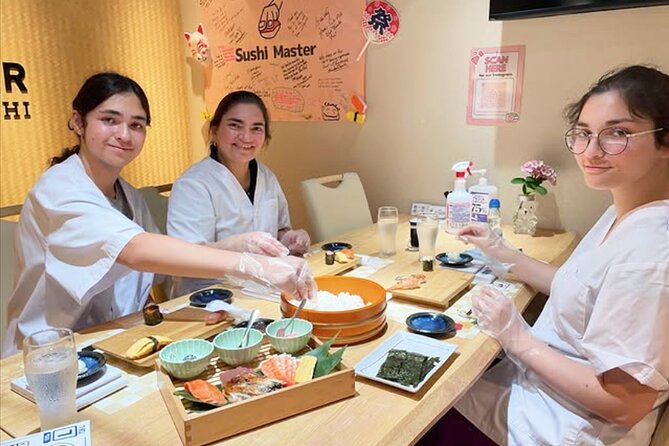
The location is convenient once you are inside the Kawaramachi area, but the address needs careful handling. The meeting point is:
Japan, 604-8035 Kyoto, Nakagyo Ward, Sakuranocho, 4071, College Town Shino-koji Building.
Search Google Maps for Sushi Master Kyoto Kawaramachi. That wording is more useful than trying to locate the building from the formal address alone.
The room is in a shopping center and can be easy to miss. One useful landmark is the Skechers store. The entrance is up the stairs beside the store, on the second floor. This is the detail I would save as a note or screenshot before leaving your hotel.
Allow extra time. A rushed search can spoil the start of an otherwise relaxed activity, and one poor experience came from spending about an hour trying to find the room. The meeting point is also the ending point, so you do not need to arrange a separate return transfer.
Is $53.72 a fair price?
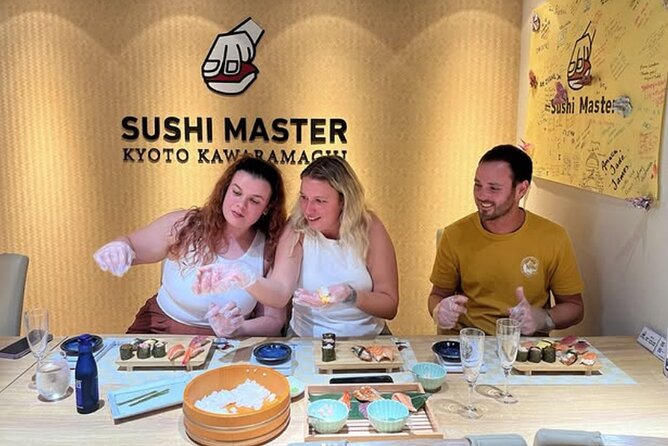
At $53.72 per person, the price is reasonable if you value the full package: instruction, ingredients, your sushi meal, English-speaking staff, and a small gift. You are paying for an activity as well as food, which makes the comparison different from simply buying sushi at a restaurant.
The strongest value comes from the short duration. You spend about an hour and a half, leaving plenty of time for other Kyoto plans. The central Kawaramachi location also helps. You can fit this into a day of shopping, sightseeing, or exploring the area without giving up an entire afternoon.
The included meal improves the deal. You make the sushi, then eat it, and several accounts describe the portion as suitable for lunch. The small parting gifts and a Sushi Master Certificate add a bit of fun, especially for children, though they should not be the main reason to book.
Drinks are extra. You can order soft drinks and alcohol during the class, including sake options and, according to one account, a flight or sampler. One caution is that drinks may feel expensive for the quality. If you are watching your budget, enjoy the included sushi and treat the drinks as optional.
Sake, soda, and the meal afterward
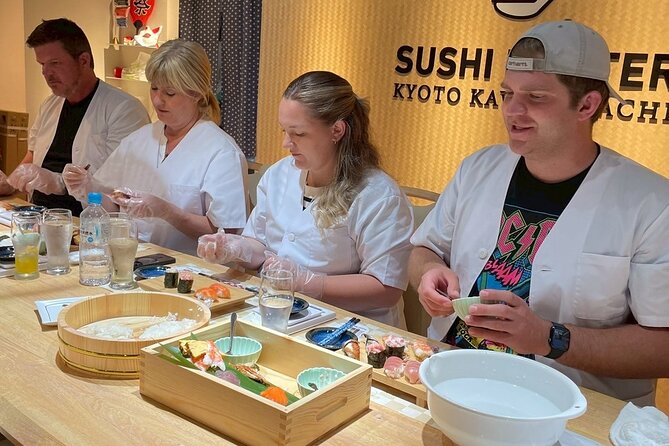
The class includes sushi you prepare, but no drinks. You can order soft drinks or alcohol on site. Families may enjoy Japanese soda with the marble inside, while adults may prefer sake with the meal.
Sake can add a pleasant Japanese touch, but it changes the final bill. The experience does not require you to order it, and the food portion remains the main value.
Eating your own work changes the mood of the class. You are not waiting for a chef to bring a finished plate while the activity ends. Instead, the final stage gives you time to look at the pieces you made and taste the result.
Expect the food to be fun rather than perfectly polished. Your first roll may be uneven. That is part of the appeal, especially if you are with children or friends. If you already make sushi at home or work as a cook, the class may feel more recreational than technical.
What the class does not cover in depth
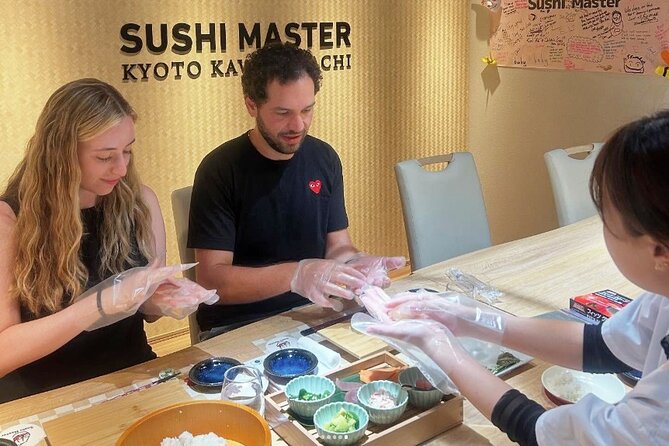
Keep your expectations in the right place. This is not a fish-market visit, a lesson in selecting tuna, or a full explanation of professional sushi preparation. You should not book it expecting extensive fish cutting or a detailed rice-making seminar.
The cultural introduction is also short. You get a useful overview of sushi and Japanese food culture, followed by the hands-on work. If your main interest is food history, you may want to add a separate food tour or museum visit to your Kyoto plans.
That said, the lighter format is useful during a busy trip. You learn the basic idea without spending several hours in a classroom. You also leave with a better sense of why sushi requires more care than simply placing ingredients on rice.
Best times and best people for this activity
This class is especially useful on a rainy day or during very hot weather. It provides an indoor break in central Kyoto and does not demand much walking once you reach the building.
I would recommend it for:
- Families with school-age children
- Couples seeking a shared food activity
- First-time sushi makers
- Visitors who want an English-language class
- Food lovers who want to eat lunch while learning
- Anyone with a free 90-minute gap near Kawaramachi
I would be more cautious if you are an experienced cook looking for advanced instruction. You may enjoy the social side and the chance to make several sushi types, but the class is built around fun and basic technique.
The activity also works well for a mixed group. One person can be fascinated by Japanese cuisine, another can simply enjoy the meal, and children can focus on the hands-on work. That broad appeal is a real strength.
Booking details that matter
Same-day bookings are welcome, subject to availability. Confirmation arrives at booking, and mobile tickets are accepted, which makes the experience easy to add to a Kyoto day.
Because the group can hold up to 30 people, popular time slots may fill. The current booking information notes that the experience had been booked four times that day, so I would not assume a same-day place is guaranteed.
Free cancellation is available if you cancel at least 24 hours before the local start time. Cancellations or changes made within 24 hours are not accepted for a refund. Keep that deadline in mind if your Kyoto schedule is still moving around.
Tell the operator about allergies or vegetarian needs in advance. Ingredients may vary, and the kitchen needs notice to prepare appropriately.
Should you book the Kyoto sushi class?
Book it if you want a short, friendly, hands-on activity with food at the end. The English instruction, patient staff, family-friendly pace, central location, and included sushi make it a good value for beginners.
You should skip it if you want advanced chef training, detailed fish preparation, or a long lesson on sushi rice. Also allow extra time to find the room, and treat sake or other drinks as optional extras.
For most families, couples, and first-time sushi makers, this is an easy activity to fit into a Kyoto itinerary. Save the map location, arrive early, and expect to laugh at a few imperfect rolls before eating them.
FAQ
How long does the sushi-making experience last?
The activity lasts about 90 minutes, including the introduction to sushi and Japanese food culture, hands-on preparation, and time to eat your creations.
What types of sushi will I make?
The listed course includes nigiri and rolls, with 10 pieces stated in the course details. Some sessions describe three sushi styles and 12 pieces, so the exact selection and amount may vary.
Is the class taught in English?
Yes. English-speaking instructors lead the activity and provide hands-on guidance.
Are drinks included?
No. Soft drinks and alcohol can be ordered during the class, but drinks are not included in the listed price. Sake flights or samplers may be available.
Where does the class meet?
Meet at College Town Shino-koji Building, 4071 Sakuranocho, Nakagyo Ward, Kyoto 604-8035. Search Google Maps for Sushi Master Kyoto Kawaramachi. The room is upstairs near the Skechers store.
Can I cancel for a full refund?
Yes, if you cancel at least 24 hours before the experience start time. Cancellations or changes made less than 24 hours in advance are not accepted for a refund.
Just added around Kyoto
- Taste of Nishiki Market Walking Food Tour with Local guide★ 5.0 · 17 reviews
- Kyoto: Sushi Making Class with Sushi Chef★ 4.8 · 64 reviews
- Kyoto: City Secrets eBike Tour★ 4.9 · 196 reviews
- Sacred Pathways: Discover the Philosopher’s Path of Kyoto★ 4.9 · 20 reviews
- Private Tour to Monkey Park and Arashiyama Highlights★ 5.0 · 22 reviews
- Private Nara Tour from Osaka – Meet at Your Hotel★ 5.0 · 22 reviews
- Private Sake Tasting in Central Kyoto with Sake Sommelier★ 5.0 · 13 reviews
- Kyoto : Private Custom Walking Tour With A Local Guide★ 4.6 · 144 reviews
Japanese Cooking Classes, compared.
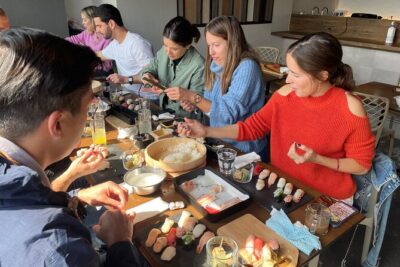
Sushi Making Tokyo Roll and Authentic Japanese Sushi Class
Read our review →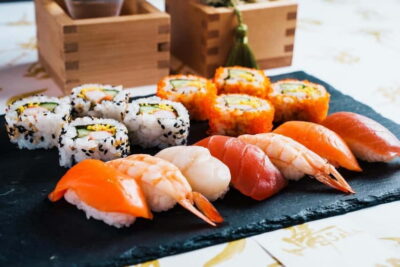
Roll and Authentic Sushi Making Class in Asakusa
Read our review →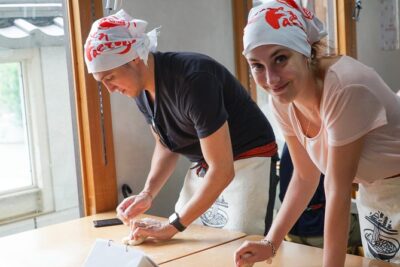
Ramen Cooking Class at Ramen Factory in Kyoto
Read our review →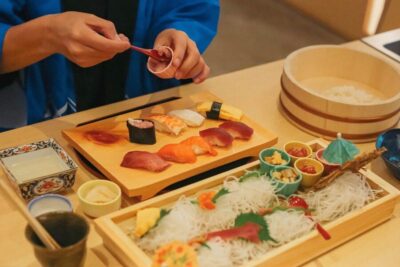
Sushi Making Class in a Happi Coat near a Famous Spot
Read our review →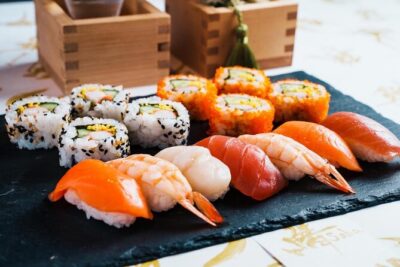
Sushi Making Osaka Roll and Authentic Japanese Sushi Class
Read our review →
Tokyo Sushi Making Class in Tsukiji with Professional Chef
Read our review →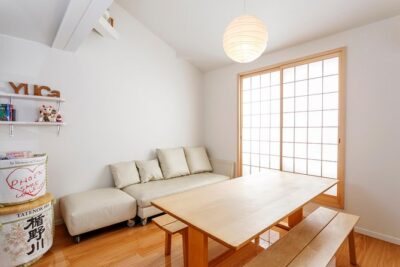
Ramen & Gyoza Cooking Class in Tokyo with Local Supermarket Visit
Read our review →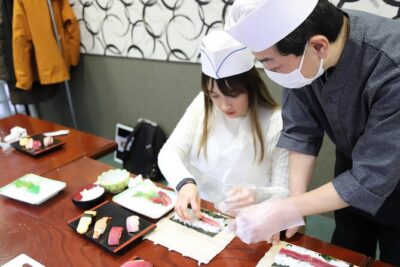
Tsukiji Fish Market Guided Tour and Sushi Making with Pro Chef
Read our review →Browse the lists this tour appears in