
REVIEW · KIMONO & CULTURE EXPERIENCES
Best of Kyoto: Gion, Geisha, Pagodas & Cobblestones
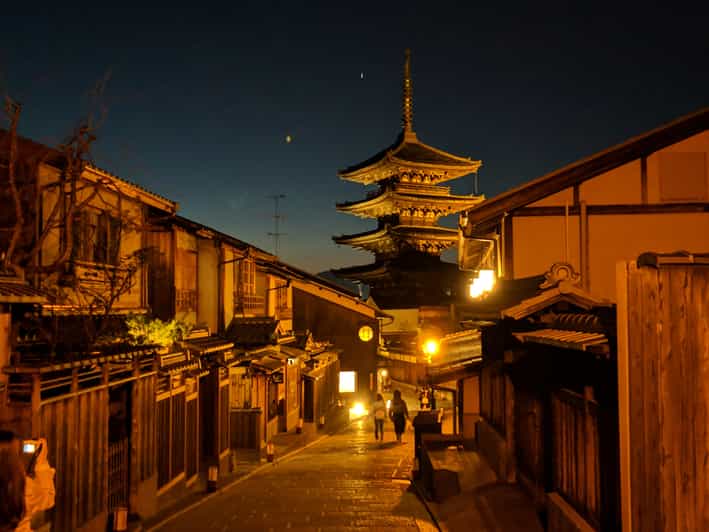
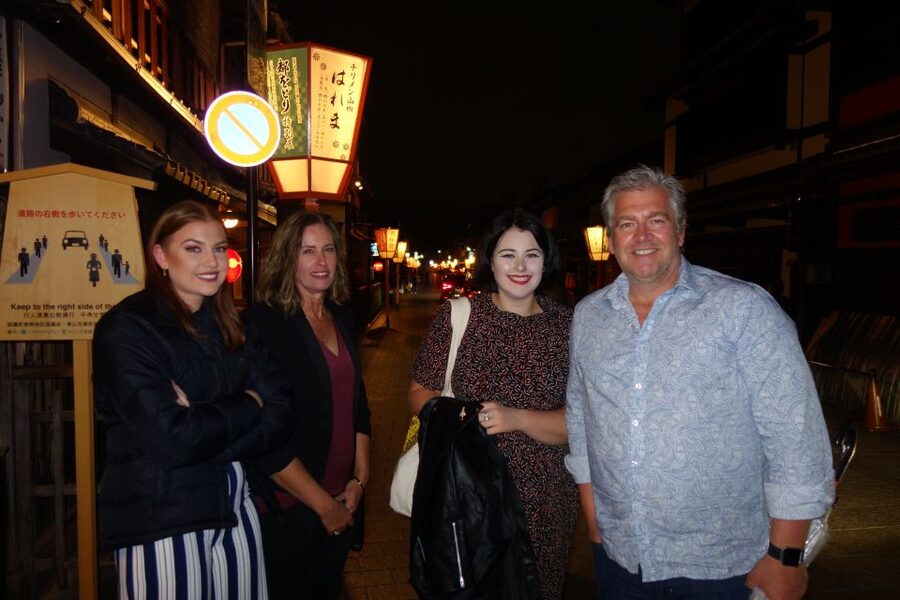
Kyoto’s old quarters take on a different character after sunset. Lanterns glow along wooden buildings, stone lanes grow quieter, and the famous streets of Gion feel less like a sightseeing zone and more like a working neighborhood. This two-hour walk links Yasaka Shrine, Ninenzaka, Hōkan-ji Temple, and Gion for a useful first look at Kyoto’s traditional heart.
I like the calm evening timing, which leaves more room to notice small details and take photographs without the daytime crush. I also like the respectful explanation of geiko and maiko life, an important counterweight to the usual tourist fascination with costumes. The main consideration is that some stretches are dark, and seeing a geiko or maiko is never guaranteed.
In This Review
- Key points at a glance
- Why Gion works best after dark
- Yasaka Shrine begins the cultural picture
- Ninenzaka brings old Kyoto into focus
- Hōkan-ji offers the classic pagoda view
- Yasui Kompira-Gu adds a quieter shrine visit
- Gion after sunset and the world of geiko
- Guide style can shape the whole evening
- What the two-hour pace feels like
- Who should book this Gion walking tour
- Booking details that matter
- Should you book it?
- FAQ
- How long does the Gion and Higashiyama walking tour last?
- What languages are available?
- Is the tour private or shared?
- Are food and drinks included?
- Will I definitely see a geiko or maiko?
- What happens if I cannot find the meeting point?
Key points at a glance
- Nighttime Gion feels quieter and more atmospheric: The late setting helps you enjoy the narrow lanes without the full daytime crowd.
- Four distinct cultural stops fit into two hours: You visit a shrine, temple grounds, historic streets, and the Gion district itself.
- Geiko and maiko culture receives careful context: The guide explains training, customs, and etiquette rather than treating the women as photo subjects.
- The tour works especially well on your first Kyoto evening: You get a quick orientation to the city’s religious traditions and old entertainment quarter.
- Guides bring different strengths: Karim is often praised for warmth and humor, while Ben has used tablet slides to explain complicated points.
- You finish with food and drink advice: Meals are not included, but the guide can point you toward options for the rest of the evening.
Why Gion works best after dark
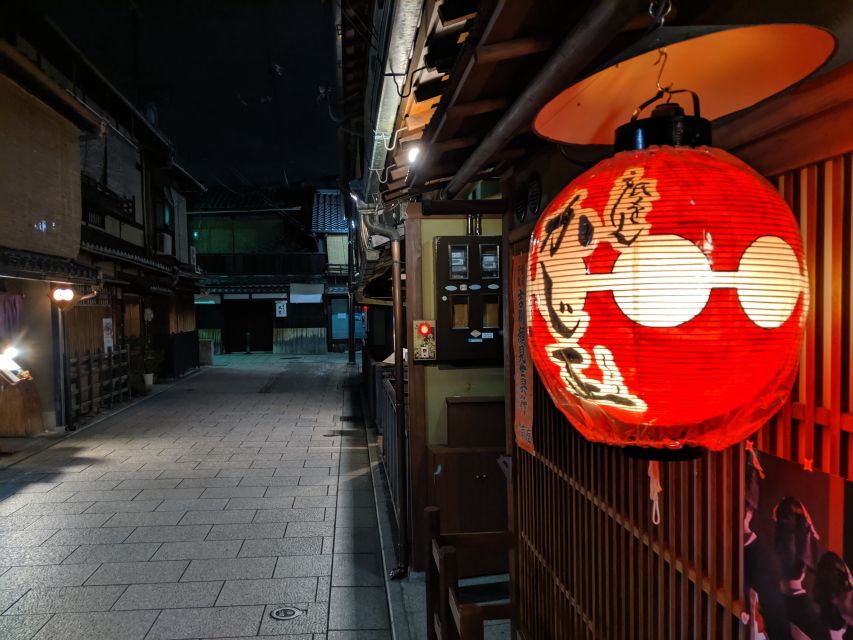
Gion is one of the few parts of Kyoto where the setting itself does much of the work. The district is known for narrow lanes, traditional wooden buildings, teahouses, and lanterns. In daylight, it can feel crowded and tightly scheduled. At night, the mood changes.
This walk is timed to take advantage of that shift. You move through streets where the softer light makes the architecture easier to appreciate, while the lower foot traffic gives your guide space to explain what you are seeing. It is not a show built around a single grand sight. Instead, the experience connects several modest stops into a picture of old Kyoto.
I would book this early in your stay. The route gives you useful background for later visits to shrines, temples, and historic districts. It also helps you understand why Gion is not simply a stage set for visitors. People still work, worship, dine, and live here, so the guide’s advice about respectful behavior matters.
The $24 price is sensible for a two-hour guided walk, especially if you are new to Kyoto. You are paying for local explanation and orientation rather than admission tickets or transport. Since food and drinks are not included, the value depends on how much you want cultural context. If you prefer to wander silently with a map, you can see many of these streets on your own. If you want the stories behind them, the fee is modest.
More Kimono & Culture Experiences in Kyoto
- Kyoto Geisha Walking Tour: Gion District & Hidden Gems
★ 4.7 · 3,273 reviews - Kyoto: Gion Magical Night Walking Tour with Geisha Trivia
★ 4.9 · 2,393 reviews - Kyoto: Gion Geisha District Walking Tour – Stories of Geisha
★ 4.7 · 2,187 reviews
Yasaka Shrine begins the cultural picture
The meeting point may be at the Tsuruha Drug Yasaka Shrine Store or the nearby FamilyMart in Kyoto Gion, depending on the option you book. Pay close attention to the exact meeting instructions. If you have trouble finding the guide, a phone number is provided, and WhatsApp is recommended. You need to call at least ten minutes before the start if you are lost.
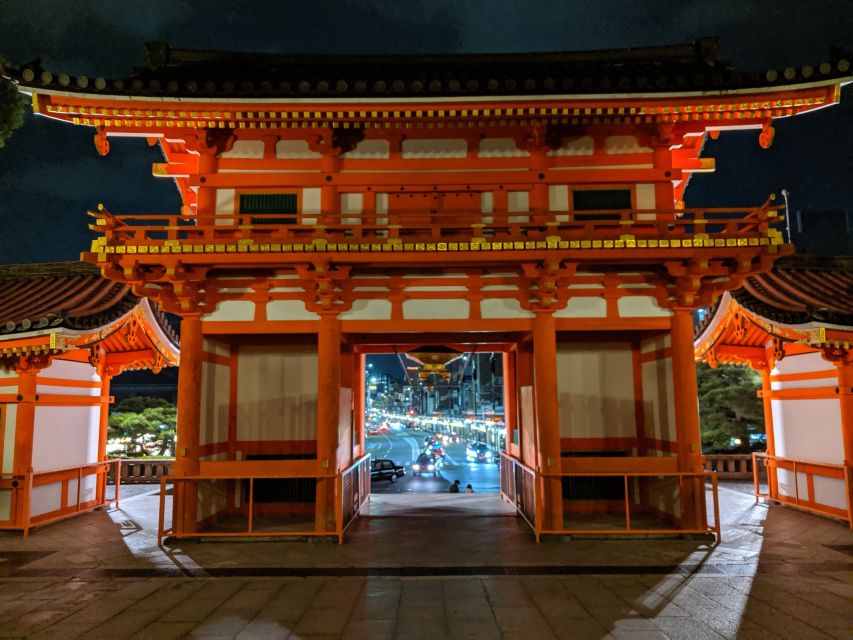
From there, the group visits Yasaka Shrine for about 20 minutes. This is a good opening stop because it introduces Shinto practice before the walk moves into the streets of Gion. Your guide can explain the role of the shrine and the customs connected with visiting it.
At night, the shrine’s atmosphere is quieter than during the day. The change is useful: instead of racing through a crowded complex, you have more time to look, listen, and ask questions. Keep in mind that this is a guided visit, not a long shrine tour. The stop gives you a foundation, but it will not cover every building or religious detail.
The guide’s ability matters here. Several guides, including Karim, Kevin, Janelle, and Salomé, have been praised for making religious customs easy to follow without burying you in facts. That relaxed approach suits a short evening walk.
Ninenzaka brings old Kyoto into focus

The route continues to Ninenzaka, with about 20 minutes of guided time. This is one of Kyoto’s best-known historic streets, and its sloping lanes and traditional buildings make an immediate visual impression.
Ninenzaka is particularly appealing after dark because the changing light picks out the texture of the wooden facades and paving. Your guide can help you understand how the area fits into Higashiyama rather than treating it as just a good place for photographs. Several tour comments point to guides showing quieter corners and good photography spots, which is valuable in a district where it is easy to follow the crowd and miss the side streets.
There is a practical catch. Cobblestones and slopes require steady walking, and the lighting is not equally bright everywhere. Wear shoes with a good grip, and do not expect a flat, polished route. The walk is manageable for most people who are comfortable on city streets, but it is still a walking tour, not a gentle seated sightseeing outing.
Ninenzaka can also be busy in parts even at night. The quieter timing reduces the pressure, but it does not turn the area into a private setting. Your guide helps the group move safely through busier sections.
Hōkan-ji offers the classic pagoda view
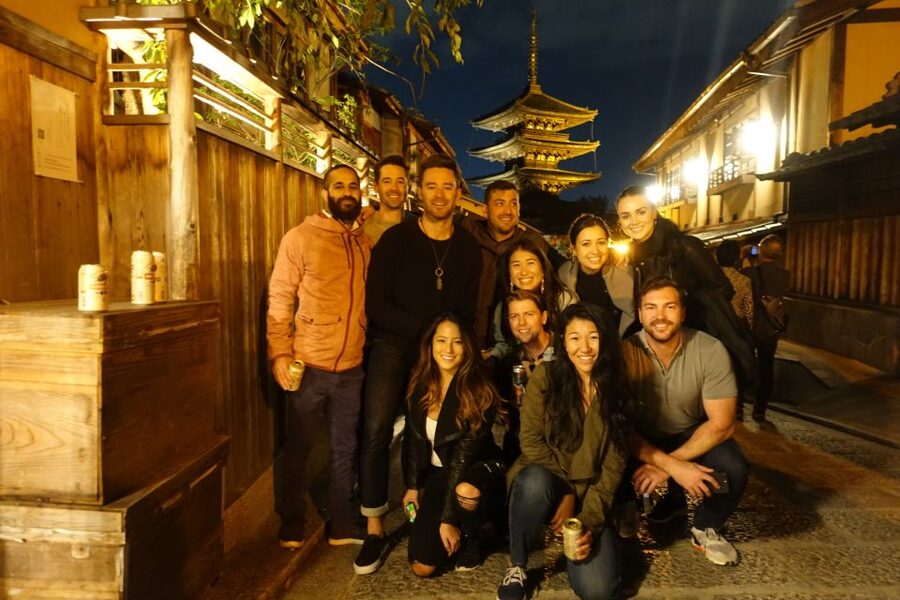
Hōkan-ji Temple is scheduled as a 20-minute photo stop. Its five-story pagoda is one of the most recognizable sights in Higashiyama, and evening light gives it a more dramatic outline than harsh midday sun.
The stop is mainly for viewing and photography, so keep your expectations in check. You are not signing up for an extended temple visit or a full lesson in the temple’s buildings. The appeal is the combination of pagoda, old street, and night sky.
This is also where your guide can point out the best angle and explain why the view has become so closely tied to Kyoto’s public image. A good guide adds value by helping you notice the relationship between the pagoda and the surrounding streets, rather than simply announcing its name and moving on.
Photography conditions will vary. Some parts of the route are dark, and handheld night shots may be difficult. A phone can still capture the mood, but do not expect every image to look bright and sharp. The better reason to pause here is to appreciate the scene in person.
Same city, a completely different kind of day:
- PERFECT KYOTO 1-Day Bus Tour
★ 5.0 · 13,518 reviews - Kyoto: Fushimi Inari, Kinkakuji, Bamboo Grove 1 Day Bus Tour
★ 4.8 · 4,316 reviews - Kyoto: Tea Ceremony in a Traditional Tea House in Kiyomizu
★ 4.9 · 3,519 reviews - Kyoto: Tea Ceremony Ju-An at Jotokuji Temple
★ 4.9 · 3,207 reviews
Yasui Kompira-Gu adds a quieter shrine visit
The next stop is Yasui Kompira-Gu Shrine, where you spend about 15 minutes. Compared with the major sights, this visit offers a smaller-scale look at Kyoto’s religious life.
The shrine is known for its distinctive atmosphere and gives the route some variety. After the broad setting of Yasaka Shrine, you see another sacred place with its own customs and visual details. Your guide can explain how shrine visits fit into Japanese religious practice and point out behavior that helps you avoid accidental disrespect.
This kind of explanation is one of the strongest reasons to choose a guided walk. Japanese shrine and temple customs are not hard to follow, but a visitor may not know which actions are expected, optional, or best avoided. Guides have helped participants understand these details while also answering questions about broader Japanese culture.
The time here is short. You will get an introduction, not a full standalone visit. That is fine if you see Yasui Kompira-Gu as one piece of a larger evening. If this shrine is a personal priority, you may want to return on your own with more time.
Gion after sunset and the world of geiko
The longest portion of the walk, about 45 minutes, is spent in Gion. This is where the tour’s themes come together: architecture, nightlife, local customs, and the women known internationally as geiko and maiko.
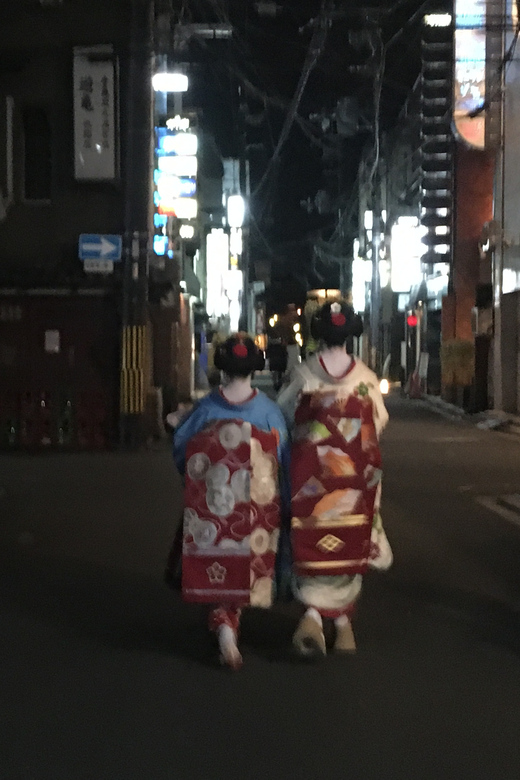
The guide explains the difference between geiko, the Kyoto term for a professional geisha, and maiko, an apprentice. You learn about their training, work, clothing, and place within Kyoto’s traditional entertainment culture. The best part of this discussion is its tone. The women are presented as highly trained performers and professionals, not as mysterious decorations for tourists.
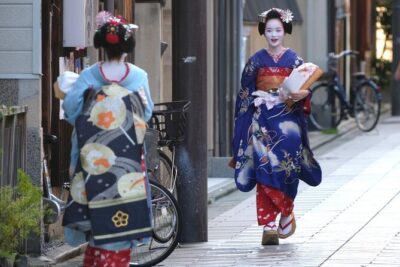
You might see a geiko or maiko toward the end of the walk, particularly around the time people are heading to evening appointments. But there is no promise of a sighting, and you should not judge the tour by that one possibility. Even the strongest evening can produce no encounter at all.
If you do see one, follow the guide’s instructions. Do not block a lane, chase anyone, or treat a working person as a public prop. The tour’s respectful approach is a real strength, since it gives you a better understanding of the culture without encouraging intrusive behavior.
The guide can also explain the difference between an authentic sighting and the many ways geisha culture is simplified in popular media. This context makes the walk more worthwhile than a quick attempt to spot someone in costume.
Guide style can shape the whole evening
The experience is offered with live English or French-speaking guides, in private or small-group formats. The exact size depends on the option booked, but a small group can make a noticeable difference on narrow streets. It is easier to hear, ask questions, and keep a comfortable pace.
The guides named in the feedback include Karim, Kevin, Janelle, Janiel, Ben, Salomé, Diana, Hina, Amir, and Masu. That range means the personality of your evening may vary. Karim is often described as funny, friendly, and especially good at answering questions. Kevin is praised for a relaxed pace and broad knowledge of Kyoto and Japanese life.
Ben has used clear tablet slides to explain historical material, which may help if you prefer visual support. Janelle and Janiel are noted for lively conversation and useful stories. Salomé has been praised for thoughtful answers and personal insight. These details matter because a walking tour succeeds or fails on communication more than on the route itself.
You should expect a conversational experience rather than a formal lecture. Guides have been praised for balancing facts with anecdotes and for linking Japanese customs to visitors’ own cultures. That makes the information easier to remember, especially during a short tour.
What the two-hour pace feels like
The stated duration is two hours, with several stops ranging from 15 to 45 minutes. The route covers a fair amount of ground, so plan to remain on your feet for most of the evening.
I like this length for a first introduction. It is long enough to give Gion and Higashiyama shape, but short enough to leave room for dinner or a drink afterward. Your guide can recommend places to eat and drink, though you will pay for those separately.
The pace seems designed to allow questions rather than rush from landmark to landmark. Still, conditions can affect the timing. Crowded lanes, photo pauses, and group size may make the walk feel slower in some sections. Cold weather can also change the experience. Several visitors have enjoyed the tour in winter, but you should dress warmly. Evening temperatures around exposed streets and temple grounds can feel sharp.
Some areas are darker than others. Bring a phone light if you need one, but use it sensibly and avoid shining it into homes or private businesses. Comfortable shoes are more important than dressy footwear.
Who should book this Gion walking tour
This tour suits you best if you are visiting Kyoto for the first time and want a clear introduction without committing half a day. It is also useful if you have already seen the main sights but want more context about geiko culture, religion, and local etiquette.
I would especially recommend it for:
- Couples or friends who want a calm first evening
- Solo visitors who prefer company and orientation
- People interested in Japanese customs, not just photographs
- Anyone who wants food and drink suggestions after a guided walk
- Repeat visitors looking for quieter corners of Gion
It may not suit you if you want extensive interior access to temples, a formal performance, or a guaranteed geiko sighting. It is also not the right choice for anyone who dislikes walking on slopes or darker lanes.
The private and small-group options are worth considering if you have many questions or care about setting your own pace. A larger group may cost less or offer a more social feel, but it can be harder to hear in narrow streets.
Booking details that matter
The price is $24 per person, and the tour lasts two hours. Food and drinks are excluded, but the guide can provide suggestions for what to do afterward.
You can cancel up to 24 hours before the start for a full refund, and the reserve-now, pay-later option lets you keep your plans flexible. Check the available start times when booking because the meeting point can vary by option.
Arrive early. Late arrivals or people who cannot find their guide are not eligible for a refund. Save the guide’s phone number, and use WhatsApp if you need help locating the meeting point. This is a small step, but it matters more here than on a bus tour because the starting points are in busy Gion streets.
Should you book it?
Book this walk if you want a thoughtful first look at Kyoto after dark, with a mix of shrines, temple views, old streets, and geiko culture. Its greatest strengths are the evening timing, the guides’ easy conversational style, and the respectful treatment of a subject that is often handled poorly.
The tour is not built around grand interior visits or guaranteed encounters. You are paying for interpretation, local orientation, and a pleasant route through Gion and Higashiyama. At $24, that is a fair trade for two hours, especially on your first night.
Go with comfortable shoes, warm layers when needed, and realistic expectations about seeing geiko or maiko. If you do that, this is a smart way to begin Kyoto.
FAQ
How long does the Gion and Higashiyama walking tour last?
The tour lasts two hours. It includes guided visits and stops at Yasaka Shrine, Ninenzaka, Hōkan-ji Temple, Yasui Kompira-Gu Shrine, and Gion.
What languages are available?
Live guides are available in English and French.
Is the tour private or shared?
Private and small-group options are available. The group type depends on the option you book.
Are food and drinks included?
No. Food and drinks are not included, but the guide can provide recommendations for a place to eat or have a drink after the walk.
Will I definitely see a geiko or maiko?
No. You might catch a glimpse of geiko or maiko toward the end of the tour, but sightings are not guaranteed.
What happens if I cannot find the meeting point?
Your guide’s phone number is shared with you. If you have trouble finding the meeting point, call the guide at least ten minutes before the tour begins. WhatsApp is recommended. Late arrivals or people unable to locate their guide are not refunded.
Just added around Kyoto
- Taste of Nishiki Market Walking Food Tour with Local guide★ 5.0 · 17 reviews
- Kyoto: Sushi Making Class with Sushi Chef★ 4.8 · 64 reviews
- Kyoto: City Secrets eBike Tour★ 4.9 · 196 reviews
- Sacred Pathways: Discover the Philosopher’s Path of Kyoto★ 4.9 · 20 reviews
- Private Tour to Monkey Park and Arashiyama Highlights★ 5.0 · 22 reviews
- Private Nara Tour from Osaka – Meet at Your Hotel★ 5.0 · 22 reviews
- Private Sake Tasting in Central Kyoto with Sake Sommelier★ 5.0 · 13 reviews
- Kyoto : Private Custom Walking Tour With A Local Guide★ 4.6 · 144 reviews
Kimono & Culture Experiences, compared.
Kyoto Geisha Walking Tour: Gion District & Hidden Gems
Read our review →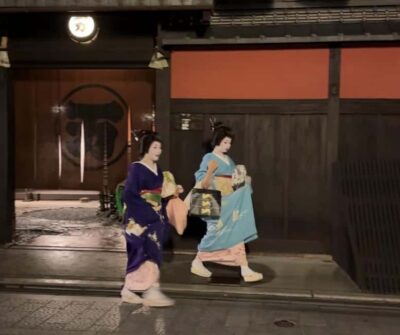
Gion Magical Night Walking Tour with Geisha Trivia
Read our review →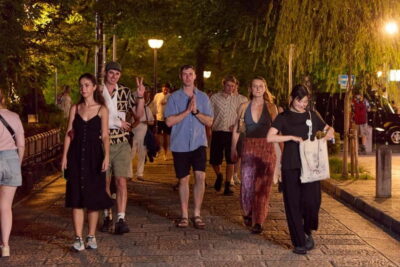
Gion Geisha District Walking Tour – Stories of Geisha
Read our review →
Kyoto Gion Geisha District Walking Tour – The Stories of Geisha
Read our review →
Kyoto Gion: 2-Hour Geisha Culture & History Walking Tour
Read our review →Browse the lists this tour appears in