
REVIEW · JAPANESE COOKING CLASSES
Private Cooking Class Udon in Kyoto Japan
Making noodles in a 120-year-old Kyoto townhouse is the heart of this experience. You work through each step of udon production, including the playful foot-kneading stage, then sit down to eat the noodles you made. Tanaka-san is described as a patient, lively teacher, and the lesson works well for children as well as adults.
I like the historic machiya setting and the fact that you get a real lunch, not just a short demonstration. I also like that the process is simple enough to repeat at home, with a recipe provided and clear English instruction.
The main consideration is timing. The hands-on class takes about an hour, but lunch and the time spent afterward can stretch the visit to roughly 1.5 to 2 hours. You also make the noodles, but not the soup or tempura.
In This Review
- Key points at a glance
- A traditional house near Kyoto Station
- What you actually do with the udon dough
- Tanaka-san brings the class to life
- Lunch turns a lesson into a proper outing
- Why families find this class easy to enjoy
- A useful taste of Kyoto culture
- Is the $60.43 price good value?
- How to fit it into a Kyoto day
- What could disappoint you
- Who should book this udon class?
- FAQ
- Where does the udon class take place?
- What time does the experience start?
- How long does the experience last?
- Do participants make the tempura and udon broth?
- Is this a private activity?
- What is the cancellation policy?
- Should you book it?
Key points at a glance
- A 120-year-old Kyoto townhouse: Learn in a traditional wooden home filled with antique furniture and objects.
- Hands-on udon from start to finish: Mix saltwater, knead, mature, stretch, and cut the dough yourself.
- The famous foot-kneading step: You use your feet to work the dough, a memorable part of the class and a hit with children.
- Lunch is included: Your noodles are served with dipping broth, tempura, ginger, and green onion.
- A private group experience: Only your group participates, with a starting time of noon.
- Easy Kyoto location: The house is a 12-minute walk from Kyoto Station and two minutes from Nishi Honganji Temple.
A traditional house near Kyoto Station
The class takes place at 364 Momijicho in Kyoto’s Shimogyo Ward, close to Nishi Honganji Temple. From Kyoto Station, the walk takes about 12 minutes, so you can reach the meeting point without arranging a taxi or fitting another train connection into your day.
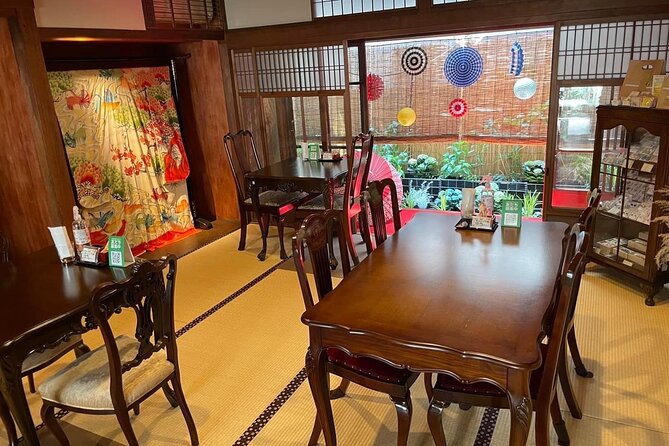
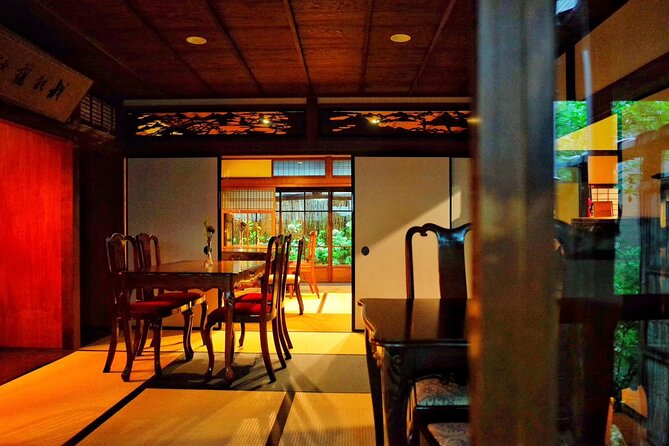
That location matters. Kyoto Station is a practical base, but its broad platforms and modern shopping areas do not show you much of old Kyoto. Here, you move quickly from the station district into a traditional wooden home. The building dates back about 120 to 130 years, depending on how its age is described, and has been renovated for teaching.
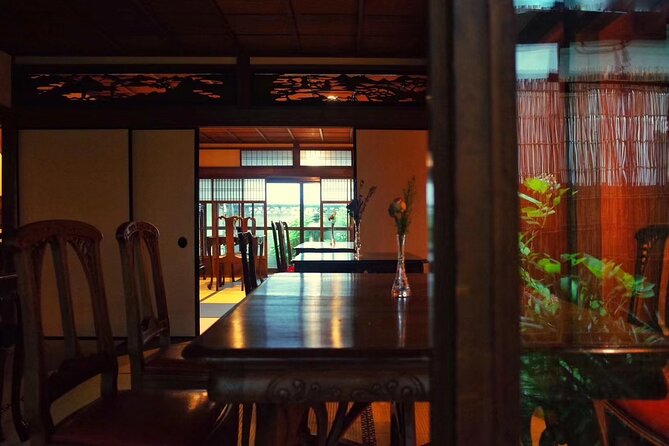
Inside, much of the furniture and many of the objects are more than 110 years old. Traditional Japanese music plays during the experience. This is not simply a rented kitchen with a few Japanese decorations. The building itself gives the class much of its character.
You should still keep your expectations realistic. The house is used as a classroom and dining space, not preserved as a formal museum. The historic setting adds atmosphere, but the main event remains the food and the chance to work with the dough.
More Japanese Cooking Classes in Kyoto
- Ramen Cooking Class at Ramen Factory in Kyoto
★ 5.0 · 1,937 reviews - Sushi Making in Kyoto! Same-day bookings welcome!
★ 5.0 · 713 reviews - Kyoto: Ramen Cooking Class at a Ramen Factory with Souvenir
★ 4.9 · 532 reviews
What you actually do with the udon dough
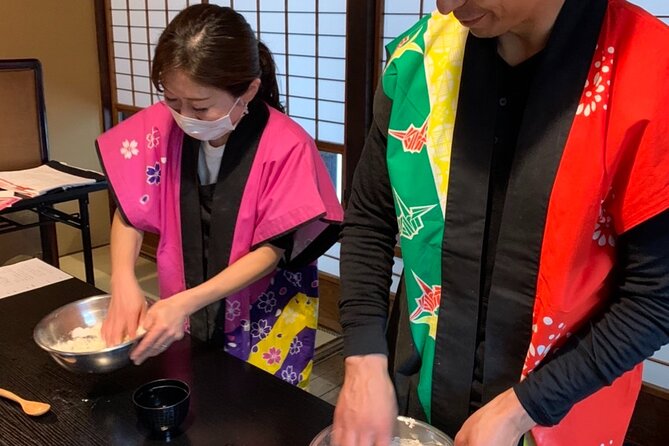
The class follows a clear sequence, and you take part in each important stage. You begin by making saltwater, which is mixed with flour to form the dough. The steps are simple, but the texture changes as you work, giving you a useful feel for how handmade noodles are made.
Next comes rinsing and kneading. The most unusual stage is the footwork. You step on the dough to help develop it, usually with the dough protected and prepared for this purpose. It sounds slightly silly, which is exactly why it works so well for families and younger children.
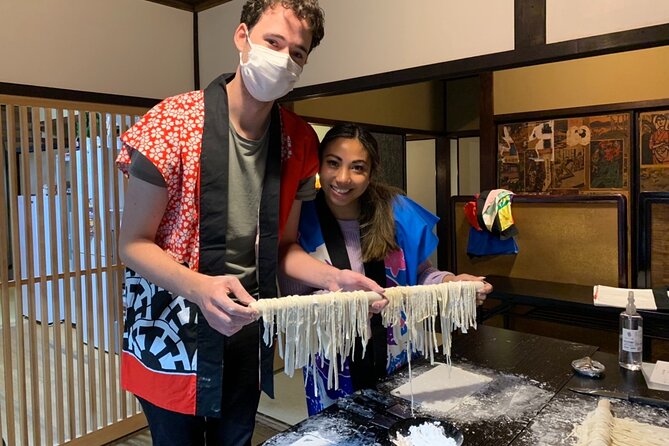
After the dough rests and matures, you stretch it into a broad sheet. You then use a knife to cut it into noodles. The cutting stage shows why handmade udon often has small variations in width. That unevenness is part of the charm, though anyone expecting restaurant-perfect strands should not worry about making every piece identical.
Finally, the noodles are boiled. You do not handle the boiling yourself. The instructors take care of that part while you wash your hands and wait for lunch. This arrangement makes the activity safer and easier for families with young children, but it also means the class is not a complete lesson in preparing the broth or cooking tempura.
Tanaka-san brings the class to life
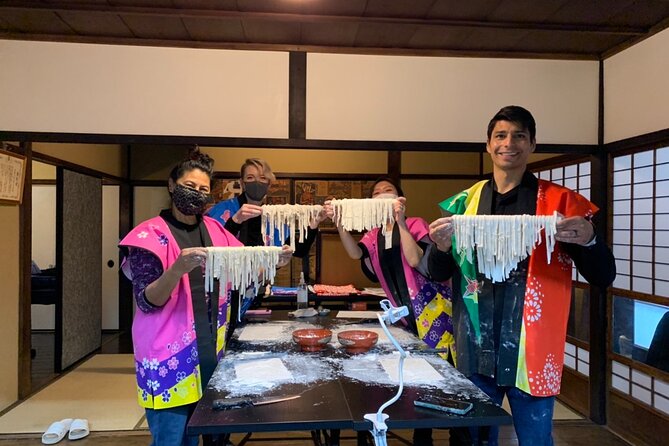
Tanaka-san is the teacher most closely associated with this experience. Her teaching style is lively, patient, and encouraging, with English explanations and demonstrations. Her young adult daughter sometimes assists, and another instructor named Hisayu is also connected with the class.
The tone is informal rather than stiff. You put on aprons, find pre-measured ingredients at the work tables, and follow the instructions one stage at a time. The class has room for explanation about udon and Japanese food culture without turning into a long lecture.
One especially playful touch is the udon dance. It is not a serious cooking technique, but it helps break the ice and gives children something memorable to do. The friendly approach is useful if you are nervous about cooking in front of others or worried that your Japanese language skills will be a problem.
English instruction is part of the experience, though the supplied information does not describe a full language menu or interpretation service beyond English. If you need detailed dietary explanations, ask before booking rather than assuming every ingredient can be changed.
Lunch turns a lesson into a proper outing
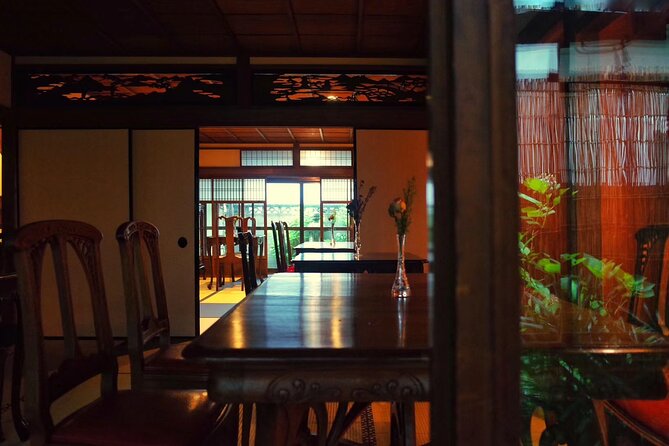
The class itself lasts about one hour. The food afterward is what makes the visit feel like more than a quick activity.
Your freshly made udon is cooked and served with a dipping broth, grated ginger, minced green onion, and a separate tempura set. The tempura is provided for the meal, so you do not need to make it yourself. That is a sensible division of labor. Handmade noodles already give you plenty to do, and preparing tempura would make the session longer and more complicated.
The noodles are served fresh from the work you have just completed. That gives the meal a direct connection to the class. You are not simply eating a standard lunch while someone else cooks. You can see how the dough became noodles, then taste the result at the end.
The meal may be served in a traditional style, with individual trays and the noodle dish accompanied by its condiments. Exact presentation can vary, but the important parts are the same: your udon, dipping sauce, vegetables in tempura, ginger, and green onion.
You should allow more than the advertised one-hour class. One family spent another 1.5 to 2 hours after the lesson eating and enjoying the meal. That does not mean every visit will last that long, but a noon booking can easily occupy a good part of your lunch period.
Same city, a completely different kind of day:
- PERFECT KYOTO 1-Day Bus Tour
★ 5.0 · 13,518 reviews - Kyoto: Fushimi Inari, Kinkakuji, Bamboo Grove 1 Day Bus Tour
★ 4.8 · 4,316 reviews - Kyoto: Tea Ceremony in a Traditional Tea House in Kiyomizu
★ 4.9 · 3,519 reviews - Kyoto Geisha Walking Tour: Gion District & Hidden Gems
★ 4.7 · 3,273 reviews
Why families find this class easy to enjoy
This is one of the better Kyoto food activities for a mixed-age group. Children can take part in mixing, kneading, footwork, stretching, and cutting, while adults still get a genuine cooking lesson and a good meal.
The fact that participants do not boil the noodles is helpful for families with younger children. You can be involved without putting a child near a hot cooking area. The dough work also gives children a clear task, rather than asking them to watch a demonstration from the side.
Teenagers may enjoy it for a different reason. The foot-kneading and udon dance add a bit of humor, while the knife-cutting stage gives them a finished product they can take pride in. The activity is hands-on without requiring advanced cooking ability.
The class also suits a multigenerational group. It has been enjoyed by groups ranging from young children to an 83-year-old family member. You do need enough mobility for the practical parts of the session, especially the foot-kneading, but the available information does not list a formal mobility requirement.
Service animals are allowed, and the venue is near public transportation. For any other accessibility concern, contact the provider before you reserve.
A useful taste of Kyoto culture
Food classes can sometimes feel detached from the place where they happen. This one avoids that problem through its building and local teaching staff.
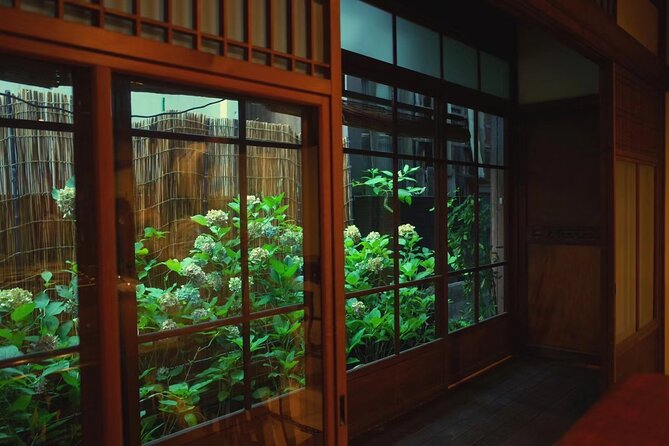
The instructors are from Kyoto and explain aspects of Japanese culture along with the cooking. You spend time in a wooden home filled with old furnishings, listen to traditional music, and learn a food that has a long place in Japanese eating habits. The setting gives context to the meal without requiring a separate cultural tour.
You may also hear that udon originated in China before becoming part of Japanese food culture. That small historical note helps place the dish in a wider Asian story, rather than presenting it as an isolated Japanese invention.
The experience does not try to cover all of Kyoto’s culinary traditions. You will not make a full kaiseki meal, sushi, tempura, or broth from scratch. Its value is narrower and clearer: you learn one staple dish through an old-fashioned method, in an old Kyoto home, with local instructors.
Is the $60.43 price good value?
At $60.43 per person, this is more expensive than ordering a bowl of udon at a casual restaurant. That comparison is fair, but it is not the right measure of the whole experience.
You are paying for an approximately one-hour private cooking class, instruction in English, the use of a historic home, the ingredients, and a meal with tempura. You also get time with the instructors and a recipe you can use after returning home. For a family, the price covers an activity and lunch in one booking.
The value is strongest if you want participation rather than just food. If your main goal is a cheap and fast meal near Kyoto Station, spend the money at an udon restaurant instead. If you want a practical cultural activity that gives you something to do together, the price is easier to justify.
The private format is another point in its favor. Only your group participates, so you are not placed with a large public class. The group size is not specified, so you should not assume private means one-on-one instruction. It does mean the activity is reserved for your party rather than mixed with unrelated participants.
The class is commonly booked about 16 days ahead. That is a useful planning signal, especially if you are visiting Kyoto during a busy season or need a noon activity on a particular day. Confirmation arrives within 48 hours and remains subject to availability.
How to fit it into a Kyoto day
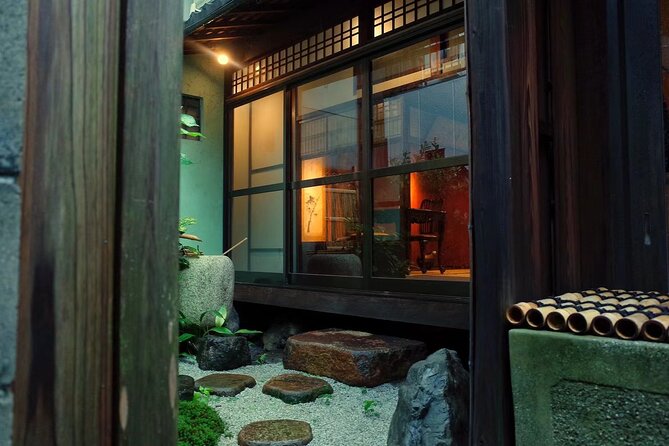
The noon start makes this a natural lunch activity. Pair it with Nishi Honganji Temple before or after class, since the meeting point is only about a two-minute walk away.
You could visit the temple first, attend the class, then continue toward Kyoto Station or another nearby sight. The location also works well on a day when you are arriving in Kyoto or leaving by train, though you should allow time for the 12-minute walk and avoid scheduling a tight train departure immediately afterward.
Because the class can run beyond its stated hour, do not place a fixed reservation right after it. Give yourself room for lunch and the possibility of lingering in the old house.
The activity ends back at the meeting point. There is no separate drop-off, and you will need to continue your day on foot or by public transportation.
What could disappoint you
The class does not teach every part of the meal. You make the udon, but the instructors handle boiling, broth, and tempura. If you are looking for a full Japanese cooking course, this may feel limited.
The lesson is also short in its hands-on portion. An hour is enough to learn the basic process, but not enough for a detailed study of flour types, regional udon styles, broth making, or advanced knife work.
The historic house may appeal to you more than to someone focused only on cooking technique. Antique furniture and traditional music add atmosphere, but they do not change the basic fact that this is a simple noodle-making class.
Finally, the cancellation policy is strict close to the start time. You receive a full refund if you cancel at least 24 hours in advance. Changes or cancellations within 24 hours are not accepted for a refund. The experience requires good weather, and if poor weather causes cancellation, you are offered another date or a full refund.
Who should book this udon class?
I would put this near the top of the list for families, couples, and small groups who want an activity that is easy to follow and ends with lunch. It is especially well suited to children because the main work is playful, the instructions are guided, and the hot cooking stage is handled by the staff.
You should also consider it if you enjoy learning recipes you can repeat at home. The process is not overly complex, and the recipe gives you a practical souvenir rather than another object to pack.
This is less suitable if you want a long, advanced culinary course, a lesson in tempura, or a highly technical study of Japanese broth. It is also not the best value for someone who only wants to eat udon cheaply.
FAQ
Where does the udon class take place?
The class takes place at 364 Momijicho, Shimogyo Ward, Kyoto, 600-8345, Japan. The venue is about a 12-minute walk from Kyoto Station and a two-minute walk from Nishi Honganji Temple.
What time does the experience start?
The stated start time is 12:00 pm.
How long does the experience last?
The cooking class takes about one hour. Lunch afterward can extend your visit, and the full time may reach roughly 1.5 to 2 hours.
Do participants make the tempura and udon broth?
No. You make the udon noodles, while the tempura and broth are provided for the meal. The instructors also handle boiling the noodles.
Is this a private activity?
Yes. Only your group participates in the activity.
What is the cancellation policy?
You can cancel for a full refund up to 24 hours before the start time. Cancellations or changes made less than 24 hours before the experience are not refunded or accepted. If poor weather causes the activity to be canceled, you are offered another date or a full refund.
Should you book it?
Book this class if you want a friendly, hands-on lunch in a historic Kyoto home, especially if you are traveling with children or several generations of family. The foot-kneading, udon dance, patient instruction from Tanaka-san, and freshly cooked noodles give the hour plenty of personality.
Skip it if you want to make every part of a Japanese meal yourself or if your only goal is an inexpensive bowl of noodles. For most visitors looking for an easy cultural activity near Kyoto Station, the combination of a traditional setting, private instruction, and a meal makes the $60.43 cost reasonable.
More Workshops in Kyoto
- Kyoto: 45-Minute Tea Ceremony Lesson Experience
★ 4.3 · 2,378 reviews - Kyoto : Chopsticks Making Workshop in Gion with Engraving Option
★ 5.0 · 958 reviews - Kyoto: Samurai Sword Class by Experts in Traditional Arts
★ 4.9 · 657 reviews - Ninja 1-hour Hands-on Lesson by Japanese master in Kyoto -Entry
★ 5.0 · 489 reviews
More Cooking Classes in Kyoto
- Kyoto: Ramen, Gyoza, and Onigiri Cooking Class
★ 5.0 · 445 reviews - Kyoto: Japanese Washoku Bento Small Group Cooking Class
★ 5.0 · 380 reviews - Kyoto Ramen and Gyoza Cooking Class with Professional Chefs
★ 5.0 · 282 reviews - Kyoto: Afternoon Japanese Izakaya Cooking Class
★ 4.9 · 241 reviews
Just added around Kyoto
- Private Guided Traditional Buddhist Cooking in Japan★ 5.0 · 16 reviews
- Kyoto: Gion Geisha District & Sake-in-Hand Walking Tour★ 5.0 · 37 reviews
- Your Private Vacation Photography Session In Kyoto★ 5.0 · 110 reviews
- Kyoto: Zen Meditation at a Private Temple with a Monk★ 5.0 · 25 reviews
- Traditional Japanese Washi Papermaking- Kyoto morning★ 5.0 · 77 reviews
- Kyoto Wagashi(Japanese sweets) Cooking Class near Fushimiinari★ 5.0 · 60 reviews
- Private Pewter Sake Cup Experience with a Kyoto Artisan★ 5.0 · 31 reviews
- Kyoto Private 6 hour Tour: English Speaking Driver Only, No Guide★ 5.0 · 88 reviews
Japanese Cooking Classes, compared.
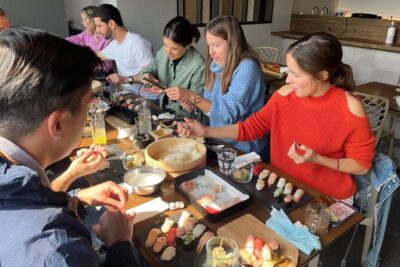
Sushi Making Tokyo Roll and Authentic Japanese Sushi Class
Read our review →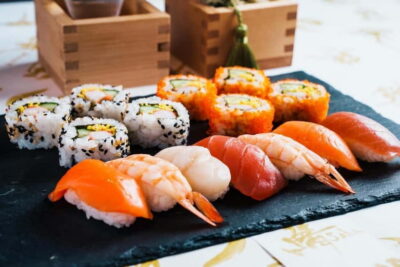
Roll and Authentic Sushi Making Class in Asakusa
Read our review →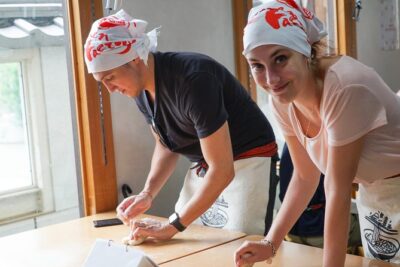
Ramen Cooking Class at Ramen Factory in Kyoto
Read our review →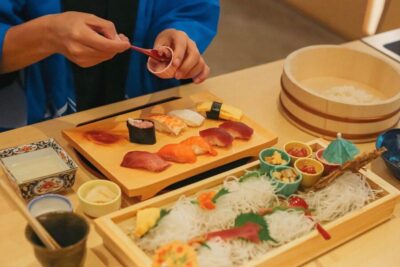
Sushi Making Class in a Happi Coat near a Famous Spot
Read our review →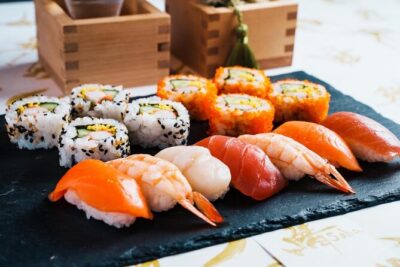
Sushi Making Osaka Roll and Authentic Japanese Sushi Class
Read our review →
Tokyo Sushi Making Class in Tsukiji with Professional Chef
Read our review →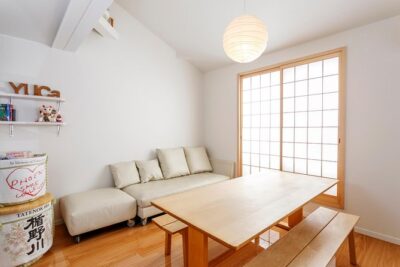
Ramen & Gyoza Cooking Class in Tokyo with Local Supermarket Visit
Read our review →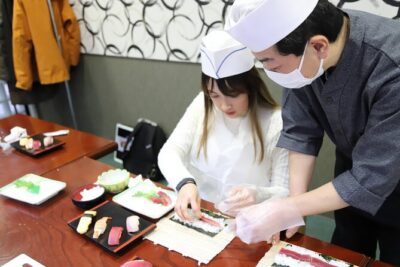
Tsukiji Fish Market Guided Tour and Sushi Making with Pro Chef
Read our review →Browse the lists this tour appears in