
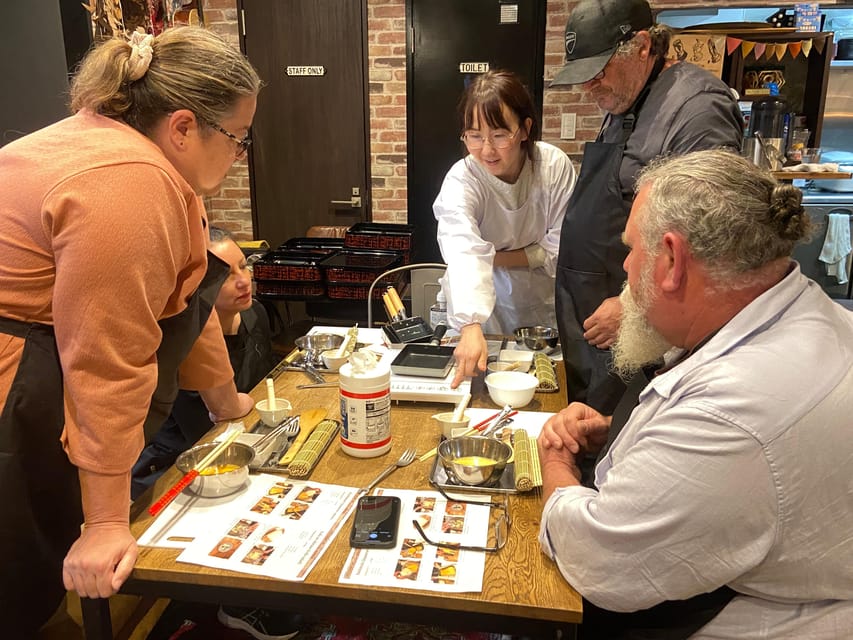
REVIEW · JAPANESE COOKING CLASSES
Kyoto: Japanese Washoku Bento Small Group Cooking Class
This Kyoto class turns a familiar lunch box into a lesson in Japanese home cooking. In 150 minutes, you make four bento dishes, including sushi rolls, tempura, tofu salad, and a Japanese rolled omelette, then sit down to eat the meal you prepared.
I like the small limit of five people, which gives you real time with chefs such as Ai, Rie, and Miyu. I also like that the class teaches useful basics, especially dashi stock and knife handling, rather than only showing you how to assemble a pretty box. The main drawback is the strict arrival rule: arrive more than 15 minutes late and the booking is canceled without a refund.
In This Review
- Key points at a glance
- What this Kyoto bento class is really about
- Meeting your chef near Saiin Station
- A small group with room to ask questions
- Dashi first: the quiet foundation of Japanese flavor
- Knife skills and the Japanese approach to preparation
- Rolling omelette, sushi, tofu, and tempura
- Dashimaki tamago
- Sushi rolls
- Sesame tofu salad
- Tempura
- Building and eating your bento box
- Why the $58 price can be good value
- Who should book this class
- Timing, cancellation, and practical planning
- Should you book the Kyoto bento cooking class?
- FAQ
- Where does the cooking class meet?
- How long does the class last?
- How many people are in the group?
- Which languages are available?
- What dishes will I make?
- Are ingredients and cooking equipment included?
- What happens if I arrive late?
- Can I cancel for a full refund?
Key points at a glance
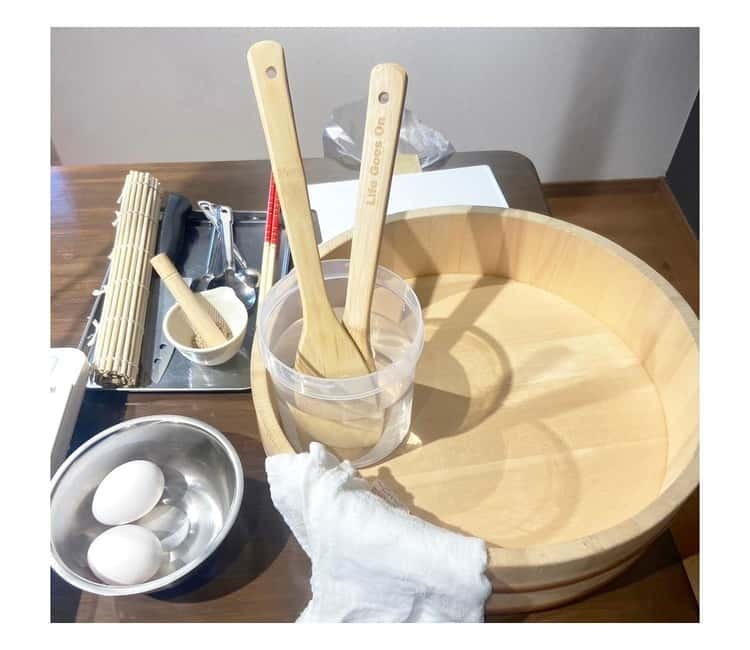
- Make a full four-dish bento: Prepare sushi rolls, tempura, sesame tofu salad, and dashimaki tamago.
- Learn the building blocks of washoku: Practice dashi stock, knife work, frying, rolling, and seasoning.
- Cook in a five-person group: The limited size allows direct help from the English or Japanese-speaking chef.
- Eat a large meal at the end: Come hungry, since the finished bento is described as generous and filling.
- Meet near Saiin Station: Kyoto Laundry Cafe is about five minutes from the Hankyu Railway station.
- Take home repeatable skills: Recipes and methods shared during some sessions make it possible to cook the dishes again.
What this Kyoto bento class is really about
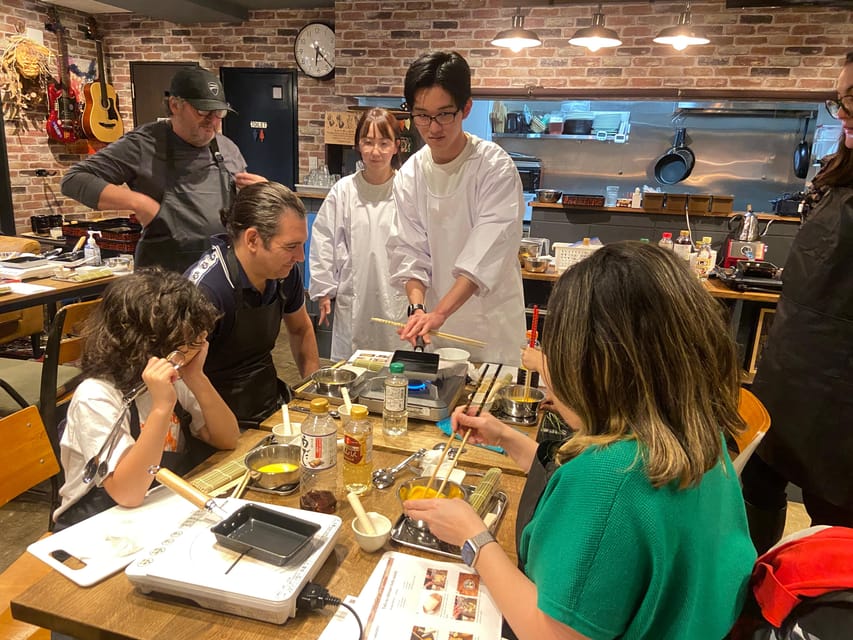
A bento is more than rice packed beside a few side dishes. It is a compact meal built around contrast: soft and crisp textures, savory and lightly sweet flavors, different colors, and separate portions that look good together.
This class uses the bento as a practical introduction to washoku, the Japanese approach to cooking that gives fresh, seasonal ingredients a clear place on the plate. You are not just following a recipe. You are learning why dashi matters, how a rolled omelette gets its shape, and how small cooking choices affect the final meal.
That makes the class a useful early activity in Kyoto. If you take it near the start of your trip, you will recognize ingredients, sauces, and cooking methods more easily during later meals. It also gives you a better sense of the everyday food culture behind restaurant menus and convenience-store bento boxes.
The class lasts two and a half hours. That is long enough to work through several techniques without turning into a full-day commitment. It is also short enough to fit around sightseeing in western Kyoto, though you should leave a generous margin before and after the class rather than scheduling a major attraction immediately afterward.
More Japanese Cooking Classes in Kyoto
- Ramen Cooking Class at Ramen Factory in Kyoto
★ 5.0 · 1,937 reviews - Sushi Making in Kyoto! Same-day bookings welcome!
★ 5.0 · 713 reviews - Kyoto: Ramen Cooking Class at a Ramen Factory with Souvenir
★ 4.9 · 532 reviews
Meeting your chef near Saiin Station
The meeting point is Kyoto Laundry Cafe, close to Saiin Station on the Hankyu Railway. The cafe is about five minutes from the station, so the location is manageable if you are already using the Hankyu line.
The cafe is only the meeting place. On the day, the chef comes to collect you there and leads you to the cooking venue. This detail matters, since you should not assume that the cafe itself is the kitchen.
Use Google Maps for the walk. The instructions specifically warn against using the map function on Instagram, so check the route before leaving your hotel. I would arrive early, especially if you are unfamiliar with Saiin Station or need time to find the cafe.
The late-arrival policy is unusually strict. If you arrive more than 15 minutes after the scheduled meeting time, the reservation is automatically canceled, and late arrival does not qualify for a refund or same-day schedule change. Build in extra time for train connections and station exits.
A small group with room to ask questions
The group is limited to five participants. That is one of the strongest features of the class because cooking instruction works best when you can see the chef’s hands and get help with your own.
A larger class might leave you watching from the back while one person handles the pan. Here, you have a better chance to practice the knife movements, rolling technique, and tempura frying yourself. You can also ask questions about unfamiliar ingredients or methods as they come up.
The instructors are listed as speaking English and Japanese. Ai is repeatedly singled out for clear English explanations, patience, and cultural background. Rie is described as warm, encouraging, and skilled at guiding people through the process. Miyu is also praised for making the class relaxed and informative. Nana and Lausa have assisted in some sessions.
The chef assigned to your date may vary, so you should not book with the expectation of one specific instructor. The useful point is that the teaching style appears to center on step-by-step guidance rather than a demonstration followed by independent work.
Dashi first: the quiet foundation of Japanese flavor
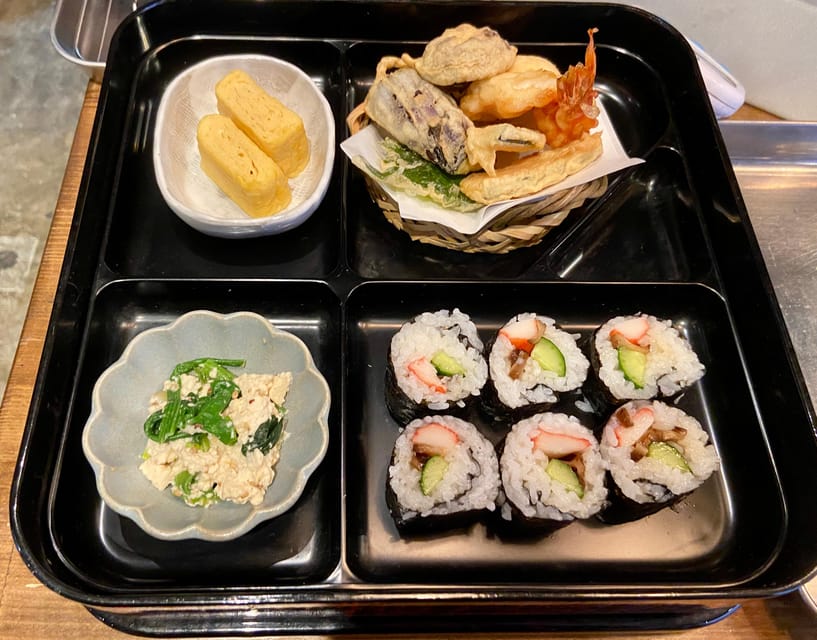
One of the most useful lessons is dashi, the stock that gives many Japanese dishes their savory depth. It may not look as dramatic as frying tempura, but it is the sort of basic technique you can use at home again and again.
The class explains how dashi is made and how it fits into Japanese cooking. This is a good chance to ask about the balance of flavor, since Japanese food often depends on a clean stock rather than heavy seasoning.
That lesson also helps you understand why washoku can taste delicate without being bland. The stock gives a base note, while soy sauce, sesame, and other seasonings add direction without covering everything else.
Several participants have gone on to make dashi and dashimaki tamago at home using the methods learned in class. You should pay close attention here and ask for clarification if you plan to repeat the recipe. A small change in heat or seasoning can affect the result.
Same city, a completely different kind of day:
- PERFECT KYOTO 1-Day Bus Tour
★ 5.0 · 13,518 reviews - Kyoto: Fushimi Inari, Kinkakuji, Bamboo Grove 1 Day Bus Tour
★ 4.8 · 4,316 reviews - Kyoto: Tea Ceremony in a Traditional Tea House in Kiyomizu
★ 4.9 · 3,519 reviews - Kyoto Geisha Walking Tour: Gion District & Hidden Gems
★ 4.7 · 3,273 reviews
Knife skills and the Japanese approach to preparation
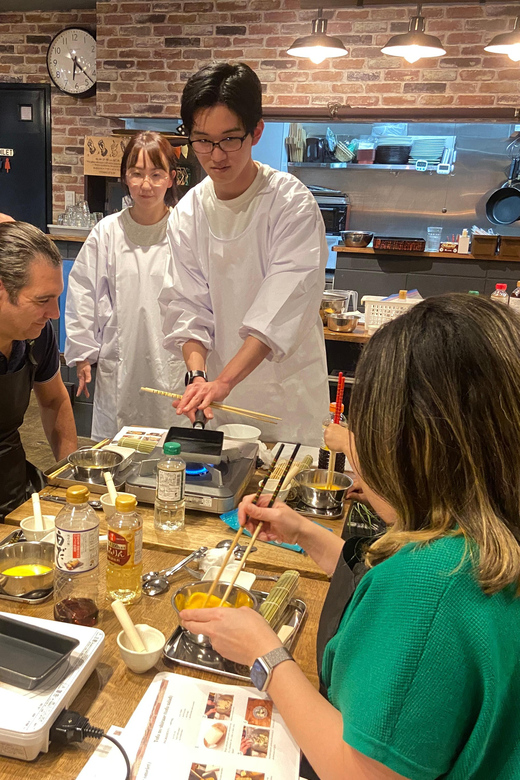
The class also gives you a chance to improve your knife handling. The emphasis is not simply on cutting quickly. It is on using the knife properly and preparing ingredients in a way that suits Japanese cooking.
For a first-time student, the value is in learning controlled movements and seeing how the chef handles ingredients. You will likely be shown the correct approach, then asked to try it yourself with guidance nearby.
This practical teaching is more useful than a food demonstration where you only take notes. You leave with muscle memory, not just a list of ingredients. Still, remember that this is a short class, not professional culinary training. You will learn selected techniques for the dishes on the menu, rather than a full course in Japanese kitchen skills.
Rolling omelette, sushi, tofu, and tempura
The menu is designed to give you several different kinds of work.
Dashimaki tamago
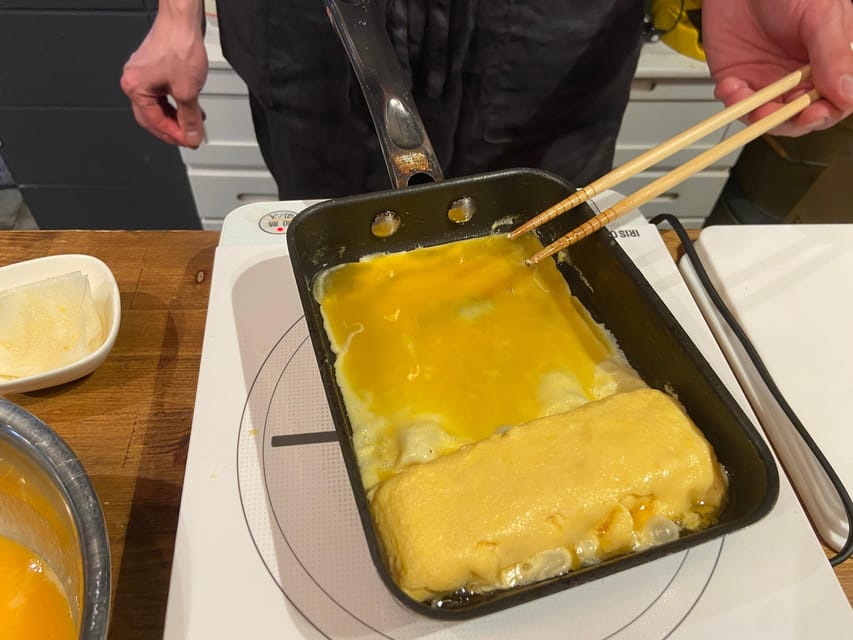
The Japanese rolled omelette, often called dashimaki tamago, takes patience and control. You add the egg mixture in stages and roll it as it cooks, creating the layered shape associated with the dish.
This is a good task for a small class because the chef can watch your timing and help you correct the roll. It also shows how a simple ingredient can become a carefully shaped bento item.
Sushi rolls
You prepare sushi rolls as part of the meal. The focus here is likely on assembly and handling rather than advanced sushi-chef training, but it still gives you a chance to work with the balance of rice and fillings.
Rolling can be trickier than it looks. Do not worry if your first attempt is not perfectly neat. Bento food is meant to be attractive, but the class is also about learning and eating what you make.
Sesame tofu salad
The tofu salad adds a softer texture and a different flavor profile to the box. Sesame brings a nutty note, while tofu keeps the dish light beside the fried items.
This dish helps demonstrate the balance within a bento. You are not making four versions of the same food. Each component has its own texture, appearance, and seasoning.
Tempura
Tempura is the most hands-on cooking task in the group. The chef teaches you how to fry it, including the method needed to create a light coating rather than a thick, heavy crust.
Hot oil requires attention, so follow the chef’s instructions closely. The benefit of learning this in person is that you can see the batter consistency and frying process instead of trying to judge everything from a written recipe.
The menu gives you a good spread of techniques: rolling, cutting, mixing, seasoning, and frying. That variety keeps the two and a half hours moving and makes the class feel like a full meal rather than a single recipe lesson.
Building and eating your bento box
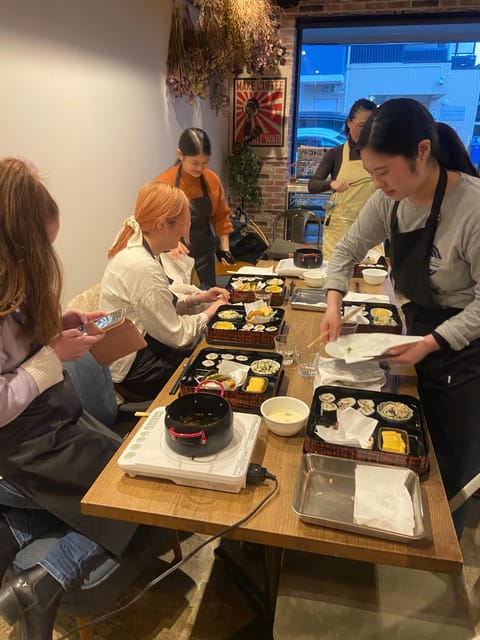
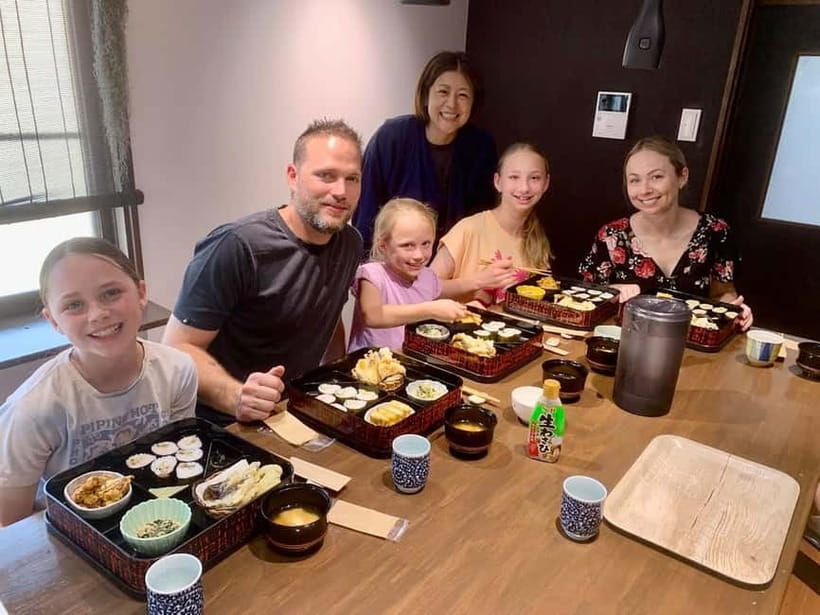
Once the dishes are ready, you arrange your own bento and eat together. This final step is not just a photo opportunity. Presentation is part of Japanese cooking, and the box shows how separate dishes can work as one meal.
Look at the colors and shapes as you pack it. Place the crisp and soft items so the box remains appealing, and notice how the omelette, sushi, tofu, and tempura sit beside one another without becoming one mixed dish.
You are likely to have plenty to eat. Several participants describe the finished meal as large, substantial, or filling, so do not plan on eating a heavy lunch immediately before class. The food is also prepared by you, which makes the final meal more satisfying than a standard restaurant lunch.
Eating together gives the class a social side. With only a few people, conversation is easier, and the chef can continue explaining Japanese food customs while you eat. If you prefer a quiet, private cooking lesson, the shared format may feel less suitable. If you enjoy meeting people and asking questions, it is a plus.
Why the $58 price can be good value
At $58 per person, this is not the cheapest meal you can buy in Kyoto. You could eat a bento or several individual dishes for less.
The comparison is not quite fair, though. The fee includes the instructor, ingredients, four dishes, aprons, and cooking equipment. You are also paying for two and a half hours of instruction in a group capped at five people, followed by a full meal.
I consider the price reasonable if you want more than food. You get direct practice with several techniques, a lesson about washoku, and a meal that can replace lunch or dinner. The value becomes stronger if you use the recipes at home instead of treating the class as a one-time souvenir.
It is less compelling for someone who only wants to eat Japanese food. Kyoto has plenty of affordable meals, and this class takes time that could otherwise go toward temples, markets, or museums. Book it for the learning and the contact with a local chef, not simply because it includes lunch.
Who should book this class
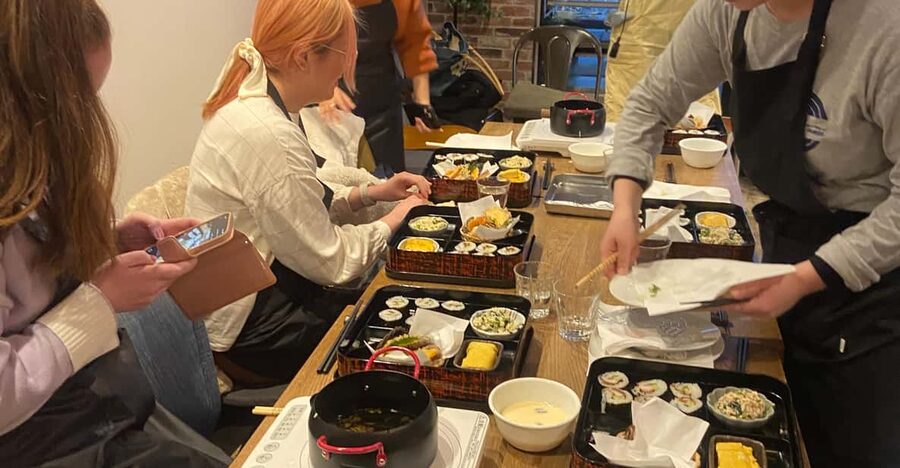
I would recommend it to first-time visitors who want an approachable introduction to Japanese cooking. You do not need advanced kitchen skills, and the menu gives you several recognizable dishes to take home as ideas.
Families can also enjoy it. One session included a nine-year-old cooking with a parent, and another family found that even teenagers enjoyed the meal and relaxed setting. The official restrictions exclude very young children, with the supplied age information listing children under two, three, and four, so confirm the exact age rule when booking.
Couples and solo visitors should find the small group format comfortable. It offers enough structure to prevent awkwardness, but enough conversation to make the activity feel social.
People with food allergies should raise the issue before or during the class. One participant with a shrimp allergy received a suitable substitution, but you should never rely on an unconfirmed change. Ask in advance so the chef can advise you properly.
The class is not suitable for wheelchair users or people with diabetes according to the supplied booking information. Babies and very young children are also excluded.
Timing, cancellation, and practical planning
You can cancel up to 24 hours before the class for a full refund. The reserve-now, pay-later option lets you hold a place without paying at once, which is useful while your Kyoto schedule is still changing.
The class duration is fixed at 150 minutes, but the available start times can vary. Check the time carefully and plan your route to Kyoto Laundry Cafe before the day itself.
Wear something you can cook in comfortably. Aprons and equipment are provided, but the class involves knife work, frying, and several stages of preparation. Most important, arrive early. The 15-minute cutoff is the one rule that can turn a good-value booking into a costly mistake.
Should you book the Kyoto bento cooking class?
Book it if you want to understand Japanese food from the kitchen side, not just from a restaurant table. The small group, English instruction, four-dish menu, dashi lesson, and hands-on tempura and omelette work give you a useful slice of everyday washoku.
I would be especially keen to book this near the beginning of a Japan trip. You will gain cooking skills, learn why bento is arranged as it is, and have a better eye for the flavors and techniques you encounter later.
Skip it if your schedule is packed or you mainly want a quick meal. This is a participatory class, and the strict meeting rule demands care. For anyone who enjoys cooking, cultural context, and a generous lunch made with their own hands, $58 is a fair price.
FAQ
Where does the cooking class meet?
The meeting point is Kyoto Laundry Cafe, located about five minutes from Saiin Station on the Hankyu Railway.
How long does the class last?
The class lasts 150 minutes, or two and a half hours.
How many people are in the group?
The class is limited to five participants.
Which languages are available?
Instruction is available in English and Japanese.
What dishes will I make?
You will prepare sushi rolls, tempura, sesame tofu salad, and a Japanese rolled omelette, then enjoy the dishes as your bento meal.
Are ingredients and cooking equipment included?
Yes. The price includes the instructor, ingredients, cooking class, four dishes, aprons, and other equipment.
What happens if I arrive late?
The chef picks you up at Kyoto Laundry Cafe. If you arrive more than 15 minutes after the scheduled meeting time, the reservation is automatically canceled, with no refund or same-day schedule change.
Can I cancel for a full refund?
Yes. You can cancel up to 24 hours in advance for a full refund.
More Workshops in Kyoto
- Kyoto: 45-Minute Tea Ceremony Lesson Experience
★ 4.3 · 2,378 reviews - Kyoto : Chopsticks Making Workshop in Gion with Engraving Option
★ 5.0 · 958 reviews - Kyoto: Samurai Sword Class by Experts in Traditional Arts
★ 4.9 · 657 reviews - Ninja 1-hour Hands-on Lesson by Japanese master in Kyoto -Entry
★ 5.0 · 489 reviews
More Cooking Classes in Kyoto
- Kyoto: Ramen, Gyoza, and Onigiri Cooking Class
★ 5.0 · 445 reviews - Kyoto Ramen and Gyoza Cooking Class with Professional Chefs
★ 5.0 · 282 reviews - Kyoto: Afternoon Japanese Izakaya Cooking Class
★ 4.9 · 241 reviews - Izakaya Style Cooking Class
★ 5.0 · 219 reviews
Just added around Kyoto
- Taste of Nishiki Market Walking Food Tour with Local guide★ 5.0 · 17 reviews
- Kyoto: Sushi Making Class with Sushi Chef★ 4.8 · 64 reviews
- Kyoto: City Secrets eBike Tour★ 4.9 · 196 reviews
- Sacred Pathways: Discover the Philosopher’s Path of Kyoto★ 4.9 · 20 reviews
- Private Tour to Monkey Park and Arashiyama Highlights★ 5.0 · 22 reviews
- Private Nara Tour from Osaka – Meet at Your Hotel★ 5.0 · 22 reviews
- Private Sake Tasting in Central Kyoto with Sake Sommelier★ 5.0 · 13 reviews
- Kyoto : Private Custom Walking Tour With A Local Guide★ 4.6 · 144 reviews
Japanese Cooking Classes, compared.
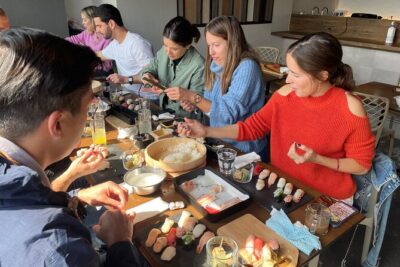
Sushi Making Tokyo Roll and Authentic Japanese Sushi Class
Read our review →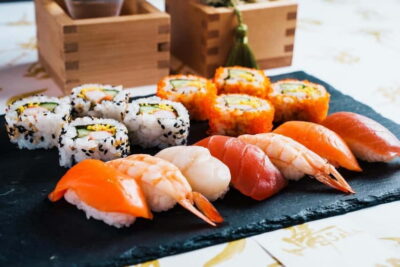
Roll and Authentic Sushi Making Class in Asakusa
Read our review →
Ramen Cooking Class at Ramen Factory in Kyoto
Read our review →
Sushi Making Class in a Happi Coat near a Famous Spot
Read our review →
Sushi Making Osaka Roll and Authentic Japanese Sushi Class
Read our review →
Tokyo Sushi Making Class in Tsukiji with Professional Chef
Read our review →
Ramen & Gyoza Cooking Class in Tokyo with Local Supermarket Visit
Read our review →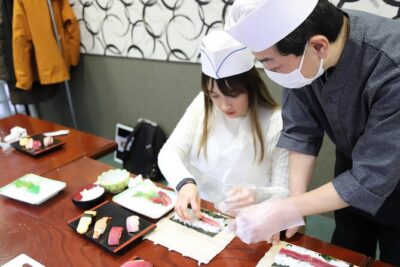
Tsukiji Fish Market Guided Tour and Sushi Making with Pro Chef
Read our review →Browse the lists this tour appears in