
REVIEW · WALKING TOURS
2 Hour Night Walking Tour Throughout Gion with snack
Gion becomes a different place after sunset. On this two-hour walk, you move from the lantern-lit lanes around Yasaka Shrine to the old geisha quarter, then into Kyoto’s modern night district and along the Kamo River. Simon, the English-speaking guide, adds local stories, cultural context, and restaurant advice.
I especially like the chance to learn the difference between geiko and maiko in the very neighborhood where they work. I also like the practical food advice, since Simon can point you toward restaurants that may not require reservations.
The main concern is crowd control. During busy periods, the group can grow larger than expected, and several people have found it hard to keep up or briefly lost sight of the guide. The tour is also best for orientation and local color, not for a formal, highly researched history lecture.
In This Review
- Key points at a glance
- Why a night walk works so well in Gion
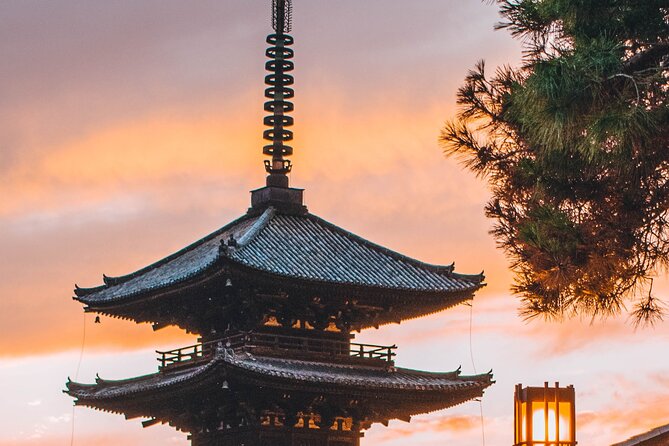
- Yasaka Shrine: a strong opening at the eastern edge of Gion
- Hanamikoji Street: learning how geiko and maiko fit into Gion
- Kiyamachi Street: from old entertainment quarter to modern Kyoto
- The Kamo River: a short pause with a strong sense of place
- What the guide does best, and where you should be alert
- Is $32.58 a fair price for two hours?
- Who should book this Gion walk?
- Should you book it?
- FAQ
- How long does the night walking tour last?
- Where does the tour begin?
- Where does the tour finish?
- What places does the tour visit?
- Is admission to the stops included?
- Is food included?
- Who guides the tour?
- How many people can join?
- Can I cancel for a full refund?
Key points at a glance
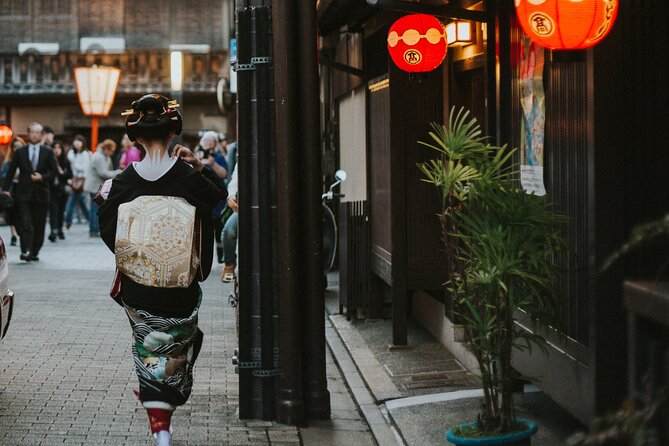
- Nighttime Gion setting: See Kyoto’s famous streets when lanterns, restaurants, and river sounds give the district a different mood.
- Four contrasting stops: The route covers Yasaka Shrine, Hanamikoji Street, Kiyamachi Street, and the Kamo River.
- Geiko and maiko explained: You get a plain-language introduction to Kyoto’s geisha traditions and the difference between the two terms.
- Useful dining advice: Simon recommends restaurants away from the most obvious tourist spots, including places where reservations may not be needed.
- Small-group intention: The advertised maximum is 10 people, though peak periods have sometimes produced a larger-feeling group.
- Snack included: You receive a traditional Japanese snack and a geisha-themed chocolate, while dinner remains your responsibility.
Why a night walk works so well in Gion
Gion is easy to visit on your own, but it is not always easy to understand. A quiet lane may be part of a working neighborhood, a historic entertainment quarter, or simply a shortcut between busy streets. At night, the boundaries become even less obvious.
This tour helps you connect the pieces. You see a major shrine, an old hanamachi, a modern restaurant district, and the river that ties much of central Kyoto together. That range is the strongest part of the route.
The tour lasts about two hours and is structured as a walking orientation rather than a long museum-style lesson. You stop, listen, take pictures, and move on. That makes it a useful choice during your first evening in Kyoto, especially if you want ideas for restaurants and the rest of your stay.
Simon’s style is personal and humorous. He shares information about customs, local life, and places he knows in the area. Most of the published feedback gives high marks to his ability to keep the walk interesting and answer questions. One lower rating raises a fair concern about the accuracy and detail of some explanations, so you should see this as an informal local introduction rather than an academic tour.
More Walking Tours in Kyoto
- Kyoto Geisha Walking Tour: Gion District & Hidden Gems
★ 4.7 · 3,273 reviews - Kyoto: Gion Magical Night Walking Tour with Geisha Trivia
★ 4.9 · 2,393 reviews - Kyoto: Gion Geisha District Walking Tour – Stories of Geisha
★ 4.7 · 2,187 reviews
Yasaka Shrine: a strong opening at the eastern edge of Gion
The walk begins at the Disney Store near Shijo-Kawaramachi, then heads toward Yasaka Shrine. The exact meeting point is at the northeast corner of Shijo Street and Kawaramachi Street, at the Kotocross Hankyu Kawaramachi building. This is a useful central location near public transportation, but it is also a busy city corner, so arrive early and look carefully for the guide.
Yasaka Shrine receives about 30 minutes. Admission is free, and the stop gives you time to look around and take pictures while Simon explains the shrine’s place in Kyoto. The visit is less about entering every building or covering every detail and more about setting the scene for the rest of the evening.
This is an effective first stop because it shows you the formal, religious side of the district before the tour moves into its entertainment streets. You may notice how quickly the mood changes as you leave the shrine grounds and enter the lanes lined with restaurants and traditional buildings.
Do not expect a private or empty shrine visit. Yasaka is one of Kyoto’s best-known religious sites, and the surrounding streets can be crowded. Keep close to the guide from the start, especially if you are visiting during a busy season.
Hanamikoji Street: learning how geiko and maiko fit into Gion
The longest stop is Hanamikoji Street, with about 40 minutes set aside for the area. This is one of the most important parts of the walk because it introduces you to the old hanamachi, the traditional entertainment districts where geiko and maiko train, work, and meet clients.
Simon explains the difference between geiko and maiko. In simple terms, maiko are apprentice entertainers, while geiko are established professional performers. The distinction involves more than clothing, and a local explanation helps you avoid treating every person in traditional dress as a public attraction.
Hanamikoji is attractive, but it is also a working neighborhood. Restaurants, tea houses, and private homes share the same streets. You should keep your voice low, stay out of doorways, and never block a lane while taking pictures. Seeing a geiko or maiko is possible, but it should not be treated as the goal of the tour.
That point matters. The best part of this stop is not a quick sighting. It is learning how the district functions and why the women who work here should be treated with care and distance. The walk provides context that you may miss if you simply pass through with a camera.
Crowds are the biggest practical problem here. Several people have found the pace too quick in a packed Gion, and one person lost sight of the guide near the end of a walk. Simon does not always carry a highly visible flag, so wear something easy to spot and make sure you know who is beside you before the group moves on.
Kiyamachi Street: from old entertainment quarter to modern Kyoto
The route then shifts to Kiyamachi Street for about 40 minutes. This is where you see Kyoto’s present-day nightlife. The contrast with Hanamikoji is useful: one area is closely tied to old performance traditions, while the other is filled with restaurants, bars, and places to spend the evening.
This stop has practical value if you have not planned your meals. Simon recommends restaurants away from the most obvious choices and points out places where you may not need a reservation. That advice can save you time and reduce the frustration of wandering from one full restaurant to another.
Dinner is not included, so plan to eat after the tour or before it. The snack provided during the experience is a small taste, not a meal. You also receive a geisha chocolate, a pleasant souvenir-style touch, but not something that changes the value of the tour on its own.
I like this section because it connects cultural sightseeing with an actual evening in Kyoto. You are not just looking at old architecture. You are learning where the entertainment district begins, how the streets relate to one another, and where you might return later.
The drawback is that the information can feel uneven. Simon’s personal stories are part of his appeal, but some people have felt that the guide talked more about himself than about the sites. If you prefer a tightly scripted explanation at every stop, this casual approach may not suit you.
Same city, a completely different kind of day:
- PERFECT KYOTO 1-Day Bus Tour
★ 5.0 · 13,518 reviews - Kyoto: Fushimi Inari, Kinkakuji, Bamboo Grove 1 Day Bus Tour
★ 4.8 · 4,316 reviews - Kyoto: Tea Ceremony in a Traditional Tea House in Kiyomizu
★ 4.9 · 3,519 reviews - Kyoto: Tea Ceremony Ju-An at Jotokuji Temple
★ 4.9 · 3,207 reviews
The Kamo River: a short pause with a strong sense of place
The final stop is the Kamo River, with about 10 minutes to hear the water, watch people gather, and take in the evening atmosphere. It is a short visit, but it gives the route a natural finish after the narrow streets and busy entertainment areas.
The river is described as the heart of Kyoto’s entertainment district, and that is a useful way to understand its role. People come here to sit, talk, meet friends, and enjoy the open space. Entertainers also gather in the area, adding to the sense that the river is part of everyday city life rather than merely a scenic backdrop.
Do not expect a long riverside stroll. Ten minutes goes quickly, and the main purpose is to pause and absorb the setting. If you want extended time by the water, you can return after the tour, since the walk ends back at its starting point.
What the guide does best, and where you should be alert
Simon is the central feature of this experience. His strengths are clear: he is funny, punctual in many accounts, comfortable in English, and willing to answer questions. He also knows the area well enough to suggest restaurants and less obvious corners of Gion.
That personal touch makes the tour feel more like an orientation with a local than a formal lecture. If you ask questions, you are likely to get more useful information than you would from a fixed script.
Still, you should manage your expectations. One published rating gave the tour a poor score because the explanations were considered vague or inaccurate. Other feedback praised the guide’s clear explanations, so the overall picture is mixed rather than perfect. The current score is 4.1 out of 5 from 13 ratings, which suggests a generally positive experience with some real weaknesses.
Group size affects the quality of the walk. The stated maximum is 10 people, but one person found the group too large, while others had trouble keeping up in heavy crowds. At peak times, Kyoto’s streets can make even a small group feel scattered.
Arrive at least 15 minutes early. Confirm the guide’s appearance and contact details before setting out, and pay attention whenever the group turns a corner. One serious complaint involved a guide who did not appear after a short-notice booking. The operator explained that the time slot had already been canceled and offered a full refund, but the incident shows why last-minute reservations deserve extra care.
Is $32.58 a fair price for two hours?
At $32.58 per person, this is not a bargain in the sense of a free self-guided walk. You can visit Yasaka Shrine, Hanamikoji Street, Kiyamachi, and the Kamo River without paying admission. The price pays for the guide’s time, explanations, local orientation, and restaurant recommendations.
I think the value is reasonable if you use the walk as a first-night introduction. A good guide can help you understand the layout quickly and give you ideas for the next few days. That benefit is especially useful if you have limited time in Kyoto or feel unsure about entering Gion on your own.
The value is weaker if you already know central Kyoto well, have researched geiko traditions, and expect a detailed professional history tour. Since dinner is excluded and the snack is modest, you should not book this as a food tour or a full evening meal.
The booking pattern also suggests planning ahead. It is booked, on average, about eight days before the date. That is not a guarantee that every departure sells out, but it is a good reason to reserve before arriving, especially if your Kyoto schedule is fixed.
Who should book this Gion walk?
I would recommend it to first-time visitors who want a quick introduction to Gion without spending half a day on a formal tour. It suits couples, solo visitors, and small groups who enjoy conversation, local tips, and a guide with a sense of humor.
It is also a smart choice for your first evening. You can learn the basic layout, hear about geiko and maiko customs, and collect restaurant suggestions before making plans for later nights.
You may want another option if you need a slow pace, have difficulty walking in crowded streets, or want a strict focus on architecture and verified historical detail. Most people can participate, and service animals are allowed, but the route is on foot and crowd conditions can affect the pace.
The tour requires good weather. If poor weather cancels it, you can choose another date or receive a full refund. You can cancel for a full refund up to 24 hours before the start, while cancellations or changes made within 24 hours are not refunded or accepted.
Should you book it?
Book this tour if you want a friendly Gion orientation, useful restaurant suggestions, and a clear introduction to the difference between geiko and maiko. The four stops give you a good sense of how shrine life, traditional entertainment, modern nightlife, and the river fit together.
Skip it if you want a quiet walk with guaranteed small numbers or a tightly researched lecture. For the best chance of enjoying it, book ahead, arrive early at the Disney Store meeting point, wear comfortable shoes, stay close to Simon in crowded areas, and treat the evening as an introduction to Kyoto rather than a complete study of Gion.
FAQ
How long does the night walking tour last?
The tour lasts approximately two hours.
Where does the tour begin?
It begins at the Disney Store near Kyoto Shijo-Kawaramachi, at the northeast corner of Shijo Street and Kawaramachi Street, at the Kotocross Hankyu Kawaramachi building.
Where does the tour finish?
The activity ends back at the meeting point.
What places does the tour visit?
The route includes Yasaka Shrine, Hanamikoji Street, Kiyamachi Street, and the Kamo River.
Is admission to the stops included?
The listed stops have no admission charge. The tour price covers the walking experience, while dinner is not included.
Is food included?
You receive a traditional Japanese snack and a geisha chocolate. Dinner is not included.
Who guides the tour?
The guide identified in the supplied tour information and published feedback is Simon. He is an English-speaking guide.
How many people can join?
The advertised maximum is 10 people. Group size can feel larger during especially busy periods.
Can I cancel for a full refund?
Yes. You must cancel at least 24 hours before the start time for a full refund. Cancellations or changes within 24 hours are not refunded or accepted. If poor weather cancels the tour, you are offered another date or a full refund.
More 2-Hour Experiences in Kyoto
- Kyoto Gion: 2-Hour Geisha Culture & History Walking Tour
★ 5.0 · 1,186 reviews - Ninja 2-hour Hands-on Lesson by Japanese master in Kyoto -Medium
★ 5.0 · 218 reviews - Kyoto: 2-Hour Maiko Makeover and Photo Studio Shoot
★ 4.7 · 122 reviews - Kyoto 2 Hours Genuine Kendo / Samurai Experience In Japan
★ 5.0 · 57 reviews
More Evening Experiences in Kyoto
- Night Walk in Gion: Kyoto’s Geisha District
★ 4.5 · 2,003 reviews - Kyoto Night Foodie Tour in Gion (9+ dishes + 6 Sake tastings)
★ 5.0 · 1,762 reviews - Kyoto Gion Night Walk & Geisha District Guided Tour
★ 5.0 · 786 reviews - Kyoto Ghost Tour: Dark Tales, Urban Legends, Bamboo Forest Night
★ 5.0 · 625 reviews
Just added around Kyoto
- Private Guided Traditional Buddhist Cooking in Japan★ 5.0 · 16 reviews
- Kyoto: Gion Geisha District & Sake-in-Hand Walking Tour★ 5.0 · 37 reviews
- Your Private Vacation Photography Session In Kyoto★ 5.0 · 110 reviews
- Kyoto: Zen Meditation at a Private Temple with a Monk★ 5.0 · 25 reviews
- Traditional Japanese Washi Papermaking- Kyoto morning★ 5.0 · 77 reviews
- Kyoto Wagashi(Japanese sweets) Cooking Class near Fushimiinari★ 5.0 · 60 reviews
- Private Pewter Sake Cup Experience with a Kyoto Artisan★ 5.0 · 31 reviews
- Kyoto Private 6 hour Tour: English Speaking Driver Only, No Guide★ 5.0 · 88 reviews
Walking Tours, compared.

Kyoto Geisha Walking Tour: Gion District & Hidden Gems
Read our review →
Tokyo Tsukiji Fish Market Food and Culture Walking Tour
Read our review →
Gion Magical Night Walking Tour with Geisha Trivia
Read our review →
Imperial Palace and Shogun Historical Walking Tour
Read our review →
Gion Geisha District Walking Tour – Stories of Geisha
Read our review →
Asakusa Walking Tour with Sensoji Temple Visit
Read our review →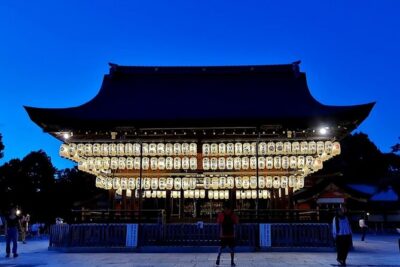
Kyoto Gion Geisha District Walking Tour – The Stories of Geisha
Read our review →Browse the lists this tour appears in