
REVIEW · 2-HOUR EXPERIENCES
Osaka: 2-Hour Nightlife District Walking & Local Food Culture
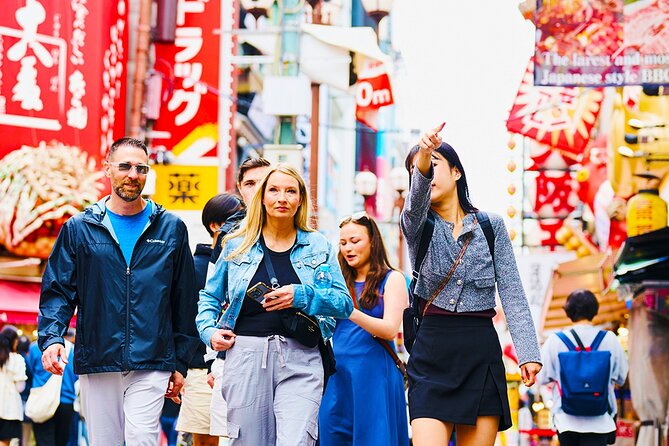
Osaka’s best introduction may be found on foot, with a takoyaki stall in front of you and the bright Dotonbori Glico Sign behind you. This two-hour walk links Namba’s famous food streets with Hozenji Temple, professional kitchen-tool shops, and Kuromon Market.
I like the way the tour combines food and local shopping, rather than stopping at restaurants alone. I also like the small-group limit of 15, plus guides such as Kaz, Nako, and Sayaka, who can point you toward more places to eat after the walk.
The main catch is simple: food and drinks are not included, and the tour does not stop for a sit-down meal. Two hours also passes quickly, so this is an introduction to Osaka’s food culture, not a full evening feast.
In This Review
- Key points at a glance
- Why this two-hour Osaka food walk works
- Meeting the guide near Dotonbori
- Hozenji Temple and a quiet twenty minutes
- Doguyasuji, where the tools tell the story
- Kuromon Market, Osaka’s food center
- What the guide adds
- Food costs and the value of the tour
- Group size, walking, and pace
- Who should book this Osaka walk
- Practical booking advice
- Should you book it?
- FAQ
- How long does the Osaka nightlife and food walk last?
- Where does the tour start?
- Where does the tour end?
- Is food included in the tour price?
- What foods can I try?
- Is the tour conducted in English?
- How large is the group?
- Can I cancel for a full refund?
Key points at a glance
- Taste Osaka classics: Look for takoyaki, gyoza, and other street foods, with each purchase paid separately.
- Start beneath the Glico sign: The meeting point is near Dotonbori, one of Namba’s easiest areas for a first walk.
- See a quiet temple: Hozenji’s moss-covered Fudo Myo-o offers a calm pause amid the city streets.
- Shop where cooks buy tools: Sennichimae Doguyasuji is known for professional kitchen equipment and cooking supplies.
- Explore Osaka’s Kitchen: Kuromon Market brings seafood, wagyu beef, fruit, sushi, and food stalls into one lively route.
- Keep the group manageable: A maximum of 15 people gives you more room to ask for restaurant advice.
Why this two-hour Osaka food walk works
This experience gives you a useful first look at Namba without asking you to commit to a long food tour. In about two hours, you move through four very different parts of the district: the neon and snack stalls of Dotonbori, the quiet lane around Hozenji, the practical shopping street of Doguyasuji, and the market atmosphere of Kuromon.
That mix matters. Osaka’s food culture is not only about eating. It also includes the tools used to prepare food, the markets that supply it, the tiny temple tucked into a busy neighborhood, and the streets where people gather after dark.
The price is about $31.84 per person. That is fair for a guided orientation in a major city, especially if you want help finding your way and a few food suggestions to shape the rest of your stay. You should budget extra for everything you want to eat, though. The tour price covers the English-speaking guide, not takoyaki, gyoza, seafood, drinks, or any other purchases.
The 4.9 rating from 199 reviews and 97 percent recommendation rate point to a consistently well-received experience. I would treat those numbers as a sign that the guide can make a real difference here. Namba is easy to reach, but it is also crowded and full of tempting turns. A local guide helps you spend your limited time well.
A few more Osaka trips to weigh up
- Osaka: Shinsekai Food Tour with 13-15 Dishes at 5 Eateries
★ 4.8 · 2,204 reviews - Osaka Food Tour: 13 Dishes at 5 Local Eateries
★ 5.0 · 2,149 reviews - Hungry Osaka Street Food Tour:15 Tastings & 3 Drinks with a Local
★ 5.0 · 1,727 reviews
Meeting the guide near Dotonbori
The walk begins at the Don Quijote Dotonbori Midosuji location, at 2-chome-5-9 Nishishinsaibashi in Chuo Ward. The meeting point places you close to the Dotonbori entertainment district and its famous Glico running-man sign.
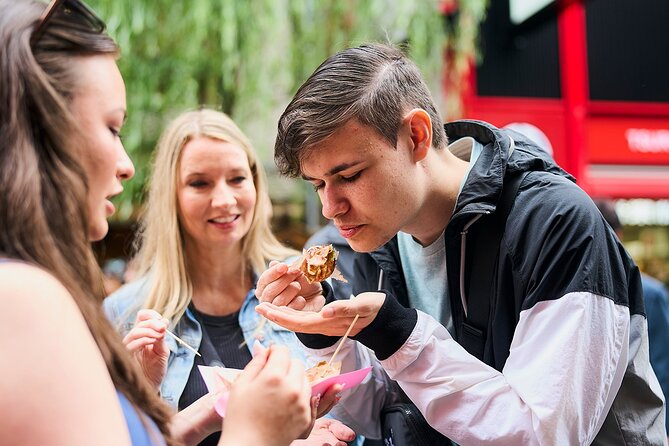
The first stop lasts about 30 minutes. That gives you time to get oriented, take photographs, and try street food you may not have ordered on your own. Takoyaki and gyoza are specifically part of the food focus, so you can expect the guide to help introduce you to familiar Osaka staples and perhaps less familiar snacks.
This is not a restaurant crawl with a fixed tasting menu. That can be a plus if you have strong preferences or dietary limits, since you decide what to buy. It can also be a drawback if you expect the tour fee to cover several portions.
The Dotonbori portion sets the tone for the evening. You are not simply being shown a famous sign. You are entering one of Osaka’s main food districts and learning how to read the streets, choose a stall, and ask the guide what deserves your attention. Sayaka, one of the guides praised for making the tour fun and flexible, has also helped participants adjust the experience to their tastes, including sake.
Hozenji Temple and a quiet twenty minutes
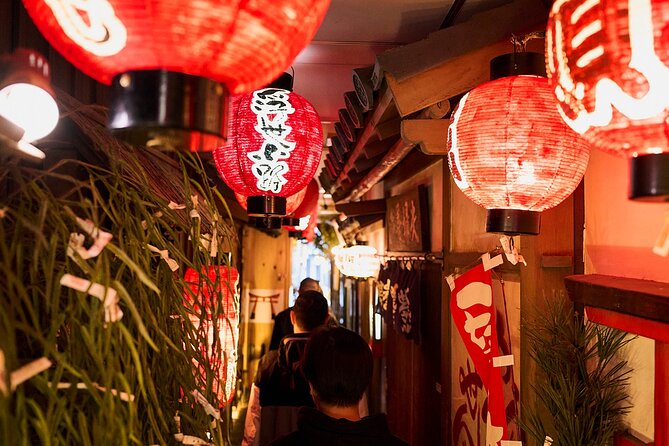
After Dotonbori, the route turns toward Hozenji Yokocho and Hozenji Temple. The contrast is the point. A short walk takes you from bright signs and food stalls to a small temple tucked into the city.
Hozenji is known for its moss-covered statue of Fudo Myo-o. Visitors traditionally splash water on the statue while making a wish, which explains the thick green coating. The temple stop lasts about 20 minutes, enough to hear the basic story, look closely at the statue, and enjoy a quieter pocket of Namba.
I like this stop because it keeps the tour from becoming a simple list of snacks. Osaka can feel loud and commercial around Dotonbori, but Hozenji shows another side of the same neighborhood. You get a brief look at local religious custom without leaving the central district.
Do not expect a large temple complex or a long historical visit. This is a compact stop, and the value comes from the mood and setting. If you want detailed architectural commentary or a major temple tour, this walk is not designed for that.
Doguyasuji, where the tools tell the story
The next stop is Sennichimae Doguyasuji Shopping Street, with about 20 minutes devoted to professional kitchen tools. This is one of the more unusual parts of the route.
Osaka’s food culture is easy to understand through its dishes, but Doguyasuji lets you see the work behind them. Shops here are associated with the equipment used by cooks, including the practical tools that help restaurants prepare and serve food. You may find knives, cookware, tableware, and other supplies, though the tour information does not promise particular shops or purchases.
For you, the benefit is context. After seeing food being sold in Dotonbori, you get a look at the tools and supplies that support the city’s restaurant trade. It also gives the walk a shopping angle without turning it into a standard souvenir outing.
Twenty minutes is enough for a quick look, but not enough for a serious shopping session. If you are interested in Japanese kitchen knives or cookware, you may want to return on your own later. The guided tour keeps moving, and the group needs to stay together.
Same city, a completely different kind of day:
- Osaka Go Karting Tour with Funny Costume
★ 5.0 · 2,658 reviews - Osaka Castle: Museum and Tower Entry Ticket
★ 4.5 · 2,380 reviews - Osaka: Tea Ceremony Experience
★ 4.9 · 1,426 reviews - Osaka Kickstart: Hotspots & Hidden Gems Tour
★ 5.0 · 1,306 reviews
Kuromon Market, Osaka’s food center
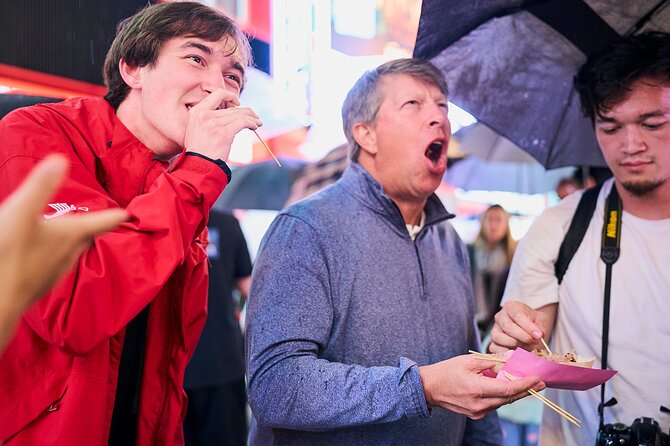
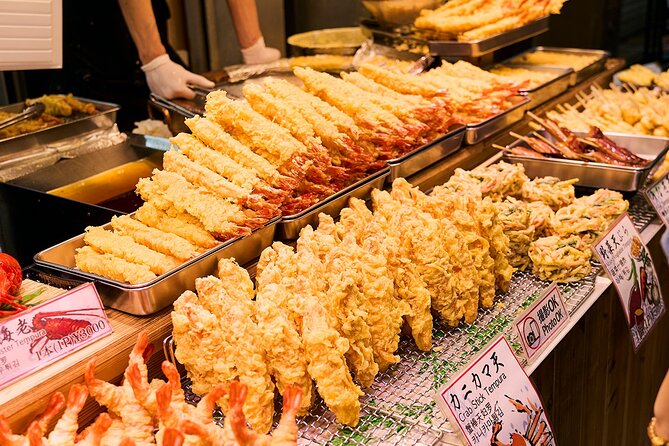
The final major stop is Kuromon Market, known as Osaka’s Kitchen. The market is associated with fresh seafood, wagyu beef, fruit, sushi, and other foods that can often be eaten on the spot.
This is where a guide can be especially useful. Markets can be crowded, and a first-time visitor may not know which stalls fit a quick tasting stop. Your guide can explain what you are seeing, help you navigate the route, and suggest what to consider buying. You still pay for anything you eat.
The market portion lasts about 30 minutes. That is enough for a first pass, but you should manage your expectations. You will not have time to inspect every stall, sit down for a full meal, and return for second helpings. Think of Kuromon as a preview that helps you decide where to come back later.
The market also rounds out the food theme. Dotonbori introduces prepared street snacks. Kuromon shows ingredients and market-style eating. Together, the stops help you see why Osaka is associated with casual, accessible food.
The route description also refers to watching skilled food preparation. That detail matters because markets are not only displays of products. You may see vendors handling seafood or preparing items for immediate eating, giving the stop a more practical feel than a simple shopping visit.
What the guide adds
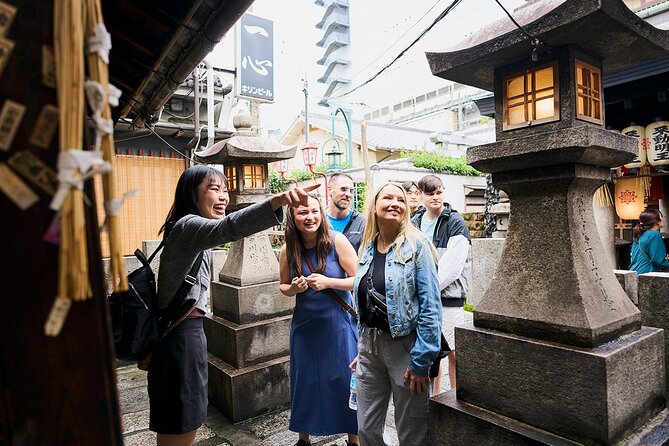
The English-speaking guide is the main reason to book rather than follow the same streets alone. Dotonbori, Hozenji, Doguyasuji, and Kuromon are all reachable without a tour, but a guide can connect them into a clear story.
Kaz has been praised for offering insight into both classic and less obvious food stops. Nako has been praised for a friendly walk through Namba and the markets. Sayaka has been especially good at shaping the experience around personal tastes, with food, history, local sights, and even pachinko coming up during one outing.
Those names do not guarantee who will lead your departure. Still, they show the sort of guide service this experience aims to provide: local suggestions, conversation, and flexibility rather than a memorized march from one photo stop to the next.
You should use the guide actively. Ask where to eat later, what local dish to try next, or which market stall deserves a return visit. One of the tour’s most useful features is the chance to collect recommendations for the rest of your Osaka stay.
Food costs and the value of the tour
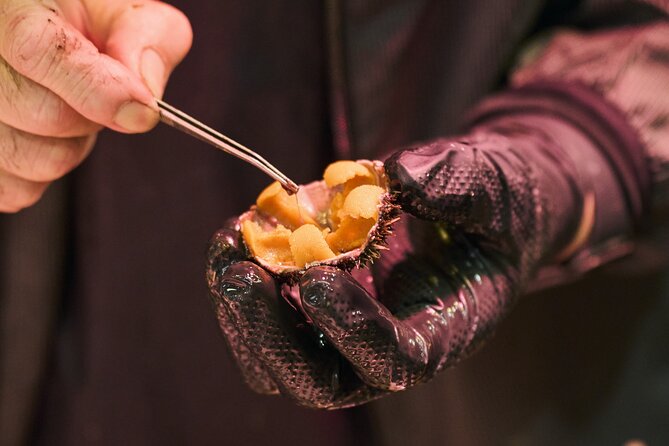
At $31.84, this is not an expensive guided walk, but the final cost depends on your appetite. Since meals and drinks are excluded, you might spend very little if you only sample one snack, or more if you try seafood, meat, sweets, and drinks at several stops.
That pay-as-you-go setup has advantages. You are not charged for food you do not want, and you can choose portions that suit your budget. It also means the experience works for people who have already eaten and simply want to browse.
The downside is that the phrase food tour could lead you to expect included tastings. This is better described as a guided food-culture walk with opportunities to buy street food. Read it that way and the pricing makes sense.
The tour also offers several departure times during the day, according to the schedule information. That helps you fit it around sightseeing, though the title emphasizes nightlife and the stops are well suited to an evening in Namba. Check your selected time carefully when booking.
Group size, walking, and pace
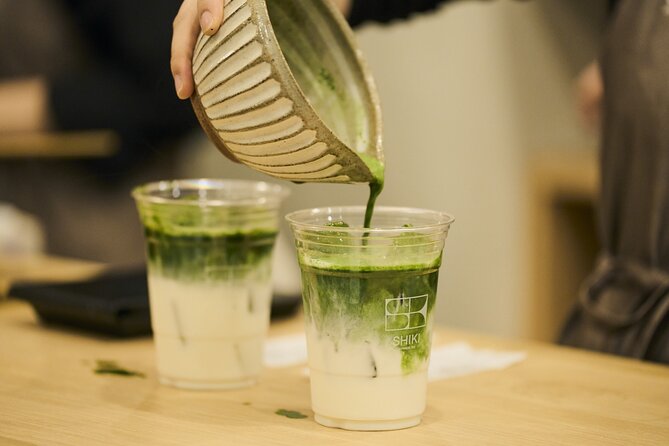
The maximum group size is 15 people. That is not a private tour, but it is small enough for a guide to answer questions and keep an eye on the group in busy streets.
You should expect continuous walking between the four stops. The listed stop times add up to about 100 minutes, leaving the rest of the two-hour experience for moving between locations and handling food stops. Wear comfortable shoes and keep your purchases manageable.
The route is near public transportation, and the activity ends back at the meeting point. Returning to the start makes it easy to continue your evening in Dotonbori or Namba, though the provided information does not specify a particular final restaurant or bar.
Most people can participate. No special access requirements are listed, but crowded market streets and a walking route may matter if you have mobility concerns. Ask the provider before booking if you need exact information about street conditions or the pace.
Who should book this Osaka walk
I would recommend this tour as a first activity in Osaka, especially if you are staying near Namba or Dotonbori. The route gives you a working map of the area and several ideas for later meals.
It suits you if you want:
- A short introduction rather than a full-day tour
- English-language guidance
- Street food suggestions without a fixed tasting menu
- A mix of food, local sights, shopping, and market culture
- Help finding places you might otherwise pass by
- A small-group setting with room for questions
It is less suitable if you want a large number of included tastings, a sit-down dinner, or detailed history at every stop. It may also feel too brief if your main goal is to shop for kitchen tools or spend a long time at Kuromon Market.
Families, solo visitors, couples, and first-time Osaka visitors can all make good use of it. I would be especially keen to book it near the beginning of a stay, because the guide’s restaurant advice can shape the following days.
Practical booking advice
Confirmation arrives at the time of booking, and the experience uses a mobile ticket. Keep the ticket available on your phone at the Don Quijote meeting point.
Free cancellation is available if you cancel at least 24 hours before the local start time. Inside that 24-hour window, the payment is not refunded and changes are not accepted. That policy is worth noting if your Osaka schedule is still uncertain.
The tour is booked, on average, 21 days ahead. That does not prove every departure sells out, but it is a good reason to reserve early if you need a particular time or want to travel during a busy period.
Should you book it?
Book this walk if you want a compact, practical introduction to Osaka’s food streets and you are happy to pay separately for what you eat. The strongest parts are the varied route, the guide’s local suggestions, and the shift from Dotonbori’s neon to Hozenji Temple, Doguyasuji’s cooking tools, and Kuromon Market.
I would not book it expecting an all-inclusive meal. Instead, bring an appetite, a little extra cash, and questions for your guide. For about $31.84, you get a useful orientation to Namba and a head start on eating well in Osaka.
FAQ
How long does the Osaka nightlife and food walk last?
The experience lasts approximately two hours.
Where does the tour start?
The meeting point is Don Quijote Dotonbori Midosuji, at 2-chome-5-9 Nishishinsaibashi, Chuo Ward, Osaka, 542-0086, Japan.
Where does the tour end?
The activity ends back at the meeting point.
Is food included in the tour price?
No. Food and drinks from street vendors are not included, and the tour does not stop for a sit-down meal.
What foods can I try?
The tour focuses on Osaka street food such as takoyaki and gyoza. Kuromon Market also offers seafood, wagyu beef, fruit, sushi, and other foods that you may purchase separately.
Is the tour conducted in English?
Yes. An English-speaking guide leads the tour.
How large is the group?
The maximum group size is 15 people.
Can I cancel for a full refund?
Yes, if you cancel at least 24 hours before the experience start time. Cancellations made less than 24 hours before the start time are not refunded, and changes are not accepted within that period.
More 2-Hour Experiences in Osaka
- Osaka: 2-Hour Local Street Food Tour – Dotonbori & Namba
★ 4.6 · 95 reviews - Kyoto Gion: 2-Hour Geisha Culture & History Walking Tour
★ 5.0 · 1,186 reviews - Ninja 2-hour Hands-on Lesson by Japanese master in Kyoto -Medium
★ 5.0 · 218 reviews - Ninja Samurai 2-hour hands-on lesson by Japanese master in Tokyo
★ 5.0 · 194 reviews
More Nightlife in Osaka
- Osaka Bar Hopping Night Walking Tour in Namba (3 bars, 6 tastes)
★ 5.0 · 958 reviews - Osaka: Izakaya Bars Guided Walking Tour
★ 4.9 · 385 reviews - Osaka: Guided Pub Crawl
★ 4.4 · 331 reviews - Osaka Pub Crawl and Nightlife Tour
★ 5.0 · 293 reviews
Just added around Osaka
- (Ticket Included) Explore Osaka Castle & Museum of History★ 4.8 · 21 reviews
- Hidden Osaka – Yukaku Red Light Tour & Culinary Adventure★ 4.8 · 96 reviews
- Osaka: Walking Tour and Top Highlights★ 4.8 · 104 reviews
- Osaka: Private Ceramic Painting Workshop★ 5.0 · 13 reviews
- Pickleball in Osaka, Kobe & Kyoto with Locals!★ 4.7 · 80 reviews
- Eat Like a Local in Osaka – Private Custom Street Food Tour★ 4.3 · 33 reviews
- Osaka:SUMO BEATS SHOWCASE: Taiko Drum and Wagyu burger!★ 4.2 · 37 reviews
- Kimono photoshoot-Includes 100 photo data★ 5.0 · 21 reviews
2-Hour Experiences, compared.
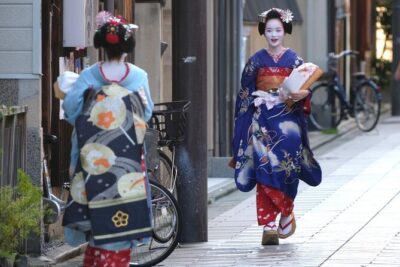
Kyoto Gion: 2-Hour Geisha Culture & History Walking Tour
Read our review →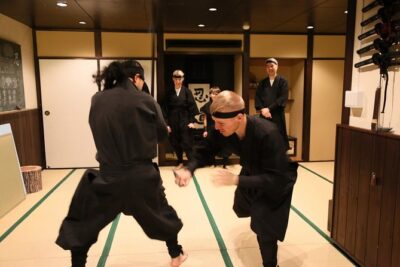
Ninja 2-hour Hands-on Lesson by Japanese master in Kyoto -Medium
Read our review →
Ninja Samurai 2-hour hands-on lesson by Japanese master in Tokyo
Read our review →

2-Hour Local Street Food Tour – Dotonbori & Namba
Read our review →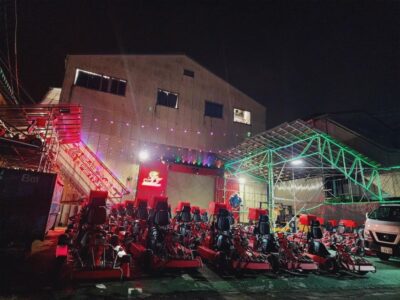
Flagship 2-Hour Street Go-Kart Tour by Street Kart
Read our review →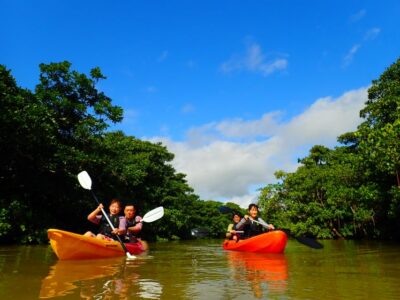
Ishigaki Island: 2-Hour Miyara River SUP or Canoeing Tour
Read our review →
2-Hour Vegan and Vegetarian Ramen Guided Walking Tour
Read our review →Browse the lists this tour appears in