
REVIEW · TEA CEREMONY EXPERIENCES
Matcha Making Class in Osaka with Authentic Japanese Sweets Set
The best part of this Osaka class is that you do not just drink matcha, you make it yourself. An English-speaking host explains where the tea comes from, shows each step, and helps you correct your technique. Short quizzes and visual aids keep the cultural lesson lively rather than stiff.
I like the small maximum of six people, which gives the teacher time to watch your whisking. I also like the two practical choices of morning or afternoon sessions, plus the Japanese sweets served with the tea. The main drawback is finding the entrance. A few people needed extra time, so arrive early and use the supplied location video if available.
In This Review
- Key points
- What the Osaka matcha class actually offers
- Arriving in Higashishinsaibashi
- The opening lesson: matcha beyond the green color
- Preparing your own bowl of matcha
- Japanese sweets make the tasting work
- A calm hour with room for questions
- What the $21.89 price buys you
- The practical drawbacks to weigh
- Who should book this Osaka experience
- Should you book the matcha class?
- FAQ
- How long does the matcha-making class last?
- Where does the experience take place?
- Where does the activity end?
- What is included in the price?
- Is hotel pickup or drop-off included?
- Do I need previous matcha-making experience?
- Are the hosts English-speaking?
- How many people can join the class?
- Can I cancel for a full refund?
Key points
- Hands-on whisking: You prepare your own authentic matcha instead of only watching a demonstration.
- Six-person maximum: The small group allows direct help from the instructor.
- Clear cultural context: Learn about matcha’s history, production, and place in Japanese tea practice.
- English-speaking hosts: Hosts including Yui, Momo, Fuko, and Matty have led engaging, easy-to-follow sessions.
- Japanese sweets included: Small traditional treats balance matcha’s strong, earthy flavor.
- Good value at $21.89: For about an hour of instruction, tasting, and cultural context, the price is modest.
What the Osaka matcha class actually offers
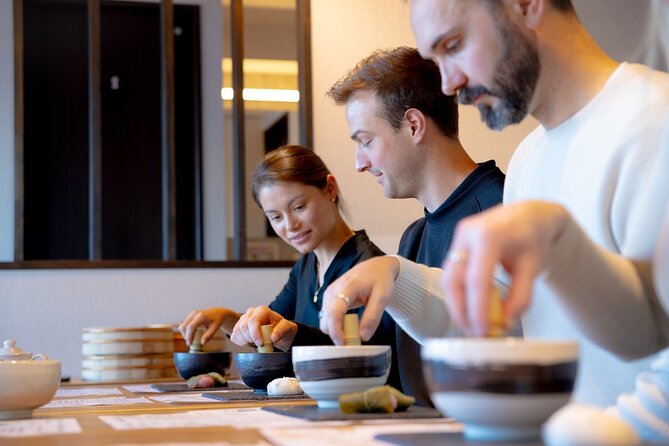
This is a compact cultural activity in central Osaka, not a formal, multi-hour tea ceremony. You meet at Matcha Making Osaka, at 1-chōme-16-20 Higashishinsaibashi in Chuo Ward, then spend roughly an hour learning, whisking, tasting, and asking questions before finishing at the same place.
That distinction matters. If you want a quiet introduction to matcha that fits between sightseeing stops, this format works well. If you are looking for elaborate kimono, a historic tea house, or a full ceremonial performance, this is not that type of experience.
Instead, the focus is practical. You learn how to prepare a proper bowl of matcha and understand why the method matters. The class is designed for beginners, so you do not need to know the names of tea utensils or have any previous experience.
The setting also suits solo visitors and small groups. With no more than six participants, the instructor can keep an eye on each person’s preparation. That is useful because matcha is simple in theory but easy to get wrong at home.
More Tea Ceremony Experiences in Osaka
- Osaka: Tea Ceremony Experience
★ 4.9 · 1,426 reviews - Tea Ceremony Experience in Osaka Doutonbori
★ 5.0 · 754 reviews - Osaka: Matcha Making Experience with Japanese Sweets
★ 5.0 · 146 reviews
Arriving in Higashishinsaibashi
The class takes place near public transportation in Osaka’s Chuo Ward. The address is specific, but finding the correct building may take more effort than you expect. One person found the location difficult to identify, and another recommended watching the short location video before setting out.
I would not leave this until the last minute. Osaka streets can be confusing when you are looking for a particular entrance among shops and larger buildings. Give yourself extra time, keep the full address ready on your phone, and look for the exact meeting point rather than assuming the activity is held in a large tea museum or traditional house.
There is no hotel pickup or drop-off. You make your own way to the meeting point, and the activity returns there at the end. That is a minor inconvenience, but it also keeps the cost low and makes the class easy to pair with other plans in central Osaka.
A mobile ticket is provided, and confirmation arrives when you book. The activity is near public transportation, and service animals are allowed.
The opening lesson: matcha beyond the green color
The class begins with an explanation of matcha, including its history and how it is made. This background gives the preparation more meaning. You are not simply mixing green powder with hot water. You learn why matcha differs from ordinary steeped tea and why the preparation has its own set of movements and tools.
The instructors use visuals and small quizzes to make the information easier to remember. That is a smart choice for a short class. A long lecture would feel heavy, especially if you have just come from a day of sightseeing, but a few questions give you something active to do before you begin whisking.
Fuko, one of the hosts mentioned by name, is praised for explaining the background in clear English and using a quiz effectively. Momo is also singled out as a warm and approachable guide, while Matty is described as making the session fun and interactive. Yui is noted for being easy to understand and for guiding the preparation clearly.
The exact host can vary, so do not book solely to meet one particular person. Still, these names give you a sense of the teaching style: friendly, direct, and aimed at people who may be encountering matcha for the first time.
Preparing your own bowl of matcha
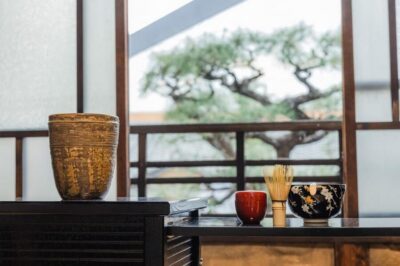
After the introduction, you move to the hands-on portion. The tools and ingredients are prepared for you, so you do not need to bring anything or worry about assembling a tea kit.
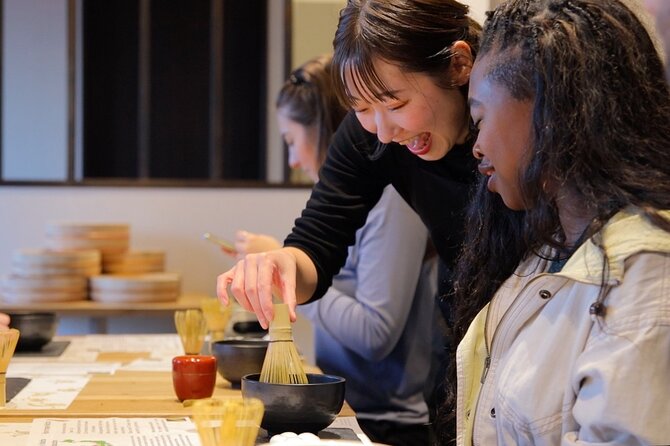
Your instructor walks through each stage and watches as you work. This is where the small group pays off. You can ask questions as you go, and the teacher can point out mistakes instead of letting you repeat them several times.
For someone who has bought matcha in Kyoto or Osaka but never prepared it correctly, this is the most useful part of the class. You learn a method you can repeat at home, rather than leaving with only a pleasant memory and a photograph.
The class is also friendly to people who already like matcha but have never learned the proper technique. One person described having enjoyed matcha for years without knowing how to make it correctly, and found the instruction straightforward. That is an important selling point: the session is not limited to complete beginners, but it does not assume prior skill.
The taste of your final drink will depend partly on how well you prepare it. That is part of the fun. Your bowl is not a fixed sample poured by someone else. You get to see how your technique affects the result, then drink it with guidance close at hand.
Same city, a completely different kind of day:
- Osaka Go Karting Tour with Funny Costume
★ 5.0 · 2,658 reviews - Osaka Castle: Museum and Tower Entry Ticket
★ 4.5 · 2,380 reviews - Osaka: Shinsekai Food Tour with 13-15 Dishes at 5 Eateries
★ 4.8 · 2,204 reviews - Osaka Food Tour: 13 Dishes at 5 Local Eateries
★ 5.0 · 2,149 reviews
Japanese sweets make the tasting work
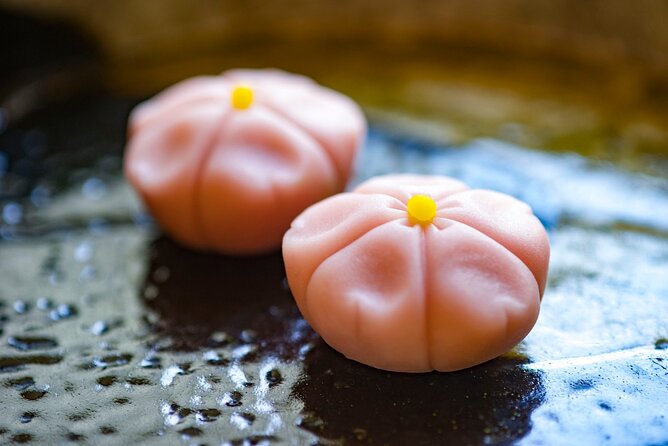
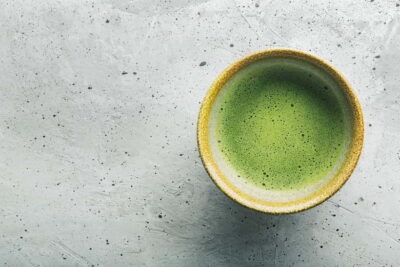
Matcha has a strong, grassy and sometimes bitter flavor. The accompanying Japanese sweets are not just decoration. Their sweetness gives your palate a contrast and makes the tea easier to appreciate.
The sweets are included in the price, and the portions are described as small treats rather than a full meal. Plan to arrive having eaten normally if you are looking for lunch or dinner. This is a tea break, not a food tour.
The pairing also gives you a useful introduction to the way Japanese tea is often enjoyed with a sweet bite. You get to taste the tea on its own and then with something sweet, which makes the flavor feel more balanced.
If you are unsure about matcha, this part helps. The class can work for people who do not already consider themselves matcha fans because the experience combines tasting with instruction. You are not expected to love the first sip. You are given context for what you are tasting and a sweet accompaniment that softens the experience.
A calm hour with room for questions
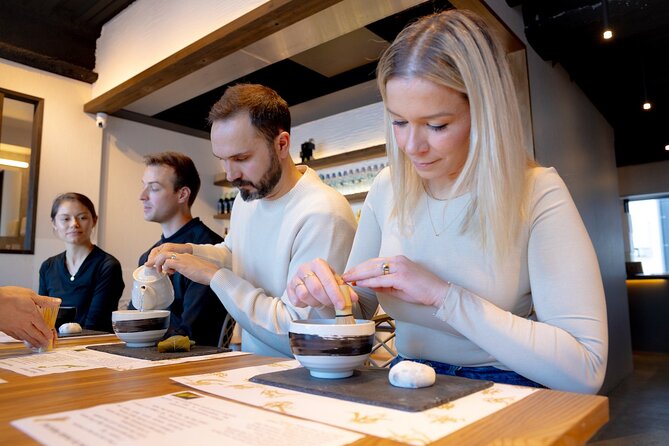
The activity lasts about one hour, making it easy to place in a busy Osaka schedule. Morning and afternoon options let you choose between starting the day with tea or taking a slower break later.
I would choose the morning if you want a gentle cultural activity before shopping or sightseeing. The afternoon option may work better after visiting other parts of the city, especially if you want an indoor break that is quieter than a major attraction.
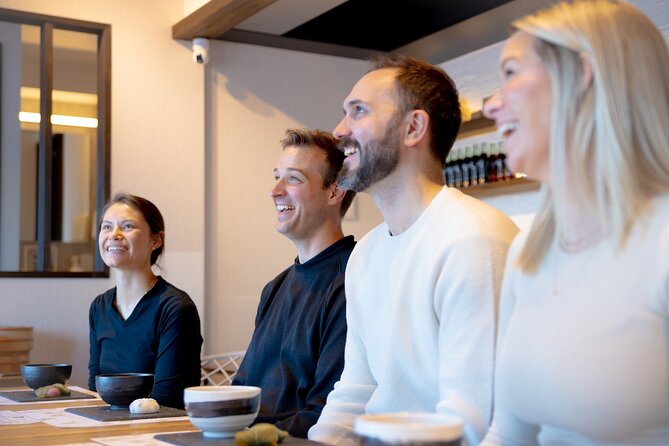
The pace is relaxed and beginner-friendly. The host explains, demonstrates, and then lets you try. Short quizzes keep the opening lesson active, while the small group creates room for questions without making the session feel like a classroom lecture.
You can also take photographs during the experience. That is useful if you want a visual record of the tools, your bowl, or the sweets, though you should still pay attention while the instructor is showing the technique.
This is not a physically demanding activity. The main work is sitting or standing while preparing the tea, following instructions, and whisking. If you have limited mobility or other needs, confirm the details before booking because the supplied information does not describe the room layout.
What the $21.89 price buys you
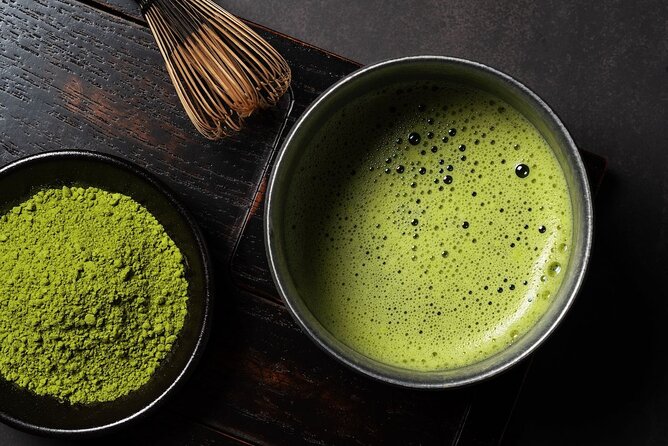
At $21.89 per person, this is a low-cost cultural activity by Osaka standards. The price includes an English-speaking instructor, matcha, and Japanese sweets. It does not include transportation or hotel transfers, but the central meeting point keeps those costs manageable.
The value comes from the instruction rather than the quantity of food. You are paying for a guided lesson, the chance to use the tools, a tasting, and an explanation of the cultural background. For a first visit to Japan, that combination gives you more than a simple café stop.
It is also good value if you plan to buy matcha later. The class teaches you how to make it at home, so the lesson can continue after your trip. You may still need to purchase your own powder and tools separately, but you leave knowing what proper preparation should look and taste like.
I would not choose it as a replacement for a substantial meal or a long cultural tour. The session is short, and the sweets are modest. At this price, that is fair. Think of it as an affordable one-hour lesson, not an all-day food experience.
The activity has also received two TripAdvisor Best of the Best awards and a five-star rating from 509 reviews, with 100 percent recommending it. Those figures suggest strong consistency, though the experience is still best suited to someone who wants a hands-on introduction rather than a grand ceremonial production.
The practical drawbacks to weigh
The address is the clearest issue. The activity itself is simple to understand, but the entrance may not be obvious once you reach the neighborhood. Use the exact address, allow extra time, and check the location guidance before leaving.
The class ends where it begins, so you should plan your next stop from Higashishinsaibashi rather than expect to be taken elsewhere. That is convenient for an independent itinerary, but less helpful if you want a guided transfer to another attraction.
The one-hour duration is both a strength and a limit. You receive a focused introduction, but there is not time for a long examination of tea culture or several different matcha styles. Anyone seeking a formal ceremony may find the format too casual.
Finally, host names can change from one session to another. Momo, Fuko, Matty, and Yui have each been praised for clear, friendly instruction, but you should treat them as examples of the teaching team rather than a guaranteed lineup.
Cancellation is free when made at least 24 hours before the start time. Cancellations or changes made within 24 hours are not accepted for a refund, and the cutoff follows Osaka local time.
Who should book this Osaka experience
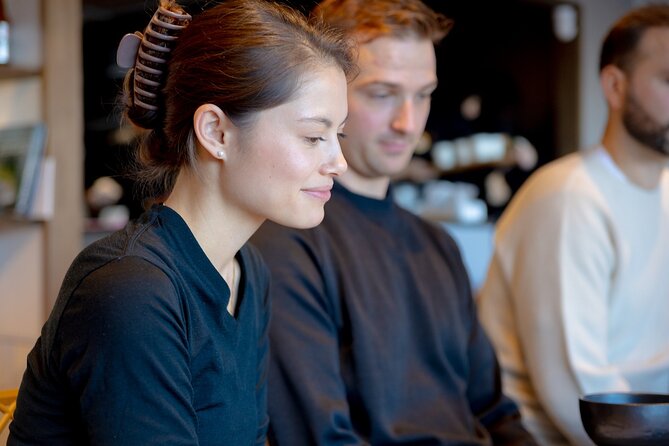
I would recommend this class to first-time visitors who want a manageable cultural activity with real participation. It is especially suitable if you enjoy food, want to understand matcha before buying it, or prefer a small class to a large group demonstration.
It also works well for solo visitors. The small group gives you a natural setting for meeting others without making social interaction the main purpose of the activity. Couples and families with older children may also find it appealing, provided everyone can follow the preparation steps.
You do not need to be a matcha enthusiast. The class includes history, production information, a quiz, instruction, and sweets, so there is more to it than tasting a bitter drink.
I would be less likely to recommend it to someone who wants a full formal tea ceremony, a substantial meal, or hotel-to-hotel convenience. You should also think twice if your Osaka schedule is so tight that a confusing arrival could cause stress.
Should you book the matcha class?
Book it if you want to learn a useful Japanese skill in about an hour for $21.89. The combination of English instruction, a six-person maximum, hands-on preparation, and Japanese sweets gives you a genuine cultural experience without taking over your day.
Just plan the arrival carefully. Watch the location guidance, use the exact Higashishinsaibashi address, and leave time to find the entrance. With that small bit of preparation, this is an appealing choice for curious beginners and anyone who wants to make matcha properly at home.
FAQ
How long does the matcha-making class last?
The class lasts approximately one hour.
Where does the experience take place?
It starts at Matcha Making Osaka, located at 1-chōme-16-20 Higashishinsaibashi, Chuo Ward, Osaka, 542-0083, Japan.
Where does the activity end?
The experience ends back at the meeting point.
What is included in the price?
The price includes an English-speaking instructor, matcha, and Japanese sweets.
Is hotel pickup or drop-off included?
No. Hotel pickup and drop-off are not included.
Do I need previous matcha-making experience?
No. The class is beginner-friendly, and no prior experience is required.
Are the hosts English-speaking?
Yes. The experience includes an English-speaking instructor.
How many people can join the class?
The activity has a maximum of six participants.
Can I cancel for a full refund?
Yes, if you cancel at least 24 hours before the experience start time. Cancellations or changes made less than 24 hours in advance are not refunded.
More Workshops in Osaka
- Sushi Making Osaka Roll and Authentic Japanese Sushi Class
★ 5.0 · 1,220 reviews - Osaka: Ramen and Gyoza Cooking Class in Dotonbori
★ 5.0 · 378 reviews - Osaka Sushi Making Class – Hands-On Nigiri & Rolls (Same-Day OK)
★ 5.0 · 352 reviews - Osaka Cooking Class: Okonomiyaki &Japanese cuisines experience
★ 5.0 · 261 reviews
More Dessert Tours in Osaka
- Osaka: Japanese Traditional Sweets Making and Tea Ceremony
★ 4.7 · 118 reviews - Matcha Making Class in Tokyo with Authentic Japanese Sweets Set
★ 5.0 · 744 reviews - Tokyo: Matcha Making Experience with Mochi Sweets in Asakusa
★ 4.9 · 388 reviews - Kyoto: Japanese Traditional Sweets Making and Tea Ceremony
★ 4.4 · 314 reviews
Just added around Osaka
- (Ticket Included) Explore Osaka Castle & Museum of History★ 4.8 · 21 reviews
- Hidden Osaka – Yukaku Red Light Tour & Culinary Adventure★ 4.8 · 96 reviews
- Osaka: Walking Tour and Top Highlights★ 4.8 · 104 reviews
- Osaka: Private Ceramic Painting Workshop★ 5.0 · 13 reviews
- Pickleball in Osaka, Kobe & Kyoto with Locals!★ 4.7 · 80 reviews
- Eat Like a Local in Osaka – Private Custom Street Food Tour★ 4.3 · 33 reviews
- Osaka:SUMO BEATS SHOWCASE: Taiko Drum and Wagyu burger!★ 4.2 · 37 reviews
- Kimono photoshoot-Includes 100 photo data★ 5.0 · 21 reviews
Tea Ceremony Experiences, compared.
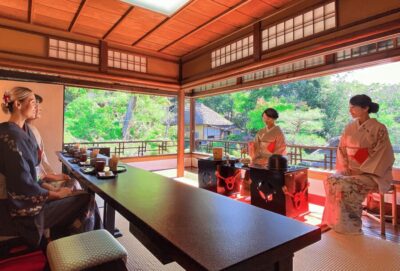
Tea Ceremony in a Traditional Tea House in Kiyomizu
Read our review →
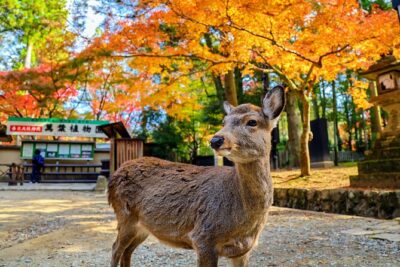
World Heritage Kyoto & Nara Uji Authentic Matcha Experience
Read our review →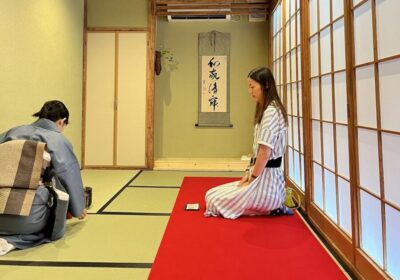
Browse the lists this tour appears in