
REVIEW · JAPANESE COOKING CLASSES
Osaka Sushi Making Class – Hands-On Nigiri & Rolls (Same-Day OK)
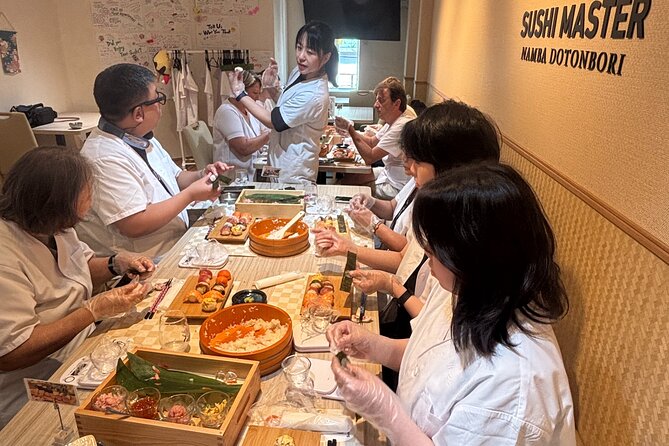
The best part of this Osaka class is that you do not just watch a chef work. You prepare sushi rice, shape nigiri, make rolls, and eat the finished pieces near Namba Station. I like the clear English instruction and the fact that the class works for complete beginners, including families with children. I also like the practical location, just a three-minute walk from the Osaka Metro Midosuji Line’s Namba Station.
The main thing to consider is the short format. Ninety minutes gives you a fun introduction, not a full culinary course. The standard option includes eight pieces, while the premium course includes 10, and drinks cost extra. You should also report allergies or vegetarian needs before the class, since ingredients can change with availability.
In This Review
- Key points at a glance
- A hands-on start in Namba
- The short introduction to sushi and Japanese food
- Learning to make sushi rice
- Shaping nigiri and making rolls
- Eating the sushi you prepared
- Why the class works for families
- Vegetarian and allergy planning
- The value of $33.16
- Timing, meeting point, and cancellation
- Who should book this sushi lesson?
- Should you book it?
- FAQ
- How long does the sushi-making class last?
- Where does the activity begin?
- How far is the meeting point from Namba Station?
- How many pieces of sushi are included?
- Is the class taught in English?
- Are vegetarian sushi options available?
- Are drinks included in the price?
- Can I cancel for a full refund?
Key points at a glance
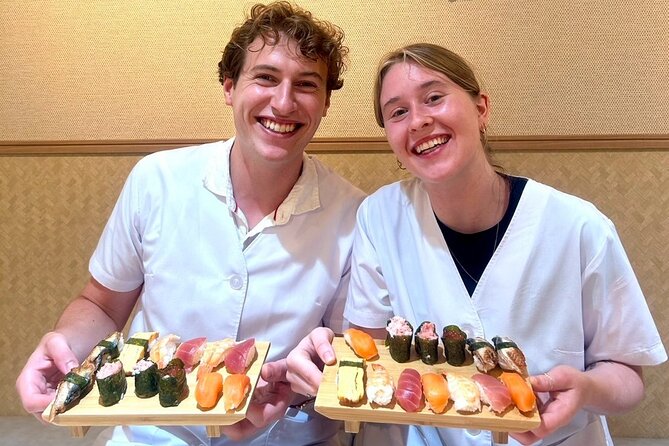
- Make and eat your own sushi: Your class ends with a meal made by your own hands, not just a demonstration.
- Learn the rice first: The session includes instruction on preparing sushi rice, the base that makes or breaks nigiri.
- Choose eight or 10 pieces: The standard course includes eight pieces, while the premium course includes 10.
- English-speaking help: Friendly instructors explain each step in English and guide beginners patiently.
- Three minutes from Namba Station: The meeting point is easy to pair with Dotonbori, Namba, and an evening in central Osaka.
- Vegetarian requests are possible: Add your preference in the special requirements section before booking.
A hands-on start in Namba
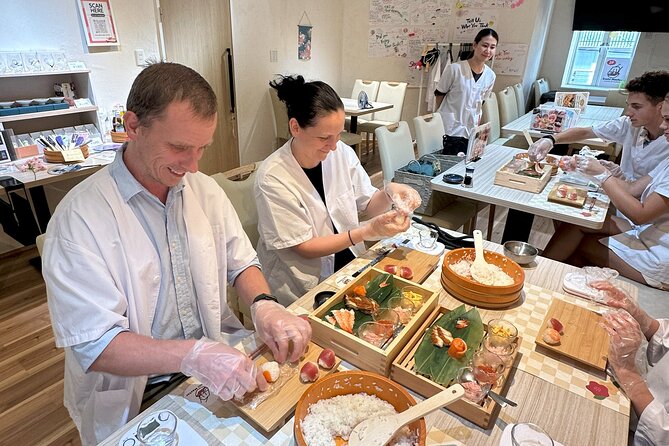
Sushi Master Namba Dotonbori puts you in a useful part of Osaka for a short food activity. The meeting point is at Hozenji Building, 2nd floor, 1-chome 6-21 Namba, Chuo Ward, Osaka 542-0076. Search for Sushi Master Namba Dotonbori on Google Maps rather than relying only on the street address.
The short walk from Namba Station matters. You can fit this class into a day of sightseeing without spending much time on transfers, and the activity ends at the same place where it begins. That makes it easy to continue on to dinner, shopping, or the nearby Dotonbori area.
The class lasts about 90 minutes. That is long enough to learn the basic method, make several pieces, and sit down to eat, but it keeps the activity manageable for children and for anyone working around a busy Osaka schedule. Same-day booking is welcome, though you should still check availability before setting your plans around it.
The maximum group size is 30 people. That is not an intimate private lesson, so you should expect a shared class atmosphere. The tradeoff is that the format can suit families and mixed groups without requiring a large budget.
More Japanese Cooking Classes in Osaka
- Sushi Making Osaka Roll and Authentic Japanese Sushi Class
★ 5.0 · 1,220 reviews - Osaka Sushi Making Experience
★ 5.0 · 400 reviews - Osaka: Ramen and Gyoza Cooking Class in Dotonbori
★ 5.0 · 378 reviews
The short introduction to sushi and Japanese food
The session begins with a brief explanation of sushi and Japanese food culture. This gives the food some context before you start handling ingredients, though the class is clearly built around practice rather than a long lecture.
That balance is useful. You get enough background to understand why rice preparation matters and how sushi fits into Japanese cooking, then move quickly to the part most people came for. If you want an extensive history lesson or professional chef training, this is not the right format. If you want a friendly introduction before eating your way through Osaka, the pace makes sense.
The instructors speak English and guide you step by step. Clear teaching is especially important in sushi making because the movements can look simpler than they are. Rice needs the right texture, nigiri needs a gentle hand, and rolls need enough pressure to hold together without becoming heavy.
You do not need prior cooking experience. The class is designed for beginners, and the teaching style described by the provider emphasizes patience and encouragement. That makes it a sensible pick if you want an activity where everyone in your group can take part, rather than watching the most confident cook do everything.
Learning to make sushi rice
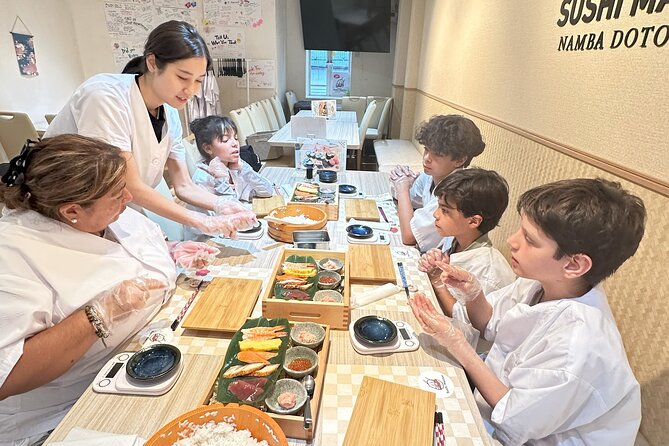
Sushi rice is the quiet center of the class. Fish and toppings get the attention, but poorly prepared rice can leave sushi too dry, too loose, or too heavy. The class includes instruction on how to make rice suitable for sushi, giving you a useful skill that applies beyond this one meal.
Do not expect a full recipe workshop with a long session devoted only to rice. In 90 minutes, this part has to stay brief. Still, it adds value because you learn the foundation before shaping the sushi itself.
For beginners, the rice lesson also helps explain why sushi feels different from ordinary cooked rice. The aim is not simply to pile ingredients onto a mound. You are learning how the rice supports the topping and how careful handling keeps the texture pleasant.
This is one reason the class offers more than a meal at a restaurant. You leave with a basic understanding of the preparation, not only a plate of finished food.
Shaping nigiri and making rolls
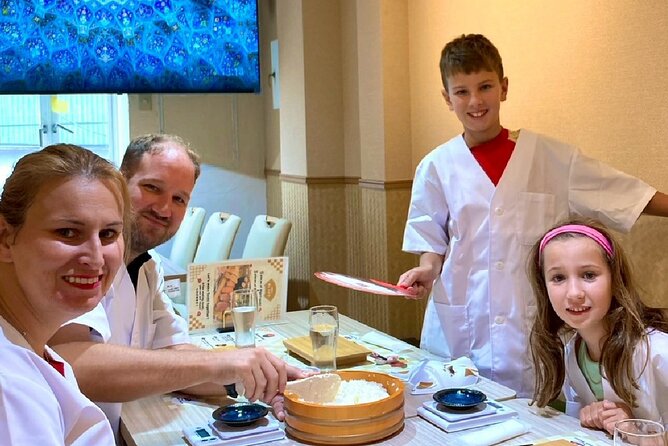
The main hands-on section covers traditional sushi making, including nigiri and rolls. Nigiri gives you the classic sushi challenge: a small portion of rice with a topping placed on top. The technique looks neat and effortless when a trained chef does it, so making your own gives you a better sense of the care involved.
Rolls provide a different task. You work with ingredients and shape them into a finished piece that needs to hold together when cut or eaten. The contrast between nigiri and rolls keeps the class active and gives beginners more than one way to succeed.
Your course includes either eight or 10 pieces. The standard sushi-making course includes eight pieces, and the premium course includes 10. The difference is modest, so I would choose based on appetite and the small extra value of having two more pieces to make and eat.
The ingredients can vary depending on availability. That means you should not book expecting a fixed list of fish or toppings unless the provider confirms it directly. The flexible ingredient list is normal for a food class, but it is worth keeping in mind if you have a particular sushi ingredient in mind.
The instructors guide you as you work, rather than leaving you to guess. This matters for families. Children aged 8, 12, and 14 have taken part in the class format, and the activity has also suited a family of five. Younger children may need help with the shaping steps, but the basic idea is accessible.
Same city, a completely different kind of day:
- Osaka Go Karting Tour with Funny Costume
★ 5.0 · 2,658 reviews - Osaka Castle: Museum and Tower Entry Ticket
★ 4.5 · 2,380 reviews - Osaka: Shinsekai Food Tour with 13-15 Dishes at 5 Eateries
★ 4.8 · 2,204 reviews - Osaka Food Tour: 13 Dishes at 5 Local Eateries
★ 5.0 · 2,149 reviews
Eating the sushi you prepared
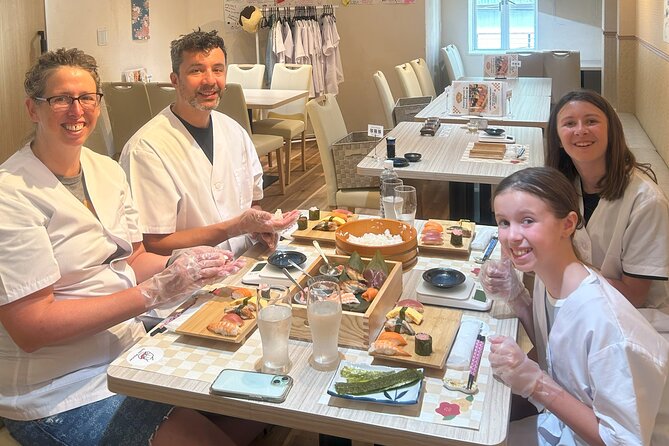
After the making session, you sit down and eat your sushi. This is the payoff, but it also gives the activity a useful sense of completion. You are not carrying a box of uncertain-looking sushi away from a cooking lesson. You make the food, then taste the result while the process is still fresh.
Your creations may not have the precise appearance of a professional sushi chef’s work. That is part of the fun. The point is to learn the basic movements, understand the ingredients, and enjoy a meal that you helped prepare.
The food has also made this class useful as a light meal during an Osaka day. If you choose the standard course, eight pieces may suit a smaller appetite or a schedule that includes more food later. The premium 10-piece course gives you a little more to eat and a little more practice.
Drinks are not included. You can order soft drinks and alcohol at the class, and Japanese sake is available as an option with the meal. Budget a little extra if sake is part of your plan. If you are traveling with children, the included sushi meal is still the main value, with drinks handled separately.
A small gift is included at the end. It is not the reason to book, but it is a pleasant extra and gives the experience a clear closing touch.
Why the class works for families
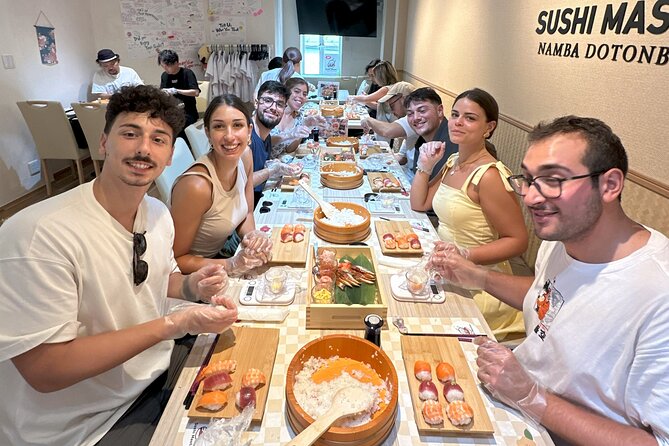
A family-friendly food class needs more than a simple recipe. It needs patient instruction, tasks that children can follow, and a result they can eat. This activity checks those boxes within a short time frame.
The 90-minute length is a strong point for families. You get a cultural activity without committing half a day to a formal cooking school. The hands-on format also gives children something specific to do, which can be more engaging than a museum visit during a packed Osaka itinerary.
The class can work well as part of a special evening, including a birthday or New Year’s Eve plan. You should remember that the group size can reach 30 people, so the setting may feel more like a shared workshop than a private family event.
The instructors’ English support helps mixed-language groups. Parents can focus on the activity rather than translating every instruction, and children can follow along with the demonstration. If a child has an allergy or does not eat certain ingredients, state it in the special requirements section when booking.
Vegetarian and allergy planning
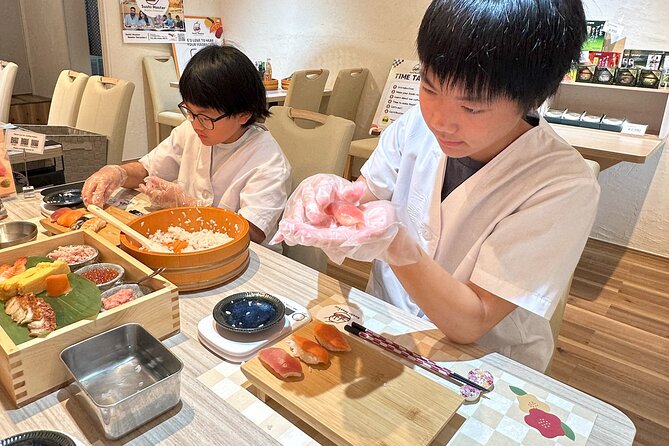
Vegetarian sushi is available, but you must mention the request in advance. Do not wait until you arrive and assume the kitchen can rebuild the menu at the last moment.
The same advice applies to allergies. Add all important information to the special requirements section before the class. Ingredients may change based on supply, so early notice gives the staff the best chance to prepare an appropriate option.
The supplied information does not give a detailed allergen menu or list every substitution. If your allergy is serious, contact the provider before booking and ask what can be accommodated. That is a sensible precaution for any class involving shared food preparation.
The value of $33.16
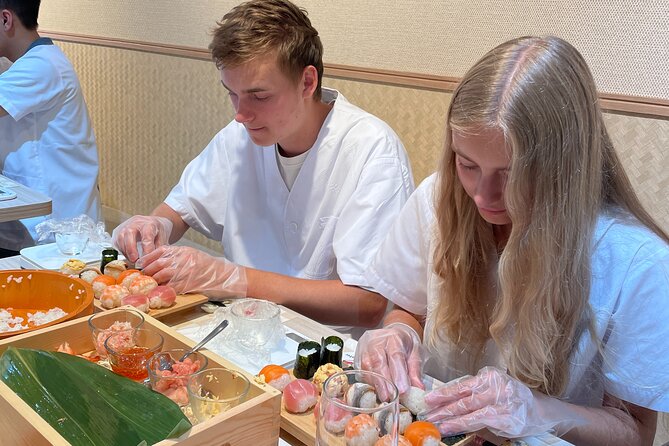
At $33.16 per person, this is priced below many formal cooking classes while still including ingredients, instruction, the sushi meal, English-speaking staff, and a small gift. The strongest value comes from combining a meal with a cultural activity.
You are also paying for convenience. The class is near Namba Station, lasts only about 90 minutes, and accepts same-day bookings. That makes it easier to fit into an Osaka itinerary than a longer lesson in a distant neighborhood.
The price is less compelling if you want a large meal, a private chef, or advanced technique training. Drinks are extra, the group may include up to 30 people, and the ingredient selection can change. Still, for a first sushi lesson in central Osaka, the package is fairly balanced.
I would compare the premium and standard options based on your group. The extra two pieces in the premium course add a little more food and practice, while the standard course keeps the cost down if you have other meals planned.
Timing, meeting point, and cancellation
The class begins and ends at Sushi Master Namba Dotonbori. Since it is close to Namba Station, allow enough time to find the building and reach the second floor. Searching the exact business name on Google Maps should be more useful than entering only the Japanese address.
Mobile tickets make the activity simple to carry on your phone. Confirmation is received at booking, and the class is near public transportation.
Free cancellation is available if you cancel at least 24 hours before the start time. Cancel within 24 hours and the payment is not refunded, and changes made inside that window are not accepted. The cut-off uses Osaka local time, so keep that in mind if you are booking from another time zone.
Who should book this sushi lesson?
I would choose this class for first-time sushi makers, families, couples, solo food lovers, and anyone who wants a short activity near Namba. It is especially useful on a day when you want something structured but do not want another long guided outing.
It also suits people who value participation over polished presentation. You will make the food yourself, and the finished pieces may look homemade. That is a feature, not a flaw, if you want a memorable story and a meal tied to your own effort.
I would look elsewhere if you need a private class, have highly specific dietary requirements that have not been confirmed, or want advanced instruction in knife work and fish preparation. None of those are promised here.
Should you book it?
Book this Osaka sushi class if you want an affordable, easy-to-reach introduction to sushi making with English guidance and a meal included. The strongest reasons are the patient teaching, the chance to make both nigiri and rolls, and the simple 90-minute schedule.
Choose the standard course for a lighter activity and the premium course if you want 10 pieces. Send vegetarian or allergy information ahead of time, and budget extra for drinks. For families and first-time cooks spending time around Namba, this is a practical pick with enough hands-on work to feel worthwhile.
FAQ
How long does the sushi-making class last?
The class lasts approximately 90 minutes, including the introduction, sushi-making session, and time to eat your creations.
Where does the activity begin?
It begins at Sushi Master Namba Dotonbori, Hozenji Building, 2nd floor, 1-chome 6-21 Namba, Chuo Ward, Osaka 542-0076.
How far is the meeting point from Namba Station?
The location is about a three-minute walk from Namba Station on the Osaka Metro Midosuji Line.
How many pieces of sushi are included?
The standard course includes eight pieces, and the premium course includes 10 pieces.
Is the class taught in English?
Yes. English-speaking staff guide you through the sushi-making steps.
Are vegetarian sushi options available?
Yes, vegetarian sushi is available. You need to mention the request in the special requirements section before the class.
Are drinks included in the price?
No. Soft drinks and alcohol, including Japanese sake, can be ordered separately at the class.
Can I cancel for a full refund?
Yes, if you cancel at least 24 hours before the experience start time. Cancellations or changes made within 24 hours are not refunded or accepted.
More Workshops in Osaka
- Matcha Making Class in Osaka with Authentic Japanese Sweets Set
★ 5.0 · 509 reviews - Osaka Cooking Class: Okonomiyaki &Japanese cuisines experience
★ 5.0 · 261 reviews - Osaka: Roll and Authentic Sushi Making Class in Dotonbori
★ 4.9 · 239 reviews - Osaka: Sushi Class in Dotonbori
★ 4.9 · 160 reviews
Just added around Osaka
- (Ticket Included) Explore Osaka Castle & Museum of History★ 4.8 · 21 reviews
- Hidden Osaka – Yukaku Red Light Tour & Culinary Adventure★ 4.8 · 96 reviews
- Osaka: Walking Tour and Top Highlights★ 4.8 · 104 reviews
- Osaka: Private Ceramic Painting Workshop★ 5.0 · 13 reviews
- Pickleball in Osaka, Kobe & Kyoto with Locals!★ 4.7 · 80 reviews
- Eat Like a Local in Osaka – Private Custom Street Food Tour★ 4.3 · 33 reviews
- Osaka:SUMO BEATS SHOWCASE: Taiko Drum and Wagyu burger!★ 4.2 · 37 reviews
- Kimono photoshoot-Includes 100 photo data★ 5.0 · 21 reviews
Japanese Cooking Classes, compared.
Sushi Making Tokyo Roll and Authentic Japanese Sushi Class
Read our review →
Roll and Authentic Sushi Making Class in Asakusa
Read our review →
Ramen Cooking Class at Ramen Factory in Kyoto
Read our review →
Sushi Making Class in a Happi Coat near a Famous Spot
Read our review →
Sushi Making Osaka Roll and Authentic Japanese Sushi Class
Read our review →
Tokyo Sushi Making Class in Tsukiji with Professional Chef
Read our review →
Ramen & Gyoza Cooking Class in Tokyo with Local Supermarket Visit
Read our review →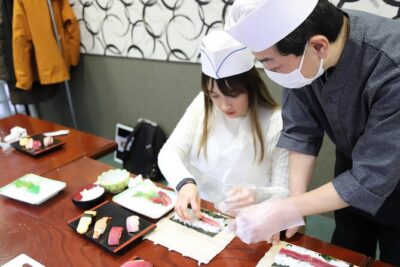
Tsukiji Fish Market Guided Tour and Sushi Making with Pro Chef
Read our review →Browse the lists this tour appears in