
REVIEW · JAPANESE COOKING CLASSES
Osaka: Ramen and Gyoza Cooking Class in Dotonbori
The best part of this Osaka class is that you do not simply watch someone make ramen. You knead the wheat, cut the noodles, prepare the gyoza filling, and cook the meal yourself. By the end, you sit down to a bowl of soy sauce ramen and dumplings that you helped create from basic ingredients.
I especially like the small class size, with two instructors for as many as eight people, and the practical recipes you can take home. The teachers, including Miki, June, Kasa, and Yoshi, are praised for clear English and patient help. One thing to consider: the class takes roughly two to three hours, and the entrance can be tricky to find.
In This Review
- Key things to know
- What you actually make in the Dotonbori class
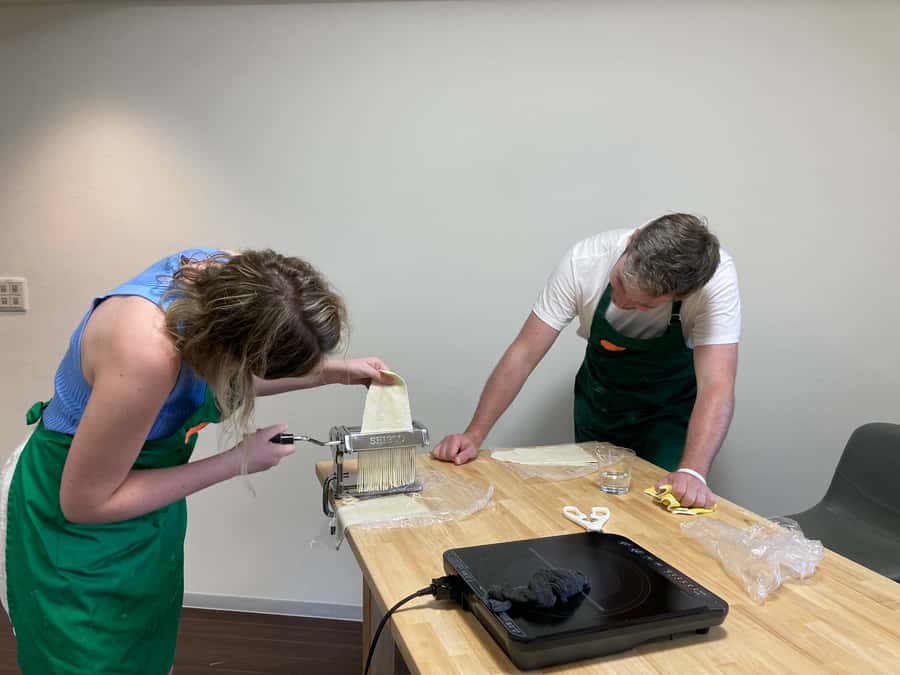
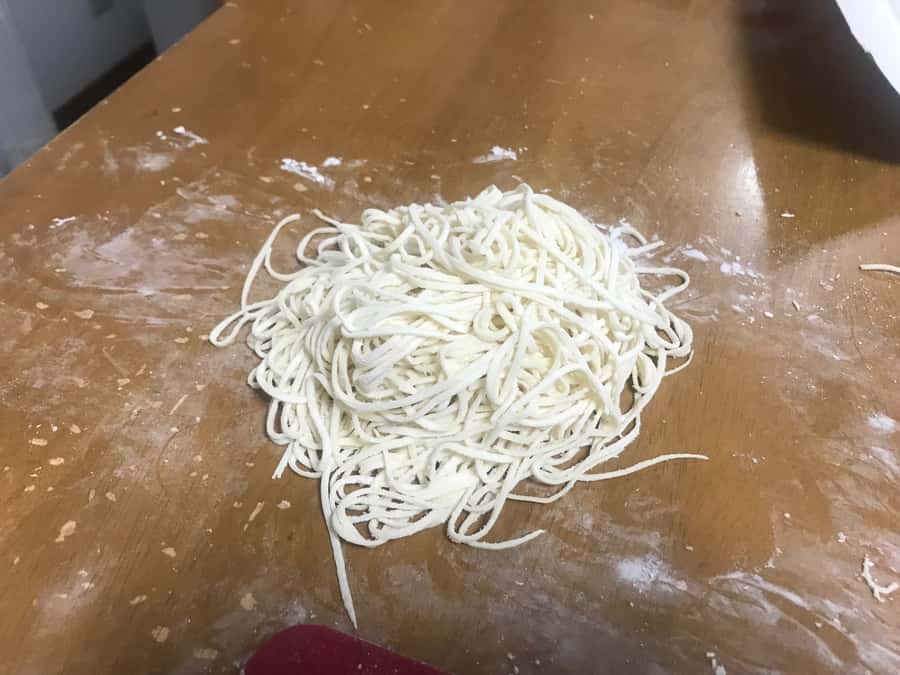
- Kneading wheat and cutting fresh noodles
- Building the broth with chicken and dried sardines
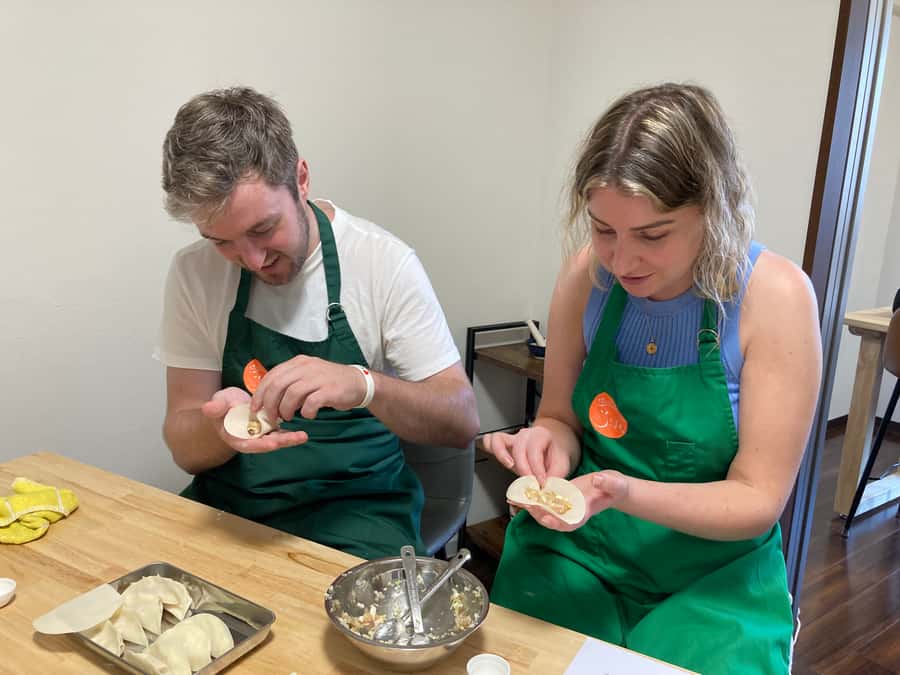
- Folding chicken gyoza while the dough rests
- Sitting down to your own ramen and gyoza
- Why the small group matters
- Location and arrival advice in Dotonbori
- Price and what the $70 fee buys you
- Dietary adjustments and practical limits
- Who will enjoy this most
- Booking details worth knowing
- Should you book this Osaka ramen class?
- FAQ
- Where does the ramen and gyoza class take place?
- How do I enter the building?
- What dishes will I make?
- What type of ramen is prepared?
- What ingredients are used in the broth?
- Is the class taught in English?
- How many people are in each class?
- Are ingredients included in the price?
- Is hotel transportation provided?
- Can I cancel for a refund?
Key things to know
- You make ramen noodles from wheat: Knead the dough by hand, then use a noodle machine to cut it into strands.
- The broth starts with Japanese ingredients: Chicken bones and dried sardines form the base of the standard soy sauce ramen.
- The gyoza uses minced chicken: You prepare the filling, fold the dumplings, and cook your own batch.
- Small groups get real help: Two instructors work with a maximum of about eight people.
- Vegetarian and vegan adjustments may be possible: The class has adapted recipes for plant-based diners and for people who do not like fish broth.
- The activity ends with a full meal: Come hungry, since the finished ramen and gyoza are the reward for all that preparation.
What you actually make in the Dotonbori class
Ramen and gyoza are a familiar pairing in Japan. At many ramen shops, ordering both is as normal as adding fries to a burger, though the Japanese version is far more satisfying when you have made it yourself.
This class focuses on the standard soy sauce style of ramen. You work with wheat to create the noodles, then prepare a broth based on chicken bones and dried sardines. The finished bowl can be customized with toppings, and you may add miso to the soup for a different flavor.
The gyoza is made with minced chicken. You prepare the filling, wrap the dumplings, and cook them before sitting down to eat. This is not a demonstration followed by a token taste. The point is to make a proper meal, and the class gives you enough food to make the final sitting worthwhile.
I like this combination because the two dishes teach different skills. Ramen shows you how a bowl comes together from broth, noodles, and toppings. Gyoza gives you a hands-on task with folding, filling, and cooking. The pace also makes practical sense: while the noodle dough rests, you can work on the dumplings.
More Japanese Cooking Classes in Osaka
- Sushi Making Osaka Roll and Authentic Japanese Sushi Class
★ 5.0 · 1,220 reviews - Osaka Sushi Making Experience
★ 5.0 · 400 reviews - Osaka Sushi Making Class – Hands-On Nigiri & Rolls (Same-Day OK)
★ 5.0 · 352 reviews
Kneading wheat and cutting fresh noodles
The noodle-making section is the part most likely to change how you think about ramen. A restaurant bowl can look simple, but fresh noodles require care. You begin with wheat and work the dough by hand, following instructions step by step.
You then use a noodle machine to cut the dough into strands. This gives you a better sense of how ramen noodles get their shape and texture than simply watching a chef pull noodles from a package. The machine also makes the process approachable for beginners who have never worked with noodle dough.
You do not need to arrive with cooking experience. Several class descriptions point to clear explanations and patient assistance when someone falls behind. If your dough handling is not perfect, the instructors step in and show you what to do next rather than leaving you to guess.
The practical benefit is clear: the recipe and tips are useful beyond Osaka. You receive the recipes to take home, and the class is designed so you can try making the dishes again in your own kitchen. You may not reproduce every Japanese ingredient easily, but you will understand the basic process and the order of the work.
Building the broth with chicken and dried sardines
The broth gives the class some useful Japanese food context. The standard ramen soup here uses chicken bones and dried sardines, with soy sauce as the main flavor. You also learn about ingredients such as different types of miso and when they are used.
That explanation matters because Japanese cooking often depends on small changes in seasoning. Miso is not just one universal paste, and the choice can affect the final taste. The class lets you add miso to the soup if you want a miso ramen variation, so you get a simple lesson in how a basic broth can change.
The dried sardines may be a concern if you dislike fish flavors. The class has provided a substitute for people who did not want fish broth, and plant-based adaptations have also been made. Still, you should tell the instructors about dietary needs as early as possible. The available information confirms that adjustments have been made, but it does not promise every possible allergy or diet can be handled.
The broth work also adds time to the activity. This is not a quick lesson designed to fit into half an hour between sightseeing stops. Plan on about two to three hours, based on the timing described by people who took the class. That longer session is part of the value, but it may not suit a tightly packed Osaka schedule.
Folding chicken gyoza while the dough rests
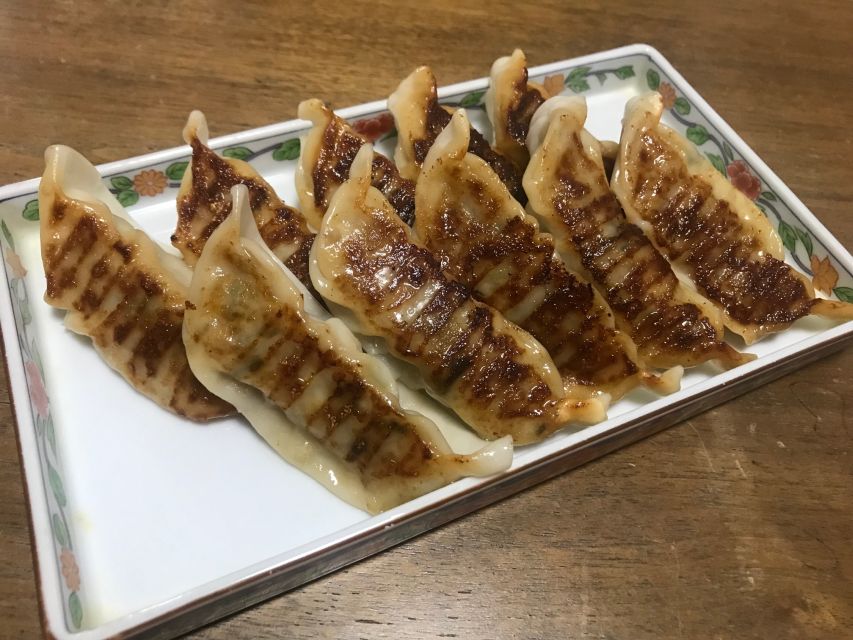
The gyoza portion keeps the class moving while the noodle dough rests. You prepare a minced chicken filling and shape your own dumplings. Folding gyoza looks easy until you try to make each one neat, but the instructors guide you through it.
This is a good task for families and couples because everyone can work at the same time. An 11-year-old enjoyed the class as part of a family group, and the small class format means you can ask for help instead of waiting through a large demonstration.
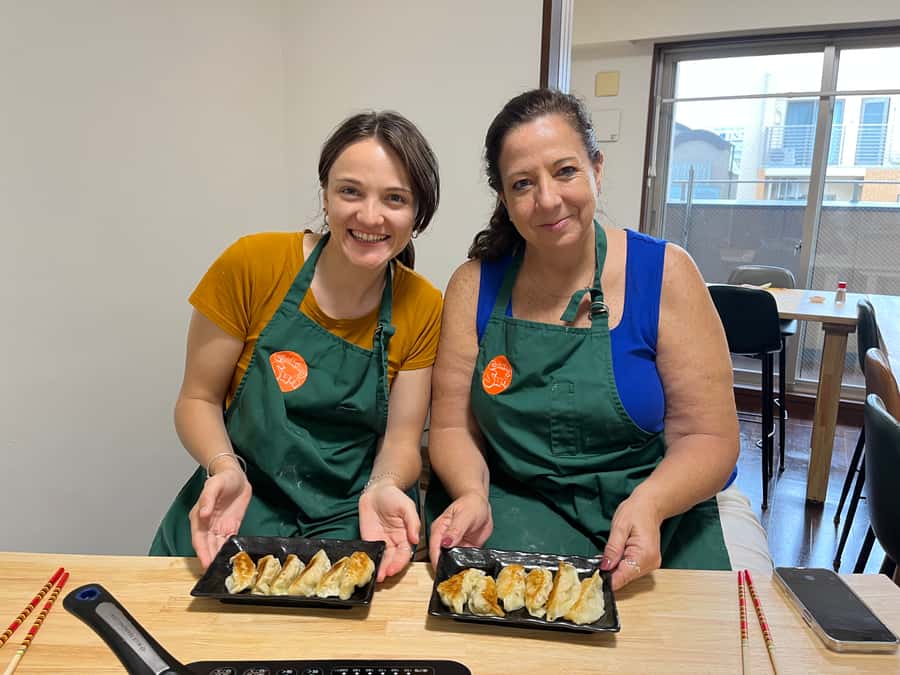
The result is also immediate. Once the gyoza is cooked, you can compare your handiwork with the examples shown by the instructors. Some of your dumplings may look more professional than others. That is part of the fun, and the flavor matters more than perfect pleats.
I would not book this solely for a formal lesson in advanced Japanese cuisine. The class is better understood as a friendly, practical introduction. You learn the main stages, pick up useful tips, and get a meal at the end.
Same city, a completely different kind of day:
- Osaka Go Karting Tour with Funny Costume
★ 5.0 · 2,658 reviews - Osaka Castle: Museum and Tower Entry Ticket
★ 4.5 · 2,380 reviews - Osaka: Shinsekai Food Tour with 13-15 Dishes at 5 Eateries
★ 4.8 · 2,204 reviews - Osaka Food Tour: 13 Dishes at 5 Local Eateries
★ 5.0 · 2,149 reviews
Sitting down to your own ramen and gyoza
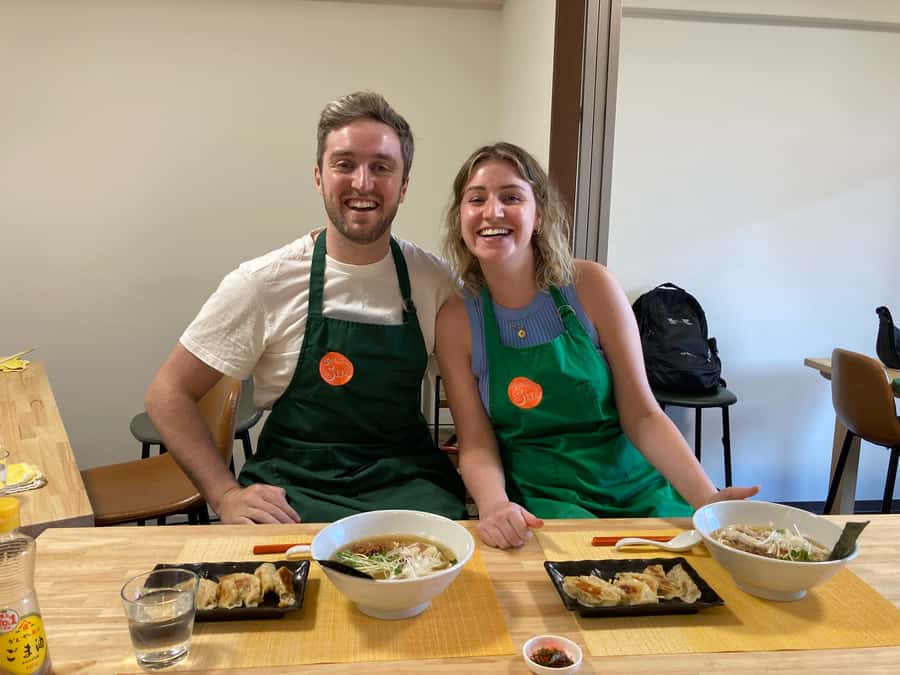
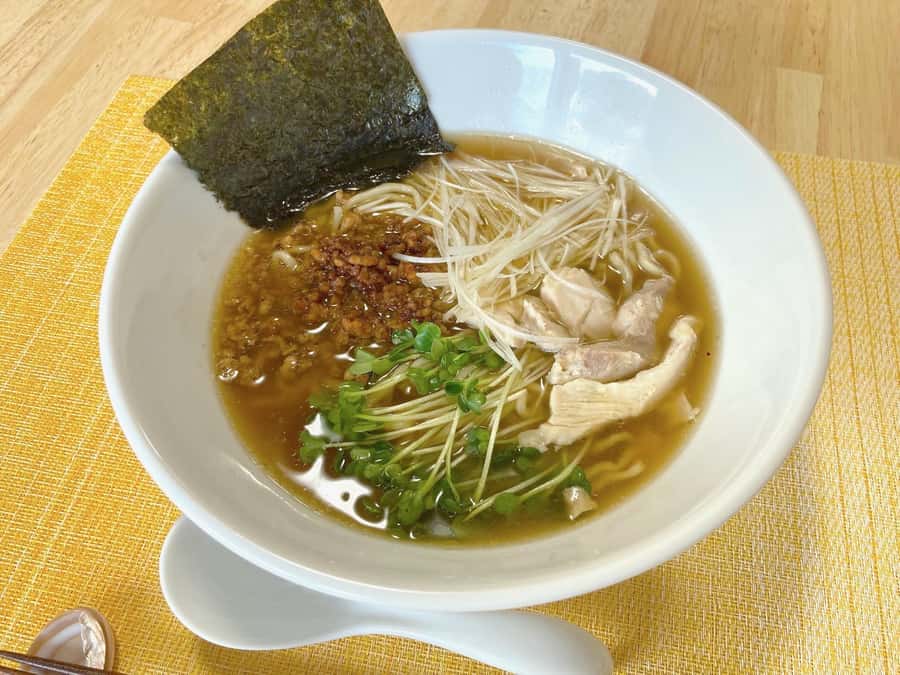
The final meal is the payoff. You eat the ramen and gyoza you prepared, rather than receiving a separate dish made by the staff. That makes the meal feel personal, even if your noodle cuts or dumpling folds are not identical.
The finished food has received particularly strong praise. People describe the ramen as rich and flavorful, and the gyoza as better than expected. One useful tip is to arrive hungry. The activity includes a substantial meal, and eating everything after several hours of preparation can be a challenge if you have already had lunch.
You can add toppings to your ramen, giving you some room to create an original bowl. The standard base is soy sauce, but miso is available as an option. Do not expect every bowl to be identical. That is the point: you are building your own version rather than sampling a fixed restaurant recipe.
The meal also gives you a chance to ask questions about Japanese eating culture and ingredients. The instruction is not limited to measurements. You may learn where to find fresh ingredients and how different seasonings are used, which is helpful if you plan to cook Japanese food after returning home.
Why the small group matters
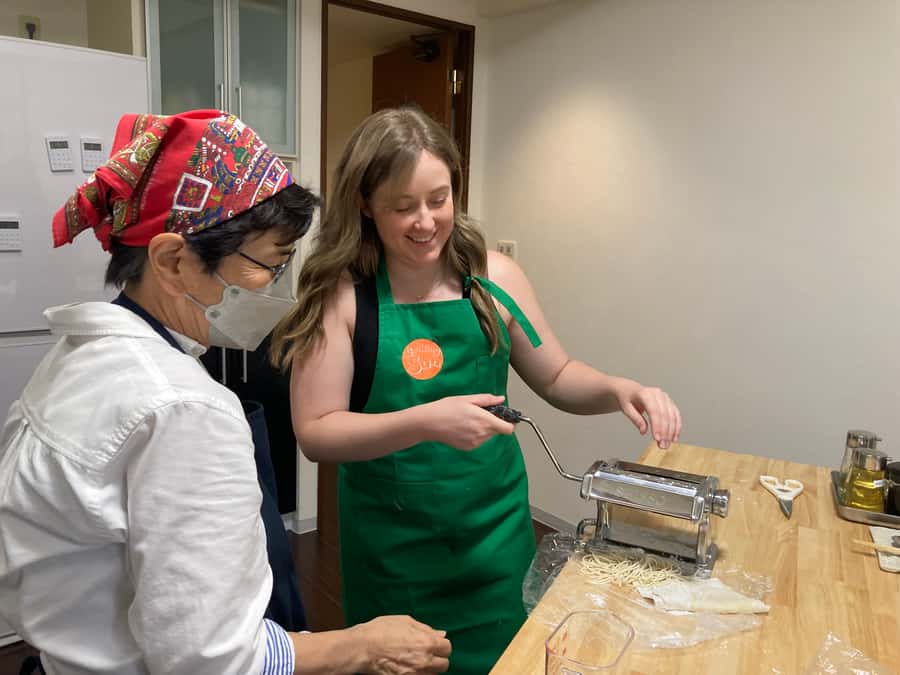
The class allows up to about eight people, with two instructors. That ratio is one of its strongest features. Cooking with dough and dumpling wrappers can become frustrating if you cannot get help, but two instructors can keep an eye on the whole room.
Named instructors including Miki and June have been praised for keeping everyone together and helping people who fall behind. Kasa is also singled out for clear teaching, while Yoshi is described as patient and ready to answer questions. The exact teaching team may vary, so do not assume a particular person will lead your session.
The English-language format is another practical advantage. The instructors explain the steps in English, and the class is intended for people who want to understand what they are doing rather than copy silent gestures. The teaching style appears friendly and personable, with room for questions and occasional humor.
The class also seems well paced. You keep moving from one task to the next, but the schedule does not appear rushed. That balance is important. Too much idle time would make the session drag, while a frantic pace would make the noodle and gyoza work stressful.
Location and arrival advice in Dotonbori
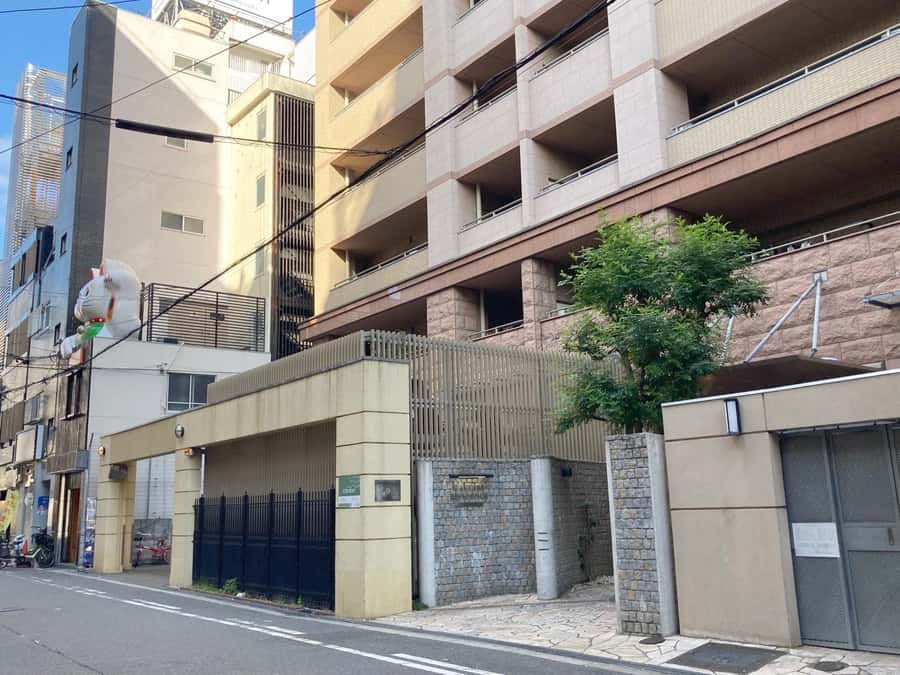
The meeting point is Cooking Sun Osaka, in room 807. At the entrance, press 807 and then press the button marked 呼出, which means call.
This is a detail you should take seriously. The building is not described as especially easy to find, so allow extra time to locate the entrance and avoid arriving at the last second. Dotonbori is a busy part of Osaka, and the surrounding streets can be distracting, especially if you are coming from sightseeing or a meal.
There is no hotel pickup or drop-off. You make your own way to the meeting point, and the activity ends there as well. That is normal for a city cooking class, but it means you need to plan your route before the start time.
The location works well as part of a Dotonbori day. You can pair the class with time in the surrounding area, but remember that the cooking session itself may last around two to three hours. I would not place a formal appointment immediately afterward.
Price and what the $70 fee buys you
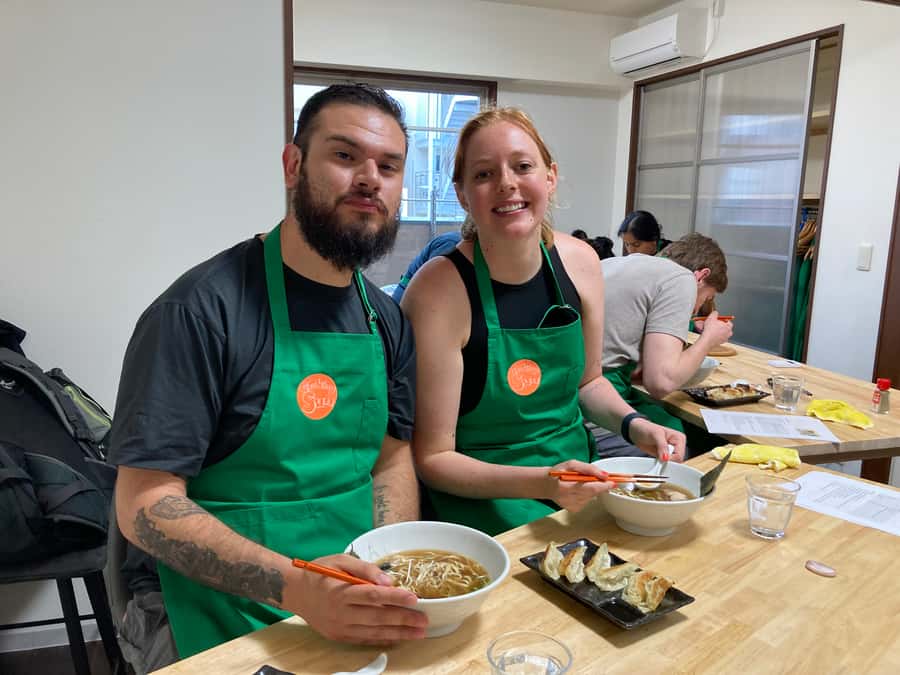
At $70 per person, this is not the cheapest meal you can have in Osaka. You can eat ramen and gyoza at a local restaurant for much less. The price makes sense only if you want the process, instruction, and chance to recreate the dishes later.
The fee includes all ingredients used in the class. You are also paying for two instructors, a small group, hands-on preparation, and a complete meal. Recipes to take home add lasting value, especially if you enjoy cooking and want a practical souvenir rather than another object in your luggage.
For a first visit to Japan, the class gives you more context than a restaurant meal. You learn how noodles are made, how broth is built, how gyoza is filled, and how miso changes a soup. If you already cook ramen regularly, the lesson may feel basic, but beginners should find it useful.
I see the best value for families, couples, and food-focused visitors who want an activity with a clear result. It also works well on a rainy day or near the end of a Japan trip, when you want one final meal you can remember and repeat at home.
Dietary adjustments and practical limits
The class has adapted recipes for a vegan participant and provided an alternative for people who did not want fish broth. That is encouraging, but you should raise dietary requirements at booking or as soon as you arrive. The supplied details do not confirm options for every allergy, religious restriction, or ingredient preference.
The recipe centers on minced chicken for the gyoza and a broth made with chicken bones and dried sardines. If you avoid meat or fish, do not assume the standard recipe will suit you without an adjustment.
You should also come ready to participate. This is not a sit-down food tasting. You will knead dough, use a noodle machine, prepare filling, fold dumplings, and help cook the meal. The work is approachable, but you should expect to spend much of the session standing and handling ingredients.
Who will enjoy this most
I would recommend this class to:
- First-time visitors who want a hands-on introduction to Japanese food
- Couples looking for a shared activity beyond sightseeing
- Families with older children who can follow cooking instructions
- Visitors who enjoy taking recipes home and trying them again
- Anyone curious about the difference between restaurant ramen and handmade noodles
It is less suitable if you want a fast activity, dislike cooking, or have a strict schedule. It may also be a poor fit if your diet cannot accommodate chicken, fish broth, or other ingredients unless the instructors confirm a workable alternative.
The class earned a perfect five-star rating from 378 reviews, and the praise focuses on the same useful points: kind teachers, clear English, good pacing, delicious food, and genuine hands-on work. Those strengths fit the experience itself rather than relying on a flashy setting.
Booking details worth knowing
You can reserve a place and pay later, which helps if your Osaka plans are still changing. Cancellation is available up to 24 hours in advance for a full refund.
The activity is in English. It starts and ends at Cooking Sun Osaka, room 807, and hotel transportation is not included. Bring your booking details, arrive early enough to find the entrance, and tell the instructors about dietary needs before the cooking begins.
Should you book this Osaka ramen class?
Book it if you want to understand ramen as a craft rather than simply order another bowl. The noodle-making and gyoza work give you plenty to do, the two-instructor format keeps help close, and the final meal is included.
At $70, the class is a poor bargain if you measure value only by the cost of food. It is a good buy if you also value instruction, recipes, cultural context, and a relaxed activity in Dotonbori. I would choose it for a food-loving couple, a family with an older child, or anyone wanting a memorable final day in Osaka.
Allow two to three hours, arrive early for room 807, and come hungry. If those conditions suit your plans, this is a practical and enjoyable way to bring a piece of Osaka’s ramen-shop culture home with you.
FAQ
Where does the ramen and gyoza class take place?
The class takes place at Cooking Sun Osaka in Dotonbori, Osaka, in room 807.
How do I enter the building?
At the entrance, press 807 and then press the button marked 呼出, which means call.
What dishes will I make?
You will make ramen noodles from wheat and prepare gyoza using minced chicken. You will also prepare the ramen broth and assemble the finished bowl.
What type of ramen is prepared?
The standard recipe is soy sauce ramen. You can add toppings, and you may add miso to the soup to make a miso ramen variation.
What ingredients are used in the broth?
The broth uses chicken bones and dried sardines, with soy sauce as the standard flavor base.
Is the class taught in English?
Yes. English is the listed language for the activity.
How many people are in each class?
The class can have a maximum of about eight people, with two instructors.
Are ingredients included in the price?
Yes. All ingredients used in the cooking class are included.
Is hotel transportation provided?
No. Hotel pickup and drop-off are not included. The activity begins and ends at the Cooking Sun Osaka meeting point.
Can I cancel for a refund?
You can cancel up to 24 hours in advance for a full refund. You can also reserve and pay later, so no payment is required today.
More Workshops in Osaka
- Matcha Making Class in Osaka with Authentic Japanese Sweets Set
★ 5.0 · 509 reviews - Osaka: Roll and Authentic Sushi Making Class in Dotonbori
★ 4.9 · 239 reviews - Osaka: Sushi Class in Dotonbori
★ 4.9 · 160 reviews - Osaka Daruma Workshop — Paint Your Own Good-Luck Daruma
★ 4.9 · 46 reviews
More Cooking Classes in Osaka
- Osaka Cooking Class: Okonomiyaki &Japanese cuisines experience
★ 5.0 · 261 reviews - Osaka Sake Tasting with Takoyaki Cooking
★ 5.0 · 156 reviews - Osaka Sake Tasting & Takoyaki Cooking Experience
★ 5.0 · 149 reviews - Osaka: Cooking Class Ramen & Gyoza Course in Nanba
★ 4.9 · 86 reviews
Just added around Osaka
- (Ticket Included) Explore Osaka Castle & Museum of History★ 4.8 · 21 reviews
- Hidden Osaka – Yukaku Red Light Tour & Culinary Adventure★ 4.8 · 96 reviews
- Osaka: Walking Tour and Top Highlights★ 4.8 · 104 reviews
- Osaka: Private Ceramic Painting Workshop★ 5.0 · 13 reviews
- Pickleball in Osaka, Kobe & Kyoto with Locals!★ 4.7 · 80 reviews
- Eat Like a Local in Osaka – Private Custom Street Food Tour★ 4.3 · 33 reviews
- Osaka:SUMO BEATS SHOWCASE: Taiko Drum and Wagyu burger!★ 4.2 · 37 reviews
- Kimono photoshoot-Includes 100 photo data★ 5.0 · 21 reviews
Japanese Cooking Classes, compared.
Sushi Making Tokyo Roll and Authentic Japanese Sushi Class
Read our review →
Roll and Authentic Sushi Making Class in Asakusa
Read our review →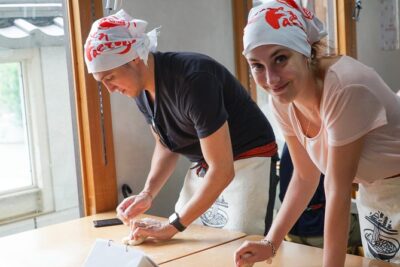
Ramen Cooking Class at Ramen Factory in Kyoto
Read our review →
Sushi Making Class in a Happi Coat near a Famous Spot
Read our review →
Sushi Making Osaka Roll and Authentic Japanese Sushi Class
Read our review →
Tokyo Sushi Making Class in Tsukiji with Professional Chef
Read our review →
Ramen & Gyoza Cooking Class in Tokyo with Local Supermarket Visit
Read our review →
Tsukiji Fish Market Guided Tour and Sushi Making with Pro Chef
Read our review →Browse the lists this tour appears in