
REVIEW · JAPANESE COOKING CLASSES
Osaka: Roll and Authentic Sushi Making Class in Dotonbori
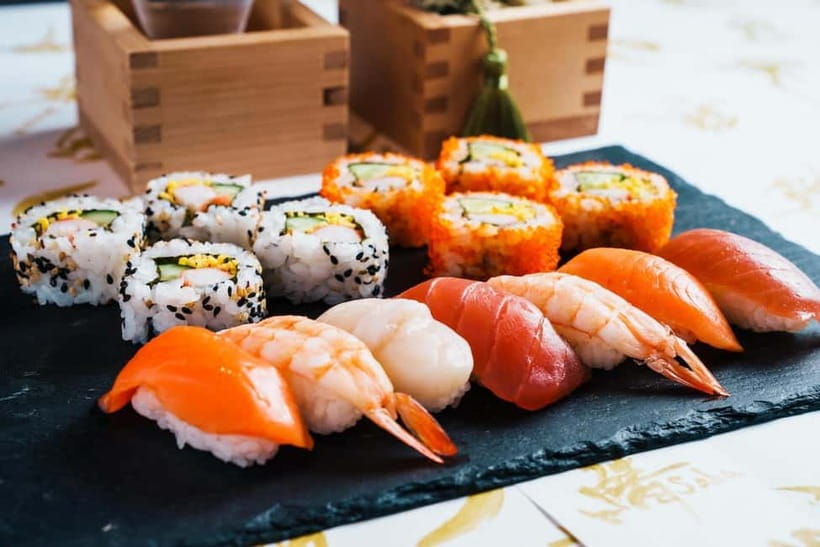
Making sushi in Osaka is more than a quick cooking lesson. You learn why sushi developed as it did, take part in a playful quiz, then prepare maki rolls and nigiri under friendly English instruction. The class takes place near Dotonbori and Shinsaibashi, right in the middle of Osaka’s famous food district.
I like the balance of culture and hands-on work. You are not only copying a recipe. You get a short explanation of sushi history, see demonstrations, and learn small techniques that you can try at home. I also like that you eat everything you make, with enough food to serve as a light lunch.
The one drawback is timing. A 100-minute class leaves some people feeling rushed during the final eating period, especially if they are taking photos or carefully shaping each piece. Come ready to follow the instructions, and you will get more from the session.
In This Review
- Key points to know before booking
- Why this class works well in Osaka
- Your first lesson: sushi history with a quiz
- Maki rolls: the practical sushi technique
- Nigiri: shaping sushi by hand
- Eating what you make
- The instructors make the difference
- Dietary choices and menu planning
- Location, timing, and access
- Is $45 a fair price?
- Who should book this sushi class?
- FAQ
- How long does the sushi-making class last?
- Where is the meeting point?
- Which types of sushi will I make?
- Do I need previous cooking experience?
- Is the class taught in English?
- Can I request a special dietary menu?
- Is the activity wheelchair accessible?
- Should you book it?
Key points to know before booking
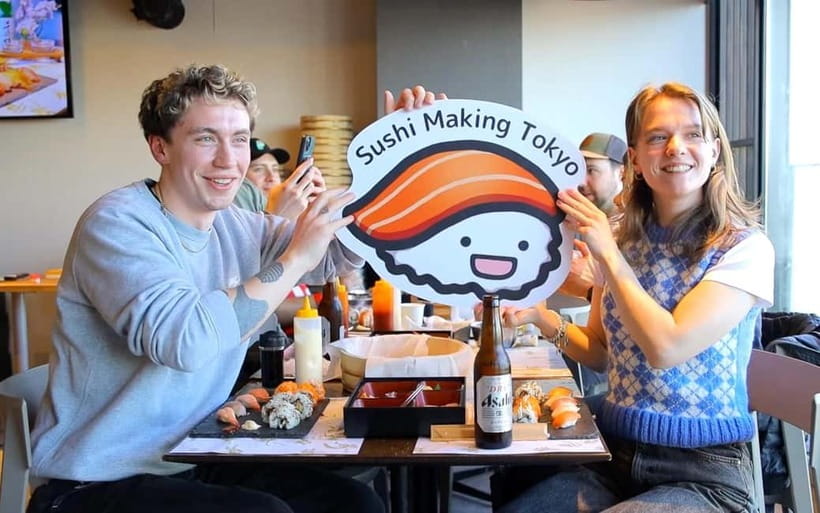
- Make two sushi styles: Prepare maki rolls and nigiri, the hand-shaped sushi topped with fish or another selected ingredient.
- Learn through play: A quiz and short sushi-history lesson give the class more substance than a basic food demonstration.
- Meet in central Osaka: The studio is on the third floor of the Galleria Acca Building, about five minutes from Shinsaibashi Station.
- English instruction: Staff members including Shoki, Yui, Rika, Takara, and Fujiko have been praised for clear explanations, humor, and patience.
- Dietary menus are available: Vegan, vegetarian, gluten-free, halal, and allergy-friendly options can be requested at least three days before class.
- Allow time to eat carefully: The food is prepared during the lesson, so listen closely and keep the final part of the session moving.
Why this class works well in Osaka
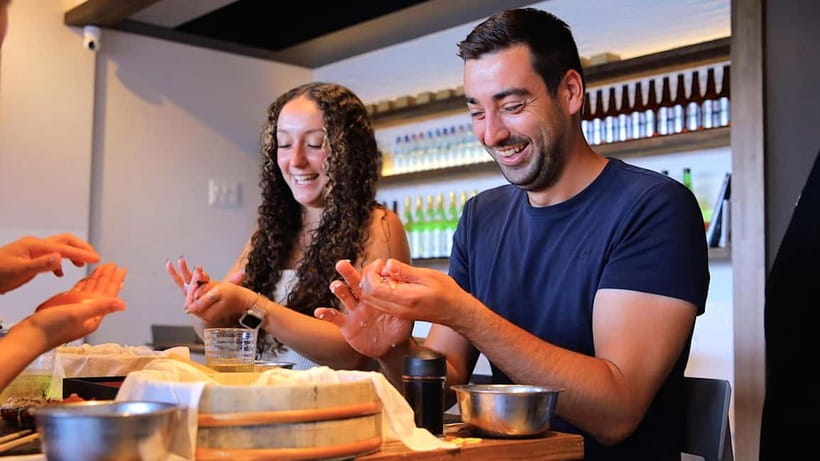
Osaka is known for eating, but much of the city’s food culture is experienced from the customer’s side of the counter. This class lets you take part. In a compact 100-minute session, you learn a little context, use your hands, and finish with a meal you prepared yourself.
That makes it a useful break from sightseeing. You do not need cooking experience, and you do not need to know technical sushi terms before you arrive. The instructors demonstrate each step and then guide you through it.
The setting helps, too. The studio is close to Dotonbori and Shinsaibashi, so you can fit the class into a day of shopping, street food, and sightseeing around central Osaka. It is not a remote cooking school that requires a long ride across town. You can meet at the Galleria Acca Building, then continue exploring the surrounding food district after class.
The activity has a cheerful, social feel. Instructors often begin by asking where people are from and then use that conversation to make the room feel relaxed. The tone is light, with jokes, smiles, and a few energetic calls of Hoi Hoi Hoi during the sushi-making demonstrations. That style will appeal to families, couples, and solo visitors who enjoy meeting people while learning something practical.
More Japanese Cooking Classes in Osaka
- Sushi Making Osaka Roll and Authentic Japanese Sushi Class
★ 5.0 · 1,220 reviews - Osaka Sushi Making Experience
★ 5.0 · 400 reviews - Osaka: Ramen and Gyoza Cooking Class in Dotonbori
★ 5.0 · 378 reviews
Your first lesson: sushi history with a quiz
The class begins with an introduction to sushi and its background. You are not given a long academic lecture. Instead, the history is presented in a short, interactive way, often with a quiz that gets everyone involved.
This is a smart choice. A few minutes of context helps you understand that sushi is not simply raw fish placed on rice. The class connects the food to Japanese eating habits and explains the different forms you will prepare.
The quiz also gives you time to settle in. If you have arrived from a busy day in Osaka, this is an easier start than being handed ingredients and told to begin. The English-speaking staff keep the explanations clear, and the light humor helps if you feel unsure about answering in front of the group.
Instructors vary by session. Names praised for their warmth and teaching include Shoki, Yui, Rika, Takara, Fujiko, Fuko, Reika, Miho, and Serai. You should not assume a particular instructor will lead your class, but the consistent pattern is clear: the teaching style is friendly, energetic, and designed for beginners.
Maki rolls: the practical sushi technique
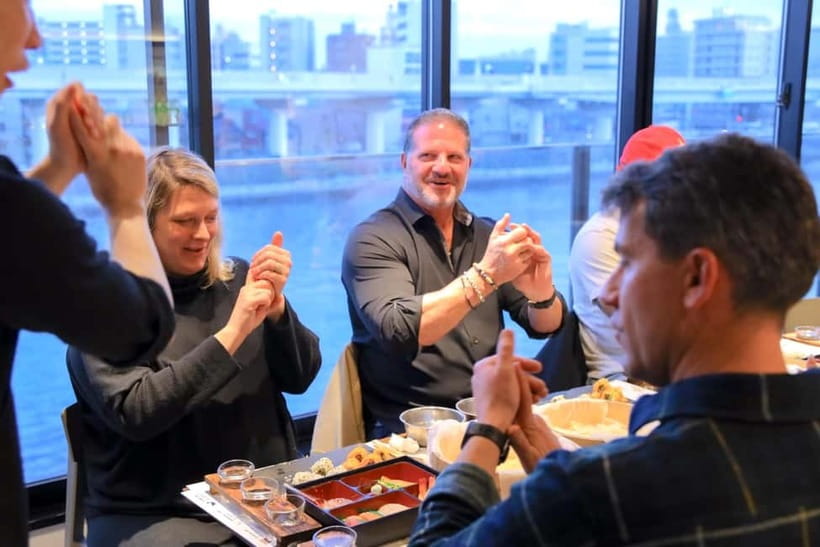
The first hands-on section focuses on maki, or rolled sushi. You work with prepared ingredients and learn how to arrange them before rolling the rice and fillings in seaweed.
This is the part most people recognize from sushi restaurants, but making a neat roll takes more care than it appears to. You need to spread the rice evenly, avoid overfilling, keep the shape firm, and cut the roll without crushing it. The instructor’s demonstration matters here, especially for first-time cooks.
The ingredients are prepared in advance, which keeps the class moving and makes the activity suitable for beginners. You are learning the construction and handling of sushi rather than spending the whole session washing rice or chopping vegetables.
That also explains the price. At $45 per person, you are paying for the instruction, ingredients, use of the cooking space, and the meal you prepare. You are not simply watching a chef work. You get a guided activity and practical skills that you can repeat at home.
The maki section is forgiving. A roll that is not perfectly round can still taste good, and the instructor can help you correct the technique before you cut it. If you are cooking with children or with someone who does not feel confident in the kitchen, this is likely to be the more comfortable of the two sushi styles.
Nigiri: shaping sushi by hand
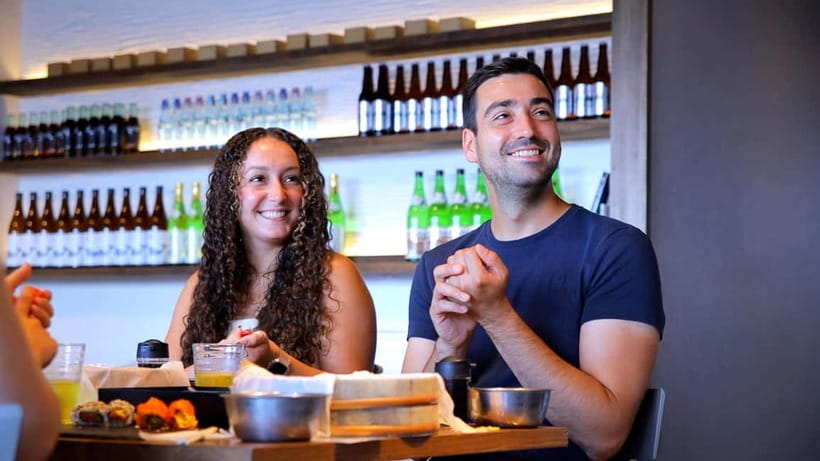
The second technique is nigiri. Here, you shape a small portion of seasoned rice by hand and place a topping over it.
Nigiri looks simple, but the shape and pressure matter. Press too hard and the rice becomes dense. Use too little pressure and the piece can fall apart. The instructors break the process into manageable steps, then watch as you make your own pieces.
This section gives the class its stronger connection to traditional sushi technique. You are handling the rice directly and learning how to make a compact piece that can be picked up and eaten easily.
One detailed account described making six pieces of maki and six pieces of nigiri, enough for a light lunch. Portions can depend on the class setup and menu, so I would not book it as a large meal. Still, the food is substantial enough that you are not leaving hungry, and the pleasure comes from eating pieces you shaped yourself.
The quality of the experience depends less on artistic perfection than on paying attention. Watch the demonstration, follow the order of the steps, and ask for help when your rice or roll does not look right. The instructors are there to make the process approachable, not to judge your presentation.
Same city, a completely different kind of day:
- Osaka Go Karting Tour with Funny Costume
★ 5.0 · 2,658 reviews - Osaka Castle: Museum and Tower Entry Ticket
★ 4.5 · 2,380 reviews - Osaka: Shinsekai Food Tour with 13-15 Dishes at 5 Eateries
★ 4.8 · 2,204 reviews - Osaka Food Tour: 13 Dishes at 5 Local Eateries
★ 5.0 · 2,149 reviews
Eating what you make
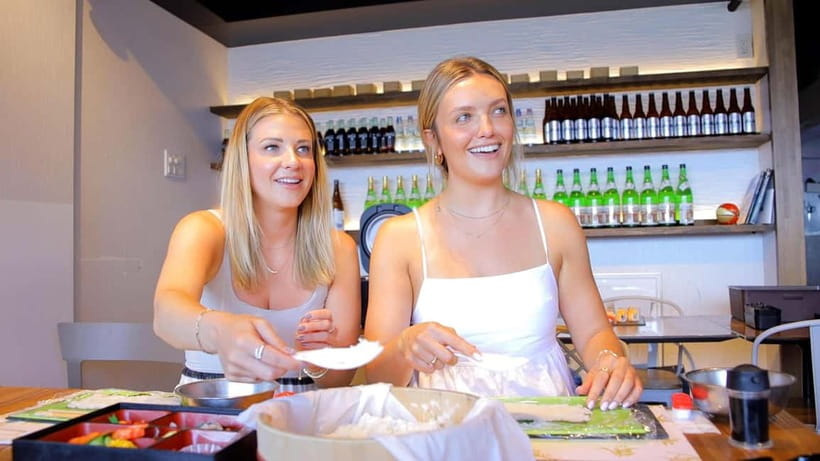
The best moment comes after the work is finished, when you sit down with your own sushi. The meal feels more satisfying because you have handled every stage offered in the class.
This is also when you can compare your maki and nigiri. The two styles use similar basic ingredients but feel different to prepare and eat. One is rolled and cut. The other is shaped by hand and topped individually.
The class schedule can feel tight at the end. Some people concentrate so hard on finishing the sushi that they have little time left to eat slowly. If you want photographs, take a few during the demonstration or while the ingredients are set out, rather than waiting until the final minutes.
Pay attention when staff begin clearing trays. It is sensible to place condiments such as ginger and wasabi on your plate before the ingredients are collected. This small habit can save you from losing something you intended to eat with the finished sushi.
The food is prepared for immediate eating, not for carrying around Osaka afterward. Plan to enjoy it in the studio, then continue your day with a new appreciation for the work behind a simple sushi plate.
The instructors make the difference
The strongest part of the class is the teaching. The staff are not presented as distant chefs behind a counter. They move through the process with you, answer questions, and keep the mood relaxed.
Shoki is remembered for making the session lively while explaining sushi history. Yui has been praised for clear training and careful explanations. Rika is described as funny, kind, and well informed. Other instructors, including Takara, Fujiko, Reika, and Serai, are also noted for patience and enthusiasm.
Again, these instructors may rotate, so a named teacher is not guaranteed. The important point is the format: English-speaking local staff guide beginners directly, and the class is built around conversation as well as instruction.
That works particularly well for solo visitors. You can join a group without needing to organize a private booking, and the opening conversation gives you an easy way to meet the people at your table. Couples and families get the same benefit, since the activity creates something to do together instead of simply sitting down for another meal.
The style is energetic rather than formal. If you want a quiet, highly traditional chef’s demonstration with little audience participation, this may feel too playful. If you like learning through humor and direct guidance, it is a strong match.
Dietary choices and menu planning
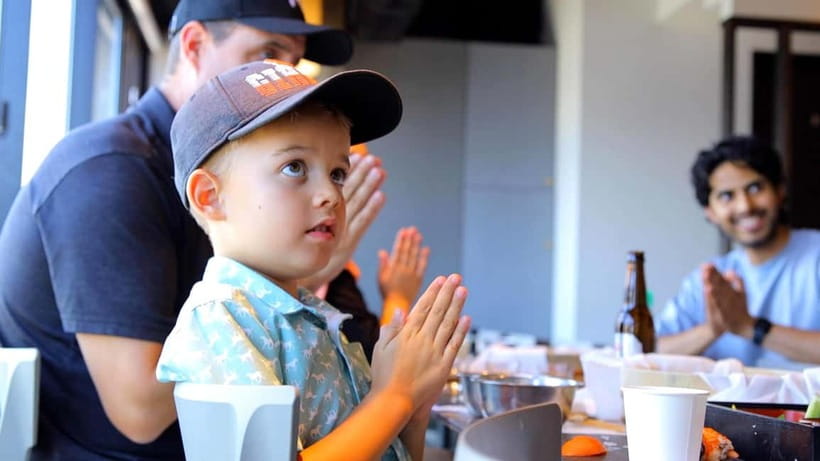
The class can provide vegan, vegetarian, gluten-free, halal, and allergy menus. Meat, nuts, fruits, and dairy are not used in the standard restrictions listed for this activity, but you still need to communicate your requirements when booking.
The deadline is three days before the class. Same-day changes are not accepted, and the provider does not accept requests for specific ingredients. This is important for anyone with a serious allergy or strict religious or dietary needs. Give the staff clear information early, then confirm that the available menu suits you.
A useful detail from the class format is that staff ask about dietary needs in advance and prepare the correct ingredient box. That reduces confusion at the table and lets you concentrate on the lesson.
Do not wait until you arrive. The kitchen can respond to the listed menu changes ahead of time, but it cannot rebuild the lesson around a last-minute request.
Location, timing, and access
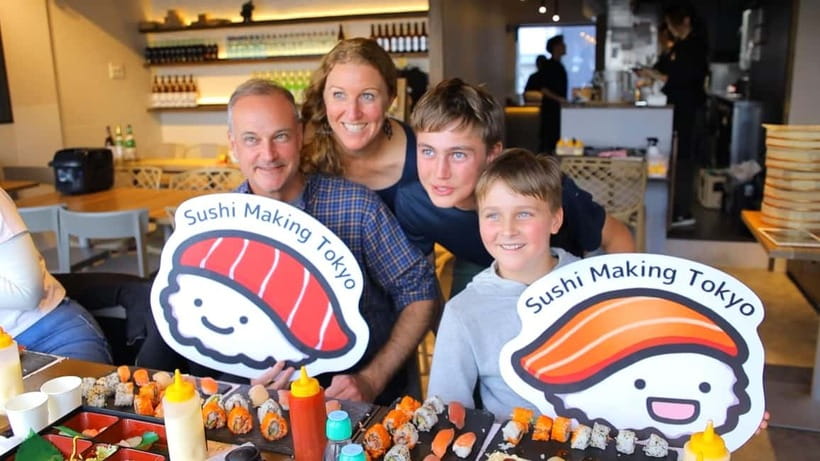
The meeting point is on the third floor of the Galleria Acca Building, about a five-minute walk from Shinsaibashi Station. The building entrance can be easy to miss because it is in a concrete structure with a somewhat understated exterior, so allow a few extra minutes to find it.
The central location is a real advantage. You can schedule the class between sightseeing stops in Shinsaibashi and Dotonbori without giving up half a day to transport. Hotel pickup and drop-off are not included, but that is less important here because the studio is close to major city attractions and a station.
The activity is listed as wheelchair accessible. One practical note is that the building has an elevator, but it does not go all the way to the workshop floor according to one detailed account. If step-free access is essential, contact the provider before booking and confirm the final approach.
The class lasts 100 minutes. Check available start times when you reserve, since the exact schedule is not fixed in the basic description. I would avoid placing an important attraction immediately afterward. A little breathing room gives you time to finish your food and leave without rushing.
Is $45 a fair price?
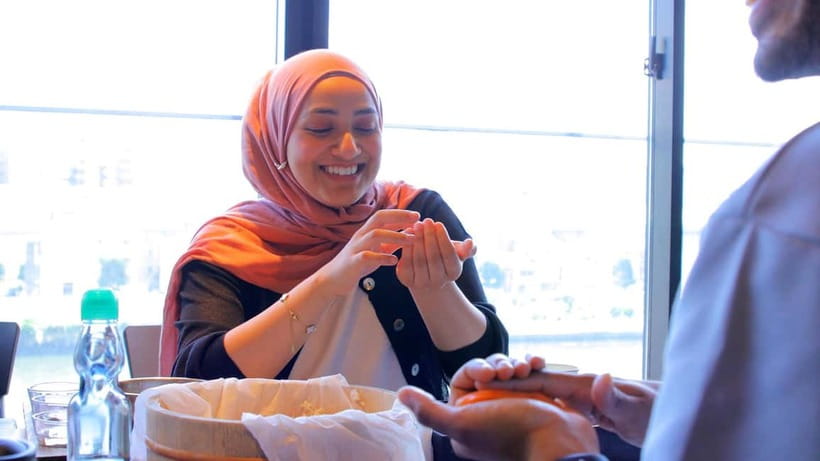
For $45, this is a fair activity if you want more than a meal. The fee includes the cooking class, ingredients, and instructor, and you eat the sushi you prepare. You are also paying for a convenient central location and English guidance.
The value is strongest for first-time sushi makers. You learn two different techniques, receive demonstrations, and leave with a basic recipe framework you can use when you miss Japanese food at home. You are not buying a professional chef qualification, but you are getting a useful introduction with enough hands-on practice to repeat the process.
It is less compelling if your only goal is to eat excellent sushi. Osaka has many places where you can sit down and order a finished meal. Choose this class for the activity, the social setting, and the pleasure of making your own lunch.
The high score of 4.9 from 239 ratings fits the experience’s main strengths: friendly staff, clear teaching, clean surroundings, good ingredients, and a fun atmosphere. The repeated criticism is narrow but worth taking seriously: the final eating period can feel short. That is a timing issue, not a problem with the main lesson.
Who should book this sushi class?
I would recommend it to:
- First-time sushi makers who want clear instruction rather than a difficult cooking course.
- Couples and families looking for a shared activity in central Osaka.
- Solo visitors who enjoy meeting local staff and other participants.
- Food lovers who want cultural context along with lunch.
- Visitors with dietary needs who can provide notice at least three days ahead.
- People staying near Namba, Dotonbori, or Shinsaibashi who want an activity that fits neatly into an Osaka day.
I would be more cautious if you dislike group participation, need a very slow pace, or want a full restaurant-style sushi meal. The tone is social and lively, and the schedule rewards attention.
FAQ
How long does the sushi-making class last?
The class lasts 100 minutes.
Where is the meeting point?
Meet on the third floor of the Galleria Acca Building, about a five-minute walk from Shinsaibashi Station.
Which types of sushi will I make?
You will make two types: maki sushi rolls and authentic Japanese sushi in the nigiri style.
Do I need previous cooking experience?
No. The class is designed for beginners, and English-speaking staff guide you through the steps.
Is the class taught in English?
Yes. The listed instructor language is English.
Can I request a special dietary menu?
Yes. Vegan, vegetarian, gluten-free, halal, and allergy menus are available when requested at least three days before the class. Same-day changes are not accepted, and specific ingredient requests cannot be accommodated.
Is the activity wheelchair accessible?
The activity is listed as wheelchair accessible. The building has an elevator, but the elevator may not reach the workshop floor, so confirm the access details with the provider before booking.
Should you book it?
Book this class if you want to turn a meal into a memory and learn enough technique to try sushi at home. The combination of sushi history, a playful quiz, two preparation methods, English instruction, and food you actually make gives the $45 price solid value.
Plan for an upbeat class rather than a slow culinary seminar. Arrive with your dietary requests already arranged, allow a little flexibility at the end, and listen closely before you start shaping the rice. Near Dotonbori and Shinsaibashi, this is an easy, practical way to add a hands-on taste of Osaka to your day.
More Workshops in Osaka
- Matcha Making Class in Osaka with Authentic Japanese Sweets Set
★ 5.0 · 509 reviews - Osaka Sushi Making Class – Hands-On Nigiri & Rolls (Same-Day OK)
★ 5.0 · 352 reviews - Osaka Cooking Class: Okonomiyaki &Japanese cuisines experience
★ 5.0 · 261 reviews - Osaka: Sushi Class in Dotonbori
★ 4.9 · 160 reviews
Just added around Osaka
- (Ticket Included) Explore Osaka Castle & Museum of History★ 4.8 · 21 reviews
- Hidden Osaka – Yukaku Red Light Tour & Culinary Adventure★ 4.8 · 96 reviews
- Osaka: Walking Tour and Top Highlights★ 4.8 · 104 reviews
- Osaka: Private Ceramic Painting Workshop★ 5.0 · 13 reviews
- Eat Like a Local in Osaka – Private Custom Street Food Tour★ 4.3 · 33 reviews
- Pickleball in Osaka, Kobe & Kyoto with Locals!★ 4.7 · 80 reviews
- Osaka:SUMO BEATS SHOWCASE: Taiko Drum and Wagyu burger!★ 4.2 · 37 reviews
- Kimono photoshoot-Includes 100 photo data★ 5.0 · 21 reviews
Japanese Cooking Classes, compared.
Sushi Making Tokyo Roll and Authentic Japanese Sushi Class
Read our review →
Roll and Authentic Sushi Making Class in Asakusa
Read our review →
Ramen Cooking Class at Ramen Factory in Kyoto
Read our review →
Sushi Making Class in a Happi Coat near a Famous Spot
Read our review →
Sushi Making Osaka Roll and Authentic Japanese Sushi Class
Read our review →
Tokyo Sushi Making Class in Tsukiji with Professional Chef
Read our review →
Ramen & Gyoza Cooking Class in Tokyo with Local Supermarket Visit
Read our review →
Tsukiji Fish Market Guided Tour and Sushi Making with Pro Chef
Read our review →Browse the lists this tour appears in