
REVIEW · JAPANESE COOKING CLASSES
Osaka Cooking Class: Okonomiyaki &Japanese cuisines experience
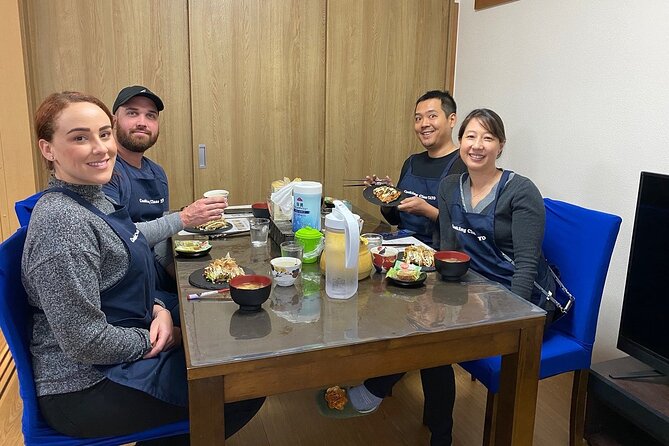
Osaka is often called Japan’s kitchen, and this class lets you work in one rather than simply walk past restaurant counters. In Yayo’s home cooking studio, you prepare okonomiyaki, takoyaki, and miso soup, then sit down to eat what you made.
I like the small maximum of eight, which gives Yayo time to correct your technique and answer questions. I also like the personal touches: cultural notes about each dish, recipes to take home, and, in some cases, thoughtful parting gifts such as chopsticks or paper cranes.
The main consideration is the setting. This is a home-based class in a small space, not a polished culinary school with lots of room to spread out. Arrive on time, too: participation is not guaranteed after 10 minutes late, and late cancellations are not refunded.
In This Review
- Key points to know before booking
- Why this Osaka cooking class feels personal
- Meeting Yayo near Noda Station
- Starting with miso soup and dashi
- Turning batter into takoyaki
- Making okonomiyaki, Osaka’s savory pancake
- Taiyaki, matcha, and the sweet finish
- Optional sake and beer pairing
- What the class teaches beyond recipes
- Is $104.13 a fair price?
- Who should book this experience?
- Practical booking advice for Osaka
- Should you book Yayo’s Osaka cooking class?
- FAQ
- Where does the Osaka cooking class meet?
- How long does the cooking class last?
- What dishes will I prepare?
- Is the class taught in English?
- How many people can join?
- Are vegetarian or pescatarian options available?
- Is sake included?
- What happens if I arrive late or need to cancel?
Key points to know before booking
- Cook Osaka’s signature comfort food: Make okonomiyaki and takoyaki, two dishes closely tied to the city’s food culture.
- Learn in Yayo’s home: The intimate setting feels personal and social, but the cooking area is compact.
- Eat a very substantial meal: Your dishes become lunch or dinner, followed by taiyaki and matcha.
- Small groups matter: The class accepts no more than eight people, with hands-on guidance throughout.
- Add drinks if you wish: An optional sake and beer pairing can accompany the meal.
- Plan around the meeting point: Meet outside Noda Station in Osaka, with no hotel pickup or drop-off.
Why this Osaka cooking class feels personal
Many cooking classes are held in commercial studios built for demonstrations. This one takes place in Yayo’s own home, which changes the mood from lesson to shared meal. You are not just watching a chef work at the front of a room. You are cooking beside a local host who can explain how Japanese food fits into everyday life.
Yayo is the heart of the experience. She speaks English well enough to explain ingredients, methods, and cultural details, and she has a Japanese cuisine expert certificate. Her teaching style is warm and patient, with room for conversation and questions.
That personal approach is especially useful if you are new to Japanese cooking. You can ask why dashi matters, how miso should be handled, or how to judge the texture of okonomiyaki without worrying about making a mistake in front of a large class.
The class is also well suited to solo visitors. If attendance is light, you might receive something close to a private lesson. Couples and families can expect the same relaxed format, with enough interaction to make the meal feel social rather than formal.
More Japanese Cooking Classes in Osaka
- Sushi Making Osaka Roll and Authentic Japanese Sushi Class
★ 5.0 · 1,220 reviews - Osaka Sushi Making Experience
★ 5.0 · 400 reviews - Osaka: Ramen and Gyoza Cooking Class in Dotonbori
★ 5.0 · 378 reviews
Meeting Yayo near Noda Station
The meeting point is outside Noda Station at 1 Chome-1 Ohiraki, in Osaka’s Fukushima Ward. The activity ends back at the same meeting point.
You will need to make your own way there. Hotel pickup and drop-off are not included, so allow time to find the station exit and meeting place. Since late arrival can mean losing the class without a refund, I would treat the meeting time seriously and arrive early.
The location is near public transportation, which makes it practical to reach from other parts of Osaka. Still, the precise route from your hotel depends on where you are staying, so check your train or subway connection before class day.
Once the group is together, you continue to the home cooking studio. The total activity lasts about two and a half hours, a good length for several dishes without turning the day into a full culinary course.
Starting with miso soup and dashi
The class begins with miso soup. This may sound like the simplest item on the menu, but it is a useful starting point because small changes in preparation affect the final bowl.
You learn about the broth, the role of dashi, and how miso contributes flavor without being treated like an ordinary seasoning. One useful lesson is that dashi is not some mysterious restaurant-only ingredient. With the right guidance, it becomes a practical part of home cooking.
This section gives the class more value than a meal alone. You leave with a better sense of how Japanese cooks build flavor from a few basic ingredients. The pace also lets Yayo explain where dishes and ingredients can vary across Japan.
If you cook at home, miso soup may be the easiest recipe to repeat. It requires less equipment and less timing than takoyaki, so it can become the first reminder of the class after you return home.
Turning batter into takoyaki
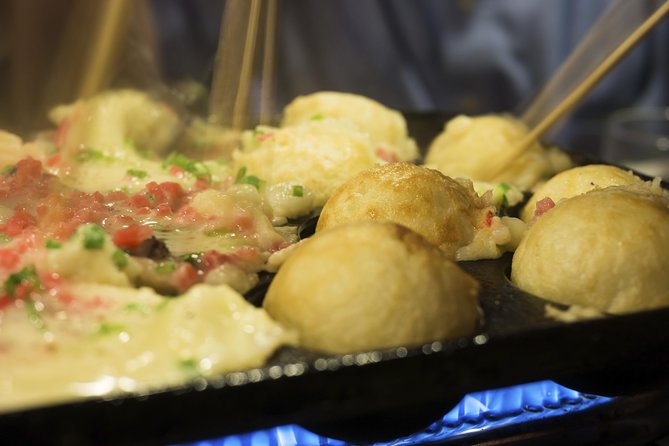
Next comes takoyaki, the round fried snacks filled with octopus. The mixture is poured into a special pan, then cooked and turned as the outside sets.
This is the most hands-on part of the class. Shaping the balls takes practice, and the process can look easier when someone else does it. Yayo guides you through the movements so you can take part instead of watching a demonstration.
Takoyaki also gives you a clear taste of Osaka street-food culture. The finished pieces are hot, savory, and filling, with a texture that depends on getting the batter and cooking time right.
The practical benefit is that you learn a technique you can adapt at home. You may not own a takoyaki pan yet, but the class helps you understand what the pan does and how the mixture behaves. It is a good choice for people who enjoy cooking with their hands and do not mind a little trial and error.
Because the studio is small, you may need to share work space and equipment. That is part of the social charm, but it is worth knowing if you prefer a quiet, highly structured class.
Same city, a completely different kind of day:
- Osaka Go Karting Tour with Funny Costume
★ 5.0 · 2,658 reviews - Osaka Castle: Museum and Tower Entry Ticket
★ 4.5 · 2,380 reviews - Osaka: Shinsekai Food Tour with 13-15 Dishes at 5 Eateries
★ 4.8 · 2,204 reviews - Osaka Food Tour: 13 Dishes at 5 Local Eateries
★ 5.0 · 2,149 reviews
Making okonomiyaki, Osaka’s savory pancake
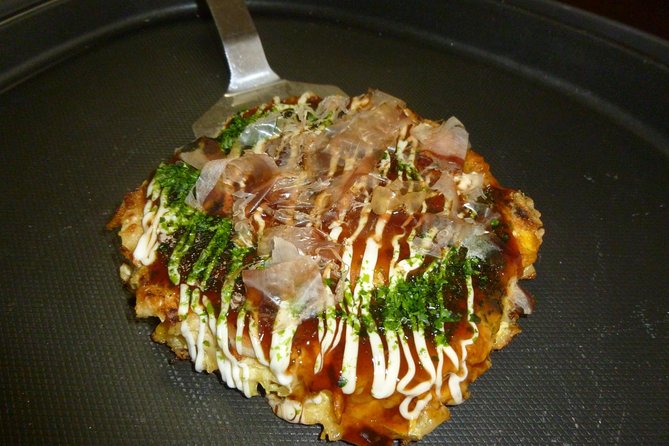
Okonomiyaki is the main event for many people. The name is often explained as cooked as you like, and the dish is flexible by nature. Here it is prepared as a filling savory pancake with egg, flour, cabbage, pork, and dried bonito flakes.
Yayo shows you how to combine and cook the mixture, then how the toppings contribute to the finished dish. The cabbage brings bulk and texture, while the pork and bonito add savory depth.
This is a particularly useful dish to learn because it is forgiving. You do not need elaborate knife skills or a long list of rare ingredients. The method can be adapted to what you can find at home, which makes it more likely that you will actually cook it again.
The portion is generous. I would not plan a large meal before this class. You prepare several dishes, and the food you make is served as lunch or dinner. Some people may have leftovers because the total amount is more than one sitting can comfortably handle.
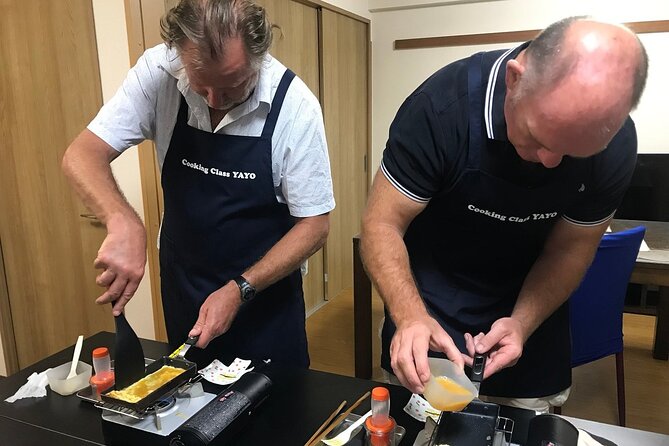
Depending on the session, the menu may also include dashimaki tamago, a Japanese rolled omelet. It has appeared alongside the core dishes and adds another useful lesson in handling eggs and layering flavor.
Taiyaki, matcha, and the sweet finish
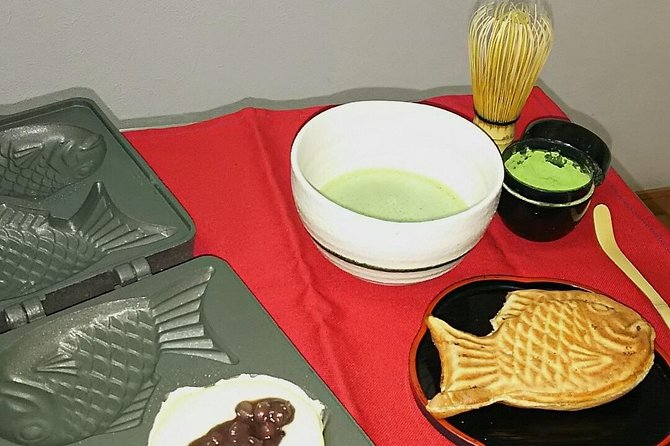
After the savory food, you try taiyaki, a fish-shaped cake, with matcha tea. Taiyaki is a cheerful ending to the class, and its shape makes it especially appealing for families.
The sweet course also keeps the experience from feeling like a narrow lesson on pancakes and fried snacks. You get a broader introduction to a Japanese meal, from broth to main dishes to a simple dessert and tea.
The matcha portion is not presented as a separate tea ceremony. Think of it as a chance to taste matcha with the final treat and ask questions about the drink.
Yayo often adds small surprises to the session. These can include snacks, homemade items, printed recipes, or a gift to take home. The exact extras are not guaranteed, but they reflect the host’s effort to make the class feel like an invitation into her home rather than a basic cooking appointment.
Optional sake and beer pairing
You can add a local sake and beer tasting to the meal when booking. This gives adults a chance to compare drinks with the savory dishes, particularly the salty, rich flavors of okonomiyaki and takoyaki.
The pairing is optional, so you can keep the class focused on food if you do not drink. Extra food and drinks beyond the selected inclusion are not covered, and gratuities are optional.
I see the drink add-on as a nice choice for couples and adults who want a more relaxed meal. It is less important for families, nondrinkers, or anyone mainly interested in learning recipes.
What the class teaches beyond recipes
The best part of this experience is not simply learning how to mix batter. Yayo explains why ingredients matter and gives advice aimed at cooking Japanese food after you leave Osaka.
You can expect practical guidance on:
- Building flavor with dashi and miso
- Handling takoyaki batter and turning the pieces
- Preparing a cabbage-based okonomiyaki mixture
- Understanding the cultural role of familiar Japanese dishes
- Recreating the recipes with ordinary home-cooking equipment
The class also offers context about daily life in Japan. Yayo shares stories about her mother and family ingredients, adding a personal layer to the cooking.
That human connection is valuable. A restaurant meal shows you the finished product. Here you see how the food comes together and gain a better sense of the care behind everyday dishes.
The English instruction is another strong point. You can ask about ingredients and techniques without relying only on gestures or translation apps. Yayo’s humor and patience help make the class approachable for people who do not cook often.
Is $104.13 a fair price?
At $104.13 per person, this is not the cheapest meal in Osaka. You can eat okonomiyaki or takoyaki for much less at a casual restaurant.
The price makes more sense when you count what is included: roughly two and a half hours of instruction, all ingredients and utensils, a full meal, an English-speaking instructor, and the personal setting. You are paying for participation and conversation, not just a plate of food.
The value is strongest if you plan to cook Japanese dishes at home. Learning how dashi works, how to turn takoyaki, and how to prepare okonomiyaki can save you from guessing later.
It is also a good use of time at the start of a Japan trip. The food is approachable, the class is social, and you leave with recipes and a better understanding of what you are eating elsewhere in Osaka.
The value is weaker if you dislike group activities, already know Japanese cooking well, or want a professional kitchen with advanced techniques. This is a friendly introduction, not chef training.
Group discounts may be available, and the maximum group size is eight. A small attendance can make the cost feel closer to a private lesson, though you should not book assuming you will have the room to yourself.
Who should book this experience?
I would recommend it most strongly to:
- First-time visitors who want an introduction to Osaka food
- Solo visitors looking for a social activity
- Couples seeking a shared meal with a local host
- Families with children old enough to take part safely
- Home cooks who want recipes they can repeat
- People who enjoy learning about food culture through personal stories
Vegetarian and pescatarian options are available by request at the time of booking. Make that request early and clearly, rather than waiting until you arrive.
This class may not suit anyone looking for a fast, restaurant-only experience. It also may not work for visitors who need a large, open cooking area or who cannot arrive at the meeting point on time.
Adult pricing applies to all participants except children age two and under. Only people with confirmed bookings can join, since the home studio has limited space.
Practical booking advice for Osaka
I would book at least a day before the class if you need a special menu. Confirmation is provided at booking, and vegetarian or pescatarian arrangements must be requested then.
Choose the sake and beer option only if you genuinely want it. The meal is substantial without it, and the class remains worthwhile as a food-only experience.
Leave room in your schedule after class. You may finish with leftovers, recipes, or small gifts, and rushing straight into another timed activity would take some of the ease out of the afternoon.
The cancellation rule is simple but strict: cancel at least 24 hours before the local start time for a full refund. Cancellations or changes inside that window are not accepted, and late arrival has its own risk.
Should you book Yayo’s Osaka cooking class?
Book this class if you want more than a list of Osaka restaurants. You will make the city’s best-known comfort foods, eat a generous meal, and spend time with Yayo in a small home setting.
I especially recommend it for solo visitors, couples, and families who value personal contact over polished production. The combination of okonomiyaki, takoyaki, miso soup, taiyaki, and matcha gives you plenty to do, while the recipes remain realistic for home cooking.
Skip it if you want advanced culinary training, a spacious studio, or the lowest-cost way to eat Osaka specialties. For most people who want a warm, practical food experience, the $104.13 price is justified by the instruction, meal, and personal attention.
FAQ
Where does the Osaka cooking class meet?
The meeting point is outside Noda Station at 1 Chome-1 Ohiraki, Fukushima Ward, Osaka, 553-0007, Japan.
How long does the cooking class last?
The experience lasts approximately 2 hours and 30 minutes.
What dishes will I prepare?
The class includes miso soup, takoyaki, and okonomiyaki. Taiyaki and matcha are served before you leave, and some sessions may also include dishes such as dashimaki tamago.
Is the class taught in English?
Yes. An English-speaking instructor leads the class.
How many people can join?
The class has a maximum of eight participants.
Are vegetarian or pescatarian options available?
Yes. Vegetarian and pescatarian options are available if you request them when booking.
Is sake included?
A local sake tasting and beer pairing are optional additions. They are not part of the standard experience unless selected.
What happens if I arrive late or need to cancel?
Participation is not guaranteed if you arrive more than 10 minutes late, and late arrival does not qualify for a refund. You can cancel at least 24 hours before the local start time for a full refund.
More Workshops in Osaka
- Matcha Making Class in Osaka with Authentic Japanese Sweets Set
★ 5.0 · 509 reviews - Osaka Sushi Making Class – Hands-On Nigiri & Rolls (Same-Day OK)
★ 5.0 · 352 reviews - Osaka: Roll and Authentic Sushi Making Class in Dotonbori
★ 4.9 · 239 reviews - Osaka: Sushi Class in Dotonbori
★ 4.9 · 160 reviews
More Cooking Classes in Osaka
- Osaka Sake Tasting with Takoyaki Cooking
★ 5.0 · 156 reviews - Osaka Sake Tasting & Takoyaki Cooking Experience
★ 5.0 · 149 reviews - Osaka: Cooking Class Ramen & Gyoza Course in Nanba
★ 4.9 · 86 reviews - Osaka: Gluten-Free Ramen and Gyoza Cooking Class
★ 5.0 · 42 reviews
Just added around Osaka
- (Ticket Included) Explore Osaka Castle & Museum of History★ 4.8 · 21 reviews
- Hidden Osaka – Yukaku Red Light Tour & Culinary Adventure★ 4.8 · 96 reviews
- Osaka: Walking Tour and Top Highlights★ 4.8 · 104 reviews
- Osaka: Private Ceramic Painting Workshop★ 5.0 · 13 reviews
- Pickleball in Osaka, Kobe & Kyoto with Locals!★ 4.7 · 80 reviews
- Eat Like a Local in Osaka – Private Custom Street Food Tour★ 4.3 · 33 reviews
- Osaka:SUMO BEATS SHOWCASE: Taiko Drum and Wagyu burger!★ 4.2 · 37 reviews
- Kimono photoshoot-Includes 100 photo data★ 5.0 · 21 reviews
Japanese Cooking Classes, compared.
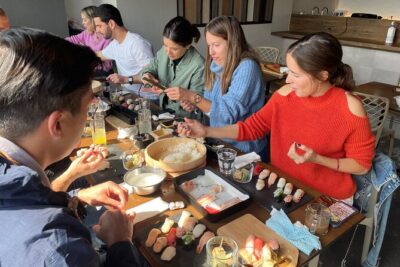
Sushi Making Tokyo Roll and Authentic Japanese Sushi Class
Read our review →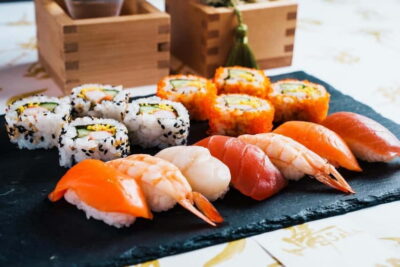
Roll and Authentic Sushi Making Class in Asakusa
Read our review →
Ramen Cooking Class at Ramen Factory in Kyoto
Read our review →
Sushi Making Class in a Happi Coat near a Famous Spot
Read our review →
Sushi Making Osaka Roll and Authentic Japanese Sushi Class
Read our review →
Tokyo Sushi Making Class in Tsukiji with Professional Chef
Read our review →
Ramen & Gyoza Cooking Class in Tokyo with Local Supermarket Visit
Read our review →
Tsukiji Fish Market Guided Tour and Sushi Making with Pro Chef
Read our review →Browse the lists this tour appears in