
REVIEW · JAPANESE COOKING CLASSES
Ramen and Gyoza Cooking Class in Osaka
The best part of this Osaka experience is that you make the whole meal yourself, from ramen noodles and soup to two very different gyoza. Instead of watching a chef work at a distance, you get flour on your hands, shape dumplings, and learn why each step matters. Chef Keigo leads the class in clear English, with help from a friendly team.
I especially like the small-group format and the useful recipes you take home. The seasonal dessert and green tea add a pleasant finish, too. The main consideration is location: the class is in Nishinomiya according to the description, but the listed meeting point is Banix Kitahorie in Osaka, so check your confirmation carefully before setting out.
In This Review
- Key points to know before booking
- Making ramen from flour, soup, and toppings
- Two gyoza styles, two different skills
- A small class with direct help from the chef
- Eating the meal you worked for
- What you take home besides a full stomach
- Price and practical value at $79.59
- Dietary needs and kitchen expectations
- Who will enjoy this class most
- Booking, cancellation, and timing details
- Should you book the ramen and gyoza class?
- FAQ
- Where does the ramen and gyoza class meet?
- How long does the cooking class last?
- What food will I make?
- Is a meal included?
- Are ingredients and kitchen equipment included?
- Do I receive recipes?
- Are vegetarian options available?
- How many people are in the class?
- Is hotel pickup available?
- Can I cancel for a full refund?
Key points to know before booking
- You make three Japanese staples: Fresh ramen, classic round pork gyoza, and crispy rectangular vegetable gyoza.
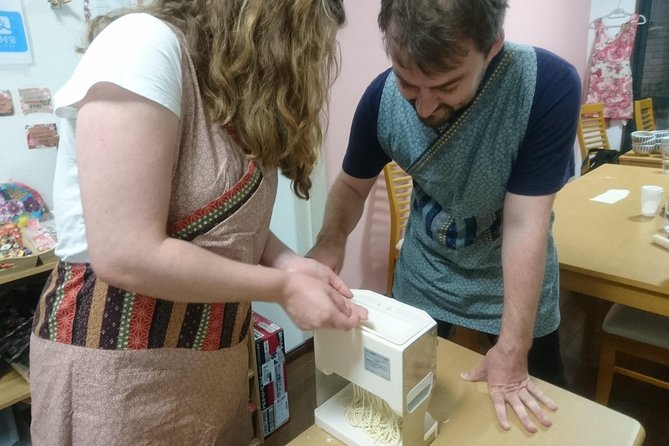
- The class is genuinely hands-on: You work through noodles, soup, toppings, fillings, folding, and cooking.
- Chef Keigo teaches in clear English: His organized, step-by-step approach suits beginners and experienced home cooks.
- You eat what you prepare: Lunch or dinner comes with green tea and a seasonal dessert.
- Recipes go home with you: The printed instructions are designed to help you repeat the dishes later.
- Dietary needs need advance notice: Vegetarian adaptations are available, but you should mention restrictions before the class.
Making ramen from flour, soup, and toppings
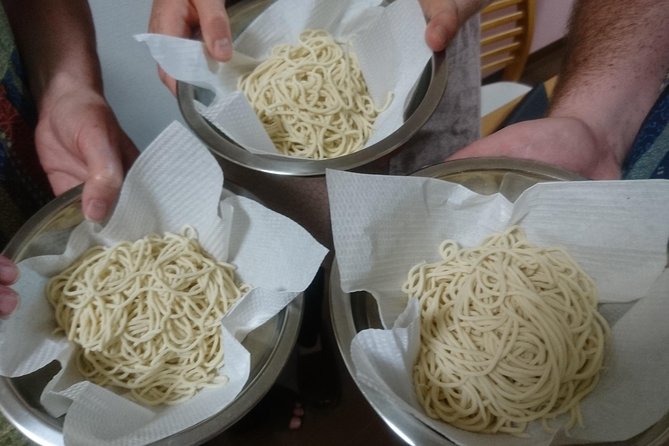
Ramen can look simple in a bowl, but this class shows you how many separate jobs go into it. You learn to make the noodles, prepare the soup, and arrange the toppings. That matters because the flavor and texture depend on timing, not just on buying good ingredients.
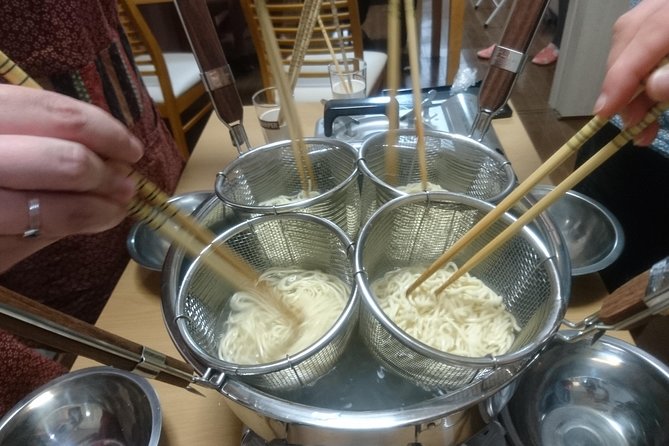
The cooking is broken into manageable stages. You are not expected to master everything at once. The instructor demonstrates a technique, explains what to look for, and then gives you time to repeat it. This is a good setup if you have little Japanese cooking experience, and it still offers useful tips if you already cook at home.
The fresh noodle work is one of the most memorable parts. It gives you a better sense of what ramen really is, rather than treating it as an instant meal with toppings. You also learn patience. One of the class’s central lessons is that good results require care and attention, not frantic speed.
The ingredients can change with the season. That means your bowl may not be identical to someone else’s, but it also keeps the class tied to the food available at the time of year. You should think of this as a practical introduction to ramen technique, not a fixed restaurant recipe carved in stone.
More Japanese Cooking Classes in Osaka
- Sushi Making Osaka Roll and Authentic Japanese Sushi Class
★ 5.0 · 1,220 reviews - Osaka Sushi Making Experience
★ 5.0 · 400 reviews - Osaka: Ramen and Gyoza Cooking Class in Dotonbori
★ 5.0 · 378 reviews
Two gyoza styles, two different skills
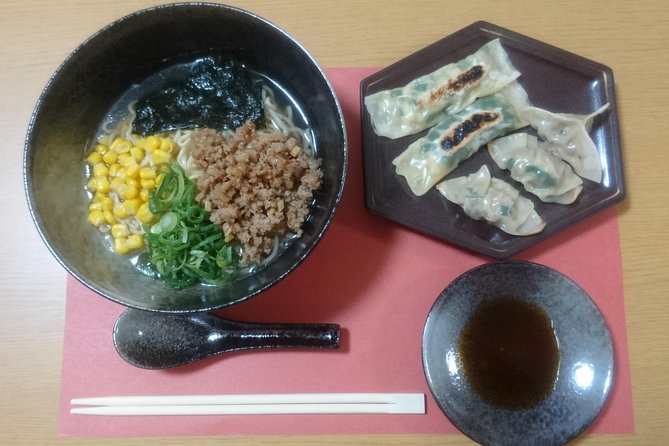
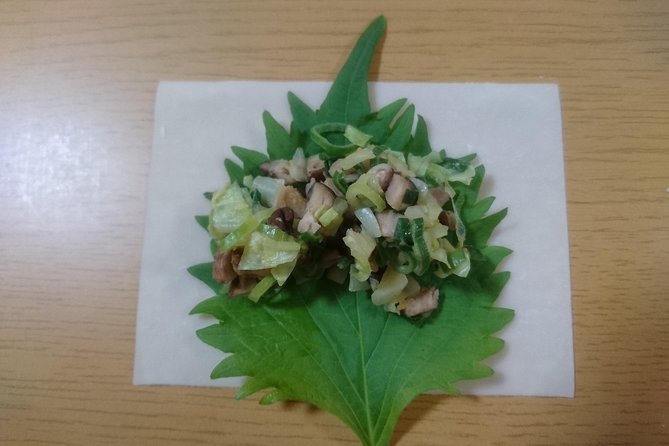
The dumpling portion gives the class a nice contrast. You prepare classic round pork gyoza, then make crispy rectangular vegetable gyoza. The two shapes are not just decoration. They give you different folding and cooking tasks, and they make the finished meal more varied.
The round pork dumplings are the familiar starting point. You learn how to fill and seal them, then cook them so the wrapper and filling come together properly. The rectangular vegetable version adds another useful option, especially for anyone interested in meat-free cooking.
This is also where the class becomes easy to repeat at home. You do not need restaurant machinery or rare equipment to practice the basic dumpling methods. The recipes and clear instructions give you a reasonable starting point for another attempt in your own kitchen.
Do not expect every dumpling to look perfect. That is part of the fun, and the small group lets the instructor keep an eye on your work. Chef Keigo’s teaching style is described as patient, organized, and encouraging, with explanations of not only what to do but why you are doing it.
A small class with direct help from the chef
The experience is promoted as a maximum-six class, which is a strong advantage for a cooking lesson. A small group gives you more space to ask questions and makes it easier for the instructor to spot a loose fold, uneven noodle, or missed step.
There is one detail to check: the additional information gives a maximum of 12 participants. Since the main description says six, I would rely on the booking confirmation for the actual capacity on your date. Either way, the experience is designed around participation rather than a large demonstration.
Chef Keigo receives especially strong praise for his English, humor, clear explanations, and calm teaching style. Other instructors or assistants may lead some sessions, including Fumi, Fumiko, Sakura, or Tomiko, based on the available accounts. Tomiko has also helped participants find the building, which can be useful when you are navigating an unfamiliar Osaka address.
The setting is described as a private kitchen that is clean, homey, and well prepared. Utensils and ingredients are ready for the lesson, so you can focus on the food instead of wondering what equipment to use next. The kitchen also has room for cooking and eating, which keeps the transition from class to meal simple.
Eating the meal you worked for
After the cooking, you sit down and eat the ramen and gyoza you prepared. This is more satisfying than a standard restaurant meal because you know exactly how much work went into each bowl and dumpling.
The meal is included in the $79.59 price, along with all ingredients, kitchen equipment, and a seasonal dessert. Green tea is served with the meal. Additional drinks and personal expenses are not included, so keep that in mind if you want something beyond the planned menu.
The dessert is a small but welcome touch. Ramen and gyoza make a filling meal, and a seasonal sweet gives the class a proper ending rather than stopping as soon as the stove is turned off. Ingredients may vary by season, so the final course is not specified in advance.
The food itself is meant to be enjoyed as lunch or dinner. The class takes about two and a half hours, enough time to cook without feeling like a quick food demonstration. Several participants found the pace comfortable, with enough instruction to learn the methods without feeling rushed.
Same city, a completely different kind of day:
- Osaka Go Karting Tour with Funny Costume
★ 5.0 · 2,658 reviews - Osaka Castle: Museum and Tower Entry Ticket
★ 4.5 · 2,380 reviews - Osaka: Shinsekai Food Tour with 13-15 Dishes at 5 Eateries
★ 4.8 · 2,204 reviews - Osaka Food Tour: 13 Dishes at 5 Local Eateries
★ 5.0 · 2,149 reviews
What you take home besides a full stomach
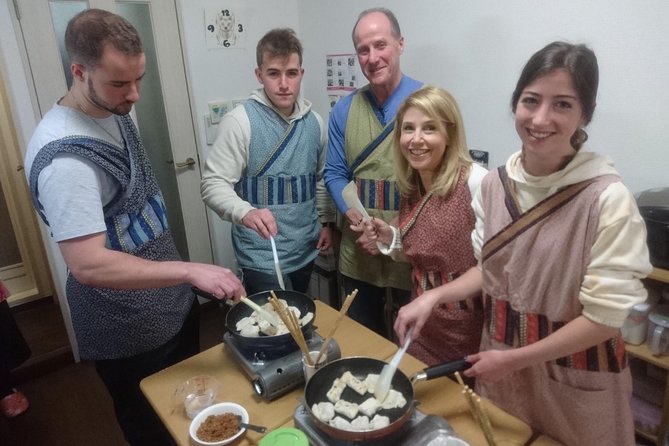
The printed recipe is one of the best reasons to choose this class over a casual food tasting. You can use it after your trip, when the memory of the meal is still fresh but the details of the folding and noodle work are starting to fade.
The recipes are presented as plain, repeatable methods. You will still need to buy ingredients and practice, but you leave with a clear foundation rather than a vague memory of watching someone cook. Several participants specifically valued the confidence the class gave them to try ramen and gyoza again at home.
Pictures may also be taken during the session. Chef Keigo has sent class photos afterward in some cases, which can be a nice record of the experience. This is not listed as a formal inclusion, so treat it as a possible extra rather than a guaranteed part of every booking.
The lesson also offers cultural context through the ingredients and cooking methods. You learn how the dishes are assembled and why certain steps matter. It is not a long lecture on Japanese food, but it gives useful background while your hands are busy.
Price and practical value at $79.59
At $79.59 per person, this is not the cheapest way to eat ramen in Osaka. A restaurant meal will cost less, and you can buy gyoza without spending two and a half hours preparing it.
The value comes from the combination of instruction, ingredients, equipment, a full meal, dessert, and a recipe to keep. You are paying for an activity as well as food. If you want a skill you can use after Japan, the price is easier to justify than if you only want lunch.
The small format improves the value. Direct help matters when you are making fresh noodles or trying to seal dumplings for the first time. A large group could make the lesson feel like a show, but a smaller class gives you a better chance to get personal corrections.
I would book this for a special afternoon, a rainy-day plan, or a break from temple and shopping stops. It works especially well for couples, families, and friends who enjoy doing something together. It also suits solo participants, provided the class is running with enough people for the social side to feel comfortable.
The experience is near public transportation, but hotel pickup and drop-off are not included. The listed starting point is:
Banix Kitahorie, Japan
550-0014 Osaka, Nishi Ward, Kitahorie, 3-chōme 6-2, Sistema Gallery
Because the description also refers to Nishinomiya, check the confirmed meeting details before you go. Do not assume the class begins at your hotel or at a ramen shop.
Dietary needs and kitchen expectations
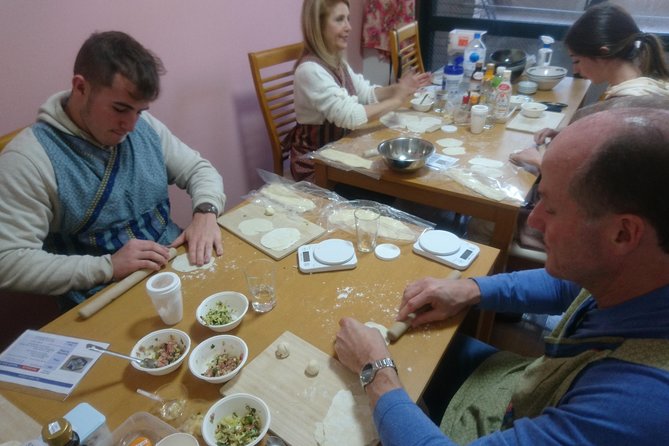
Vegetarian options are available if you notify the organizer in advance. The class description does not give a full list of allergy or dietary adaptations, so you should state your needs clearly when booking and wait for confirmation.
One especially useful example involved replacing meat with soy meat and using seaweed stock for the soup. That shows the cooking can be adjusted, but it does not guarantee that every restriction can be handled. Ask before booking if you have serious allergies or need to avoid specific ingredients.
The kitchen is described as clean and sanitary, with tools and ingredients prepared for the lesson. The tone is practical rather than formal. You should expect to work, learn, and eat, not attend a polished restaurant performance.
You also may be able to bring luggage to the location, but this is based on a specific experience rather than a stated service guarantee. If you are arriving with bags, confirm first instead of counting on storage space.
Who will enjoy this class most
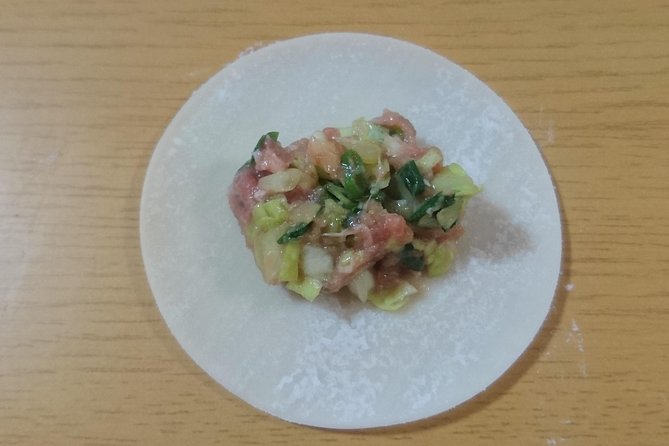
You should book if you want to understand how ramen and gyoza are made, not merely taste them. The class rewards curiosity and a willingness to take part in every stage, including the slower jobs that make the final meal possible.
It is a good fit for beginners because the instructions are broken into simple steps. You do not need advanced cooking skills, and the teacher keeps track of progress. At the same time, capable home cooks can pick up useful ideas about dough, soup, filling, and timing.
Families can enjoy the shared work, though the supplied information does not state a minimum age. Ask the provider about children before booking if that affects your plans.
This may not be right for you if you want a quick meal, dislike hands-on food preparation, or have strict dietary requirements that cannot be confirmed in advance. It is also not a sightseeing tour, so it will not show you Osaka landmarks beyond the experience of visiting the cooking venue.
Booking, cancellation, and timing details
The activity lasts approximately two hours and 30 minutes and finishes back at the meeting point. You should allow extra time before the start to reach the address and find the correct entrance.
Confirmation is sent within 48 hours of booking, subject to availability. That makes it sensible to reserve before building the rest of your Osaka schedule around the class.
Free cancellation is available if you cancel at least 24 hours before the local start time. Cancellations or changes made less than 24 hours ahead are not accepted for a refund. Personal expenses, extra drinks, hotel transfers, and anything outside the listed meal are not included.
The experience has a 5 out of 5 rating from 202 reviews and a 99 percent recommendation rate. That record points to unusually consistent satisfaction, with the strongest praise focused on patient instruction, a clean setup, tasty results, and the useful recipes.
Should you book the ramen and gyoza class?
I would book this if you want an active food experience with a result you can repeat at home. The strongest reasons are the small teaching format, Chef Keigo’s clear instruction, the chance to make fresh noodles, and the unusual pairing of two gyoza styles in one session.
The $79.59 cost is fair for a full meal, dessert, ingredients, equipment, instruction, and a take-home recipe. It is less attractive if you judge it only as a meal, since Osaka offers plenty of cheaper ramen and dumpling options.
Check the confirmed meeting address, group size, and dietary arrangements before paying. If those details fit your schedule, this is a useful and enjoyable way to spend half a day in Osaka, especially when you want to return home with more than food photos.
FAQ
Where does the ramen and gyoza class meet?
The listed meeting point is Banix Kitahorie, 550-0014 Osaka, Nishi Ward, Kitahorie, 3-chōme 6-2, Sistema Gallery.
How long does the cooking class last?
The class lasts approximately two hours and 30 minutes.
What food will I make?
You will make ramen from scratch, including noodles, soup, and toppings. You will also prepare classic round pork gyoza and crispy rectangular vegetable gyoza.
Is a meal included?
Yes. You eat the ramen and gyoza you prepare as lunch or dinner, with green tea and a seasonal dessert.
Are ingredients and kitchen equipment included?
Yes. The class includes all ingredients and use of the kitchen utensils and equipment.
Do I receive recipes?
Yes. A printed recipe is included for you to take home.
Are vegetarian options available?
Yes. Vegetarian options are available if you notify the organizer in advance. A specific adaptation mentioned for one class used soy meat and seaweed stock.
How many people are in the class?
The main description lists a maximum of six participants. The additional information lists a maximum of 12 travelers, so check the confirmed group size for your date.
Is hotel pickup available?
No. Hotel pickup and drop-off are not included. The activity ends back at the meeting point.
Can I cancel for a full refund?
Yes, if you cancel at least 24 hours before the experience start time. Cancellations or changes made less than 24 hours before the start are not accepted for a refund.
More Workshops in Osaka
- Matcha Making Class in Osaka with Authentic Japanese Sweets Set
★ 5.0 · 509 reviews - Osaka Sushi Making Class – Hands-On Nigiri & Rolls (Same-Day OK)
★ 5.0 · 352 reviews - Osaka: Roll and Authentic Sushi Making Class in Dotonbori
★ 4.9 · 239 reviews - Osaka: Sushi Class in Dotonbori
★ 4.9 · 160 reviews
More Cooking Classes in Osaka
- Osaka Cooking Class: Okonomiyaki &Japanese cuisines experience
★ 5.0 · 261 reviews - Osaka Sake Tasting with Takoyaki Cooking
★ 5.0 · 156 reviews - Osaka Sake Tasting & Takoyaki Cooking Experience
★ 5.0 · 149 reviews - Cooking Ramen&Gyoza/KatsuCurry/Bento/Okonomiyaki+Store Tour@Osaka
★ 5.0 · 138 reviews
Just added around Osaka
- Samurai dress-up and shows, plus Tea Ceremony & Calligraphy★ 5.0 · 27 reviews
- Kyoto & Nara Private customized tour with English speaking Guide★ 4.5 · 99 reviews
- Well-balanced BENTO (lunch box) Cooking Class★ 5.0 · 35 reviews
- Urban Canvas: Osaka Street Art Bike Tour★ 5.0 · 47 reviews
- OSAKA:Feel the Power! Learn Taiko Drum from Professionals★ 5.0 · 28 reviews
- Volleyball in Osaka & Kyoto with Locals!★ 5.0 · 21 reviews
- 1.5〜2 Hours Traditional Kintsugi Work Shop in Namba Osaka★ 5.0 · 75 reviews
- Umami Town Street Food Tour★ 5.0 · 120 reviews
Japanese Cooking Classes, compared.

Sushi Making Tokyo Roll and Authentic Japanese Sushi Class
Read our review →
Roll and Authentic Sushi Making Class in Asakusa
Read our review →
Ramen Cooking Class at Ramen Factory in Kyoto
Read our review →
Sushi Making Class in a Happi Coat near a Famous Spot
Read our review →
Sushi Making Osaka Roll and Authentic Japanese Sushi Class
Read our review →
Tokyo Sushi Making Class in Tsukiji with Professional Chef
Read our review →
Ramen & Gyoza Cooking Class in Tokyo with Local Supermarket Visit
Read our review →
Tsukiji Fish Market Guided Tour and Sushi Making with Pro Chef
Read our review →Browse the lists this tour appears in